Which of the following agents is not used in the treatment of erectile dysfunction?
Rapid termination of the action of Suxamethonium is due to which of the following mechanisms?
Which of the following is not an FDA-approved indication for the use of modafinil as an adjunct?
Scopolamine is most commonly used in which condition?
Which drug selectively acts on alpha-1A receptors (blocking action), is used in the treatment of Benign Prostatic Hypertrophy, and has minimal or no cardiac side effects?
Neostigmine can reverse the effect of muscle relaxants in all of the below conditions except?
Which of the following is a selective 1 agonist?
Which of the following drugs is not used in the management of Alzheimer's disease?
What is the mechanism of action of botulinum toxin?
Which of the following combinations will show vasomotor reversal of Dale?
Explanation: **Explanation:** The correct answer is **Phenylephrine** because it is a potent **$\alpha_1$-selective adrenergic agonist**. [4] In the context of erectile physiology, sympathetic stimulation (via $\alpha_1$ receptors) causes vasoconstriction of the penile arteries and contraction of the trabecular smooth muscle, leading to detumescence (loss of erection). [1] Therefore, Phenylephrine is actually used to **treat priapism** (a prolonged, painful erection), not erectile dysfunction (ED). **Analysis of Incorrect Options:** * **Apomorphine (Option A):** A dopamine (D2) receptor agonist that acts centrally on the hypothalamus to initiate the erectile response. [3] It is used as a sublingual treatment for ED. * **Vardenafil (Option B):** A potent **PDE-5 inhibitor** (similar to Sildenafil). [2] It prevents the breakdown of cGMP in the corpus cavernosum, maintaining smooth muscle relaxation and enhancing blood flow. * **Alprostadil (Option D):** A synthetic **Prostaglandin E1 (PGE1)** analogue. It increases cAMP levels, leading to smooth muscle relaxation. It is administered via intracavernosal injection or intraurethral pellets. **Clinical Pearls for NEET-PG:** * **First-line treatment for ED:** Oral PDE-5 inhibitors (Sildenafil, Tadalafil, Vardenafil). * **Priapism Management:** Phenylephrine is the drug of choice (administered via intracavernosal injection). * **Contraindication:** PDE-5 inhibitors must never be used with **Nitrates**, as they can cause synergistic peripheral vasodilation leading to severe, life-threatening hypotension. [2] * **Alprostadil** is also used to maintain the patency of the **Ductus Arteriosus** in neonates with cyanotic heart disease.
Explanation: ### Explanation **1. Why the Correct Answer is Right:** Suxamethonium (Succinylcholine) is a depolarizing neuromuscular blocking agent. Its rapid onset and ultra-short duration of action (usually 5–10 minutes) are primarily due to its **enzymatic degradation by pseudocholinesterase** (also known as butyrylcholinesterase or plasma cholinesterase). Unlike acetylcholine, which is hydrolyzed by acetylcholinesterase at the motor endplate, suxamethonium is metabolized in the plasma before it even reaches the synapse and as it diffuses away from it. This rapid hydrolysis ensures that only a small fraction of the injected dose actually reaches the neuromuscular junction. **2. Why the Incorrect Options are Wrong:** * **A. Rapid renal elimination:** While metabolites are excreted by the kidneys, the termination of the drug's clinical effect is not dependent on renal clearance. * **C. Metabolism by the liver:** Suxamethonium is not metabolized to Acetyl CoA. It is hydrolyzed into succinylmonocholine and then into succinic acid and choline. * **D. Redistribution:** While redistribution terminates the action of drugs like Thiopentone, it plays a negligible role in the termination of suxamethonium compared to enzymatic hydrolysis. **3. Clinical Pearls & High-Yield Facts for NEET-PG:** * **Suxamethonium Apnea:** This occurs in patients with a genetic deficiency or structural abnormality of pseudocholinesterase (atypical enzyme), leading to prolonged paralysis and respiratory failure. * **Dibucaine Number:** A diagnostic test for atypical pseudocholinesterase. A **low** dibucaine number (e.g., 20) indicates an atypical enzyme (sensitive to suxamethonium), while a **high** number (e.g., 80) is normal. * **Contraindications:** Avoid in patients with burns, massive trauma, or upper motor neuron lesions due to the risk of **hyperkalemia**. * **Phase II Block:** Occurs with prolonged infusion or high doses, where the block changes from depolarizing to resembling a non-depolarizing block.
Explanation: **Explanation:** Modafinil is a non-amphetamine wake-promoting agent (eugeroic) that acts primarily by inhibiting the reuptake of dopamine and modulating hypothalamic neuropeptides like **orexin/hypocretin**. **1. Why Option A is Correct:** While modafinil is frequently used **off-label** as an augmenting agent in treatment-resistant Major Depressive Disorder (MDD) to combat fatigue and "brain fog," it is **not FDA-approved** for this indication. Clinical trials have shown mixed results regarding its efficacy as a primary adjunct for depression compared to standard stimulants or antidepressants. **2. Analysis of Incorrect Options (FDA-Approved Indications):** * **Narcolepsy (Option B):** Modafinil is the first-line pharmacological treatment for excessive daytime sleepiness (EDS) associated with narcolepsy. * **Obstructive Sleep Apnea (Option C):** It is approved as an adjunct to CPAP therapy for patients who continue to experience significant daytime sleepiness despite effective airway pressure treatment. * **Shift Work Sleep Disorder (Option D):** It is approved for improving wakefulness in patients with excessive sleepiness due to non-traditional work schedules. **High-Yield Clinical Pearls for NEET-PG:** * **Mechanism:** Increases synaptic dopamine by blocking the Dopamine Transporter (DAT). It also increases histamine levels in the hypothalamus. * **Side Effects:** Headache (most common), nausea, and nervousness. Rarely, it can cause life-threatening rashes like **Stevens-Johnson Syndrome (SJS)**. * **Advantage over Amphetamines:** Lower abuse potential (Schedule IV drug), less peripheral sympathomimetic stimulation (less tachycardia/hypertension), and no rebound hypersomnolence. * **Armodafinil:** The R-enantiomer of modafinil with a longer half-life, also FDA-approved for the same three indications.
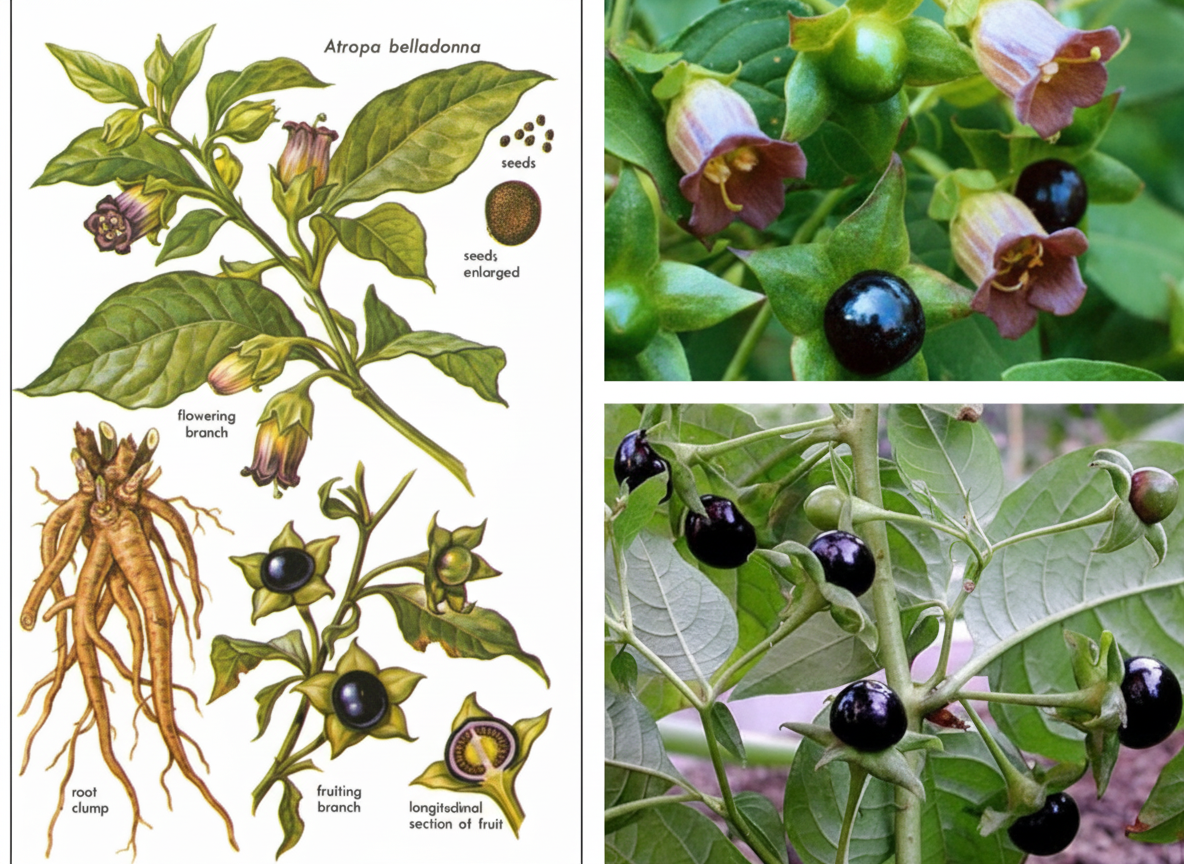
Explanation: **Explanation:** **Scopolamine (Hyoscine)** is a belladonna alkaloid that acts as a competitive antagonist at muscarinic receptors (M1). Its primary clinical utility in **Motion Sickness** stems from its ability to cross the blood-brain barrier and block cholinergic transmission in the vestibular apparatus and the vomiting center in the medulla. By inhibiting the vestibular-to-cerebellar pathways, it prevents the nausea and vertigo triggered by motion. **Analysis of Options:** * **Motion Sickness (Correct):** It is the drug of choice for prophylaxis. For maximum efficacy, it is administered as a **transdermal patch** applied to the post-auricular (behind the ear) area 4 hours before the journey. * **Hyperemesis Gravidarum:** Scopolamine is generally avoided in pregnancy due to potential fetal effects. First-line management typically involves Doxylamine and Pyridoxine. * **General Vomiting:** While it has anti-emetic properties, it is not used for chemotherapy-induced or post-operative vomiting, where 5-HT3 antagonists (Ondansetron) or D2 antagonists are more effective. * **Constipation:** Scopolamine is an anticholinergic; it decreases GI motility and would actually *cause* or worsen constipation as a side effect. **High-Yield Clinical Pearls for NEET-PG:** * **Mechanism:** M1 receptor blockade in the vestibular nuclei. * **Route:** Transdermal patches provide steady delivery for up to 72 hours. * **Side Effects:** Classic anticholinergic effects—dry mouth (xerostomia), blurring of vision (cycloplegia), and sedation. * **Contraindication:** Narrow-angle glaucoma and prostatic hypertrophy (BPH).
Explanation: ### Explanation **Correct Answer: C. Tamsulosin** **1. Why Tamsulosin is Correct:** The prostate gland and the bladder neck contain predominantly **$\alpha_{1A}$** receptor subtypes, which mediate smooth muscle contraction [2]. Tamsulosin is a **selective $\alpha_{1A}$ blocker** [2]. Because it specifically targets the receptors in the genitourinary tract rather than the $\alpha_{1B}$ receptors found in vascular smooth muscle, it effectively relaxes the prostatic urethra to improve urine flow in Benign Prostatic Hypertrophy (BPH) without causing significant peripheral vasodilation [2]. Consequently, it has **minimal or no cardiac side effects** (like orthostatic hypotension or reflex tachycardia) [1], [2]. **2. Why Other Options are Incorrect:** * **Prazosin, Terazosin, and Doxazosin:** These are **non-selective $\alpha_1$ blockers**. They block both $\alpha_{1A}$ (prostate) and $\alpha_{1B}$ (blood vessels) subtypes. While effective for BPH, they cause significant vasodilation, leading to the "first-dose phenomenon" (severe hypotension) and require careful dose titration [1]. They are often preferred only if the patient has comorbid hypertension [3]. **3. High-Yield Clinical Pearls for NEET-PG:** * **Silodosin:** Another highly selective $\alpha_{1A}$ blocker (even more selective than Tamsulosin) used for BPH [1]. * **Side Effect Profile:** While Tamsulosin spares the heart, it is uniquely associated with **Intraoperative Floppy Iris Syndrome (IFIS)**. Patients scheduled for cataract surgery should discontinue the drug. * **Retrograde Ejaculation:** This is a common side effect of selective $\alpha_{1A}$ blockers due to the relaxation of the bladder neck [1]. * **Dosing:** Unlike non-selective blockers, Tamsulosin does not require bedtime administration or slow titration because of its minimal effect on blood pressure [2].
Explanation: ### Explanation **Core Concept: Mechanism of Neostigmine** Neostigmine is an acetylcholinesterase (AChE) inhibitor. By inhibiting the enzyme that breaks down acetylcholine (ACh), it increases the concentration of ACh at the neuromuscular junction (NMJ). This excess ACh competes with muscle relaxants for nicotinic receptors. **Why Option B is Correct (The Exception)** In a **Phase 1 Block** (caused by depolarizing agents like Succinylcholine), the muscle membrane is already persistently depolarized. Succinylcholine acts as an agonist that keeps the sodium channels in an inactivated state. If you give Neostigmine, the resulting increase in ACh further depolarizes the membrane, **potentiating (worsening)** the block rather than reversing it. Additionally, Neostigmine inhibits plasma cholinesterase, which actually slows the metabolism of Succinylcholine. **Why Other Options are Incorrect** * **Option A:** In a **Non-depolarizing block** (e.g., Vecuronium), the drug is a competitive antagonist. Increasing ACh levels via Neostigmine effectively "outcompetes" the drug from the receptor, reversing the paralysis. * **Option C:** A **Phase 2 Block** occurs with prolonged or high-dose exposure to Succinylcholine. The membrane repolarizes, but the receptor becomes desensitized, behaving similarly to a non-depolarizing block. At this specific stage, AChE inhibitors like Neostigmine can help reverse the block. **NEET-PG High-Yield Pearls** * **Succinylcholine + Neostigmine:** Always remember that Neostigmine **prolongs** the action of Succinylcholine in Phase 1. * **Dual Block:** Another name for Phase 2 block. * **Coadministration:** Neostigmine is always given with an antimuscarinic (Atropine or Glycopyrrolate) to prevent bradycardia and excessive secretions caused by increased ACh at muscarinic sites. * **Edrophonium:** A rapid-acting AChE inhibitor used in the Tensilon test for Myasthenia Gravis, but less commonly used for reversal compared to Neostigmine.
Explanation: **Explanation:** **Dobutamine** is the correct answer because it is a synthetic catecholamine that acts as a relatively selective **$\beta_1$-adrenergic agonist**. While it possesses some activity at $\beta_2$ and $\alpha_1$ receptors, its primary clinical effect is mediated through $\beta_1$ receptors in the myocardium. This increases intracellular cAMP, leading to potent **positive inotropic** effects (increased contractility) with a comparatively lesser effect on heart rate (chronotropy). **Analysis of Incorrect Options:** * **Terbutaline & Albuterol (Options A & B):** These are **Short-Acting $\beta_2$ Agonists (SABA)**. They are used primarily as bronchodilators in the management of asthma and COPD. Terbutaline is also used as a tocolytic to delay preterm labor. * **Isoetharine (Option D):** This is an older sympathomimetic drug that is also selective for **$\beta_2$ receptors**. It was historically used for inhalation therapy in bronchospasm but has largely been replaced by more selective agents like Albuterol. **High-Yield Clinical Pearls for NEET-PG:** * **Clinical Use:** Dobutamine is the drug of choice for **Cardiogenic Shock** and severe heart failure because it increases cardiac output without significantly increasing myocardial oxygen demand compared to other pressors. * **Diagnostic Use:** It is used in **Dobutamine Stress Echocardiography** to identify areas of viable myocardium or ischemia in patients unable to perform exercise stress tests. * **Isoproterenol vs. Dobutamine:** Remember that Isoproterenol is a *non-selective* $\beta$ agonist ($\beta_1 = \beta_2$), whereas Dobutamine is *selective* for $\beta_1$. * **Side Effect:** Despite its selectivity, at higher doses, it can cause tachycardia and arrhythmias.
Explanation: The management of Alzheimer’s disease primarily focuses on enhancing cholinergic transmission in the brain using **Centrally Acting Reversible Cholinesterase Inhibitors**. ### **Why Tacrine is the Correct Answer** While **Tacrine** was the first centrally acting cholinesterase inhibitor approved for Alzheimer’s disease, it is **no longer used** in clinical practice. Its use was discontinued due to significant **hepatotoxicity** (elevation of ALT/AST levels) and the requirement for frequent dosing (four times a day). In the context of NEET-PG, if a question asks which drug is "not used," it refers to drugs that have been obsolete or withdrawn from standard treatment protocols. ### **Explanation of Incorrect Options** The following drugs are currently the **standard of care** for mild-to-moderate Alzheimer’s: * **Donepezil (Option C):** A long-acting, selective reversible inhibitor. It is the most commonly used drug due to its once-daily dosing and better tolerability. * **Rivastigmine (Option D):** A "pseudo-irreversible" inhibitor that also inhibits butyrylcholinesterase. It is available as a **transdermal patch**, which reduces GI side effects. * **Galantamine (Option B):** A competitive inhibitor that also acts as a **nicotinic receptor modulator**, potentially enhancing the release of acetylcholine. ### **High-Yield Clinical Pearls for NEET-PG** * **Mechanism:** These drugs increase acetylcholine levels in the synaptic cleft to improve cognitive function. * **Side Effects:** Common side effects are cholinergic in nature: nausea, vomiting, diarrhea, and bradycardia. * **Memantine:** For moderate-to-severe Alzheimer’s, **Memantine** (an NMDA receptor antagonist) is used, often in combination with Donepezil. * **Mnemonic:** Remember the used drugs as **"Don Riva Gala"** (Donepezil, Rivastigmine, Galantamine).
Explanation: ### Explanation **Mechanism of Action:** Botulinum toxin, produced by *Clostridium botulinum*, acts by interfering with the cholinergic transmission at the presynaptic nerve terminal. Specifically, it acts as a protease that cleaves **SNARE proteins** (e.g., synaptobrevin, SNAP-25). These proteins are essential for the docking and fusion of acetylcholine (ACh) vesicles with the presynaptic membrane. By preventing this fusion, the toxin **inhibits the release of acetylcholine** into the synaptic cleft, leading to flaccid paralysis. *Note: While the question phrasing suggests "inhibition of synthesis," in the context of many competitive exams like NEET-PG, this option is often used to represent the overall failure of the presynaptic cholinergic mechanism. Strictly speaking, it inhibits **release**, but it is categorized under presynaptic inhibitors.* **Analysis of Incorrect Options:** * **Option B:** Inhibiting nicotinic receptors is the mechanism of **Neuromuscular Blocking Agents** (like d-Tubocurarine or Succinylcholine), which act postsynaptically. * **Option C:** No clinical toxin is primarily used to increase ACh synthesis; drugs like Pyridostigmine increase ACh levels by inhibiting its breakdown (AChE inhibitors). * **Option D:** Acetylcholine is not primarily regulated by reuptake (unlike Norepinephrine); it is rapidly degraded by the enzyme **Acetylcholinesterase** in the synaptic cleft. **High-Yield Clinical Pearls for NEET-PG:** * **Clinical Uses:** Used for focal dystonias (Blepharospasm, Spasmodic torticollis), Achalasia cardia, Hyperhidrosis, and cosmetic reduction of wrinkles. * **Botulism:** Characterized by "Diplopia, Dysphagia, Dysarthria" and descending flaccid paralysis. * **Antidote:** Guanidine can sometimes be used to enhance ACh release, but treatment is primarily supportive with antitoxin.
Explanation: ### Explanation: Vasomotor Reversal of Dale **The Concept:** The **Vasomotor Reversal of Dale** refers to the phenomenon where the typical pressor (blood pressure raising) effect of Adrenaline is converted into a depressor (blood pressure lowering) effect in the presence of an **alpha-blocker**. Adrenaline acts on $\alpha_1, \alpha_2, \beta_1,$ and $\beta_2$ receptors. Normally, the potent $\alpha_1$-mediated vasoconstriction overrides the $\beta_2$-mediated vasodilation, resulting in a net rise in blood pressure. When an alpha-blocker (like **Phentolamine**) is administered first, the $\alpha$-receptors are occupied. Subsequent administration of Adrenaline can only act on the available $\beta$-receptors. The stimulation of $\beta_2$ receptors in the skeletal muscle blood vessels causes vasodilation, leading to a fall in blood pressure (the "reversal"). **Analysis of Options:** * **Option A (Correct):** Phentolamine blocks $\alpha$-receptors. Adrenaline then acts on $\beta_2$ receptors, causing vasodilation and a fall in BP. * **Option B:** Propranolol is a $\beta$-blocker. If followed by Adrenaline, the $\beta_2$ (vasodilatory) effect is blocked, leaving $\alpha_1$ (vasoconstriction) unopposed. This leads to an exaggerated rise in BP (**Exaggerated Pressor Response**). * **Option C:** Noradrenaline acts primarily on $\alpha_1, \alpha_2,$ and $\beta_1$ receptors with **negligible action on $\beta_2$**. Therefore, even if $\alpha$-receptors are blocked by Phentolamine, there is no $\beta_2$ stimulation to cause a fall in BP. The BP simply remains near baseline. * **Option D:** Propranolol blocks $\beta$ receptors; Noradrenaline acts on $\alpha$ receptors. This results in a standard or slightly enhanced pressor response, not a reversal. **High-Yield Clinical Pearls for NEET-PG:** 1. **Prerequisite for Dale’s Reversal:** The drug must have both $\alpha$ and $\beta_2$ agonist properties (e.g., Adrenaline). 2. **Noradrenaline** does NOT show Dale’s reversal because it lacks significant $\beta_2$ activity. 3. **Clinical Relevance:** This explains why non-selective $\beta$-blockers are contraindicated in **Pheochromocytoma** before $\alpha$-blockade is established; blocking $\beta_2$ first leads to "unopposed $\alpha$ action," causing a hypertensive crisis.
Cholinergic Agonists
Practice Questions
Cholinergic Antagonists
Practice Questions
Adrenergic Agonists
Practice Questions
Adrenergic Antagonists
Practice Questions
Ganglionic Agents
Practice Questions
Neuromuscular Blocking Agents
Practice Questions
Autonomic Drugs in Ophthalmology
Practice Questions
Autonomic Drugs in Cardiovascular Disease
Practice Questions
Autonomic Drugs in Respiratory Disease
Practice Questions
Autonomic Drugs in Urological Disorders
Practice Questions
Get full access to all questions, explanations, and performance tracking.
Start For Free