
Esophageal Atresia and Tracheoesophageal Fistula — MCQs

Anorectal anomalies are commonly associated with which of the following congenital anomalies?
Esophageal atresia may occur as a part of VACTERL group of anomalies. What does 'TE' stand for?
The most common congenital esophageal anomaly is which of the following?
Contrast material used in the diagnosis of esophageal atresia is:
All of the following are clinical features suggestive of tracheoesophageal fistula except -
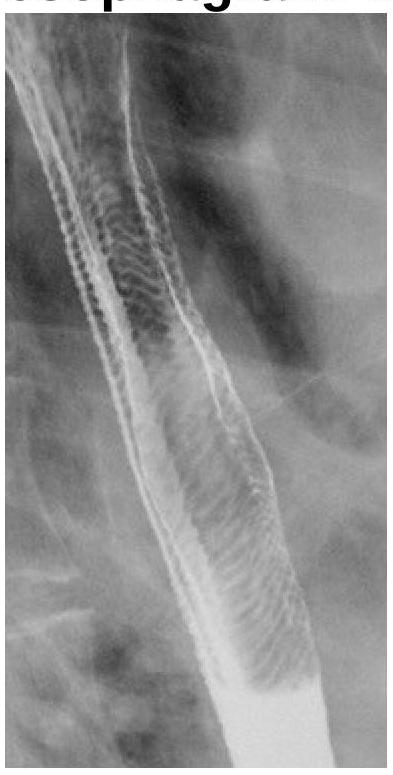
What does the following radiograph from a double contrast esophagram represent?
Oesophageal atresia may occur as part of the VACTERL group of anomalies. What does "TE" refer to in this context?
Increased nuchal translucency at 14 weeks is most commonly associated with:
Which among the following is not used in post laryngectomy rehabilitation?
A child presents with high grade fever, inspiratory stridor and develops swallowing difficulty with drooling of saliva since last 4-6 hours. Which of the following treatment is recommended apart from general airway management?
Want unlimited practice?
Get full access to all questions, explanations, and performance tracking.
Scan to download app