
Lead Poisoning — MCQs

A person working in a dye factory presented with nausea, vomiting, dark bloody stools, conjunctivitis, and a burning sensation in the throat and stomach. Which poisoning do you suspect in this case?
Among the neurological manifestations, acute lead poisoning in children can present with:
Lead poisoning is characterised by:
An industrial worker presents with blue lines on gums and tremors. What is the most probable diagnosis?
A 6-year-old boy is admitted to the ward with drowsiness, dull deep tendon reflexes and seizures. On examination the child has a line on gums and there is a history of constipation. Which will be most appropriate drug that should be used for this child?
The most common mode of absorption of inorganic lead in industries leading to lead poisoning is:
Which of the following diagnoses give the hematological picture as given below?
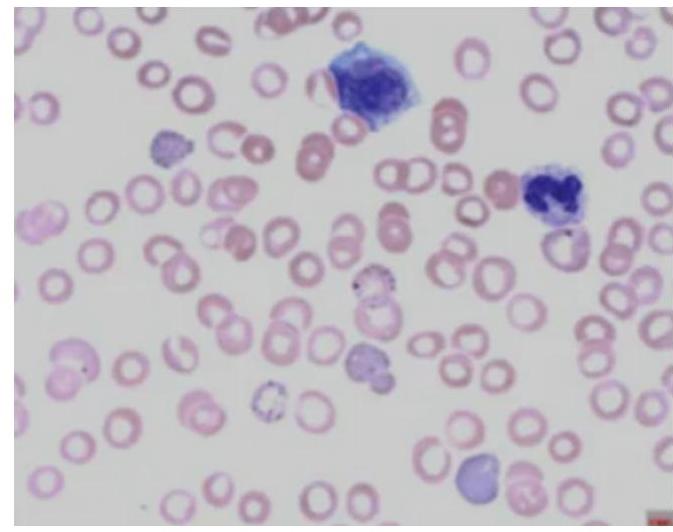
Which of the following poisonings presents with abdominal pain, diarrhea, Mees lines on nails, and myelosuppression?
A 3 yrs old child is brought to the emergency room by his parents after they found him having a generalized seizure at home. The child's breath smells of garlic, and he has bloody diarrhea, vomiting, and muscle twitching. Which poison is it likely that this child has encountered?
Most industrial workers are exposed to lead as an occupational hazard. Which of the following statements regarding lead poisoning are correct ? 1. Lead poisoning is also called plumbism 2. Basophilic stippling of red blood cells is seen 3. Progressive massive fibrosis of lungs is seen 4. Coproporphyrin in urine (CPU) is a useful screening test
Want unlimited practice?
Get full access to all questions, explanations, and performance tracking.
Scan to download app