
CNS Tumors — MCQs

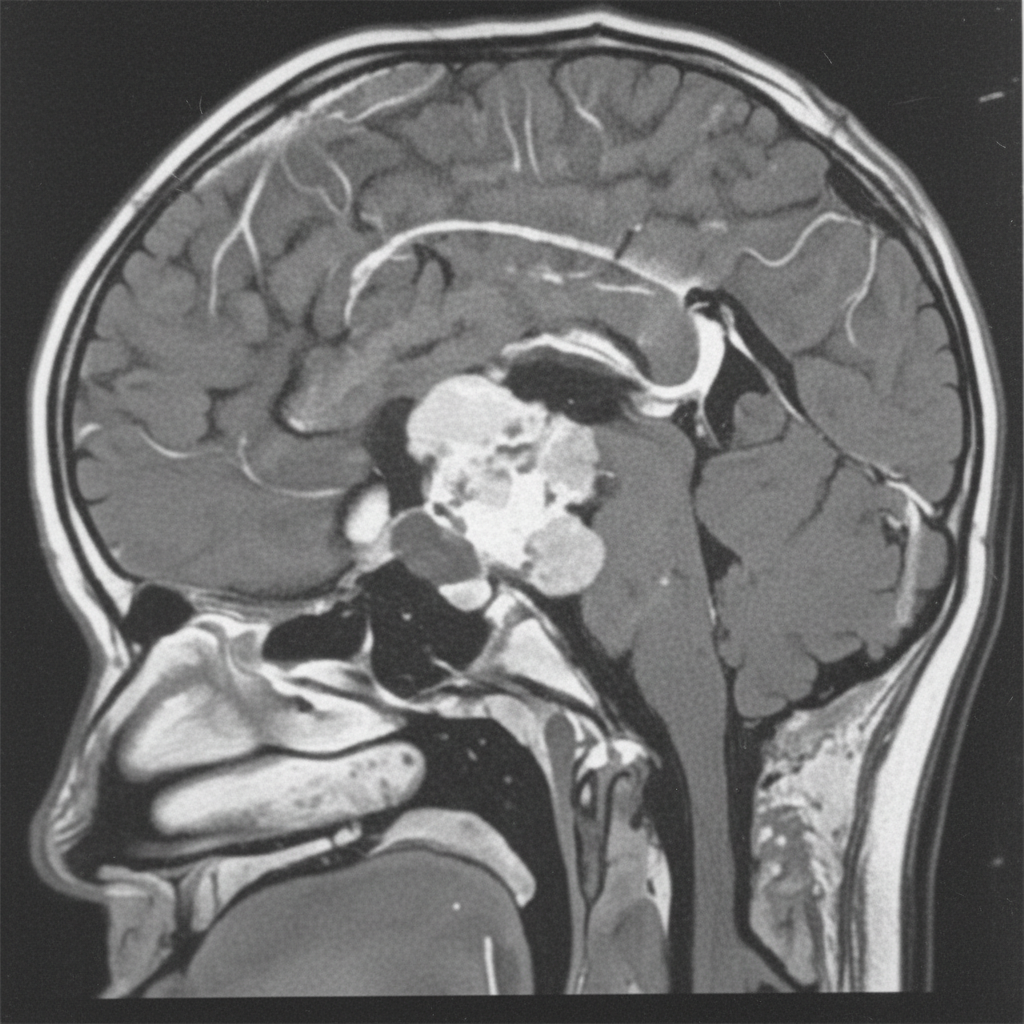
Which of the following is the most common cause of a mixed cystic and solid suprasellar mass seen on cranial MR scan of a 10-year-old child:
What is the most common cerebellar tumor in children?
A child presented to the casualty department with fever, unconsciousness, and papilledema. What is the next step?
Which of the following statements about astrocytoma is false?
The most common intracranial tumor in children is –
A 10 year old child presented with headache, vomiting, gait instability and diplopia. On examination he had papilledema and gait ataxia. The most probable diagnosis is –
A 12-year-old boy presents with symptoms of headaches, visual disturbances, and growth retardation. An MRI scan is performed, and the image provided shows a cystic mass with both solid and calcified components in the suprasellar region, extending into the third ventricle. Based on the clinical presentation and MRI findings, what is the most likely diagnosis?
Amount of ORS to be given in the first 4 hours to a child with some dehydration is
A 2 year old child is seen on a routine visit in the pediatric clinic. Abdominal examination demonstrates a palpable, non-tender mass on the left side of the abdomen. The mother had no idea the mass was present and the pediatrician did not note the presence of the mass at the child's 18-month's visit for immunisation. Physical examination is otherwise unremarkable. If a CT guided biopsy of the mass were performed, which of the following histological patterns would be most suggestive of the likely diagnosis?
Which of the following is the most frequent primary malignant tumor of the CNS?
Want unlimited practice?
Get full access to all questions, explanations, and performance tracking.
Scan to download app