
Cerebrovascular Diseases — MCQs

What is the most common cause of subarachnoid hemorrhage?
Thrombosis of which cerebral vessels leads to hemiplegia?
Which vessel is most likely damaged in an extradural (epidural) hemorrhage?
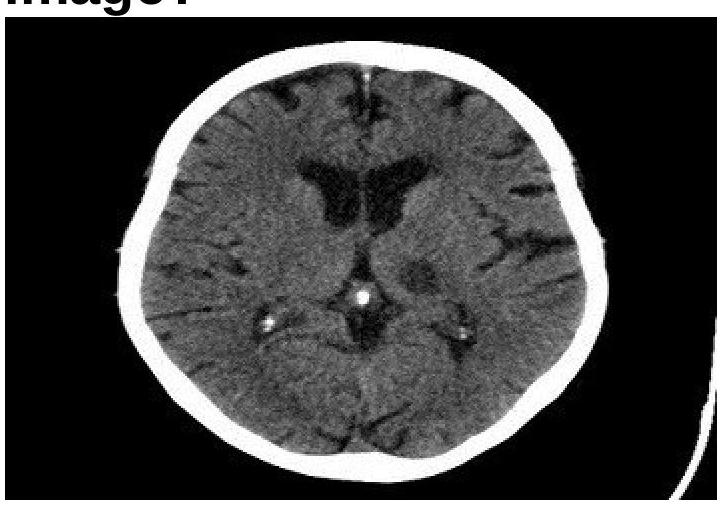
Identify the condition in the image below?
Which of the following is not a prominent risk factor for stroke?
An elderly man has become progressively unable to live independently over the past several years, requiring assistance with daily activities. He has no motor or sensory deficits on physical examination, but is unable to give the current date or state his location. At autopsy, a large superficial left parietal lobe hemorrhage is found, along with numerous neocortical neuritic plaques and neurofibrillary tangles in the brain. Which mechanism is most likely responsible for his disease?
Loss of striatal fibres in caudate nucleus is associated with?
What is the histological appearance of the brain in Creutzfeldt-Jakob disease?
All of the following are causes of vasogenic-type cerebral edema except which of the following?
Which of the following tumors is not associated with an infective etiology?
Want unlimited practice?
Get full access to all questions, explanations, and performance tracking.
Scan to download app