
Forensic Traumatology — MCQs

Type of injury in which depth of wound is more than the width is called as:
Identify the pattern of abrasion shown in the image below.
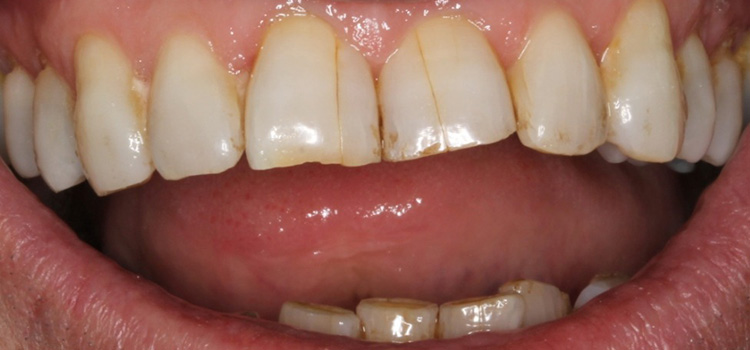
Identify the type of dental injury depicted in the image.
A middle aged lady was found in a robbed room lying in a pool of blood. On forensic examination there was an entry wound of size around 2 x 2 cm on the left temporal region with tattooing and blackening around the wound. There was also an exit wound with beveling at the right temporal region. On further examination two bullet fragments were found inside the brain parenchyma. Which of the following could be used to determine the distance from which the weapon was fired?
Which of the following statements about exit wounds of a bullet in bone is correct?
Gettler's test is for -
What type of wound is characterized by the scraping away of the skin?
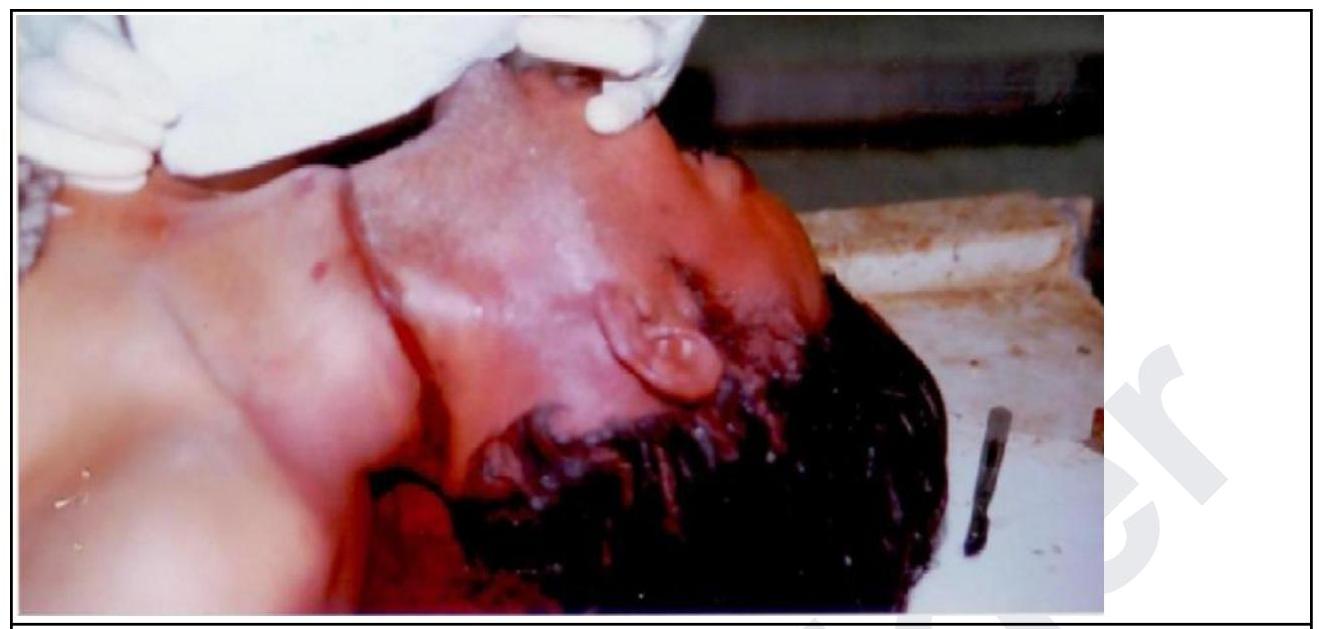
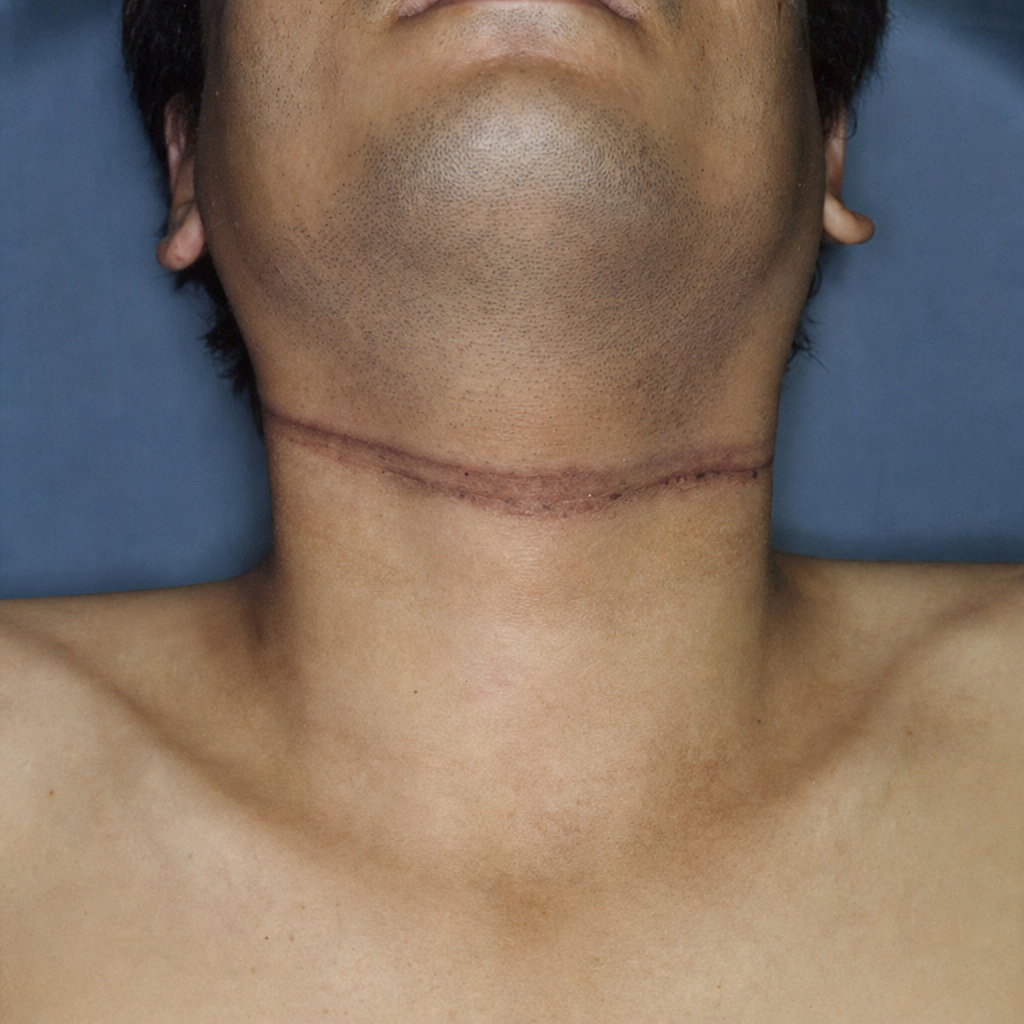
The dead body shows the following finding as seen in the image. What is the most likely cause of death?
Which enzyme is responsible for converting ethanol to acetaldehyde in alcohol metabolism?
A 20-year-old male was found dead at home. His family claimed the cause of death was sudden myocardial infarction. What is the best test to distinguish an antemortem clot from a post-mortem clot?
Want unlimited practice?
Get full access to all questions, explanations, and performance tracking.
Scan to download app