
Slipped Capital Femoral Epiphysis — MCQs

AVN of femoral head is most common in-
Von-Rosen's sign is positive in which of the following conditions?
All of the following are examples of traction epiphysis except which of the following?
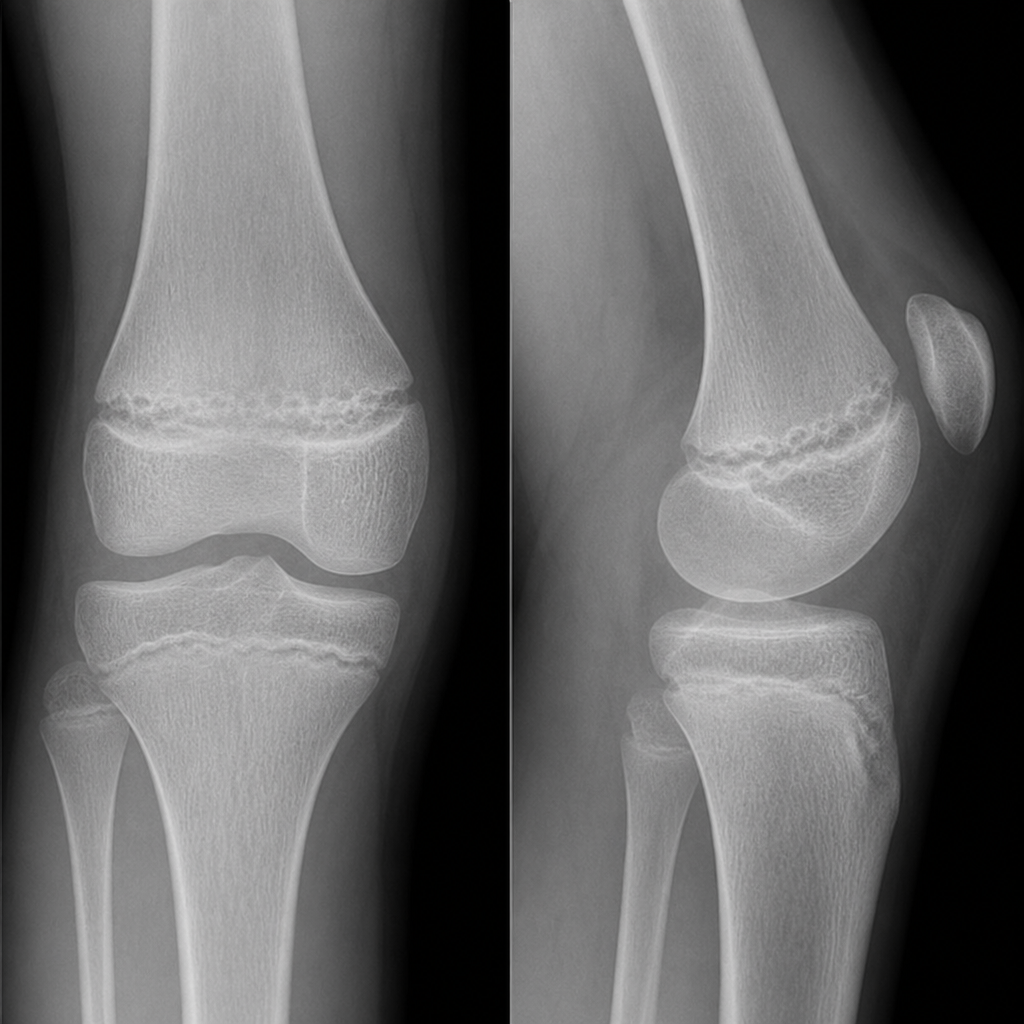
A 14-year-old presents with knee pain and limping. X-ray shows widened irregular growth plate at distal femur. What is the diagnosis?
A 70-year-old physiologically fit male presents with severe hip pain after a fall. X-ray reveals a displaced femoral neck fracture. What is the most appropriate management option?
A 33-year-old male presents with complaints of pain in the left hip. On examination, there is flexion and external rotation of the left lower limb, with a 7 cm shortening of the left lower limb. A gluteal mass is palpable, which moves with the movement of the femoral shaft. What is the most probable diagnosis?
Following are the common sites of Avascular necrosis, EXCEPT:
A 10-year-old obese boy was referred to the emergency department with a history of hip pain. He was observed to be limping and complained of severe pain. Which of the following investigations is least appropriate for this condition?
All the following are causes of a painful limp, except which of the following?
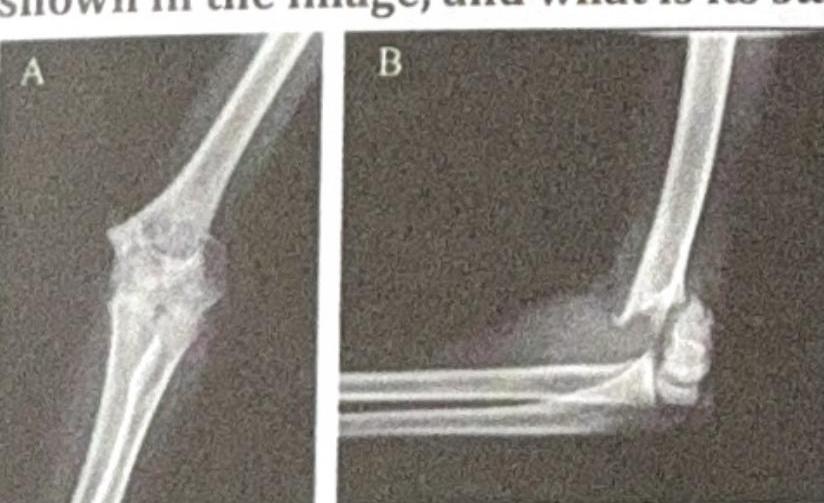
The image shows a pediatric fracture involving the growth plate. Which classification system and stage best describes this fracture?
Want unlimited practice?
Get full access to all questions, explanations, and performance tracking.
Scan to download app