
Orbital Surgery Techniques — MCQs

A young girl with a previous history of repeated pain over the medial canthus and chronic use of decongestants now presents with intense chills, rigors, and diplopia on lateral gaze. Examination shows an optic disc that is congested. The most likely diagnosis would be:
Blow out fracture of orbit commonly involves:-
Which bone has the maximum anatomical contribution to the floor of the orbit?
Surgery of choice in a patient with congenital ptosis with good levator action is:
A man presents 6 hrs after head injury complaining of mild proptosis and scleral hyperemia:
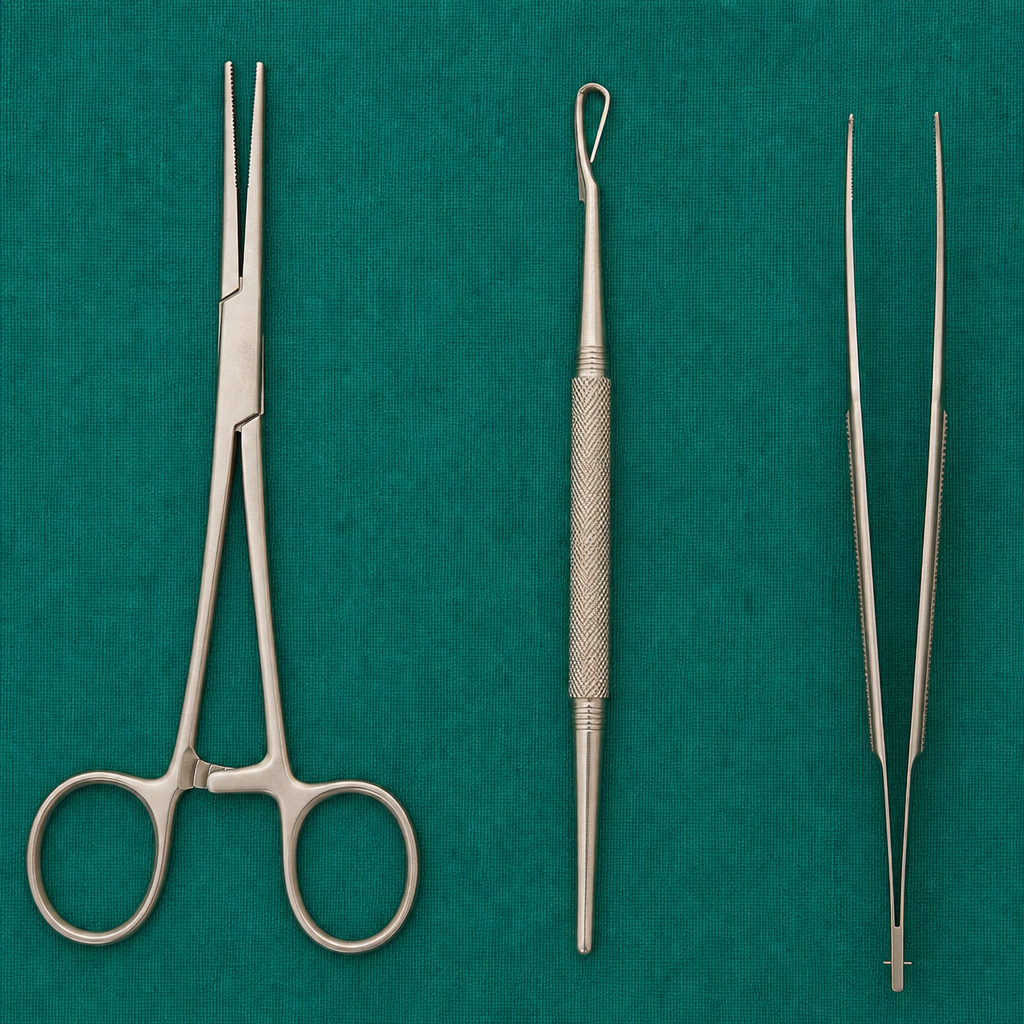
These instruments are used for the surgery of
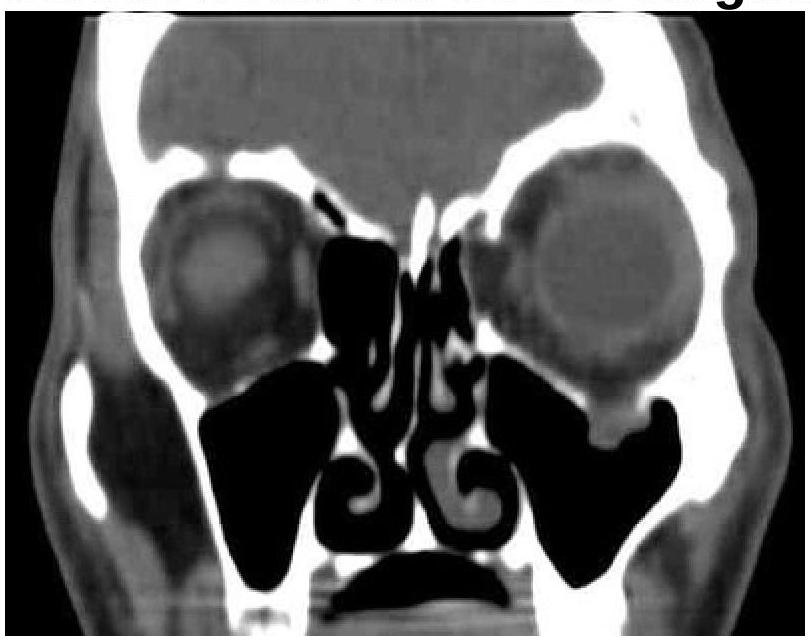
A patient presented with a history of diplopia and restricted eye movements. What is the most likely diagnosis based on the clinical and CT images?
Statement 1 - A 59-year-old patient presents with flaccid bullae. Histopathology shows a suprabasal acantholytic split. Statement 2 - The row of tombstones appearance is diagnostic of Pemphigus vulgaris.
Onodi cells and Haller cells are associated with which anatomical structures, respectively?
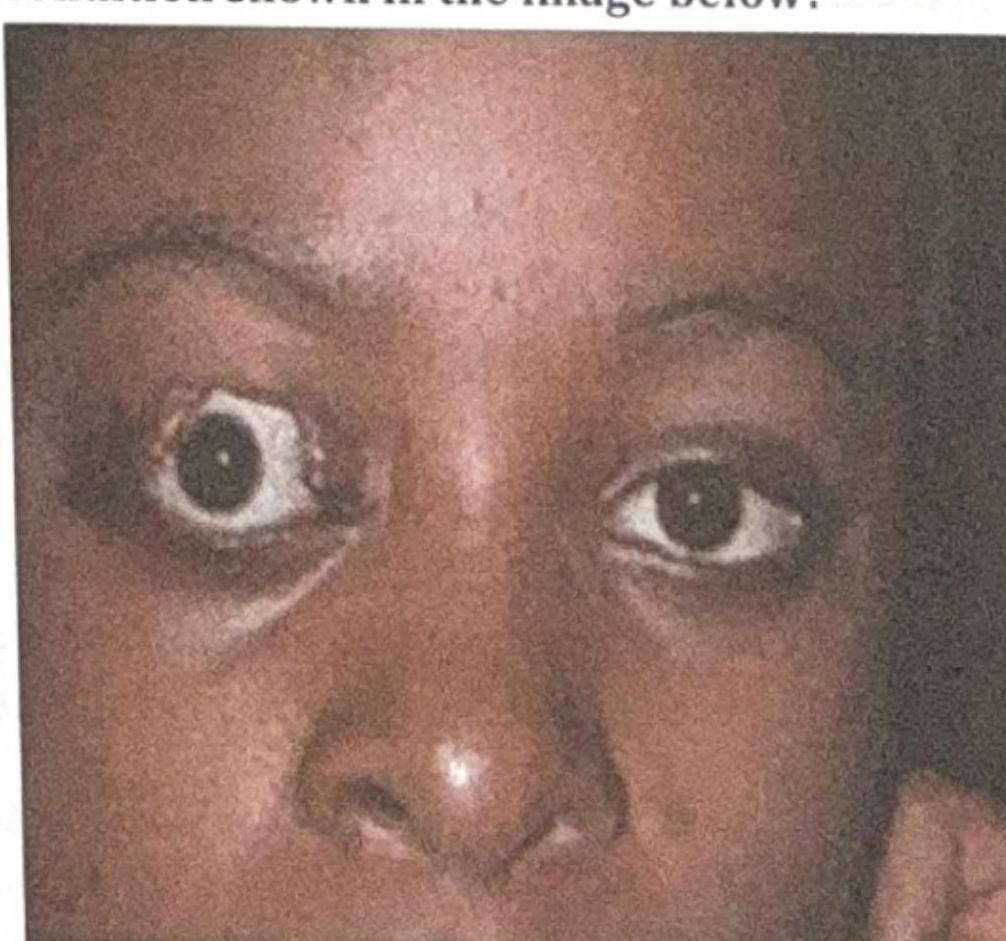
What is the most likely complication of the condition shown in the image below?
Want unlimited practice?
Get full access to all questions, explanations, and performance tracking.
Scan to download app