
Developmental and Congenital Glaucomas — MCQs

In primary open-angle glaucoma (POAG), which of the following findings is NOT typically seen?
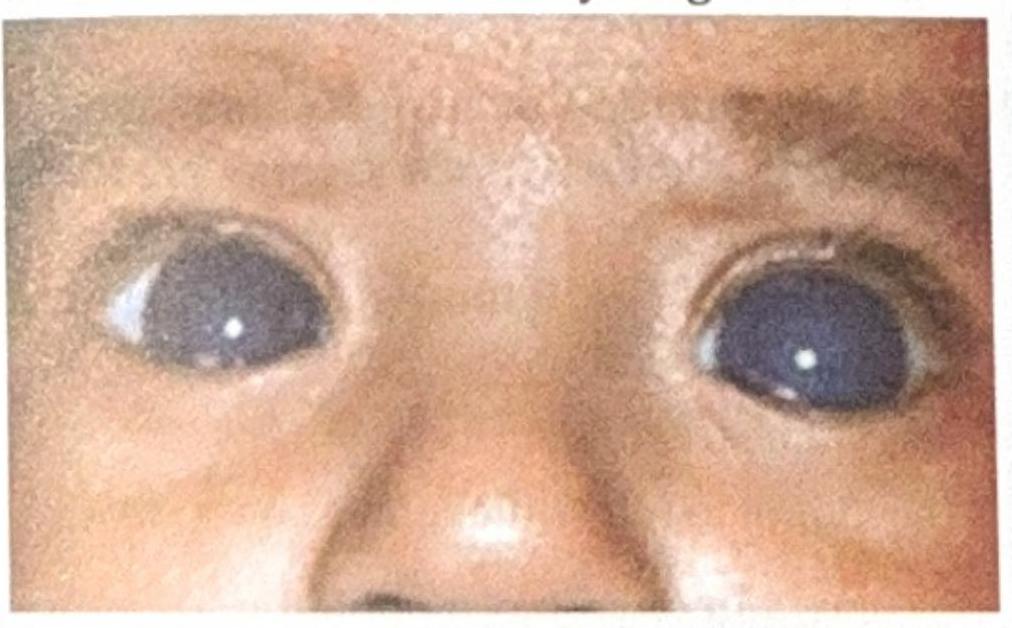
Which of the following is NOT a feature of Primary Infantile (Congenital) glaucoma?
Which of the following is not a feature of open-angle glaucoma?
What is the cause of glaucoma in retinoblastoma?
All of the following can be used to decrease intraocular pressure in glaucoma except?
Statement 1 - A 59-year-old patient presents with flaccid bullae. Histopathology shows a suprabasal acantholytic split. Statement 2 - The row of tombstones appearance is diagnostic of Pemphigus vulgaris.
In which of the following conditions is the intraocular pressure very high, and inflammation is minimal?
Which of the following statements about congenital glaucoma is incorrect?
A one-month-old baby presents with excessive tearing (watering) and an increased corneal size. What is the most likely diagnosis?
Which of the following ocular findings is not associated with diabetes?
Want unlimited practice?
Get full access to all questions, explanations, and performance tracking.
Scan to download app