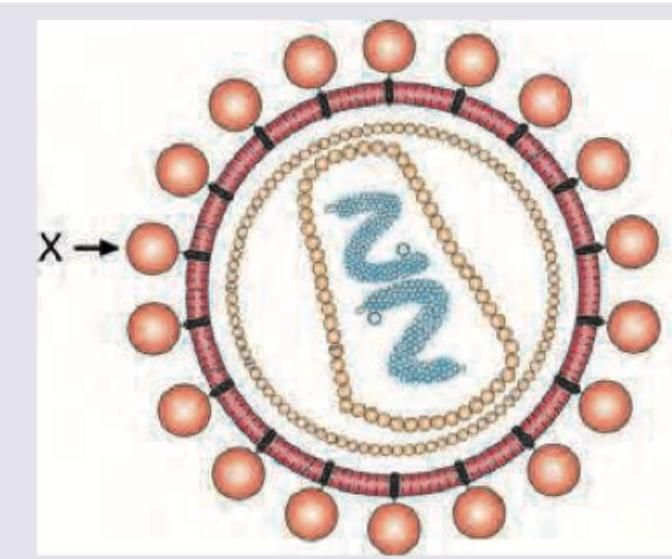
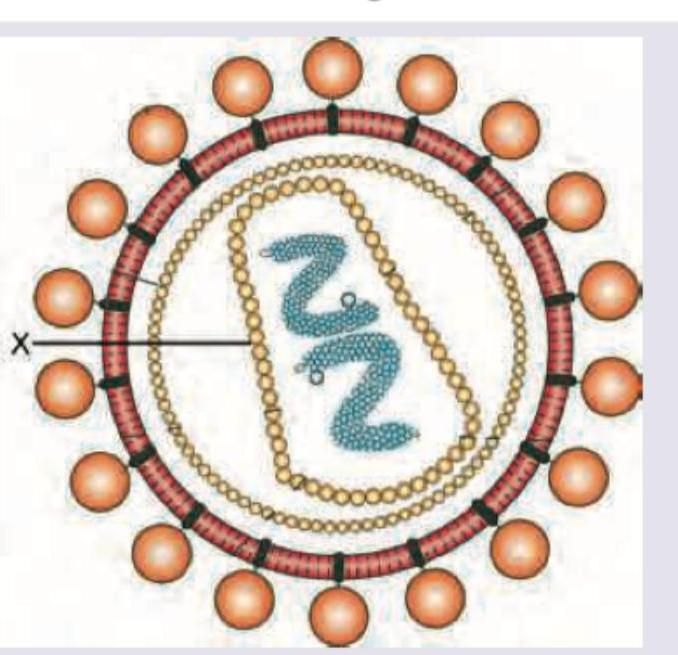
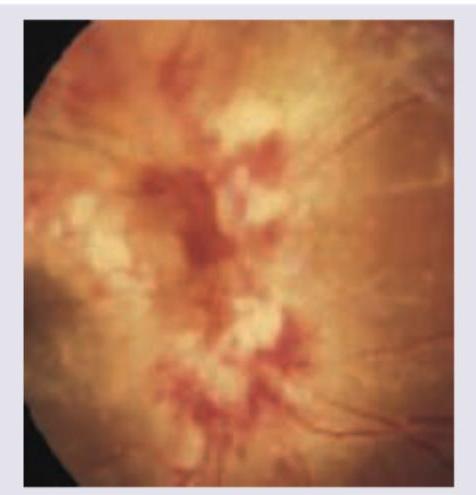
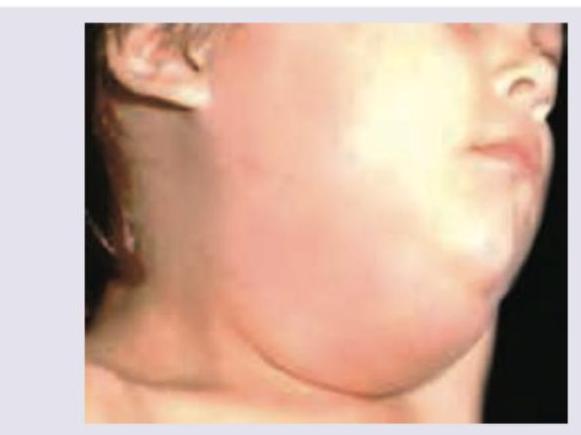
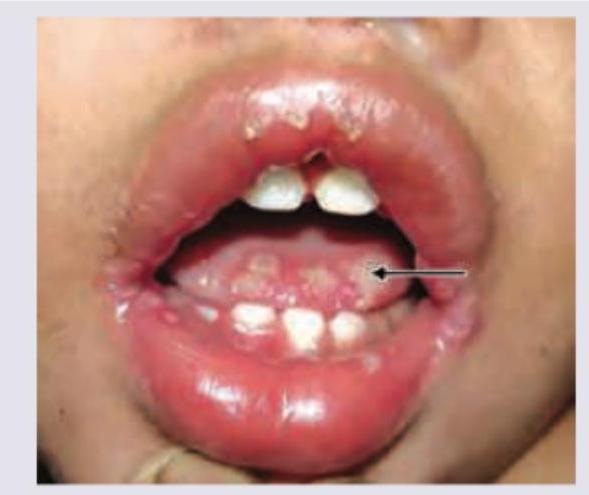
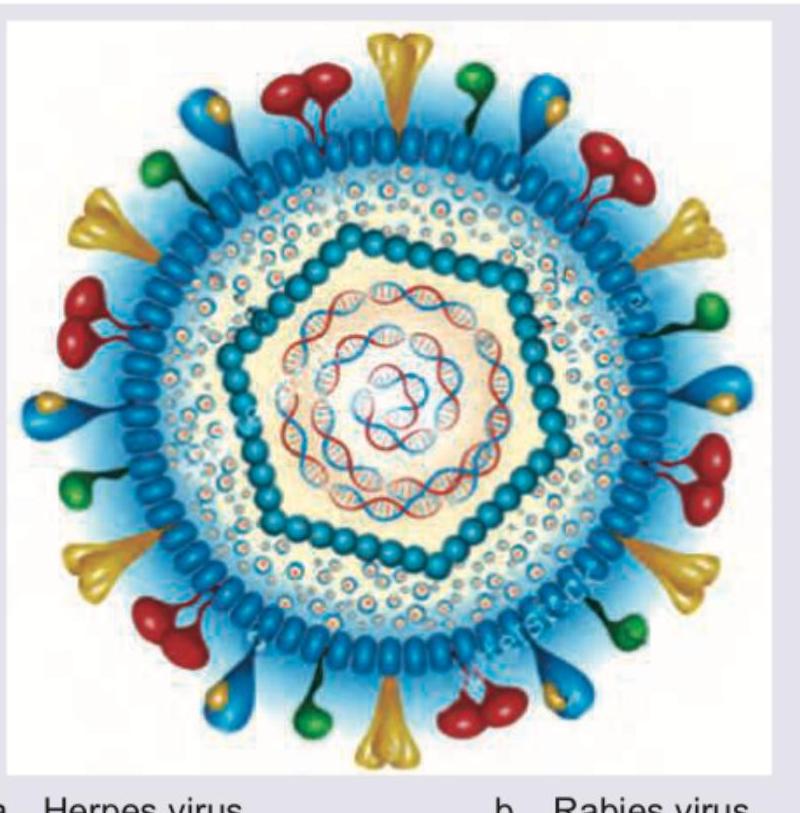
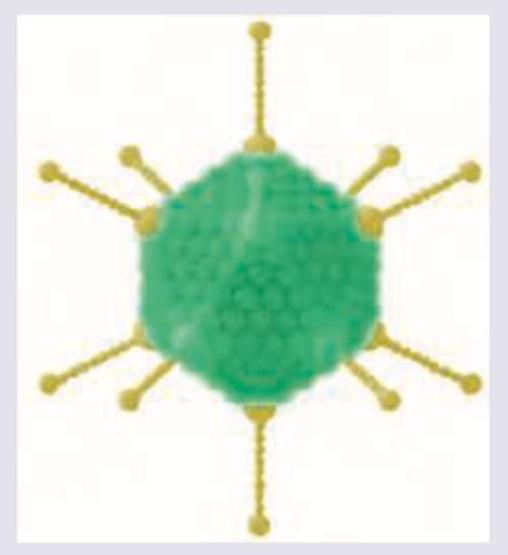
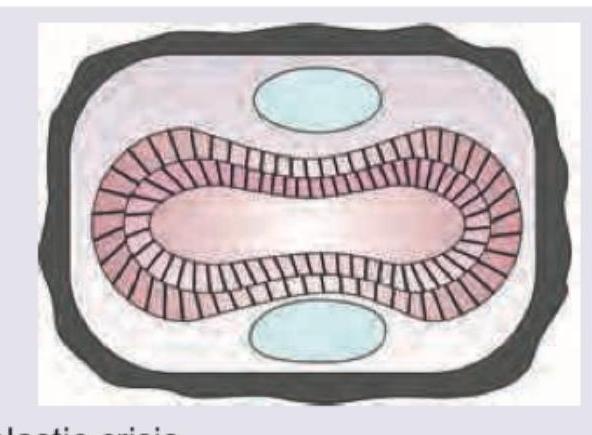
Cowdry type A inclusion bodies are seen in which of the following?
What is the most common cause of fulminant hepatitis in pregnancy?
What is the amplifier host in Japanese encephalitis?
Which is the only oncogenic virus whose pathogenicity has been proved without doubt?
Which statement is true about the immune response to hepatitis B infection?
Measles virus belongs to which family of viruses?
An individual who uses intravenous drugs discovers that a friend with whom he shared needles for injections has been diagnosed with viral hepatitis. He has his blood tested for HBV. Which of the following viral markers is usually the first detected after infection with HBV?
A 9-year-old male presents with a history of fever, nonspecific symptoms, bright red cheeks, and a macular lacy rash over his body. Which of the following viruses is the most likely cause of this disease?
Which marker indicates acute viral hepatitis caused by HBV?
Which of the following are transfusion-transmitted viruses?
Explanation: **Explanation:** **Cowdry Type A inclusion bodies** are characteristic histopathological findings seen in infections caused by the **Herpesviridae** family (including HSV-1, HSV-2, and VZV). These are **intranuclear, eosinophilic, "droplet-like" masses** surrounded by a clear halo (due to chromatin margination at the nuclear membrane). They represent sites of viral replication and protein assembly within the nucleus. **Analysis of Options:** * **Hepatitis B Virus (HBV):** Characterized by **"Ground-glass" hepatocytes**, which represent the accumulation of HBsAg in the smooth endoplasmic reticulum (cytoplasmic, not nuclear). * **Adenovirus:** Produces **Cowdry Type B** inclusion bodies (basophilic, "full" nucleus) or "Smudge cells." * **Poxvirus:** Being a DNA virus that replicates in the **cytoplasm**, it produces **Guarnieri bodies** (intracytoplasmic eosinophilic inclusions), notably seen in Variola and Vaccinia. **High-Yield Clinical Pearls for NEET-PG:** * **Cowdry Type A:** Seen in **Herpes Simplex**, **Varicella-Zoster**, and **Yellow Fever** (where they are specifically called **Torres bodies**). * **Tzanck Smear:** A rapid bedside test for Herpes where Cowdry Type A inclusions and **multinucleated giant cells** are visualized. * **Negri Bodies:** Pathognomonic intracytoplasmic inclusions found in the Purkinje cells of the cerebellum or hippocampus in **Rabies**. * **Owl’s Eye Appearance:** Large intranuclear inclusions characteristic of **Cytomegalovirus (CMV)**. * **Henderson-Paterson Bodies:** Large, eosinophilic intracytoplasmic inclusions seen in **Molluscum Contagiosum** (a Poxvirus).
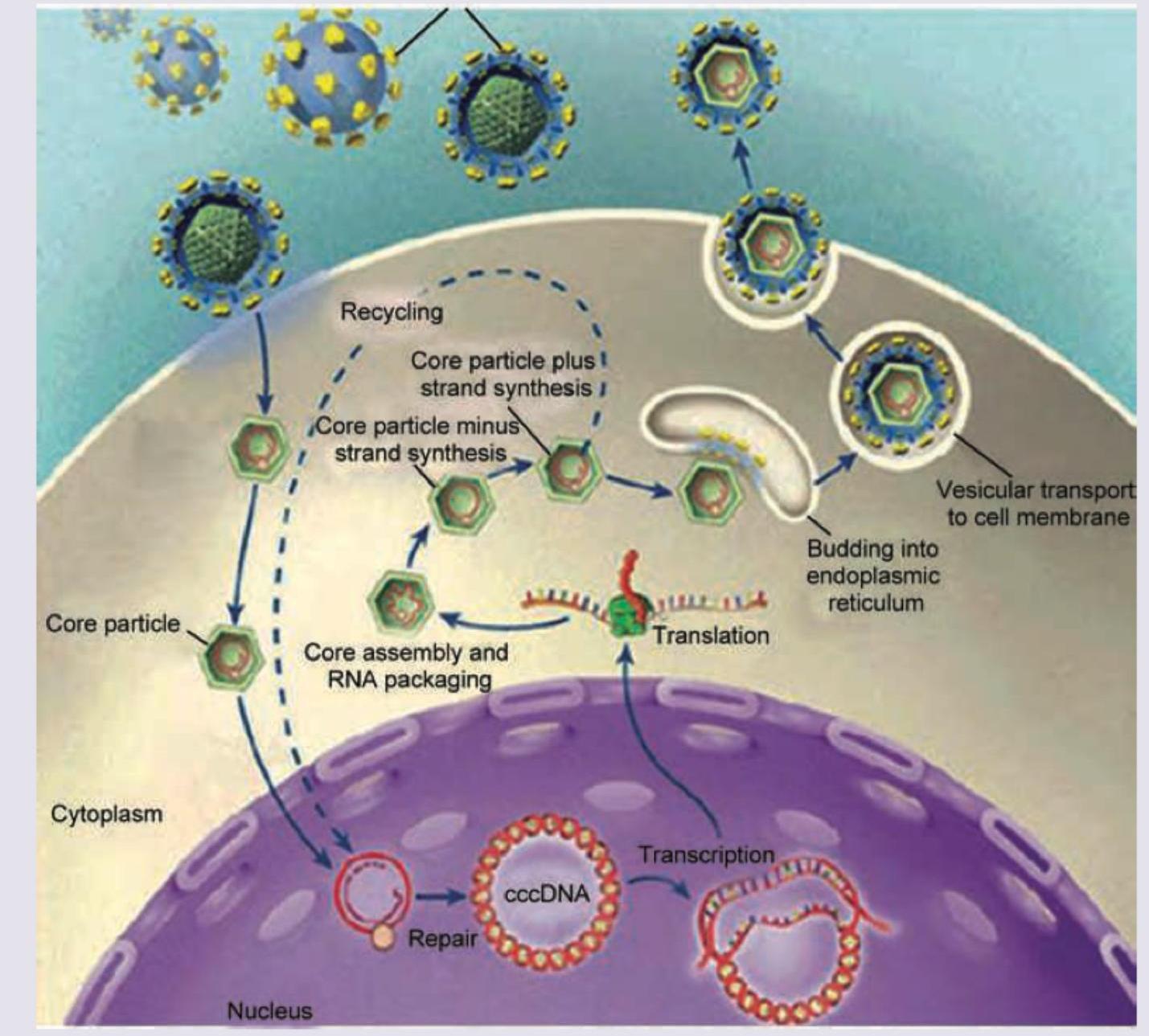
Explanation: ### Explanation **Correct Option: B. Hepatitis E** Hepatitis E Virus (HEV) is the most common cause of fulminant hepatic failure (FHF) in pregnant women, particularly during the **third trimester**. While HEV generally causes a self-limiting illness in the general population (mortality <1%), the case fatality rate in pregnancy can soar to **15–25%**. The underlying pathophysiology is attributed to a combination of high viral load, altered host immune response (Th2 shift), and hormonal changes (high progesterone levels) that promote viral replication and liver necrosis. **Analysis of Incorrect Options:** * **Hepatitis D (A):** HDV requires co-infection or super-infection with Hepatitis B. While it increases the severity of HBV, it is not the primary cause of pregnancy-related fulminant hepatitis. * **Hepatitis B (C):** HBV is a common cause of chronic hepatitis and can cause acute liver failure, but it does not show the specific, disproportionate predilection for high mortality in pregnancy that HEV does. * **Hepatitis A (D):** HAV is transmitted via the feco-oral route and causes acute hepatitis, but it rarely progresses to fulminant liver failure in pregnant patients. **High-Yield Clinical Pearls for NEET-PG:** * **Virus Type:** HEV is a non-enveloped, single-stranded RNA virus (Hepeviridae family). * **Transmission:** Feco-oral route (water-borne outbreaks). * **Genotypes:** Genotypes 1 and 2 are associated with human epidemics in developing countries; Genotypes 3 and 4 are zoonotic (pigs). * **Diagnosis:** IgM anti-HEV is the gold standard for acute infection. * **Prognosis:** HEV does **not** cause chronic hepatitis in immunocompetent individuals (unlike HBV/HCV), but can cause chronicity in organ transplant recipients.
Explanation: **Explanation:** Japanese Encephalitis (JE) is a zoonotic viral infection caused by a Flavivirus. Understanding the transmission cycle is crucial for NEET-PG: * **Why Pig is the Correct Answer:** Pigs are the **amplifier hosts**. When a pig is infected, the virus undergoes rapid multiplication, leading to high-titer viremia (prolonged and intense levels of virus in the blood). This high viral load is sufficient to infect a biting mosquito, which then transmits the virus to humans. Pigs do not manifest clinical disease but act as a "reservoir-cum-amplifier." * **Analysis of Incorrect Options:** * **Man (Option A):** Humans are **dead-end hosts**. The level of viremia in humans is transient and insufficient to infect a mosquito. Therefore, man-to-man transmission does not occur. * **Culex mosquito (Option B):** These are the **vectors**. Specifically, *Culex tritaeniorhynchus* is the primary vector in India. They transmit the virus from the amplifier host to humans. * **Horse (Option D):** Like humans, horses are **dead-end hosts**. They can develop clinical encephalitis but do not contribute to the transmission cycle. **High-Yield Clinical Pearls for NEET-PG:** * **Natural Reservoir:** Water birds (Ardeid birds like Herons and Egrets). * **Primary Vector:** *Culex tritaeniorhynchus* (breeds in stagnant water/paddy fields). * **Seasonality:** Post-monsoon period. * **Vaccination:** Live attenuated **SA-14-14-2** (most common) or killed (JENVAC). * **Diagnosis:** IgM Capture ELISA (MAC-ELISA) of CSF or serum is the gold standard. * **MRI Finding:** Bilateral thalamic involvement (classic board-style presentation).
Explanation: **Explanation:** **1. Why HTLV-I is the Correct Answer:** Human T-cell Lymphotropic Virus type 1 (HTLV-I) is the first human retrovirus discovered and remains the only oncogenic virus where a direct, definitive causal link to human malignancy has been proven beyond doubt. It is the primary etiological agent of **Adult T-cell Leukemia/Lymphoma (ATLL)**. The oncogenic potential is attributed to the **Tax protein**, which transactivates cellular genes involved in T-cell proliferation and inhibits DNA repair mechanisms, leading to malignant transformation. **2. Analysis of Incorrect Options:** * **HTLV-II:** While it has been isolated from patients with rare cases of Hairy Cell Leukemia, a definitive causal relationship has not been established. It is more commonly associated with mild neurological disorders. * **HTLV-III:** This was the original name given to the virus now known as **HIV-1**. While HIV is associated with various cancers (like Kaposi Sarcoma or Lymphomas) due to immunosuppression, it is not considered a direct "oncogenic virus" in the same mechanistic sense as HTLV-I. * **HTLV-IV:** This is a more recently discovered virus (isolated in central Africa) with no currently proven association with any specific human disease or malignancy. **3. NEET-PG High-Yield Pearls:** * **Target Cells:** HTLV-I primarily infects **CD4+ T-cells**. * **Clinical Manifestations:** Besides ATLL, it causes **HTLV-I Associated Myelopathy (HAM)**, also known as Tropical Spastic Paraparesis (TSP). * **Transmission:** Similar to HIV (Blood, Sexual contact, and Breastfeeding). * **Diagnosis:** Screening is done via ELISA; confirmation is via Western Blot or PCR. * **Morphology:** Flower-shaped nuclei ("Flower cells") are a characteristic hematological finding in ATLL.
Explanation: ### Explanation **Correct Option: A (Antibody to HBsAg is associated with resistance to infection)** The **Anti-HBs** antibody is the neutralizing antibody in Hepatitis B infection. It appears after the disappearance of HBsAg or following vaccination. Its presence signifies **immunity** and protection against future reinfection. In clinical practice, a titer of >10 mIU/mL is considered protective. **Analysis of Incorrect Options:** * **B. Antibody to HBc is not protective:** This statement is actually **true** in a clinical sense (Anti-HBc does not neutralize the virus), but Option A is the more fundamental immunological fact regarding "resistance." However, in many competitive exams, if multiple statements are technically true, the one defining "immunity/resistance" (Anti-HBs) is the primary focus. *Note: Anti-HBc IgM is a marker of acute infection, while IgG indicates past exposure.* * **C. Highest titres of anti-HBc are found in persistent carriers:** This is incorrect. The highest titers of **Anti-HBc (IgM)** are found during the **acute phase** and the "window period." In chronic carriers, Anti-HBc IgG is present, but not necessarily at the "highest" titers compared to the acute stage. * **D. Cell-mediated immunity (CMI) disappears soon after recovery:** This is incorrect. A robust and multi-specific **CMI (CD4+ and CD8+ T-cells)** is essential for viral clearance and provides long-term memory. It persists for years to prevent reactivation. **High-Yield Clinical Pearls for NEET-PG:** * **Window Period:** The interval when HBsAg disappears but Anti-HBs hasn't appeared yet. **Anti-HBc IgM** is the sole serological marker during this phase. * **HBeAg:** Indicates active viral replication and **high infectivity**. * **Chronic Carrier State:** Defined by the persistence of HBsAg for **>6 months**. * **Pre-core Mutants:** Patients who are HBeAg negative but have high HBV-DNA levels (due to a mutation in the pre-core region).
Explanation: **Explanation:** Measles virus is a member of the **Genus Morbillivirus**, which belongs to the **Paramyxoviridae** family. These are pleomorphic, enveloped viruses containing a linear, non-segmented, negative-sense single-stranded RNA (ssRNA) genome. **Why the other options are incorrect:** * **Orthomyxovirus:** This family includes the **Influenza viruses**. While they are also enveloped ssRNA viruses, their genome is **segmented** (8 segments for Influenza A and B), allowing for antigenic shift. * **Poxvirus:** These are the largest and most complex viruses (e.g., Variola, Molluscum contagiosum). Unlike Measles, they are **double-stranded DNA (dsRNA)** viruses and replicate in the cytoplasm. * **Picornavirus:** This family includes small, **non-enveloped** positive-sense ssRNA viruses such as Poliovirus, Rhinovirus, and Hepatitis A. **High-Yield Clinical Pearls for NEET-PG:** * **Surface Proteins:** Measles virus possesses **Hemagglutinin (H)** and **Fusion (F)** spikes but lacks Neuraminidase (unlike Mumps and Influenza). * **Pathognomonic Sign:** **Koplik’s spots** (small white spots on buccal mucosa opposite the lower 2nd molars) appear during the prodromal stage. * **Cytopathology:** Characterized by **Warthin-Finkeldey cells** (multinucleated giant cells with inclusion bodies). * **Complications:** The most common complication is Otitis media; the most serious acute complication is Encephalitis; and the delayed, fatal complication is **SSPE (Subacute Sclerosing Panencephalitis)**. * **Vitamin A:** Supplementation is proven to reduce morbidity and mortality in children with Measles.
Explanation: **Explanation:** **1. Why HBsAg is the correct answer:** Hepatitis B Surface Antigen (**HBsAg**) is the hallmark of infection and the **first serological marker** to appear in the blood after HBV infection. It typically becomes detectable 1 to 10 weeks after exposure, often predating the onset of clinical symptoms and the rise in liver enzymes (ALT/AST). Its presence indicates that the individual is infectious. If HBsAg persists for more than 6 months, the infection is defined as chronic. **2. Why the other options are incorrect:** * **HBcAg (Hepatitis B Core Antigen):** This is a particulate antigen found within the hepatocyte. It is **not secreted into the blood** and therefore cannot be detected by routine serum assays. * **HBeAg (Hepatitis B e-Antigen):** This marker appears shortly after HBsAg. It signifies high levels of viral replication and high infectivity. While it appears early, it is almost always preceded by HBsAg. * **Anti-HBe:** These are antibodies produced against the e-antigen. Their appearance (seroconversion) usually indicates a transition to a lower state of viral replication. They appear much later in the course of the disease. **3. NEET-PG High-Yield Pearls:** * **Window Period:** The interval during which HBsAg has disappeared but Anti-HBs has not yet appeared. The only marker of acute infection during this time is **Anti-HBc IgM**. * **Indicator of Recovery:** The appearance of **Anti-HBs** (HBsAb) signifies immunity (either through recovery or vaccination). * **Best Indicator of Replication:** **HBV-DNA** (measured by PCR) is the most sensitive quantitative marker for viral load, but HBsAg remains the first protein marker detected. * **Sequence of appearance:** HBsAg → HBeAg → Anti-HBc → Anti-HBe → Anti-HBs.
Explanation: **Explanation:** The clinical presentation described—a 9-year-old with fever followed by **"bright red cheeks" (slapped-cheek appearance)** and a **macular lacy (reticular) rash** on the trunk and extremities—is classic for **Erythema Infectiosum**, also known as **Fifth Disease**. **Why Parvovirus B19 is correct:** Parvovirus B19 is a small, non-enveloped ssDNA virus. It infects and replicates in rapidly dividing erythroid progenitor cells in the bone marrow by binding to the **P-antigen** (globoside). The rash is immune-mediated (Type III hypersensitivity), appearing after the initial viremic phase has resolved, meaning the child is typically no longer contagious once the rash appears. **Why other options are incorrect:** * **HSV-1:** Typically presents with orolabial herpes (cold sores) or gingivostomatitis, not a diffuse lacy rash or slapped-cheek appearance. * **Rubella (German Measles):** Presents with a maculopapular rash that starts on the face and spreads cephalocaudally, often accompanied by characteristic **post-auricular or suboccipital lymphadenopathy**. * **Rubeola (Measles):** Characterized by the "3 Cs" (Cough, Coryza, Conjunctivitis) and **Koplik spots**. The rash is a confluent maculopapular eruption, not lacy. **High-Yield Clinical Pearls for NEET-PG:** * **Aplastic Crisis:** Parvovirus B19 can cause a life-threatening drop in hemoglobin in patients with high red cell turnover (e.g., Sickle Cell Anemia, Hereditary Spherocytosis). * **Hydrops Fetalis:** Infection during pregnancy can lead to severe fetal anemia and congestive heart failure. * **Arthropathy:** In adults, infection often presents as symmetrical small joint arthritis (mimicking Rheumatoid Arthritis). * **Receptor:** It uses the **P-antigen** on RBCs; individuals lacking this antigen are immune.
Explanation: ### Explanation **Correct Answer: A. IgM anti-HBc** **Why it is correct:** IgM anti-HBc (Immunoglobulin M antibody to Hepatitis B core antigen) is the **hallmark of acute HBV infection**. It is the first antibody to appear after HBsAg and is the only reliable marker present during the **"Window Period"**—the interval when HBsAg has disappeared but anti-HBs has not yet become detectable. Its presence signifies recent infection (usually within the last 6 months). **Why the other options are incorrect:** * **B. IgG anti-HBc:** This indicates a past or chronic infection. It persists for life. In chronic hepatitis B, IgG anti-HBc is positive, but IgM anti-HBc is negative. * **C. IgM anti-HBs:** This is not a standard clinical marker. Antibodies to the surface antigen (anti-HBs) are typically of the IgG class. * **D. IgG anti-HBs:** This indicates **immunity**. It appears after recovery from a natural infection (alongside IgG anti-HBc) or after successful vaccination (where it is the *only* positive marker). **High-Yield Clinical Pearls for NEET-PG:** 1. **Window Period Marker:** IgM anti-HBc is the diagnostic marker of choice when both HBsAg and anti-HBs are negative. 2. **Vaccination vs. Natural Infection:** * **Vaccinated:** Only anti-HBs positive. * **Recovered from Natural Infection:** Both anti-HBs and IgG anti-HBc positive. 3. **Infectivity Marker:** **HBeAg** indicates high viral replication and high infectivity. Its disappearance and the appearance of **anti-HBe** (seroconversion) suggest a lower risk of transmission. 4. **Chronic Infection:** Defined by the persistence of **HBsAg** for more than 6 months.
Explanation: **Explanation:** Transfusion-transmitted infections (TTIs) are pathogens that can be inadvertently passed from a donor to a recipient through blood or blood products. For a virus to be efficiently transmitted via transfusion, it must typically have a phase of viremia (presence in the blood) and be capable of surviving storage conditions. * **Hepatitis B (HBV):** This is a classic TTI. Despite rigorous screening for HBsAg and increasingly for anti-HBc or HBV-DNA (NAT), it remains a risk due to the "window period" or occult infections. * **Cytomegalovirus (CMV):** CMV is a leukocyte-associated virus. It is a significant concern for immunocompromised patients and neonates. Risk is mitigated by using "leukoreduced" blood or CMV-seronegative units. * **HTLV-1 and HHV-8:** HTLV-1 (associated with Adult T-cell Leukemia/Lymphoma) is also cell-associated and screened in many countries. HHV-8 (Kaposi Sarcoma-associated Herpesvirus) can be transmitted via blood, particularly in endemic areas, though it is not universally screened. **Why "All of the above" is correct:** All the listed viruses have documented parenteral transmission routes and can persist in various blood components (plasma or cellular elements), making them potential TTIs. **High-Yield Clinical Pearls for NEET-PG:** * **Most common TTI globally:** Hepatitis B. * **Most common TTI in India:** Historically Hepatitis B, but risk is decreasing with NAT (Nucleic Acid Testing). * **Window Period:** The time between infection and detection. NAT significantly reduces this period compared to serology. * **Bacterial Contamination:** Platelets carry the highest risk of bacterial sepsis because they are stored at room temperature (20-24°C). * **Other TTIs:** HIV-1/2, Hepatitis C, Malaria, Syphilis, and emerging threats like Zika or West Nile Virus.
Virus Structure and Classification
Practice Questions
Viral Replication
Practice Questions
Pathogenesis of Viral Infections
Practice Questions
DNA Viruses: Herpesviruses
Practice Questions
DNA Viruses: Poxviruses and Adenoviruses
Practice Questions
Hepatitis Viruses
Practice Questions
RNA Viruses: Orthomyxoviruses
Practice Questions
RNA Viruses: Paramyxoviruses
Practice Questions
Enteroviruses and Rhinoviruses
Practice Questions
Arboviruses
Practice Questions
HIV and Retroviruses
Practice Questions
Oncogenic Viruses
Practice Questions
Get full access to all questions, explanations, and performance tracking.
Start For Free