Which of the following causes epidemic keratoconjunctivitis?
Which of the following is NOT true about hepatitis C virus?
Which of the following hepatitis viruses is non-enveloped?
Influenza virus belongs to which family?
What is the speed of rabies virus progress in an axon?
What is the most common mode of transmission of HIV worldwide?
Epidemic hemorrhagic conjunctivitis is caused by which virus?
Human metapneumovirus is structurally similar to which of the following viruses?
Mad Cow Disease, which is similar to scrapie, is caused by which of the following?
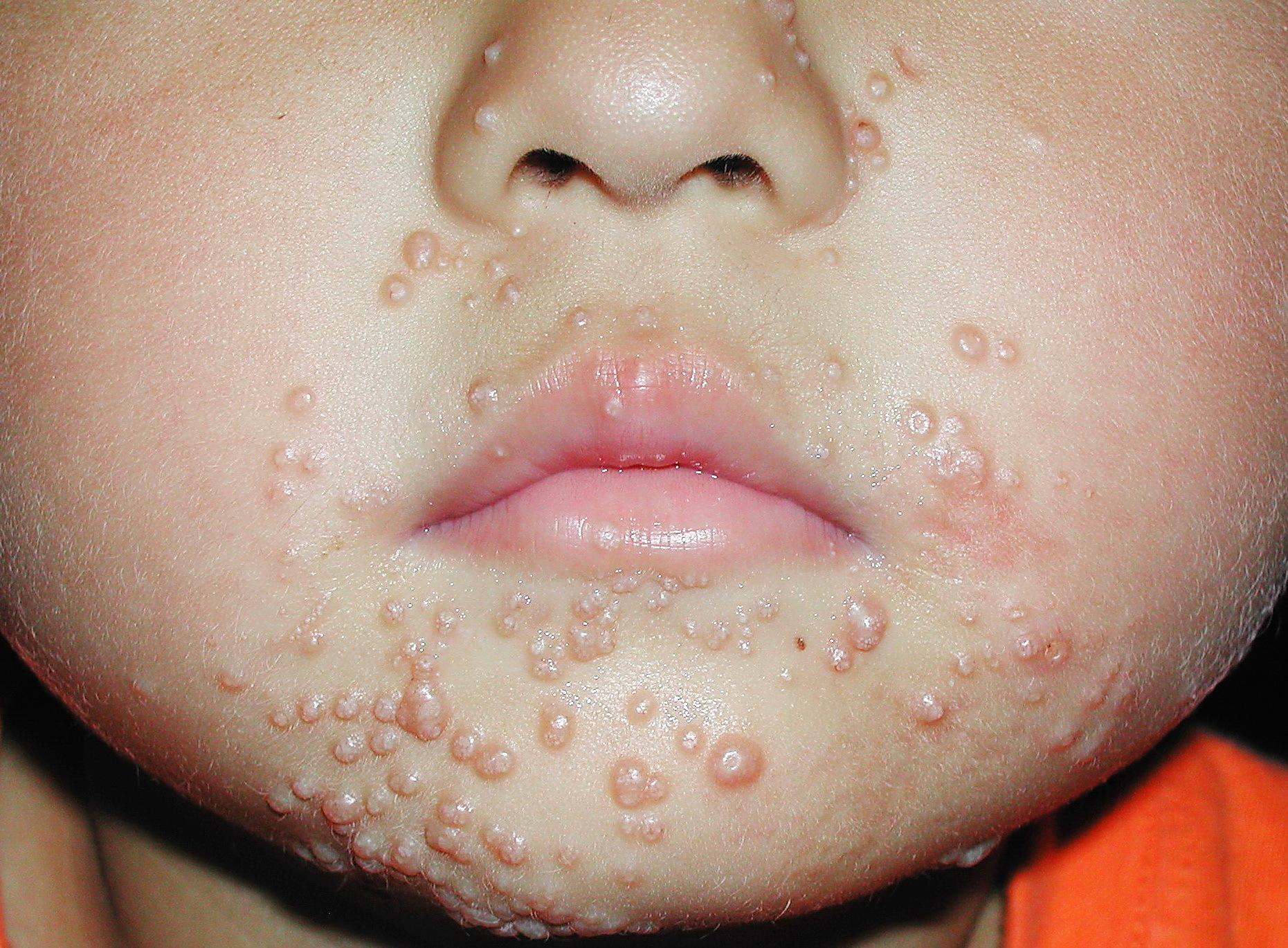
Which of the following occupations is a risk factor for the presenting illness?
Explanation: **Explanation:** **Epidemic Keratoconjunctivitis (EKC)** is a highly contagious and severe form of viral conjunctivitis primarily caused by **Adenovirus**, specifically **serotypes 8, 19, and 37**. 1. **Why Adenovirus is Correct:** Adenoviruses are non-enveloped DNA viruses with a predilection for mucous membranes. EKC is characterized by sudden onset of "pink eye," watery discharge, and significant corneal involvement (keratitis). The formation of **subepithelial corneal infiltrates** is a hallmark of this condition, which can lead to blurred vision lasting for weeks. It often spreads in clinical settings via contaminated ophthalmological instruments (nosocomial spread). 2. **Why Other Options are Incorrect:** * **Enterovirus & Coxsackie virus:** While **Enterovirus 70** and **Coxsackie A24** cause eye infections, they are specifically associated with **Acute Hemorrhagic Conjunctivitis (AHC)**. AHC is characterized by rapid onset and subconjunctival hemorrhages, but unlike EKC, it rarely involves the cornea. * **Herpes virus (HSV):** HSV typically causes **Dendritic Keratitis** (unilateral, with characteristic branching ulcers). It is not usually "epidemic" in nature; rather, it occurs due to the reactivation of a latent virus in the trigeminal ganglion. **High-Yield Clinical Pearls for NEET-PG:** * **Pharyngoconjunctival Fever (PCF):** Also caused by Adenovirus (Serotypes **3, 4, 7**). It presents as a triad of fever, pharyngitis, and follicular conjunctivitis (often associated with swimming pools). * **Transmission:** Adenovirus is resistant to many common disinfectants; handwashing and sterilization of tonometers are crucial for prevention. * **Diagnosis:** Usually clinical, but **Point-of-care (Rapid) antigen tests** or PCR can be used for confirmation.
Explanation: **Explanation:** The correct answer is **B**, as there is currently **no vaccine available** for Hepatitis C Virus (HCV). Developing a vaccine is challenging due to the virus's high genetic variability and the existence of multiple genotypes. * **Why Option B is correct:** Unlike Hepatitis A (inactivated) or Hepatitis B (recombinant), HCV lacks a vaccine. Prevention relies on screening blood products and harm reduction. * **Why Option A is incorrect:** HCV is the leading cause of chronic viral hepatitis worldwide. Approximately 75–85% of individuals infected with HCV develop a **chronic infection**, which is a much higher rate than Hepatitis B (where <5% of adults become chronic). * **Why Option C is incorrect:** HCV is primarily a **parenterally transmitted** virus. Before universal screening of blood donors, blood transfusion was a major route of transmission. Today, IV drug use is the most common risk factor. * **Why Option D is incorrect:** HCV is a member of the **Flaviviridae** family (genus *Hepacivirus*). It is an enveloped, positive-sense, single-stranded RNA virus. **High-Yield Clinical Pearls for NEET-PG:** * **"HCV is for Chronic":** It is the most common cause of post-transfusion hepatitis and a leading indication for liver transplantation. * **Diagnosis:** Screening is done via **Anti-HCV antibodies** (ELISA), but confirmation of active infection requires **HCV-RNA** (PCR). * **Treatment:** Chronic HCV is now highly curable using **Direct-Acting Antivirals (DAAs)** like Sofosbuvir. * **Extrahepatic manifestations:** Associated with Mixed Cryoglobulinemia, Membranoproliferative Glomerulonephritis (MPGN), and Porphyria Cutanea Tarda.
Explanation: **Explanation:** The classification of hepatitis viruses into enveloped or non-enveloped is a high-yield concept in medical microbiology. Hepatitis viruses that are transmitted via the **fecal-oral route** are typically **non-enveloped**, as they must survive the harsh acidic environment of the gastrointestinal tract. Conversely, those transmitted via blood or body fluids are generally **enveloped**. **1. Why Hepatitis A (HAV) is correct:** HAV belongs to the *Picornaviridae* family. It is a small, **non-enveloped**, single-stranded RNA virus. Its lack of an envelope makes it highly resistant to degradation by bile and gastric acid, facilitating its transmission through contaminated food and water. **Hepatitis E virus (HEV)** is the only other major hepatitis virus that is also non-enveloped. **2. Why the other options are incorrect:** * **Hepatitis B (HBV):** A member of the *Hepadnaviridae* family. It is a DNA virus that possesses a complex lipid envelope containing the HBsAg (surface antigen). * **Hepatitis C (HCV):** A member of the *Flaviviridae* family. It is an enveloped RNA virus. The envelope makes it fragile and dependent on direct blood-to-blood contact for transmission. * **Hepatitis D (HDV):** Known as a "defective" virus, it requires the HBsAg envelope from HBV to become infectious. Thus, it is an enveloped virus. **Clinical Pearls for NEET-PG:** * **Mnemonic:** "The **Vowels** (A and E) go through the **Bowel** (Fecal-oral) and have **No** (Non-enveloped) shell." * **HAV** is the most common cause of acute viral hepatitis in children worldwide. * **HEV** is associated with high mortality (up to 20%) in pregnant women, particularly in the third trimester. * All hepatitis viruses are RNA viruses except **HBV**, which is a **DNA virus**.
Explanation: **Explanation:** The **Influenza virus** belongs to the **Orthomyxoviridae** family. These are enveloped, negative-sense, single-stranded RNA viruses characterized by a **segmented genome** (8 segments for Influenza A and B; 7 for Influenza C). This segmentation is clinically significant as it allows for **genetic reassortment**, leading to "Antigenic Shift" and subsequent pandemics. **Analysis of Options:** * **Orthomyxoviridae (Correct):** Includes Influenza A, B, and C. They replicate in the **nucleus** (an exception for RNA viruses) and utilize Hemagglutinin (HA) for attachment and Neuraminidase (NA) for release. * **Picornaviridae:** These are small, non-enveloped, positive-sense RNA viruses. Examples include Poliovirus, Rhinovirus, and Hepatitis A. * **Calciviridae:** These are non-enveloped, positive-sense RNA viruses, most notably **Norovirus**, which is a common cause of viral gastroenteritis. * **Paramyxoviridae:** While also respiratory pathogens, these are non-segmented RNA viruses. This family includes Measles, Mumps, Parainfluenza, and RSV. Unlike Influenza, they do not undergo antigenic shift. **High-Yield Clinical Pearls for NEET-PG:** * **Antigenic Drift:** Minor point mutations (causes seasonal epidemics; seen in Influenza A and B). * **Antigenic Shift:** Major genetic reassortment (causes pandemics; seen **only in Influenza A**). * **Drug of Choice:** Oseltamivir (Neuraminidase inhibitor) is effective against both Influenza A and B. * **Gold Standard Diagnosis:** Viral culture or RT-PCR.
Explanation: **Explanation:** The Rabies virus (*Lyssavirus*) is a highly neurotropic virus. After inoculation (usually via a rabid animal bite), the virus undergoes initial replication in the muscle cells. It then enters the peripheral nervous system via the **neuromuscular junctions** by binding to nicotinic acetylcholine receptors. **Why Option D is Correct:** Once inside the nerve, the virus travels via **retrograde axonal transport** (moving from the periphery toward the Central Nervous System). In humans, the established speed of this centripetal movement is approximately **250 mm/day** (ranging between 50–100 mm/day in some studies, but 250 mm/day is the standard high-yield value cited in major textbooks like Ananthanarayan and Paniker’s Textbook of Microbiology). This rapid progression explains why the incubation period is shorter if the bite site is closer to the head (e.g., face vs. foot). **Why Other Options are Incorrect:** * **Options A, B, and C:** These values (100, 150, and 200 mm/day) underestimate the peak velocity of the dynein-mediated motor transport that the rabies virus exploits. While the speed can vary based on the host and nerve type, **250 mm/day** is the specific "textbook" figure required for competitive exams like NEET-PG. **Clinical Pearls for NEET-PG:** * **Receptor:** Nicotinic Acetylcholine Receptor (nAchR). * **Transport Mechanism:** Retrograde axonal transport (Centripetal spread). * **Diagnosis:** Presence of **Negri bodies** (intracytoplasmic eosinophilic inclusions) most commonly found in the **Hippocampus (Ammon’s horn)** and Cerebellum (Purkinje cells). * **Incubation Period:** Typically 1–3 months, but highly variable depending on the distance from the CNS.
Explanation: **Explanation:** The transmission of Human Immunodeficiency Virus (HIV) occurs through the exchange of specific body fluids (blood, semen, vaginal secretions, and breast milk). **1. Why Heterosexual Contact is Correct:** Globally, **heterosexual contact** is the most common mode of transmission, accounting for the vast majority of new infections. This is particularly driven by high prevalence rates in Sub-Saharan Africa and parts of Asia. In the Indian context as well, heterosexual transmission remains the primary route of spread (responsible for over 85% of cases according to NACO data). **2. Analysis of Incorrect Options:** * **Homosexual contact (MSM):** While this is the predominant mode of transmission in many high-income countries (like the USA), it does not represent the majority of cases on a global scale. * **Intravenous Drug Abuse (IVDU):** This is a high-risk behavior due to direct blood-to-blood contact via shared needles, but it accounts for a smaller percentage of the global burden compared to sexual transmission. * **Contaminated blood products:** This is the **most efficient** mode of transmission (nearly 90-100% risk per exposure), but due to mandatory screening of blood banks, it is now the least common mode of transmission. **Clinical Pearls for NEET-PG:** * **Efficiency vs. Frequency:** Do not confuse "most common" (Heterosexual) with "most efficient" (Blood transfusion). * **Vertical Transmission:** The risk of mother-to-child transmission (MTCT) is approximately 30% without intervention, but can be reduced to <1% with effective ART. * **Window Period:** The time between infection and the appearance of detectable antibodies (usually 2-8 weeks; average 22 days with 4th gen ELISA). * **Rule of 3s (Needlestick injury risk):** HBV (30%) > HCV (3%) > HIV (0.3%).
Explanation: **Explanation:** **Epidemic Hemorrhagic Conjunctivitis (EHC)** is a highly contagious ocular infection characterized by sudden onset of painful, red eyes and subconjunctival hemorrhages. 1. **Why Picornavirus is correct:** The primary causative agents of EHC are **Enterovirus 70 (EV-70)** and a variant of **Coxsackievirus A24 (CVA24)**. Both belong to the **Picornaviridae** family. These are small, non-enveloped, positive-sense RNA viruses. They are transmitted via the feco-oral route or, more commonly in EHC, through direct contact with infected ocular secretions or contaminated fomites (towels, instruments). A unique clinical feature of EV-70 is its rare association with a polio-like paralysis (radiculomyelitis). 2. **Why the other options are incorrect:** * **Herpes Simplex Virus (HSV):** Typically causes **Dendritic Keratitis** (characterized by branching ulcers) rather than epidemic hemorrhagic conjunctivitis. It is usually unilateral and can lead to corneal scarring. * **Herpes Zoster Virus (HZV):** Causes **Hutchinson’s sign** (vesicles on the tip of the nose) and Herpes Zoster Ophthalmicus. It follows a dermatomal distribution and is not associated with epidemic hemorrhagic outbreaks. * **Human Immunodeficiency Virus (HIV):** While HIV patients are prone to opportunistic ocular infections (like CMV retinitis), the virus itself does not cause acute hemorrhagic conjunctivitis. **High-Yield Clinical Pearls for NEET-PG:** * **Adenovirus (Serotypes 8, 19, 37):** Causes **Epidemic Keratoconjunctivitis (EKC)**. While similar in name, EKC is more likely to involve the cornea (keratitis) and lacks the prominent subconjunctival hemorrhage seen in Picornavirus infections. * **Incubation Period:** EHC has a very short incubation period (24–48 hours), leading to rapid outbreaks in crowded settings. * **Management:** Treatment is primarily supportive as the condition is self-limiting. Antibiotics are only used to prevent secondary bacterial infections.
Explanation: ### Explanation **Correct Answer: B. Respiratory syncytial virus (RSV)** **Why it is correct:** Human metapneumovirus (hMPV) and Respiratory syncytial virus (RSV) both belong to the family **Paramyxoviridae**. Specifically, hMPV is a member of the genus *Metapneumovirus*, while RSV belongs to the genus *Orthopneumovirus* (formerly both were in the subfamily *Pneumovirinae*). Structurally, both are pleomorphic, enveloped viruses containing a **non-segmented, negative-sense, single-stranded RNA** genome. They share similar clinical presentations, primarily causing bronchiolitis and pneumonia in infants and the elderly. **Why the other options are incorrect:** * **A. Influenza virus:** Belongs to the **Orthomyxoviridae** family. Its primary structural difference is a **segmented genome** (8 segments), which allows for antigenic shift. * **C. Measles virus:** While it is in the Paramyxoviridae family (genus *Morbillivirus*), it is structurally and clinically distinct from the pneumoviruses. Measles is characterized by systemic infection, Koplik spots, and a maculopapular rash, rather than being restricted primarily to the respiratory epithelium. * **D. Rubella virus:** Belongs to the **Matonaviridae** family (formerly Togaviridae). It is a positive-sense, single-stranded RNA virus and is much smaller than the paramyxoviruses. **High-Yield Clinical Pearls for NEET-PG:** * **hMPV Discovery:** It was first identified in 2001; it is the second most common cause of lower respiratory tract infections in children after RSV. * **Surface Proteins:** Unlike other Paramyxoviruses, hMPV and RSV **lack Hemagglutinin (H) and Neuraminidase (N)** activities on their attachment proteins. * **Diagnosis:** RT-PCR is the gold standard for hMPV as it is difficult to isolate in standard cell cultures. * **Seasonality:** Similar to RSV, hMPV peaks during late winter and spring.
Explanation: **Explanation:** **Mad Cow Disease**, scientifically known as **Bovine Spongiform Encephalopathy (BSE)**, is caused by **prions**. Prions are unique infectious agents composed entirely of protein (PrPSc), lacking any nucleic acid (DNA or RNA). They cause disease by inducing the misfolding of normal cellular prion proteins (PrPC) into a pathological, protease-resistant beta-sheet form. This leads to neuronal degeneration and a characteristic "spongiform" (sponge-like) appearance of the brain tissue. **Analysis of Options:** * **Option A (Correct):** Prions are the established causative agents for BSE in cattle, Scrapie in sheep, and Creutzfeldt-Jakob Disease (CJD) in humans. * **Option B (Incorrect):** Viruses contain genetic material (DNA/RNA) and a protein coat. Prions are smaller than viruses and lack genetic material. * **Option C (Incorrect):** Rickettsiae are obligate intracellular Gram-negative bacteria. They cause diseases like Typhus and Rocky Mountain Spotted Fever, not spongiform encephalopathies. * **Option D (Incorrect):** While neurodegeneration occurs, the primary etiology is infectious protein misfolding, not an autoimmune attack against self-antigens. **High-Yield Clinical Pearls for NEET-PG:** * **Variant CJD (vCJD):** The human form of Mad Cow Disease, acquired by consuming BSE-contaminated beef. * **Resistance:** Prions are highly resistant to standard sterilization methods like boiling, alcohol, and formalin. They require **autoclaving at 134°C for 1 hour** or treatment with **1N NaOH**. * **Diagnosis:** Histopathology shows neuronal vacuolation (spongiform change) and amyloid plaques. No inflammatory response is seen. * **Kuru:** Another human prion disease associated with ritualistic cannibalism.
Explanation: ***A lifeguard in a swimming pool*** - **Molluscum contagiosum** spreads through direct contact with infected individuals and contaminated surfaces like **pool decks, diving boards**, and shared equipment. - Swimming pool environments facilitate **fomite transmission** as the virus can survive on wet surfaces and be transmitted through shared towels and pool equipment. *A poultry worker* - Poultry workers are at risk for **avian influenza**, **Salmonella**, and **Campylobacter** infections, not **molluscum contagiosum**. - **Molluscum contagiosum** is a **human-specific poxvirus** that does not affect or transmit through poultry. *Farmer* - Farmers are typically exposed to **zoonotic infections** like **anthrax**, **brucellosis**, and **Q fever** from livestock contact. - **Molluscum contagiosum** transmission occurs through **human-to-human contact** and contaminated surfaces, not agricultural exposure. *A kennel worker* - Kennel workers face risks of **dog bites**, **cat scratch disease**, **ringworm**, and **toxoplasmosis** from animal contact. - **Molluscum contagiosum** does not transmit from animals to humans as it is a **human-specific viral infection**.
Virus Structure and Classification
Practice Questions
Viral Replication
Practice Questions
Pathogenesis of Viral Infections
Practice Questions
DNA Viruses: Herpesviruses
Practice Questions
DNA Viruses: Poxviruses and Adenoviruses
Practice Questions
Hepatitis Viruses
Practice Questions
RNA Viruses: Orthomyxoviruses
Practice Questions
RNA Viruses: Paramyxoviruses
Practice Questions
Enteroviruses and Rhinoviruses
Practice Questions
Arboviruses
Practice Questions
HIV and Retroviruses
Practice Questions
Oncogenic Viruses
Practice Questions
Get full access to all questions, explanations, and performance tracking.
Start For Free