Surgical needles and sutures are typically sterilized using which method?
Which of the following is NOT a sporicidal disinfectant?
Which of the following is considered the best antiseptic?
Endoscopes are best sterilized by:
Which disinfectant is used for disinfecting blood spills on hospital floors?
What is used for sterilization and disinfection of blood spills?
All of the following are used in the disinfection of faeces, EXCEPT:
Which of the following provides the best guarantee for sterilization in a heat sterilizer?
Which of the following statements about alcohol in disinfection is FALSE?
Disinfection is the process in which there is:
Explanation: **Explanation:** The sterilization of surgical needles and sutures requires a method that ensures complete penetration without damaging the integrity of the materials (especially heat-sensitive synthetic polymers). **Why Gamma-rays are correct:** Gamma radiation (Cold Sterilization) is a form of ionizing radiation with high penetrating power. It is the preferred method for pre-packed, heat-sensitive medical devices like surgical sutures, needles, disposable syringes, and catheters. It works by causing lethal DNA damage and producing free radicals in microorganisms. Since it does not involve heat, it is ideal for materials that would otherwise melt or lose tensile strength. **Why other options are incorrect:** * **X-rays:** While ionizing, X-rays are less efficient and more expensive for large-scale industrial sterilization compared to Gamma-rays (Cobalt-60 source). * **Autoclaving (Moist Heat):** This is the gold standard for surgical instruments (stainless steel), but the high temperature and moisture can degrade the tensile strength of many suture materials (like catgut or certain synthetics) and cause rusting of some needle types. * **Boiling:** This is a method of disinfection, not sterilization, as it fails to kill bacterial spores. It is never recommended for surgical implants or sutures. **High-Yield Clinical Pearls for NEET-PG:** * **Cold Sterilization:** Refers to sterilization by ionizing radiation (Gamma-rays) or chemicals (Glutaraldehyde), used for heat-sensitive items. * **Sutures:** Most commercial sutures are sterilized by **Gamma radiation**, but **Ethylene Oxide (EtO)** is an alternative for those that are radiation-sensitive. * **Dose:** The standard dose of Gamma radiation for sterilization is **2.5 megarads (Mrad)**. * **Indicator:** The **Chick-Kruse test** or **Browne’s tubes** (Yellow to Red) can be used to monitor radiation efficacy.
Explanation: **Explanation:** The core concept tested here is the classification of disinfectants based on their **biocidal activity**. Disinfectants are categorized as high, intermediate, or low-level based on their ability to kill resistant microorganisms like bacterial spores. **Why Benzalkonium chloride is the correct answer:** Benzalkonium chloride is a **Quaternary Ammonium Compound (QAC)**, which acts as a **low-level disinfectant**. It works by denaturing cell membrane proteins and disrupting lipid bilayers. While effective against most vegetative bacteria, fungi, and enveloped viruses, it is **not sporicidal**, tuberculocidal, or effective against non-enveloped viruses. **Analysis of incorrect options:** * **Glutaraldehyde (2%):** Known as a "cold sterilant," it is a high-level disinfectant that is **sporicidal** (requires prolonged contact time, usually 3–10 hours). It acts by alkylation of amino and hydroxyl groups. * **Formaldehyde:** A high-level disinfectant and gaseous sterilant. It is **sporicidal** but rarely used for instruments due to its toxicity and pungency; it is primarily used for fumigation and preserving specimens. * **Ethylene oxide (EtO):** A potent gaseous sterilant used for heat-sensitive items. It is highly **sporicidal** through the process of alkylation. **High-Yield Clinical Pearls for NEET-PG:** * **Sporicidal Agents (High-level):** Glutaraldehyde, Formaldehyde, Ethylene oxide, Hydrogen peroxide (6-30%), and Peracetic acid. * **Low-level Disinfectants:** Quaternary ammonium compounds (Benzalkonium chloride) and Chlorhexidine (Biguanides). * **Cidex:** The commercial name for 2% Glutaraldehyde. * **Surface Disinfection:** For COVID-19 or general surface disinfection in hospitals, 1% Sodium Hypochlorite is the standard. * **Skin Antiseptic:** 70% Isopropyl alcohol is the most common, but it is not sporicidal.
Explanation: **Explanation:** **Betadine (Povidone-iodine)** is considered the best and most widely used antiseptic in clinical practice because it is an **iodophor**. It provides a sustained release of free iodine, which acts as a powerful oxidizing agent, denaturing proteins and nucleic acids of microorganisms. Its superiority lies in its **broad spectrum of activity** (effective against bacteria, spores, fungi, protozoa, and viruses) and its **residual effect** on the skin. Unlike elemental iodine, it is non-staining and significantly less irritating to tissues. **Analysis of Incorrect Options:** * **Alcohol (Ethyl/Isopropyl):** While rapid-acting and excellent for skin pricks, it lacks sporicidal activity and has no residual effect because it evaporates quickly. It also cannot be used on open wounds as it causes tissue protein coagulation (stinging/irritation). * **Savlon:** A combination of Chlorhexidine and Cetrimide. While a good detergent and antiseptic, it is less effective against Pseudomonas and certain viruses compared to Betadine. * **Phenol:** Historically the "gold standard" (Phenol Coefficient), it is now rarely used as an antiseptic because it is highly corrosive to tissues and potentially toxic. It is primarily used as a disinfectant for inanimate objects or in dilute forms as a preservative. **High-Yield Clinical Pearls for NEET-PG:** * **Pre-operative Gold Standard:** Povidone-iodine (7.5%–10%) is the preferred agent for surgical site preparation. * **Contact Time:** Iodine requires at least **2 minutes** of contact time to be fully effective. * **Contraindication:** Avoid in patients with iodine hypersensitivity or significant thyroid dysfunction. * **Sporicidal Activity:** Iodine is one of the few antiseptics that can be sporicidal with prolonged contact time.
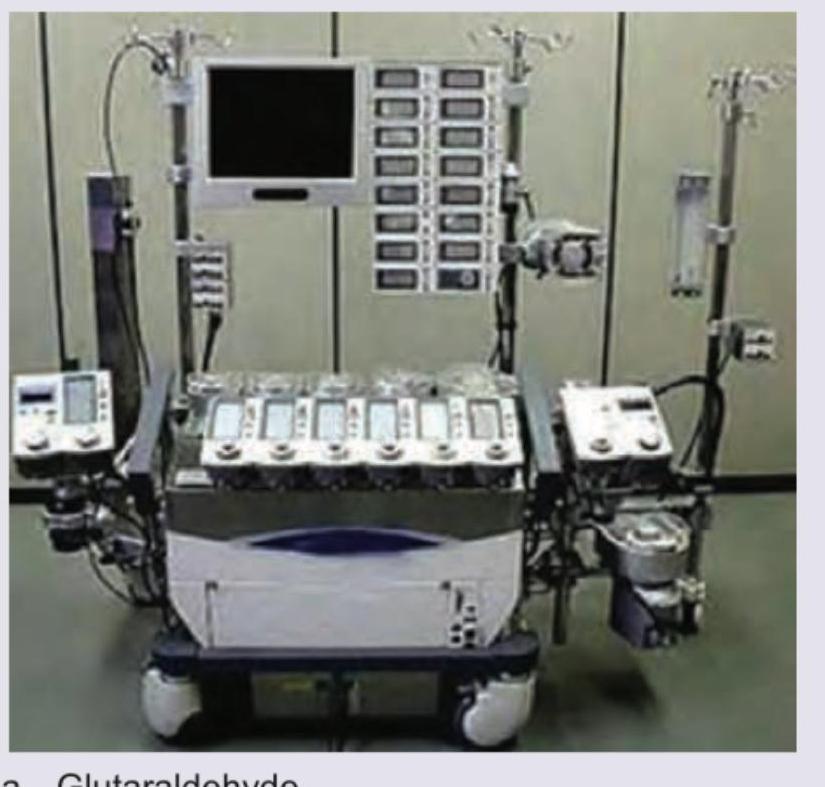
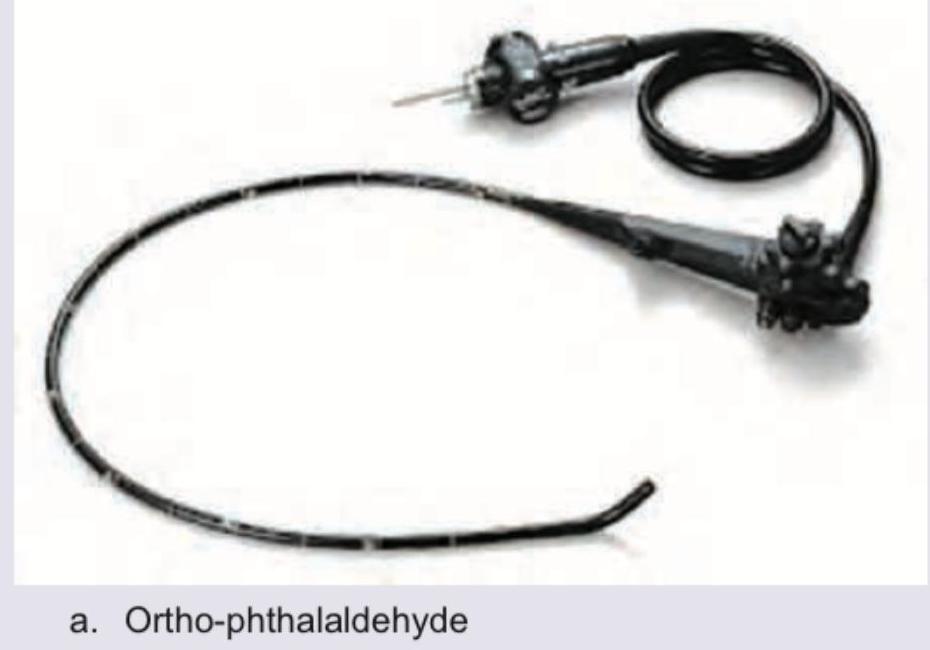
Explanation: **Explanation:** The correct answer is **Cidex solution (2% Glutaraldehyde)**. **Why Cidex is the Correct Choice:** Endoscopes are classified as **semi-critical items** because they come into contact with mucous membranes but do not penetrate sterile tissues. Most endoscopes are heat-sensitive and contain delicate optical components that would be damaged by high temperatures. **Cidex (2% Glutaraldehyde)** is the gold standard for "cold sterilization." It acts by alkylating amino, carboxyl, and hydroxyl groups of proteins. It is effective against bacteria, spores, fungi, and viruses. For high-level disinfection, an immersion time of 20 minutes is required, while **10 hours** of immersion is needed to achieve absolute sterility (sporicidal action). **Why Other Options are Incorrect:** * **Boiling:** This is a method of disinfection, not sterilization. It does not reliably kill bacterial spores and can damage the lens and delicate internal components of the endoscope. * **Autoclave:** While autoclaving is the most effective method for surgical instruments, the high temperature (121°C) and pressure will destroy the fiber-optics and adhesives in most standard endoscopes. * **Lysol (Phenolics):** These are low-to-intermediate level disinfectants used primarily for environmental surfaces (floors/walls). They are too corrosive and toxic for delicate medical instruments. **High-Yield Clinical Pearls for NEET-PG:** * **Cidex Shelf Life:** Once "activated" by adding an alkalinizing agent, the solution remains effective for **14 days**. * **Alternative:** **Peracetic acid** is increasingly used in automated endoscope reprocessors as it is faster and more eco-friendly. * **Testing:** The efficacy of Glutaraldehyde is monitored using **test strips** to ensure the concentration remains above the Minimum Effective Concentration (MEC) of 1.5%. * **Safety:** Instruments must be thoroughly rinsed with sterile water after Cidex immersion to prevent chemical colitis or tissue irritation.
Explanation: **Explanation:** The management of blood spills is a critical aspect of hospital infection control. **Chlorine-based compounds**, specifically **Sodium Hypochlorite (Bleach)**, are the gold standard for disinfecting blood spills. **Why Chlorine-based compounds?** Blood is a potential vehicle for blood-borne pathogens like Hepatitis B (HBV), Hepatitis C (HCV), and HIV. Sodium hypochlorite is a high-level disinfectant that acts by releasing free chlorine, which causes oxidative degradation of microbial proteins and nucleic acids. It is highly effective against a broad spectrum of pathogens, including viruses and spores. For small spills, a 1:100 dilution (approx. 500-1000 ppm) is used, while for large spills, a **1:10 dilution (approx. 5000-10,000 ppm)** is recommended after absorbing the blood with gauze or paper towels. **Why other options are incorrect:** * **Phenol:** These are intermediate-level disinfectants. They are corrosive, toxic, and are generally not recommended for blood spills as they are less effective against non-enveloped viruses. * **Quaternary Ammonium Compounds:** These are low-level disinfectants. They are primarily used for cleaning non-critical surfaces (floors/walls) but are ineffective against many viruses and spores found in blood. * **Alcohol (70% Isopropyl/Ethyl):** While effective for skin antisepsis, alcohols evaporate too quickly to provide the necessary contact time for large organic loads like blood and are not effective against non-enveloped viruses. **High-Yield Clinical Pearls for NEET-PG:** * **Contact Time:** For blood spills, a contact time of at least **10–20 minutes** is required for effective disinfection. * **HIV Inactivation:** Sodium hypochlorite (1%) inactivates HIV within 2 minutes. * **Endoscopes:** Glutaraldehyde (2%) is the preferred disinfectant (Cidex). * **Prions:** Requires autoclaving at 134°C for 18 minutes or 1N Sodium Hydroxide for 1 hour.
Explanation: **Explanation:** **Sodium hypochlorite (Option B)** is the agent of choice for managing blood spills because it is a potent oxidizing agent with broad-spectrum microbicidal activity. It is effective against blood-borne pathogens, including Hepatitis B (HBV), Hepatitis C (HCV), and HIV. For small spills, a 1:100 dilution (approx. 500 ppm) is used; however, for large spills or high organic loads, a **1:10 dilution (5,000 ppm)** is recommended. The chlorine released denatures proteins and inactivates nucleic acids, ensuring rapid disinfection even in the presence of organic matter. **Why other options are incorrect:** * **Formaldehyde (A):** Primarily used for preserving tissues (biopsies) or fumigating operation theaters. It is too toxic, pungent, and slow-acting for routine surface disinfection of spills. * **Tincture Iodine (C):** An antiseptic used on living skin/tissues before surgery. It is not used for environmental surfaces as it causes staining and is less effective on large organic loads. * **Phenols (D):** While used for floor cleaning (Lysol), they are not recommended for blood spills because they are less effective against non-enveloped viruses and can be corrosive. **High-Yield Clinical Pearls for NEET-PG:** * **Contact Time:** For blood spills, sodium hypochlorite should be left in contact for at least **10–20 minutes** before wiping. * **HIV Inactivation:** HIV is highly susceptible to **0.5% sodium hypochlorite**. * **Endoscopes:** Glutaraldehyde (2% Cidex) is the gold standard for "cold sterilization" of heat-sensitive endoscopes. * **Prions:** To disinfect surfaces contaminated with prions, **1N Sodium Hydroxide (NaOH)** or higher concentrations of Sodium Hypochlorite are required.
Explanation: **Explanation:** The disinfection of faeces (especially in cases of cholera or enteric fever) requires agents that are effective in the presence of high organic matter and are cost-efficient for large-scale waste management. **Why Glutaraldehyde is the correct answer:** Glutaraldehyde (Cidex) is a high-level disinfectant primarily used for **"cold sterilization" of delicate instruments** like endoscopes, cystoscopes, and bronchoscopes. It is expensive, requires a specific pH (activated at 8.0), and has a relatively short shelf life once activated. Using it for faecal disinfection is impractical, non-cost-effective, and clinically inappropriate. **Analysis of incorrect options:** * **Cresol (Lysol):** Phenolic compounds like cresol are the **standard choice** for faecal disinfection. They remain active in the presence of organic matter and are highly effective against vegetative bacteria. * **Bleaching Powder (Calcium Hypochlorite):** This is a common and effective disinfectant for stools and urine. It acts by releasing chlorine, which is a potent oxidizing agent. * **Formalin:** 10% Formalin is a powerful disinfectant used for solid waste and tissues. It acts by alkylation of proteins and nucleic acids. **NEET-PG High-Yield Pearls:** * **Standard for Faeces:** Cresol (5%) is the most preferred agent. * **Glutaraldehyde (2%):** Requires 20 minutes for disinfection and 10 hours for sterilization (sporicidal). It is the agent of choice for **Lensed Instruments**. * **Organic Matter Interference:** Most disinfectants (like alcohols and halogens) are neutralized by organic matter; however, **Phenolics (Cresol)** maintain efficacy, making them ideal for excreta. * **Bleaching Powder:** Used for disinfecting water and spillages, but requires a high concentration for faeces due to organic load.
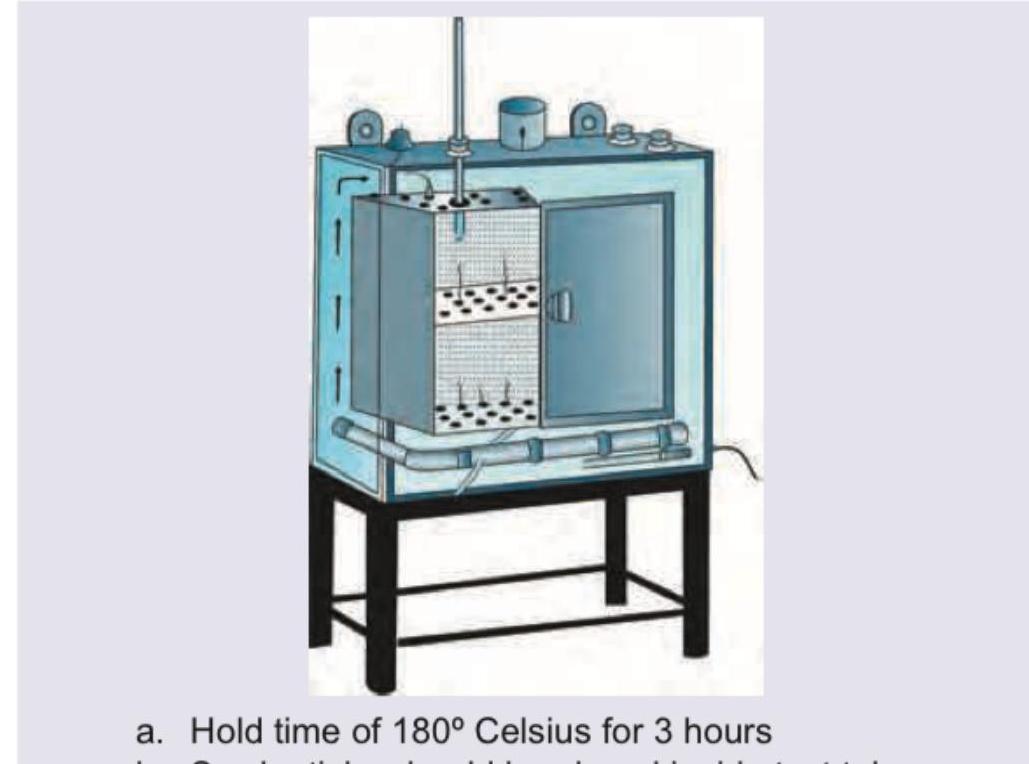
Explanation: **Explanation:** The gold standard for monitoring sterilization is the use of **Biological Indicators (BIs)**, specifically bacterial spore tests. This is because bacterial spores are the most heat-resistant living organisms; if the sterilization process is potent enough to kill these highly resistant spores, it is logically inferred that all other pathogenic microorganisms (bacteria, viruses, fungi) have also been destroyed. * **Why Option B is Correct:** Biological indicators provide the only direct evidence of microbial kill. For autoclaves (moist heat), **_Geobacillus stearothermophilus_** spores are used because they are highly thermophilic. For dry heat (hot air oven), **_Bacillus atrophaeus_** (formerly *B. subtilis var. niger*) is used. * **Why Option A is Incorrect:** Temperature and pressure gauges are **Physical/Mechanical Indicators**. They only measure the conditions inside the chamber at a specific moment but do not account for "cold spots" or air pockets inside the packs. * **Why Option D is Incorrect:** Chemical indicators (e.g., Bowie-Dick tape) only confirm that a certain temperature was reached. They do not guarantee that the temperature was maintained for the required "holding time" necessary for sterilization. * **Why Option C is Incorrect:** While HBV is resistant, it is significantly less resistant than bacterial spores. Testing against HBV is neither practical nor as stringent as a spore test. **High-Yield NEET-PG Pearls:** * **Autoclave:** 121°C at 15 psi for 15–20 mins. BI: *Geobacillus stearothermophilus*. * **Hot Air Oven:** 160°C for 2 hours. BI: *Bacillus atrophaeus*. * **Ethylene Oxide (ETO):** BI: *Bacillus atrophaeus*. * **Ionizing Radiation:** BI: *Bacillus pumilus*.
Explanation: **Explanation:** The correct answer is **C (Alcohol has sporicidal activity)** because alcohols are intermediate-level disinfectants that lack the ability to penetrate the thick, protective protein coats of bacterial spores. **1. Why Option C is False (The Correct Answer):** Alcohols (Ethanol and Isopropyl alcohol) act by denaturing proteins and dissolving lipid membranes. While they are highly effective against vegetative bacteria, fungi, and enveloped viruses, they are **not sporicidal**. They also lack significant activity against non-enveloped viruses and fungal spores. To kill bacterial spores, "high-level" disinfectants or sterilants like Glutaraldehyde or Autoclaving are required. **2. Why the other options are True:** * **Options A & B:** Both **Ethyl alcohol (Ethanol)** and **Isopropyl alcohol (Isopropanol)** are the primary alcohols used in clinical settings. Isopropyl alcohol is slightly more bactericidal and less volatile than ethanol. * **Option D:** Alcohol is rapidly **bactericidal** against vegetative forms of Gram-positive and Gram-negative bacteria (e.g., *S. aureus*, *E. coli*, and *M. tuberculosis*). **High-Yield NEET-PG Clinical Pearls:** * **Optimal Concentration:** Alcohols are most effective at a concentration of **60%–90%** in water. Absolute alcohol (100%) is less effective because protein denaturation requires the presence of water. * **Contact Time:** They are "flash" disinfectants; they act quickly but have no residual activity due to rapid evaporation. * **Clinical Use:** Primarily used as skin antiseptics (spirit) and for disinfecting small surfaces like stethoscope diaphragms and thermometer ports. * **Methyl Alcohol:** Not used for disinfection as it is toxic and has relatively weak bactericidal action.
Explanation: ### Explanation **1. Why Option B is Correct:** Disinfection is defined as the process of eliminating or killing most pathogenic microorganisms, excluding bacterial spores, from inanimate objects. Unlike sterilization, disinfection does not ensure the complete destruction of all microbial life. It aims to reduce the microbial load to a level that is no longer harmful to health. **2. Why Other Options are Incorrect:** * **Option A:** This describes **Sterilization**. Sterilization is an absolute process (all-or-none) that destroys all forms of microbial life, including highly resistant bacterial spores (e.g., *Bacillus* and *Clostridium* species). * **Option C:** This describes **Antisepsis**. While the mechanism is similar to disinfection, the term "Antiseptic" is specifically used when chemical agents are applied to **living tissues** or body surfaces (like skin or mucosa) to inhibit or kill pathogens. Disinfectants are generally too toxic for host tissues and are reserved for inanimate surfaces. **3. High-Yield Clinical Pearls for NEET-PG:** * **Levels of Disinfection:** * **High-level:** Kills all organisms except high numbers of bacterial spores (e.g., Glutaraldehyde 2%, Ortho-phthalaldehyde). * **Intermediate-level:** Kills mycobacteria, vegetative bacteria, most viruses, and fungi (e.g., Alcohols, Iodophors). * **Low-level:** Kills most vegetative bacteria and some fungi/viruses; does not kill mycobacteria or spores (e.g., Quaternary ammonium compounds). * **Spaulding’s Classification:** * **Critical items** (enter sterile tissue): Require Sterilization. * **Semi-critical items** (contact mucous membranes): Require High-level Disinfection. * **Non-critical items** (contact intact skin): Require Low-level Disinfection. * **Prions:** These are the most resistant to standard sterilization/disinfection, requiring specific protocols like autoclaving at 134°C for 18 minutes with 1N NaOH.
Physical Methods of Sterilization
Practice Questions
Chemical Methods of Sterilization
Practice Questions
Disinfectants and Antiseptics
Practice Questions
Sterilization Monitoring
Practice Questions
Hospital Sterilization Protocols
Practice Questions
Surgical Instruments Sterilization
Practice Questions
Endoscope Reprocessing
Practice Questions
Biological Indicators
Practice Questions
Factors Affecting Sterilization
Practice Questions
Quality Control in Sterilization
Practice Questions
Biofilm and Its Implications
Practice Questions
Regulatory Aspects of Sterilization
Practice Questions
Get full access to all questions, explanations, and performance tracking.
Start For Free