Which of the following statements regarding disinfectants is not true?
Which of the following methods is used for cold sterilization?
Oil and grease are sterilized by which method?
What is the operating temperature in an ethylene oxide sterilization during a warm cycle?
In which color-coded bin should liquid chemical waste be discarded?
What is sterilization?
During sample collection, blood was spilled on the floor. What is the immediate next step to manage the spill?
What is the primary sterilization method for catgut sutures?
What is the recommended percentage of glutaraldehyde used for high-level disinfection?
What is the autoclave method of sterilization?
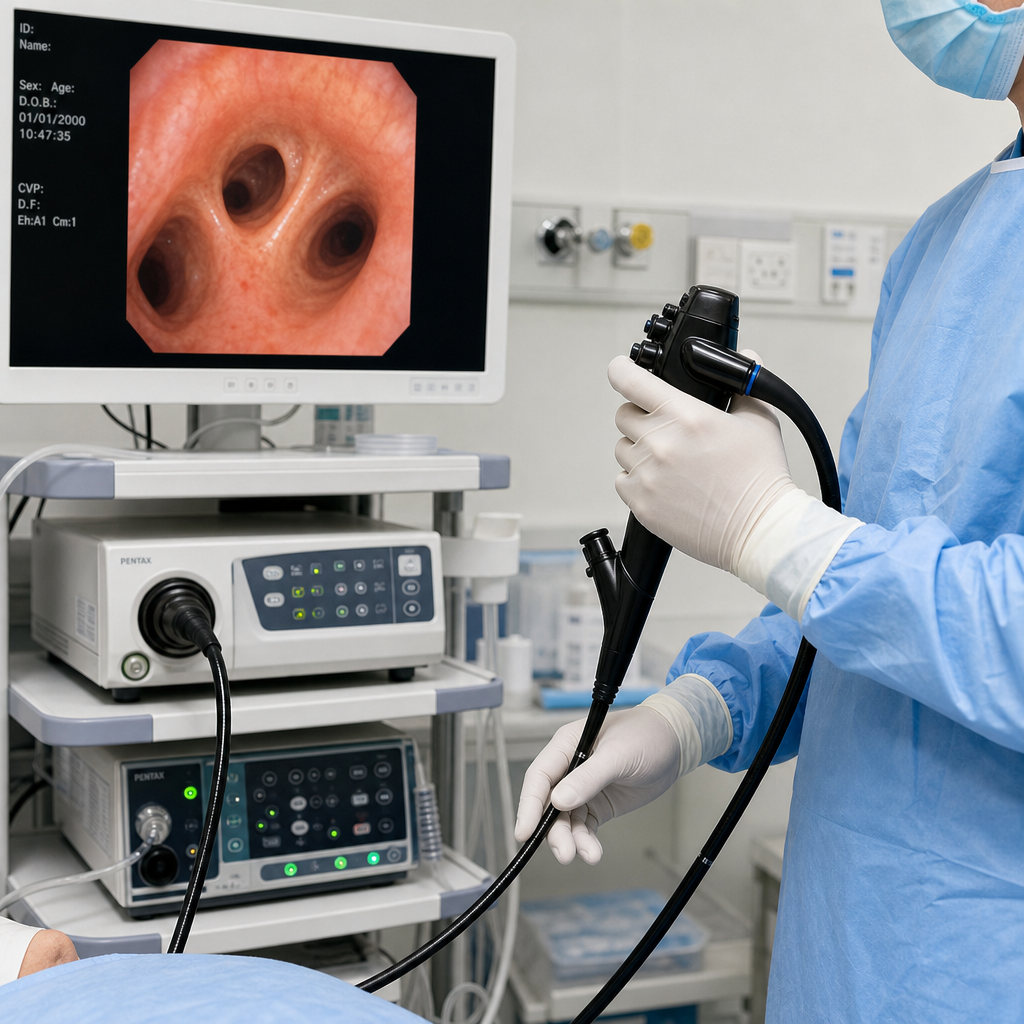
Explanation: ### Explanation The correct answer is **D**. This statement is incorrect because **Phenol (Carbolic acid) is relatively stable and is not readily inactivated by organic matter.** This unique property makes it particularly useful for disinfecting surfaces contaminated with blood, feces, or pus. #### Why Option D is the Correct Choice (The "False" Statement) While Phenol is indeed bactericidal (by causing cell membrane damage and protein precipitation), its clinical hallmark is its **resistance to inactivation by organic debris**. In fact, the "Rideal-Walker" and "Chick-Martin" tests use phenol as a standard to compare the efficacy of other disinfectants in the presence of organic matter. #### Analysis of Other Options: * **Option A (Hypochlorites):** These are highly effective, broad-spectrum bactericidal agents. However, they are **highly unstable** and are rapidly neutralized by organic matter (like blood or soil), which is why surfaces must be cleaned before application. * **Option B (Glutaraldehyde):** Known commercially as Cidex (2%), it is a "cold sterilant." It is **sporicidal** (after 10 hours of immersion) and is notable for being **less affected by organic matter** compared to other disinfectants, making it ideal for endoscopes. * **Option C (Formaldehyde):** This is a high-level disinfectant that is bactericidal, sporicidal, and virucidal. It acts by alkylation of amino and sulfhydryl groups of proteins and nucleic acids. #### NEET-PG High-Yield Clinical Pearls: * **Glutaraldehyde (2%):** Best for disinfecting endoscopes (Laparoscopes, Cystoscopes) because it does not damage lenses or rubber. * **Hypochlorite (1%):** The disinfectant of choice for **HIV and Hepatitis B** surface spills. * **Phenol Coefficient:** A measure of the disinfecting power of a substance compared to phenol. * **Ethylene Oxide (ETO):** The agent of choice for sterilizing heat-sensitive items like heart-lung machines and respirators.
Explanation: **Explanation:** **1. Why Ionizing Radiation is Correct:** Cold sterilization refers to the process of sterilization without the use of heat. **Ionizing radiation** (such as Gamma rays and high-energy Electron beams) is the method of choice because it achieves sterility at ambient temperatures. It works by causing lethal DNA damage and producing free radicals that destroy microorganisms. This is particularly useful for heat-sensitive materials like disposable plastic syringes, catheters, sutures, and bone grafts. **2. Why the Other Options are Incorrect:** * **A. Steam:** This is the principle behind the Autoclave. It uses **moist heat** (121°C for 15 mins) to kill microbes and spores. It is the most common method but is definitely not "cold." * **C. Infrared:** This is a form of **dry heat** sterilization. It generates high temperatures to kill microbes by oxidation and is used for rapid sterilization of metallic instruments. * **D. UV (Ultraviolet) Radiation:** While UV is "non-thermal," it is **non-ionizing** and has poor penetrating power. It is used for surface disinfection and air purification (e.g., in OTs or biosafety cabinets), but it is not considered a reliable method for "sterilization" of medical devices. **3. High-Yield Clinical Pearls for NEET-PG:** * **Gamma Radiation:** The most common source used is **Cobalt-60**. * **Ethylene Oxide (EtO):** Another common method of "cold sterilization" (chemical gas), used for heart-lung machines and respirators. * **Chick-Martin Test:** Used to determine the efficacy of disinfectants in the presence of organic matter. * **Biological Indicator for Radiation:** *Bacillus pumilus*. (Compare with *Geobacillus stearothermophilus* for Autoclaves).
Explanation: **Explanation:** The correct answer is **Hot air oven (A)**. **Why Hot Air Oven is correct:** Oil, grease, powders, and petroleum jelly are anhydrous (water-free) substances. These materials are **impermeable to moisture**; therefore, steam cannot penetrate them to achieve sterilization. The Hot Air Oven utilizes **dry heat**, which kills microorganisms by causing oxidative damage and denaturation of bacterial proteins. It is the method of choice for materials that are either damaged by moisture or cannot be reached by steam. **Why the other options are incorrect:** * **Autoclaving (B):** This uses moist heat (saturated steam under pressure). Since oils and grease repel water, the steam cannot penetrate the substance to kill spores, making this method ineffective. * **Filtration (C):** This is a mechanical method used for heat-sensitive liquids (like sera or antibiotic solutions) by passing them through pores. It is physically impossible to filter viscous substances like grease or solid powders. * **Irradiation (D):** While ionizing radiation (Gamma rays) is used for "cold sterilization" of disposable plastics (syringes, catheters), it is not the standard or practical choice for bulk oils and greases in a clinical/laboratory setting. **High-Yield Clinical Pearls for NEET-PG:** * **Standard Cycle:** 160°C for 2 hours (or 170°C for 1 hour). * **Commonly Sterilized Items:** Glassware (Petri dishes, pipettes), metallic instruments (forceps, scalpels), and anhydrous materials (liquid paraffin, sulfonamide powder). * **Sterilization Control:** *Bacillus atrophaeus* (formerly *B. subtilis* var. *niger*) spores are used as the biological indicator for Hot Air Ovens. * **Note:** Sharp instruments are ideally sterilized in a hot air oven to prevent the rusting/blunting that occurs in autoclaves.
Explanation: **Explanation:** Ethylene oxide (EtO) is a potent alkylating agent used for the sterilization of heat- and moisture-sensitive medical devices (e.g., endoscopes, plastics, and electrical equipment). The efficacy of EtO sterilization depends on four critical parameters: gas concentration, humidity, exposure time, and **temperature**. **1. Why Option B is Correct:** EtO sterilizers typically operate using two standard cycles: * **Cold Cycle:** Operates at approximately **37–40°C**. * **Warm Cycle:** Operates at approximately **49–63°C** (often cited as 55°C). Increasing the temperature allows for a reduction in the required exposure time and enhances the penetration of the gas into the materials. **2. Why the Other Options are Incorrect:** * **Option A (20-35°C):** This range is too low for effective sterilization within a reasonable timeframe; the alkylation process of microbial proteins and nucleic acids would be too slow. * **Option C & D (68-110°C):** These temperatures are too high. The primary advantage of EtO is "cold sterilization" for heat-sensitive items. Temperatures above 60-65°C can damage the delicate plastics, lenses, and adhesives that EtO is specifically intended to protect. **High-Yield Clinical Pearls for NEET-PG:** * **Mechanism of Action:** Alkylation of amino, carboxyl, and hydroxyl groups in microbial proteins and nucleic acids. * **Biological Indicator:** *Bacillus atrophaeus* (formerly *B. subtilis* var. *niger*) is used to monitor EtO efficacy. * **Safety Note:** EtO is highly flammable, explosive, and carcinogenic. Post-sterilization **aeration** is mandatory to remove toxic residues from the equipment. * **Humidity:** Optimal relative humidity for EtO sterilization is **40–60%**.
Explanation: ### Explanation The correct answer is **Yellow**. According to the **Biomedical Waste (BMW) Management Rules (2016)** and its subsequent amendments, liquid waste—including discarded disinfectants, infected secretions, aspirated body fluids, and liquid chemical waste—must be disposed of in the **Yellow** category. **Why Yellow is Correct:** The Yellow bin is designated for waste that requires **incineration or deep burial**. Liquid chemical waste, such as used formalin, glutaraldehyde, or other disinfectants, is highly toxic and potentially infectious. Before disposal, these liquids must be pre-treated (neutralized) and then discarded into the effluent treatment system or the yellow-coded container/drain connected to a specialized treatment plant. **Why Other Options are Incorrect:** * **Red:** This bin is for **recyclable plastic waste** (e.g., IV sets, catheters, gloves, syringes without needles). These items undergo autoclaving/microwaving followed by shredding. * **Black:** Previously used for general municipal waste, this category is no longer part of the official BMW color coding for clinical waste. General waste is now typically managed in **Green** (biodegradable) and **Blue/Black** (non-biodegradable) bins as per solid waste norms. * **Blue:** This is reserved for **glassware** (broken or intact) and **metallic body implants**. These are treated by disinfection or autoclaving. **Clinical Pearls for NEET-PG:** * **Cytotoxic drugs:** Always go in **Yellow** bags (marked with a cytotoxic hazard symbol). * **Anatomical waste:** Human and animal tissues are always **Yellow**. * **Blood bags:** Discarded blood and blood components go in **Yellow**. * **Chlorinated plastic bags:** These are strictly prohibited for incineration to prevent dioxin/furan emissions.
Explanation: **Explanation:** **1. Why the Correct Answer is Right:** Sterilization is defined as the process by which an article, surface, or medium is freed of **all living microorganisms**, including bacteria, viruses, fungi, and—most importantly—**bacterial spores**. Spores are the most resistant forms of life; therefore, any process that does not achieve "sporicidal" activity cannot be classified as sterilization. In a clinical context, this ensures absolute sterility for invasive procedures. **2. Analysis of Incorrect Options:** * **Options A & B:** These describe **Disinfection**. Disinfection reduces the number of pathogenic microorganisms to a level that is not harmful to health but typically **fails to kill bacterial spores**. It is used for inanimate objects where absolute sterility is not mandatory. * **Option C:** This is incorrect because the goal of sterilization is never selective; it aims for the total destruction of the entire microbial load, regardless of whether the organisms are pathogenic (harmful) or commensal (non-pathogenic). **3. NEET-PG High-Yield Pearls:** * **Sterilization vs. Disinfection:** The presence or absence of **spores** is the deciding factor. * **Standard for Sterilization:** The **Autoclave** (Steam under pressure) is the most common method. Standard parameters: **121°C for 15 minutes at 15 psi**. * **Biological Indicators:** To check if sterilization is successful, we use specific spores. For Autoclaves, the indicator is *Geobacillus stearothermophilus*. For Hot Air Ovens, it is *Bacillus atrophaeus*. * **Antisepsis:** This refers to the destruction or inhibition of microorganisms on **living tissues** (e.g., skin) using chemical agents.
Explanation: **Explanation:** The management of a blood spill follows a specific protocol designed to prevent the aerosolization and spread of blood-borne pathogens (like HIV, HBV, and HCV). **1. Why Option D is Correct:** The **immediate next step** in spill management is to **contain the spill**. Covering the area with absorbent material (such as paper towels, gauze, or blotting paper) prevents the liquid from spreading further across the floor and minimizes the risk of splashing or aerosol generation during the subsequent disinfection process. **2. Analysis of Incorrect Options:** * **Option A:** Mopping with water is contraindicated as it spreads the organic matter over a larger surface area and does not achieve disinfection. * **Option B:** While reporting is part of the protocol, it is not the *immediate* physical action required to contain the biohazard. * **Option C:** Sodium hypochlorite is the disinfectant of choice, but it should be applied **over** the absorbent material or after containment. Applying liquid bleach directly onto a large pool of blood can cause splashing and may be less effective due to the high organic load neutralizing the chlorine. **3. High-Yield Clinical Pearls for NEET-PG:** * **Disinfectant of Choice:** Sodium Hypochlorite (Bleach) is the gold standard for blood spills. * **Concentration Matters:** * **Small Spills (<10 cm):** Use 1% Sodium Hypochlorite. * **Large Spills (>10 cm):** Use 10% Sodium Hypochlorite. * **Contact Time:** The disinfectant must be left in contact with the spill for at least **20–30 minutes** before final cleaning. * **Sequence:** Contain (Absorbent) → Disinfect (Hypochlorite) → Wait (Contact Time) → Clean (Discard as Bio-medical waste in Yellow Bag).
Explanation: **Explanation:** **1. Why Radiation is Correct:** Catgut is a biological material derived from the submucosa of sheep intestine or the serosa of bovine intestine. It is highly sensitive to heat and moisture. **Ionizing radiation** (specifically **Gamma rays** from a Cobalt-60 source, often referred to as "Cold Sterilization") is the method of choice because it effectively kills all microorganisms and spores without generating heat. This preserves the tensile strength and structural integrity of the collagen fibers in the suture. **2. Why Other Options are Incorrect:** * **A. Steam (Autoclaving):** The high temperature and moisture of steam would denature the collagen proteins in catgut, turning it into gelatin and rendering it clinically useless. * **C. Boiling:** Similar to steam, boiling water causes hydrolytic degradation of the catgut fibers, destroying their physical properties. * **D. Burning:** This is a method of disposal (incineration), not sterilization for clinical use, as it would incinerate the suture material. **3. High-Yield Clinical Pearls for NEET-PG:** * **"Cold Sterilization":** This term refers to sterilization using ionizing radiation or chemicals (like glutaraldehyde) without the use of heat. * **Ethylene Oxide (EtO):** While radiation is the primary method for catgut, EtO is another common method for heat-sensitive materials like plastics and heart-lung machines. * **Dose:** The standard dose for Gamma radiation sterilization is **2.5 megarads (25 kGy)**. * **Packaging:** Catgut is often stored in a "tubing fluid" (usually 90% isopropyl alcohol) to keep it supple, but the sterilization itself is achieved via radiation.
Explanation: **Explanation:** **Glutaraldehyde** is a high-level disinfectant (HLD) widely used in clinical settings for heat-sensitive equipment. The correct concentration for effective disinfection is **2%**. 1. **Why 2% is correct:** At a 2% concentration, glutaraldehyde acts as a potent alkylating agent. It works by alkylating the sulfhydryl, hydroxyl, carboxyl, and amino groups of microorganisms, effectively altering RNA, DNA, and protein synthesis. It is bactericidal, virucidal, and fungicidal within 10–20 minutes. Most importantly, it is **sporicidal** when the contact time is extended (usually 3–10 hours), making it suitable for "cold sterilization." 2. **Why other options are incorrect:** * **1%:** This concentration is insufficient to achieve high-level disinfection or sporicidal activity within a practical clinical timeframe. * **3% and 4%:** While higher concentrations are effective, they are not standard because 2% is already the "gold standard" for efficacy. Higher concentrations increase the risk of toxicity, respiratory irritation, and tissue damage to the healthcare worker. **High-Yield NEET-PG Pearls:** * **Trade Name:** Commonly known as **Cidex**. * **Activation:** It requires "activation" by adding an alkalizing agent to reach a pH of 7.5–8.5. Once activated, the solution has a shelf life of approximately **14 days**. * **Clinical Use:** It is the disinfectant of choice for **flexible endoscopes**, cystoscopes, and bronchoscopes because it is non-corrosive to metals, rubber, and lenses. * **Safety:** It is irritating to the skin and mucous membranes; equipment must be thoroughly rinsed with sterile water after immersion.
Explanation: **Explanation:** The autoclave is the most reliable and widely used method of sterilization in clinical practice. It utilizes **Moist Heat** in the form of **saturated steam under pressure**. **1. Why Option B is Correct:** The principle of the autoclave is that water boils when its vapor pressure equals the surrounding atmospheric pressure. By increasing the pressure inside a closed vessel, the boiling point of water rises. The standard operating parameters for an autoclave are **121°C at 15 psi (pounds per square inch) for 15–20 minutes**. This temperature is sufficient to kill all vegetative forms of bacteria, fungi, viruses, and, most importantly, highly resistant **bacterial spores**. **2. Why Other Options are Incorrect:** * **Option A:** Sterilization at atmospheric pressure (100°C) is characteristic of Tyndallization or boiling, which may not kill all spores. Autoclaving requires **high pressure** to achieve temperatures above 100°C. * **Option C:** Autoclaving uses **Moist Heat**. Dry heat sterilization is associated with the Hot Air Oven (typically 160°C for 2 hours). Moist heat is more effective than dry heat because it has greater penetrating power and causes coagulation/denaturation of microbial proteins. **NEET-PG High-Yield Pearls:** * **Sterilization Control (Biological Indicator):** The most common indicator used to check the efficacy of an autoclave is the spores of ***Geobacillus stearothermophilus*** (formerly *Bacillus stearothermophilus*). * **Chemical Indicator:** **Browne’s tubes** (color change from red to green) or **Bowie-Dick tape**. * **Uses:** Ideal for culture media, surgical instruments, gowns, and dressings. It is **not** suitable for heat-sensitive items (plastics) or sharp instruments (which may blunt).
Physical Methods of Sterilization
Practice Questions
Chemical Methods of Sterilization
Practice Questions
Disinfectants and Antiseptics
Practice Questions
Sterilization Monitoring
Practice Questions
Hospital Sterilization Protocols
Practice Questions
Surgical Instruments Sterilization
Practice Questions
Endoscope Reprocessing
Practice Questions
Biological Indicators
Practice Questions
Factors Affecting Sterilization
Practice Questions
Quality Control in Sterilization
Practice Questions
Biofilm and Its Implications
Practice Questions
Regulatory Aspects of Sterilization
Practice Questions
Get full access to all questions, explanations, and performance tracking.
Start For Free