Thick-walled fungal resting spores formed by the condensation of hyphal elements are called what?
Sabaroud's medium is used for the isolation of which type of microorganism?
A vaginal smear from a young female shows budding yeast. What is the likely causative organism?
Antibiotic stomatitis is another name for which of the following conditions?
What is the function of the cell wall in a fungus?
Which of the following is a dimorphic fungus?
What is the most common cause of fungal infection in a known case of bronchial asthma with eosinophilia?
Which group of fungi is characterized by the absence of a sexual phase?
A patient presents with a dry, scaly, erythematous penis. Skin scales stained with calcofluor white show fluorescent blue-white yeasts and a few pseudohyphae. What is the causative agent responsible for this dermatophytic-like presentation?
All of the following are culture media for fungi except?
Explanation: **Explanation:** **1. Why Chlamydospores are correct:** Chlamydospores are thick-walled, resistant, **resting spores** formed by the rounding up and condensation of vegetative hyphal elements. They contain stored food materials and are designed to survive unfavorable environmental conditions. They can be terminal, lateral, or intercalary (within the hyphal strand). A classic diagnostic example is *Candida albicans*, which produces large, thick-walled chlamydospores on Cornmeal Agar. **2. Analysis of Incorrect Options:** * **Basidiospores (A):** These are **sexual spores** produced externally on a club-shaped structure called a basidium. They are characteristic of the Basidiomycota phylum (e.g., *Cryptococcus*). * **Arthrospores (B):** These are formed by the **fragmentation** of septate hyphae into individual rectangular or barrel-shaped cells. They are not "resting" spores but infectious propagules (e.g., *Coccidioides immitis*, *Dermatophytes*). * **Blastospores (C):** These are simple asexual spores formed by the process of **budding** from the parent cell, as seen in yeasts like *Saccharomyces*. **3. NEET-PG High-Yield Pearls:** * **Candida Differentiation:** The production of chlamydospores on Cornmeal Agar is a definitive test to differentiate *Candida albicans* from other *Candida* species (except *C. dubliniensis*). * **Asexual vs. Sexual:** Most medically important fungi are identified by their asexual spores (conidia/sporangiospores). Chlamydospores, Arthrospores, and Blastospores are all types of asexual spores. * **Zygospores/Ascospores:** Remember these are sexual spores, often tested as "identify the odd one out" in exams.
Explanation: **Explanation:** **Sabouraud’s Dextrose Agar (SDA)** is the standard selective medium used for the primary isolation and cultivation of **fungi** (both yeasts and molds). 1. **Why Fungi is Correct:** SDA is specifically formulated to support fungal growth while inhibiting bacterial contamination. Its selectivity is based on two main factors: * **Low pH (approx. 5.6):** This acidic environment is inhibitory to most bacteria but well-tolerated by fungi. * **High Glucose Concentration (4%):** This provides a rich energy source that favors the rapid growth of dermatophytes and other fungi. * *Note:* In clinical practice, antibiotics like chloramphenicol or gentamicin are often added to further suppress bacterial growth. 2. **Why Other Options are Incorrect:** * **Protozoal parasites:** These require specialized media like NNN (Novy-MacNeal-Nicolle) medium for *Leishmania* or Diamond’s medium for *Trichomonas*. * **Nematodes:** These are multicellular helminths usually identified via stool microscopy (eggs/larvae) rather than agar-based culture. * **Anaerobes:** These require enriched media (e.g., Robertson’s Cooked Meat broth or Blood Agar) and an oxygen-free environment (GasPak system). **High-Yield Clinical Pearls for NEET-PG:** * **Modification:** **Emmons' modification** of SDA has a neutral pH and lower glucose, which is better for the recovery of systemic fungi like *Histoplasma*. * **Dermatophytes:** For skin/hair/nail infections, **Dermatophyte Test Medium (DTM)** is used; it contains phenol red, which turns red due to alkaline metabolites produced by dermatophytes. * **Safety:** Fungal cultures should be incubated at **25°C (Room Temperature)** and **37°C** to check for **dimorphism** (Yeast at 37°C, Mold at 25°C).
Explanation: **Explanation:** The presence of **budding yeast** in a vaginal smear is a classic diagnostic feature of **Vulvovaginal Candidiasis**, most commonly caused by *Candida albicans*. 1. **Why Candida is correct:** *Candida* species are opportunistic fungi that exist as oval, budding yeast cells (3–5 µm). In a clinical sample like a vaginal swab, they often demonstrate **pseudohyphae** (elongated yeast cells remaining attached) and blastoconidia (buds). This is the most common cause of fungal vaginitis, typically presenting with a "curd-like" white discharge and pruritus. 2. **Why the other options are incorrect:** * **Chlamydia:** This is an obligate intracellular bacterium (*Chlamydia trachomatis*). It does not appear as budding yeast; it is identified via NAAT or by observing inclusion bodies in cell cultures. * **Histoplasma:** While *Histoplasma capsulatum* is a budding yeast at body temperature, it is a systemic dimorphic fungus primarily affecting the lungs. It is typically found **intracellularly** within macrophages and is not a cause of vaginitis. * **Coccidioidomycosis:** In tissue, *Coccidioides* species form large **spherules** filled with endospores, not simple budding yeast. It is a respiratory pathogen endemic to arid regions (e.g., Southwestern US). **High-Yield Clinical Pearls for NEET-PG:** * **Germ Tube Test:** The definitive rapid test for *C. albicans* (positive result shows true hyphae formation within 2-3 hours in serum). * **Culture:** Grows on **Sabouraud Dextrose Agar (SDA)** as creamy white, smooth colonies with a "yeasty" odor. * **Risk Factors:** Pregnancy, uncontrolled Diabetes Mellitus, and prolonged antibiotic use are classic triggers for vaginal Candidiasis. * **Microscopy:** Use 10% KOH mount to dissolve host cellular debris and better visualize the fungal elements.
Explanation: **Explanation:** **Acute Atrophic Candidiasis** is the correct answer. It is frequently referred to as **"Antibiotic Stomatitis"** or "Antibiotic Sore Mouth" because it typically occurs as a sequela to prolonged or broad-spectrum antibiotic therapy. The antibiotics suppress the normal oral bacterial flora, allowing *Candida albicans* to overgrow. Unlike the classic "thrush," this form is characterized by a painful, burning sensation and diffuse erythema (redness) of the oral mucosa, rather than white patches. **Analysis of Incorrect Options:** * **Chronic Atrophic Candidiasis:** Also known as **Denture Stomatitis**. It is characterized by localized erythema in the area covered by a denture or appliance, usually due to poor oral hygiene or ill-fitting dentures, rather than antibiotic use. * **Chronic Hyperplastic Candidiasis:** Also known as **Candidal Leukoplakia**. It presents as a white patch that **cannot be scraped off**. It is significant because it has a higher risk of malignant transformation. * **Acute Pseudomembranous Candidiasis:** This is the classic **Oral Thrush**. It presents as creamy white, "curd-like" plaques that **can be scraped off**, leaving a raw, bleeding base. While also common in immunocompromised states, it is not the specific term for antibiotic-induced stomatitis. **High-Yield Clinical Pearls for NEET-PG:** * **Key Clinical Feature:** Acute atrophic candidiasis is the only form of oral candidiasis where **pain/burning** is the predominant symptom without visible white pseudomembranes. * **Median Rhomboid Glossitis:** Now considered a form of chronic atrophic candidiasis, presenting as a diamond-shaped erythematous area on the midline of the dorsum of the tongue. * **Diagnosis:** Usually clinical, but confirmed by KOH mount showing budding yeast cells and **pseudohyphae**. * **Treatment:** Nystatin mouthwash or Clotrimazole lozenges; systemic Fluconazole for severe cases.
Explanation: ### Explanation **1. Why Option C is Correct:** The fungal cell wall is a complex, multilayered structure located outside the plasma membrane. Its primary function is to provide **structural integrity, rigidity, and strength**. It acts as a protective barrier against osmotic pressure and environmental stress. The strength of the cell wall is primarily derived from **Chitin** (a polymer of N-acetylglucosamine), which provides a tough, fibrous framework, and **Glucans** (polysaccharides of glucose), which add to the structural density. **2. Why Other Options are Incorrect:** * **Option A:** The cell wall is a **vital component** of the fungus. It is essential for survival, growth, and protection against the host's immune system. * **Option B:** The cell wall is a major constituent, typically comprising **25% to 30%** (and sometimes up to 90% in certain species) of the dry weight of the fungus, not just 10%. * **Option C:** The cell wall is the **primary determinant of the shape** of the fungus (e.g., whether it grows as a spherical yeast or a tubular hypha). **3. NEET-PG High-Yield Clinical Pearls:** * **Target for Antifungals:** Because mammalian cells lack a cell wall, it is a prime target for therapy. **Echinocandins** (e.g., Caspofungin) work by inhibiting **1,3-beta-glucan synthase**, disrupting cell wall synthesis. * **Composition:** Unlike bacterial cell walls (peptidoglycan) or plant cell walls (cellulose), fungal walls are characterized by **Chitin, Glucans, and Mannoproteins**. * **Diagnostic Marker:** **(1,3)-β-D-glucan** can be detected in the serum as a biomarker for invasive fungal infections (except for *Cryptococcus* and Mucormycetes). * **Staining:** The polysaccharides in the cell wall are highlighted by **PAS (Periodic Acid-Schiff)** and **GMS (Gomori Methenamine Silver)** stains.
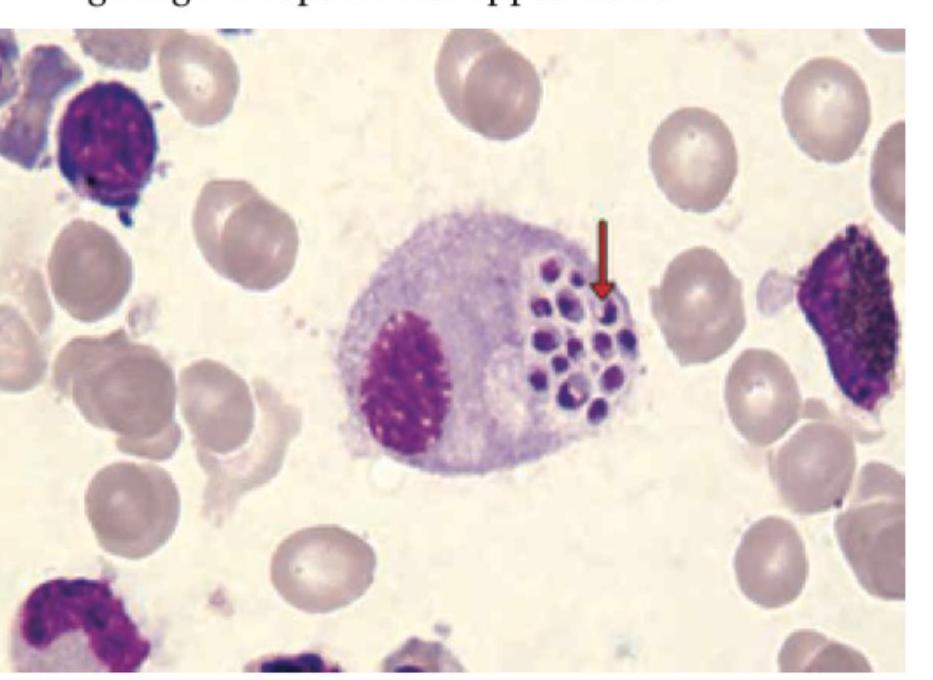
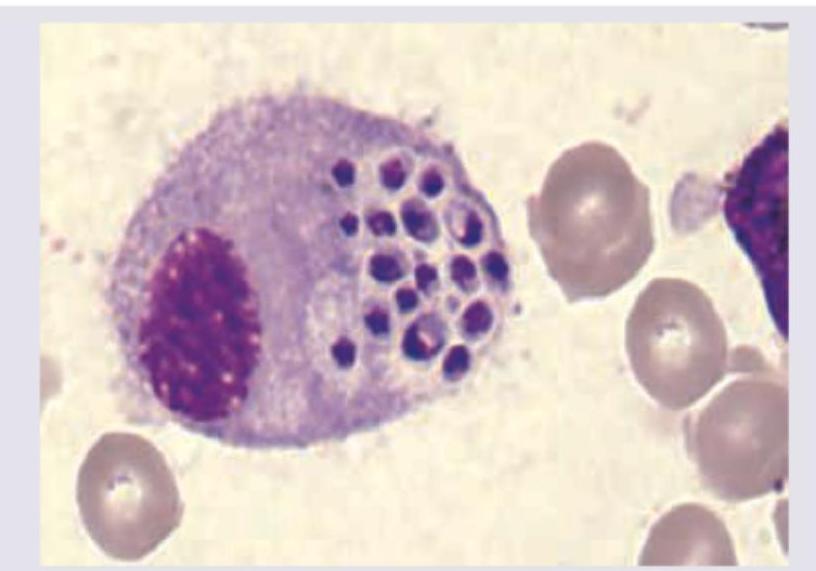
Explanation: **Explanation:** **Dimorphic fungi** are unique pathogens that exist in two distinct morphological forms depending on environmental conditions, primarily temperature (**Thermal Dimorphism**). They exist as **molds** (hyphae) in the cold (25°C–30°C/soil) and as **yeasts** in the heat (37°C/human body). **Why Blastomyces is correct:** * **Blastomyces dermatitidis** is a classic systemic dimorphic fungus. In the body (37°C), it appears as a characteristic **thick-walled yeast with broad-based budding**. It is endemic to the Ohio and Mississippi River Valleys and primarily causes pulmonary infections. **Why the other options are incorrect:** * **Candida:** It is classified as a **yeast-like fungus**. While it can form pseudohyphae and true hyphae (germ tubes), it is not considered a "true" thermal dimorphic fungus because it does not follow the "mold-in-cold, yeast-in-heat" rule strictly. * **Cryptococcus:** This is an **obligate yeast** (monomorphic). It is characterized by a thick polysaccharide capsule (visualized by India Ink) and does not form a mold phase. * **Aspergillus:** This is a **monomorphic filamentous fungus** (mold). It exists only as septate hyphae with acute-angle branching, regardless of temperature. **High-Yield NEET-PG Pearls:** * **Mnemonic for Dimorphic Fungi:** "**B**ody **H**eat **P**robably **C**hanges **S**hape" (**B**lastomyces, **H**istoplasma, **P**aracoccidioides, **C**occidioides, **S**porothrix). * *Note:* **Talaromyces (Penicillium) marneffei** is also an important dimorphic fungus in the context of HIV/AIDS. * **Coccidioides exception:** While dimorphic, it forms **spherules** containing endospores in the tissue phase, rather than simple yeast cells.
Explanation: **Explanation:** The correct answer is **Aspergillosis**, specifically referring to a clinical entity known as **Allergic Bronchopulmonary Aspergillosis (ABPA)**. **Why Aspergillosis is correct:** ABPA is a hypersensitivity reaction (Type I, III, and IV) to *Aspergillus fumigatus* colonizing the bronchial tree. It typically occurs in patients with pre-existing **bronchial asthma** or cystic fibrosis. The hallmark clinical features include refractory asthma, fleeting pulmonary infiltrates, and significant **peripheral blood eosinophilia**. The immune system reacts to the fungal antigens, leading to increased IgE levels and eosinophilic inflammation, which can eventually cause bronchiectasis. **Why other options are incorrect:** * **Mucormycosis:** Primarily affects patients with uncontrolled diabetes mellitus (Ketoacidosis) or severe immunosuppression (neutropenia). It is characterized by angioinvasion and tissue necrosis, not typically associated with asthma or eosinophilia. * **Candida:** While *Candida* is common in the oral cavity (thrush) of steroid users, it rarely causes primary pulmonary infections in asthmatics. It is more common in systemic candidemia or ICU settings. * **Cryptococcosis:** Caused by *Cryptococcus neoformans*, this is an opportunistic infection most commonly presenting as meningitis in HIV/AIDS patients. It does not have a specific association with bronchial asthma. **High-Yield NEET-PG Pearls for ABPA:** * **Diagnostic Criteria:** Elevated total serum IgE (>1000 IU/mL), positive skin test for *Aspergillus*, and central bronchiectasis on CT (Signet ring sign). * **Radiology:** "Finger-in-glove" appearance due to mucoid impaction. * **Treatment:** Oral corticosteroids (to reduce inflammation) and Itraconazole (to reduce fungal burden). * **Microscopy:** *Aspergillus* shows septate hyphae with acute-angle (45°) branching.
Explanation: **Explanation:** The classification of fungi is primarily based on the morphology of their mycelium and the nature of their sexual reproduction. **1. Why "Fungi Imperfecti" is correct:** **Fungi Imperfecti (Deuteromycetes)** is a taxonomic group created to include fungi that lack a known sexual stage (teleomorph). They reproduce exclusively through asexual means, such as conidia or budding. Because their life cycle is "incomplete" or "imperfect" by mycological standards, they are placed in this category. Interestingly, if a sexual phase is later discovered for a member of this group, it is usually reclassified into the Ascomycetes or Basidiomycetes. **2. Why the other options are incorrect:** * **Phycomycetes (Zygomycetes):** Characterized by non-septate hyphae, they possess a clear sexual phase involving the formation of **zygospores**. * **Ascomycetes (Sac fungi):** These fungi produce sexual spores called **ascospores** within a sac-like structure known as an ascus. * **Basidiomycetes (Club fungi):** This group produces sexual spores called **basidiospores** on a club-shaped structure called a basidium (e.g., mushrooms, *Cryptococcus*). **3. Clinical Pearls & High-Yield Facts for NEET-PG:** * **Medical Importance:** Most human fungal pathogens (e.g., *Candida*, *Aspergillus*, *Trichophyton*) were historically classified under Deuteromycetes because their sexual stages are rarely seen in clinical laboratory settings. * **Dimorphic Fungi:** Many systemic mycoses (like *Histoplasma*) exist as molds in the environment (asexual) but change morphology in the host. * **Parasexual Cycle:** Some Fungi Imperfecti undergo a "parasexual cycle," which allows for genetic recombination without formal sexual structures. * **Key Distinction:** Remember—**Septate hyphae** are found in Ascomycetes, Basidiomycetes, and Deuteromycetes; **Aseptate hyphae** are characteristic of Zygomycetes.
Explanation: ### Explanation **1. Why Candida is the Correct Answer:** The clinical presentation describes **Candidal Balanitis**, which often manifests as dry, scaly, or erythematous lesions on the glans penis. While dermatophytes (like *Trichophyton*) typically cause scaly skin infections, the definitive diagnostic clue here is the **Calcofluor white stain** findings. Calcofluor white is a fluorescent stain that binds to cellulose and chitin in fungal cell walls. The presence of **yeasts and pseudohyphae** is pathognomonic for *Candida* species. Dermatophytes are filamentous fungi and do not form yeasts or pseudohyphae in clinical samples. **2. Why the Other Options are Incorrect:** * **B, C, and D (Epidermophyton, Trichophyton, Microsporum):** These are the three genera of **Dermatophytes**. While they commonly cause "ringworm" (Tinea) infections characterized by dry, scaly patches, they appear under the microscope as **septate branching hyphae and arthroconidia**. They never produce yeasts or pseudohyphae. Furthermore, *Microsporum* typically does not infect the genitalia or nails (it focuses on hair and skin), and *Epidermophyton* does not infect hair. **3. NEET-PG High-Yield Clinical Pearls:** * **Calcofluor White Stain:** The "Gold Standard" for rapid microscopic identification of fungi; requires a fluorescent microscope to see the characteristic blue-white or apple-green fluorescence. * **Candida Morphology:** In tissue/scales, it shows a "Spaghetti and Meatballs" appearance (though this term is more classically used for *Malassezia furfur*, *Candida* presents similarly with clusters of yeasts and elongated pseudohyphae). * **Germ Tube Test:** The most specific rapid test for *Candida albicans*. * **Dermatophyte Differentiation:** * *Microsporum*: Skin + Hair * *Trichophyton*: Skin + Hair + Nails * *Epidermophyton*: Skin + Nails (No Hair)
Explanation: **Explanation:** The correct answer is **D. Thioglycollate medium**. In medical microbiology, culture media are categorized based on the specific nutritional requirements of the organism. **Thioglycollate medium** is a specialized liquid enrichment medium primarily used for the cultivation of **anaerobic bacteria**. It contains sodium thioglycollate, which acts as a reducing agent to maintain a low oxidation-reduction potential, supporting the growth of anaerobes, facultative anaerobes, and microaerophiles. It is not used for the routine cultivation of fungi. **Analysis of other options:** * **Sabouraud’s Dextrose Agar (SDA):** This is the **standard/gold standard** medium for fungal isolation. Its low pH (5.6) inhibits bacterial growth while favoring fungi. * **Cornmeal Agar:** This is a specialized **sporulation medium**. It is classically used to differentiate *Candida albicans* from other species by stimulating the production of characteristic **chlamydospores**. * **Czapek Dox Agar:** This is a chemically defined medium used specifically for the cultivation and identification of **Aspergillus** species and other saprophytic fungi based on their colony morphology and pigmentation. **High-Yield Clinical Pearls for NEET-PG:** * **Brain Heart Infusion (BHI) Agar:** The preferred medium for recovering **dimorphic fungi** from clinical specimens. * **Bird Seed Agar (Niger Seed Agar):** Used specifically for the identification of ***Cryptococcus neoformans*** (produces brown-pigmented colonies due to phenoloxidase activity). * **Wood’s Lamp:** Used for clinical diagnosis of fungal infections like Tinea capitis (Microsporum emits a golden-yellow fluorescence).
Classification of Fungi
Practice Questions
Superficial Mycoses
Practice Questions
Dermatophytes
Practice Questions
Subcutaneous Mycoses
Practice Questions
Candidiasis
Practice Questions
Aspergillosis
Practice Questions
Cryptococcosis
Practice Questions
Zygomycosis
Practice Questions
Endemic Mycoses
Practice Questions
Opportunistic Fungal Infections
Practice Questions
Antifungal Agents
Practice Questions
Laboratory Diagnosis of Fungal Infections
Practice Questions
Get full access to all questions, explanations, and performance tracking.
Start For Free