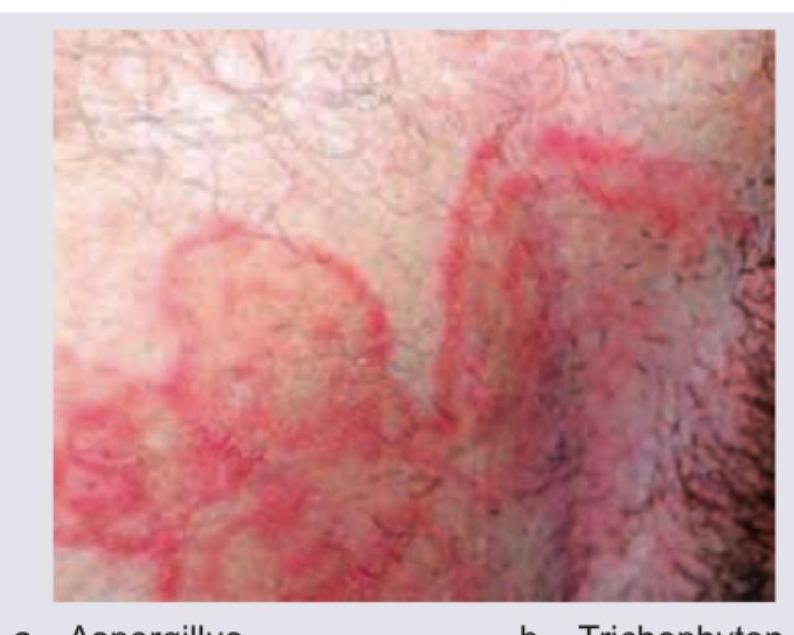
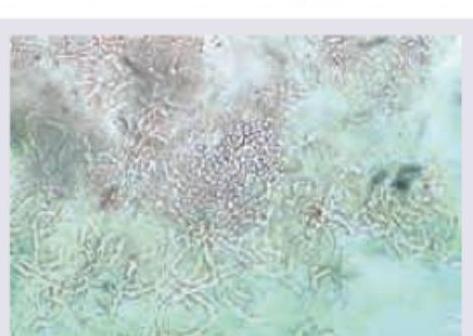
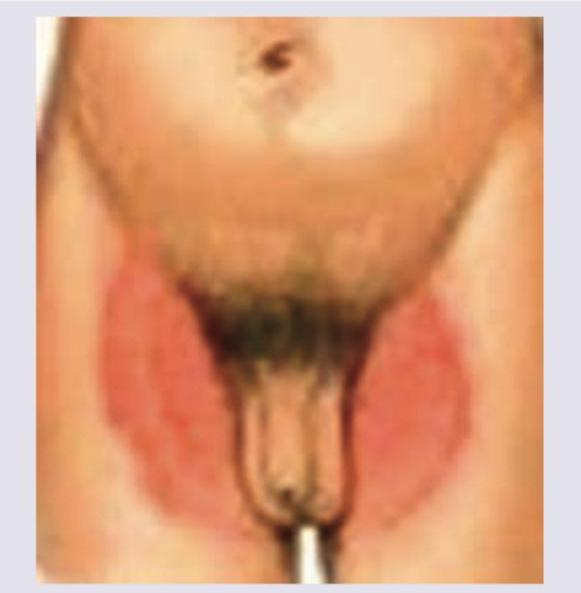
Tinea cruris is caused by which of the following fungi?
What is the most probable portal of entry for Aspergillus?
Which fungal infections are commonly associated with patients with AIDS?
Rhinosporidiosis is caused by which type of microorganism?
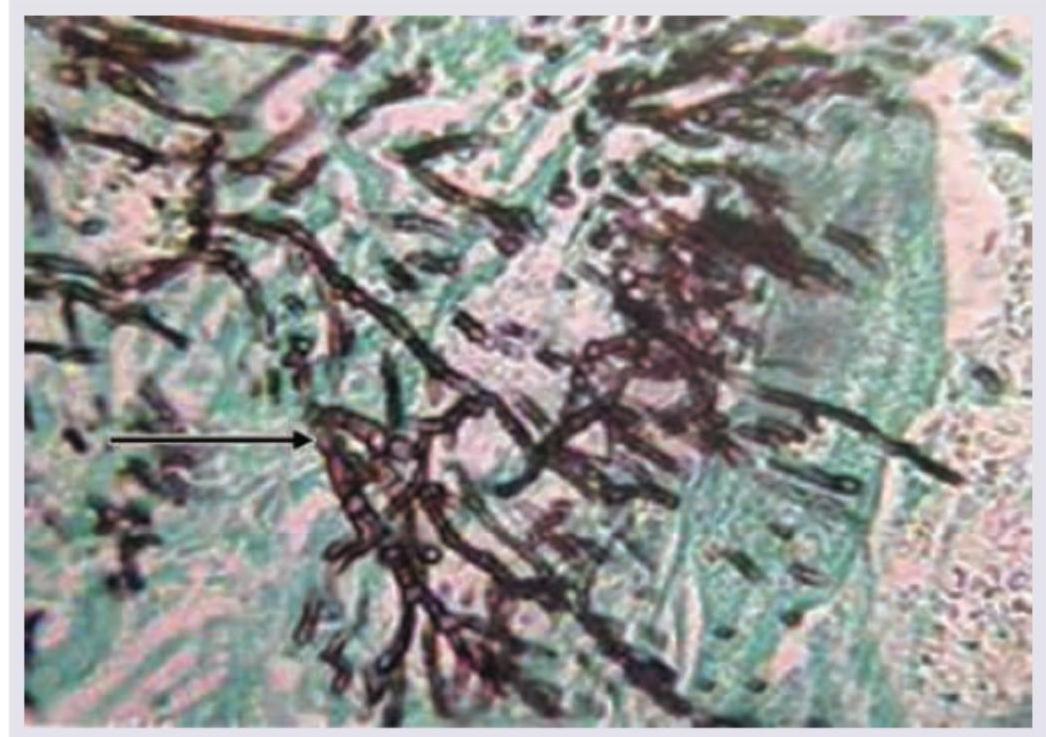
What is the preferred medium for cultivating most fungi?
What is true about paracoccidioidomycosis?
Gilchrist disease is:
Which of the following are common fungal infections in patients with AIDS?
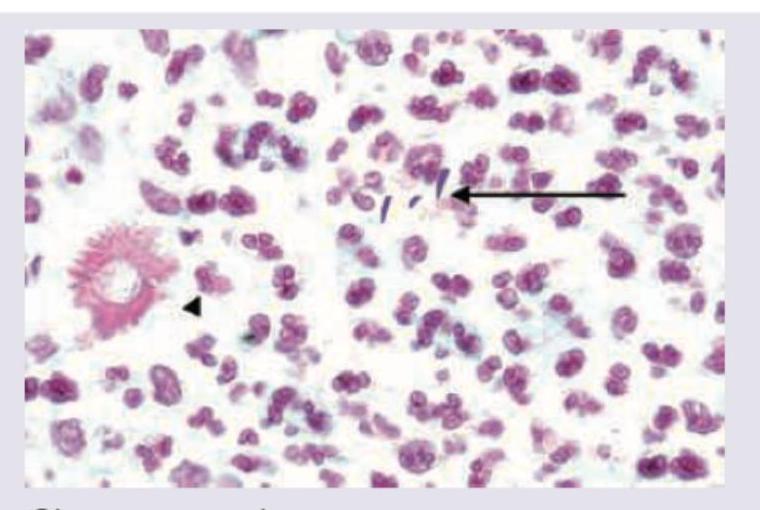
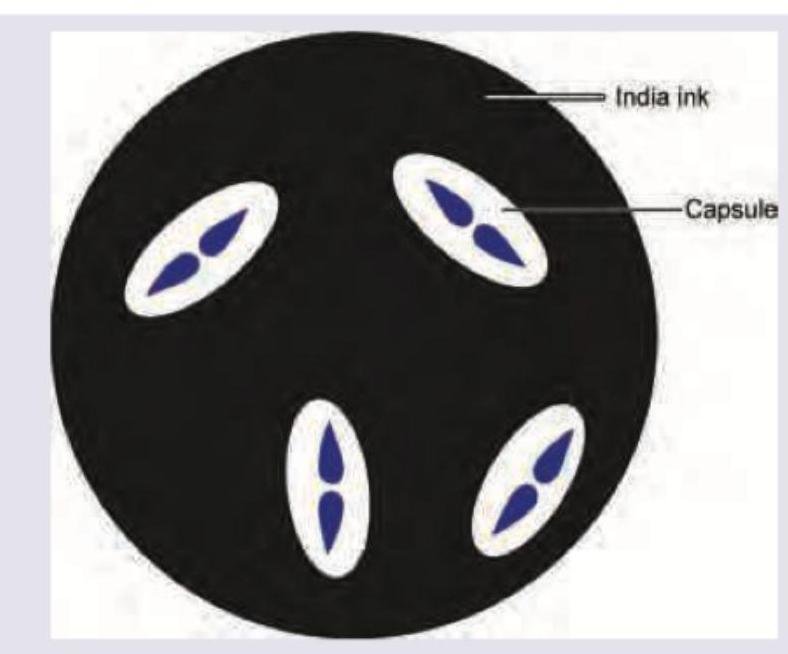
What is the most common presentation of Cryptococcosis?
Multiple sinuses from infection of the great toe are mainly caused by which of the following?
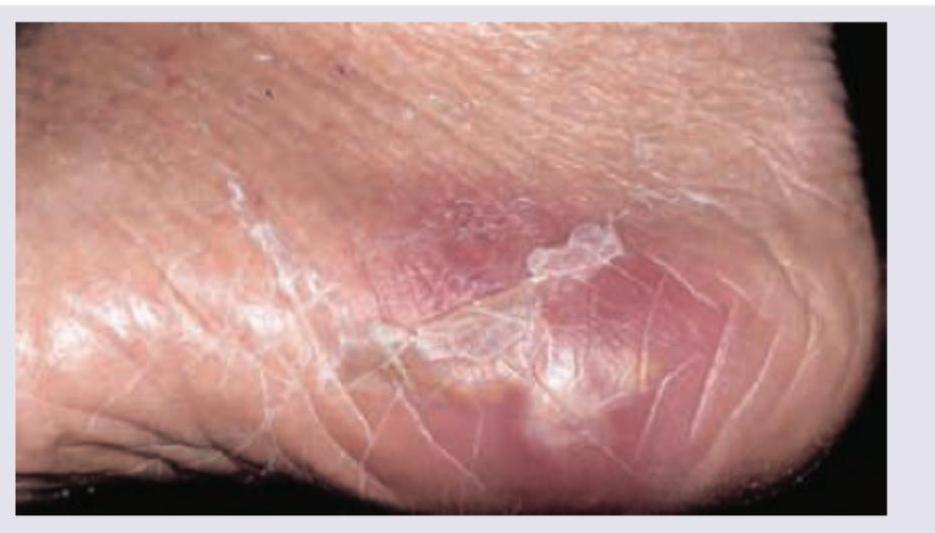
Explanation: **Explanation:** **Tinea cruris** (also known as "jock itch") is a dermatophytosis involving the groin, perineum, and perianal region. Dermatophytes are classified into three genera: *Trichophyton*, *Microsporum*, and *Epidermophyton*. **Why Option A is correct:** **Trichophyton rubrum** is the most common cause of Tinea cruris worldwide. It is an **anthropophilic** fungus (human-to-human transmission). It is also the leading cause of Tinea corporis and Tinea pedis. In Tinea cruris, it typically presents as a pruritic, erythematous rash with a well-demarcated, active scaly border, often sparing the scrotum (unlike Candidiasis). **Analysis of Incorrect Options:** * **B. Microsporum canis:** This is a **zoophilic** fungus (transmitted from dogs/cats). It is a common cause of Tinea capitis and Tinea corporis in children but rarely causes Tinea cruris. * **C. Trichophyton verrucosum:** This is a **zoophilic** fungus associated with cattle. It typically causes highly inflammatory lesions (like Kerion) on exposed skin or the beard area (Tinea barbae). * **D. Trichophyton tonsurans:** This is an anthropophilic fungus and is the **leading cause of Tinea capitis** (specifically the "black dot" variant) in many regions. It is not a primary cause of groin infections. **High-Yield Clinical Pearls for NEET-PG:** * **Commonest Dermatophyte overall:** *Trichophyton rubrum*. * **Commonest cause of Tinea Capitis:** *Trichophyton tonsurans*. * **Microsporum vs. Trichophyton:** *Microsporum* affects hair and skin but **not nails**. *Trichophyton* affects hair, skin, and nails. * **Diagnosis:** KOH mount shows septate branching hyphae. Culture on Sabouraud’s Dextrose Agar (SDA) is the gold standard. * **T. rubrum on SDA:** Produces a characteristic **deep red pigment** on the reverse side of the colony.
Explanation: **Explanation:** **Aspergillus** species are ubiquitous environmental molds found in soil, decaying vegetation, and dust. The primary mode of transmission is the **inhalation of fungal conidia** (spores) from the environment. 1. **Why Lungs are the Correct Answer:** The conidia of *Aspergillus* are small enough (2–3 µm) to reach the distal airways and alveoli upon inhalation. In a healthy individual, alveolar macrophages clear these spores. However, in immunocompromised patients or those with pre-existing lung cavities, these spores germinate into hyphae, leading to various clinical forms of **Aspergillosis** (e.g., Aspergilloma, ABPA, or Invasive Aspergillosis). Thus, the respiratory tract is the most common and primary portal of entry. 2. **Why Other Options are Incorrect:** * **Puncture wound:** While primary cutaneous aspergillosis can occur via direct inoculation (e.g., at IV catheter sites or trauma), it is rare compared to the respiratory route. * **Blood:** Hematogenous spread is a *consequence* of invasive disease (dissemination), not the primary portal of entry. * **Gastrointestinal tract:** Ingestion is not a standard route for *Aspergillus* infection, as the fungus does not typically survive or colonize the acidic environment of the gut to cause systemic disease. **High-Yield Clinical Pearls for NEET-PG:** * **Morphology:** *Aspergillus* shows **septate hyphae** with **acute-angle branching (45°)**. * **Marker:** **Galactomannan** antigen detection in serum is used for diagnosing invasive aspergillosis. * **Drug of Choice:** **Voriconazole** is the gold standard for invasive aspergillosis. * **Aflatoxins:** Produced by *Aspergillus flavus*, these are associated with **Hepatocellular Carcinoma**.
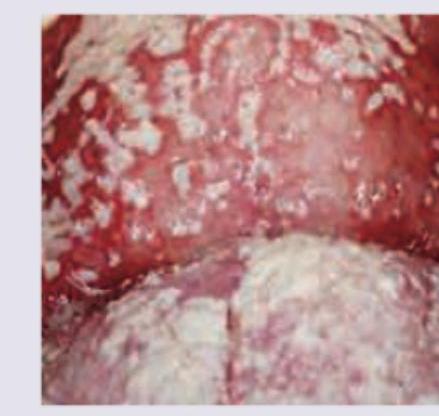
Explanation: **Explanation:** The correct answer is **D (All of the above)**. Patients with AIDS (Acquired Immunodeficiency Syndrome) experience a profound depletion of CD4+ T-lymphocytes, which are essential for controlling fungal pathogens. This cellular immune deficiency predisposes them to a variety of opportunistic fungal infections. * **Pneumocystis jirovecii:** This is the most common opportunistic infection in AIDS patients worldwide. It typically presents as interstitial pneumonia (PCP) when CD4 counts drop below **200 cells/mm³**. It is characterized by a "ground-glass" appearance on chest X-ray and is diagnosed using silver stains (Gomori Methenamine Silver). * **Penicillium marneffei (now Talaromyces marneffei):** This is a dimorphic fungus endemic to **Southeast Asia**. It is a major AIDS-defining illness in that region, often presenting with fever, anemia, and characteristic **umbilicated skin lesions** (molluscum-like). * **Candida species:** Oropharyngeal candidiasis (thrush) and esophageal candidiasis are hallmark signs of HIV progression. While oral thrush occurs at CD4 <500, **esophageal candidiasis** is an AIDS-defining illness (CD4 <200). **High-Yield Clinical Pearls for NEET-PG:** 1. **Cryptococcus neoformans:** The most common cause of fungal meningitis in AIDS (CD4 <100). Diagnosis is via India Ink preparation (capsule visualization) or Latex Agglutination. 2. **Histoplasma capsulatum:** Associated with bird/bat droppings; causes disseminated disease in AIDS patients. 3. **Prophylaxis:** Trimethoprim-sulfamethoxazole (TMP-SMX) is the drug of choice for preventing *Pneumocystis jirovecii* pneumonia.
Explanation: **Explanation:** **Rhinosporidiosis** is a chronic granulomatous infection caused by ***Rhinosporidium seeberi***. For over a century, it was classified as a fungus due to its morphology (production of spores and sporangia) and its staining characteristics with fungal stains like GMS and PAS. **1. Why Protozoa is the Correct Answer:** Recent molecular phylogenetic studies (18S rRNA analysis) have reclassified *R. seeberi* as a **protistan parasite**. It belongs to a group of fish pathogens known as **Mesomycetozoea** (or Ichthyosporea), which sits at the evolutionary boundary between animals and fungi. In the context of NEET-PG, it is now categorized under **Protozoa/Protista**. **2. Why Other Options are Incorrect:** * **Fungus:** While it mimics fungal behavior and morphology, it cannot be cultured on standard fungal media (like SDA) and its cell wall composition differs from true fungi. * **Virus & Bacteria:** These are incorrect as the organism is a complex eukaryote that produces large, visible **sporangia** (up to 350 µm) containing thousands of **endospores**, features not seen in prokaryotes or viruses. **3. Clinical Pearls for NEET-PG:** * **Clinical Presentation:** Characterized by friable, leafy, strawberry-like **polypoidal masses** in the nose or nasopharynx. * **Transmission:** Associated with bathing in stagnant water or ponds (common in South India and Sri Lanka). * **Diagnosis:** Histopathology is gold standard. Look for large **thick-walled sporangia** filled with endospores. * **Treatment:** Surgical excision with wide cautery of the base. **Dapsone** is the medical adjunct of choice to prevent recurrence.
Explanation: **Explanation:** **Sabouraud’s Dextrose Agar (SDA)** is the standard primary isolation medium for fungi. Its suitability for fungal growth is based on two key characteristics: 1. **Low pH (around 5.4 - 5.6):** This acidic environment is inhibitory to most bacteria but allows fungi to thrive. 2. **High Glucose Concentration:** Fungi are heterotrophs that prefer high carbohydrate content for energy and biomass production. In clinical practice, SDA is often modified with antibiotics like chloramphenicol (to inhibit bacteria) or cycloheximide (to inhibit saprophytic fungi) to increase selectivity. **Analysis of Incorrect Options:** * **A. Blood Agar:** While some pathogenic fungi (like the yeast phase of dimorphic fungi) can grow on blood agar, it is primarily used for fastidious bacteria. It lacks the selectivity required for routine mycology. * **B. Tissue Culture:** This is used for obligate intracellular pathogens like viruses and certain bacteria (e.g., Chlamydia, Rickettsia). Most fungi are free-living and do not require living cells for growth. * **C. Thioglycollate Medium:** This is an enrichment broth used primarily to determine the oxygen requirements of bacteria (aerobes vs. anaerobes). It is not used for fungal cultivation. **High-Yield NEET-PG Pearls:** * **Modified SDA:** Also known as **Emmons' modification**, it has a neutral pH and lower glucose to better support the growth of certain dermatophytes. * **Incubation:** Fungi are typically incubated at **25°C (Room Temperature)** for molds and **37°C** for yeasts/dimorphic fungi. * **Birdseed Agar (Niger Seed Agar):** Specifically used for the identification of *Cryptococcus neoformans* (produces melanin/brown colonies). * **Chrome Agar:** Used for rapid identification of different *Candida* species based on colony color.
Explanation: **Explanation:** **Paracoccidioidomycosis** (also known as South American Blastomycosis) is caused by the thermally dimorphic fungus *Paracoccidioides brasiliensis*. 1. **Why Option C is Correct:** The hallmark of this fungus is its unique morphology in the yeast phase (at 37°C). On histology (GMS or PAS stain), it appears as a large central mother cell surrounded by multiple smaller daughter buds attached by narrow necks. This arrangement is classically described as a **'Mickey Mouse' appearance**, a **'Pilot’s wheel'**, or a **'Mariner’s wheel'**. 2. **Why Other Options are Incorrect:** * **Option A:** **North American Blastomycosis** refers to *Blastomyces dermatitidis*. Paracoccidioidomycosis is specifically known as **South American Blastomycosis** due to its endemicity in Latin American countries (especially Brazil). * **Option B:** The treatment of choice for severe disease is **Amphotericin B**, followed by long-term **Itraconazole** for maintenance. Sulfonamides (like Cotrimoxazole) are also an effective, low-cost alternative. * **Option D:** It is a **dimorphic fungus**, existing as a mold in the environment (25°C) and as a yeast in human tissue (37°C). **High-Yield Clinical Pearls for NEET-PG:** * **Transmission:** Inhalation of spores; often seen in rural workers/farmers. * **Clinical Presentation:** Often presents with a "painful" mucosal ulceration in the mouth and nose (mucocutaneous involvement) and lymphadenopathy. * **Hormonal Influence:** It is significantly more common in males because **estrogen** inhibits the transformation of the mycelial form to the pathogenic yeast form. * **Key Buzzwords:** Pilot’s wheel, Mariner’s wheel, Mickey Mouse appearance, South American Blastomycosis.
Explanation: **Explanation:** **Gilchrist’s Disease** is the historical and clinical synonym for **North American Blastomycosis**, caused by the dimorphic fungus *Blastomyces dermatitidis*. It was named after Thomas Caspar Gilchrist, who first described the organism in 1894. 1. **Why Option A is Correct:** *Blastomyces dermatitidis* is endemic to the Ohio and Mississippi River valleys and the Great Lakes region of North America. It primarily causes pulmonary infection via inhalation of spores, but it is notorious for disseminating to the skin and bones. The characteristic histopathological finding is **large, thick-walled, yeast cells with broad-based budding**. 2. **Why Other Options are Incorrect:** * **Option B (South American Blastomycosis):** This refers to **Paracoccidioidomycosis**, caused by *Paracoccidioides brasiliensis*. It is characterized by the "Pilot’s wheel" or "Mickey Mouse" appearance of yeast cells (multiple budding). * **Option C (Australian Blastomycosis):** This is not a standard medical term. While fungal infections occur in Australia, there is no specific entity known as Australian Blastomycosis linked to Gilchrist. **High-Yield Clinical Pearls for NEET-PG:** * **Morphology:** In tissue (37°C), it appears as a **Broad-Based Budding Yeast** (BBB). * **Clinical Triad:** Lungs (pneumonia), Skin (verrucous lesions/microabscesses), and Bone (osteomyelitis). * **Habitat:** Decaying organic matter and moist soil. * **Diagnosis:** KOH mount or silver stains (GMS) showing the characteristic thick-walled yeast. * **Treatment:** Itraconazole for mild-to-moderate disease; Amphotericin B for severe or CNS involvement.
Explanation: **Explanation:** The correct answer is **Disseminated candidiasis**. In patients with AIDS, the risk of specific fungal infections is directly correlated with the decline in CD4+ T-cell counts. **1. Why Disseminated Candidiasis is Correct:** While mucocutaneous candidiasis (like oral thrush) is extremely common in early HIV stages, **disseminated (systemic) candidiasis** is a significant opportunistic infection in advanced AIDS. It occurs when the fungus enters the bloodstream, leading to multi-organ involvement. In the context of NEET-PG, *Candida* species are recognized as the most common cause of opportunistic fungal infections in immunocompromised hosts, with dissemination being a hallmark of severe immunosuppression. **2. Analysis of Incorrect Options:** * **Mucormycosis (A):** This is primarily associated with **uncontrolled Diabetes Mellitus** (especially Ketoacidosis) and neutropenia, rather than being a classic AIDS-defining illness. * **Aspergillosis (B):** While it can occur in AIDS, it is much more common in patients with **prolonged neutropenia** (e.g., leukemia) or those on high-dose corticosteroids. * **Mucocutaneous candidiasis (D):** Although very frequent in HIV, it is often a localized infection (oral/vaginal). The question asks for "common fungal infections" in a context where "Disseminated" represents the more severe, systemic pathology characteristic of advanced AIDS progression. **Clinical Pearls for NEET-PG:** * **Most common fungal infection in AIDS:** Candidiasis (Mucocutaneous is most frequent; Disseminated is most severe). * **Most common opportunistic infection in AIDS:** *Pneumocystis jirovecii* (formerly a fungus, now classified as a protozoan-like fungus). * **CD4 Count Correlation:** Oral thrush (CD4 <400), Esophageal candidiasis (CD4 <100), Cryptococcosis (CD4 <50). * **Drug of Choice:** Fluconazole is used for most *Candida* infections, but Amphotericin B is preferred for disseminated cases.
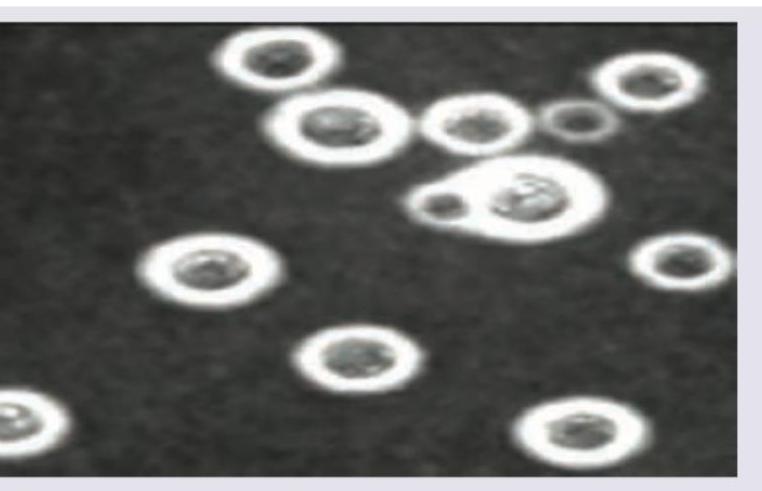
Explanation: **Explanation:** The correct answer is **Pulmonary cryptococcosis**. **1. Why Pulmonary Cryptococcosis is correct:** *Cryptococcus neoformans* is an encapsulated yeast primarily transmitted via the **inhalation** of basidiospores from the environment (often associated with pigeon droppings). Because the respiratory tract is the portal of entry, the lungs are the **initial and most common site of infection**. While many pulmonary infections are asymptomatic or self-limiting in immunocompetent individuals, they represent the primary focus from which the fungus later disseminates. **2. Why other options are incorrect:** * **Meningitis:** This is the most common **clinically recognized** or symptomatic presentation, especially in HIV/AIDS patients (CD4 <100). However, it occurs secondary to hematogenous dissemination from the lungs. * **Skin lesions:** Cutaneous cryptococcosis occurs in about 10-15% of disseminated cases. It often presents as umbilicated papules resembling Molluscum contagiosum but is not the primary presentation. * **Osteomyelitis:** Bone involvement is rare (5-10% of disseminated cases) and usually affects the vertebrae or long bones. **3. High-Yield Clinical Pearls for NEET-PG:** * **Virulence Factor:** The **polysaccharide capsule** is the most important virulence factor (inhibits phagocytosis). * **Diagnosis:** * **India Ink:** Shows a "halos" (negative staining) due to the capsule. * **Culture:** Bird-seed agar / Niger seed agar (produces melanin/brown colonies). * **Antigen Detection:** Lateral Flow Assay (LFA) for CrAg is the most sensitive screening test. * **Pathology:** Mucicarmine stain (stains capsule red) and PAS/GMS stains are used. * **Treatment:** Induction with Amphotericin B + Flucytosine, followed by Fluconazole.
Explanation: ### Explanation The clinical presentation of **multiple discharging sinuses** on the foot (specifically the great toe) is the hallmark of **Mycetoma** (Madura foot). **1. Why Actinomycetes is Correct:** Mycetoma is a chronic, granulomatous infection of the subcutaneous tissue, characterized by a triad of: * Localized swelling (tumefaction) * Multiple interconnecting **discharging sinuses** * Presence of **grains** (colonies of the causative agent) in the discharge. It is caused by two groups of organisms: **Actinomycetoma** (caused by aerobic bacteria like *Nocardia*, *Actinomadura*, and *Streptomyces*) and **Eumycetoma** (caused by true fungi). In tropical regions like India, Actinomycetes are the most common cause of this presentation. These organisms typically enter the skin through minor trauma (e.g., a thorn prick) while walking barefoot. **2. Why Other Options are Incorrect:** * **Tuberculosis:** While *Lupus vulgaris* or bone TB can cause sinuses, they are rarely multiple or localized to the toe with the characteristic "grain" discharge seen in mycetoma. * **Trichosporon:** This is a yeast-like fungus responsible for *White Piedra* (superficial hair infection) or disseminated infections in immunocompromised patients, not localized chronic subcutaneous sinuses. * **Histoplasmosis:** This is a systemic dimorphic fungal infection primarily affecting the lungs and the reticuloendothelial system. It does not typically present as localized pedal sinuses. ### NEET-PG High-Yield Pearls: * **The Triad:** Tumefaction + Sinuses + Grains = Mycetoma. * **Actinomycetoma vs. Eumycetoma:** Actinomycetoma (bacterial) progresses faster, is more invasive (involves bone earlier), and responds to antibiotics (e.g., Welsh Regime). Eumycetoma (fungal) progresses slowly and requires surgical excision + antifungals. * **Grains:** The color of the grain can hint at the species (e.g., **Yellow/White** in *Nocardia*, **Red** in *Actinomadura pelletieri*, **Black** in *Madurella mycetomatis*). * **Radiology:** The "Dot-in-circle" sign on MRI is pathognomonic for Mycetoma.
Classification of Fungi
Practice Questions
Superficial Mycoses
Practice Questions
Dermatophytes
Practice Questions
Subcutaneous Mycoses
Practice Questions
Candidiasis
Practice Questions
Aspergillosis
Practice Questions
Cryptococcosis
Practice Questions
Zygomycosis
Practice Questions
Endemic Mycoses
Practice Questions
Opportunistic Fungal Infections
Practice Questions
Antifungal Agents
Practice Questions
Laboratory Diagnosis of Fungal Infections
Practice Questions
Get full access to all questions, explanations, and performance tracking.
Start For Free