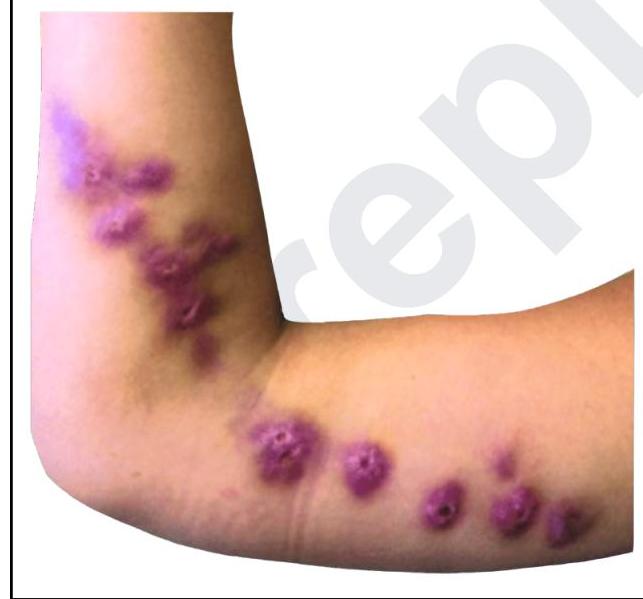
A 55-year-old female was admitted to the ICU 8 days ago after suffering burns. Currently, she is febrile with a temperature of 102 F. Blood cultures were obtained, and the doctor is worried about a blood infection. The plan is to start empiric combination therapy containing aminoglycosides directed against Pseudomonas aeruginosa. The patient's old ultrasound record is available, but she could not come for follow-up due to lockdown. The doctor is concerned about the nephrotoxicity profile of the drugs. Which of the following drugs is the safest?
Which of the following infections has the highest chance of transmission by blood transfusion?
A 24-year-old woman presents with a 3-day history of fever, chills, chest pain, and cough productive of rust-colored sputum. Her past medical history includes a splenectomy 1 year ago. A chest x-ray film indicates consolidation of the right lower lobe. Blood cultures are positive for alpha-hemolytic gram-positive diplococci. Immunity to the causative organism is based on?
Gonococcal vaginitis most commonly occurs in:
What is the recommended post-exposure prophylaxis for HIV?
A 24-year-old cook from a hostel mess suffered from enteric fever two years ago. How can the chronic carrier state in this patient be diagnosed?
Global eradication of Lyme disease is unlikely because?
Procalcitonin is used as a marker of which condition?
Which of the following is transmitted by blood?
Which of the following is NOT transmitted through blood?
Explanation: **Explanation:** The correct answer is **None of the above** because all aminoglycosides carry a significant risk of **nephrotoxicity**, and in this specific clinical scenario, the patient’s underlying condition makes them particularly unsafe. **1. Why "None of the above" is correct:** Aminoglycosides are notorious for causing **Acute Tubular Necrosis (ATN)**. They are filtered by the glomerulus and actively reabsorbed by the proximal tubule cells, where they accumulate and cause oxidative stress. This patient has two major risk factors: * **Burn Injury:** Burn patients often have fluctuating renal perfusion and are at high risk for sepsis-induced kidney injury. * **Potential Renal Pathology:** The mention of an "old ultrasound record" and missed follow-ups suggests a pre-existing renal condition, making the use of any aminoglycoside highly risky without strict monitoring. **2. Analysis of Incorrect Options:** * **Gentamicin & Tobramycin:** While these are standard empiric choices for *Pseudomonas*, they are both significantly nephrotoxic. Tobramycin is slightly more potent against *Pseudomonas* but shares the same toxicity profile as Gentamicin. * **Neomycin:** This is the **most nephrotoxic** aminoglycoside. Its systemic use is contraindicated; it is strictly limited to topical applications or oral use for bowel preparation/hepatic encephalopathy (as it is not absorbed). **3. Clinical Pearls for NEET-PG:** * **Toxicity Hierarchy:** Neomycin (Most toxic) > Gentamicin > Tobramycin > Amikacin (Least toxic, though still significant). * **Ototoxicity:** Aminoglycosides also cause irreversible ototoxicity (vestibular/cochlear damage). **Streptomycin** is most associated with vestibular damage. * **Monitoring:** To minimize toxicity, **Once-Daily Dosing (Extended Interval Dosing)** is preferred over multiple daily doses, as it allows drug levels to fall below the toxic threshold while maintaining efficacy due to the **Post-Antibiotic Effect (PAE)**.
Explanation: **Explanation:** The risk of transfusion-transmitted infections (TTI) is determined by the prevalence of the virus in the donor population, the duration of the "window period," and the sensitivity of screening methods. **Why HBV is the Correct Answer:** Hepatitis B Virus (HBV) remains the most common transfusion-transmitted viral infection worldwide. The primary reason is the **long window period** (averaging 30–60 days) and the presence of **Occult HBV Infection (OBI)**. In OBI, individuals are HBsAg negative but possess HBV DNA in their blood. Even with Nucleic Acid Testing (NAT), the low viral load in occult cases can sometimes escape detection, leading to a higher transmission rate compared to other viruses. **Analysis of Incorrect Options:** * **HIV (Option A):** While highly feared, the transmission risk is significantly lower than HBV due to a shorter window period (especially with NAT) and lower prevalence among voluntary donors. * **HTLV-1 (Option C):** Human T-cell Lymphotropic Virus has a very low prevalence in the general population compared to Hepatitis viruses, making it a rare cause of TTI. * **HCV (Option D):** Hepatitis C previously had a high transmission rate, but the introduction of highly sensitive NAT has reduced the window period to approximately 3–5 days, making its transmission risk lower than HBV. **NEET-PG High-Yield Pearls:** * **Order of Transmission Risk:** HBV > HCV > HIV. * **Most common infection transmitted by blood transfusion:** HBV. * **Most common cause of Post-Transfusion Hepatitis (PTH):** Historically HCV, but currently, HBV is more frequent in many developing regions due to OBI. * **Window Period:** The time between infection and the point when a laboratory test can detect the antigen/antibody. * **Screening:** Mandatory screening in India includes HIV 1&2, HBV (HBsAg), HCV, Syphilis, and Malaria.
Explanation: **Explanation:** The clinical presentation of fever, cough with **rust-colored sputum**, and lobar consolidation, combined with the laboratory finding of **alpha-hemolytic gram-positive diplococci**, is pathognomonic for ***Streptococcus pneumoniae*** (Pneumococcus). **1. Why the correct answer is right:** The primary virulence factor of *S. pneumoniae* is its **polysaccharide capsule**, which is acidic and antiphagocytic. It prevents C3b opsonization. Immunity depends on the production of **type-specific IgG antibodies** against this capsular polysaccharide. These antibodies act as opsonins, facilitating phagocytosis by splenic macrophages and neutrophils. This explains why the patient, who is **asplenic**, is at high risk for overwhelming post-splenectomy infection (OPSI) by encapsulated organisms. **2. Why the incorrect options are wrong:** * **Option A:** While the alternative pathway provides some innate defense, it is insufficient to clear the infection without specific antibodies (opsonization) in an asplenic patient. * **Option B:** This describes the **M protein** of *Streptococcus pyogenes* (Group A Strep), not *S. pneumoniae*. * **Option C:** The **C-polysaccharide** (teichoic acid) is a somatic antigen found in the cell wall of all pneumococci. It reacts with C-reactive protein (CRP) but is not the target for protective, type-specific immunity. **3. NEET-PG High-Yield Pearls:** * **Quellung Reaction:** Swelling of the capsule when exposed to specific antiserum (Gold standard for identification). * **Optochin Sensitivity & Bile Solubility:** Used to differentiate *S. pneumoniae* (Sensitive/Soluble) from *Viridans streptococci* (Resistant/Insoluble). * **Vaccination:** Pneumococcal vaccines (PCV13, PPSV23) target the capsular polysaccharides to induce protective IgG. * **Asplenic Risks:** "SHiN" organisms (*S. pneumoniae, H. influenzae, N. meningitidis*). *S. pneumoniae* is the most common cause of OPSI.
Explanation: **Explanation:** The correct answer is **Prepubertal girls**. The primary reason for this lies in the **vaginal physiology and pH**, which change significantly throughout a female's life. 1. **Why Prepubertal Girls?** In prepubertal girls, the vaginal epithelium is **thin, delicate, and non-keratinized**. Crucially, there is a lack of estrogen, which means the vagina lacks glycogen. Without glycogen, *Lactobacilli* (Doderlein’s bacilli) cannot produce lactic acid, resulting in a **neutral to alkaline vaginal pH**. *Neisseria gonorrhoeae* thrives in this environment, making the vaginal mucosa highly susceptible to infection (Vulvovaginitis). 2. **Why the other options are incorrect:** * **Adult Women (A):** In reproductive-age women, high estrogen levels lead to a thick, stratified squamous epithelium and an **acidic pH (3.8–4.5)** due to lactic acid production. This acidic environment is inhibitory to *N. gonorrhoeae*. Therefore, in adults, the primary site of infection is the **endocervix** (Cervicitis), not the vagina. * **Infants (C):** Newborns have temporary protection due to residual maternal estrogens, which maintain a lower pH for a short period after birth. * **Postmenopausal Women (D):** While the pH rises after menopause, the incidence is significantly lower compared to the prepubertal age group, where sexual abuse or accidental transmission are key clinical considerations. **Clinical Pearls for NEET-PG:** * **Primary site of Gonorrhea in adult females:** Endocervix (Columnar epithelium). * **Primary site in prepubertal girls:** Vulvovaginal mucosa. * **Gold Standard Diagnosis:** Culture on **Thayer-Martin Medium** (Selective medium). * **Gram Stain:** Gram-negative kidney-shaped diplococci within polymorphonuclear leukocytes (Intracellular).
Explanation: **Explanation:** The current NACO (National AIDS Control Organisation) and WHO guidelines recommend a **triple-drug regimen** for HIV Post-Exposure Prophylaxis (PEP) to ensure maximum efficacy in preventing viral integration. **1. Why Option A is Correct:** The preferred regimen consists of **Tenofovir (TDF) 300 mg + Emtricitabine (FTC) 200 mg** (or Lamivudine) once daily, combined with **Raltegravir (RAL) 400 mg** twice daily (or Dolutegravir 50 mg once daily). This combination is favored because it is highly effective, has a superior safety profile, and involves minimal drug-drug interactions compared to older protease inhibitor-based regimens. **2. Analysis of Incorrect Options:** * **Option B:** This was an older regimen. Indinavir is rarely used now due to significant side effects like nephrolithiasis and metabolic disturbances. * **Option C:** Abacavir is not used in PEP due to the risk of life-threatening hypersensitivity reactions (associated with HLA-B*5701), which requires genetic testing before initiation—a delay not feasible in emergency PEP. * **Option D:** Maraviroc is an entry inhibitor (CCR5 antagonist) and is not part of the standard first-line PEP protocol; it requires a tropism assay before use. **High-Yield Clinical Pearls for NEET-PG:** * **Timing:** PEP should be started as soon as possible, ideally within **2 hours**, and no later than **72 hours** post-exposure. * **Duration:** The total duration of PEP treatment is **28 days**. * **Baseline Testing:** Always perform a baseline HIV test for the exposed individual to rule out pre-existing infection. * **Preferred Integrase Inhibitor:** While Raltegravir is a standard answer, **Dolutegravir (DTG)** is now increasingly preferred in many updated guidelines due to its once-daily dosing.
Explanation: **Explanation:** The diagnosis of a chronic carrier state in Enteric Fever (Typhoid) is crucial for public health, especially in individuals like food handlers. A chronic carrier is defined as a person who excretes *Salmonella Typhi* in feces or urine for more than one year after the initial infection. **1. Why Vi Agglutination Test is Correct:** The **Vi antigen** is the capsular polysaccharide of *S. Typhi*. While antibodies to O and H antigens disappear shortly after recovery, **Vi antibodies persist** only as long as the bacilli are present in the body. Therefore, a high titer of Vi antibodies (1:10 or more) is a highly specific screening marker for the chronic carrier state. It indicates that the individual is still harboring the bacteria, usually in the gallbladder (fecal carriers) or kidneys (urinary carriers). **2. Why Other Options are Incorrect:** * **Blood Culture:** This is the gold standard for diagnosing **acute** enteric fever (positive in the 1st week). In chronic carriers, the bacteria are not present in the blood; they are sequestered in the gallbladder or biliary tract. * **Widal Test:** This measures antibodies against O and H antigens. These titers can be elevated due to past infection, immunization, or cross-reactivity (anamnestic response), making it unreliable for identifying carriers. **Clinical Pearls for NEET-PG:** * **Gold Standard for Carrier Diagnosis:** Repeated **stool cultures** (after enrichment in selenite F broth) are definitive, but Vi agglutination is the preferred screening tool. * **Site of Sequestration:** The **gallbladder** is the most common site for chronic carriage, often associated with gallstones. * **Treatment of Choice:** For chronic carriers, **Ciprofloxacin** (for 6 weeks) is the drug of choice. If cholelithiasis is present, cholecystectomy may be required. * **Famous Case:** "Typhoid Mary" was a classic example of a chronic fecal carrier.
Explanation: ### Explanation **1. Why Option A is Correct:** The primary reason Lyme disease cannot be eradicated is its **zoonotic nature** and the complex life cycle of its vector, the *Ixodes* tick. *Borrelia burgdorferi* is maintained in a persistent **sylvatic cycle** involving wild reservoirs (like the white-footed mouse) and ticks. Ticks can maintain the bacteria through **transstadial transmission** (larva to nymph to adult). Because the pathogen exists independently of humans in a vast wildlife reservoir, eliminating the human reservoir does not stop the transmission cycle. **2. Why Other Options are Incorrect:** * **Option B:** *Borrelia burgdorferi* is highly sensitive to antibiotics, particularly **Doxycycline** (drug of choice), Amoxicillin, and Ceftriaxone. It is not a "superbug" with inherent resistance. * **Option C:** *Borrelia* is a fastidious spirochete that is quite fragile outside a host. It does not survive well in the environment (unlike *Bacillus anthracis* spores), making it entirely dependent on its hosts for survival. * **Option D:** **Brill-Zinsser disease** is the reactivation of *Rickettsia prowazekii* (Epidemic Typhus), not Lyme disease. While Lyme disease can have "Post-Treatment Lyme Disease Syndrome," it does not exhibit the classic latent reactivation pattern seen in Typhus. **3. NEET-PG High-Yield Pearls:** * **Vector:** *Ixodes scapularis* (Hard tick). * **Reservoir:** White-footed mouse (*Peromyscus leucopus*). * **Clinical Hallmark:** **Erythema Chronicum Migrans** (Bull’s eye rash) – Stage 1. * **Late Manifestations:** Bilateral Bell’s palsy (Stage 2) and Chronic Arthritis (Stage 3). * **Diagnosis:** Two-tier testing (ELISA followed by Western Blot). * **Treatment:** Doxycycline is the mainstay; Ceftriaxone for neurological or cardiac involvement.
Explanation: **Explanation:** **Procalcitonin (PCT)** is a peptide precursor of the hormone calcitonin. In healthy individuals, it is produced by the C-cells of the thyroid gland and is present in negligible amounts in the blood (<0.1 ng/mL). **Why Sepsis is the Correct Answer:** In response to **systemic bacterial infections** and sepsis, PCT levels rise rapidly (within 2–4 hours). This occurs because inflammatory cytokines (like IL-6 and TNF-α) and bacterial endotoxins trigger the extra-thyroidal synthesis of PCT in various parenchymal tissues (liver, kidney, muscle). Crucially, PCT levels remain low during viral infections because Interferon-gamma (IFN-γ), produced in response to viruses, inhibits PCT synthesis. This makes it a highly specific marker for differentiating bacterial sepsis from non-infectious inflammation or viral illnesses. **Analysis of Incorrect Options:** * **Option A (Cardiac dysfunction):** Markers like **Troponins (I and T)** and **CK-MB** are used for myocardial infarction, while **BNP/NT-proBNP** are markers for cardiac failure. * **Option B (Menstrual periodicity):** This is regulated by the cyclical fluctuations of **FSH, LH, Estrogen, and Progesterone**. * **Option C (Pituitary function):** This is assessed using specific trophic hormones such as **ACTH, GH, TSH, and Prolactin**. **High-Yield Clinical Pearls for NEET-PG:** * **Half-life:** PCT has a half-life of approximately **24–35 hours**, making it useful for monitoring response to antibiotics. * **Antibiotic Stewardship:** Falling PCT levels are used clinically to decide when to de-escalate or stop antibiotic therapy. * **Prognostic Value:** Higher levels of PCT correlate with the severity of sepsis and increased mortality risk.
Explanation: **Explanation:** The correct answer is **D (All of the above)**. This question tests the knowledge of Transfusion-Transmitted Infections (TTIs). While we commonly associate blood-borne transmission with viruses like HIV, HBV, and HCV, several other parasites, bacteria, and viruses can be transmitted via blood products. * **Toxoplasma gondii:** This protozoan parasite can exist in a latent form (bradyzoites) within leukocytes. Although rare, transmission can occur through whole blood or leukocyte-rich components, as well as organ transplantation. * **Syphilis (*Treponema pallidum*):** Syphilis can be transmitted via blood transfusion during the spirochaetemic phase of the donor. However, *T. pallidum* is cold-sensitive and usually dies if blood is stored at 4°C for more than 72 hours. * **Cytomegalovirus (CMV):** CMV remains latent within monocytes and neutrophils. It is a significant concern in blood transfusions, particularly for immunocompromised patients and neonates. This risk is mitigated by using "leukoreduced" blood products. **High-Yield Clinical Pearls for NEET-PG:** 1. **Storage Temperature:** *T. pallidum* and *Leishmania* do not survive well in cold storage (4°C), reducing their transmission risk in stored bank blood. 2. **Leukoreduction:** This process significantly reduces the risk of transmitting CMV, HTLV-1/2, and EBV, as these viruses are primarily "cell-associated." 3. **Window Period:** The most common cause of post-transfusion hepatitis remains Hepatitis B and C, often due to donors being in the "serological window period." 4. **Bacterial Contamination:** Platelets are the most common blood component associated with bacterial sepsis because they are stored at room temperature (20-24°C), which favors bacterial growth.
Explanation: The correct answer is **Cholera** because it is a classic example of an enteric infection transmitted via the **fecal-oral route**, primarily through contaminated water or food. It is caused by *Vibrio cholerae*, which colonizes the small intestine and produces an enterotoxin; it does not enter the bloodstream (non-invasive), making blood-borne transmission impossible. ### Explanation of Options: * **West Nile Virus (WNV):** While primarily transmitted by *Culex* mosquitoes, WNV can be transmitted through blood transfusions, organ transplants, and transplacental routes. Blood donors are routinely screened for WNV in endemic areas. * **Toxoplasma gondii:** This protozoan is typically acquired by ingesting oocysts (cat feces) or tissue cysts (undercooked meat). However, it can be transmitted via **blood transfusion** and organ transplantation, as tachyzoites can circulate in the blood during the acute phase. * **Hepatitis B Virus (HBV):** This is a prototypical blood-borne pathogen. It is highly infectious and transmitted through parenteral exposure (needles/transfusions), sexual contact, and vertical transmission (periconceptional/birth). ### NEET-PG High-Yield Pearls: * **Vibrio cholerae:** Look for "rice-water stools" and the "darting motility" on hanging drop microscopy. It is a non-halophilic, oxidase-positive, comma-shaped gram-negative rod. * **Blood-borne screening:** In India, mandatory screening for blood donors includes HIV, HBV, HCV, Syphilis, and Malaria. * **Toxoplasmosis:** In immunocompromised patients (AIDS), it typically presents as ring-enhancing lesions in the brain. It is part of the **TORCH** complex for congenital infections.
Respiratory Tract Infections
Practice Questions
Urinary Tract Infections
Practice Questions
Gastrointestinal Infections
Practice Questions
Skin and Soft Tissue Infections
Practice Questions
Central Nervous System Infections
Practice Questions
Bone and Joint Infections
Practice Questions
Cardiovascular Infections
Practice Questions
Sexually Transmitted Infections
Practice Questions
Zoonotic Infections
Practice Questions
Bloodstream Infections and Sepsis
Practice Questions
Fever of Unknown Origin
Practice Questions
Infections in Immunocompromised Host
Practice Questions
Get full access to all questions, explanations, and performance tracking.
Start For Free