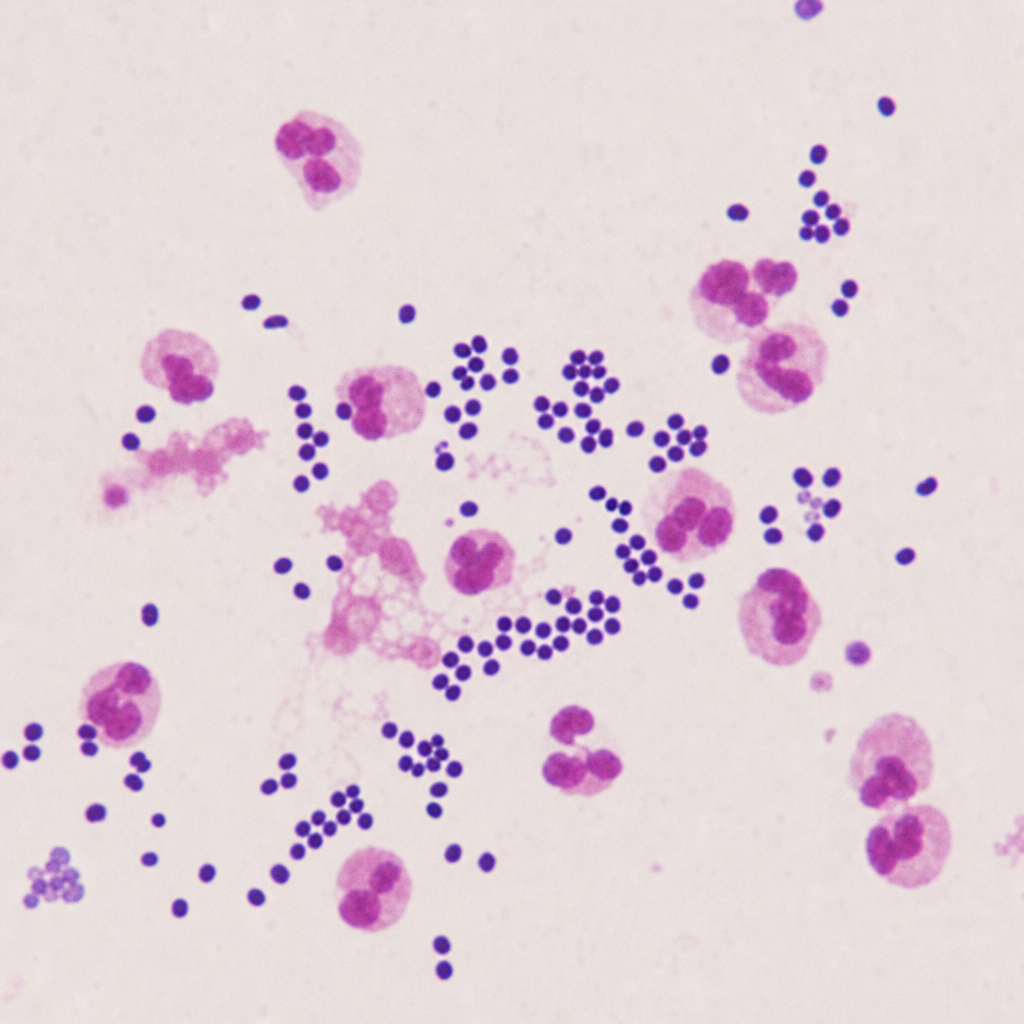
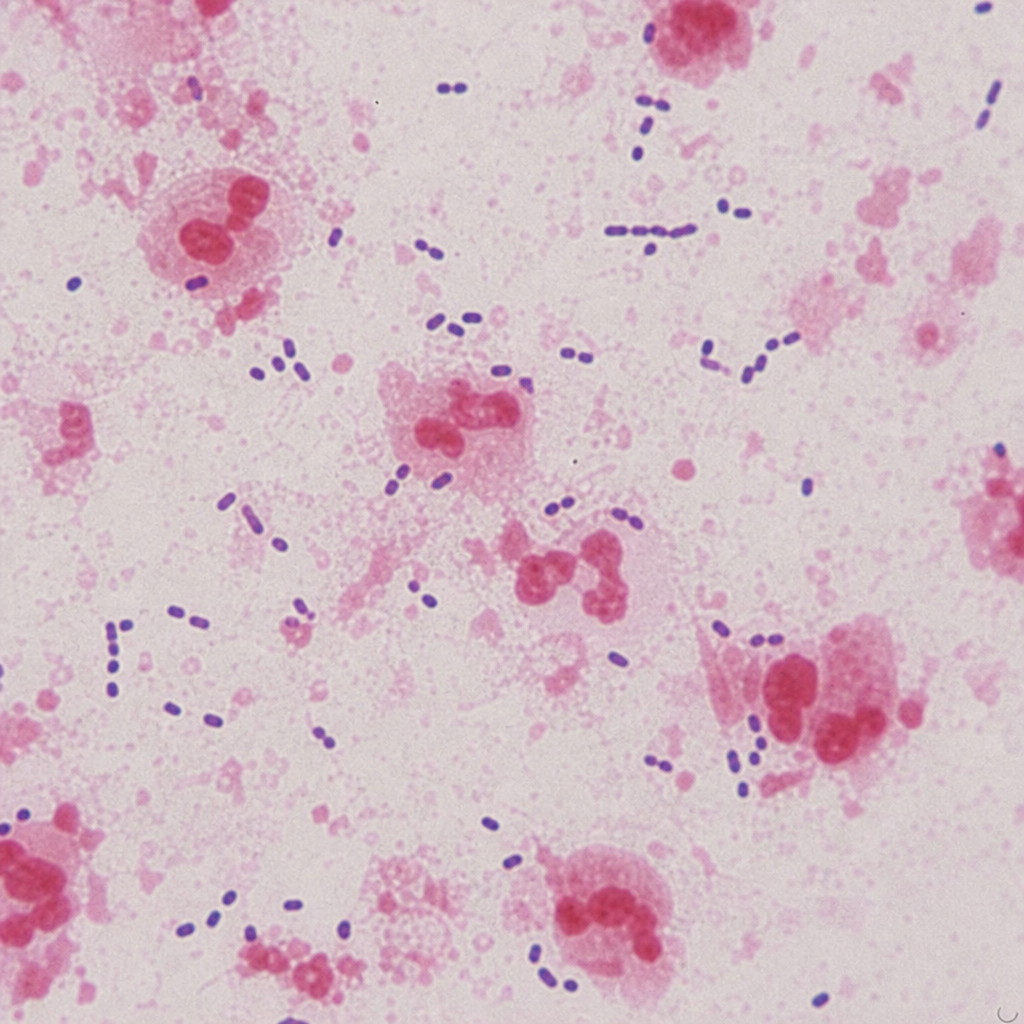
Incidence of Pneumocystis jiroveci pneumonia has declined in recent times due to which of the following?
What is the rapid test recommended by WHO for the diagnosis of tuberculosis?
All of the following infections may be transmitted via blood transfusion, except?
Which of the following infections is not transmitted by arthropods?
Which of the following is false about Brucellosis?
All of the following are true about pseudomembranous colitis EXCEPT?
AIDS was first diagnosed in patients suffering from which of the following conditions?
What is the most common cause of artificial heart valve infection?
Which of the following are diseases caused by Chlamydia?
All of the following diseases are spread through lice except?
Explanation: **Explanation:** **Pneumocystis jirovecii pneumonia (PCP)** is one of the most common opportunistic infections in immunocompromised individuals, particularly those with HIV/AIDS. The significant decline in its incidence is primarily attributed to the widespread implementation of **chemoprophylaxis using Trimethoprim-Sulfamethoxazole (TMP-SMX)**. 1. **Why the correct answer is right:** TMP-SMX (Co-trimoxazole) is the drug of choice for both the treatment and prophylaxis of PCP. In HIV-positive patients, prophylaxis is initiated when the **CD4+ T-cell count falls below 200 cells/mm³**. This intervention prevents the reactivation of latent cysts and primary infection, drastically reducing morbidity and mortality. 2. **Why other options are wrong:** * **Better living conditions:** While hygiene affects many enteric or respiratory pathogens, *P. jirovecii* is an ubiquitous fungus; environmental control alone does not prevent infection in the immunocompromised. * **Decrease in HIV incidence:** While HIV management has improved (due to HAART), the global prevalence of HIV remains significant. The decline in PCP is specifically due to targeted medical interventions (prophylaxis and ART) rather than a total disappearance of the virus. * **Stronger immunity:** There is no evidence of a natural increase in the general population's immunity against this opportunistic pathogen. **High-Yield Clinical Pearls for NEET-PG:** * **Organism:** *P. jirovecii* is a fungus (previously classified as a protozoan) but does not respond to antifungals like Amphotericin B because it lacks ergosterol in its cell membrane. * **Diagnosis:** Silver stains (Grocott-Gomori Methenamine Silver) showing **"crushed ping-pong ball"** or "cup-and-saucer" shaped cysts. * **Radiology:** Characterized by bilateral, perihilar **"ground-glass opacities"** on X-ray/CT. * **Alternative Prophylaxis:** Pentamidine or Dapsone (if the patient is allergic to Sulfa drugs).
Explanation: **Explanation:** The correct answer is **Sputum AFB smear microscopy**. Under the WHO guidelines and the National Tuberculosis Elimination Program (NTEP), **Sputum AFB smear microscopy** (using Ziehl-Neelsen or Fluorescence staining) remains the primary, most widely available, and cost-effective rapid test for diagnosing pulmonary TB, especially in resource-limited settings. It is essential for identifying "infectious" cases (smear-positive) who are most likely to transmit the disease. **Analysis of Options:** * **Xpert MTB/RIF (Option C):** While this is a rapid molecular test (NAAT) recommended by WHO as the *preferred initial diagnostic test* for all presumptive TB cases due to its high sensitivity and ability to detect Rifampicin resistance, the traditional "rapid test" standard for mass screening and diagnosis in global programs has historically been smear microscopy. *Note: In recent updates, WHO prioritizes Xpert, but microscopy remains the foundational rapid bedside tool.* * **Quantiferon Gold (Option A) & ELISPOT (Option B):** These are Interferon-Gamma Release Assays (IGRAs). They are used to detect **Latent TB Infection (LTBI)** by measuring the T-cell immune response. They cannot distinguish between active disease and latent infection and are therefore not recommended for the routine diagnosis of active pulmonary TB. **High-Yield Clinical Pearls for NEET-PG:** * **Gold Standard for Diagnosis:** Sputum Culture (using LJ medium or liquid media like MGIT). * **Most Sensitive Rapid Test:** Xpert MTB/RIF (detects as few as 131 CFU/ml). * **Microscopy Threshold:** Requires 5,000–10,000 bacilli/ml of sputum to be positive. * **NTEP Update:** The program is currently shifting towards "Molecular Diagnostics First" (NAAT) to replace microscopy where feasible.
Explanation: **Explanation:** The core concept tested here is the **Transfusion-Transmitted Infection (TTI)**. For a pathogen to be routinely transmitted via blood transfusion, it typically requires a significant period of **asymptomatic viremia** in the donor. **Why Dengue Virus is the correct answer:** While Dengue virus causes high-grade viremia, it is almost always **symptomatic** (fever, arthralgia, rash). Symptomatic individuals are deferred from blood donation during screening. While rare case reports of transfusion-linked transmission exist during massive outbreaks, it is **not** classified as a standard TTI in clinical practice or medical textbooks compared to the other options. **Analysis of incorrect options:** * **Parvovirus B-19:** This virus lacks an envelope, making it resistant to many pathogen-inactivation methods. It has a significant asymptomatic viremic phase and is a well-known TTI, posing risks to pregnant women and patients with chronic hemolytic anemias. * **Cytomegalovirus (CMV):** CMV remains latent in **monocytes (WBCs)**. It is a major TTI concern, especially for immunocompromised recipients and neonates. This is why "leukoreduction" or "CMV-negative blood" is prioritized for these groups. * **Hepatitis G virus (HGV/GBV-C):** HGV is primarily transmitted through blood and blood products. Although its clinical significance in causing hepatitis is debated, it is a confirmed blood-borne agent. **NEET-PG High-Yield Pearls:** 1. **Most common TTI:** Globally, Hepatitis B; however, in many modern settings, the risk of Hepatitis C and HIV has been drastically reduced due to NAT (Nucleic Acid Testing). 2. **Bacterial Contamination:** Most common in **Platelets** (due to storage at room temperature, 20-24°C). *Staphylococcus epidermidis* is the most frequent isolate. 3. **Parasitic TTIs:** Malaria, Chagas disease, and Babesiosis are important considerations. 4. **Prions:** Variant Creutzfeldt-Jakob Disease (vCJD) can be transmitted via transfusion.
Explanation: The correct answer is **Q fever**. ### **1. Why Q Fever is the Correct Answer** Unlike most rickettsial diseases, **Q fever** (caused by *Coxiella burnetii*) is typically **not transmitted by an arthropod vector** to humans. While ticks can maintain the infection in wild animal populations, human infection occurs primarily through the **inhalation of contaminated aerosols** or dust containing desiccation-resistant spores. These spores are shed in the birth products (placenta), feces, and urine of infected livestock (sheep, goats, and cattle). ### **2. Analysis of Incorrect Options** * **Rickettsial pox:** Caused by *Rickettsia akari*, it is transmitted by the bite of the **house mouse mite** (*Liponyssoides sanguineus*). * **Rocky Mountain Spotted Fever (RMSF):** Caused by *Rickettsia rickettsii*, it is transmitted by the bite of **Ixodid (hard) ticks**, such as *Dermacentor variabilis*. * **Relapsing fever:** This can be **Epidemic** (transmitted by the **human body louse**) or **Endemic** (transmitted by **soft ticks** of the genus *Ornithodoros*). ### **3. NEET-PG High-Yield Clinical Pearls** * **Coxiella burnetii** is unique because it is an obligate intracellular organism that forms **spore-like variants**, making it highly resistant to environmental heat and drying. * **Diagnosis:** It is a common cause of **Culture-Negative Endocarditis**. * **Weil-Felix Test:** Q fever is **Weil-Felix negative** (unlike most other Rickettsial diseases). * **Occupational Hazard:** It is most common among veterinarians, farmers, and abattoir workers. * **Drug of Choice:** Doxycycline is the preferred treatment for acute Q fever.
Explanation: **Explanation:** The correct answer is **D** because **Ampicillin is not the drug of choice** for Brucellosis. *Brucella* is an intracellular pathogen, requiring antibiotics with excellent cellular penetration. The standard WHO-recommended regimen for adults is **Doxycycline (6 weeks) plus Streptomycin (2-3 weeks)** or **Doxycycline plus Rifampicin (6 weeks)**. Ampicillin has no significant role in the primary management of this disease. **Analysis of other options:** * **Option A:** Brucellosis is famously known as **Undulant Fever** due to the characteristic rising and falling (wave-like) temperature pattern. It is also called Malta fever or Mediterranean fever. * **Option B:** *Brucella melitensis* (primarily from goats/sheep) is indeed the **most common and most virulent** species causing human infection, followed by *B. suis*. * **Option C:** The incubation period is typically **1 to 3 weeks**, though it can occasionally extend to several months, making it a classic cause of Pyrexia of Unknown Origin (PUO). **High-Yield Clinical Pearls for NEET-PG:** * **Transmission:** Most commonly via consumption of **unpasteurized dairy products** or occupational contact (vets, farmers). * **Diagnosis:** The **Standard Agglutination Test (SAT)** is the gold standard serological test; a titer of >1:160 is significant. * **Culture:** Requires enriched media (e.g., Castaneda’s biphasic medium). Cultures should be incubated for up to 4 weeks. * **Complications:** Osteoarticular involvement (sacroiliitis) is the most common complication. * **Bone Marrow:** Often shows non-caseating granulomas.
Explanation: **Explanation:** Pseudomembranous colitis (PMC) is a severe form of inflammation of the colon, primarily caused by the overgrowth of **Clostridium difficile** (now *Clostridioides difficile*). **Why Option D is the correct answer (The Exception):** Vancomycin is not the cause of PMC; rather, it is one of the **primary treatments** for it (specifically oral Vancomycin). PMC is typically triggered by the use of broad-spectrum antibiotics that disrupt normal gut flora, allowing *C. difficile* to flourish. The most common antibiotics implicated are **Clindamycin**, Fluoroquinolones, and Cephalosporins. **Analysis of other options:** * **Option A:** *C. difficile* is indeed the causative agent. It produces two main toxins: Toxin A (enterotoxin) and Toxin B (cytotoxin), which lead to mucosal damage. * **Option B:** Diarrhea is the hallmark clinical manifestation, often accompanied by abdominal cramping, fever, and leukocytosis. * **Option C:** The "pseudomembrane" is the characteristic pathological feature. It consists of raised yellow-white plaques on the colonic mucosa made of fibrin, inflammatory cells, and necrotic debris. **Clinical Pearls for NEET-PG:** * **Drug of Choice:** Oral Vancomycin or Fidaxomicin are first-line treatments. Metronidazole is now reserved for mild cases if others are unavailable. * **Diagnosis:** The gold standard is the **Cell Cytotoxicity Assay**, but the most common rapid test is **Enzyme Immunoassay (EIA)** for toxins A and B or **GDH (Glutamate Dehydrogenase)** antigen. * **Risk Factor:** Recent hospitalization and antibiotic use are the strongest predictors. * **Morphology:** On colonoscopy, look for "volcano-like" eruptions of inflammatory exudate.
Explanation: **Explanation:** The correct answer is **Pneumocystis carinii pneumonia (PCP)**. The medical recognition of AIDS began in **June 1981**, when the CDC’s *Morbidity and Mortality Weekly Report (MMWR)* described five cases of previously healthy young men in Los Angeles who developed pneumonia caused by *Pneumocystis carinii* (now renamed *Pneumocystis jirovecii*). This was highly unusual as PCP is an opportunistic infection that typically only affects severely immunocompromised individuals. Shortly thereafter, a cluster of **Kaposi Sarcoma** cases was also reported, leading to the identification of the syndrome initially termed "GRID" (Gay-Related Immune Deficiency) before being renamed AIDS in 1982. **Analysis of Options:** * **B (Correct):** PCP was the very first opportunistic infection reported in the 1981 MMWR report that alerted the medical community to the epidemic. * **C (Incorrect):** While Kaposi Sarcoma (caused by HHV-8) was reported very shortly after the initial PCP cases (July 1981), it was the second major condition associated with the outbreak. * **A & D (Incorrect):** While *Cryptococcus neoformans* and *Tuberculosis* are major AIDS-defining illnesses, they were not the index conditions that led to the initial discovery of the disease. **High-Yield Clinical Pearls for NEET-PG:** * **Causative Agent:** HIV is a retrovirus (Lentivirus family) that targets **CD4+ T-cells**. * **Pneumocystis jirovecii:** It is now classified as a **fungus**, not a protozoan. The drug of choice is **Trimethoprim-Sulfamethoxazole (TMP-SMX)**. * **Diagnosis:** The gold standard for HIV screening is **ELISA**, and the confirmatory test (historically) is **Western Blot**, though current protocols favor the **4th Gen p24 antigen/antibody combo assay**. * **CD4 Count:** PCP typically occurs when the CD4 count falls below **200 cells/mm³**.
Explanation: **Explanation:** The correct answer is **Staphylococcus epidermidis**. This organism is the most common cause of **Prosthetic Valve Endocarditis (PVE)**, particularly when it occurs within the first year after surgery (early-onset PVE). **Why Staphylococcus epidermidis is correct:** *Staphylococcus epidermidis* is a Coagulase-Negative Staphylococcus (CoNS) and a major component of the normal skin flora. Its primary virulence factor is the ability to produce a **polysaccharide biofilm (slime layer)**. This biofilm allows the bacteria to adhere tenaciously to foreign prosthetic materials (like artificial valves, catheters, and shunts), protecting them from both the host’s immune response and systemic antibiotics. **Analysis of Incorrect Options:** * **Staphylococcus aureus:** While it is the most common cause of acute infective endocarditis in **intravenous drug users (IVDU)** and native valves, it is second to *S. epidermidis* in prosthetic valve infections. * **Streptococcus mutans:** This is a member of the Viridans group streptococci. It is the most common cause of subacute bacterial endocarditis (SBE) in **damaged native valves**, usually following dental procedures. * **Pneumococcus (Streptococcus pneumoniae):** This is an uncommon cause of endocarditis, typically presenting as an aggressive, destructive infection (Osler’s triad: pneumonia, meningitis, and endocarditis). **High-Yield Clinical Pearls for NEET-PG:** * **Early PVE (<12 months):** Most commonly caused by *Staphylococcus epidermidis*. * **Late PVE (>12 months):** The microbial spectrum shifts to resemble native valve endocarditis (Viridans streptococci). * **Culture-Negative Endocarditis:** Most commonly due to prior antibiotic therapy or fastidious organisms like the **HACEK** group or *Coxiella burnetii*. * **Drug of Choice for CoNS:** Vancomycin (due to high rates of methicillin resistance).
Explanation: **Explanation:** *Chlamydia trachomatis* is an obligate intracellular bacterium with multiple serovars (strains) that cause a wide spectrum of clinical diseases. The correct answer is **All the above** because *Chlamydia* is the causative agent for each condition listed, depending on the specific serovar involved. 1. **Lymphogranuloma venereum (LGV):** Caused by **serovars L1, L2, and L3**. It is a sexually transmitted infection characterized by a transient primary lesion followed by painful regional lymphadenopathy (buboes) and the "Groove sign." 2. **Trachoma:** Caused by **serovars A, B, Ba, and C**. It is a leading cause of preventable blindness worldwide, characterized by chronic follicular conjunctivitis that leads to scarring and inward turning of eyelashes (trichiasis). 3. **Nonspecific cervicitis (and Urethritis):** Caused by **serovars D through K**. These are the most common causes of bacterial sexually transmitted infections globally. In females, it manifests as mucopurulent cervicitis, which can ascend to cause Pelvic Inflammatory Disease (PID) and infertility. **High-Yield Clinical Pearls for NEET-PG:** * **Life Cycle:** Exists in two forms—the **Elementary Body** (infectious, extracellular) and the **Reticulate Body** (replicative, intracellular). * **Inclusion Bodies:** *C. trachomatis* inclusions contain glycogen and stain with **iodine** (unlike *C. psittaci* or *C. pneumoniae*). * **Reiter’s Syndrome:** A classic triad of "can't see, can't pee, can't climb a tree" (conjunctivitis, urethritis, reactive arthritis) often follows a Chlamydial infection. * **Treatment:** **Azithromycin** (single dose) or **Doxycycline** (for 7 days) are the drugs of choice. For LGV, a longer course of Doxycycline (21 days) is required.
Explanation: **Explanation:** The correct answer is **Q fever** because it is not a louse-borne disease. It is caused by *Coxiella burnetii* and is primarily a zoonosis. Transmission to humans occurs most commonly through the **inhalation of contaminated aerosols** or dust from the birth products, feces, or urine of infected livestock (sheep, goats, cattle). Unlike the other options, it does not require an arthropod vector for human infection. **Analysis of other options:** * **Trench fever:** Caused by *Bartonella quintana*, it is transmitted by the **human body louse** (*Pediculus humanus corporis*). It was historically significant during World War I. * **Pediculosis:** This is the clinical term for infestation with lice themselves (Head lice, Body lice, or Pubic lice). * **Epidemic typhus:** Caused by *Rickettsia prowazekii*, this is the classic louse-borne disease. It is transmitted when louse feces (containing the bacteria) are rubbed into bite wounds or mucous membranes. **High-Yield Clinical Pearls for NEET-PG:** * **Louse-borne diseases (Mnemonic: "P.E.T."):** **P**elapsing fever (Louse-borne), **E**pidemic typhus, and **T**rench fever. * **Q Fever:** It is the only Rickettsial disease (though now taxonomically reclassified) that **does not present with a rash** and is **Weil-Felix reaction negative**. * *Coxiella burnetii* is highly resistant to environmental stressors due to its spore-like forms and is considered a potential bioterrorism agent (Category B). * **Drug of choice** for most louse-borne rickettsial infections and Q fever is **Doxycycline**.
Explanation: **Explanation:** The correct answer is **None of the above** because all aminoglycosides carry a significant risk of **nephrotoxicity**, and in this specific clinical scenario, the patient’s underlying condition makes them particularly unsafe. **1. Why "None of the above" is correct:** Aminoglycosides are notorious for causing **Acute Tubular Necrosis (ATN)**. They are filtered by the glomerulus and actively reabsorbed by the proximal tubule cells, where they accumulate and cause oxidative stress. This patient has two major risk factors: * **Burn Injury:** Burn patients often have fluctuating renal perfusion and are at high risk for sepsis-induced kidney injury. * **Potential Renal Pathology:** The mention of an "old ultrasound record" and missed follow-ups suggests a pre-existing renal condition, making the use of any aminoglycoside highly risky without strict monitoring. **2. Analysis of Incorrect Options:** * **Gentamicin & Tobramycin:** While these are standard empiric choices for *Pseudomonas*, they are both significantly nephrotoxic. Tobramycin is slightly more potent against *Pseudomonas* but shares the same toxicity profile as Gentamicin. * **Neomycin:** This is the **most nephrotoxic** aminoglycoside. Its systemic use is contraindicated; it is strictly limited to topical applications or oral use for bowel preparation/hepatic encephalopathy (as it is not absorbed). **3. Clinical Pearls for NEET-PG:** * **Toxicity Hierarchy:** Neomycin (Most toxic) > Gentamicin > Tobramycin > Amikacin (Least toxic, though still significant). * **Ototoxicity:** Aminoglycosides also cause irreversible ototoxicity (vestibular/cochlear damage). **Streptomycin** is most associated with vestibular damage. * **Monitoring:** To minimize toxicity, **Once-Daily Dosing (Extended Interval Dosing)** is preferred over multiple daily doses, as it allows drug levels to fall below the toxic threshold while maintaining efficacy due to the **Post-Antibiotic Effect (PAE)**.
Explanation: **Explanation:** The risk of transfusion-transmitted infections (TTI) is determined by the prevalence of the virus in the donor population, the duration of the "window period," and the sensitivity of screening methods. **Why HBV is the Correct Answer:** Hepatitis B Virus (HBV) remains the most common transfusion-transmitted viral infection worldwide. The primary reason is the **long window period** (averaging 30–60 days) and the presence of **Occult HBV Infection (OBI)**. In OBI, individuals are HBsAg negative but possess HBV DNA in their blood. Even with Nucleic Acid Testing (NAT), the low viral load in occult cases can sometimes escape detection, leading to a higher transmission rate compared to other viruses. **Analysis of Incorrect Options:** * **HIV (Option A):** While highly feared, the transmission risk is significantly lower than HBV due to a shorter window period (especially with NAT) and lower prevalence among voluntary donors. * **HTLV-1 (Option C):** Human T-cell Lymphotropic Virus has a very low prevalence in the general population compared to Hepatitis viruses, making it a rare cause of TTI. * **HCV (Option D):** Hepatitis C previously had a high transmission rate, but the introduction of highly sensitive NAT has reduced the window period to approximately 3–5 days, making its transmission risk lower than HBV. **NEET-PG High-Yield Pearls:** * **Order of Transmission Risk:** HBV > HCV > HIV. * **Most common infection transmitted by blood transfusion:** HBV. * **Most common cause of Post-Transfusion Hepatitis (PTH):** Historically HCV, but currently, HBV is more frequent in many developing regions due to OBI. * **Window Period:** The time between infection and the point when a laboratory test can detect the antigen/antibody. * **Screening:** Mandatory screening in India includes HIV 1&2, HBV (HBsAg), HCV, Syphilis, and Malaria.
Explanation: **Explanation:** The clinical presentation of fever, cough with **rust-colored sputum**, and lobar consolidation, combined with the laboratory finding of **alpha-hemolytic gram-positive diplococci**, is pathognomonic for ***Streptococcus pneumoniae*** (Pneumococcus). **1. Why the correct answer is right:** The primary virulence factor of *S. pneumoniae* is its **polysaccharide capsule**, which is acidic and antiphagocytic. It prevents C3b opsonization. Immunity depends on the production of **type-specific IgG antibodies** against this capsular polysaccharide. These antibodies act as opsonins, facilitating phagocytosis by splenic macrophages and neutrophils. This explains why the patient, who is **asplenic**, is at high risk for overwhelming post-splenectomy infection (OPSI) by encapsulated organisms. **2. Why the incorrect options are wrong:** * **Option A:** While the alternative pathway provides some innate defense, it is insufficient to clear the infection without specific antibodies (opsonization) in an asplenic patient. * **Option B:** This describes the **M protein** of *Streptococcus pyogenes* (Group A Strep), not *S. pneumoniae*. * **Option C:** The **C-polysaccharide** (teichoic acid) is a somatic antigen found in the cell wall of all pneumococci. It reacts with C-reactive protein (CRP) but is not the target for protective, type-specific immunity. **3. NEET-PG High-Yield Pearls:** * **Quellung Reaction:** Swelling of the capsule when exposed to specific antiserum (Gold standard for identification). * **Optochin Sensitivity & Bile Solubility:** Used to differentiate *S. pneumoniae* (Sensitive/Soluble) from *Viridans streptococci* (Resistant/Insoluble). * **Vaccination:** Pneumococcal vaccines (PCV13, PPSV23) target the capsular polysaccharides to induce protective IgG. * **Asplenic Risks:** "SHiN" organisms (*S. pneumoniae, H. influenzae, N. meningitidis*). *S. pneumoniae* is the most common cause of OPSI.
Explanation: **Explanation:** The correct answer is **Prepubertal girls**. The primary reason for this lies in the **vaginal physiology and pH**, which change significantly throughout a female's life. 1. **Why Prepubertal Girls?** In prepubertal girls, the vaginal epithelium is **thin, delicate, and non-keratinized**. Crucially, there is a lack of estrogen, which means the vagina lacks glycogen. Without glycogen, *Lactobacilli* (Doderlein’s bacilli) cannot produce lactic acid, resulting in a **neutral to alkaline vaginal pH**. *Neisseria gonorrhoeae* thrives in this environment, making the vaginal mucosa highly susceptible to infection (Vulvovaginitis). 2. **Why the other options are incorrect:** * **Adult Women (A):** In reproductive-age women, high estrogen levels lead to a thick, stratified squamous epithelium and an **acidic pH (3.8–4.5)** due to lactic acid production. This acidic environment is inhibitory to *N. gonorrhoeae*. Therefore, in adults, the primary site of infection is the **endocervix** (Cervicitis), not the vagina. * **Infants (C):** Newborns have temporary protection due to residual maternal estrogens, which maintain a lower pH for a short period after birth. * **Postmenopausal Women (D):** While the pH rises after menopause, the incidence is significantly lower compared to the prepubertal age group, where sexual abuse or accidental transmission are key clinical considerations. **Clinical Pearls for NEET-PG:** * **Primary site of Gonorrhea in adult females:** Endocervix (Columnar epithelium). * **Primary site in prepubertal girls:** Vulvovaginal mucosa. * **Gold Standard Diagnosis:** Culture on **Thayer-Martin Medium** (Selective medium). * **Gram Stain:** Gram-negative kidney-shaped diplococci within polymorphonuclear leukocytes (Intracellular).
Explanation: **Explanation:** The current NACO (National AIDS Control Organisation) and WHO guidelines recommend a **triple-drug regimen** for HIV Post-Exposure Prophylaxis (PEP) to ensure maximum efficacy in preventing viral integration. **1. Why Option A is Correct:** The preferred regimen consists of **Tenofovir (TDF) 300 mg + Emtricitabine (FTC) 200 mg** (or Lamivudine) once daily, combined with **Raltegravir (RAL) 400 mg** twice daily (or Dolutegravir 50 mg once daily). This combination is favored because it is highly effective, has a superior safety profile, and involves minimal drug-drug interactions compared to older protease inhibitor-based regimens. **2. Analysis of Incorrect Options:** * **Option B:** This was an older regimen. Indinavir is rarely used now due to significant side effects like nephrolithiasis and metabolic disturbances. * **Option C:** Abacavir is not used in PEP due to the risk of life-threatening hypersensitivity reactions (associated with HLA-B*5701), which requires genetic testing before initiation—a delay not feasible in emergency PEP. * **Option D:** Maraviroc is an entry inhibitor (CCR5 antagonist) and is not part of the standard first-line PEP protocol; it requires a tropism assay before use. **High-Yield Clinical Pearls for NEET-PG:** * **Timing:** PEP should be started as soon as possible, ideally within **2 hours**, and no later than **72 hours** post-exposure. * **Duration:** The total duration of PEP treatment is **28 days**. * **Baseline Testing:** Always perform a baseline HIV test for the exposed individual to rule out pre-existing infection. * **Preferred Integrase Inhibitor:** While Raltegravir is a standard answer, **Dolutegravir (DTG)** is now increasingly preferred in many updated guidelines due to its once-daily dosing.
Explanation: **Explanation:** The diagnosis of a chronic carrier state in Enteric Fever (Typhoid) is crucial for public health, especially in individuals like food handlers. A chronic carrier is defined as a person who excretes *Salmonella Typhi* in feces or urine for more than one year after the initial infection. **1. Why Vi Agglutination Test is Correct:** The **Vi antigen** is the capsular polysaccharide of *S. Typhi*. While antibodies to O and H antigens disappear shortly after recovery, **Vi antibodies persist** only as long as the bacilli are present in the body. Therefore, a high titer of Vi antibodies (1:10 or more) is a highly specific screening marker for the chronic carrier state. It indicates that the individual is still harboring the bacteria, usually in the gallbladder (fecal carriers) or kidneys (urinary carriers). **2. Why Other Options are Incorrect:** * **Blood Culture:** This is the gold standard for diagnosing **acute** enteric fever (positive in the 1st week). In chronic carriers, the bacteria are not present in the blood; they are sequestered in the gallbladder or biliary tract. * **Widal Test:** This measures antibodies against O and H antigens. These titers can be elevated due to past infection, immunization, or cross-reactivity (anamnestic response), making it unreliable for identifying carriers. **Clinical Pearls for NEET-PG:** * **Gold Standard for Carrier Diagnosis:** Repeated **stool cultures** (after enrichment in selenite F broth) are definitive, but Vi agglutination is the preferred screening tool. * **Site of Sequestration:** The **gallbladder** is the most common site for chronic carriage, often associated with gallstones. * **Treatment of Choice:** For chronic carriers, **Ciprofloxacin** (for 6 weeks) is the drug of choice. If cholelithiasis is present, cholecystectomy may be required. * **Famous Case:** "Typhoid Mary" was a classic example of a chronic fecal carrier.
Explanation: ### Explanation **1. Why Option A is Correct:** The primary reason Lyme disease cannot be eradicated is its **zoonotic nature** and the complex life cycle of its vector, the *Ixodes* tick. *Borrelia burgdorferi* is maintained in a persistent **sylvatic cycle** involving wild reservoirs (like the white-footed mouse) and ticks. Ticks can maintain the bacteria through **transstadial transmission** (larva to nymph to adult). Because the pathogen exists independently of humans in a vast wildlife reservoir, eliminating the human reservoir does not stop the transmission cycle. **2. Why Other Options are Incorrect:** * **Option B:** *Borrelia burgdorferi* is highly sensitive to antibiotics, particularly **Doxycycline** (drug of choice), Amoxicillin, and Ceftriaxone. It is not a "superbug" with inherent resistance. * **Option C:** *Borrelia* is a fastidious spirochete that is quite fragile outside a host. It does not survive well in the environment (unlike *Bacillus anthracis* spores), making it entirely dependent on its hosts for survival. * **Option D:** **Brill-Zinsser disease** is the reactivation of *Rickettsia prowazekii* (Epidemic Typhus), not Lyme disease. While Lyme disease can have "Post-Treatment Lyme Disease Syndrome," it does not exhibit the classic latent reactivation pattern seen in Typhus. **3. NEET-PG High-Yield Pearls:** * **Vector:** *Ixodes scapularis* (Hard tick). * **Reservoir:** White-footed mouse (*Peromyscus leucopus*). * **Clinical Hallmark:** **Erythema Chronicum Migrans** (Bull’s eye rash) – Stage 1. * **Late Manifestations:** Bilateral Bell’s palsy (Stage 2) and Chronic Arthritis (Stage 3). * **Diagnosis:** Two-tier testing (ELISA followed by Western Blot). * **Treatment:** Doxycycline is the mainstay; Ceftriaxone for neurological or cardiac involvement.
Explanation: In enteric fever (Typhoid), the diagnostic yield of various tests depends significantly on the duration of the illness. **Why Blood Culture is the Correct Answer:** During the **first week** of infection, *Salmonella Typhi* undergoes primary multiplication in the lymphoid tissue and then enters the bloodstream (bacteremia). Therefore, **blood culture** is the gold standard and the most sensitive method (70–90% positivity) for diagnosis during the first 7–10 days of fever. It allows for definitive identification of the organism and antibiotic sensitivity testing. **Analysis of Incorrect Options:** * **Stool Culture (Option A):** This becomes most useful during the **second and third weeks** as the bacteria are shed from the gallbladder into the intestines via bile. It is also used to identify chronic carriers. * **Urine Culture (Option B):** This typically yields positive results only in the **third week** of the illness. It has the lowest diagnostic yield among the culture methods. * **Widal Test (Option D):** This is a serological test that detects antibodies (Anti-O and Anti-H). Antibodies take time to develop; therefore, the Widal test usually becomes positive only after the **first week** (maximal sensitivity in the third week). It is prone to false positives due to cross-reactivity or prior vaccination. **NEET-PG High-Yield Pearls:** * **Mnemonic "BASU":** To remember the sequence of positivity: **B**lood (1st week) > **A**gglutination/Widal (2nd week) > **S**tool (3rd week) > **U**rine (4th week). * **Bone Marrow Culture:** This is the **most sensitive** overall (up to 95%) and remains positive even after starting antibiotics, but it is not the first-line investigation due to its invasive nature. * **Castaneda’s Medium:** A biphasic medium often used for blood cultures to reduce the risk of contamination.
Explanation: **Explanation:** **Procalcitonin (PCT)** is a peptide precursor of the hormone calcitonin. In healthy individuals, it is produced by the C-cells of the thyroid gland and is present in negligible amounts in the blood (<0.1 ng/mL). **Why Sepsis is the Correct Answer:** In response to **systemic bacterial infections** and sepsis, PCT levels rise rapidly (within 2–4 hours). This occurs because inflammatory cytokines (like IL-6 and TNF-α) and bacterial endotoxins trigger the extra-thyroidal synthesis of PCT in various parenchymal tissues (liver, kidney, muscle). Crucially, PCT levels remain low during viral infections because Interferon-gamma (IFN-γ), produced in response to viruses, inhibits PCT synthesis. This makes it a highly specific marker for differentiating bacterial sepsis from non-infectious inflammation or viral illnesses. **Analysis of Incorrect Options:** * **Option A (Cardiac dysfunction):** Markers like **Troponins (I and T)** and **CK-MB** are used for myocardial infarction, while **BNP/NT-proBNP** are markers for cardiac failure. * **Option B (Menstrual periodicity):** This is regulated by the cyclical fluctuations of **FSH, LH, Estrogen, and Progesterone**. * **Option C (Pituitary function):** This is assessed using specific trophic hormones such as **ACTH, GH, TSH, and Prolactin**. **High-Yield Clinical Pearls for NEET-PG:** * **Half-life:** PCT has a half-life of approximately **24–35 hours**, making it useful for monitoring response to antibiotics. * **Antibiotic Stewardship:** Falling PCT levels are used clinically to decide when to de-escalate or stop antibiotic therapy. * **Prognostic Value:** Higher levels of PCT correlate with the severity of sepsis and increased mortality risk.
Explanation: **Explanation:** The correct answer is **D (All of the above)**. This question tests the knowledge of Transfusion-Transmitted Infections (TTIs). While we commonly associate blood-borne transmission with viruses like HIV, HBV, and HCV, several other parasites, bacteria, and viruses can be transmitted via blood products. * **Toxoplasma gondii:** This protozoan parasite can exist in a latent form (bradyzoites) within leukocytes. Although rare, transmission can occur through whole blood or leukocyte-rich components, as well as organ transplantation. * **Syphilis (*Treponema pallidum*):** Syphilis can be transmitted via blood transfusion during the spirochaetemic phase of the donor. However, *T. pallidum* is cold-sensitive and usually dies if blood is stored at 4°C for more than 72 hours. * **Cytomegalovirus (CMV):** CMV remains latent within monocytes and neutrophils. It is a significant concern in blood transfusions, particularly for immunocompromised patients and neonates. This risk is mitigated by using "leukoreduced" blood products. **High-Yield Clinical Pearls for NEET-PG:** 1. **Storage Temperature:** *T. pallidum* and *Leishmania* do not survive well in cold storage (4°C), reducing their transmission risk in stored bank blood. 2. **Leukoreduction:** This process significantly reduces the risk of transmitting CMV, HTLV-1/2, and EBV, as these viruses are primarily "cell-associated." 3. **Window Period:** The most common cause of post-transfusion hepatitis remains Hepatitis B and C, often due to donors being in the "serological window period." 4. **Bacterial Contamination:** Platelets are the most common blood component associated with bacterial sepsis because they are stored at room temperature (20-24°C), which favors bacterial growth.
Explanation: The correct answer is **Cholera** because it is a classic example of an enteric infection transmitted via the **fecal-oral route**, primarily through contaminated water or food. It is caused by *Vibrio cholerae*, which colonizes the small intestine and produces an enterotoxin; it does not enter the bloodstream (non-invasive), making blood-borne transmission impossible. ### Explanation of Options: * **West Nile Virus (WNV):** While primarily transmitted by *Culex* mosquitoes, WNV can be transmitted through blood transfusions, organ transplants, and transplacental routes. Blood donors are routinely screened for WNV in endemic areas. * **Toxoplasma gondii:** This protozoan is typically acquired by ingesting oocysts (cat feces) or tissue cysts (undercooked meat). However, it can be transmitted via **blood transfusion** and organ transplantation, as tachyzoites can circulate in the blood during the acute phase. * **Hepatitis B Virus (HBV):** This is a prototypical blood-borne pathogen. It is highly infectious and transmitted through parenteral exposure (needles/transfusions), sexual contact, and vertical transmission (periconceptional/birth). ### NEET-PG High-Yield Pearls: * **Vibrio cholerae:** Look for "rice-water stools" and the "darting motility" on hanging drop microscopy. It is a non-halophilic, oxidase-positive, comma-shaped gram-negative rod. * **Blood-borne screening:** In India, mandatory screening for blood donors includes HIV, HBV, HCV, Syphilis, and Malaria. * **Toxoplasmosis:** In immunocompromised patients (AIDS), it typically presents as ring-enhancing lesions in the brain. It is part of the **TORCH** complex for congenital infections.
Explanation: **Explanation:** The **Mantoux test** (Tuberculin Skin Test) is the standard screening tool for **Tuberculosis (TB)**. It is based on a **Type IV (Delayed-type) Hypersensitivity reaction**. 1. **Why Tuberculosis is Correct:** The test involves the intradermal injection of 0.1 ml of **Purified Protein Derivative (PPD)** containing 5 Tuberculin Units (TU). If a person has been previously exposed to *Mycobacterium tuberculosis*, sensitized T-cells migrate to the injection site, releasing lymphokines that cause induration (hardness) within **48–72 hours**. A positive result indicates infection (latent or active) but does not distinguish between the two. 2. **Why Other Options are Incorrect:** * **Syphilis:** Diagnosed via microscopy (Dark-field) or serology (Non-specific: VDRL/RPR; Specific: TPHA/FTA-ABS). * **Sarcoidosis:** Historically associated with the **Kveim-Siltzbach test**, though diagnosis now relies on imaging and biopsy showing non-caseating granulomas. Interestingly, sarcoidosis often causes "anergy," leading to a *false-negative* Mantoux test. * **Hepatitis B:** Diagnosed using serological markers (HBsAg, Anti-HBs, HBeAg) and molecular methods (HBV-DNA PCR). **High-Yield Clinical Pearls for NEET-PG:** * **Injection Technique:** Must be intradermal (using a Tuberculin syringe) to create a "wheal." * **Interpretation:** Measure the **diameter of induration**, not erythema (redness). * **False Positive:** Seen in individuals vaccinated with **BCG** or infected with atypical mycobacteria. * **False Negative:** Seen in severe malnutrition, miliary TB, HIV/AIDS (low CD4 count), and immunosuppressive therapy. * **Two-step testing:** Used to detect the "Booster Effect" in healthcare workers.
Explanation: **Explanation:** **Traveler’s Diarrhea (TD)** is defined as the passage of three or more unformed stools in a 24-hour period, often accompanied by abdominal cramps, nausea, or fever, occurring in individuals traveling from developed to developing regions. **Why E. coli is correct:** Enterotoxigenic *Escherichia coli* (**ETEC**) is the **most common cause** of traveler’s diarrhea worldwide (responsible for 30–50% of cases). It colonizes the small intestine and produces two types of toxins: **Heat-labile (LT)**, which increases cAMP, and **Heat-stable (ST)**, which increases cGMP. Both lead to the hypersecretion of water and electrolytes, resulting in watery diarrhea. **Why other options are incorrect:** * **Rotavirus:** While a leading cause of severe diarrhea in **infants and young children** globally, it is less common than ETEC in adult travelers. * **Shigella:** This is a cause of **inflammatory diarrhea (dysentery)** characterized by blood and mucus. While it can cause TD, it is significantly less frequent than ETEC. * **Ascaris:** *Ascaris lumbricoides* is a helminthic infection that typically presents with intestinal obstruction or nutritional deficiencies rather than acute, watery traveler's diarrhea. **High-Yield Clinical Pearls for NEET-PG:** * **Most common bacterial cause:** ETEC. * **Most common protozoal cause:** *Giardia lamblia* (often presents with foul-smelling, greasy stools and a longer incubation period). * **Prophylaxis:** Routine antibiotic prophylaxis is not recommended; however, **Bismuth subsalicylate** can be used. * **Treatment:** Rehydration is mainstay. For severe cases, **Fluoroquinolones** (like Ciprofloxacin) or **Azithromycin** (preferred in Southeast Asia due to resistance) are used.
Explanation: ### Explanation **Correct Option: A. Mycobacterium avium intracellulare (MAC)** In patients with advanced HIV/AIDS (typically with CD4 counts <50 cells/mm³), **Mycobacterium avium complex (MAC)** is the most common cause of disseminated opportunistic bacterial infection. MAC frequently involves the gastrointestinal tract, leading to chronic diarrhea, malabsorption, and abdominal pain. A key diagnostic feature is the presence of **Acid-Fast Bacilli (AFB)** in the stool or biopsy of the intestinal mucosa. Unlike *M. tuberculosis*, MAC is an atypical mycobacterium that is environmental and non-contagious. **Why other options are incorrect:** * **B. Mycobacterium tuberculosis (MTB):** While MTB is common in HIV patients, it primarily presents as pulmonary disease or localized extrapulmonary involvement (like lymphadenitis). While it can cause intestinal TB, it is less commonly associated with isolated chronic diarrhea and high-load AFB in stool compared to MAC in severely immunocompromised states. * **C. Mycobacterium leprae:** This organism causes Leprosy, affecting the skin and peripheral nerves. It is not associated with gastrointestinal disease or diarrhea. * **D. Mycoplasmas:** These are the smallest free-living organisms and **lack a cell wall**. Because they lack a cell wall, they do not take up Gram stain or Acid-Fast stain (AFB negative). **High-Yield Clinical Pearls for NEET-PG:** * **Stain:** MAC appears as strongly acid-fast, short, coccobacillary rods. * **Prophylaxis:** In HIV patients with CD4 <50 cells/mm³, Azithromycin or Clarithromycin is used for MAC prophylaxis. * **Differential Diagnosis:** If a stool sample shows **acid-fast oocysts** (rather than bacilli) in an HIV patient with diarrhea, consider *Cryptosporidium parvum*, *Isospora belli*, or *Cyclospora*. * **Culture:** MAC grows on Lowenstein-Jensen (LJ) medium but much more slowly than most other atypical mycobacteria.
Explanation: **Explanation:** The **Widal test** is a classic serological test used for the diagnosis of enteric fever (Typhoid and Paratyphoid). It is a type of **direct tube agglutination test** that detects specific antibodies (agglutinins) in the patient’s serum against the H (flagellar) and O (somatic) antigens of *Salmonella Typhi* and *Salmonella Paratyphi*. **1. Why Agglutination?** Agglutination occurs when a particulate antigen (like whole bacterial cells) reacts with its specific antibody, resulting in visible clumping. In the Widal test, the antigens used are killed bacterial suspensions. When antibodies are present in the patient's serum, they cross-link the bacteria, forming visible aggregates at the bottom of the test tube. **2. Analysis of Incorrect Options:** * **Flocculation test:** This is a variation of the precipitation test where the antigen is soluble, but the resulting precipitate remains suspended as "flakes" rather than settling. Examples include the **VDRL test** and **RPR** for Syphilis. * **Both/None:** These are incorrect because the Widal test specifically utilizes particulate antigens, categorizing it strictly under agglutination. **High-Yield Clinical Pearls for NEET-PG:** * **O Antigen:** Appears early, disappears early; indicates **recent/acute infection**. * **H Antigen:** Appears late, persists longer; indicates **convalescence** or past immunization. * **Diagnostic Titer:** In endemic areas like India, a titer of **>1:80 for O** and **>1:160 for H** is usually considered significant. * **Timing:** The test usually becomes positive during the **second week** of fever. * **False Positives:** Can occur in patients with chronic liver disease or those who have received the TAB vaccine.
Explanation: The Mantoux test (Tuberculin Skin Test) is a screening tool for *Mycobacterium tuberculosis* infection. The correct answer is **B** because the statement is factually incorrect regarding the timing of the reaction. ### **Explanation of Options** * **Option B (Correct Answer):** The Mantoux test is a delayed-type hypersensitivity reaction. The result must be read **48 to 72 hours** (2–3 days) after the injection, not 3 weeks. If read after 72 hours, the result may be inaccurate due to the waning of the inflammatory response. * **Option A:** In India and many other regions, **PPD RT-23 (Purified Protein Derivative)** with **Tween 80** (a stabilizing detergent) is the standard reagent used. The standard dose is 2 Tuberculin Units (TU) in 0.1 ml. * **Option C:** In endemic areas like India, an induration (palpable raised hardening) of **10 mm or more** is generally considered positive. Therefore, a measurement of >9 mm is a standard threshold for a positive result in the general population. * **Option D:** The test is a classic clinical example of **Type IV (Delayed) Hypersensitivity**, mediated by T-lymphocytes (specifically Th1 cells) rather than antibodies. ### **High-Yield Clinical Pearls for NEET-PG** * **Injection Technique:** It is administered **intradermally** on the volar aspect of the forearm using a 26-gauge needle. * **Measurement:** Only the **induration** (the hard bump) is measured, not the erythema (redness). * **False Negatives:** Can occur in miliary TB, malnutrition, HIV/AIDS (low CD4 count), or recent viral infections (e.g., Measles). * **False Positives:** Can occur due to prior **BCG vaccination** or infection with Non-Tuberculous Mycobacteria (NTM). * **Booster Effect:** A second test may be positive if the first "primed" a dormant immune system; this is not a new infection.
Explanation: ### Explanation The **Mantoux test** (Tuberculin Skin Test) is a diagnostic tool used to detect latent tuberculosis infection. It relies on a **Type IV (Delayed-type) Hypersensitivity reaction**. **Why "Antigen abstract" is correct:** The substance injected is **PPD (Purified Protein Derivative)**. It is an "antigen abstract" because it consists of specific soluble protein fractions extracted and purified from cultures of *Mycobacterium tuberculosis*. It does not contain the whole organism, but rather the antigenic components capable of stimulating T-cells in a sensitized individual. **Analysis of Incorrect Options:** * **A & D (Live attenuated/Live bacteria):** Injecting live *M. tuberculosis* would be dangerous and could cause disease. Live attenuated bacteria (BCG strain) are used for vaccination, not for skin testing. * **B (Killed bacteria):** While killed bacteria (like the Lepromin test) can elicit immune responses, the Mantoux test specifically uses purified protein extracts to standardize the dose (measured in Tuberculin Units) and reduce non-specific inflammatory reactions. **High-Yield Clinical Pearls for NEET-PG:** * **Procedure:** 0.1 mL of PPD (containing 5 TU) is injected **intradermally** on the volar aspect of the forearm using a 26/27-gauge needle. * **Reading:** Results are interpreted after **48–72 hours** by measuring the diameter of **induration** (palpable raised hardening), not erythema (redness). * **False Negatives:** Can occur in miliary TB, malnutrition, AIDS (low CD4 count), and recent viral infections (e.g., Measles). This state is called **Anergy**. * **False Positives:** Common in individuals vaccinated with **BCG** or those infected with Non-Tuberculous Mycobacteria (NTM).
Explanation: Interferon-Gamma Release Assays (IGRAs) are *in vitro* blood tests used to identify *Mycobacterium tuberculosis* (MTB) infection by measuring the T-cell release of interferon-gamma in response to specific antigens. ### **Explanation of Options** * **Correct Answer (B):** The **Second Generation QuantiFERON-TB (Gold)** assay improved specificity by using two highly specific recombinant antigens: **ESAT-6** (Early Secretory Antigenic Target-6) and **CFP-10** (Culture Filtrate Protein-10). These antigens are encoded by the RD1 (Region of Difference 1) segment of the MTB genome. * **Option A is incorrect:** The First Generation QuantiFERON-TB assay used **PPD (Purified Protein Derivative)** as the stimulant, which led to cross-reactivity with the BCG vaccine. * **Option C is incorrect:** IGRAs **cannot** distinguish between *M. tuberculosis* and *M. bovis* because both species contain the RD1 segment and express ESAT-6 and CFP-10. * **Option D is incorrect:** While IGRAs do not cross-react with most Non-Tuberculous Mycobacteria (NTM), a few species like ***M. kansasii, M. szulgai,*** and ***M. marinum*** also possess the RD1 segment and can cause a false-positive result. ### **High-Yield Clinical Pearls for NEET-PG** 1. **BCG Advantage:** Unlike the Tuberculin Skin Test (TST/Mantoux), IGRAs are **not affected by prior BCG vaccination**, making them superior for latent TB screening in vaccinated populations. 2. **Latent vs. Active:** IGRAs **cannot** differentiate between Latent TB Infection (LTBI) and Active TB disease. 3. **Third vs. Fourth Gen:** The **QFT-Plus** (4th Gen) added a second TB antigen tube to specifically stimulate CD8+ T-cells, enhancing sensitivity in immunocompromised patients. 4. **T-SPOT.TB:** This is the other major IGRA format which uses ELISPOT technology to count individual interferon-gamma secreting T-cells.
Explanation: **Explanation:** The association between infectious agents and atherosclerosis is a well-studied concept in cardiovascular pathology. Among the options provided, **Chlamydia pneumoniae** is the organism most strongly implicated in the pathogenesis of coronary artery disease (CAD). **1. Why Chlamydia is Correct:** * **Mechanism:** *C. pneumoniae* is an intracellular pathogen that can infect vascular endothelial cells, smooth muscle cells, and macrophages (foam cells) within arterial walls. * **Pathogenesis:** Chronic infection leads to persistent inflammation, which triggers the release of cytokines and promotes the formation and destabilization of atherosclerotic plaques. * **Evidence:** The organism has been identified within human atherosclerotic lesions via electron microscopy, PCR, and immunohistochemistry. Elevated serological titers of anti-Chlamydial antibodies are often correlated with an increased risk of myocardial infarction. **2. Why Other Options are Incorrect:** * **Klebsiella & E. coli:** These are primarily Gram-negative coliforms responsible for urinary tract infections, pneumonia, and sepsis. While they cause systemic inflammation, they do not have a proven direct role in the chronic inflammatory process of coronary atherogenesis. * **Mycoplasma:** While *Mycoplasma pneumoniae* causes atypical pneumonia and has been occasionally detected in plaques, the epidemiological and pathological evidence linking it to CAD is significantly weaker than that for *C. pneumoniae*. **High-Yield Clinical Pearls for NEET-PG:** * **Other implicated agents:** Besides *C. pneumoniae*, **Cytomegalovirus (CMV)** and **Helicobacter pylori** have also been studied for potential links to CAD. * **Diagnosis:** *C. pneumoniae* is best diagnosed via Microimmunofluorescence (MIF) tests or PCR. * **Treatment Note:** Despite the association, large-scale clinical trials (like the ACES and WIZARD trials) have shown that long-term antibiotic therapy (e.g., Azithromycin) does not significantly reduce the risk of secondary cardiovascular events.
Explanation: **Explanation:** The correct answer is **D (All of the above)**. Blood-borne transmission occurs when infectious pathogens (viruses, bacteria, or parasites) are spread through contact with infected blood, most commonly via blood transfusions, needle-stick injuries, or shared syringes. 1. **HIV (Human Immunodeficiency Virus):** This is a classic blood-borne virus. It resides in high titers in the blood and is transmitted through parenteral routes, organ transplantation, and vertical transmission (mother-to-child). 2. **Malaria:** Caused by *Plasmodium* species, this is an intra-erythrocytic parasite. While primarily transmitted by the female *Anopheles* mosquito, it can be transmitted via blood transfusion (**Transfusion Malaria**) or contaminated needles. Notably, transfusion malaria has a shorter incubation period because it bypasses the pre-erythrocytic (hepatic) phase. 3. **Toxoplasma gondii:** While most commonly acquired through the ingestion of oocysts (cat feces) or tissue cysts (undercooked meat), *Toxoplasma* can be transmitted via blood transfusion and organ transplantation, especially in immunocompromised recipients. **Clinical Pearls for NEET-PG:** * **Screening:** In India, mandatory screening of blood donors includes HIV 1 & 2, Hepatitis B (HBsAg), Hepatitis C (HCV), Syphilis, and Malaria. * **Window Period:** The time between infection and laboratory detectability. Nucleic Acid Testing (NAT) is used to reduce this period for HIV and HCV. * **Other Blood-borne Pathogens:** Hepatitis B, Hepatitis C, Cytomegalovirus (CMV), and HTLV-1/2. * **Prion Disease:** Creutzfeldt-Jakob Disease (CJD) is also a theoretical risk in blood transfusions.
Explanation: **Explanation:** **Pneumocystis pneumonia (PCP)**, caused by the fungus *Pneumocystis jirovecii*, is the most common opportunistic infection in patients with AIDS. In the context of the NEET-PG, it is crucial to remember that while the epidemiology of HIV has evolved, PCP remains a hallmark AIDS-defining illness, particularly in patients with CD4+ T-cell counts below 200 cells/mm³. **Analysis of Options:** * **Option B (Correct):** *Pneumocystis jirovecii* is an opportunistic pathogen that specifically exploits the cell-mediated immunodeficiency seen in AIDS. Homosexual men (MSM) were among the first cohorts identified with this association, and it remains a leading cause of morbidity and mortality in untreated HIV. * **Option A (Incorrect):** HTLV-II is primarily associated with intravenous drug users (IDUs) rather than homosexual men. While co-infections occur, it is not the "most likely" condition compared to PCP. * **Option C (Incorrect):** HIV selectively infects and destroys CD4+ (inducer/helper) T cells. Therefore, AIDS is characterized by a **profound depletion** (decrease) of these cells, leading to an inversion of the normal CD4:CD8 ratio. **High-Yield Clinical Pearls for NEET-PG:** * **Prophylaxis:** Start Trimethoprim-Sulfamethoxazole (TMP-SMX) when CD4 count < 200 cells/mm³. * **Diagnosis:** Silver stains (Gomori Methenamine Silver - GMS) or Direct Fluorescent Antibody (DFA) testing of induced sputum or bronchoalveolar lavage (BAL) showing "crushed ping-pong ball" shaped cysts. * **Radiology:** Classic "ground-glass opacities" (GGO) on HRCT and bilateral perihilar infiltrates on X-ray. * **Treatment:** High-dose TMP-SMX is the drug of choice; add steroids if PaO₂ < 70 mmHg or A-a gradient > 35 mmHg.
Explanation: **Explanation:** **Cytomegalovirus (CMV)** is the most common clinically significant viral infection following solid organ transplantation (SOT). The underlying medical concept is the **reactivation of latent virus** (or primary infection from the donor) during the period of maximal immunosuppression, typically occurring **1 to 6 months post-transplant**. CMV is a member of the Herpesviridae family and remains latent in myeloid progenitor cells and monocytes. It is a major cause of morbidity, leading to "CMV syndrome" (fever, malaise, cytopenia) or tissue-invasive disease (pneumonitis, hepatitis, colitis). **Analysis of Incorrect Options:** * **Pneumocystis jirovecii (A):** While a significant opportunistic fungal infection causing pneumonia in immunocompromised hosts, its incidence has drastically decreased due to the routine use of **TMP-SMX prophylaxis** in transplant recipients. * **Nocardia (B):** This is an opportunistic bacterial infection (Gram-positive, weakly acid-fast) that can cause pulmonary or CNS disease, but it is far less frequent than CMV. * **Toxoplasma gondii (D):** This protozoan infection is primarily a concern in heart transplant recipients (if the donor is seropositive) or HIV patients, but it does not match the overall prevalence of CMV across all organ types. **High-Yield Clinical Pearls for NEET-PG:** * **Timeline:** CMV typically appears in the "middle period" (1–6 months). Infections in the first month are usually bacterial/surgical; after 6 months, they are community-acquired. * **Diagnosis:** **PP65 antigenemia assay** or **Quantitative PCR** for CMV DNA. * **Histology:** Look for **"Owl’s eye" intranuclear inclusions**. * **Treatment:** **Ganciclovir** or Valganciclovir are the drugs of choice.
Explanation: **Explanation:** The clinical presentation of productive cough, fever, night sweats, and acid-fast bacilli in sputum in an immunocompromised patient (AIDS) strongly suggests **Tuberculosis (TB)**. The subsequent development of headache and neck rigidity indicates **Tuberculous Meningitis (TBM)**, a common extrapulmonary complication in HIV-infected individuals. **1. Why "Base of the brain" is correct:** Tuberculous meningitis is characterized by a thick, gelatinous **exudate** that preferentially accumulates in the **basal cisterns** (interpeduncular fossa, pontine cistern, and around the optic chiasm). This basal distribution occurs because the bacilli spread via the subarachnoid space after the rupture of a subependymal tubercle (Rich focus). This predilection for the base of the brain often leads to cranial nerve palsies (CN III, IV, and VI) and obstructive hydrocephalus. **2. Why other options are incorrect:** * **Cerebellum:** While tuberculomas can occur here, it is not the primary site for the characteristic meningeal exudate. * **Hippocampus:** Classically associated with **Herpes Simplex Virus (HSV-1) encephalitis** or Rabies (Negri bodies), not TB. * **Periventricular white matter:** This is the characteristic site for **Progressive Multifocal Leukoencephalopathy (PML)** caused by the JC virus or Primary CNS Lymphoma in AIDS patients. **Clinical Pearls for NEET-PG:** * **Rich Focus:** A small tuberculous lesion in the brain parenchyma or meninges that ruptures into the subarachnoid space to cause TBM. * **CSF Findings in TBM:** High protein, very low glucose, and **lymphocytic pleocytosis** (Cobweb coagulum formation). * **Imaging:** Contrast-enhanced CT/MRI typically shows **basal meningeal enhancement**. * **Complication:** The most common cranial nerve involved in TBM is the **6th Nerve (Abducens)**.
Explanation: Cutaneous anthrax, caused by *Bacillus anthracis*, is the most common clinical form of the disease. Understanding its classic presentation is vital for NEET-PG. **Why Option A is the correct answer (The "Not True" statement):** The hallmark of a cutaneous anthrax lesion is that it is **painless**. Despite its angry, necrotic appearance, the lesion lacks significant pain or tenderness. If a similar-looking lesion is exquisitely painful, a clinician should instead suspect a staphylococcal carbuncle or orf. **Analysis of other options:** * **Option B:** The lesion is typically surrounded by extensive **non-pitting edema** and congestion. This is due to the "Edema Factor" (EF), a component of the anthrax toxin that increases cAMP levels, leading to massive fluid accumulation in the extracellular space. * **Option C:** The lesion begins as a papule, progresses to a vesicle, and eventually undergoes central necrosis to form a characteristic **painless black eschar** (malignant pustule) with a surrounding rim of edema. * **Option D:** While the primary lesion is localized, **satellite vesicles** or nodules may occasionally develop. Regional lymphadenopathy (e.g., inguinal or axillary, depending on the site of inoculation) is common and may be associated with systemic symptoms. **High-Yield Clinical Pearls for NEET-PG:** 1. **Occupational Hazard:** Often called "Hide-porter’s disease" because it affects those handling infected animal products. 2. **Microscopy:** *B. anthracis* shows a "Bamboo stick" appearance and "Medusa head" colonies on agar. 3. **McFadyean’s Reaction:** Used to visualize the capsule (polypeptide of D-glutamic acid) using polychrome methylene blue. 4. **String of Pearls Reaction:** Occurs when grown on agar containing penicillin.
Explanation: The **Schick test** is an intradermal test used to determine the immune status of an individual against *Corynebacterium diphtheriae*. It assesses the presence of circulating antitoxin antibodies. ### **Explanation of the Correct Option** **Option B is False (Correct Answer):** A **positive test** (erythema and swelling at the toxin site) indicates that the person **lacks immunity** and is susceptible to diphtheria. It means there are insufficient antitoxin antibodies to neutralize the injected toxin. Conversely, a negative test indicates the person is immune. The term "hypersensitivity diphtheria" is also clinically inaccurate in this context. ### **Analysis of Other Options** * **Option A (True statement):** If an erythematous reaction occurs in both the test and control arms and fades within 48 hours, it is a **Pseudo-reaction**. This indicates the individual is immune to the toxin but hypersensitive to the bacterial proteins (allergic type). * **Option C (True statement):** The test involves the intradermal injection of 0.1 ml of purified Diphtheria toxin in one arm (test) and 0.1 ml of heat-inactivated toxin in the other (control). ### **High-Yield Clinical Pearls for NEET-PG** * **Interpretation Summary:** * **Positive:** Reaction only at the test site (Susceptible). * **Negative:** No reaction at either site (Immune). * **Pseudo-reaction:** Erythema at both sites, disappears by 48h (Immune + Hypersensitive). * **Combined reaction:** Both sites react, but the test site reaction persists longer (Susceptible + Hypersensitive). * **Current Status:** The Schick test is largely obsolete and has been replaced by **ELISA** to measure antitoxin titers. * **Dick Test:** Similar intradermal test used for Scarlet Fever (*Streptococcus pyogenes*).
Explanation: The core concept behind this question is **Infectious Dose (ID₅₀)**, which refers to the number of organisms required to cause disease in 50% of exposed individuals. Organisms that are highly resistant to gastric acid require a very low inoculum, whereas acid-sensitive organisms require a high inoculum to survive the stomach's acidic environment. ### Why Vibrio cholerae is the Correct Answer: *Vibrio cholerae* is highly **acid-sensitive**. To cause infection, it must survive the gastric acid barrier to reach the small intestine. Consequently, it requires a very large inoculum—typically **10⁵ to 10⁸ organisms**—to produce clinical cholera. If gastric acidity is neutralized (e.g., by antacids or achlorhydria), the infectious dose drops significantly. ### Why the Other Options are Incorrect: * **Shigella (Option A):** Highly acid-resistant. It can cause disease with as few as **10–100 bacilli**, making it highly communicable via person-to-person contact. * **Enterohemorrhagic E. coli (EHEC/O157:H7) (Option B):** Similar to Shigella, EHEC has a very low infectious dose (**<100 organisms**), which explains why outbreaks can occur through minimally contaminated food or water. * **Giardia lamblia (Option C):** The cyst stage of this protozoan is resistant to environmental stressors and gastric acid. Ingestion of only **10–25 cysts** is sufficient to cause giardiasis. ### High-Yield Clinical Pearls for NEET-PG: * **Low Inoculum (<100):** *Shigella*, *EHEC*, *Giardia*, *Entamoeba histolytica*, and *Coxiella burnetii* (the latter requires only 1 organism). * **High Inoculum (>10⁵):** *Vibrio cholerae*, *Salmonella* (except *S. Typhi*, which is moderate), and *Campylobacter jejuni*. * **Clinical Correlation:** Patients on Proton Pump Inhibitors (PPIs) or those with gastrectomies are at a significantly higher risk for infections by acid-sensitive organisms like *Vibrio* and *Salmonella*.
Explanation: **Explanation:** The correct answer is **Salmonella (Option A)**. **Underlying Medical Concept:** Gastric acid (HCl) serves as a primary innate immune barrier against ingested pathogens. **Achlorhydria** (absence of gastric acid) or the use of proton pump inhibitors (PPIs) significantly lowers the infectious dose required for certain bacteria to cause disease. *Salmonella* species are particularly **acid-labile**, meaning they are easily destroyed by a normal gastric pH of 1.5–3.5. In patients with achlorhydria, these bacteria survive the passage through the stomach and reach the small intestine, leading to an increased frequency of infections like Enteric fever and Salmonellosis. **Analysis of Incorrect Options:** * **B. Shigella:** Unlike Salmonella, *Shigella* is highly **acid-resistant**. It can survive the gastric barrier even at normal acidity levels, requiring an extremely low infectious dose (as few as 10–100 organisms). Thus, its frequency is not significantly altered by achlorhydria. * **C. Entamoeba:** *Entamoeba histolytica* is transmitted via **cysts**, which are naturally resistant to gastric acid. The acid actually helps in the excystation process in the lower GI tract. * **D. Vibrio cholerae:** While *V. cholerae* is also acid-labile, the question specifically targets the organism most classically associated with increased frequency in clinical reports of achlorhydria. While achlorhydria *is* a risk factor for Cholera, *Salmonella* is the more frequent and high-yield association in medical literature and exams regarding this specific physiological deficit. **High-Yield Clinical Pearls for NEET-PG:** * **Acid-Labile Organisms:** *Salmonella*, *Vibrio cholerae*, and *Campylobacter*. * **Acid-Resistant Organisms:** *Shigella*, *Helicobacter pylori*, and *Hepatitis A virus*. * Conditions predisposing to these infections include long-term PPI use, gastrectomy, and pernicious anemia.
Explanation: ### Explanation **1. Why the Correct Answer is Right:** The Tuberculin Skin Test (TST) or Mantoux test is based on a **Type IV (Delayed-type) Hypersensitivity reaction**. When PPD (Purified Protein Derivative) is injected intradermally, it triggers sensitized T-cells in individuals previously exposed to *M. tuberculosis*. The primary clinical utility of the TST is to identify individuals with **Latent Tuberculosis Infection (LTBI)**—those who are infected but do not have active disease. In these patients, the immune system has successfully "contained" the bacilli, but memory T-cells remain, leading to a positive skin reaction. **2. Why the Incorrect Options are Wrong:** * **Active TB (Option A):** While a TST can be positive in active TB, it is **not** a diagnostic tool for it. Diagnosis of active TB requires clinical, radiological, and microbiological (Sputum AFB/CBNAAT) evidence. Furthermore, up to 25% of patients with active TB may show a false-negative TST due to "anergy." * **Miliary and Overwhelming TB (Options C & D):** In severe, disseminated forms of tuberculosis, the body’s cell-mediated immunity is often profoundly suppressed or overwhelmed. This leads to a state of **anergy**, where the TST frequently yields a **false-negative** result despite a high bacterial load. **3. High-Yield Clinical Pearls for NEET-PG:** * **Reading the test:** Results are read after **48–72 hours**. Only the **induration** (palpable hardness) is measured, not the erythema. * **False Positive:** Most commonly caused by prior **BCG vaccination** or infection with Nontuberculous Mycobacteria (NTM). * **False Negative (Anergy):** Seen in malnutrition, HIV/AIDS, sarcoidosis, miliary TB, and recent viral infections (e.g., Measles). * **Alternative:** The **IGRA (Interferon-Gamma Release Assay)** is more specific than TST as it does not cross-react with the BCG vaccine.
Explanation: **Explanation:** **Leptospirosis** is a zoonotic disease caused by the spirochete *Leptospira interrogans*. The pathogen colonizes the renal tubules of reservoir animals (primarily rodents, dogs, and livestock) and is shed in their **urine**. Humans acquire the infection through direct contact with infected urine or, more commonly, via water and soil contaminated with it. The bacteria enter the human body through mucous membranes or abraded skin. **Analysis of Options:** * **Leptospira (Correct):** It is the classic example of a "urine-borne" zoonosis. In humans, leptospires can also be found in the urine during the second week of illness (leptospiruria), though human-to-human transmission is rare. * **Legionella:** Spread via **inhalation** of contaminated aerosols from water systems (e.g., AC cooling towers, showers). It is not shed in urine. * **Plague (*Yersinia pestis*):** Primarily transmitted via the **bite of an infected rat flea** (*Xenopsylla cheopis*) or through respiratory droplets (pneumonic plague). * **Diphtheria (*Corynebacterium diphtheriae*):** Transmitted via **respiratory droplets** or direct contact with skin lesions. **High-Yield Clinical Pearls for NEET-PG:** * **Weil’s Disease:** The severe form of Leptospirosis characterized by the triad of **jaundice, renal failure, and hemorrhage.** * **Biphasic Nature:** It presents in two phases: the *Leptospiremic phase* (blood/CSF) followed by the *Immune phase* (urine). * **Culture Media:** Uses specialized media like **EMJH** (Ellinghausen-McCullough-Johnson-Harris) or **Fletcher’s medium**. * **Microscopic Agglutination Test (MAT):** The gold standard for serological diagnosis.
Explanation: **Explanation:** The correct answer is **Scrub typhus** because it is caused by *Orientia tsutsugamushi* and is transmitted to humans through the bite of the larval stage (chigger) of **trombiculid mites**. These mites serve as both the vector and the natural reservoir (via transovarial transmission). **Analysis of Options:** * **Endemic typhus (Murine typhus):** Caused by *Rickettsia typhi*, it is transmitted by the **rat flea** (*Xenopsylla cheopis*). * **Epidemic typhus:** Caused by *Rickettsia prowazekii*, it is transmitted by the **human body louse** (*Pediculus humanus corporis*). It is known for occurring in crowded conditions like refugee camps. * **Trench fever:** Caused by *Bartonella quintana*, it is also transmitted by the **human body louse**. **High-Yield Clinical Pearls for NEET-PG:** * **The Eschar:** A pathognomonic clinical sign of Scrub typhus is a painless, black, necrotic sore called an **eschar** at the site of the mite bite. * **Weil-Felix Test:** This heterophile agglutination test uses *Proteus* antigens to diagnose rickettsial diseases. Scrub typhus shows a positive reaction with **OX-K** (K for "K"rub typhus), while Epidemic and Endemic typhus react with OX-19 and OX-2. * **Drug of Choice:** **Doxycycline** is the gold standard treatment for all rickettsial infections, including Scrub typhus. * **Geography:** Often associated with "scrub" vegetation (secondary growth of grass/bushes).
Explanation: **Explanation:** The clinical presentation of prolonged fever (3 weeks) and splenomegaly, combined with the isolation of **Gram-negative bacilli** from blood culture, is classic for **Enteric Fever (Typhoid)** caused by *Salmonella Typhi* or *Paratyphi*. 1. **Why Salmonella is correct:** *Salmonella* is a Gram-negative, motile bacillus. During the first and second weeks of infection, it causes bacteremia (positive blood cultures). A known complication of enteric fever is the formation of **splenic abscesses** or focal lesions, which appear as hypoechoic shadows on ultrasonography. Splenomegaly is a hallmark physical finding in the second week of the disease. 2. **Why other options are incorrect:** * **Cytomegalovirus (CMV):** While it causes fever and splenomegaly (mononucleosis-like syndrome), CMV is a virus and would not grow as Gram-negative bacilli on blood culture. * **Toxoplasmosis:** Caused by the protozoan *Toxoplasma gondii*, it typically presents with lymphadenopathy. It does not present as Gram-negative bacilli. * **Lymphoma virus (EBV/HTLV):** These are viruses associated with malignancy or infectious mononucleosis. They do not produce bacterial growth on standard culture media. **High-Yield Clinical Pearls for NEET-PG:** * **Culture Sensitivity:** Blood culture is most sensitive in the **1st week** (90%), while Stool culture is most sensitive in the **3rd week**. * **Widal Test:** Becomes positive only after the **2nd week** (detects antibodies against O and H antigens). * **Pathognomonic sign:** Rose spots on the abdomen (seen in the 2nd week). * **Complications:** Intestinal perforation and hemorrhage typically occur in the **3rd week** due to necrosis of Peyer's patches.
Explanation: To diagnose **Uncomplicated Acute Cystitis** in a symptomatic female, specific microbiological and microscopic criteria must be met. The diagnosis is primarily clinical, but laboratory findings provide objective support. ### **Explanation of the Correct Answer** **Option B (CFU count < 1000/ml)** is the correct answer because it is **inconsistent** with a diagnosis of UTI. According to the Kass criteria (modified for symptomatic women), a colony-forming unit (CFU) count of **$\geq 10^2$ to $10^3$/ml** of a uropathogen (like *E. coli*) is considered the minimum threshold for significant bacteriuria in symptomatic patients. A count below 1000/ml (specifically $<10^2$) usually suggests contamination rather than an active infection. ### **Analysis of Incorrect Options** * **Option A (Positive Nitrite Test):** This is a highly specific marker for UTI. It indicates the presence of members of the *Enterobacteriaceae* family (e.g., *E. coli*, *Klebsiella*), which possess the enzyme nitrate reductase to convert dietary nitrates into nitrites. * **Option C (One bacteria/field on Gram stain):** In an unspun, midstream urine sample, seeing one or more bacteria per oil-immersion field correlates with a CFU count of $>10^5/ml$, which is diagnostic of significant bacteriuria. * **Option D (>10 WBC/HPF):** This defines **pyuria**. The presence of $>10$ leukocytes per high-power field in centrifuged urine is the most sensitive indicator of an inflammatory response to a urinary tract infection. ### **NEET-PG High-Yield Pearls** * **Gold Standard:** Urine culture remains the gold standard for diagnosis. * **Significant Bacteriuria:** * Symptomatic females: $\geq 10^2$ CFU/ml. * Asymptomatic individuals: $\geq 10^5$ CFU/ml (on two consecutive samples for women). * Suprapubic aspiration: Any growth is significant. * **Sterile Pyuria:** Presence of WBCs but no growth on routine culture. Think *Ureaplasma urealyticum*, *Chlamydia*, or Renal Tuberculosis. * **Most Common Cause:** *Escherichia coli* (Uropathogenic *E. coli* - UPEC).
Explanation: **Explanation:** Syphilis, caused by *Treponema pallidum*, is diagnosed using two categories of serological tests: **Nonspecific (Nontreponemal)** and **Specific (Treponemal)**. **Why Option C is Correct:** The **Fluorescent Treponemal Antibody Absorption (FTA-ABS) test** is a specific treponemal test. It detects antibodies directed specifically against *T. pallidum* antigens. Because these tests have high specificity, they are used as **confirmatory tests** to verify a positive result from a screening test. Once positive, treponemal tests usually remain positive for life, regardless of treatment. **Why Other Options are Incorrect:** * **Options A (VDRL) and B (RPR):** These are **Nontreponemal tests**. They detect "reagin" antibodies (IgM and IgG) against cardiolipin-lecithin-cholesterol antigen. While they are excellent for **screening** and monitoring treatment response (as titers fall after successful therapy), they are prone to **Biological False Positives (BFP)** in conditions like SLE, leprosy, malaria, and pregnancy. Therefore, they are not confirmatory. * **Option D:** Incorrect because only treponemal tests serve as confirmatory tools. **High-Yield Clinical Pearls for NEET-PG:** * **Screening Sequence:** The traditional algorithm starts with a nontreponemal test (VDRL/RPR) followed by a treponemal test (FTA-ABS or TPHA) for confirmation. * **TPHA (T. pallidum Hemagglutination Assay):** Another common confirmatory test, often preferred over FTA-ABS due to ease of use. * **Prozone Phenomenon:** Can cause a false-negative VDRL in secondary syphilis due to very high antibody titers; solved by diluting the serum. * **Neurosyphilis:** **CSF-VDRL** is the gold standard for diagnosis (highly specific, though low sensitivity).
Explanation: **Explanation:** The correct answer is **Epidemic typhus**. This disease is caused by *Rickettsia prowazekii* and is uniquely transmitted by the **human body louse** (*Pediculus humanus corporis*). The transmission occurs when louse feces containing the bacteria are rubbed into bite wounds or mucous membranes by scratching. **Analysis of Options:** * **Epidemic Typhus (A):** Transmitted by lice. It is characterized by high fever, headache, and a rash that spreads from the trunk to the extremities. It can recur years later as **Brill-Zinsser disease**. * **Endemic Typhus (B) & Murine Typhus (C):** These terms are synonymous. Both are caused by *Rickettsia typhi* and are transmitted to humans by the **rat flea** (*Xenopsylla cheopis*). * **Rickettsial pox (D):** Caused by *Rickettsia akari*, this disease is transmitted by **mites** associated with common house mice. It is clinically distinguished by an initial eschar at the bite site followed by a papulovesicular rash. **High-Yield NEET-PG Pearls:** * **Vector Mnemonic:** "Louse-borne is Lousy (Epidemic/Prowazekii)" vs. "Flea-borne is Endemic (Typhi)." * **Weil-Felix Test:** Epidemic and Endemic typhus both show a positive reaction with **OX-19**. * **Drug of Choice:** Doxycycline is the gold standard treatment for all rickettsial infections. * **Scrub Typhus:** Often confused with the above, it is caused by *Orientia tsutsugamushi* and transmitted by **trombiculid mites (chiggers)**; it shows a positive **OX-K** on Weil-Felix.
Explanation: **Explanation:** The correct answer is **Coronavirus (SARS-CoV-2)**. While many pathogens can be found in various bodily fluids, a **Sexually Transmitted Infection (STI)** is defined by its primary or significant mode of transmission through sexual contact (vaginal, anal, or oral). **Why Coronavirus is the correct answer:** SARS-CoV-2 is primarily a **respiratory pathogen** transmitted via aerosols and respiratory droplets. While viral RNA has occasionally been detected in semen, there is currently no clinical evidence that sexual contact is a viable route of transmission. Therefore, it is not classified as a sexually transmitted agent. **Analysis of other options:** * **Streptococcus group B (S. agalactiae):** This is a common colonizer of the female genital tract. It is frequently transmitted sexually between partners and is a critical concern in obstetrics due to vertical transmission during birth. * **Ebola Virus:** This is a high-yield fact for NEET-PG. Ebola virus can persist in **immunologically privileged sites**, specifically the testes. It can be shed in **semen** for many months after clinical recovery, and documented cases of sexual transmission have occurred. * **Candida albicans:** While often considered an opportunistic overgrowth (commensal), it can be transmitted sexually, leading to conditions like balanoposthitis in male partners. **NEET-PG High-Yield Pearls:** * **Ebola Persistence:** The WHO recommends male survivors practice safe sex (condom use) for at least 12 months or until semen tests negative twice. * **Zika Virus:** Another emerging STI; it persists in semen longer than in blood. * **GBS Screening:** In pregnancy, screening for Group B Strep is typically done at 35–37 weeks of gestation to prevent neonatal sepsis/meningitis.
Explanation: The risk of HIV transmission depends on the route of exposure, the viral load in the source fluid, and the volume of inoculum. **Correct Option: A. Blood Transfusion** Blood transfusion carries the highest risk of HIV transmission, estimated at approximately **90–92% per exposure**. This is because a large volume of infected blood is introduced directly into the recipient's systemic circulation. When a unit of blood contaminated with HIV is transfused, seroconversion is almost certain. **Explanation of Incorrect Options:** * **B. Sexual Intercourse:** While this is the most common mode of transmission globally, the risk per single act is relatively low. Receptive anal intercourse carries the highest risk among sexual acts (~1.38%), followed by receptive vaginal intercourse (~0.08%). * **C. Needle Prick:** The average risk of HIV transmission after a percutaneous exposure to HIV-infected blood (e.g., accidental needlestick) is approximately **0.3%**. For mucous membrane exposure, it is even lower (~0.09%). * **D. Transplacental:** Mother-to-child transmission (MTCT) can occur during pregnancy, delivery, or breastfeeding. Without intervention, the risk ranges from **15% to 45%**; however, with effective Antiretroviral Therapy (ART), this can be reduced to <1%. **High-Yield Clinical Pearls for NEET-PG:** * **Order of Risk (Highest to Lowest):** Blood Transfusion > Vertical Transmission (without ART) > Receptive Anal Sex > Needle Prick > Receptive Vaginal Sex. * **Post-Exposure Prophylaxis (PEP):** Should be started as soon as possible, ideally within **2 hours** and no later than **72 hours**, continuing for **28 days**. * **Standard PEP Regimen:** Tenofovir (300mg) + Lamivudine (300mg) + Dolutegravir (50mg) once daily.
Explanation: ### Explanation **Correct Answer: A. Quinine is the drug of choice and hypoglycemia is a common complication.** Cerebral malaria is the most severe neurological complication of *Plasmodium falciparum* infection. In pediatric populations, **hypoglycemia** is a hallmark complication, occurring due to the parasite’s high glucose consumption, impaired hepatic gluconeogenesis, and the stimulatory effect of Quinine on pancreatic beta cells (hyperinsulinemia). While the WHO now recommends IV Artesunate as the first-line treatment for severe malaria globally, **Quinine** remains a classic "drug of choice" in many traditional exam patterns and is a vital alternative when artemisinins are unavailable. **Analysis of Incorrect Options:** * **Option B:** While hypoglycemia is indeed a common complication, Option A is a more comprehensive "best answer" as it addresses both management and pathophysiology. * **Option C:** Cerebral malaria in children carries a **guarded prognosis**. Even with treatment, the mortality rate remains high (15–20%), and survivors often suffer from long-term neurological sequelae such as hemiplegia, blindness, or epilepsy. * **Option D:** Cerebral malaria is almost exclusively caused by ***Plasmodium falciparum*** due to its ability to cause "sequestration" (cytoadherence of infected RBCs to capillary endothelium), leading to microvascular obstruction in the brain. *P. vivax* rarely causes such severe manifestations. **NEET-PG High-Yield Pearls:** * **Drug of Choice (Current WHO):** IV Artesunate (reduces mortality more effectively than Quinine). * **Quinine Side Effect:** Cinchonism (tinnitus, deafness, dizziness). * **Pathogenesis:** Mediated by **PfEMP-1** (P. falciparum erythrocyte membrane protein 1) which causes "rosetting" and sequestration. * **Poor Prognostic Markers:** Deep coma, peripheral schizontemia, and high lactate levels.
Explanation: **Explanation:** The **Kahn test** is a non-specific (non-treponemal) serological test used for the diagnosis of Syphilis. It is classified as a **tube flocculation test**. 1. **Why Option A is correct:** In the Kahn test, the patient’s serum is mixed with a purified lipid antigen (cardiolipin) in a test tube. If antibodies (reagin) are present, they react with the antigen to form visible clumps or flakes that remain suspended in the liquid. This process is known as **flocculation**. Because this reaction is performed and observed in a tube, it is a tube flocculation test. 2. **Why other options are incorrect:** * **Option B:** A **slide flocculation test** describes the **VDRL** (Venereal Disease Research Laboratory) test, where the reaction is observed on a slide under a microscope. * **Options C & D:** **Agglutination** involves the clumping of particulate antigens (like bacteria or RBCs). Flocculation is a specific type of precipitation where the antigen is soluble but forms visible flakes. Tests like the Widal test are tube agglutination tests. **High-Yield Clinical Pearls for NEET-PG:** * **Antigen used:** The antigen in the Kahn test (and VDRL) is **Cardiolipin** (diphosphatidylglycerol), extracted from beef heart. * **Sensitivity:** The Kahn test is more sensitive than the Wassermann test (a complement fixation test) but has largely been replaced by the VDRL and RPR tests in modern practice. * **Biological False Positives (BFP):** Since these tests detect non-specific reagin antibodies, false positives can occur in conditions like SLE, leprosy, malaria, and pregnancy. * **Prozone Phenomenon:** High antibody titers can sometimes lead to a false-negative result in flocculation tests; this is corrected by diluting the serum.
Explanation: **Explanation:** The correct answer is **Typhus (Epidemic Typhus)**. Napoleon’s 1812 Russian campaign is a classic historical example of how infectious diseases can alter the course of war. Of the approximately 600,000 soldiers who entered Russia, only about 100,000 returned; the vast majority of these losses were due to Epidemic Typhus, not combat. **Why Typhus is Correct:** Epidemic Typhus is caused by ***Rickettsia prowazekii*** and is transmitted by the **human body louse (*Pediculus humanus corporis*)**. In the crowded, unsanitary, and cold conditions of the march, lice flourished. The bacteria are excreted in louse feces and enter the human body through skin abrasions caused by scratching. This led to high fevers, characteristic rashes, and massive mortality rates among the troops. **Why Incorrect Options are Wrong:** * **Plague:** Caused by *Yersinia pestis* (transmitted by rat fleas). While devastating in the Middle Ages (Black Death), it was not the primary driver of Napoleon’s losses. * **Diarrhea/Dysentery:** While common in military camps due to poor sanitation, it was a secondary cause of morbidity compared to the lethal epidemic of Typhus. * **Typhoid:** Caused by *Salmonella Typhi* (fecal-oral route). Though present, it did not reach the epidemic proportions or the high mortality rate seen with Typhus during this specific campaign. **High-Yield Clinical Pearls for NEET-PG:** * **Organism:** *Rickettsia prowazekii* (Obligate intracellular bacterium). * **Vector:** Human body louse (Note: The head louse is NOT a vector). * **Brill-Zinsser Disease:** A recrudescent (latent) form of Typhus occurring years after the primary infection. * **Weil-Felix Test:** A heterophile agglutination test used for diagnosis (though largely replaced by IFA). *R. prowazekii* reacts with **OX-19**. * **Drug of Choice:** Doxycycline.
Explanation: **Explanation:** The correct answer is **Echinococcus (Option B)**. **1. Why Echinococcus is the correct answer:** *Echinococcus granulosus* is a cestode (tapeworm) responsible for **Hydatid disease**. It is transmitted via the **fecal-oral route**, specifically through the ingestion of food or water contaminated with eggs shed in the feces of definitive hosts (dogs). It is not transmitted through sexual contact. **2. Analysis of Incorrect Options:** * **Treponema pallidum (Option D):** This is the causative agent of **Syphilis**. It is a classic STI transmitted through direct contact with an infectious lesion (chancre) during sexual intercourse. * **Molluscum contagiosum (Option C):** Caused by a Poxvirus, this condition presents as umbilicated papules. While it can be spread via fomites in children, in adults, it is predominantly considered an **STI** when lesions are found in the anogenital region. * **Candida albicans (Option A):** While *Candida* is part of the normal vaginal flora and infections are often opportunistic (due to antibiotics or diabetes), it is medically classified as a **sexually transmissible infection** because it can be passed between partners during intercourse, leading to conditions like balanoposthitis in males. **Clinical Pearls for NEET-PG:** * **Hydatid Cyst:** Look for "Eggshell calcification" on X-ray and "Water lily sign" or "Hydatid sand" on ultrasound. * **Casoni’s Test:** An immediate hypersensitivity skin test used for Echinococcus (though largely replaced by serology). * **Molluscum Contagiosum:** Histology shows pathognomonic **Henderson-Patterson bodies** (intracytoplasmic inclusion bodies). * **Syphilis:** Screening is done via non-specific tests (VDRL/RPR), and confirmation is via specific treponemal tests (FTA-ABS/TPHA).
Explanation: **Explanation** In the context of this specific question, **Streptococcus pyogenes** is identified as the correct answer; however, it is critical for NEET-PG aspirants to note a significant clinical distinction. While **Escherichia coli (E. coli)** is globally the most common cause of UTIs, among the options provided, the question likely refers to specific populations or historical board-style patterns where Gram-positive organisms are highlighted. **Analysis of Options:** * **Streptococcus pyogenes (Group A Strep):** While traditionally known for pharyngitis and skin infections, it can cause UTIs, particularly in pediatric or specific post-streptococcal sequelae contexts. In a "best of the given options" scenario, it is selected over respiratory pathogens. * **Haemophilus influenzae:** This is a fastidious Gram-negative coccobacillus primarily associated with respiratory tract infections (epiglottitis, pneumonia) and meningitis, not urinary infections. * **Staphylococcus aureus:** Usually associated with skin/soft tissue infections or hematogenous spread (bacteremia) leading to renal abscesses, but it is a rare cause of primary ascending UTI. * **Streptococcus pneumoniae:** The most common cause of community-acquired pneumonia and meningitis; it does not typically colonize or infect the urinary tract. **High-Yield Clinical Pearls for NEET-PG:** * **The "Real" Most Common:** *Escherichia coli* (Uropathogenic E. coli/UPEC) causes >80% of community-acquired UTIs. * **Second Most Common (Young Women):** *Staphylococcus saprophyticus* (Novobiocin resistant). * **Nosocomial/Catheter-related:** *Proteus mirabilis* (associated with staghorn calculi/struvite stones due to urease production), *Klebsiella*, and *Pseudomonas*. * **Gram-Positive UTI:** Aside from *S. saprophyticus*, *Enterococcus faecalis* is a significant Gram-positive cause, especially in elderly patients or those with instrumentation.
Explanation: **Explanation:** The diagnosis of Syphilis relies on two types of serological tests: non-treponemal (screening) and treponemal (confirmatory). **Treponema pallidum haemagglutination (TPHA)** is the most commonly used treponemal test in clinical practice because it is simple to perform, cost-effective, and highly specific. It utilizes tanned sheep erythrocytes sensitized with *T. pallidum* antigens, which agglutinate in the presence of specific antibodies in the patient's serum. **Analysis of Options:** * **A. Treponema pallidum immobilization (TPI):** This was once the "gold standard" but is now obsolete. It is technically demanding, requires live motile spirochetes from rabbit testes, and is no longer used in routine diagnostics. * **B. Treponema pallidum immune adherence (TPIA):** This is an older, less sensitive test that is rarely used in modern laboratories. * **D. Fluorescent treponemal antibody absorption (FTA-ABS) test:** While highly sensitive and often the first to become positive in early syphilis, it is technically complex, expensive, and requires fluorescence microscopy. It is typically reserved for cases where TPHA results are inconclusive. **High-Yield Clinical Pearls for NEET-PG:** * **Screening vs. Confirmatory:** VDRL/RPR (Non-treponemal) are used for screening and monitoring treatment response (titers fall after treatment). TPHA/FTA-ABS (Treponemal) are used for confirmation and usually remain positive for life (**"once positive, always positive"**). * **Prozone Phenomenon:** Can cause false-negative VDRL results in secondary syphilis due to excessively high antibody titers. * **Biological False Positive (BFP):** Conditions like SLE, leprosy, malaria, and pregnancy can cause false-positive VDRL results.
Explanation: ### Explanation **Immune Reconstitution Inflammatory Syndrome (IRIS)** is a paradoxical worsening of a known or occult opportunistic infection (OI) following the initiation of Highly Active Antiretroviral Therapy (HAART) in HIV patients. **1. Why Option A is the Correct Answer (The False Statement):** IRIS is characterized by a **rapid increase** in CD4+ T-cell counts and a decrease in viral load. While patients with a baseline CD4 count **< 50 cells/mm³** are at the highest risk for developing IRIS, the syndrome itself occurs as the CD4 count **rises** post-treatment. The statement implies IRIS occurs *when* the count is low, whereas it actually occurs because the count is *recovering*. **2. Analysis of Other Options:** * **Option B:** IRIS is strictly defined by its temporal relationship with the **initiation of ART**. As the immune system recovers, it begins to mount an inflammatory response against previously ignored pathogens. * **Option C:** The underlying mechanism is a **Delayed-Type Hypersensitivity (Type IV)** reaction. The restored CD4 cells recognize pathogen antigens, leading to a massive release of cytokines and localized inflammation. * **Option D:** Management primarily involves **continuing ART** and treating the underlying opportunistic infection. In most cases, IRIS is self-limiting and does not require a change in antimicrobial therapy, though severe cases may require corticosteroids to suppress inflammation. **Clinical Pearls for NEET-PG:** * **Most common associated OIs:** *Mycobacterium tuberculosis* (most common globally), *Cryptococcus neoformans*, and CMV. * **Two types:** 1. **Paradoxical IRIS:** Worsening of a treated infection. 2. **Unmasking IRIS:** Appearance of a previously undiagnosed infection. * **Prevention:** To reduce IRIS risk in CNS infections (like Cryptococcal meningitis), ART is usually delayed by 2–4 weeks until the initial infection is stabilized.
Explanation: **Explanation:** The correct answer is **A. Conjunctival swab**. **1. Why Conjunctival Swab is Correct:** *Chlamydia trachomatis* (serotypes D-K) is the most common cause of neonatal conjunctivitis (**Ophthalmia Neonatorum**) in developed countries. Neonates acquire the infection during passage through an infected birth canal. The organism has a predilection for **columnar epithelial cells** found in the conjunctiva and respiratory tract. A conjunctival swab is the gold standard because it allows for the collection of these epithelial cells, which are necessary for identifying the **intracellular inclusion bodies** (Halberstaedter-Prowazek bodies) via Giemsa stain or for performing **NAAT (Nucleic Acid Amplification Test)** and DFA (Direct Fluorescent Antibody) testing. **2. Why Other Options are Incorrect:** * **B & C (Urethral swab/Urine):** While these are standard samples for diagnosing adult urogenital chlamydial infections, they are not relevant for neonatal screening unless investigating rare systemic complications. Neonatal chlamydia primarily manifests as conjunctivitis or pneumonia. * **D (Blood sample):** *Chlamydia trachomatis* is an obligate intracellular pathogen that causes localized mucosal infections. It does not typically cause bacteremia, making blood cultures or PCR ineffective for diagnosis. **3. High-Yield Clinical Pearls for NEET-PG:** * **Incubation Period:** Chlamydial conjunctivitis typically appears **5–14 days** after birth (later than Gonococcal conjunctivitis, which appears in 2–5 days). * **Associated Condition:** Approximately 10–20% of infants with chlamydial conjunctivitis may develop **Chlamydial Pneumonia**, characterized by a distinctive **"staccato cough"** and hyperinflation on X-ray. * **Treatment:** Unlike adults, neonates require **oral Erythromycin/Azithromycin** to treat the systemic reservoir and prevent pneumonia; topical treatment alone is insufficient. * **Diagnosis:** NAAT is the most sensitive method, but Giemsa staining showing **intracytoplasmic inclusions** is a classic exam finding.
Explanation: **Explanation:** The correct answer is **Gall Bladder**. **Why Gall Bladder is correct:** *Salmonella Typhi* is a Gram-negative, facultative intracellular bacillus. In chronic carriers (individuals who shed the bacilli in stools for >1 year after the initial attack), the organisms persist in the biliary tract. The **Gall Bladder** is the most common site of colonization, particularly in patients with pre-existing gallstones or cholecystitis. The bacteria survive within the bile and form biofilms on the surface of gallstones, which protects them from antibiotics and the host immune system. From the gall bladder, the organisms are intermittently discharged into the intestine and excreted in the feces. **Why other options are incorrect:** * **Spleen & Liver:** While these are part of the Reticuloendothelial System (RES) where *S. Typhi* multiplies during the incubation period and the first week of illness (causing hepatosplenomegaly), they are not the primary sites for long-term chronic carriage. * **Salivary gland:** This is not a reservoir for *S. Typhi*. Salivary glands are more commonly associated with viral infections like Mumps or bacterial infections like *Staphylococcus aureus*. **High-Yield Clinical Pearls for NEET-PG:** * **Chronic Carrier Definition:** Shedding of *S. Typhi* in feces/urine for more than **12 months**. * **Urinary Carriers:** Less common than fecal carriers; usually associated with urinary tract abnormalities like **Schistosomiasis** or kidney stones. * **Famous Case:** "Typhoid Mary" (Mary Mallon) was a classic fecal carrier. * **Diagnosis of Carrier State:** Best detected by **repeated stool cultures** or the **Vi agglutination test** (screening for Vi antibodies). * **Treatment:** The drug of choice for eradicating the carrier state is **Ciprofloxacin** (for 4–6 weeks). If gallstones are present, cholecystectomy may be required.
Explanation: **Explanation:** In the context of the HIV/AIDS pandemic, **Tuberculosis (TB)**, caused by *Mycobacterium tuberculosis*, is the most common opportunistic infection (OI) and the leading cause of mortality worldwide. While HIV-infected individuals are susceptible to a wide range of pathogens, TB is unique because it can occur at any CD4 T-cell count, although the risk increases significantly as the count drops. In India and other developing nations, TB remains the most frequent co-infection encountered in clinical practice. **Analysis of Options:** * **Tuberculosis (A):** Correct. It is the most common OI globally and in India. It often presents atypically in advanced AIDS (extrapulmonary or disseminated forms). * **Pneumocystis jirovecii pneumonia (C):** This was historically the most common opportunistic infection in the Western world before the widespread use of prophylactic Co-trimoxazole. It typically occurs when the CD4 count falls below 200 cells/µL. * **Cryptococcosis (B):** This is the most common fungal meningitis in AIDS patients, usually occurring at CD4 counts <100 cells/µL, but it is less frequent than TB. * **Histoplasmosis (D):** This is a regional fungal infection (endemic in specific river valleys) and is not as globally prevalent as TB or PCP. **High-Yield Clinical Pearls for NEET-PG:** * **Most common OI overall:** Tuberculosis. * **Most common fungal OI:** Candidiasis (Oral Thrush). * **Most common CNS mass lesion:** Toxoplasmosis. * **Most common cause of blindness:** CMV Retinitis (CD4 <50 cells/µL). * **Screening:** All HIV-positive patients should be screened for TB using the four-symptom complex (cough, fever, night sweats, and weight loss).
Explanation: **Explanation:** The correct answer is **C: *Clostridioides difficile* and giardiasis.** **Underlying Medical Concept:** Hypogammaglobulinemia (such as Common Variable Immunodeficiency - CVID) involves a deficiency in serum and mucosal antibodies. **Secretory IgA** is the primary defense mechanism of the gastrointestinal tract. 1. **Giardiasis (*Giardia lamblia*):** IgA is essential for preventing the attachment of *Giardia* trophozoites to the duodenal mucosa. In its absence, patients suffer from chronic, malabsorptive diarrhea. 2. **C. difficile:** While typically associated with antibiotic use, patients with hypogammaglobulinemia have a significantly higher risk of recurrent and severe *C. difficile* infections (CDI). This is due to a lack of protective antitoxin antibodies (IgG and IgA) that normally neutralize Toxin A and B. **Analysis of Incorrect Options:** * **Shigellosis (Options A & D):** While IgA provides some protection, *Shigella* is highly invasive. Its pathogenesis relies more on cellular invasion and the Shiga toxin; it is not classically associated with primary antibody deficiency states in the same way *Giardia* is. * **Vibrio parahaemolyticus (Options B & D):** This is a halophilic bacterium typically associated with raw seafood consumption. While it causes gastroenteritis, it is not a hallmark pathogen for patients with hypogammaglobulinemia. **High-Yield Clinical Pearls for NEET-PG:** * **CVID & GI:** The GI tract is the most common site of pathology in CVID. Up to 60% of these patients develop chronic diarrhea. * **Giardia** is the most common parasite identified in patients with primary immunodeficiency. * **Nodular Lymphoid Hyperplasia (NLH):** Often seen on endoscopy in hypogammaglobulinemic patients; it is a compensatory hypertrophy of intestinal lymphoid tissue due to the lack of mature B-cells. * **Other associations:** These patients are also at increased risk for *Campylobacter* infections and autoimmune conditions like Pernicious Anemia.
Explanation: **Explanation:** Lyme disease, caused by the spirochete *Borrelia burgdorferi*, presents in three stages: early localized, early disseminated, and late persistent. **Why Option C is the correct (False) statement:** In Lyme meningitis (Stage 2), the characteristic finding in the Cerebrospinal Fluid (CSF) is **lymphocytic pleocytosis** (an increase in lymphocytes), not polymorphonuclear (neutrophilic) lymphocytosis. Neutrophilic predominance is typically seen in acute bacterial meningitis, whereas spirochetal infections like Lyme and Syphilis characteristically cause a mononuclear/lymphocytic response. **Analysis of other options:** * **Option A:** True. After a tick bite (*Ixodes*), the spirochetes replicate locally to produce the classic **Erythema Migrans** (bull’s eye rash) and then invade locally through the dermis before hematogenous spread. * **Option B:** True. Despite a strong humoral (antibody) response, the infection can persist. *Borrelia* employs **antigenic variation** (VlsE surface protein) to evade the host immune system, allowing it to survive in joints and the nervous system. * **Option C:** False. (As explained above). * **Option D:** True. The detection of **intrathecal antibody production** (specifically IgM or IgA) against *B. burgdorferi* antigens is a gold-standard diagnostic marker for Neuroborreliosis, confirming that the immune response is occurring within the CNS. **High-Yield Clinical Pearls for NEET-PG:** * **Vector:** *Ixodes* tick (deer tick). * **Stage 1:** Erythema Migrans (pathognomonic). * **Stage 2:** Bilateral Facial Nerve (CN VII) palsy is a classic board-favorite presentation. * **Stage 3:** Chronic large joint arthritis (usually the knee). * **Treatment:** Doxycycline is the drug of choice; Ceftriaxone is used for neurological or cardiac manifestations.
Explanation: **Explanation:** **Leptospirosis** is a zoonotic infection caused by the spirochete *Leptospira interrogans*. The primary reservoir is rodents (rats), which shed the bacteria in their urine. Humans acquire the infection through direct or indirect contact with water or soil contaminated by this infected urine. Freshwater swimming, white-water rafting, and occupational exposure (sewer workers, farmers) are classic risk factors because the bacteria enter the body through skin abrasions or mucous membranes. **Analysis of Incorrect Options:** * **Brucellosis:** Primarily transmitted through the consumption of unpasteurized dairy products or direct contact with infected livestock (cattle, goats). It is not associated with water activities. * **Babesiosis:** A malaria-like parasitic disease transmitted by the bite of the *Ixodes* tick. It is a vector-borne disease, not waterborne. * **Lassa Fever:** A viral hemorrhagic fever caused by an Arenavirus. It is transmitted through contact with food or household items contaminated with the excreta of infected *Mastomys* rats, mainly in West Africa. **High-Yield Clinical Pearls for NEET-PG:** * **Clinical Presentation:** Ranges from a mild flu-like illness to **Weil’s Disease**, characterized by the triad of **jaundice, renal failure, and hemorrhage**. * **Conjunctival Suffusion:** A pathognomonic sign (redness of eyes without inflammatory exudate). * **Diagnosis:** **MAT (Microscopic Agglutination Test)** is the gold standard. * **Drug of Choice:** Doxycycline (prophylaxis/mild cases) or IV Penicillin G (severe cases).
Explanation: **Explanation:** The correct answer is **D**. This statement is incorrect because **Clostridium tetani** is transmitted through the **contamination of wounds** (such as punctures, lacerations, or burns) with spores found in soil, dust, or animal feces. It is **not** transmitted via respiratory droplets or person-to-person contact. The pathogenesis requires an anaerobic environment within the tissue for spores to germinate and release the potent neurotoxin, tetanospasmin. **Analysis of other options:** * **A. Legionella:** These bacteria thrive in aquatic environments (cooling towers, AC systems). Transmission occurs via the **inhalation of contaminated aerosols**, not person-to-person. * **B. Listeria monocytogenes:** This organism is unique because it can grow at **refrigeration temperatures (4°C)**. Transmission typically occurs through the ingestion of contaminated "ready-to-eat" foods like deli meats and soft cheeses. * **C. Leptospira:** This is a zoonotic infection. The spirochetes are shed in the **urine of infected rodents** (rats) and dogs. Humans are infected through contact with contaminated water or soil, often during floods or recreational water sports. **High-Yield Clinical Pearls for NEET-PG:** * **Tetanus:** Look for "lockjaw" (trismus) and "risus sardonicus." The toxin acts by inhibiting the release of GABA and glycine (inhibitory neurotransmitters). * **Listeria:** A common cause of neonatal meningitis; shows "tumbling motility" at 25°C. * **Legionella:** Associated with hyponatremia and diarrhea alongside atypical pneumonia. Use Buffered Charcoal Yeast Extract (BCYE) agar for culture. * **Leptospirosis:** Severe form is **Weil’s Disease** (triad of jaundice, renal failure, and hemorrhage).
Explanation: The Tuberculin Skin Test (TST), also known as the **Mantoux test**, is a classic example of a **Type IV (Delayed-type) Hypersensitivity reaction**. ### Why Intradermal is Correct The test involves the injection of 0.1 mL of **Purified Protein Derivative (PPD)** containing 5 Tuberculin Units (TU). The **intradermal route** is essential because the dermis contains a high concentration of antigen-presenting cells (Langerhans cells). These cells process the PPD and present it to sensitized T-lymphocytes. If a person has been previously exposed to *M. tuberculosis*, a localized inflammatory response occurs, resulting in **induration** (palpable hardness) within 48–72 hours. ### Why Other Options are Incorrect * **Subcutaneous:** Injecting PPD into the fatty tissue below the dermis leads to rapid absorption into the systemic circulation. This prevents the localized cellular interaction required for a visible skin reaction, leading to a **false-negative** result. * **Intramuscular:** Similar to the subcutaneous route, the vascularity of muscle tissue causes the antigen to be carried away too quickly to trigger a local delayed-type hypersensitivity response. * **Subdermal:** This is a non-standard medical term often confused with intradermal; however, the specific technique required for Mantoux is strictly intradermal (forming a 6–10 mm wheal). ### NEET-PG High-Yield Pearls * **Reading the Test:** Measure the diameter of **induration** (not erythema) transverse to the long axis of the forearm. * **False Positives:** Common in individuals vaccinated with **BCG** or those with Non-Tuberculous Mycobacteria (NTM) infections. * **False Negatives (Anergy):** Can occur in miliary TB, HIV/AIDS (low CD4 count), malnutrition, or recent viral infections (e.g., Measles). * **Alternative:** The **IGRA (Interferon-Gamma Release Assay)** is preferred for BCG-vaccinated individuals as it is more specific.
Explanation: **Explanation:** The correct answer is **Rocky Mountain spotted fever (RMSF)** because it is a bacterial infection, not a viral one. **1. Why Option A is correct:** Rocky Mountain spotted fever is caused by ***Rickettsia rickettsii***, an obligate intracellular **Gram-negative bacterium**. It is transmitted to humans through the bite of infected ticks (e.g., *Dermacentor variabilis*). Unlike viruses, *Rickettsia* species have both DNA and RNA, possess a cell wall, and are susceptible to antibiotics like Doxycycline. **2. Why the other options are incorrect:** * **Kyasanur Forest Disease (KFD):** Caused by the KFD virus, a member of the family *Flaviviridae*. It is a tick-borne viral hemorrhagic fever endemic to Karnataka, India. * **Dengue Fever:** Caused by the Dengue virus (DENV 1-4), a mosquito-borne *Flavivirus* transmitted primarily by *Aedes aegypti*. * **Yellow Fever:** Caused by the Yellow fever virus, another member of the *Flaviviridae* family, also transmitted by *Aedes* mosquitoes. **3. NEET-PG Clinical Pearls:** * **Drug of Choice:** For almost all Rickettsial infections (including RMSF and Scrub Typhus), **Doxycycline** is the treatment of choice, regardless of the patient's age. * **The Triad:** The classic clinical triad of RMSF is fever, headache, and a characteristic petechial rash that typically begins on the wrists and ankles before spreading centrally. * **Vector Identification:** Remember that KFD is transmitted by the hard tick ***Haemaphysalis spinigera***, a frequent high-yield fact in Indian exams. * **Flavivirus Family:** Dengue, Yellow Fever, KFD, West Nile, and Zika all belong to the *Flaviviridae* family.
Explanation: **Explanation:** The correct answer is **Mycobacterium avium intracellulare (MAC)**. In patients with advanced HIV/AIDS (typically with CD4 counts <50 cells/mm³), **Mycobacterium avium complex (MAC)** is the most common cause of disseminated opportunistic bacterial infection. While MAC primarily affects the reticuloendothelial system, it frequently involves the gastrointestinal tract, leading to chronic diarrhea, abdominal pain, and malabsorption. A key diagnostic feature is the presence of **Acid-Fast Bacilli (AFB)** in the stool or biopsy, representing the organism's acid-fast nature due to mycolic acid in its cell wall. **Why other options are incorrect:** * **Mycobacterium tuberculosis (MTB):** While MTB is common in HIV patients, it usually presents with pulmonary symptoms or ileocecal tuberculosis (causing constipation or obstruction rather than simple chronic diarrhea). It is less likely than MAC to show positive AFB in a stool sample unless there is active intestinal TB. * **Mycobacterium leprae:** This organism causes Leprosy, affecting the skin and peripheral nerves. It does not cause gastrointestinal disease or diarrhea. * **Mycoplasma:** These are the smallest free-living organisms and **lack a cell wall**; therefore, they are not acid-fast and cannot be detected via AFB staining. **High-Yield Clinical Pearls for NEET-PG:** * **Prophylaxis:** Azithromycin or Clarithromycin is indicated for MAC prophylaxis in HIV patients when CD4 <50 cells/mm³. * **Diagnosis:** Gold standard is blood culture (using BACTEC) or bone marrow culture. * **Stain:** MAC appears as short, coccobacillary acid-fast bacilli, often found within macrophages (foamy histiocytes). * **Differential Diagnosis:** If a stool AFB is positive in an HIV patient, also consider **Cryptosporidium parvum**, but these appear as acid-fast **oocysts**, not bacilli.
Explanation: **Explanation:** **Frei’s Test** is a delayed hypersensitivity skin test historically used for the diagnosis of **Lymphogranuloma Venereum (LGV)**, which is caused by *Chlamydia trachomatis* serotypes L1, L2, and L3. 1. **Why Chlamydia is correct:** The test involves the intradermal injection of an antigen (originally derived from the pus of a bubo or grown in a yolk sac). A positive result is indicated by an inflammatory nodule (≥7mm) appearing within 48–72 hours. While it was the gold standard for decades, it is now largely obsolete, replaced by more sensitive and specific methods like Nucleic Acid Amplification Tests (NAAT). 2. **Why other options are incorrect:** * **Mycoplasma:** Diagnosis usually relies on PCR or serology (Cold agglutinins). * **Rickettsia:** Diagnosed via the Weil-Felix reaction (heterophile agglutination) or immunofluorescence assays. * **Sarcoidosis:** The specific skin test for Sarcoidosis is the **Kveim-Siltzbach test**, which uses sarcoidal spleen tissue. **High-Yield Clinical Pearls for NEET-PG:** * **LGV Presentation:** Characterized by a painless primary lesion followed by painful inguinal lymphadenopathy (the "Groove sign"). * **Antigen Specificity:** The Frei test antigen is genus-specific (common to all *Chlamydia* species), not species-specific. * **Other "Named" Tests in Microbiology:** * **Dick Test:** Scarlet Fever (*S. pyogenes*) * **Schick Test:** Diphtheria (*C. diphtheriae*) * **Mitsuda Test:** Leprosy (*M. leprae*) * **Casoni’s Test:** Hydatid disease (*E. granulosus*)
Explanation: ### Explanation **Correct Option: C. Previous infection alters Widal test results.** The Widal test is a tube agglutination test that detects antibodies (anti-O and anti-H) against *Salmonella Typhi* and *Paratyphi*. In individuals who have had a previous infection, **anamnestic responses** occur. Memory B-cells can cause a rapid rise in antibody titers during any subsequent unrelated febrile illness, leading to a false-positive result. Therefore, a single positive Widal test is often unreliable for diagnosing an acute infection. **Analysis of Incorrect Options:** * **A. The Widal test is confirmative in endemic areas:** In endemic areas, a significant portion of the healthy population may carry baseline antibodies. Thus, a single test is never confirmative; only a **four-fold rise** in titers in paired sera (collected 7–10 days apart) is diagnostic. * **B. Antibiotic treatment does not alter Widal test results:** Early administration of antibiotics (like Chloramphenicol or Ciprofloxacin) can suppress the immune response, leading to low or absent antibody titers, potentially causing a false-negative result. * **D. The Widal test is not altered by prior vaccination:** Immunization with the TAB vaccine or older parenteral typhoid vaccines induces high levels of H and O antibodies, which can persist for months, interfering with the interpretation of the test. **High-Yield Clinical Pearls for NEET-PG:** * **Timing:** Widal becomes positive only after the **first week** of fever (maximal sensitivity in the 2nd–3rd week). * **Diagnostic Titers:** Generally, **O > 1:80** and **H > 1:160** are considered significant, but this varies by local endemicity. * **Gold Standard:** Bone marrow culture is the most sensitive; Blood culture is the investigation of choice in the 1st week (**BASU** mnemonic: **B**lood-1st week, **A**ntibody/Widal-2nd, **S**tool-3rd, **U**rine-4th).
Explanation: ### Explanation The diagnosis of Typhoid (Enteric) fever depends on the duration of the illness. This patient presents in the **second week** of symptoms, making the **Widal test** the most appropriate investigation for confirmation. #### 1. Why the Widal Test is Correct The Widal test is a serological test that detects antibodies (Anti-O and Anti-H) against *Salmonella typhi*. These antibodies typically appear in the blood at the end of the first week and reach diagnostic titers during the **second and third weeks** of the fever. A significant titer (usually >1:160 for O and >1:160 for H) or a four-fold rise in paired sera confirms the diagnosis. #### 2. Why Other Options are Incorrect * **Blood Culture (Option C):** This is the gold standard in the **first week** of illness (90% sensitivity). By the second week, the sensitivity drops significantly as the bacteremia subsides. * **Stool Culture (Option B):** This is most useful during the **second and third weeks**, but it is often used to identify carriers or for late-stage diagnosis. It is less definitive than serology for acute confirmation in the second week. * **Urine Culture (Option A):** This becomes positive only in the **third week** of the illness. #### 3. NEET-PG High-Yield Pearls: "BASU" Rule To remember the investigation of choice by week, use the mnemonic **BASU**: * **Week 1:** **B**lood Culture (Earliest positive) * **Week 2:** **A**ntibody test (Widal Test) * **Week 3:** **S**tool Culture * **Week 4:** **U**rine Culture * **Most sensitive overall:** Bone marrow culture (remains positive even after starting antibiotics). * **Specific Media:** Wilson and Blair’s Bismuth Sulfite Agar (jet black colonies). * **Carrier state:** Regarded as "Permanent" if shedding persists for >1 year; detected via **Vi agglutination test**.
Explanation: **Explanation:** The correct answer is **Cholera**. The fundamental principle for transfusion-transmitted infections (TTIs) is that the pathogen must have a **viremic, bacteremic, or parasitemic phase** in the host's blood to be collected during donation. **Why Cholera is the correct answer:** * **Cholera** is caused by *Vibrio cholerae*, which is an **enterotoxin-mediated** non-invasive infection. The bacteria remain confined to the intestinal lumen and do not enter the bloodstream. Transmission occurs exclusively via the **fecal-oral route** (contaminated food/water). Therefore, it cannot be transmitted through blood. **Why the other options are incorrect:** * **West Nile Virus (WNV):** This is a known TTI. It causes a period of asymptomatic viremia in humans, allowing it to be transmitted via blood products and organ transplants. * **Toxoplasmosis:** *Toxoplasma gondii* can be transmitted via blood transfusion (specifically through infected leukocytes) or organ transplantation, particularly in immunocompromised recipients. * **Hepatitis B Virus (HBV):** This is one of the most common TTIs globally. It is a highly infectious blood-borne pathogen routinely screened for in all blood banks using HBsAg and Nucleic Acid Testing (NAT). **NEET-PG High-Yield Pearls:** * **Mandatory Screening in India:** Blood banks must screen for five infections: HIV, HBV, HCV, Syphilis (Treponema pallidum), and Malaria. * **Bacterial Contamination:** Platelets are the most common blood component associated with bacterial sepsis because they are stored at room temperature (20-24°C). * **Emerging TTIs:** Keep an eye on Zika virus, Babesiosis, and Leishmaniasis as potential transfusion risks often discussed in recent literature.
Explanation: **Explanation:** The correct answer is **D**. Tetanus is caused by *Clostridium tetani*, an anaerobic, spore-forming bacterium. It is **not** transmitted via respiratory droplets. Instead, transmission occurs through the contamination of wounds (lacerations, punctures, or umbilical stumps) with soil, dust, or animal feces containing bacterial spores. Once in an anaerobic environment, the spores germinate and release tetanospasmin, leading to the clinical manifestation of "lockjaw." **Analysis of other options:** * **Option A (Legionella):** This is a true statement. *Legionella pneumophila* is typically transmitted by inhaling contaminated **aerosols** from water systems like cooling towers, humidifiers, or showerheads. It does not spread person-to-person. * **Option B (Listeria):** This is a true statement. *Listeria monocytogenes* is unique because it is a **psychrophile**, meaning it can grow at refrigeration temperatures (4°C). Common vehicles include deli meats and unpasteurized soft cheeses. * **Option C (Leptospirosis):** This is a true statement. It is a classic zoonosis transmitted through skin or mucosal contact with **water or soil contaminated by the urine** of infected reservoir hosts, most commonly rats. **NEET-PG High-Yield Pearls:** * **Tetanus:** Look for "drumstick appearance" on microscopy. The toxin (tetanospasmin) acts by blocking the release of inhibitory neurotransmitters **GABA and Glycine** from Renshaw cells. * **Listeria:** Exhibits **"tumbling motility"** at 25°C and is a common cause of neonatal meningitis. * **Leptospirosis:** Often presents with conjunctival suffusion; severe form with jaundice and renal failure is known as **Weil’s Disease**.
Explanation: ### Explanation The diagnosis of **Typhoid (Enteric) Fever**, caused by *Salmonella Typhi*, follows a specific chronological pattern of positivity across different diagnostic modalities. **Why Blood Culture is Correct:** During the **first week** of illness, the primary pathological event is **bacteremia** (bacteria entering the bloodstream after multiplying in the Peyer's patches and mesenteric lymph nodes). Therefore, blood culture is the gold standard and the most sensitive test (70-90% positivity) during this initial phase. **Analysis of Incorrect Options:** * **Serum Widal Test:** This is a serological test that detects antibodies (Anti-O and Anti-H). These antibodies only reach significant titers by the **end of the second week**. Testing in the first week often yields false negatives. * **Stool Culture:** While *S. Typhi* is excreted in feces, it is most consistently positive during the **second and third weeks** of illness due to the shedding of bacteria from the gallbladder into the intestine. * **Urine Culture:** This is typically positive only in the **third week** of illness, following prolonged bacteremia and renal seeding. **NEET-PG High-Yield Pearls:** * **Mnemonic "BASU":** To remember the sequence of positivity: **B**lood (1st week) > **A**ntibody/Widal (2nd week) > **S**tool (3rd week) > **U**rine (4th week). * **Bone Marrow Culture:** This is the **most sensitive** overall (up to 95%) and remains positive even if the patient has already started antibiotics. * **Castaneda’s Medium:** A biphasic medium often used for blood cultures to reduce the risk of contamination during subculturing. * **Rose Spots:** These clinical findings (faint pink macules on the trunk) typically appear in the second week.
Explanation: **Explanation:** The VDRL (Venereal Disease Research Laboratory) test is a non-specific screening test for Syphilis that detects **reagin antibodies** (IgM and IgG) directed against a cardiolipin-cholesterol-lecithin antigen. Because cardiolipin is a normal component of mitochondrial membranes, any condition causing significant tissue damage or immune dysregulation can lead to a **Biological False Positive (BFP)** result. **Why Pregnancy is the Correct Answer:** In the context of this specific question and standard NEET-PG patterns, **Pregnancy** is considered a physiological state rather than a pathological one. While some older texts listed pregnancy as a cause of BFP, modern evidence and standardized examinations categorize it as a "transient" cause (lasting <6 months). However, when compared against the other options which are classic, high-intensity pathological triggers for BFP, Pregnancy is the "least likely" or the "except" choice in many competitive formats. *Note: In some classifications, pregnancy is a known cause of transient BFP, but in the hierarchy of medical exams, the other three are definitive, high-yield pathological causes.* **Analysis of Incorrect Options:** * **Lepromatous Leprosy:** A classic cause of chronic BFP due to massive tissue destruction and polyclonal B-cell activation. * **Infectious Mononucleosis:** An acute viral infection (EBV) that causes transient BFP through non-specific immune stimulation. * **HIV:** Chronic immune activation and B-cell dysfunction in HIV patients frequently lead to false-positive non-treponemal tests. **Clinical Pearls for NEET-PG:** * **BFP Causes (Mnemonic: "PRACTISE"):** **P**regnancy (Transient), **R**at-bite fever, **A**utoimmune (SLE - most common chronic cause), **C**hancroid, **T**ypus/TB, **I**nfectious mononucleosis/IV drug use, **S**yphilis (True positive), **E**nteric fever. * **Confirmatory Test:** Any positive VDRL must be confirmed with a specific treponemal test like **FTA-ABS** or **TPHA**. * **Prozone Phenomenon:** Can cause a false *negative* VDRL in secondary syphilis due to very high antibody titers.
Explanation: ### Explanation **Correct Option: C. Jarisch-Herxheimer reaction** The Jarisch-Herxheimer reaction (JHR) is an acute inflammatory response that occurs shortly after starting antimicrobial therapy for spirochetal infections (most commonly **Syphilis**, but also Lyme disease and Leptospirosis). * **Mechanism:** When antibiotics (typically Penicillin) kill a large number of spirochetes, the **lysis of bacterial cell walls** leads to the sudden release of endotoxin-like products (lipoproteins) and necrotic cell debris into the bloodstream. This triggers a massive release of cytokines (TNF-α, IL-6, and IL-8), resulting in symptoms like fever, chills, rigors, hypotension, and headache. **Why Incorrect Options are Wrong:** * **A. Arthus reaction:** A localized **Type III Hypersensitivity** reaction involving the deposition of antigen-antibody complexes in small blood vessels, typically following a booster vaccination. It is not caused by bacterial lysis. * **B. Serum sickness:** A systemic **Type III Hypersensitivity** reaction occurring after exposure to foreign proteins (e.g., antivenom). It presents with fever, rash, and polyarthritis 1–2 weeks after exposure. * **D. Infectious mononucleosis-ampicillin reaction:** A characteristic maculopapular rash that occurs in patients with EBV infection (Glandular fever) when they are mistakenly treated with **Ampicillin or Amoxicillin**. It is an immune-mediated drug eruption, not a result of bacterial lysis. **NEET-PG High-Yield Pearls:** * **Timing:** JHR usually occurs within **2–24 hours** of the first dose of antibiotics. * **Management:** It is self-limiting. Treatment is symptomatic with **NSAIDs**. * **Prevention:** In high-risk cases (e.g., neurosyphilis), corticosteroids may be used to blunt the cytokine storm. * **Classic Scenario:** A patient treated for Primary or Secondary Syphilis develops sudden high fever and worsening of skin lesions a few hours after a Penicillin G injection.
Explanation: **Explanation:** **Brucellosis**, caused by the genus *Brucella*, is a zoonotic infection transmitted to humans through direct contact with infected animals or consumption of unpasteurized dairy products. **Brucella melitensis** (primarily found in goats and sheep) is the most common and virulent species causing human disease. The disease is known by several synonyms based on its clinical presentation and historical geographical prevalence: * **Malta Fever:** Named after the island where it was first identified. * **Undulant Fever:** Characterized by a rising and falling (wave-like) temperature pattern. * **Mediterranean Fever:** Reflecting its endemicity in the Mediterranean basin. **Analysis of Incorrect Options:** * **Treponema pallidum:** The causative agent of **Syphilis**, a sexually transmitted infection. * **Borrelia burgdorferi:** The causative agent of **Lyme disease**, transmitted by *Ixodes* ticks, typically presenting with Erythema migrans. * **Pseudomonas aeruginosa:** An opportunistic pathogen causing nosocomial infections (pneumonia, UTI, sepsis), particularly in cystic fibrosis and burn patients. **High-Yield Clinical Pearls for NEET-PG:** * **Diagnosis:** The **Standard Agglutination Test (SAT)** is the most common serological test (significant titer >1:160). * **Culture:** *Brucella* is fastidious; **Castaneda’s medium** (biphasic medium) is the traditional culture method of choice. * **Complications:** Osteoarticular involvement (sacroiliitis) is the most common complication. * **Treatment:** WHO recommends **Rifampicin + Doxycycline** for 6 weeks. For neurobrucellosis or endocarditis, triple therapy (including Streptomycin) is used.
Explanation: ***Correct: Nocardia, Gram stain*** - The image displays **Gram-positive, branching filamentous bacteria**, which are characteristic morphological features of *Nocardia* species. These organisms are known to cause brain abscesses, especially in immunocompromised individuals. - The stain used is clearly a **Gram stain**, as evidenced by the purple/blue coloring of the bacterial cells (Gram-positive) against a pink/red background (counterstain). - *Nocardia* species are **weakly acid-fast** and show characteristic **branching, beaded filaments** that can be visualized with Gram staining. *Incorrect: Cryptococcus, India ink* - *Cryptococcus* is a **yeast** and would appear as round or oval budding cells, often with a prominent capsule, rather than branching filaments. - An **India ink stain** highlights the polysaccharide capsule of *Cryptococcus* as a clear halo against a black background, which is not what is seen in the image. *Incorrect: Streptococcus, Gram stain* - *Streptococcus* species are **Gram-positive cocci** that typically arrange in chains. They would appear as spherical cells in linear arrangements, not as filamentous structures. - While *Streptococcus* species can cause brain abscesses, their morphology in a Gram stain would be distinctly different from the branching filaments shown. *Incorrect: Staphylococcus, Gram stain* - *Staphylococcus* species are **Gram-positive cocci** that typically arrange in grape-like clusters. They would appear as spherical cells in irregular clumps, not as filamentous structures. - Similar to *Streptococcus*, their characteristic coccal morphology on a Gram stain would not match the filamentous structures observed in the image.
Explanation: **Madura foot (Correct Answer)** - **Madura foot**, or mycetoma, is a **chronic granulomatous infection** often acquired through minor skin trauma, such as walking barefoot on contaminated soil - Classic presentation: **localized swelling, draining sinuses, and grain formation** - The image shows a **swollen foot** with signs of chronic infection, consistent with the progressive nature of Madura foot affecting subcutaneous tissues and eventually bone - Endemic in tropical regions including India, making this the most likely diagnosis given barefoot walking *Staphylococcus aureus (Incorrect)* - While *S. aureus* can cause various skin infections and swelling, it typically presents with **acute infections** (abscesses, cellulitis, folliculitis) - A **chronic, localized swelling with potential sinus tracts** that progresses over time is less typical for uncomplicated *S. aureus* infections - The context of barefoot walking on soil is more suggestive of fungal or actinomycotic infections *Botryomycosis (Incorrect)* - **Botryomycosis** is a rare chronic bacterial infection that causes granulomas and abscesses, often with "grains" similar to mycetoma - Typically caused by bacteria like *Staphylococcus aureus* or *Pseudomonas aeruginosa*, **not typically acquired directly from soil** - Though it presents with granulomas and "grains," the context of walking barefoot and the endemic nature of mycetoma in India makes Madura foot more likely *Tetanus (Incorrect)* - **Tetanus** is a severe neurological condition caused by the toxin of *Clostridium tetani*, entering through wounds - Presents with **muscle spasms, rigidity, and lockjaw** (trismus) - Does **not cause localized swelling or chronic granulomatous lesions** as shown in the image - Wrong clinical presentation entirely
Explanation: ***Streptococcus viridans*** - This group of bacteria is the **most common cause** of **subacute infective endocarditis** on native, previously damaged valves, particularly the mitral valve. - They typically colonize the oral cavity and can enter the bloodstream after dental procedures or poor oral hygiene, leading to seeding of cardiac valves. *Candida albicans* - *Candida albicans* is a common cause of **fungal endocarditis**, which typically presents as a more subacute or chronic illness and can occur in immunocompromised individuals or those with indwelling catheters. - While it can affect the mitral valve, it is less common than bacterial causes, especially in the context of left-sided endocarditis unless specific risk factors (e.g., intravenous drug use, prosthetic valves, prolonged antibiotic use) are present. *Enterococci* - **Enterococcal endocarditis** often occurs in older patients, those with underlying genitourinary or gastrointestinal tract pathology, or healthcare-associated infections. - While they can affect native or prosthetic valves, they are not the most common cause of native valve endocarditis involving the mitral valve in the general population. *Pseudomonas* - **Pseudomonas endocarditis** is typically associated with **intravenous drug use** and commonly affects the **tricuspid valve** (right-sided endocarditis). - While it can involve left-sided valves, it is less frequent in the absence of intravenous drug use compared to *Streptococcus viridans*.
Explanation: ***Correct: Aspirated material shows LCL bodies*** - **"LCL bodies" is NOT a recognized diagnostic term** for lymphogranuloma venereum (LGV) - The aspirated material from buboes in LGV shows **Chlamydia trachomatis elementary bodies and reticulate bodies**, along with inflammatory cells - This is the EXCEPTION as it is an incorrect statement about LGV *Incorrect: Groove sign of LGV* - The **groove sign is a classic clinical feature** of LGV - Formed by enlarged inguinal lymph nodes above and below the inguinal (Poupart's) ligament, creating a characteristic depression - This is a TRUE statement about LGV *Incorrect: Most common cause of this infection is L2 biovar* - LGV is caused by **Chlamydia trachomatis serovars L1, L2, and L3** - **L2 serovar is the most prevalent cause** of LGV infections worldwide - This is a TRUE statement about LGV *Incorrect: Females develop esthiomene* - **Esthiomene is a late complication** of chronic untreated LGV in females - Characterized by progressive genital elephantiasis, ulceration, and destruction of vulvo-perineal tissues - Results from persistent lymphatic obstruction and chronic inflammation - This is a TRUE statement about LGV
Explanation: ***Cryptococcus*** - The image provided depicts an **India ink stain** of CSF, which is characteristic for visualizing the large polysaccharide **capsule** of *Cryptococcus neoformans* as a **clear halo** against a dark background. - Clinical features of fever, altered sensorium, seizures, brisk reflexes, and **neck stiffness** are consistent with meningitis, and *Cryptococcus* is a common cause, particularly in immunocompromised individuals or those with environmental exposure (like a truck driver who might be exposed to bird droppings). *Pneumococcus* - *Streptococcus pneumoniae* (Pneumococcus) is a common cause of bacterial meningitis, but it is a **bacterium, not a fungus**, and would not show a distinct capsule with India ink stain. - Microscopic examination of CSF for Pneumococcus would typically reveal **Gram-positive diplococci**, not encapsulated yeast forms. *Enterococcus* - *Enterococcus* species are **Gram-positive cocci** that can cause meningitis, especially in neonates, the elderly, or hospitalized patients, but they are also **bacteria**. - They also would not present with a capsule visible by India ink staining; routine Gram stain would be used for their identification. *Listeria monocytogenes* - *Listeria monocytogenes* is a **Gram-positive rod** that causes meningitis, particularly in pregnant women, neonates, the elderly, and immunocompromised individuals. - Similar to the other bacterial options, it is identified by **Gram stain** and culture, and an India ink stain would not reveal encapsulated yeast.
Explanation: ***Hymenolepis nana*** - The image clearly depicts the life cycle of *Hymenolepis nana*, showing direct human infection from ingesting **fertile eggs**, leading to the development of an **oncosphere** and then a **cercocyst** within the human host before maturing into an adult tapeworm in the intestine. - The presence of an "alternative rodent host (rat, mouse) of minor importance" is a characteristic feature of *Hymenolepis nana*, which can infect both humans and rodents. *Echinococcus granulosus* - This parasite's life cycle involves **dogs (definitive host)** and **sheep/humans (intermediate hosts)**, where humans develop **hydatid cysts**, which is not shown here. - The depiction of an adult tapeworm developing directly in humans after ingestion of eggs, with a rodent as an alternative host, is inconsistent with *Echinococcus granulosus*. *Ascaris lumbricoides* - This is a **roundworm (nematode)**, not a tapeworm, and its life cycle involves **lung migration** of larvae before returning to the intestines to mature, which is not illustrated. - The image shows development from an oncosphere to a cercocyst and then to an adult tapeworm, which is specific to certain **cestodes**. *Toxocara canis* - This is another **roundworm** primarily affecting **dogs**, and humans become **incidental hosts** by ingesting embryonated eggs, leading to visceral larva migrans, where larvae migrate through tissues but do not develop into adult worms in the human intestine. - The illustrated life cycle details, particularly the formation of an oncosphere and cercocyst within the human leading to an adult tapeworm, are not indicative of *Toxocara canis*.
Explanation: ***Coxsackie virus*** - The images show typical lesions of **Hand-Foot-and-Mouth Disease (HFMD)**, characterized by **oral ulcers** (herpangina) and a vesiculopapular rash on the **palms, soles**, and sometimes buttocks. - HFMD is most commonly caused by **Coxsackie virus A16** and other enteroviruses. *Human herpes virus 7* - This virus is primarily associated with **roseola infantum (exanthem subitum)**, characterized by rapid onset of high fever followed by a rash after the fever breaks. - The rash is typically maculopapular and found on the trunk, not primarily on the palms, soles, and mouth as seen in the image. *Pox virus* - Poxviruses cause diseases like **smallpox** and **molluscum contagiosum**, which present with different types of lesions. - **Smallpox** lesions are deep-seated, painful pustules that evolve synchronously, and **molluscum contagiosum** manifests as pearly, umbilicated papules, neither matching the depicted oral and acral rash. *Molluscum contagiosum virus* - Molluscum contagiosum virus (MCV) is a type of **poxvirus** that causes the skin infection **molluscum contagiosum**. - Its characteristic lesions are **dome-shaped, pearly papules with central umbilication**, which are not consistent with the vesicular lesions and oral ulcers shown in the image.
Explanation: ***Staphylococcus aureus*** - While *Staphylococcus aureus* can cause various infections, it is **not typically considered a primary encapsulated organism** for which the spleen's filtering function is critical, and therefore, it is **less commonly implicated in overwhelming post-splenectomy infection (OPSI)** compared to encapsulated bacteria. - The risk of OPSI is significantly higher with **encapsulated bacteria** due to the spleen's role in clearing these pathogens. *Neisseria meningitidis* - *Neisseria meningitidis* is an **encapsulated bacterium** and a well-known cause of **meningitis and sepsis**, particularly in individuals with **asplenia**. - The **spleen plays a crucial role in filtering encapsulated organisms** from the bloodstream, making asplenic individuals highly susceptible. *Haemophilus influenzae* - **Encapsulated strains** of *Haemophilus influenzae* (especially type b) are a significant cause of invasive infections in asplenic patients, including **meningitis and epiglottitis**. - The **lack of splenic immune function** impairs the body's ability to clear these bacteria. *Streptococcus pneumoniae* - *Streptococcus pneumoniae* is the **most common cause of OPSI** (overwhelming post-splenectomy infection) due to its **polysaccharide capsule**. - The spleen is essential for **opsonization and phagocytosis** of encapsulated bacteria, a function lost post-splenectomy.
Explanation: ***HSV disrupts epithelial barrier and recruits CD4+ cells*** - Genital herpes causes **lesions and ulcerations** in the genital mucosa, which disrupt the integrity of the epithelial barrier, creating portals of entry for HIV. - The inflammatory response to HSV infection leads to the recruitment of **CD4+ T cells** and other HIV target cells to the genital tract, making them readily available for HIV infection. *HSV glycoproteins enhance HIV binding to target cells* - While HSV modifies cellular surfaces, its glycoproteins are not directly known to **enhance HIV binding** to its primary receptors (CD4 and co-receptors) on target cells. - This mechanism is not considered a primary driver of the increased HIV acquisition risk in the context of HSV. *HSV inhibits local innate immune responses* - HSV does have mechanisms to evade host immunity, but its primary impact on HIV acquisition is not through a generalized **inhibition of overall innate immune responses** that would directly increase HIV entry. - Instead, the physical disruption and cellular recruitment are more significant factors. *HSV increases HIV viral load through transactivation* - This mechanism refers more to the potential interaction of HSV with established HIV infection to **replicate more HIV**, not primarily to the initial acquisition of HIV. - While co-infection *can* impact HIV viral replication, it's not the main reason for increased susceptibility to *acquiring* HIV.
Explanation: ***Streptococcus sanguinis*** - The patient's history of **bicuspid aortic valve** represents a predisposing cardiac lesion for **infective endocarditis**. - **S. sanguinis** is part of the **viridans group streptococci**, common inhabitants of the oral flora, and is a frequent cause of subacute bacterial endocarditis, especially in individuals with damaged heart valves. - The clinical presentation of **splinter hemorrhages** and **Osler nodes** (tender nodules on fingers) along with low-grade fever and constitutional symptoms is classic for subacute bacterial endocarditis. *Candida albicans* - While *Candida* can cause endocarditis, it is typically seen in specific risk groups such as **intravenous drug users**, immunocompromised patients, or after prosthetic valve surgery, none of which apply here. - Fungal endocarditis often presents with larger **vegetations** and a more subacute course, but bacterial causes (especially viridans streptococci) are far more common in this clinical setting. *Streptococcus pneumoniae* - *S. pneumoniae* (pneumococcus) is a known cause of **pneumonia**, **meningitis**, and **otitis media**, but it is an uncommon cause of endocarditis. - Pneumococcal endocarditis, when it occurs, typically presents with a more fulminant course and may be associated with other sites of pneumococcal infection. *Staphylococcus epidermidis* - *S. epidermidis* is a common cause of **prosthetic valve endocarditis** and infections related to foreign bodies or catheters. - Given the patient's **native valve** issue and absence of prosthetic material or recent invasive procedures, it is less likely than **viridans streptococci**.
Explanation: ***Calymmatobacter granulomatis*** - **Donovanosis**, also known as granuloma inguinale, is a sexually transmitted infection primarily caused by the bacterium ***Calymmatobacterium granulomatis*** (now reclassified as *Klebsiella granulomatis*). - The disease is characterized by chronic, progressive ulcerative lesions of the **genitalia** and **perianal area**. *H. ducreyi* - ***Haemophilus ducreyi*** is the causative agent of **chancroid**, another sexually transmitted infection. - Chancroid typically presents as painful **genital ulcers** with associated **inguinal lymphadenopathy** (buboes). *Chlamydia trachomatis* - ***Chlamydia trachomatis*** is a common cause of several sexually transmitted infections, including **chlamydia**, **lymphogranuloma venereum (LGV)**, and **trachoma**. - Its clinical manifestations can range from **urethritis** and **cervicitis** to more severe systemic disease like LGV with invasive lymphadenopathy. *Treponema pallidum* - ***Treponema pallidum*** subspecies *pallidum* is the bacterium responsible for **syphilis**. - Syphilis progresses through distinct stages: **primary (chancre)**, secondary (rash, mucocutaneous lesions), and tertiary (neurosyphilis, cardiovascular syphilis, gummas).
Explanation: ***T. pertenue*** - *T. pertenue* causes **yaws**, a chronic infection primarily affecting the skin, bones, and joints. - Yaws is transmitted through **direct skin-to-skin contact** with infectious lesions (non-sexual contact), making it distinctly **not a sexually transmitted infection**. - It is endemic in tropical regions and primarily affects children. *Gonorrhoea* - **Gonorrhoea** is a common **sexually transmitted infection (STI)** caused by the bacterium *Neisseria gonorrhoeae*. - It primarily affects the genitals, rectum, and throat, and is transmitted through **sexual contact**. *Syphilis* - **Syphilis** is a sexually transmitted infection caused by the bacterium *Treponema pallidum subspecies pallidum*. - It is transmitted through **direct contact with a syphilitic sore** (chancre) during sexual activity. *Candida* - While **vulvovaginal candidiasis** is often due to overgrowth of normal flora (influenced by hormonal changes, antibiotic use, or immunosuppression), *Candida* species **can be transmitted through sexual contact**. - Candida is recognized as a **sexually transmissible infection**, though it has multiple modes of transmission beyond sexual activity.
Explanation: ***Malaria*** - **Malaria** is caused by *Plasmodium* parasites and is uniquely transmissible through **all blood components** including whole blood, packed RBCs, platelets, fresh frozen plasma, and cryoprecipitate - The parasites exist within **red blood cells** during the blood stage and can also be present as **free merozoites** in plasma during rupture of RBCs - **Critical for blood bank safety**: Even small volumes of any blood component from an infected donor can transmit malaria - Blood donations require extensive screening for malaria in endemic areas and from donors with travel history *Hepatitis B* - **Hepatitis B virus (HBV)** is highly transmissible through blood and present in plasma, but modern blood banking practice includes **universal HBsAg screening** which has virtually eliminated transmission - While technically present in multiple components, the question emphasizes diseases where **all components** pose equal transmission risk without modern screening *Syphilis* - **Syphilis** caused by *Treponema pallidum* can be transmitted via blood transfusion, but the organism is **fragile** and does not survive beyond 72-96 hours in refrigerated blood - Transmission risk is significantly reduced by standard blood storage conditions and routine serological screening - Not efficiently transmitted through all stored blood components *Toxoplasma* - **Toxoplasma gondii** transmission occurs primarily through **leukocyte-containing products** (whole blood, platelet concentrates) - Transmission via **cell-free plasma** or washed RBCs is uncommon - Does not have the same broad transmission profile across all blood components as malaria
Explanation: ***Correct Option: Influenza*** - The incubation period for influenza is typically **1 to 4 days**, with an average of 2 days, making it one of the shortest among common infectious diseases. - This **short incubation** contributes to its rapid spread during outbreaks. *Incorrect Option: Rubella* - The incubation period for rubella is significantly longer, typically ranging from **14 to 21 days**. - This longer period means symptoms appear much later after exposure compared to influenza. *Incorrect Option: Hepatitis B* - Hepatitis B has a very long incubation period, usually ranging from **60 to 150 days**, with an average of 90 days. - The prolonged asymptomatic phase allows for potential unaware transmission. *Incorrect Option: Hepatitis A* - The incubation period for Hepatitis A is also relatively long, ranging from **15 to 50 days**, with an average of 28 days. - This allows for viral shedding and potential transmission before symptoms become apparent.
Explanation: ***ETEC*** - **Enterotoxigenic Escherichia coli (ETEC)** is the most frequent cause of traveler's diarrhoea worldwide. - It produces toxins that cause **fluid secretion** in the intestine, leading to watery diarrhoea. *Salmonella* - While a common cause of food poisoning, **Salmonella** typically presents with more severe symptoms like fever, abdominal cramps, and sometimes bloody stool, and is not the most common cause of traveler's diarrhoea. - Salmonella infections are often associated with consumption of contaminated poultry, eggs, or dairy products. *EPEC* - **Enteropathogenic Escherichia coli (EPEC)** causes diarrhoea primarily in infants and young children, leading to destruction of intestinal microvilli. - It is not a common cause of traveler's diarrhoea in adults. *S. dysenteriae* - **Shigella dysenteriae** is known for causing bacillary dysentery, characterized by severe, often bloody diarrhoea, high fever, and abdominal cramps. - While it can cause severe illness, it is not the most common cause of the more general traveller's diarrhoea.
Explanation: ***Infectious agent is in the body of human*** - **Infection** implies that microorganisms have successfully **invaded the host tissues** and are replicating within the body, potentially causing a host response or disease. - The presence of the pathogen *inside* the body, beyond just surface adherence, is the defining characteristic of infection. *Arthropods on the body surface* - This describes an **infestation** (e.g., lice, mites), where the arthropods are physically present on the body surface but may not have *invaded* tissues in the same way bacteria or viruses do during an infection. - While some arthropods can transmit infectious agents, their mere presence on the surface is not synonymous with an internal infection. *Infectious agent is on body surface or on non-human objects* - This scenario describes **contamination**, where microorganisms are present on surfaces (either human skin or inanimate objects) but have not yet penetrated or established themselves within host tissues. - Contamination is a potential precursor to infection but is not an infection itself. *Infectious agents on clothes* - This is a clear example of **fomite contamination**, where infectious agents are present on inanimate objects like clothing. - The microorganisms are external to the body and are not causing an infection in the person wearing the clothes unless they are transferred and subsequently invade the host.
Explanation: ***Genitourinary tract*** - The symptoms of **painful urination (dysuria)** and a **cream-colored purulent exudate** are pathognomonic for **urethral gonorrhea**, caused by *Neisseria gonorrhoeae*, a gram-negative diplococcus. - *Neisseria gonorrhoeae* is **exclusively acquired through direct sexual contact** (vaginal, anal, or oral) with an infected individual, making the **genitourinary tract the primary route of acquisition and site of infection**. - The organism has a predilection for **columnar epithelium** of the urethra, endocervix, rectum, pharynx, and conjunctiva. *Nasal tract* - The nasal tract is **not a route of acquisition** for *N. gonorrhoeae*. - Pathogens acquired via the nasal route include **respiratory viruses** (influenza, rhinovirus) and some causes of bacterial meningitis (e.g., *N. meningitidis*), which present with **respiratory or CNS symptoms**, not genitourinary symptoms. *GI tract* - The gastrointestinal tract is the entry point for **foodborne and waterborne pathogens** causing gastroenteritis (e.g., *Salmonella*, *Shigella*, *E. coli*). - While pharyngeal gonorrhea can occur from oral sexual contact, the **GI tract is not the primary acquisition route** for the urethral infection described, and gonorrhea does not cause primary GI symptoms. *Respiratory tract* - The respiratory tract is the acquisition route for infections like **tuberculosis** (*Mycobacterium tuberculosis*), **pneumonia** (*Streptococcus pneumoniae*), and **influenza**. - These infections present with **cough, dyspnea, fever, and respiratory distress**, not the genitourinary symptoms described in this case.
Explanation: ***E. coli*** - **Enterotoxigenic E. coli (ETEC)** is the most common cause of **traveler's diarrhea**, producing toxins that lead to watery stools. - The disease is typically acquired through ingestion of **contaminated food or water**, particularly in regions with poor sanitation. *E. histolytica* - This parasite causes **amoebiasis**, which can lead to **dysentery** (bloody diarrhea) or liver abscesses. - While it can cause diarrhea in travelers, it is not the most frequent pathogen associated with typical traveler's diarrhea. *Giardia lamblia* - **Giardiasis** typically results in **chronic, greasy, foul-smelling stools**, bloating, and malabsorption rather than acute watery diarrhea. - It's a common cause of **protracted diarrhea** in travelers but not the most frequent cause of acute onset. *Shigella* - This bacterium causes **shigellosis**, characterized by **dysentery (bloody, mucoid stools)**, fever, and abdominal cramps. - While a cause of bacterial diarrhea in travelers, it is less common than ETEC and presents with a more severe, invasive illness.
Explanation: ***Blastomyces*** - *Blastomyces*, a **dimorphic fungus**, causes **blastomycosis**, which is a **fungal infection**, not a bacterial infection. - While it can cause community-acquired pneumonia with pulmonary symptoms, it is **NOT a bacterial pathogen** and therefore not a cause of **bacterial community-acquired pneumonia**. - The question asks specifically about bacterial causes, making this the correct answer. *Streptococcus pneumoniae* - **_Streptococcus pneumoniae_** is the **most common bacterial cause** of **community-acquired pneumonia (CAP)**. - Infection typically presents with **acute onset** of fever, chills, productive cough, and lobar consolidation on chest X-ray. *Mycoplasma pneumoniae* - **_Mycoplasma pneumoniae_** is a common cause of **atypical bacterial community-acquired pneumonia**, often referred to as "**walking pneumonia**". - It typically causes milder symptoms, including a **persistent dry cough** and malaise, and is prevalent in younger adults and children. *Moraxella catarrhalis* - **_Moraxella catarrhalis_** is a **bacterial pathogen** that causes **community-acquired pneumonia**, especially in patients with **chronic obstructive pulmonary disease (COPD)**. - It can also cause **bronchitis**, otitis media, and sinusitis.
Explanation: ***Measles*** - Measles virus typically causes an **acute, self-limiting infection** and does not establish a chronic carrier state. - After infection, individuals develop **lifelong immunity**, and the virus is cleared from the body. *Gonorrhea* - **Asymptomatic carriers** of *Neisseria gonorrhoeae* are common, particularly in women, who can shed the bacteria for months or even years. - This carrier state can lead to continued transmission and spread of the infection without the individual being aware. *Diphtheria* - Some individuals who recover from diphtheria, or who are exposed to *Corynebacterium diphtheriae* but do not develop active disease, can become **asymptomatic carriers**. - These carriers harbor the bacteria in their **nasopharynx** and can transmit it to susceptible individuals. *Typhoid* - A significant percentage of individuals who recover from typhoid fever, especially those with gallstones, can become **chronic carriers** of *Salmonella Typhi*. - These carriers continuously shed the bacteria in their feces, acting as a major silent reservoir for the transmission of the disease.
Explanation: ***Salmonella typhi*** - *Salmonella typhi* (and *S. paratyphi*) are **unique among Salmonella** species in that **humans are the only natural reservoir**. - Transmission occurs through the **fecal-oral route** via contaminated food or water from infected individuals or chronic carriers. - This is in contrast to non-typhoidal Salmonella, which have extensive **animal reservoirs**. *E. histolytica* - While *Entamoeba histolytica* primarily infects **humans**, it can occasionally infect **non-human primates and dogs**. - Humans serve as the **principal reservoir**, but not the exclusive one, making this option technically incorrect. *Campylobacter jejuni* - **Poultry** (especially chickens), **cattle**, and other animals are common reservoirs for *Campylobacter jejuni*. - Humans become infected primarily through consumption of **contaminated food or water**, particularly undercooked poultry. *Y. enterocolitica* - **Pigs** are a significant reservoir for *Yersinia enterocolitica*, along with other animals like rodents and livestock. - Transmission to humans often occurs via **contaminated pork products** or unpasteurized milk.
Explanation: ***Endemic syphilis*** - **Endemic syphilis** (also known as bejel or non-venereal syphilis) is a **nonvenereal treponemal infection** that affects the skin, mucous membranes, and bones. - It is typically spread through **direct skin-to-skin contact** or shared eating utensils, particularly among children in specific endemic regions, rather than sexual contact. *Gonorrhea* - **Gonorrhea** is a **classic sexually transmitted infection (STI)** caused by the bacterium *Neisseria gonorrhoeae*. - It primarily affects the **mucous membranes** of the reproductive tract, urethra, rectum, and pharynx, and is transmitted through sexual contact. *Chancroid* - **Chancroid** is a **sexually transmitted infection (STI)** caused by the bacterium *Haemophilus ducreyi*. - It is characterized by **painful genital ulcers** and often **swollen lymph nodes** in the groin, and is spread exclusively through sexual contact. *LGV* - **LGV (lymphogranuloma venereum)** is a **sexually transmitted infection (STI)** caused by specific serovars of *Chlamydia trachomatis*. - It is characterized by **small, painless genital ulcers** followed by painful swelling of the lymph nodes in the groin, and is transmitted through sexual contact.
Explanation: ***Coxiella burnetii*** - *Coxiella burnetii* causes **Q fever**, which is primarily transmitted to humans through inhalation of **contaminated aerosols** from infected animals, particularly **cattle, sheep, and goats**. - While *Coxiella burnetii* can infect ticks, **tick bites are not the primary mode of transmission** to humans; instead, it's considered an occupational hazard for those working with livestock. *Rickettsia rickettsii* - *Rickettsia rickettsii* is the causative agent of **Rocky Mountain spotted fever**, which is transmitted to humans through the bite of infected **ticks**. - Ticks, such as the **American dog tick** and **Rocky Mountain wood tick**, are the primary vectors for this pathogen. *Rickettsia akari* - *Rickettsia akari* causes **rickettsialpox**, which is transmitted to humans by the bite of the **house mouse mite**. - The house mouse acts as the **reservoir**, and mites acquire the bacteria from feeding on infected mice. *Rickettsia prowazakii* - *Rickettsia prowazakii* is the cause of **epidemic typhus**, primarily transmitted to humans by the bite and feces of the **human body louse**. - The bacteria are rubbed into the skin through scratching or inhaled from dried louse feces.
Explanation: ***N. meningitidis*** - **_Neisseria meningitidis_** is the most common cause of **bacterial meningitis** in adolescents and young adults, often occurring in outbreaks within close-living communities like dormitories. - It can lead to severe illness, including **sepsis** and **neurological complications**, and rapid diagnosis and treatment are crucial. *H. Influenzae* - **_Haemophilus influenzae_** type b (Hib) was a major cause of bacterial meningitis in **infants and young children** before the widespread introduction of the Hib vaccine. - While it can still cause meningitis particularly in unvaccinated individuals, it is **less common** in adolescents and young adults compared to _N. meningitidis_. *E. coli* - **_Escherichia coli_** is a significant cause of meningitis primarily in **neonates** (newborns), often acquired during passage through the birth canal. - It is **rarely a cause** of meningitis in healthy adolescents and young adults. *Streptococcus* - **_Streptococcus pneumoniae_** (Pneumococcus) and **Group B Streptococcus** (_S. agalactiae_) are important causes of meningitis, but they typically affect different age groups more predominantly. - _S. pneumoniae_ primarily affects **young children and older adults**, while _S. agalactiae_ is a leading cause of **neonatal meningitis**.
Explanation: ***Hematogenous*** - **Miliary TB** is characterized by the widespread dissemination of *Mycobacterium tuberculosis* to multiple organs via the **bloodstream (hematogenous route)**. - Hematogenous spread allows bacilli to be carried throughout the systemic circulation, leading to the formation of small, millet-seed-sized lesions in various tissues including lungs, liver, spleen, bone marrow, and other organs. - This typically occurs when bacilli from a primary focus erode into a blood vessel and gain access to the circulation. *Direct dissemination* - This route involves the local spread of infection from one tissue or organ directly to an adjacent one, without entering the bloodstream. - It does not account for the widespread, systemic involvement seen in miliary TB. *Lymphatic* - **Lymphatic spread** typically leads to involvement of regional lymph nodes and can contribute to dissemination, but it is not the primary route for the widespread, systemic involvement characteristic of miliary TB. - While bacilli can reach the bloodstream via the thoracic duct, the key mechanism for systemic miliary spread is direct hematogenous dissemination. *Aerial* - **Aerial spread** primarily refers to the transmission of *Mycobacterium tuberculosis* from person to person via airborne droplets, or the initial infection of the lungs. - It is the route of initial infection for pulmonary TB, not the mechanism for systemic dissemination within an infected individual leading to miliary disease.
Explanation: ***Clostridium tetani*** - This organism causes **tetanus**, characterized by muscle spasms and lockjaw due to exotoxins, but it does **not directly cause intravascular hemolysis**. - Its pathology is primarily neurological, affecting neurotransmitter release at inhibitory synapses. *Bartonella bacilliformis* - This bacterium is the causative agent of **Carrion's disease**, which has two phases: an acute **hemolytic anemic phase** (Oroya fever) and a chronic eruptive phase (verruga peruana). - The acute phase is characterized by severe **intravascular hemolysis**, which can be life-threatening. *Plasmodium falciparum* - This parasite, responsible for the most severe form of malaria, infects **red blood cells**, leading to their lysis and causing **intravascular hemolysis**. - The destruction of red blood cells by the parasite directly contributes to **anemia** and other severe complications of malaria. *Babesia microti* - This is an intraerythrocytic parasite that causes **babesiosis**, a tick-borne disease. - Infections with *Babesia microti* are known to cause **hemolytic anemia** due to the parasite's replication within and subsequent destruction of red blood cells.
Explanation: ***Cannot be inherited*** - This statement is **false** because prion diseases, such as **familial Creutzfeldt-Jakob disease (fCJD)** and **Gerstmann-Sträussler-Scheinker syndrome (GSS)**, can indeed be inherited due to mutations in the **PRNP gene**. - These genetic mutations lead to the production of an abnormal prion protein, PrPSc, which can then misfold and cause disease. *Can be transmitted by corneal transplant* - **Prion diseases** can be transmitted through corneal transplants, as the **cornea** can harbor infectious prions. - This route of transmission is an example of **iatrogenic CJD**, highlighting the importance of cautious donor screening. *Can occur sporadically* - The most common form of human prion disease, **sporadic Creutzfeldt-Jakob disease (sCJD)**, occurs without any known genetic mutation or environmental exposure. - This accounts for about 85-90% of all CJD cases, where the initial misfolding of the prion protein is spontaneous. *Can be transmitted by human growth hormone preparation* - **Iatrogenic Creutzfeldt-Jakob disease (iCJD)** has been linked to the use of human growth hormone preparations derived from cadaveric pituitary glands. - Before the advent of recombinant human growth hormone, these preparations could transmit prions from infected donors.
Explanation: **High OX - K** - The clinical presentation (fever, headache, erythematous lesion with vesicles, rural exposure) is highly suggestive of **Scrub typhus**, which is caused by *Orientia tsutsugamushi*. - A **high OX-K titer** in the Weil-Felix reaction is characteristic for **Scrub typhus**, as this rickettsial species shares antigens with *Proteus mirabilis* OX-K. *High OX - 19 and OX - 2* - A high titer for both OX-19 and OX-2 would generally suggest **typhus group rickettsiae** (e.g., epidemic or endemic typhus), which is less likely given the specific lesion described (eschar with vesicles) and the forest setting. - This combination is not typically associated with the classic presentation of **Scrub typhus**. *High OX - 2* - A high OX-2 titer alone is less specific and can be elevated in some cases of **spotted fever group rickettsiae**, but it is not the primary indicator for Scrub typhus. - It would not definitively diagnose the clinical picture, which points strongly to Scrub typhus due to the characteristic skin lesion and rural exposure. *High OX - 19* - A high OX-19 titer is primarily indicative of **typhus group rickettsiae** like **epidemic typhus** (*Rickettsia prowazekii*) or **murine typhus** (*Rickettsia typhi*). - This finding is not consistent with the typical presentation of Scrub typhus, which is associated with the OX-K antigen.
Explanation: ***Echinococcus granulosus*** - ***Echinococcus granulosus*** is a **tapeworm** that causes hydatid cyst disease (echinococcosis) - Transmitted via the **fecal-oral route** through ingestion of eggs from infected canid (dog) feces - Humans are accidental intermediate hosts; **definitive hosts are dogs and other canids** - **NOT sexually transmitted** - this is the correct answer *Candida albicans* - While ***Candida albicans*** can occasionally be transmitted through sexual contact, it is **NOT classified as a sexually transmitted infection (STI)** - Most candidiasis cases arise from **overgrowth of endogenous commensal flora**, not from sexual transmission - Primary risk factors include antibiotic use, diabetes, immunosuppression, and hormonal changes - Sexual transmission is rare and not the primary mode of acquisition *Molluscum contagiosum* - **Molluscum contagiosum** is a **poxvirus infection** transmitted through direct skin-to-skin contact - In adults, it is **commonly sexually transmitted** and lesions appear in the genital, lower abdominal, and inner thigh regions - Classified as an STI when transmitted through sexual contact in adults - In children, transmission occurs through non-sexual contact *Group B streptococcus* - **Group B streptococcus (GBS)** is a **commensal organism** that colonizes the gastrointestinal and genitourinary tracts in 10-30% of healthy adults - While it can be found in the genital tract, it is **NOT classified as a sexually transmitted infection** - Colonization is typically endogenous, not acquired through sexual contact - Important as a cause of neonatal sepsis and meningitis through vertical transmission during delivery
Explanation: ***Bacillus cereus*** - *Bacillus cereus* typically causes **food poisoning** through the production of **exotoxins**, leading to either emetic (vomiting) or diarrheal syndromes. - Its pathogenic mechanism does not involve invasion of the intestinal mucosa, differentiating it from causes of invasive diarrhea. *Shigella* - **Shigella** species are well-known causes of **bacillary dysentery**, characterized by invasive diarrhea with bloody and mucous stools. - They invade the **colonic epithelial cells**, leading to inflammation, ulceration, and destruction of the mucosa. *Campylobacter jejuni* - **Campylobacter jejuni** is a leading cause of **bacterial gastroenteritis**, often resulting in invasive diarrhea. - It invades and damages the **intestinal epithelial cells**, particularly in the jejunum, ileum, and colon, causing inflammation and bloody stools. *Aeromonas sp* - **Aeromonas species** are recognized as opportunistic pathogens that can cause **gastroenteritis**, including invasive diarrheal disease. - They are capable of invading the intestinal mucosa and producing enterotoxins, contributing to symptoms of dysentery.
Explanation: ***Epidemic typhus*** - This condition is characterized by **fever**, **chills**, and a **maculopapular rash** that spreads centrally to peripherally, often following a **louse bite**. - It is caused by **Rickettsia prowazekii** and transmitted by the human body louse (Pediculus humanus corporis), making it common in crowded, unhygienic conditions. *Scrub typhus* - Scrub typhus is typically transmitted by the bite of **chiggers (larval mites)** and is caused by **Orientia tsutsugamushi**. - A characteristic feature is an **eschar** at the site of the bite, which is not mentioned in the patient's presentation. *Endemic typhus* - Also known as **murine typhus**, this disease is caused by **Rickettsia typhi** and transmitted by the **rat flea**. - While it causes fever and rash, its transmission vector (**flea**) and typical epidemiology (associated with rodents) differ from the louse bite described. *Rickettsial pox* - Rickettsial pox is caused by **Rickettsia akari** and transmitted by the **house mouse mite**. - It presents with an initial **papule** at the bite site that develops into an eschar, followed by fever and a **vesicular rash**, which is different from the maculopapular rash described.
Explanation: ***Rickettsia akari*** - **Rickettsia akari** is the specific etiologic agent responsible for causing **rickettsialpox**. - This Rickettsia species is transmitted to humans by the bite of the **mouse mite**, particularly *Liponyssoides sanguineus*. *Rickettsia conorii* - **Rickettsia conorii** is the pathogen that causes **Mediterranean spotted fever** (also known as boutonneuse fever), which is distinct from rickettsialpox. - It is typically transmitted by ticks, such as *Rhipicephalus sanguineus*. *Rickettsia rickettsii* - This bacterium is the causative agent of **Rocky Mountain spotted fever**, a severe and potentially fatal tick-borne disease. - It is not associated with rickettsialpox, which presents with different clinical features and epidemiology. *Rickettsia typhi* - **Rickettsia typhi** is the cause of **murine (endemic) typhus**, a flea-borne disease primarily associated with rats. - Murine typhus has different clinical manifestations and epidemiology compared to rickettsialpox.
Explanation: ***Toxoplasma gondii*** - **Toxoplasma gondii** is a very common cause of **brain abscesses** (cerebral toxoplasmosis) in individuals with compromised immune systems, especially those with AIDS. - The parasite is usually latent in many people and reactivates when the immune system weakens. *Aspergillus* - While *Aspergillus* can cause central nervous system infections, including brain abscesses, this is usually seen in severely **neutropenic** or transplant patients. - *Aspergillus* typically invades via **hematogenous spread** from a primary pulmonary infection or directly from sinusitis. *Cryptococcus* - *Cryptococcus neoformans* is a significant cause of **meningitis** in immunocompromised patients, particularly those with HIV/AIDS. - While it can cause **cryptococcomas** (focal lesions), pure abscess formation is less common than with *Toxoplasma*. *Candida* - *Candida* species can cause **brain microabscesses** or multifocal lesions, especially in patients with disseminated candidiasis originating from prolonged hospitalization or indwelling catheters. - However, large, solitary brain abscesses are less typical for *Candida* compared to *Toxoplasma gondii*.
Explanation: ***Plague*** - Plague is caused by the bacterium **Yersinia pestis** and is primarily transmitted through the bite of infected fleas or direct contact with infected animals, not via blood transfusion. - While extremely rare, it is **not a recognized transfusion-transmitted infection (TTI)** due to its epidemiology and the standard screening processes for blood products. *Hepatitis-C* - **Hepatitis C virus (HCV)** is a well-established transfusion-transmitted infection, as the virus can persist in donated blood and cause infection in recipients. - Prior to routine screening, **post-transfusion hepatitis** was a significant concern, with HCV being a major culprit. *HIV* - **Human Immunodeficiency Virus (HIV)** is highly transmissible through infected blood products and was a major concern for transfusions before robust screening methods were implemented. - All donated blood is now rigorously tested for **HIV antibodies and antigens** to prevent transmission. *Hepatitis-B* - **Hepatitis B virus (HBV)** is another well-known transfusion-transmitted infection, capable of causing acute and chronic liver disease in recipients. - Extensive **screening for HBV surface antigen (HBsAg)** and other markers is conducted on all donated blood to minimize transmission risk.
Explanation: ***Enterotoxigenic E. coli*** - **ETEC** is the most frequent cause of **Traveler's Diarrhea**, particularly in individuals traveling to developing countries. - It produces **toxins** (heat-labile and heat-stable) that stimulate intestinal fluid secretion, leading to profuse, watery diarrhea. *Enterohemorrhagic E. coli* - **EHEC**, particularly serotype O157:H7, is associated with **hemorrhagic colitis** and **hemolytic uremic syndrome (HUS)**, not typically traveler's diarrhea. - It produces **Shiga toxins** that damage intestinal lining and red blood cells. *Enteroinvasive E. coli* - **EIEC** causes a dysentery-like syndrome with fever and bloody stools by **invading and destroying colon cells**, which is less common in traveler's diarrhea. - Its pathogenesis resembles that of *Shigella* species. *Enteropathogenic E. coli* - **EPEC** primarily affects **infants** in developing countries, causing significant **childhood diarrhea**. - It produces **attaching and effacing lesions** on intestinal epithelial cells, but is not the main cause of traveler's diarrhea in adults.
Explanation: ***Leptospira*** - **Wells' disease**, also known as severe leptospirosis, is caused by infection with bacteria belonging to the genus **Leptospira**. - This zoonotic disease is transmitted through contact with infected animal urine or contaminated water and can cause a wide range of symptoms, from mild flu-like illness to severe organ damage. *Mycoplasma* - **Mycoplasma** are bacteria known to cause various infections such as atypical pneumonia, urinary tract infections, and genital infections. - They are not associated with Wells' disease or leptospirosis. *Legionella* - **Legionella** is a bacterium notorious for causing **Legionnaires' disease**, a severe form of pneumonia, and Pontiac fever. - These infections are typically acquired through inhalation of contaminated aerosols from water systems, not from animal urine or contaminated water in the context of Wells' disease. *Listeria* - **Listeria monocytogenes** is a bacterium that causes **listeriosis**, a serious infection typically contracted from contaminated food. - It primarily affects pregnant women, newborns, older adults, and immunocompromised individuals, and is not responsible for Wells' disease.
Explanation: ***Mumps*** - **Mumps virus** is NOT considered a clinically significant cause of congenital infection via transplacental transmission. - While the virus may theoretically cross the placenta in rare cases, mumps is **not part of the TORCH infections** and does not cause the characteristic pattern of congenital abnormalities seen with other transplacental infections. - Maternal mumps during pregnancy is associated with an increased risk of **first-trimester abortion**, but not with a recognizable congenital syndrome. *Toxoplasma* - **Toxoplasma gondii** readily crosses the placenta, causing **congenital toxoplasmosis** (part of TORCH). - This results in the classic triad: **chorioretinitis, hydrocephalus, and intracranial calcifications**. - Risk and severity depend on the trimester of infection. *Rubella* - **Rubella virus** crosses the placenta, causing **congenital rubella syndrome (CRS)** (part of TORCH). - Classic manifestations include **cataracts, congenital heart disease (PDA), and sensorineural deafness**. - Maximum risk occurs with infection in the **first trimester**. *Syphilis* - **Treponema pallidum** crosses the placenta, causing **congenital syphilis** (part of TORCH - "Other"). - Manifestations include **stillbirth, hydrops fetalis, hepatosplenomegaly, rash, and bone abnormalities** (saddle nose, saber shins). - Can be prevented with **adequate maternal treatment before 16-18 weeks**.
Explanation: ***Lipopolysaccharide*** - **Lipopolysaccharide (LPS)**, an endotoxin found in the outer membrane of **Gram-negative bacteria**, is the primary mediator of **septic shock**. - LPS binding to immune cells triggers a massive release of **pro-inflammatory cytokines**, leading to systemic inflammation, vasodilation, and organ dysfunction characteristic of septic shock. *Protein* - While some bacterial proteins can be **virulence factors**, they are not the primary cause of overwhelming systemic inflammation seen in **septic shock**. - Proteins are the building blocks of all cells and have diverse functions, but they don't exclusively trigger the septic shock cascade in the same way as LPS. *Peptidoglycan* - **Peptidoglycan** is a major component of the bacterial cell wall found in both **Gram-positive** and **Gram-negative bacteria**. - It can stimulate an immune response, but its role in triggering the full cascade of **septic shock** is less pronounced and less direct compared to LPS from Gram-negative bacteria. *Teichoic acid* - **Teichoic acids** are cell wall components specific to **Gram-positive bacteria**. - They can elicit an inflammatory response, but they are generally less potent in inducing the severe, life-threatening systemic effects associated with **septic shock** compared to LPS.
Explanation: ***H. aegyptius*** - *Haemophilus aegyptius* is primarily known to cause **conjunctivitis (pinkeye)**, especially in children, and **Brazilian purpuric fever**, which is a severe systemic illness. - It does **not typically cause genital ulcers**, differentiating it from other listed pathogens. *H. ducreyi* - *Haemophilus ducreyi* is the causative agent of **chancroid**, which typically presents as painful **genital ulcers** with soft, friable bases. - These ulcers are often accompanied by **inguinal lymphadenopathy (buboes)**. *HSV* - **Herpes Simplex Virus (HSV)**, particularly HSV-2, is a common cause of **genital herpes**, characterized by painful, vesicular eruptions that progress to **ulcers** on the genitals. - These lesions often recur and are associated with **neuropathic pain and tenderness**. *Chlamydia* - While *Chlamydia trachomatis* is known for causing **genital infections** like urethritis and cervicitis, specific serovars (L1, L2, L3) are responsible for **lymphogranuloma venereum (LGV)**. - LGV typically begins with a **transient, often unnoticed, small genital ulcer** or papule, followed by marked **inguinal lymphadenopathy** and systemic symptoms.
Explanation: ***H. Ducreyi*** - *Haemophilus ducreyi* is the causative agent of **chancroid**, a sexually transmitted infection characterized by painful **genital ulcers** and **lymphadenopathy**. - It does not primarily cause **urethritis**, which is inflammation of the urethra. *Trichomonas vaginalis* - **Trichomonas vaginalis** is a protozoan parasite that commonly causes **trichomoniasis**, a sexually transmitted infection. - In males, it can lead to **urethritis** with symptoms such as dysuria and urethral discharge. *Chlamydia trachomatis* - **Chlamydia trachomatis** is a very common bacterial cause of **urethritis** in males, often presenting with a **mucopurulent discharge** and dysuria. - It is frequently asymptomatic, making it a significant cause of undiagnosed sexually transmitted infections. *N. gonorrhoeae* - **Neisseria gonorrhoeae** is the bacterium responsible for **gonorrhea**, a well-known cause of **purulent urethritis** in males. - Symptoms typically include a profuse, **purulent urethral discharge** and painful urination.
Explanation: ***C. difficile*** - **Clostridioides difficile** (formerly Clostridium difficile) infection is the most common cause of **pseudomembranous colitis**, characterized by inflammation of the colon and formation of pseudomembranes. - This infection often occurs after **antibiotic use**, which disrupts the normal gut flora, allowing C. difficile to proliferate and produce toxins. *Shigella* - **Shigella** species cause **shigellosis**, a type of dysentery characterized by bloody diarrhea, fever, and abdominal cramps. - While it can cause severe colitis, it typically does not lead to the distinct pseudomembranous lesions seen in C. difficile infection. *E. coli* - Various strains of **Escherichia coli** can cause different gastrointestinal illnesses, such as traveler's diarrhea (enterotoxigenic E. coli) or hemorrhagic colitis (enterohemorrhagic E. coli O157:H7). - However, E. coli is not the causative agent of **pseudomembranous colitis**. *Salmonella* - **Salmonella** species cause salmonellosis, which can manifest as **gastroenteritis** (food poisoning) or **typhoid fever**. - While it causes enterocolitis, it does not typically result in the formation of **pseudomembranes** that characterize C. difficile infection.
Explanation: ***Transmitted by respiratory droplets*** - Hepatitis B virus (HBV) is primarily transmitted through bodily fluids, not through the air via **respiratory droplets** like cold or flu viruses. - This means casual contact, coughing, or sneezing does **not** spread HBV. *Transmission occurs via sexual contact* - HBV is highly concentrated in bodily fluids like **blood, semen, and vaginal secretions**, making sexual intercourse a common mode of transmission. - Unprotected sexual contact with an infected partner significantly increases the risk of acquiring HBV. *Can be transmitted from mother to child* - **Perinatal transmission** from an infected mother to her baby during birth is a significant route of HBV transmission, especially in endemic areas. - This can lead to chronic infection in infants if not prevented with vaccination and hepatitis B immunoglobulin. *Transmission occurs via blood* - HBV is readily transmitted through contact with infected blood, such as via **sharing needles** among intravenous drug users or through **blood transfusions** in settings where screening is inadequate. - Accidental **needle sticks** in healthcare settings are also a risk factor for HBV transmission.
Explanation: ***Salmonella typhi*** - **Salmonella typhi** is a **non-lactose fermenting gram-negative rod** commonly associated with **persistent fever**, **night sweats**, and **bacteremia**, especially in immunocompromised individuals like those with HIV. - It causes **typhoid fever**, a systemic illness characterized by prolonged fever, **rose spots**, and hepatosplenomegaly. - **Note:** In HIV patients, non-typhoidal Salmonella species (e.g., *S. enteritidis*, *S. typhimurium*) are actually more common causes of recurrent bacteremia, but *S. typhi* remains a significant pathogen and is the only non-lactose fermenter among the given options. *Escherichia coli* - **Escherichia coli** is typically a **lactose-fermenting gram-negative rod**, which contradicts the blood culture finding of a non-lactose fermenter. - While *E. coli* can cause fever and bacteremia, it usually presents as a more acute infection, such as a **urinary tract infection (UTI)** or **sepsis**, rather than prolonged fever and night sweats in this context. *Klebsiella pneumoniae* - **Klebsiella pneumoniae** is a **lactose-fermenting gram-negative rod**, inconsistent with the blood culture result. - It commonly causes **pneumonia** and UTIs, and while it can lead to bacteremia, the fermentation characteristic excludes it in this scenario. *Enterobacter cloacae* - **Enterobacter cloacae** is a **lactose-fermenting gram-negative rod**, making it unlikely given the non-lactose fermenting finding. - It is often associated with nosocomial infections and can cause bacteremia, but the lactose fermentation characteristic is key in differentiation here.
Explanation: ***Cryptosporidium*** - **Cryptosporidium** is the most common opportunistic pathogen causing diarrhea in HIV/AIDS patients, especially those with CD4 counts <200 cells/μL - Causes **chronic, severe, watery diarrhea** that can be life-threatening in immunocompromised individuals - The parasite's ability to cause disease is amplified due to impaired cell-mediated immunity, resulting in **prolonged infection** and malabsorption - Cryptosporidiosis is an AIDS-defining opportunistic infection *Giardia lamblia* - While **Giardia lamblia** causes diarrhea (giardiasis), it is not typically an opportunistic infection specific to HIV/AIDS - Affects both immunocompetent and immunocompromised individuals equally - Symptoms include **greasy, foul-smelling stools** and **abdominal cramps**, but rarely causes the severe, chronic wasting diarrhea seen with cryptosporidiosis in AIDS *Escherichia coli* - Various strains of **E. coli** can cause diarrhea in both immunocompetent and immunocompromised individuals - Not uniquely associated with severe, chronic diarrhea in HIV/AIDS as an opportunistic pathogen - Can cause traveler's diarrhea or food poisoning, but typically doesn't lead to the severe wasting syndrome characteristic of AIDS-related opportunistic infections *Clostridium difficile* - **C. difficile** infection is primarily associated with **antibiotic use** disrupting the gut microbiota, leading to pseudomembranous colitis - While HIV-positive individuals can develop C. difficile infection, it's not an AIDS-defining opportunistic infection - Related to antibiotic exposure rather than HIV-induced immunosuppression directly
Explanation: ***H.ducreyi*** - *Haemophilus ducreyi* is the causative agent of **chancroid**, a sexually transmitted infection primarily characterized by painful genital ulcers and regional lymphadenopathy. - While chancroid is a genitourinary infection, urethritis is not a typical manifestation of *H. ducreyi* infection. *Trichomonas* - *Trichomonas vaginalis* causes **trichomoniasis**, a common STI that can lead to urethritis, especially in men. - In women, it often causes vaginitis with frothy discharge, but can also involve the urethra. *Chlamydia* - **_Chlamydia trachomatis_** is the most common bacterial cause of **non-gonococcal urethritis** (NGU). - It frequently presents with dysuria and urethral discharge, often with mild symptoms. *Gonococcus* - **_Neisseria gonorrhoeae_** (Gonococcus) is a classic cause of **gonococcal urethritis**, characterized by purulent urethral discharge and dysuria. - It is a highly prevalent sexually transmitted infection.
Explanation: ***Staphylococcus aureus infection*** - **Ritter disease**, also known as **Staphylococcal Scalded Skin Syndrome (SSSS)**, is caused by specific strains of **Staphylococcus aureus** that produce exfoliative toxins (ETA and ETB). - These toxins target **desmoglein 1**, a protein responsible for cell-to-cell adhesion in the stratum granulosum of the epidermis, leading to widespread blistering and skin shedding. *Autoimmune disease* - Autoimmune diseases involve the immune system mistakenly attacking the body's own tissues, as seen in conditions like **pemphigus vulgaris** or **bullous pemphigoid**. - Ritter disease is caused by an **exotoxin produced by bacteria**, not an immune response against self-antigens. *Genetic disorder* - Genetic disorders result from mutations or abnormalities in an individual's **DNA**, leading to functional or structural defects. - While susceptibility to infections can have genetic components, Ritter disease itself is directly caused by an **external bacterial infection**, not an inherited genetic defect. *Metabolic disorder* - Metabolic disorders occur when the body's normal chemical reactions are disrupted, often due to enzyme deficiencies or abnormal accumulation of substances, such as in **phenylketonuria** or **Tay-Sachs disease**. - Ritter disease is an **infectious condition** with a distinct bacterial etiology, not a problem with metabolism.
Explanation: ***Humans*** - **Humans** are the primary and essentially sole mammalian reservoir for *Rickettsia prowazekii*, the causative agent of **epidemic typhus** - This characteristic makes **epidemic typhus** a human-to-human disease, primarily transmitted via the **human body louse** (*Pediculus humanus corporis*) - The disease can persist in human populations and reactivate years later as **Brill-Zinsser disease** (recrudescent typhus) *Rodents* - Rodents are reservoirs for other *Rickettsia* species, such as *Rickettsia typhi* (cause of **murine typhus**), but not for *Rickettsia prowazekii* - **Murine typhus** is typically transmitted by the **rat flea**, distinguishing its epidemiology from that of epidemic typhus *Dogs* - Dogs are known reservoirs for various disease-causing agents, including some rickettsial diseases like **Rocky Mountain spotted fever** (*Rickettsia rickettsii*), but not for *Rickettsia prowazekii* - Different *Rickettsia* species have specific **animal hosts** and **arthropod vectors** *Cattle* - Cattle are not typically considered a reservoir for *Rickettsia prowazekii* - They are more commonly associated with diseases like **Q fever** (*Coxiella burnetii*), which is related but distinct from typhus rickettsiae
Explanation: ***E. coli*** - **_E. coli_** is the most common pathogen responsible for both **community-acquired** and **healthcare-associated urinary tract infections (UTIs)**, including those following surgical procedures like TURP. - It accounts for **50-70% of healthcare-associated UTIs** and has enhanced ability to adhere to urothelial cells and form biofilms. - Its virulence factors make it the predominant uropathogen in post-operative settings. *Proteus* - While **_Proteus mirabilis_** can cause UTIs, particularly those associated with **struvite stones** due to urease production, it is not as common as _E. coli_ in post-TURP UTIs. - It accounts for approximately **5-10% of healthcare-associated UTIs** and often causes **alkaline urine** with characteristic "swarming" growth on culture. *Pseudomonas* - **_Pseudomonas aeruginosa_** is an important cause of **healthcare-associated UTIs**, especially in catheterized patients or those with complicated infections. - However, it accounts for only **10-15% of nosocomial UTIs** and is less common than _E. coli_ unless there are specific risk factors such as prolonged catheterization or previous antibiotic exposure. *Klebsiella* - **_Klebsiella pneumoniae_** is the **second most common cause of UTIs** after _E. coli_, accounting for **10-15% of cases**. - It is particularly associated with **healthcare settings**, catheter-related infections, and patients with diabetes or immunosuppression. - While important, it is still less common than _E. coli_ in post-TURP UTIs.
Explanation: ***Bronchoalveolar lavage (BAL)*** - **BAL** is the **gold standard** and **primary definitive method** for diagnosing *Pneumocystis jirovecii* pneumonia (PJP), with **sensitivity of 90-99%** and high specificity. - It involves bronchoscopy with lavage of the affected lung segments, allowing direct visualization and sampling of organisms using stains like **Gomori methenamine silver (GMS)**, **Giemsa**, or **immunofluorescence**. - BAL is particularly important in **immunocompromised patients** (HIV/AIDS, transplant recipients, chemotherapy patients) where definitive diagnosis is crucial for treatment decisions. - Though invasive, it remains the **most reliable diagnostic method** when PJP is suspected, especially when non-invasive methods are negative or inconclusive. *Sputum microscopy* - **Induced sputum microscopy** is a useful **initial non-invasive screening method**, but has **limited sensitivity (50-60%)** compared to BAL. - Many PJP patients cannot produce adequate sputum samples, and negative results do not exclude the diagnosis. - When positive, it can guide early treatment, but **negative sputum requires proceeding to BAL** for definitive diagnosis in high-suspicion cases. *Serum beta-D-glucan assay* - The **serum beta-D-glucan assay** is a **highly sensitive supportive marker** for PJP (sensitivity 90-95%), detecting fungal cell wall components. - However, it is an **indirect test** that cannot differentiate PJP from other fungal infections (*Candida*, *Aspergillus*). - Used as an **adjunctive diagnostic tool** rather than a primary definitive method, particularly helpful in risk stratification. *Chest X-ray findings* - **Chest X-ray** typically shows **bilateral interstitial infiltrates** in a "ground-glass" pattern, but findings are **non-specific** and can be normal in early disease. - Radiographic findings support clinical suspicion but **cannot provide definitive diagnosis** without microbiological confirmation. - Useful for initial assessment and monitoring treatment response, not for primary diagnosis.
Explanation: ***Correct: Chlamydia trachomatis*** - **Lymphogranuloma venereum (LGV)** is a sexually transmitted infection caused by specific serovars (**L1, L2, L3**) of *Chlamydia trachomatis* - These serovars are **invasive** and replicate in **mononuclear phagocytes** in regional lymph nodes - LGV presents with **painless genital ulcer** followed by **painful inguinal lymphadenopathy** (buboes) *Incorrect: Calymmatobacter granulomatis* - This bacterium causes **granuloma inguinale** (donovanosis), not LGV - Characterized by **painless, progressive ulcerative lesions** without prominent lymphadenopathy - Diagnosis shows **Donovan bodies** on tissue smear *Incorrect: Haemophilus ducreyi* - *H. ducreyi* causes **chancroid**, not LGV - Presents with **painful genital ulcers** and **suppurative inguinal lymphadenitis** - Key difference: painful ulcers (vs painless in LGV primary lesion) *Incorrect: Treponema pallidum* - *T. pallidum* causes **syphilis**, not LGV - Primary syphilis presents with **painless chancre** with firm borders - Lymphadenopathy is bilateral, firm, and non-tender (different from LGV buboes)
Explanation: ***Rhinovirus*** - **Rhinoviruses** are the primary cause of the common cold, affecting the **upper respiratory tract**, and are not known to typically cause hepatitis. - They replicate optimally at lower temperatures found in the nasal passages, rather than the higher temperatures of internal organs like the liver. *Measles* - The **measles virus** (rubeola) can cause **transaminitis** and, in rare severe cases, can lead to hepatitis as part of a systemic infection. - While not its primary target, liver inflammation can occur in connection with measles. *EBV* - **Epstein-Barr virus (EBV)** is a common cause of **infectious mononucleosis** and frequently causes **mild, self-limiting hepatitis**, characterized by elevated liver enzymes. - In some cases, EBV can lead to more significant or prolonged hepatitis, especially in immunocompromised individuals. *Reovirus* - **Reoviruses** can cause a range of infections, including **gastroenteritis** and respiratory illnesses, and are known to cause hepatitis in infants and immunocompromised individuals. - While not as common as other hepatitis viruses, reoviruses can lead to liver inflammation.
Explanation: ***Haemophilus ducreyi*** - *Haemophilus ducreyi* is the causative agent of **chancroid**, an STI characterized by **painful genital ulcers** and regional lymphadenopathy. - While it's an STI, its primary manifestation is **not urethritis** but rather ulcerative disease. - Therefore, it is the **least likely** among these options to cause urethritis. *Trichomonas vaginalis* - *Trichomonas vaginalis* is a common cause of **trichomoniasis**, which can manifest as urethritis in both men and women. - In men, it can cause **non-gonococcal urethritis (NGU)** with symptoms like dysuria and penile discharge. *Chlamydia trachomatis* - *Chlamydia trachomatis* is one of the most frequent causes of **non-gonococcal urethritis (NGU)**. - It is the **leading cause of NGU** and often leads to **asymptomatic urethritis**, but can also cause dysuria and discharge. *Neisseria gonorrhoeae* - *Neisseria gonorrhoeae* (gonococcus) is a classic cause of **gonococcal urethritis**. - It typically results in **purulent urethral discharge** and painful urination.
Explanation: ***Aerosol inhalation is a common mode of transmission.*** - **Legionella pneumophila** is primarily transmitted through **inhalation of aerosolized water droplets** containing the bacteria - Common sources include **cooling towers, air conditioning systems, hot tubs, showerheads**, and decorative fountains - This is the **most defining and clinically important characteristic** of Legionella transmission - Understanding aerosol transmission is crucial for **outbreak control and prevention strategies** *There is no human-to-human transmission.* - This statement is **medically accurate** - Legionella does NOT spread from person to person - However, this is a secondary characteristic compared to the primary transmission mode - The question asks for the **most accurate** statement, making aerosol transmission more definitive *Prolonged carriers are common.* - This is **INCORRECT** - Legionella does NOT cause a chronic carrier state in humans - The bacteria **colonizes environmental water systems and amoebae** (like *Acanthamoeba* and *Naegleria*), not human hosts - Humans are accidental hosts through aerosol exposure *All of the options are true* - This is **INCORRECT** because "Prolonged carriers are common" is false - Only two of the three substantive statements are true
Explanation: **Recrudescence of R prowazekii infection** - Brill-Zinsser disease is a **late-onset complication** of **epidemic typhus**, caused by *Rickettsia prowazekii*. - It occurs years after the initial infection, due to **reactivation of dormant bacteria** in the body. *Recrudescence of R typhi infection* - *Rickettsia typhi* causes **murine typhus**, but its recrudescent form is not referred to as Brill-Zinsser disease. - Murine typhus is typically a **milder disease** compared to epidemic typhus. *Recrudescence of Coxiella burnetii infection* - *Coxiella burnetii* causes **Q fever**, which can have a chronic form but is not a recrudescence of a typhus infection. - Q fever presents with different clinical manifestations, such as **endocarditis** or **hepatitis**, not typically a rash or neurological symptoms seen in typhus. *None of the options* - This option is incorrect because the specific recrudescent form described in the question clearly points to *Rickettsia prowazekii*.
Explanation: ***Scrub typhus*** - A **positive Weil-Felix test** for the **OXK antigen** is highly suggestive of scrub typhus, particularly if the patient is from an endemic region like Nagaland. - Scrub typhus is caused by **_Orientia tsutsugamushi_**, transmitted by **chiggers** (larval mites), often presenting with fever and an **eschar**. *Trench fever* - Caused by **_Bartonella quintana_** and transmitted by the **human body louse**. - It does not typically show a positive Weil-Felix test for the OXK antigen. *Endemic typhus* - Also known as **murine typhus**, it is caused by **_Rickettsia typhi_** and transmitted by **fleas** (e.g., rat flea). - While it causes a positive Weil-Felix test, it usually involves the **OX19 antigen**, not OXK. *Epidemic typhus* - Caused by **_Rickettsia prowazekii_** and transmitted by the **human body louse**. - It yields a positive Weil-Felix test for the **OX19 and OX2 antigens**, but typically not for OXK.
Explanation: ***V. cholerae*** - **Cholera** presents with **acute watery diarrhea**, often described as "rice water stools," which can lead to rapid dehydration. - The patient resides in an **endemic area**, significantly increasing the likelihood of *Vibrio cholerae* infection. *Rotavirus* - While *Rotavirus* causes acute watery diarrhea, it is more common in **infants and young children** (under 5 years old), making it less likely in an 18-year-old. - *Rotavirus* infections are typically seasonal in temperate climates and less tied to endemic area status in adults. *Salmonella* - *Salmonella* infections typically present with **bloody-mucoid diarrhea** (dysentery), fever, and abdominal cramps, rather than purely watery diarrhea. - While *Salmonella* can cause watery diarrhea, the classic presentation often involves more systemic symptoms and an inflammatory response. *Shigella* - *Shigella* infections also typically cause **dysentery**, characterized by **bloody diarrhea**, fever, and tenesmus, due to invasion of the intestinal mucosa. - The absence of blood in the stool and the description of "acute watery diarrhea" make *Shigella* less probable than *V. cholerae*.
Explanation: ***Correct: E. coli*** - **Enterotoxigenic Escherichia coli (ETEC)** is the most frequent cause of **traveler's diarrhea** worldwide, accounting for **30-40% of cases**. - It produces heat-labile (LT) and heat-stable (ST) enterotoxins that lead to **watery diarrhea** without significant fever or bloody stools. - Particularly common in travelers to **developing countries** in Latin America, Africa, and South Asia. *Incorrect: Shigella* - While it can cause severe diarrheal illness (dysentery) characterized by **bloody stools**, it accounts for only **5-10% of traveler's diarrhea cases**. - **Shigella infection** is more often associated with person-to-person spread and outbreaks in crowded settings. *Incorrect: Norwalk virus* - Also known as **Norovirus**, it is a very common cause of **gastroenteritis** globally, affecting people of all ages. - However, it is primarily responsible for widespread outbreaks, often in cruise ships or institutions, rather than being the predominant cause of individual traveler's diarrhea cases. *Incorrect: Rotavirus* - This virus is a major cause of **severe dehydrating diarrhea** in **infants and young children** worldwide. - While it can affect travelers, it is less common in adults and generally not considered the predominant cause of traveler's diarrhea in the general traveling population.
Explanation: ***Prion proteins*** - Dr. Stanley B. Prusiner received the Nobel Prize in Physiology or Medicine in 1997 for his discovery of **prions**—infectious protein particles responsible for transmissible spongiform encephalopathies. - His work revolutionized our understanding of how certain diseases can be transmitted by **misfolded proteins** without genetic material. *Gene therapy techniques* - Gene therapy involves introducing genetic material into cells to treat diseases and was developed through the work of multiple scientists over several decades. - While a significant advancement, this was not the specific area for which Prusiner was awarded the Nobel Prize. *Neurodegenerative disorders* - While prions cause **neurodegenerative disorders** (e.g., Creutzfeldt-Jakob disease), Prusiner's groundbreaking work was specifically on the nature of the infectious agent itself (prions), not the general category of neurodegenerative disorders. - Many scientists contribute to understanding neurodegenerative diseases, but Prusiner's unique contribution was identifying a novel infectious mechanism. *Insulin production methods* - Insulin was first isolated and identified by Banting and Macleod in the early 20th century, leading to a Nobel Prize in 1923. - Modern methods for insulin production, including recombinant DNA technology, were developed by other researchers and companies at different times.
Explanation: ***Echinococcus*** - *Echinococcus* is a **tapeworm** that causes **hydatid disease** and is transmitted through contact with infected animal feces, typically from dogs, not sexually. - The life cycle of *Echinococcus* involves a definitive host (e.g., dog) and an intermediate host (e.g., sheep, human) and does not include sexual transmission between humans. *Candida* - While *Candida* is part of the normal flora, **candidiasis** (yeast infection) can be transmitted sexually, especially if there is an overgrowth or immunosuppression. - Oral thrush or genital candidiasis can be passed via direct contact during sexual activity. *Group B. Streptococcus* - **Group B Streptococcus (GBS)** is commonly found in the gastrointestinal and genitourinary tracts and can be transmitted sexually. - While many are asymptomatic carriers, GBS can cause infections in adults and is particularly concerning for **vertical transmission** to neonates during birth. *Molluscum contagiosum* - **Molluscum contagiosum** is a viral skin infection caused by a **poxvirus** that is primarily transmitted through skin-to-skin contact, including sexual contact. - It presents as small, firm, raised papules with a central dimple and is common in sexually active adults.
Explanation: ***Enteroaggregative Escherichia coli (EAEC)*** - EAEC is characterized by its distinctive **aggregative adherence** to intestinal cells, leading to chronic inflammation and persistent diarrhea, particularly in adults and immunocompromised individuals. - It produces **enteroaggregative heat-stable toxin (EAST1)** and **pet-like cytotoxins** that contribute to fluid secretion and mucosal damage. *Enteropathogenic Escherichia coli (EPEC)* - EPEC is a major cause of **infant diarrhea**, especially in developing countries, but is generally not associated with persistent diarrhea in adults. - It forms characteristic **attaching and effacing (A/E) lesions** on intestinal epithelial cells, destroying microvilli and impairing absorption. *Enterotoxigenic Escherichia coli (ETEC)* - ETEC is the most common cause of **traveler's diarrhea** and primarily causes acute, watery diarrhea due to the production of **heat-labile (LT)** and/or **heat-stable (ST) toxins**. - While it can cause significant dehydrating diarrhea, it is typically self-limiting and rarely leads to persistent symptoms in adults. *Enteroinvasive Escherichia coli (EIEC)* - EIEC causes a disease similar to **shigellosis**, characterized by **fever, cramps, and dysentery** (bloody, mucoid stools), by invading and destroying intestinal epithelial cells. - It is not commonly associated with persistent diarrhea but rather with an acute, inflammatory colonic infection.
Explanation: ***Coxiella burnetii*** - This organism causes **Q fever** and does not require an arthropod vector; it is primarily transmitted via **aerosols** from infected animals. - Humans usually acquire the infection by inhaling **contaminated aerosols** from infected livestock (cattle, sheep, goats). *Rickettsia prowazekii* - This bacterium is the causative agent of **epidemic typhus** and is transmitted by the **human body louse** (*Pediculus humanus corporis*). - The louse acts as a **biological vector**, acquiring the organism from an infected human and transmitting it through its feces, which are then scratched into the skin. *Rickettsia rickettsii* - This organism causes **Rocky Mountain Spotted Fever (RMSF)** and is transmitted by **ticks**, primarily the American dog tick (*Dermacentor variabilis*) and the Rocky Mountain wood tick (*Dermacentor andersoni*). - Ticks serve as both **vectors** and **reservoirs** for *Rickettsia rickettsii*. *Borrelia recurrentis* - This spirochete causes **louse-borne relapsing fever** and is transmitted by the **human body louse** (*Pediculus humanus corporis*). - Transmission occurs when the louse is crushed and its hemolymph, containing the bacteria, comes into contact with broken skin or mucous membranes.
Explanation: ***Hepatitis B virus (HBV)*** - HBV is primarily transmitted through **percutaneous** or **mucosal exposure** to infectious blood or body fluids, such as during sex, sharing needles, or from mother to child. - It is not typically spread via the **fecal-oral route**. *Hepatitis E virus (HEV)* - HEV is a common cause of **acute viral hepatitis** and is predominantly transmitted through the **fecal-oral route**, often via contaminated drinking water. - High viral loads are shed in the feces of infected individuals, leading to environmental contamination. *Rotavirus* - Rotavirus is a major cause of **severe diarrheal disease** in infants and young children, and its transmission occurs almost exclusively through the **fecal-oral route**. - The virus is highly stable in the environment and can spread rapidly in settings with poor hygiene. *Norwalk virus (Norovirus)* - Norovirus is a highly contagious virus that causes **gastroenteritis** and is notorious for outbreaks in crowded settings; its primary mode of transmission is the **fecal-oral route**. - It can also spread through contaminated food and water, or direct contact with infected individuals.
Explanation: ***Klebsiella pneumoniae*** - This bacterium typically causes **lobar pneumonia** and is associated with **typical pneumonia**, characterized by acute onset, high fever, and productive cough with purulent sputum. - It often leads to severe lung destruction, forming **cavities** and **abscesses**, unlike the more insidious presentation of atypical pneumonia. *Mycoplasma pneumoniae* - **Mycoplasma pneumoniae** is a common cause of **atypical pneumonia**, often referred to as "walking pneumonia." - It presents with milder, non-specific symptoms like headache, malaise, and a persistent dry cough, often without the classic signs of consolidation seen in typical pneumonia. *Legionella pneumophila* - **Legionella pneumophila** causes **Legionnaires' disease**, a form of atypical pneumonia that can be severe and is often associated with exposure to contaminated water sources. - While it can be more severe than Mycoplasma pneumonia, its presentation often lacks the classic lobar consolidation, and it is usually considered within the spectrum of atypical pneumonias. *Human corona virus* - Various **human coronaviruses**, including SARS-CoV-2 (COVID-19), can cause respiratory infections ranging from the common cold to severe atypical pneumonia. - Symptoms often include fever, dry cough, and dyspnea, and radiographic findings commonly show **interstitial infiltrates** rather than dense lobar consolidation.
Explanation: ***Chlamydia*** - **Chlamydia trachomatis** is a bacterial infection that is exclusively transmitted through **sexual contact**, making it a classic sexually transmitted disease. - It often presents with **asymptomatic infections** but can lead to serious complications if untreated, such as pelvic inflammatory disease (PID) and infertility. *Trichomoniasis* - Caused by the **protozoan Trichomonas vaginalis**, it is also a sexually transmitted infection. - While sexually transmitted, **Chlamydia** is generally more prevalent and often considered the *most commonly* classified or reported bacterial STD. *Giardiasis* - Caused by the parasite **Giardia lamblia**, it is typically acquired through the ingestion of contaminated water or food. - It is primarily an **enteric infection** and not classified as a sexually transmitted disease, although anal-oral contact can be a route of transmission in some cases. *Amoebiasis* - Caused by the parasite **Entamoeba histolytica**, it is spread through the fecal-oral route, usually via contaminated food or water. - **Amoebiasis** is an infection of the intestines and liver, and it is not considered a sexually transmitted disease.
Explanation: ***Echinococcus*** - **Echinococcus** (*Echinococcus granulosus* or *Echinococcus multilocularis*) causes **echinococcosis** (hydatid disease) which is transmitted through **ingestion of parasite eggs** found in contaminated food, water, or soil, often from dog feces. - The life cycle involves a **definitive host** (dogs) and an **intermediate host** (sheep, humans), with transmission occurring via the **fecal-oral route**, NOT through sexual contact. *Candida albicans* - While *Candida albicans* is part of normal human flora, **candidiasis** can be **sexually transmitted** through intimate contact. - Vaginal candidiasis and balanitis can be transmitted between sexual partners. *Molluscum contagiosum* - **Molluscum contagiosum** is a **viral skin infection** caused by a poxvirus that is commonly **sexually transmitted in adults** through direct skin-to-skin contact. - The lesions are small, raised, and dome-shaped with a central dimple. *Group B Streptococcus* - **Group B Streptococcus (GBS)** can colonize the **genital and gastrointestinal tracts** and can be transmitted through sexual contact. - While GBS is more clinically significant for vertical (perinatal) transmission from mother to newborn during delivery, colonization in adults can occur through sexual activity.
Explanation: ***Clostridium tetani*** - *Clostridium tetani* causes **tetanus**, a neurological disorder characterized by muscle spasms and paralysis, primarily due to the **tetanospasmin neurotoxin**. - It does not produce toxins that directly lyse red blood cells, thus it is not associated with **intravascular hemolysis**. *Bartonella bacilliformis* - *Bartonella bacilliformis* causes **Carrion's disease (Bartonellosis)**, which includes an acute phase known as Oroya fever. - This bacterium invades and proliferates within **red blood cells**, leading to their destruction and severe **hemolytic anemia**. *Plasmodium falciparum* - *Plasmodium falciparum* is a parasite responsible for the most severe form of **malaria**. - It infects and replicates within **red blood cells**, causing them to rupture and leading to significant **intravascular hemolysis** and anemia. *Babesia microti* - *Babesia microti* is an intraerythrocytic parasite that causes **babesiosis**, transmitted by ticks. - It replicates within **red blood cells**, leading to their destruction and causing **hemolytic anemia**, similar to malaria.
Explanation: ***Cytomegalovirus is a common cause of bilateral temporal lobe hemorrhagic infarction.*** - **Cytomegalovirus (CMV)** typically causes **ventriculoencephalitis or periventricular necrosis** and microglial nodules in immunocompromised patients, not bilateral temporal lobe hemorrhagic infarction. - **Herpes simplex virus type 1 (HSV-1)** is the classic infectious cause of **bilateral temporal lobe hemorrhagic infarction (necrotizing encephalitis)**. *Prions infection causes spongiform encephalopathy* - **Prions** are misfolded proteins that cause transmissible spongiform encephalopathies (TSEs), such as Creutzfeldt-Jakob disease, characterized by **neuronal loss** and vacuolation (spongiform changes). - These diseases are invariably fatal and lead to rapid neurological deterioration. *JC virus is causative agent for progressive multifocal leucoencephalopathy* - The **JC virus** specifically targets and destroys **oligodendrocytes**, the myelin-producing cells of the central nervous system. - This leads to **demyelination** in multiple areas of the brain, causing the characteristic lesions seen in progressive multifocal leukoencephalopathy (PML). *Measles virus is the causative agent for subacute sclerosing pan encephalitis (SSPE).* - **Subacute sclerosing panencephalitis (SSPE)** is a rare, fatal, progressive neurodegenerative disease caused by a persistent and defective **measles virus infection** in the brain. - It occurs years after the initial measles infection, leading to cognitive decline, seizures, and motor dysfunction.
Explanation: ***Bovine spongiform encephalopathy*** - **Bovine spongiform encephalopathy (BSE)**, also known as **"mad cow disease,"** is a prion disease of cattle strongly linked to the development of **variant Creutzfeldt-Jakob disease (vCJD)** in humans through consumption of contaminated beef products. - The disease causes **neurodegeneration** in cattle, leading to **neurological symptoms** such as incoordination, behavioral changes, and aggression. *Transmissible mink encephalopathy* - This is a rare **prion disease** affecting farm-raised **mink**, known to be transmissible among mink. - It is **not associated with cattle** as its primary host, nor has it been linked to human prion diseases like vCJD. *Scrapie* - **Scrapie** is a **prion disease** specific to **sheep and goats**, and it is not known to be transmissible to humans or to cause human disease. - While it was one of the earliest recognized prion diseases, it does not affect cattle or cause vCJD. *Progressive multifocal leucoencephalopathy* - This is a **demyelinating disease** of the central nervous system caused by the **JC virus**, not a prion. - It primarily affects individuals with **compromised immune systems** and is unrelated to cattle and variant CJD.
Respiratory Tract Infections
Practice Questions
Urinary Tract Infections
Practice Questions
Gastrointestinal Infections
Practice Questions
Skin and Soft Tissue Infections
Practice Questions
Central Nervous System Infections
Practice Questions
Bone and Joint Infections
Practice Questions
Cardiovascular Infections
Practice Questions
Sexually Transmitted Infections
Practice Questions
Zoonotic Infections
Practice Questions
Bloodstream Infections and Sepsis
Practice Questions
Fever of Unknown Origin
Practice Questions
Infections in Immunocompromised Host
Practice Questions
Get full access to all questions, explanations, and performance tracking.
Start For Free