Which of the following best describes complement components in the immune system?
Which of the following best describes the nature of complement components in the immune system?
Activation of naïve B lymphocytes by protein antigens is?
Which of the following is considered a non-professional antigen presenting cell?
All of the following statements are true regarding neutrophil extracellular trapping (NET) except for which of the following?
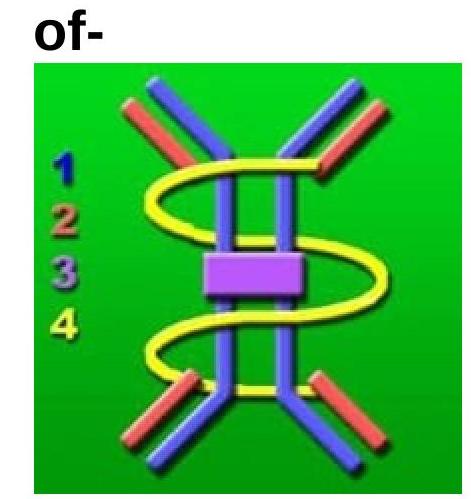
The image of an immunoglobulin is shown below. Which type of immunoglobulin is it?
Which interleukin is primarily responsible for inducing IgE production from B cells?
Which protein is produced by B lymphocytes and not synthesized in the liver?
What is one of the primary functions of Interleukin-1 (IL-1)?
To which part of an antigen do monoclonal antibodies specifically bind?
Explanation: ***Glycoproteins*** - Complement components are primarily **proteins** that have **carbohydrate chains** attached to them. - This glycosylation is crucial for their structure, stability, and proper function within the immune cascade. - **All complement proteins are glycoproteins**, making this the most comprehensive and accurate classification. *Lipoproteins* - **Lipoproteins** are complexes of proteins and lipids, primarily involved in transporting fats in the blood. - While some immune cells might interact with lipoproteins, complement proteins themselves are not classified as such. *Nucleoproteins* - **Nucleoproteins** are proteins associated with nucleic acids (DNA or RNA), such as histones or ribosomal proteins. - Complement components are not directly involved in binding or interactions with nucleic acids as their primary function. *Metalloproteins* - **Metalloproteins** are proteins that contain a metal ion co-factor, essential for their biological activity. - While some complement components (like C3 convertases) do require metal ions such as **Mg²⁺** or **Ca²⁺** for catalytic activity, this is not a defining characteristic of all complement proteins. - Since not all complement proteins are metalloproteins, but all are glycoproteins, **glycoproteins** is the better answer.
Explanation: ***Proteins*** - The complement system is a complex network of over 30 **proteins** that play a crucial role in innate immunity. - These proteins are synthesized mainly by the **liver** and circulate in the blood in an inactive form until activated by pathogens or immune complexes. - Major components include **C1-C9**, factors **B, D, H, I**, and properdin. *Lipids* - Lipids are primarily involved in cell membrane structure, energy storage, and signaling, not as direct components of the complement system. - While they can be targets or modulators of complement activity, they are not the components themselves. *Lipoproteins* - Lipoproteins are complexes of lipids and proteins involved in transporting fats in the blood. - They are not the molecular components of the complement cascade. *Polysaccharide* - Polysaccharides are complex carbohydrates, often found on the surface of bacteria and fungi. - They are **recognized by** the complement system for activation (e.g., LPS on gram-negative bacteria activates the alternative pathway), but they are not the complement components themselves.
Explanation: ***T cell dependent*** - Activation of naive B lymphocytes by **protein antigens** requires help from **helper T cells (CD4+ T cells)**. - B cells act as **antigen-presenting cells (APCs)**, processing and presenting protein antigens via MHC class II to T cells. - This interaction leads to **T cell help** through cytokines and CD40-CD40L signaling, resulting in **class switching, somatic hypermutation, and memory B cell formation**. *T Cell independent* - **T-cell-independent activation** of B lymphocytes typically occurs in response to **non-protein antigens**, such as polysaccharides, lipopolysaccharides (LPS), or lipids. - These antigens have **repetitive epitopes** that can cross-link multiple B cell receptors simultaneously. - This activation does not require T cell help and often leads to a **weaker, shorter-lived immune response** with limited class switching and no memory B cells. *NK cell dependent* - **NK cells** (Natural Killer cells) are part of the innate immune system and primarily involved in **killing infected or cancerous cells**. - They do not directly participate in the activation of naive B lymphocytes in response to protein antigens. - NK cells function independently of antigen-specific recognition. *NK cell independent* - This term is **not relevant** to the classification of B cell activation mechanisms. - The key distinction in B cell activation is whether it is **T cell dependent or T cell independent**, not whether it involves NK cells. - NK cells are not part of the adaptive immune response pathway for B cell activation by protein antigens.
Explanation: ***Fibroblast cells*** - **Fibroblast cells** are considered **non-professional antigen-presenting cells** as they do not constitutively express **MHC class II molecules** or **co-stimulatory molecules (B7, CD80/CD86)**. - Under **chronic inflammatory conditions**, fibroblasts can be induced to express MHC class II and present antigens, but they lack the specialized machinery for efficient **T-cell activation** that professional APCs possess. - They represent a classic example of non-professional APCs alongside endothelial cells, keratinocytes, and other tissue cells. *Endothelial cells* - **Endothelial cells** can express **MHC class II molecules** and co-stimulatory molecules during **inflammation or infection**. - They function as **non-professional APCs** (or semi-professional APCs) and can activate T cells in specific contexts, particularly in vascular immunity. - Also considered a valid example of non-professional APCs. *Epidermal cells* - **Epidermal cells** (specifically **keratinocytes**) can express **MHC class II molecules** under inflammatory conditions and present antigens to T cells. - They act as **non-professional APCs** in the context of skin immunity. - Like fibroblasts and endothelial cells, they can present antigens but are less efficient than professional APCs (dendritic cells, macrophages, B cells). *Red blood cells* - **Red blood cells** are **anucleate cells** that completely **lack MHC molecules** (both class I and class II). - RBCs **cannot present antigens** and are not classified as antigen-presenting cells of any type. - They are structurally incapable of antigen presentation due to absence of nuclei and cellular machinery.
Explanation: ***Mitochondrial DNA is seen*** - NETs (Neutrophil Extracellular Traps) are made primarily of **nuclear chromatin**, not mitochondrial DNA [2]. - The main purpose of NETs is to trap and kill pathogens, focusing on **nuclear genetic material** rather than mitochondrial components. *It is detected in blood during sepsis* - NETs can indeed be found in the **circulation during sepsis**, serving as a defense mechanism against infections. - Their presence in blood indicates an **active immune response**, particularly in severe systemic infections. *It is produced in response to bacterial infection* - NET formation is a known response to **bacterial infections**, as neutrophils deploy them to capture and neutralize pathogens. - This process helps in controlling infections, showcasing the importance of NETs in **innate immunity**. *It is chromatin with antibacterial enzymes* - NETs consist primarily of **decondensed chromatin**, embedded with **antimicrobial proteins** and enzymes to combat pathogens [1][2]. - This characteristic underscores their role in targeting and eliminating invading microorganisms effectively. **References:** [1] Kumar V, Abbas AK, et al.. Robbins and Cotran Pathologic Basis of Disease. 9th ed. Inflammation and Repair, pp. 91-92. [2] Kumar V, Abbas AK, et al.. Robbins and Cotran Pathologic Basis of Disease. 9th ed. Inflammation and Repair, pp. 92-93.
Explanation: ***Immunoglobulin A (IgA)*** - The image depicts two Y-shaped immunoglobulin monomers linked by a central purple component, which represents the **J-chain**, and enveloped by a yellow structure, which represents the **secretory component**. This **dimeric** structure with a secretory component is characteristic of secretory IgA. - **Secretory IgA** is primarily found in mucosal secretions such as saliva, tears, breast milk, and gastrointestinal fluids, where it plays a crucial role in **mucosal immunity** by preventing pathogen adhesion. *Immunoglobulin G (IgG)* - IgG exists as a **monomer** (single Y-shaped unit) in its functional form. - It is the most abundant immunoglobulin in serum and plays a major role in **secondary immune responses** and can cross the placenta. *Immunoglobulin M (IgM)* - In serum, IgM typically exists as a **pentamer**, meaning five Y-shaped units are joined together by a J-chain, forming a star-like structure. - It is the first antibody produced in a **primary immune response** and is effective in complement activation. *Immunoglobulin E (IgE)* - IgE exists as a **monomer** and is primarily associated with **allergic reactions** and defense against parasites. - It binds to receptors on mast cells and basophils, triggering immune responses upon allergen exposure.
Explanation: ***IL-4*** - **IL-4** is the primary cytokine responsible for promoting B cell differentiation into **plasma cells** that produce **IgE antibodies**. - It plays a crucial role in the development of **allergic reactions** by stimulating IgE class switching. *IL-1* - **IL-1** is a pro-inflammatory cytokine primarily involved in the **innate immune response**, fever, and acute phase reactions. - It does not directly induce IgE production but can modulate immune responses in a broader context. *IL-3* - **IL-3** is a cytokine that primarily supports the growth and differentiation of **hematopoietic stem cells** in the bone marrow. - It is crucial for the development of various blood cell lineages but is not directly involved in IgE class switching. *IL-1 and IL-3* - While both **IL-1** and **IL-3** have important roles in immunity and hematopoiesis, neither directly induces **IgE production** from B cells. - **IL-4** is the specific and most significant interleukin for this function.
Explanation: ***Immunoglobulins*** - **B lymphocytes** differentiate into **plasma cells**, which are the primary producers of **immunoglobulins (antibodies)**. - The liver is not involved in the synthesis of immunoglobulins; their production is a key function of the **immune system**. *Acute phase proteins* - **Acute phase proteins** are primarily synthesized in the **liver** in response to inflammation. - While they are part of the immune response, they are not produced by **B lymphocytes**. *Serum albumin* - **Serum albumin** is the most abundant protein in plasma and is exclusively synthesized by the **liver**. - It plays a crucial role in maintaining **oncotic pressure** and transporting various substances, but is not produced by B lymphocytes. *Hormones in plasma* - **Hormones in plasma** are diverse chemical messengers produced by various **endocrine glands** throughout the body. - While the liver can metabolize some hormones, it is not their primary site of synthesis, nor are B lymphocytes.
Explanation: ***Acts as an endogenous pyrogen*** - **Interleukin-1 (IL-1)** is a key **pro-inflammatory cytokine** that plays a central role in the body's response to infection and injury. - One of its primary functions is to act as an **endogenous pyrogen**, meaning it can induce **fever** by promoting prostaglandin synthesis in the hypothalamus, thereby raising the body's set point temperature. *Inhibits T cell proliferation* - IL-1 generally **enhances T cell activation and proliferation**, particularly in conjunction with other signals, rather than inhibiting it. - **Immunosuppressive cytokines** like **TGF-β** or **IL-10** are known to inhibit T cell proliferation. *Suppresses antibody production* - IL-1 is generally involved in **promoting B cell activation** and **antibody production**, either directly or indirectly through its effects on T helper cells. - Cytokines like **IL-10** can sometimes suppress certain aspects of antibody production but IL-1 is not known for this role. *Reduces inflammatory cell recruitment* - IL-1 is a potent **pro-inflammatory cytokine** that actively **promotes the recruitment** of immune cells, such as neutrophils and monocytes, to sites of inflammation. - It does this by inducing the expression of **adhesion molecules** and **chemokines** on endothelial cells.
Explanation: ***Specific epitope on the antigen*** - Monoclonal antibodies are designed to recognize and bind to a **unique, specific region** on an antigen, known as an **epitope**. - This high specificity is crucial for their clinical applications, such as targeted therapies and diagnostic tests. *Both the epitope and the paratope* - The **epitope** is the part of the antigen, while the **paratope** is the part of the antibody that binds to the epitope. - An antibody binds to an epitope, not to both itself and its own binding site. *None of the options* - This option is incorrect because there is a correct answer among the choices provided, which accurately describes the binding site of monoclonal antibodies. *Part of the antibody that binds to the epitope* - This describes the **paratope**, which is the antigen-binding site on the antibody, not the part of the antigen to which the antibody binds. - The question specifically asks about the part of the antigen.
Cells and Organs of Immune System
Practice Questions
Innate Immunity
Practice Questions
Adaptive Immunity
Practice Questions
Antigens and Antibodies
Practice Questions
Major Histocompatibility Complex
Practice Questions
Complement System
Practice Questions
Cytokines and Chemokines
Practice Questions
Hypersensitivity Reactions
Practice Questions
Autoimmunity and Autoimmune Diseases
Practice Questions
Immunodeficiency Disorders
Practice Questions
Transplantation Immunology
Practice Questions
Tumor Immunology
Practice Questions
Get full access to all questions, explanations, and performance tracking.
Start For Free