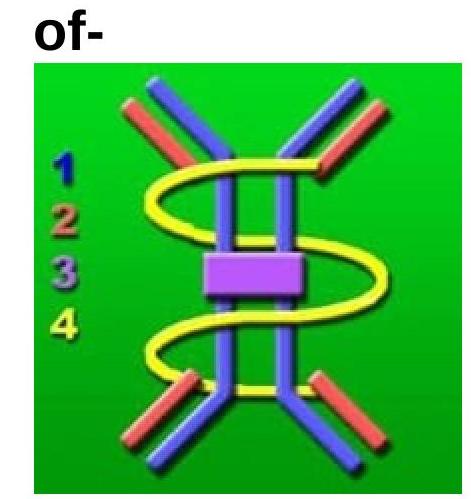
Which type of antigen is found in the lens?
Microcytotoxicity testing is used for which of the following purposes?
T cells recognize which antigen during graft rejection?
Which of the following statements is true about interferon?
A 27-year-old female presents with fever (103°F), severe fatigue, weight loss, and joint pain. She reports recently stopping aspirin and corticosteroids. Physical examination reveals a malar rash, photosensitivity, and a heart murmur. She has a history of progressive arthritis and glomerulonephritis. Laboratory tests show anemia, leukopenia, and thrombocytopenia. What is the most definitive diagnostic finding for this patient's condition?
Which cytokine enhances the activity of NK cells?
Deficiency of complement proteins C5 to C8 leads to increased infection by which of the following?
Which of the following is true about IgG antibody?
Which subtype of IgG activates the alternate complement system?
Which cell surface markers are expressed by both TH1 cells and macrophages?
Explanation: **Explanation:** The correct answer is **Sequestered antigens**. **1. Why Sequestered Antigens is correct:** Sequestered antigens are "hidden" antigens located in anatomically isolated sites (immunologically privileged sites) that do not come into contact with the immune system during embryonic development. Because the developing immune system never "sees" them, it fails to develop self-tolerance towards them. The **lens of the eye**, sperm (testis), and myelin basic protein (CNS) are classic examples. If these antigens are released into circulation due to trauma or infection, the immune system perceives them as foreign, leading to an autoimmune response (e.g., **Endophthalmitis phacoanaphylactica** after lens injury). **2. Why the other options are incorrect:** * **Cross antigens:** These are antigens found in different species that share similar epitopes. An immune response against one can damage the other (e.g., Molecular mimicry in Rheumatic fever where Streptococcal M-protein crosses with cardiac myosin). * **Heterophile antigens:** A type of cross-reactive antigen found in unrelated species (phylogenetically distant). Example: Forssman antigen or the antigens used in the Weil-Felix test. * **Isoantigens (Alloantigens):** These are antigens present in some but not all members of the same species. Examples include ABO blood group antigens and HLA antigens, which are crucial in blood transfusions and organ transplants. **Clinical Pearls for NEET-PG:** * **Sympathetic Ophthalmia:** A high-yield clinical scenario where trauma to one eye releases sequestered uveal antigens, leading to an autoimmune attack on the contralateral (uninjured) eye. * **Immunological Privilege:** Maintained by physical barriers (like the blood-brain barrier) and local immunosuppressive microenvironments. * **Other Sequestered Sites:** Testis (Sperm), Brain (MBP), and Thyroglobulin (though less strictly sequestered than the lens).
Explanation: **Explanation:** **Microcytotoxicity testing** (also known as the **Complement-Dependent Cytotoxicity or CDC assay**) is the gold standard method for **HLA (Human Leukocyte Antigen) typing** and cross-matching before organ transplantation. 1. **Why the correct answer is right:** The test involves adding specific anti-HLA antibodies to a patient’s lymphocytes in a microtiter plate. If the antibodies recognize the HLA antigens on the cell surface, they bind and activate the **complement system**, leading to cell membrane damage (lysis). A vital dye (like trypan blue or eosin) is then added; damaged cells take up the dye, while viable cells remain clear. This allows for precise **Tissue Typing** to ensure donor-recipient compatibility. 2. **Why the incorrect options are wrong:** * **Drug allergy assessment:** This is typically done via skin prick tests, patch tests, or measuring IgE levels (RAST), not by lymphocyte lysis. * **Infection susceptibility:** This depends on innate and adaptive immunity markers (like CD4 counts or immunoglobulin levels), not HLA-specific cytotoxicity. * **Substance toxicity:** General toxicity is assessed via *in vitro* cell viability assays or animal models, which do not rely on antigen-antibody-complement interactions. **High-Yield Clinical Pearls for NEET-PG:** * **Terasaki Plates:** The specialized microtiter plates used for this test. * **Cross-matching:** A "Positive Cross-match" (cell death) is a contraindication for transplantation as it predicts hyperacute rejection. * **HLA Class I** (A, B, C) is tested using T-lymphocytes, while **HLA Class II** (DR, DQ) is tested using B-lymphocytes.
Explanation: **Explanation:** Graft rejection is primarily a **cell-mediated immune response** driven by the recognition of non-self **Major Histocompatibility Complex (MHC)** molecules, also known as Human Leukocyte Antigens (HLA) in humans. **Why the correct answer is C:** Graft rejection involves the activation of two main subsets of T cells: 1. **CD8+ Cytotoxic T cells:** These recognize **MHC Class I** molecules (HLA-A, B, C) present on all nucleated cells of the graft. Once activated, they cause direct lysis of the graft tissue. 2. **CD4+ Helper T cells:** These recognize **MHC Class II** molecules (HLA-DR, DQ, DP) present on professional antigen-presenting cells (APCs) within the graft (Direct pathway) or host APCs that have processed graft antigens (Indirect pathway). CD4+ cells are crucial for secreting cytokines that recruit macrophages and provide "help" to B cells and CD8+ cells. Since both CD4+ and CD8+ pathways are essential for the full spectrum of rejection, T cells must recognize both MHC I and MHC II. **Why other options are incorrect:** * **Option A & B:** These are incomplete. While CD4+ cells recognize MHC II and CD8+ cells recognize MHC I, the process of rejection is a coordinated effort involving both cell types. Selecting only one ignores the fundamental synergy required for an immune response against a vascularized organ. **High-Yield Clinical Pearls for NEET-PG:** * **Direct Pathway:** Recipient T cells recognize intact donor MHC on donor APCs (important in acute rejection). * **Indirect Pathway:** Recipient APCs process donor MHC and present it to recipient T cells (important in chronic rejection). * **Hyperacute Rejection:** Occurs within minutes; mediated by **preformed antibodies**, not T cells. * **MHC Restriction:** Remember the "Rule of 8": CD4 × MHC II = 8; CD8 × MHC I = 8.
Explanation: ### Explanation **Interferons (IFNs)** are a group of signaling proteins (cytokines) produced and released by host cells in response to the presence of several viruses. **1. Why Option A is Correct:** Interferons are **host-encoded glycoproteins**. They are produced by the host's own cells (such as leukocytes, fibroblasts, or T-cells) when triggered by stimuli like viral infections, double-stranded RNA, or antigens. They function as part of the innate immune response to inhibit viral replication in neighboring uninfected cells. **2. Why the Other Options are Incorrect:** * **Option B:** Interferons are produced by the **host genome**, not the viral genome. While viruses trigger their production, the protein itself is human (or animal) in origin. * **Option C:** Interferons are **proteins**, not nucleic acids. Therefore, they are inactivated by **proteases** (like trypsin), but remain stable when treated with nucleases (RNase or DNase). * **Option D:** Interferons are **species-specific but NOT virus-specific**. This means human interferon will work against a wide variety of different viruses (Influenza, Hepatitis, etc.), but human interferon will generally not function effectively in a different species (e.g., a mouse). **High-Yield Clinical Pearls for NEET-PG:** * **Type I IFNs (IFN-α, IFN-β):** Primarily have potent **anti-viral** and anti-tumor activities. IFN-α is produced by leukocytes; IFN-β by fibroblasts. * **Type II IFN (IFN-γ):** Produced by Th1 cells and NK cells. Its primary role is **immunomodulation** (activating macrophages and increasing MHC expression). * **Mechanism:** IFNs do not kill viruses directly. They induce an "antiviral state" in neighboring cells by stimulating the production of enzymes like **2',5'-oligoadenylate synthetase** and **protein kinase R (PKR)**, which inhibit viral protein synthesis. * **Therapeutic Use:** IFN-α is used in the treatment of Hepatitis B, Hepatitis C, Kaposi Sarcoma, and Hairy Cell Leukemia.
Explanation: ### Explanation **Diagnosis: Systemic Lupus Erythematosus (SLE)** The patient presents with a classic multisystem involvement of SLE, characterized by the **"DOPAMINE RASH"** mnemonic (Discoid rash, Oral ulcers, Photosensitivity, Arthritis, Malar rash, Immune markers, Neurologic, ESR/Hematologic, Renal, ANA, Serositis). The presence of a malar rash, glomerulonephritis, and cytopenias (anemia, leukopenia, thrombocytopenia) strongly points to SLE. **Why Anti-dsDNA is the Correct Answer:** While **Antinuclear Antibody (ANA)** is the most sensitive screening test for SLE, **Anti-dsDNA antibodies** are highly specific (approx. 95-100%) and are considered a definitive diagnostic marker. Crucially for NEET-PG, Anti-dsDNA levels correlate with **disease activity**, particularly the development of **lupus nephritis**. **Analysis of Incorrect Options:** * **A. Anticentromere antibodies:** Highly specific for **Limited Cutaneous Systemic Sclerosis (CREST syndrome)**. * **C. Antimitochondrial antibodies (AMA):** The hallmark diagnostic marker for **Primary Biliary Cholangitis (PBC)**. * **D. Antineutrophil antibodies (ANCA):** Associated with small-vessel vasculitides (e.g., c-ANCA for Granulomatosis with Polyangiitis; p-ANCA for Microscopic Polyangiitis). **High-Yield Clinical Pearls for NEET-PG:** * **Most Sensitive Test for SLE:** ANA (Indirect Immunofluorescence is the gold standard). * **Most Specific Test for SLE:** Anti-Smith (Anti-Sm) antibodies (though they do not correlate with disease activity). * **Drug-Induced Lupus:** Associated with **Anti-Histone antibodies** (Common drugs: Hydralazine, Procainamide, Isoniazid). * **Neonatal Lupus/Congenital Heart Block:** Associated with **Anti-Ro (SS-A)** and **Anti-La (SS-B)** antibodies. * **Complement Levels:** In active SLE (especially renal involvement), **C3 and C4 levels are decreased** due to consumption.
Explanation: ### Explanation **Correct Answer: C. Interleukin-2 (IL-2)** Natural Killer (NK) cells are large granular lymphocytes that play a critical role in the innate immune response against virally infected and tumor cells. Their activity is primarily regulated by cytokines. **Interleukin-2 (IL-2)**, produced by Th1 cells, acts as a potent stimulator of NK cell proliferation and activation. When exposed to high concentrations of IL-2, NK cells differentiate into **Lymphokine-Activated Killer (LAK) cells**, which exhibit enhanced cytolytic activity against a broader range of tumor targets. Other key cytokines that enhance NK cell activity include **IL-12, IL-15, and Type I Interferons (IFN-α and IFN-β).** **Why the other options are incorrect:** * **IL-1:** Primarily a pro-inflammatory cytokine produced by macrophages; it mediates the acute phase response and induces fever but does not directly activate NK cells. * **TNF:** A major mediator of systemic inflammation and apoptosis; while it can be secreted *by* activated NK cells, it is not the primary driver of their activation. * **TGF-β:** This is a potent **immunosuppressive** cytokine. It inhibits the proliferation and effector functions of NK cells and T cells, acting as a "brake" on the immune system. **High-Yield Clinical Pearls for NEET-PG:** * **LAK Cells:** IL-2-stimulated NK cells used in experimental immunotherapy for renal cell carcinoma and melanoma. * **NK Cell Markers:** CD16 (FcγRIII) and CD56 are the characteristic surface markers. * **Mechanism of Killing:** NK cells use **Perforins** (create pores) and **Granzymes** (induce apoptosis). * **MHC-I Rule:** NK cells kill cells that lack **MHC Class I** expression ("Missing Self" hypothesis).
Explanation: **Explanation:** The complement system is a vital component of innate immunity. Complement proteins **C5, C6, C7, C8, and C9** assemble to form the **Membrane Attack Complex (MAC)**. The primary function of the MAC is to create pores in the lipid bilayer of bacterial cell walls, leading to osmotic lysis and death of the pathogen. **Why Neisseria is the correct answer:** *Neisseria* species (*N. meningitidis* and *N. gonorrhoeae*) are Gram-negative bacteria with thin cell walls, making them uniquely susceptible to direct lysis by the MAC. While other bacteria can be cleared via opsonization (C3b), *Neisseria* relies heavily on the terminal complement pathway for elimination. Patients with deficiencies in C5–C9 have a **7,000 to 10,000-fold increased risk** of systemic Neisserial infections, particularly recurrent meningococcal meningitis. **Why other options are incorrect:** * **A & D (Streptococcus and Staphylococcus):** These are Gram-positive organisms with thick peptidoglycan layers that protect them from MAC-mediated lysis. They are primarily cleared through **opsonization** (C3b) and subsequent phagocytosis. Deficiencies in early complement components (C1, C2, C4) or C3 would predispose patients to these infections. * **C (Pseudomonas):** While Gram-negative, *Pseudomonas* is typically cleared through robust neutrophilic action and opsonization rather than a specific reliance on the terminal MAC assembly. **NEET-PG High-Yield Pearls:** * **C1, C2, C4 deficiency:** Associated with Immune Complex diseases like **Systemic Lupus Erythematosus (SLE)**. * **C3 deficiency:** The most severe; leads to recurrent infections with **encapsulated bacteria** (e.g., *S. pneumoniae, H. influenzae*). * **C1 Esterase Inhibitor deficiency:** Causes **Hereditary Angioedema** (characterized by low C4 levels). * **DAF (CD55) / MIRL (CD59) deficiency:** Leads to **Paroxysmal Nocturnal Hemoglobinuria (PNH)**.
Explanation: ### Explanation **Correct Answer: D. Produced in secondary immune response** **Underlying Concept:** Immunoglobulin G (IgG) is the most abundant class of antibody in the serum (approx. 80%). While IgM is the first antibody produced during the **primary immune response** (initial exposure to an antigen), IgG is the predominant antibody produced during the **secondary immune response** (re-exposure). This is due to the activation of memory B cells, leading to a faster, higher-titer, and more prolonged antibody production known as the anamnestic response. **Analysis of Incorrect Options:** * **A. Produced in primary immune response:** This describes **IgM**, which is the first isotype to appear after exposure to a new pathogen. * **B. Cannot cross placenta:** This is incorrect. IgG is the **only** immunoglobulin class that can cross the placenta (via neonatal Fc receptors), providing passive immunity to the fetus. * **C. Provides local protection:** This is the primary function of **Secretory IgA**, which is found in mucosal secretions like saliva, tears, and colostrum. **High-Yield Clinical Pearls for NEET-PG:** * **Abundance:** IgG has the longest half-life (~23 days), making it the most stable antibody for long-term immunity. * **Subclasses:** There are four subclasses (IgG1-IgG4). IgG1 and IgG3 are the most effective at opsonization and fixing complement. * **Complement Activation:** IgG activates the classical complement pathway (though IgM is more potent at this). * **Diagnostic Significance:** Presence of specific IgG indicates past infection or chronic stage, whereas IgM indicates acute infection.
Explanation: ### Explanation The correct answer is **IgG4**. **1. Why IgG4 is Correct:** In the complement system, the **Classical Pathway** is typically activated by antigen-antibody complexes involving **IgG1, IgG2, IgG3, and IgM**. However, **IgG4** is unique among the IgG subclasses because it cannot activate the classical pathway (due to its inability to bind C1q). Instead, IgG4 is the only IgG subtype capable of activating the **Alternative Complement Pathway**, albeit weakly. This is a high-yield distinction for competitive exams. **2. Why Other Options are Incorrect:** * **IgG1 & IgG3:** These are the most potent activators of the **Classical Pathway**. IgG3 is the most effective, followed closely by IgG1. * **IgG2:** This subtype is a weak activator of the Classical Pathway, primarily responding to polysaccharide antigens (e.g., encapsulated bacteria like *S. pneumoniae*). **3. Clinical Pearls & High-Yield Facts for NEET-PG:** * **Potency Order (Classical Pathway):** IgM > IgG3 > IgG1 > IgG2. (Mnemonic: **M**any **3** **1** **2**). * **Placental Transfer:** All IgG subclasses cross the placenta, but **IgG2** crosses the least efficiently. * **IgG4 Characteristics:** It is known for "Fab-arm exchange," making it functionally monovalent and often anti-inflammatory. It is also associated with **IgG4-related diseases (IgG4-RD)**, characterized by tissue fibrosis and tumefactive lesions. * **Alternative Pathway Activators:** Apart from IgG4, this pathway is triggered by IgA, Endotoxins (LPS), Cobra Venom Factor, and Nephritic Factor.
Explanation: **Explanation:** The correct answer is **MHC Class I**. **1. Why MHC Class I is correct:** Major Histocompatibility Complex (MHC) Class I molecules are expressed on **all nucleated cells** in the human body. Since both TH1 cells (a subset of T-lymphocytes) and macrophages are nucleated cells, they both express MHC Class I. These molecules are essential for presenting endogenous antigens to CD8+ Cytotoxic T-cells, allowing the immune system to monitor cellular health. **2. Why the other options are incorrect:** * **Immunoglobulin (Option A):** These are B-cell receptors (BCR) or antibodies. They are specifically expressed on the surface of **B-lymphocytes** and secreted by plasma cells. * **CD3 (Option B):** This is a definitive marker for **T-lymphocytes**. While present on TH1 cells, it is absent on macrophages. * **TCR (T-Cell Receptor) (Option C):** Similar to CD3, the TCR is unique to **T-lymphocytes**. It is used for antigen recognition in association with MHC molecules but is not found on macrophages. **High-Yield Clinical Pearls for NEET-PG:** * **MHC Distribution:** MHC I is on all nucleated cells; MHC II is only on **Professional Antigen Presenting Cells (APCs)** like Macrophages, B-cells, and Dendritic cells. * **Rule of 8:** MHC I interacts with CD8 cells (1 × 8 = 8); MHC II interacts with CD4 cells (2 × 4 = 8). * **TH1 vs. Macrophage Interaction:** TH1 cells secrete **IFN-γ**, which is the most potent activator of macrophages, enhancing their microbicidal activity. * **Non-nucleated exception:** Mature Red Blood Cells (RBCs) lack MHC Class I, which is why they cannot be infected by viruses that require MHC for entry or presentation.
Cells and Organs of Immune System
Practice Questions
Innate Immunity
Practice Questions
Adaptive Immunity
Practice Questions
Antigens and Antibodies
Practice Questions
Major Histocompatibility Complex
Practice Questions
Complement System
Practice Questions
Cytokines and Chemokines
Practice Questions
Hypersensitivity Reactions
Practice Questions
Autoimmunity and Autoimmune Diseases
Practice Questions
Immunodeficiency Disorders
Practice Questions
Transplantation Immunology
Practice Questions
Tumor Immunology
Practice Questions
Get full access to all questions, explanations, and performance tracking.
Start For Free