What is the CD4 count in a normal healthy adult?
What type of hypersensitivity reaction is seen in myasthenia gravis?
Which of the following represents a Type 4 hypersensitivity reaction?
What is true about Hybridoma?
Which type of cell primarily secretes IL-2?
Which immunoglobulin crosses the placenta maximally?
Which antibodies are associated with autoimmune hepatitis type IIa?
Which of the following activates the alternative complement pathway?
Which region of the antibody is responsible for effector functions?
What is the primary function of MHC Class I, Class II, and Class III molecules?
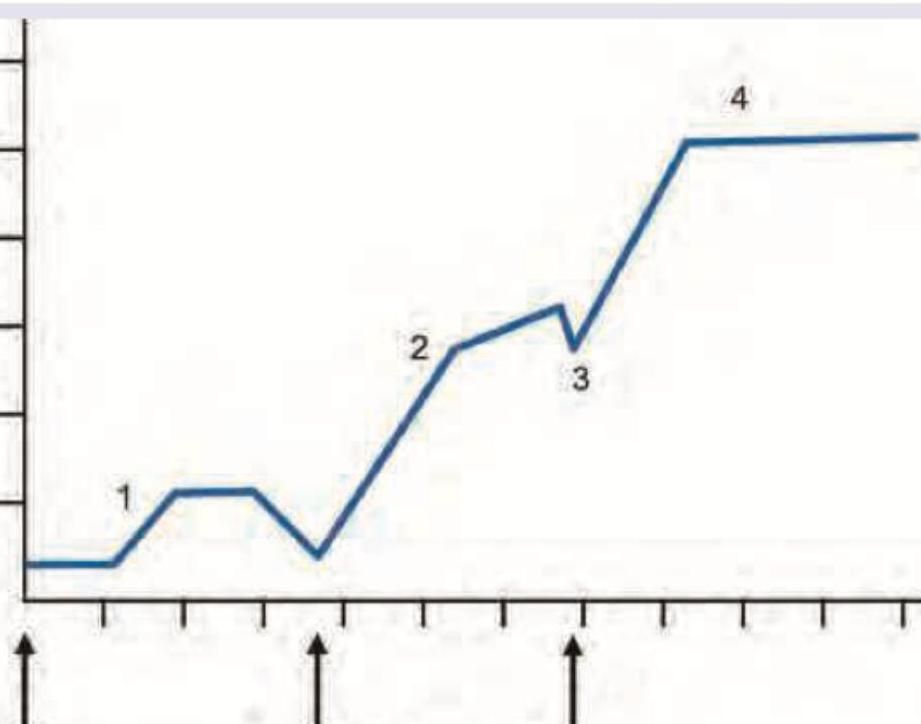
Explanation: **Explanation:** The CD4+ T-lymphocyte count is a primary indicator of immune system health. In a normal, healthy adult, the standard reference range for CD4 cells is typically between **500 and 1,500 cells/mm³**. Option C (1000 cells/mm³) is the correct answer as it represents the median value within this physiological range. **Analysis of Options:** * **Option A (500 cells/mm³):** While this is the lower limit of the normal range, it is often used as the threshold where mild immune impairment begins. In clinical practice, counts below 500 are seen in early stages of HIV progression. * **Option B (200 cells/mm³):** This is a critical clinical threshold. A CD4 count **<200 cells/mm³** defines the transition from HIV infection to **AIDS** and indicates a high risk for opportunistic infections like *Pneumocystis jirovecii*. * **Option D (300 cells/mm³):** This value indicates significant lymphopenia and immune suppression but does not represent a healthy adult baseline. **High-Yield Clinical Pearls for NEET-PG:** * **CD4:CD8 Ratio:** In healthy individuals, the normal ratio is approximately **2:1**. In AIDS patients, this ratio is characteristically **inverted** (<1:1). * **Prophylaxis Thresholds:** * **<200 cells/mm³:** Start prophylaxis for *Pneumocystis jirovecii* (Cotrimoxazole). * **<100 cells/mm³:** Start prophylaxis for *Toxoplasma gondii* and *Cryptococcus*. * **<50 cells/mm³:** Start prophylaxis for *Mycobacterium avium complex* (MAC). * **Gold Standard:** Flow cytometry is the standard method used to estimate CD4 counts.
Explanation: **Explanation:** **Myasthenia Gravis (MG)** is a classic example of a **Type 2 Hypersensitivity reaction**, which is characterized by antibody-mediated cytotoxicity. In MG, the body produces autoantibodies (IgG) specifically directed against the **post-synaptic nicotinic acetylcholine receptors (AChR)** at the neuromuscular junction. These antibodies do not cause cell lysis; instead, they block the receptors and trigger their internalization and degradation. This leads to impaired neuromuscular transmission, resulting in the hallmark symptom of fluctuating muscle weakness. **Why other options are incorrect:** * **Type 1 (Immediate):** Mediated by IgE and mast cell degranulation (e.g., Anaphylaxis, Asthma). * **Type 3 (Immune-complex):** Involves deposition of antigen-antibody complexes in tissues (e.g., SLE, Post-streptococcal glomerulonephritis). * **Type 4 (Delayed):** Cell-mediated immunity involving T-lymphocytes, not antibodies (e.g., Mantoux test, Contact dermatitis). **High-Yield Clinical Pearls for NEET-PG:** * **Mechanism:** Type 2 reactions can be cytotoxic (e.g., Autoimmune Hemolytic Anemia) or **non-cytotoxic/cell-stimulating/blocking** (e.g., MG and Graves' disease). * **Antibody Profile:** 85% of MG patients are positive for **anti-AChR antibodies**. If negative, check for **anti-MuSK** (Muscle-Specific Kinase) antibodies. * **Associated Pathology:** MG is frequently associated with **Thymic hyperplasia (65%)** or **Thymoma (15%)**. * **Diagnosis:** The **Edrophonium (Tensilon) test** is a classic bedside test (though largely replaced by serology and EMG). * **Treatment:** Acetylcholinesterase inhibitors (Pyridostigmine) are the first-line symptomatic treatment.
Explanation: ### Explanation **Correct Answer: D. Contact dermatitis** **Mechanism of Type 4 Hypersensitivity:** Type 4 hypersensitivity is a **delayed-type hypersensitivity (DTH)** mediated by **T-lymphocytes** (CD4+ Th1 cells or CD8+ cytotoxic T cells) rather than antibodies. In **Contact Dermatitis** (e.g., reaction to nickel, poison ivy, or cosmetics), small molecules called haptens penetrate the skin and bind to self-proteins. These are processed by Langerhans cells and presented to T cells. Upon re-exposure, memory T cells release cytokines (IFN-γ, IL-2), leading to macrophage activation and keratinocyte damage. The reaction typically peaks **48–72 hours** after exposure. **Analysis of Incorrect Options:** * **A. Glomerulonephritis & B. Serum sickness:** These are classic examples of **Type 3 (Immune-complex mediated)** hypersensitivity. They involve the deposition of antigen-antibody complexes in tissues, which activates the complement system and leads to neutrophil-mediated inflammation. * **C. Myasthenia gravis:** This is a **Type 2 (Antibody-mediated)** hypersensitivity. Specific IgG antibodies bind to acetylcholine receptors at the neuromuscular junction, leading to receptor degradation or blockade. **High-Yield Clinical Pearls for NEET-PG:** * **Mnemonic for Hypersensitivity (Gell & Coombs):** **ACID** (Type 1: **A**naphylactic/Atopic; Type 2: **C**ytotoxic; Type 3: **I**mmune-complex; Type 4: **D**elayed). * **Other Type 4 Examples:** Mantoux (Tuberculin) test, Lepromin test, Graft rejection (cellular), and Granuloma formation (e.g., Sarcoidosis, TB). * **Key Cells:** Type 4 is the only hypersensitivity that **cannot** be transferred by serum (antibodies); it requires sensitized T-cells.
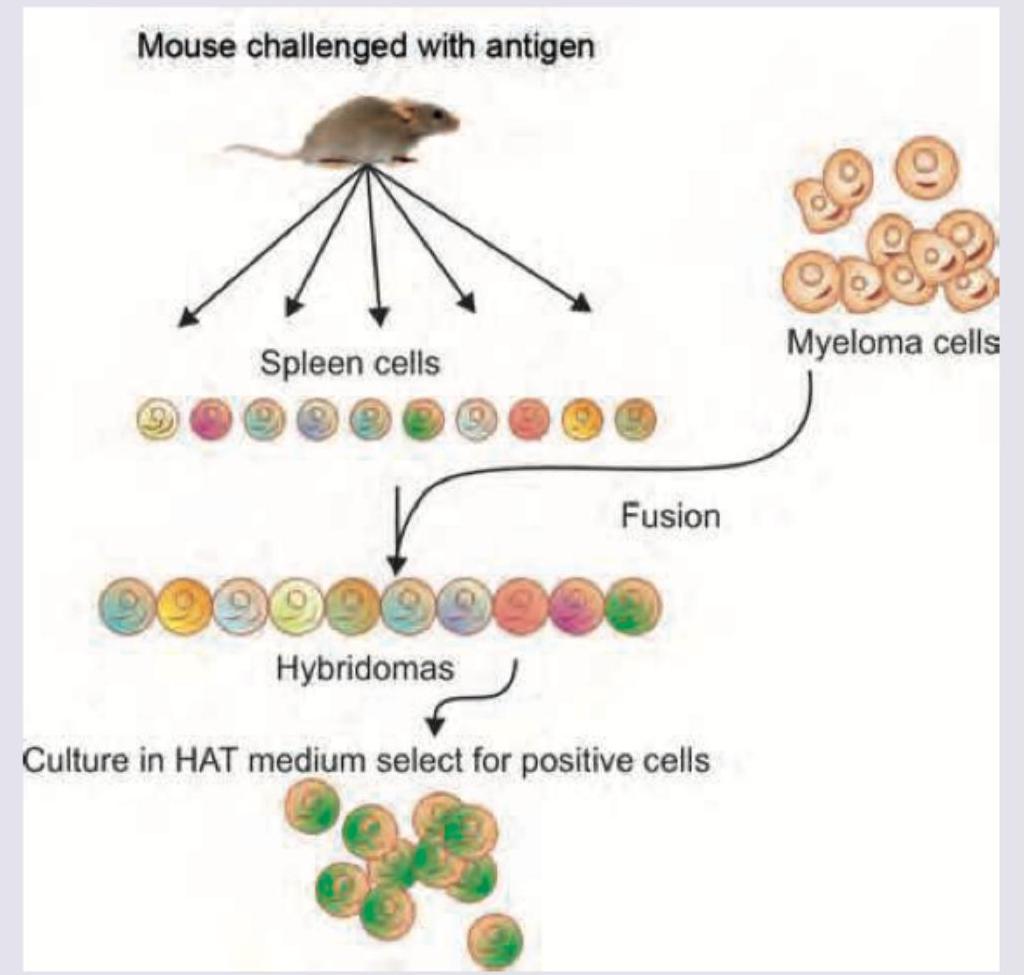
Explanation: ### Explanation **Hybridoma technology** is the cornerstone for producing monoclonal antibodies (mAbs). It involves the fusion of two distinct cell types to create a "hybrid" cell that possesses the desired characteristics of both parents. **1. Why Option A is Correct:** The primary goal of hybridoma technology is to combine the **antibody-producing ability** of a B-lymphocyte with the **immortality** (infinite proliferative capacity) of a cancerous myeloma cell. While myeloma cells are already "immortal" in a biological sense, the formation of a hybridoma ensures that the specific genetic machinery for producing a single type of antibody is preserved in a cell line that can be cultured indefinitely. Thus, the process effectively "immortalizes" the functional output of the B-cell within the myeloma framework. **2. Analysis of Other Options:** * **Option B:** While hybridomas are indeed produced by fusing B-cells and myeloma cells, this option is considered a *description* of the process rather than the *defining functional outcome* (immortalization) often emphasized in competitive exams. (Note: In many standard texts, B is also factually true, but A is the preferred "classic" answer regarding the purpose of the technology). * **Option C:** Traditionally, hybridoma technology uses **murine (mouse)** cells. The B-cells are harvested from a mouse spleen, and the myeloma cells are also of mouse origin. * **Option D:** Prior immunization of the animal (usually a mouse) is **mandatory** to ensure the B-cells are primed to produce the specific antibody of interest before fusion. **3. NEET-PG High-Yield Pearls:** * **HAT Medium:** Selection of hybridomas occurs in **H**ypoxanthine-**A**minopterin-**T**hymidine medium. * **Enzyme Deficiency:** Myeloma cells used are deficient in **HGPRT** (Hypoxanthine-Guanine Phosphoribosyltransferase), ensuring only fused hybrid cells survive in HAT medium. * **PEG:** Polyethylene glycol is the most common agent used to facilitate cell fusion. * **Inventor:** Developed by **Köhler and Milstein** (Nobel Prize winners).
Explanation: **Explanation:** Interleukin-2 (IL-2), originally known as T-cell growth factor, is a critical cytokine in the adaptive immune response. It is primarily secreted by **CD4+ T-helper (Th1) cells** following activation by antigen-presenting cells. **Why CD4 Lymphocytes are correct:** Upon recognizing an antigen presented via MHC Class II, CD4+ cells undergo activation and secrete IL-2. This cytokine acts in an **autocrine** and **paracrine** manner to stimulate the proliferation and differentiation of T-cells (clonal expansion), B-cells, and Natural Killer (NK) cells. It is the "master switch" for T-cell proliferation. **Why other options are incorrect:** * **CD8 Lymphocytes:** While activated CD8+ T-cells can secrete small amounts of IL-2, they are primarily the *targets* of IL-2 (which drives their differentiation into cytotoxic T-lymphocytes) rather than the primary source. * **Macrophages:** These are part of the innate immune system and primarily secrete pro-inflammatory cytokines like **IL-1, IL-6, IL-12, and TNF-alpha**. * **Neutrophils:** These are phagocytic cells involved in acute inflammation; they do not produce IL-2. **High-Yield Clinical Pearls for NEET-PG:** * **IL-2 Receptor (CD25):** Expressed on activated T-cells and Regulatory T-cells (Tregs). * **Therapeutic Use:** Recombinant IL-2 (Aldesleukin) is used in the treatment of Metastatic Renal Cell Carcinoma and Melanoma. * **Immunosuppression:** Drugs like **Cyclosporine and Tacrolimus** work by inhibiting Calcineurin, which prevents the transcription of IL-2, thereby inhibiting T-cell activation. * **Basiliximab/Daclizumab:** Monoclonal antibodies that act as IL-2 receptor antagonists.
Explanation: **Explanation:** The transfer of maternal antibodies across the placenta is a selective process mediated by the **neonatal Fc receptor (FcRn)** located on syncytiotrophoblast cells. While IgG is the only class of immunoglobulin that crosses the placenta, the four subclasses (IgG1, IgG2, IgG3, and IgG4) are transported with varying efficiencies. **Why IgG1 is the correct answer:** IgG1 is the most abundant subclass and has the highest affinity for the FcRn receptor. Consequently, it is transported most efficiently and **maximally** across the placenta. By birth, fetal levels of IgG1 often exceed maternal levels, providing the newborn with critical passive immunity against protein antigens (e.g., toxins and viruses). **Analysis of Incorrect Options:** * **IgG2:** This subclass has the **lowest** efficiency of placental transfer. It primarily targets polysaccharide antigens (e.g., *S. pneumoniae*), which explains why neonates are particularly susceptible to encapsulated bacteria. * **IgG3:** While IgG3 crosses the placenta effectively (often ranked second after IgG1), its transport begins slightly later in gestation and it has a shorter half-life compared to IgG1. * **IgG4:** This subclass crosses the placenta with intermediate efficiency, generally higher than IgG2 but significantly lower than IgG1. **NEET-PG High-Yield Pearls:** * **Order of Placental Transfer:** IgG1 > IgG3 > IgG4 > IgG2. * **Timing:** Transfer begins as early as the 13th week but occurs primarily during the **third trimester**. * **Exception:** IgG is the *only* immunoglobulin to cross the placenta; IgM, IgA, IgD, and IgE do not. * **Clinical Correlation:** Congenital infections (TORCH) are often diagnosed by detecting **IgM** in the neonate, as maternal IgM cannot cross the placenta.
Explanation: **Explanation:** Autoimmune Hepatitis (AIH) is a chronic inflammatory liver disease classified into two main types based on the presence of specific circulating autoantibodies. **Correct Option (D): Anti-LKM antibody** Type II Autoimmune Hepatitis is characterized by the presence of **Anti-Liver Kidney Microsomal type 1 (Anti-LKM1)** antibodies. It typically affects children and adolescents (often girls) and tends to have a more aggressive clinical course than Type I. The specific target antigen for Anti-LKM1 is the cytochrome P450 2D6 (CYP2D6) enzyme. **Analysis of Incorrect Options:** * **A. ANA (Antinuclear Antibody):** This is the hallmark of **Type I AIH**, which is the most common form worldwide and usually affects young to middle-aged women. It is also associated with Anti-Smooth Muscle Antibodies (ASMA). * **B. p-ANCA:** While p-ANCA can be positive in Type I AIH, it is more classically associated with **Primary Sclerosing Cholangitis (PSC)** and Ulcerative Colitis. * **C. Anti-histone antibody:** This is the classic marker for **Drug-Induced Lupus Erythematosus (DILE)**, not autoimmune hepatitis. **High-Yield Clinical Pearls for NEET-PG:** * **Type I AIH:** ANA positive, ASMA (Anti-Smooth Muscle Antibody) positive, Anti-SLA/LP positive. Affects adults. * **Type II AIH:** Anti-LKM1 positive, Anti-LC1 (Liver Cytosol type 1) positive. Affects children. * **Treatment:** Both types respond well to corticosteroids (Prednisolone) and Azathioprine. * **Histology:** Look for **"Interface Hepatitis"** (piecemeal necrosis) and a dense infiltrate of **plasma cells** in the portal tracts.
Explanation: ### Explanation The complement system is a crucial component of innate immunity, consisting of a cascade of proteins that lead to pathogen opsonization and lysis. It can be activated via three distinct pathways: **1. Why Option C is Correct:** The **Alternative Pathway** is unique because it does not require antibodies for activation. It is triggered directly by the surfaces of various infectious agents. **Bacterial surface polysaccharides** (such as Lipopolysaccharide/LPS from Gram-negative bacteria), teichoic acid, fungal cell walls (zymosan), and certain viruses act as triggers. This pathway involves the spontaneous hydrolysis of C3 and the participation of **Factors B, D, and Properdin**. **2. Why Other Options are Incorrect:** * **Option A (Antigen-Antibody complex):** This is the primary trigger for the **Classical Pathway**. It specifically requires IgG (IgG1, IgG2, IgG3) or IgM bound to an antigen to initiate the C1 complex. * **Option B (Mannose-binding lectin):** This triggers the **Lectin Pathway**. It occurs when MBL (a pattern recognition receptor) binds to mannose residues on the surface of pathogens like *Salmonella* or *Candida*. **High-Yield Clinical Pearls for NEET-PG:** * **C3** is the most abundant complement protein and the common point where all three pathways converge. * **C3b** is the major **opsonin** (enhances phagocytosis). * **C5a** is the most potent **chemotactic** agent and anaphylatoxin. * **C5b-9** forms the **Membrane Attack Complex (MAC)**, which causes osmotic lysis of the cell. * **Deficiency of Properdin/Alternative pathway** increases susceptibility to *Neisseria* infections.
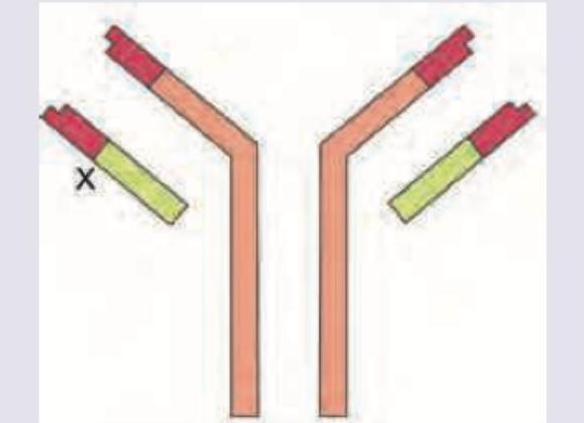
Explanation: ### Explanation The structure of an immunoglobulin (Ig) molecule is divided into two functional components: the **Fab (Fragment antigen-binding)** and the **Fc (Fragment crystallizable)** regions. **Why Option D is Correct:** The **Variable regions (V_H and V_L)** of both heavy and light chains come together to form the **antigen-binding site (paratope)**. In the context of immunology, "effector functions" can be broadly categorized into antigen recognition and biological activity. However, strictly speaking, the variable regions are responsible for the primary effector function of **antigen recognition and binding specificity**. *Note: There is a common academic debate regarding "effector functions." While biological triggers (like complement activation) reside in the Fc portion, the initial effector action of an antibody—neutralization and specific targeting—is mediated by the Variable regions.* **Analysis of Incorrect Options:** * **Option A & C:** The **Constant region of the heavy chain (Fc portion)** is responsible for secondary biological effector functions, such as **complement fixation**, placental transfer (IgG), and binding to mast cells/basophils (IgE). The light chain constant region does not mediate these functions. * **Option B:** The heavy chain variable region alone cannot form a complete functional paratope; it requires the light chain variable region to ensure high-affinity binding. --- ### High-Yield Clinical Pearls for NEET-PG: * **Hinge Region:** Provides flexibility to the Fab arms; it is rich in **proline and cysteine**. * **Papain Digestion:** Cleaves the antibody into **two Fab fragments and one Fc fragment**. * **Pepsin Digestion:** Cleaves the antibody into **one F(ab')2 fragment** (bivalent) and degrades the Fc portion. * **Isotype Switching:** Involves changes in the **Constant region** of the heavy chain, while the Variable region remains the same (maintaining antigen specificity). * **Hypervariable Regions:** Also known as **CDRs (Complementarity Determining Regions)**, these are the specific loops within the variable regions that contact the antigen.
Explanation: The Major Histocompatibility Complex (MHC) is a set of genes located on the short arm of Chromosome 6. Understanding their distinct roles is high-yield for NEET-PG. **Explanation of the Correct Answer:** The question asks for the primary functions of the three classes. While MHC I and II are involved in antigen presentation, **MHC Class III** is unique because it does not present antigens. Instead, it encodes for various secreted proteins, primarily **complement system components** (C2, C4, Factor B) and **cytokines** like Tumor Necrosis Factor (TNF-α and TNF-β). Therefore, Option C correctly identifies the functional output of the MHC III region. **Analysis of Incorrect Options:** * **Option A & B:** These confuse the pathways of MHC I and II. **MHC Class I** presents **intracellular** (endogenous) antigens to CD8+ T-cells. **MHC Class II** presents **extracellular** (exogenous) antigens to CD4+ T-cells. While these cover Classes I and II, they do not accurately describe Class III. * **Option D:** This is an incomplete description. While macrophages express MHC II, antigen presentation occurs *to* T-lymphocytes, not *to* macrophages. **High-Yield NEET-PG Pearls:** * **MHC I:** Found on all nucleated cells (not RBCs). Associated with HLA-A, B, and C. * **MHC II:** Found only on Professional Antigen Presenting Cells (APCs) like Dendritic cells, B-cells, and Macrophages. Associated with HLA-DP, DQ, and DR. * **MHC III:** Does not participate in graft rejection (unlike I and II). * **Rule of 8:** MHC I × CD8 = 8; MHC II × CD4 = 8. This helps remember which T-cell binds to which MHC.
Cells and Organs of Immune System
Practice Questions
Innate Immunity
Practice Questions
Adaptive Immunity
Practice Questions
Antigens and Antibodies
Practice Questions
Major Histocompatibility Complex
Practice Questions
Complement System
Practice Questions
Cytokines and Chemokines
Practice Questions
Hypersensitivity Reactions
Practice Questions
Autoimmunity and Autoimmune Diseases
Practice Questions
Immunodeficiency Disorders
Practice Questions
Transplantation Immunology
Practice Questions
Tumor Immunology
Practice Questions
Get full access to all questions, explanations, and performance tracking.
Start For Free