All are true about aspirin poisoning except?
A 26-year-old female presents to the emergency department with a history of consuming hair dye containing paraphenylenediamine. What is the expected outcome in such a patient?
Acute liver failure is a clinical feature of which of the following?
An industrial worker was brought to a medical facility due to health problems. On his workup including laboratory tests, a finding of basophilic stippling of Red Blood Cells (RBC) was observed. Which among the following is he/she likely to be having?
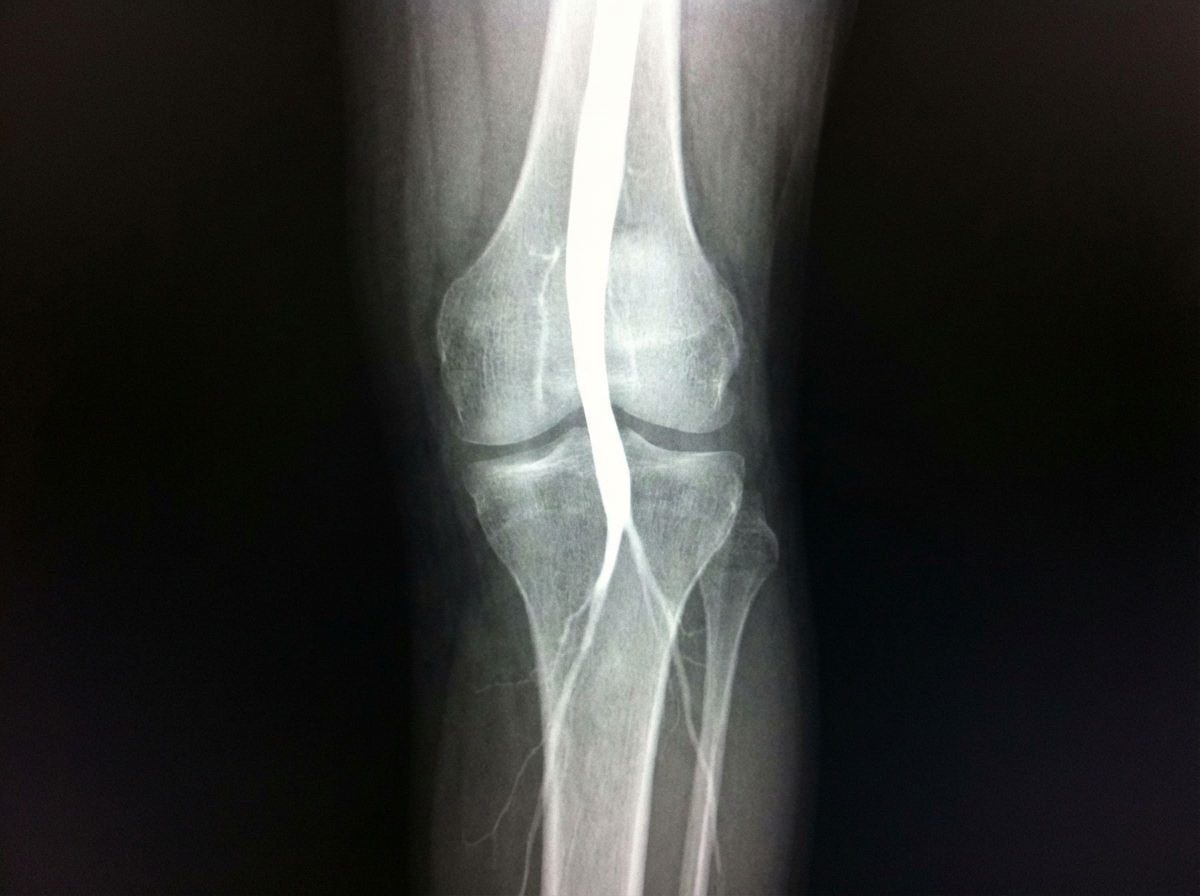
An HIV positive woman on ART was prescribed ergotamine for a migraine attack 4 days back. She presented with complaints that she is unable to feel her legs from the mid - thigh to her toes, for the past two days. The angiography image is given below. What is the likely diagnosis?
Gastric lavage is contraindicated in?
Gastric lavage is contraindicated in the following:
A farmer with pinpoint pupils, increased secretions and urination. What is the most likely diagnosis?
A 35-year-old construction worker presents with a 3-month history of abdominal pain, fatigue, and recent onset of numbness and tingling in his hands and feet. He works in renovation of old buildings. Physical examination reveals mild pallor and decreased sensation in a stocking-glove distribution. Blood tests show microcytic anemia with basophilic stippling on peripheral smear. What is the most likely diagnosis?
Miosis is caused by all EXCEPT -
Explanation: ### Explanation Aspirin (Salicylate) poisoning is a complex metabolic emergency characterized by a "mixed" acid-base disorder and systemic hypermetabolism. **Why Hypothermia is the Correct Answer (The Exception):** Aspirin poisoning causes **Hyperthermia**, not hypothermia [2]. Salicylates act as potent **uncouplers of oxidative phosphorylation**. This leads to the dissipation of energy as heat instead of being stored as ATP. In severe toxicity, this results in a significant rise in body temperature (hyperpyrexia), which is a poor prognostic sign [2]. **Analysis of Other Options:** * **Acidosis:** Salicylates cause a dual acid-base disturbance [1]. Initially, they stimulate the respiratory center directly, causing respiratory alkalosis [2]. However, they soon interfere with the Krebs cycle and lipid metabolism, leading to the accumulation of organic acids (lactic acid, ketoacids), resulting in a **High Anion Gap Metabolic Acidosis (HAGMA)** [2]. * **Dehydration:** This occurs due to multiple factors: hyperventilation (insensible water loss), vomiting, and increased sweating/metabolic rate (due to uncoupling) [2]. * **Oliguria:** Dehydration and decreased renal perfusion can lead to pre-renal azotemia and oliguria. Furthermore, salicylates can cause direct renal failure in severe cases [2]. **NEET-PG High-Yield Pearls:** * **Early Sign:** Tinnitus (ringing in ears) is often the earliest sign of toxicity [2]. * **Acid-Base:** The classic finding is a **Mixed Respiratory Alkalosis and Metabolic Acidosis** [2]. * **Management:** * **Alkalinization of Urine:** Using Sodium Bicarbonate ($NaHCO_{3}$) to increase salicylate excretion (Ion Trapping). * **Hemodialysis:** Indicated if salicylate levels are >100 mg/dL (acute) or if there is altered mental status, renal failure, or pulmonary edema [1], [2]. * **Done Nomogram:** Used to predict the severity of toxicity based on serum salicylate levels (only for acute single ingestions).
Explanation: Paraphenylenediamine (PPD) is a common ingredient in hair dyes, particularly in South Asia and Africa. When ingested, it acts as a potent systemic toxin. **1. Why Rhabdomyolysis is Correct:** The hallmark of PPD poisoning is severe **muscle necrosis (Rhabdomyolysis)**. PPD causes direct oxidative damage to myocytes, leading to the leakage of myoglobin into the bloodstream. This often results in: * **Acute Kidney Injury (AKI):** Due to myoglobinuria (secondary to rhabdomyolysis). * **Angioneurotic Edema:** Characterized by massive swelling of the face, tongue, and neck, often necessitating an emergency tracheostomy. * **Chocolate-colored urine:** A classic sign of myoglobinuria. **2. Why Other Options are Incorrect:** * **A. Blindness:** This is a classic feature of **Methanol** poisoning (due to formic acid production), not PPD. * **B. Nerve pathology:** While some toxins cause neuropathy (e.g., Lead, Arsenic, or Organophosphates), PPD primarily targets muscle and renal tissue. * **C. Dermatitis:** While PPD is a known cause of contact dermatitis in salon workers or sensitive individuals, it is a **local hypersensitivity reaction**, not the life-threatening "expected outcome" of systemic ingestion. **Clinical Pearls for NEET-PG:** * **Triad of PPD Poisoning:** 1. Cervicofacial edema (Angioedema), 2. Rhabdomyolysis/Myoglobinuria, 3. Acute Renal Failure [1]. * **Management:** There is **no specific antidote**. Treatment is supportive: aggressive IV fluids to prevent AKI, antihistamines/steroids for edema, and early tracheostomy if the airway is compromised. * **High-Yield Sign:** Look for "dark/chocolate-colored urine" in a patient with neck swelling.
Explanation: Correct Option B: Amanita Phalloides poisoning - This is due to the presence of potent hepatotoxins, primarily **alpha-amanitin**, which severely damages hepatocytes by inhibiting **RNA polymerase II**. - Ingestion often leads to a delayed presentation of **fulminant hepatic failure** (acute liver failure), necessitating aggressive supportive care and often liver transplantation [1]. *Incorrect Option A: OP poisoning* - Organophosphate poisoning primarily causes a **cholinergic crisis** by inhibiting acetylcholinesterase, leading to massive accumulation of acetylcholine (e.g., SLUDGE syndrome) [2]. - While severe hypoxia or shock might secondarily damage the liver, **acute liver failure** is not the characteristic or primary toxicity of organophosphates [2]. *Incorrect Option C: Belladonna poisoning* - Belladonna contains **atropine** and other anticholinergic compounds, causing profound **anticholinergic syndrome** (e.g., delirium, mydriasis, tachycardia, urinary retention). - Hepatic necrosis or **acute liver failure** is not a feature of anticholinergic toxicity. *Incorrect Option D: Morphine poisoning* - Morphine, an opioid, causes toxicity characterized by the classic triad of **respiratory depression**, altered mental status, and **pinpoint pupils** (miosis). - Opioid toxicity is centered on the central nervous system and respiratory system; it does not directly cause primary **acute liver failure**.
Explanation: ***Lead poisoning*** - **Basophilic stippling** of **RBCs** is a classic hematological hallmark of **lead poisoning**, resulting from the inhibition of **5'-nucleotidase** by lead, which impairs the degradation of ribosomal RNA [2]. - This condition is common in industrial workers exposed to lead-containing materials, such as those in battery manufacturing, smelting, or painting [1]. *Brucellosis* - This is an infectious disease caused by bacteria from the genus **Brucella**, usually acquired from animals or contaminated animal products. - It typically presents with fever, sweating, malaise, and arthralgia, and is not associated with **basophilic stippling**. *Asbestosis* - **Asbestosis** is a chronic lung disease caused by inhaling **asbestos fibers**, leading to lung fibrosis and impaired respiratory function. - Its clinical presentation involves progressive shortness of breath, cough, and characteristic radiographic findings of interstitial lung disease, with no direct hematological findings like **basophilic stippling**. *Farmer's lung* - **Farmer's lung** is a **hypersensitivity pneumonitis** caused by inhaling organic dusts from moldy hay or other agricultural products. - Symptoms include cough, fever, chills, and shortness of breath, reflecting an inflammatory response in the lungs, without any associated **basophilic stippling**.
Explanation: ***Ergotism*** - The patient's inability to feel her legs from mid-thigh to toes, following ergotamine use, combined with the angiography showing **vasoconstriction** and absent distal flow, strongly suggests ergotism. - **Ergotamine** is a potent vasoconstrictor and its adverse effects are exacerbated by drug interactions with certain antiretroviral therapies (ART) used in HIV treatment, leading to severe **ischemia**. *Atherosclerosis* - While atherosclerosis can cause peripheral arterial disease, it usually presents with more gradual onset of symptoms and **claudication** rather than acute, severe sensory loss as described. - The angiography in atherosclerosis typically shows **localized plaques** and stenoses, which are not the primary finding here of widespread peripheral vasoconstriction. *Polyradicular Neuropathy* - Polyradicular neuropathy involves nerve damage causing sensory and motor deficits but does not directly cause the **vascular changes** seen on angiography. - The clinical presentation of sudden, severe sensory loss in the context of recent ergotamine use and the angiographic findings point away from a primary neurological disorder as the sole cause. *Vasculitis* - While vasculitis can occur in HIV patients and cause limb ischemia, the **temporal relationship** with ergotamine use (symptoms starting 2 days after medication) strongly suggests a drug-related cause. - Vasculitis typically presents with more systemic features and would not have such an acute onset directly following ergotamine administration.
Explanation: ***Hydrocarbons*** - Gastric lavage is contraindicated in **hydrocarbon poisoning** due to the high risk of **aspiration** [2]. - Aspiration of hydrocarbons can lead to severe **chemical pneumonitis**, which is often more life-threatening than the systemic toxicity from ingestion [2]. *Bicarbonate* - Ingesting a large amount of bicarbonate can cause **alkalosis** and electrolyte imbalances. - While gastric lavage is not typically the primary treatment for mild bicarbonate overdose, it is not absolutely contraindicated in cases of massive ingestion where there is a clear benefit to removing unabsorbed substance, especially if performed with proper airway protection [1], [3]. *Organo-Phosphosphate poisoning* - Gastric lavage is generally recommended for **organophosphate poisoning** if the patient presents within 1-2 hours of ingestion and is awake with an intact gag reflex, or with a protected airway [2]. - This helps remove unabsorbed poison and can reduce the systemic absorption of these highly toxic compounds. *PCM toxicity* - For **paracetamol (PCM) toxicity**, gastric lavage can be considered if the patient presents within 1-2 hours of ingestion and has ingested a potentially toxic dose, especially when activated charcoal is not immediately available or contraindicated [4]. - The primary treatment for PCM toxicity involves **N-acetylcysteine (NAC)**, but gastric emptying can play a role in reducing initial absorption [4].
Explanation: ***Kerosene poisoning*** - Gastric lavage is contraindicated in **hydrocarbon poisoning** like kerosene due to the high risk of **aspiration pneumonitis**. [1] - Aspiration of hydrocarbons can lead to severe **chemical pneumonitis**, acute respiratory distress syndrome (ARDS), and even death. *Barbiturate poisoning* - Gastric lavage can be useful in **barbiturate poisoning**, especially if presenting within 1-2 hours of ingestion, to remove unabsorbed drug. - It's part of the management strategy to reduce drug absorption and potentially speed up recovery. *Paracetamol poisoning* - **Gastric lavage** may be considered in paracetamol overdose, particularly if performed within 1-2 hours of ingestion, to remove unabsorbed drug. - However, **activated charcoal** is usually the preferred method for gastric decontamination in paracetamol overdose, followed by **N-acetylcysteine**. *Carbolic acid poisoning* - While typically considered a corrosive, gastric lavage might be cautiously used in **carbolic acid (phenol) poisoning** in specific circumstances, such as very early presentation or large ingestions, but it carries risks of esophageal injury. [2] - Dilution with milk or water is often preferred, but lavage should be avoided if there's evidence of significant caustic injury or perforation risk.
Explanation: ***Organophosphate poisoning*** - **Pinpoint pupils (miosis)**, **increased secretions** (salivation, lacrimation, bronchial secretions), and **urination** are classic signs of cholinergic crisis caused by organophosphate toxicity [1]. - The patient's profession as a **farmer** increases the likelihood of exposure to pesticides, which often contain organophosphates [1], [2]. *Alcohol poisoning* - While alcohol poisoning can cause CNS depression, it does not typically present with **pinpoint pupils** or **increased secretions** like salivation and urination. - Common signs include **ataxia**, **slurred speech**, **nausea**, and **vomiting**. *Opioid poisoning* - Opioid poisoning also causes **pinpoint pupils** and **CNS depression**, but it typically leads to **decreased secretions** and **urinary retention**, not increased urination [2]. - **Respiratory depression** is a hallmark feature, which is not highlighted here as a primary symptom. *Atropine poisoning* - Atropine is an anticholinergic agent, meaning it would cause the opposite effects of organophosphate poisoning [2]. - Symptoms would include **dilated pupils (mydriasis)**, **dry mouth**, **decreased secretions**, and **urinary retention**.
Explanation: **Lead poisoning** - The patient's occupation in **renovating old buildings** poses a significant risk for lead exposure [1]. - Classic symptoms of lead poisoning, such as **abdominal pain** [1], **fatigue**, **peripheral neuropathy** (numbness/tingling in stocking-glove distribution) [2], **pallor** [2], **microcytic anemia**, and **basophilic stippling** [1], are all present. *Coeliac disease* - While it can cause **abdominal pain** and **fatigue** due to malabsorption, it typically leads to **iron deficiency anemia**. - **Neuropathy** is less common and **basophilic stippling** is not a feature of coeliac disease. *Sickle cell disease* - Causes **hemolytic anemia** and painful crises, but is a genetic disorder typically diagnosed in childhood and presents with different symptoms. - While it can present with **fatigue** and **pallor**, **basophilic stippling** is not typical, and neuropathy in a stocking-glove distribution is rare. *Hookworm infestation* - Primarily causes **iron deficiency anemia** due to chronic blood loss from the gut, leading to **fatigue** and **pallor**. - It does not typically cause **basophilic stippling** or prominent **peripheral neuropathy** as described.
Explanation: **Cyanide** - **Cyanide poisoning** primarily affects cellular respiration by inhibiting **cytochrome c oxidase**, leading to **anoxia** at the cellular level. - Its typical ocular manifestation is **mydriasis** (pupil dilation) due to **hypoxia-induced sympathetic overactivity**, not miosis. *Organophosphates* - **Organophosphates** inhibit **acetylcholinesterase**, causing an excess of **acetylcholine** at muscarinic receptors [2]. - This leads to **parasympathetic overstimulation**, including pinpoint pupils (miosis). *Pontine hemorrhage* - **Pontine hemorrhage** can disrupt the **sympathetic pathways** that run through the pons. - Loss of sympathetic input to the eye results in unopposed **parasympathetic tone**, causing **miosis**. *Opiates* - **Opiates**, such as morphine and heroin, centrally stimulate the **Edinger-Westphal nucleus**, increasing **parasympathetic outflow** to the eye [1]. - This increased parasympathetic activity leads to **constriction of the pupils**, commonly referred to as "pinpoint pupils" [1].
General Principles of Toxicology
Practice Questions
Antidotes and Specific Therapies
Practice Questions
Drug Overdose Management
Practice Questions
Heavy Metal Poisoning
Practice Questions
Pesticide and Insecticide Poisoning
Practice Questions
Plant and Food Toxins
Practice Questions
Household Chemical Exposure
Practice Questions
Environmental Toxins
Practice Questions
Occupational Exposures
Practice Questions
Toxicological Screening and Diagnosis
Practice Questions
Extracorporeal Removal Techniques
Practice Questions
Poisoning Prevention Strategies
Practice Questions
Get full access to all questions, explanations, and performance tracking.
Start For Free