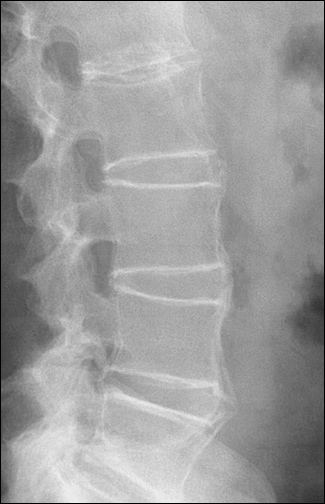
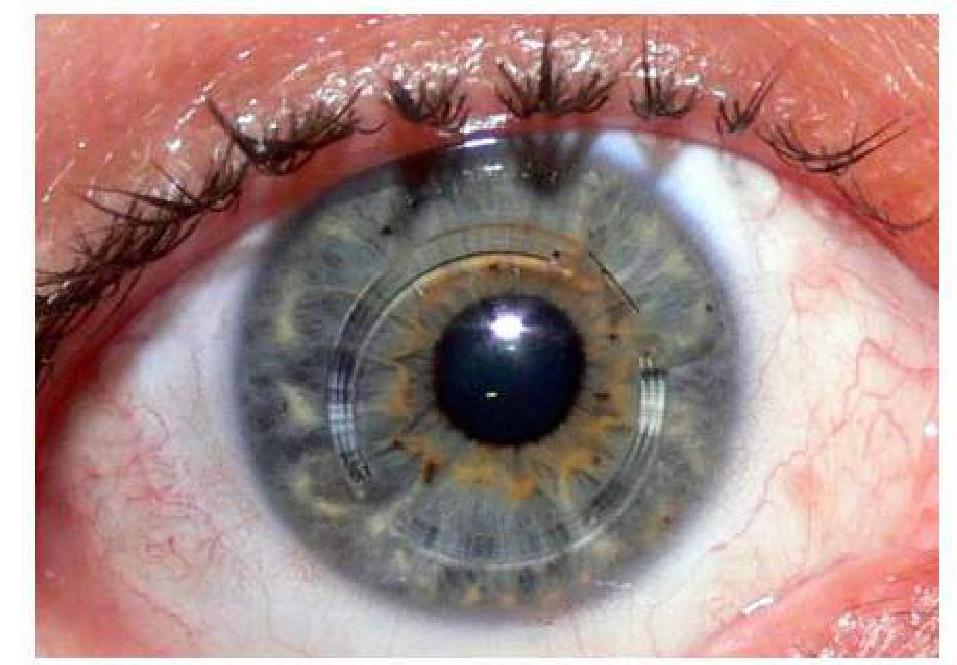
A 60-year-old male presents with chronic arthritis. Which of the following is the most likely cause?
Regarding rheumatoid arthritis, all of the following statements are true except-
All of the following are true regarding ankylosing spondylitis except:
Which of the following is NOT included in the diagnostic criteria for rheumatoid arthritis?
A 45 year old female presents with the complaint of pain in the metacarpophalangeal, proximal interphalangeal and metatarsophalangeal joints of both right and left hands. Serology showed positive anti-CCP antibodies. She was placed on infliximab for control. Which of the following need to tested before starting treatment?
Agammaglobulinemia can present with?
All of the following are associated with secondary Sjogren's syndrome EXCEPT
A 28-year-old male presents with chronic low back pain and morning stiffness for the past 6 months. The stiffness improves with physical activity and worsens with rest. He is HLA-B27 positive. Imaging shows bilateral sacroiliitis. What is the most probable diagnosis?
HLA B27 histocompatibility antigen is correlated with -
A 60-year-old man with diabetes mellitus presents with a painless, swollen right ankle joint. Radiographs of the ankle show a destroyed joint with a large number of loose bodies. The most probable diagnosis is:
Explanation: Crystal-induced arthritis, such as gout or calcium pyrophosphate deposition disease (CPPD), can lead to chronic arthritis associated with progressive joint damage and functional limitations [1]. While acute presentations are common, such as 'pseudogout' involving the knee, the underlying pathophysiology involves the balance of crystal formation and tissue concentration within the joint [1]. Specific causes like metabolic diseases or previous trauma may also predispose individuals to early-onset osteoarthritis [2].
Explanation: ***Subcutaneous nodules are more frequent in seronegative patients*** - **Subcutaneous nodules** are highly characteristic of **seropositive rheumatoid arthritis** (positive for rheumatoid factor or anti-citrullinated protein antibodies) [1]. - Their presence correlates with more severe disease and systemic involvement, making the statement that they are more frequent in seronegative patients incorrect [1]. *The cricoarytenoid joint may be involved* - **Rheumatoid arthritis** can affect various synovial joints, including the **cricoarytenoid joints** in the larynx. - Involvement of the cricoarytenoid joint can lead to hoarseness, stridor, and even airway obstruction. *Diffuse intestinal fibrosis and pneumonitis may occur* - **Rheumatoid arthritis** is a systemic disease that can affect multiple organs, including the lungs [2]. - **Interstitial lung disease**, which can manifest as pneumonitis and eventually lead to pulmonary fibrosis, is a recognized extra-articular manifestation [2]. *HLA-DR4 is positive in patients with seropositive rheumatoid arthritis* - The **HLA-DR4 allele** is a significant genetic risk factor for developing **rheumatoid arthritis**, particularly the **seropositive form**. - Its presence is associated with increased disease severity and a less favorable prognosis.
Explanation: ***50% of patients may have urinary infection*** - Urinary tract infections are **not a characteristic feature** or a common complication of **ankylosing spondylitis**. - This statement is incorrect as there is no significant epidemiological or pathophysiological link between AS and a high incidence of UTIs. *Involvement of sacroiliac joint* - **Sacroiliitis**, inflammation of the sacroiliac joints, is one of the **hallmark features** and often the earliest sign of ankylosing spondylitis [1]. - It is typically **bilateral and symmetrical**, and its presence is crucial for diagnosis [1]. *Bamboo spine may be a radiological feature* - **Bamboo spine** is a characteristic late radiological finding in ankylosing spondylitis, resulting from **syndesmophyte formation** (ossification of spinal ligaments) and fusion of vertebral bodies [1]. - This appearance signifies severe spinal rigidity and advanced disease. *Most of people are HLAB27 positive* - The **HLA-B27 allele** is strongly associated with ankylosing spondylitis, being present in around **90% of Caucasian patients** [1]. - While not diagnostic on its own, its presence significantly increases susceptibility and supports the diagnosis in the right clinical context.
Explanation: ***Swelling of any 2 joints of the body*** - While **joint swelling** is a hallmark of rheumatoid arthritis [2], the diagnostic criteria, particularly the **2010 ACR/EULAR classification criteria**, specify involvement of certain joint counts or patterns, not just any two joints [1]. - The criteria focus on a **score-based system** that considers the number and type of affected joints (large vs. small), serumology (RF/anti-CCP), acute phase reactants, and duration of symptoms [1]. *Symmetric swelling* - **Symmetric polyarthritis** is a classic presentation of rheumatoid arthritis, often affecting the same joints on both sides of the body [2]. - This pattern helps differentiate RA from other forms of arthritis that tend to be asymmetric [2]. *Positive Rheumatoid factor* - **Rheumatoid factor (RF)** is an autoantibody found in a significant percentage of RA patients, and its presence is included in the diagnostic criteria [1]. - Along with **anti-cyclic citrullinated peptide (anti-CCP) antibodies**, RF is an important serological marker for RA, especially aggressive disease [1]. *Morning stiffness* - **Morning stiffness** lasting for at least **30 minutes** (and often longer) is a characteristic symptom of inflammatory arthritis, including RA [2]. - This symptom reflects inflammation in the joints and typically improves with activity [2].
Explanation: ***PPD skin test*** - **Infliximab** is a **TNF-alpha inhibitor**, which can **reactivate latent tuberculosis** (TB) by suppressing the immune response critical for containing the infection. [1] - A **PPD skin test** (or interferon-gamma release assay like Quantiferon) is essential to screen for latent TB before initiating treatment with biologics like infliximab to prevent severe active infection. [1] *G6PD* - **Glucose-6-phosphate dehydrogenase (G6PD) deficiency** is primarily relevant when prescribing drugs that can cause **hemolysis**, such as certain antimalarials or sulfonamides. - It does not have a direct interaction or contraindication with infliximab, and screening is not standard practice before starting TNF-alpha inhibitors. *Uric acid* - **Uric acid levels** are primarily monitored in conditions like **gout** or when using medications that affect uric acid metabolism. - They are not a standard pre-treatment screening test for patients starting infliximab for rheumatoid arthritis. *Complete blood count* - A **complete blood count (CBC)** is generally part of routine workup for many conditions and can help assess baseline blood cell counts before starting any significant medication. [1] - While useful for monitoring during treatment, it is not the critical specific test required to prevent a severe infectious complication, like a PPD test, before starting infliximab. [1]
Explanation: ***All of the options*** - **Agammaglobulinemia**, characterized by the absence of **B cells** and very low levels of antibodies, leads to significant **immunodeficiency** [1]. - This deficiency results in a broad range of infections and inflammatory conditions affecting various body systems, encompassing all the listed options. *Rhinitis* - Patients with agammaglobulinemia are prone to **recurrent bacterial infections** of the upper respiratory tract [1]. - This susceptibility often manifests as **chronic or recurrent rhinitis** and sinusitis due to impaired antibody-mediated host defense [1]. *Bronchiectasis* - Due to frequent and inadequately controlled **bacterial infections of the lower respiratory tract**, such as pneumonia and bronchitis. - These chronic infections can cause irreversible damage and dilation of the **bronchial airways**, leading to bronchiectasis. *Giardia infections* - **Agammaglobulinemia** severely impairs the body's ability to produce **IgA antibodies**, which are crucial for mucosal immunity in the gastrointestinal tract. - This deficiency makes patients highly susceptible to **chronic and severe infections** with enteric pathogens, such as *Giardia lamblia* [1].
Explanation: ***Pheochromocytoma*** - **Pheochromocytoma** is a tumor of the adrenal medulla that causes excessive secretion of **catecholamines** and is not directly associated with **secondary Sjögren's syndrome**. - Its clinical manifestations include **hypertension**, **tachycardia**, and **sweating**, which are distinct from autoimmune features. *Systemic lupus erythematosus* - **Systemic lupus erythematosus (SLE)** is a common autoimmune disease frequently associated with **secondary Sjögren's syndrome** [1]. - Patients with SLE can develop **sicca symptoms** (dry eyes, dry mouth) as a manifestation of secondary Sjögren's [1]. *Primary biliary cirrhosis* - **Primary biliary cirrhosis (PBC)** is an **autoimmune liver disease** that often coexists with other autoimmune conditions, including **secondary Sjögren's syndrome**. - Approximately 70% of patients with PBC have **sicca symptoms**, indicating an association with Sjögren's. *Rheumatoid arthritis* - **Rheumatoid arthritis (RA)** is a chronic inflammatory autoimmune disease that is strongly associated with **secondary Sjögren's syndrome**. - Up to 30% of RA patients develop **dry eyes and mouth**, fulfilling the criteria for secondary Sjögren's.
Explanation: ***Ankylosing spondylitis*** - The presentation of **chronic low back pain**, **morning stiffness** that improves with activity and worsens with rest, **HLA-B27 positivity**, and **bilateral sacroiliitis** on imaging are classic diagnostic criteria for ankylosing spondylitis [1]. - It is a **chronic inflammatory disease** primarily affecting the axial skeleton leading to pain and progressive stiffness, often starting in young men [1]. *Osteopetrosis* - This is a rare genetic disorder characterized by **increased bone density** due to defective osteoclasts, leading to brittle bones and other systemic issues. - It does not present with the typical inflammatory back pain and sacroiliitis seen in this patient. *Diffuse idiopathic skeletal hyperostosis (DISH)* - DISH involves **ossification of ligaments and entheses**, particularly in the spine, forming "flowing osteophytes," but typically spares the sacroiliac joints. - It usually affects older individuals and is often *asymptomatic* or causes mild stiffness, without the strong inflammatory pattern or sacroiliitis. *OA spine* - **Osteoarthritis** of the spine typically causes mechanical back pain that **worsens with activity** and improves with rest, in contrast to the patient's symptoms [2]. - It is characterized by cartilage degradation and osteophyte formation, but not by inflammatory sacroiliitis or HLA-B27 association.
Explanation: ***Ankylosing spondylitis*** - **HLA-B27** is strongly associated with **ankylosing spondylitis**, found in over 90% of affected individuals [1]. - This genetic predisposition plays a significant role in the pathogenesis of this **chronic inflammatory arthritis** primarily affecting the spine and sacroiliac joints. *Felty's syndrome* - Felty's syndrome is a severe, rare complication of **rheumatoid arthritis** characterized by **neutropenia** and **splenomegaly**. - It is not directly correlated with **HLA-B27** but rather with the presence of **rheumatoid factor** and anti-CCP antibodies. *Scleroderma* - **Scleroderma**, or systemic sclerosis, is an autoimmune connective tissue disease characterized by **fibrosis of the skin and internal organs**. - While it has genetic associations, **HLA-B27** is not a primary marker; associations are more commonly seen with other HLA alleles like **HLA-DRB1**. *Sjogren's disease* - **Sjogren's disease** is an autoimmune disorder primarily affecting the **lacrimal and salivary glands**, leading to dry eyes and dry mouth. - Its genetic associations are mainly with **HLA-DR3** and **HLA-DQB1**, not **HLA-B27**.
Explanation: ***Charcot's joint*** - The combination of **diabetes mellitus**, a **painless, swollen joint**, and radiographic evidence of a **destroyed joint with loose bodies** is highly suggestive of a Charcot joint, or neuropathic arthropathy [1]. - This condition results from **neuropathy**, leading to loss of protective sensation and repeated microtrauma, culminating in joint destruction [1]. *Clutton's joint* - This is a form of **painless arthritis** associated with **congenital syphilis**, typically affecting the knees symmetrically. - The patient's age and diabetes mellitus make syphilis an unlikely primary cause for this presentation. *Rheumatoid arthritis* - Rheumatoid arthritis typically presents with **painful, symmetrical joint inflammation**, often affecting small joints first [2]. - While it can cause joint destruction, a **painless joint** and the extensive **loose bodies** are not characteristic features of rheumatoid arthritis, especially in a patient with diabetes [2]. *Osteoarthritis* - Osteoarthritis usually leads to **painful joints** and is characterized by loss of cartilage, osteophytes, and subchondral sclerosis, not typically a **painless, severely destroyed joint with numerous loose bodies** to this extent. - Although common in the elderly, the **painless nature** and the degree of destruction in a diabetic patient point away from primary osteoarthritis.
Rheumatoid Arthritis
Practice Questions
Spondyloarthropathies
Practice Questions
Systemic Lupus Erythematosus
Practice Questions
Vasculitis Syndromes
Practice Questions
Scleroderma and Related Disorders
Practice Questions
Inflammatory Myopathies
Practice Questions
Crystal Arthropathies
Practice Questions
Osteoarthritis
Practice Questions
Primary Immunodeficiency Disorders
Practice Questions
Autoinflammatory Syndromes
Practice Questions
Sjögren's Syndrome
Practice Questions
Antiphospholipid Syndrome
Practice Questions
Get full access to all questions, explanations, and performance tracking.
Start For Free