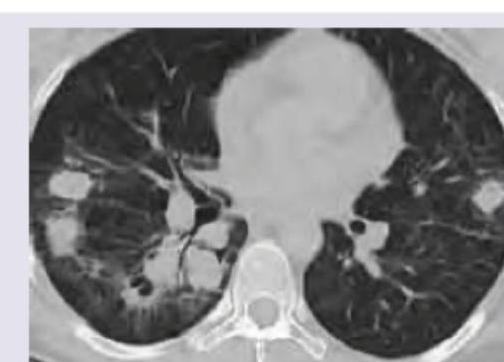
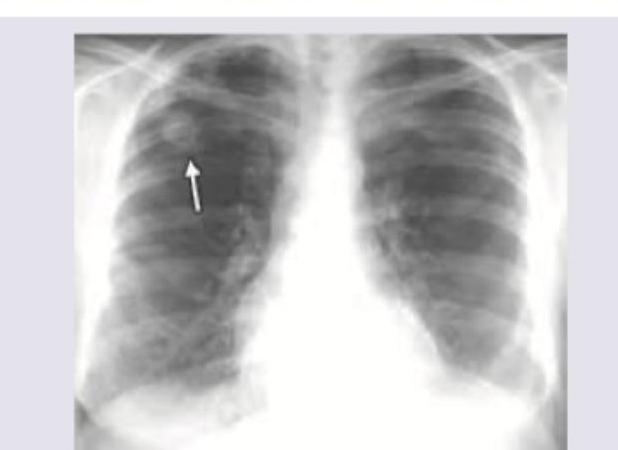
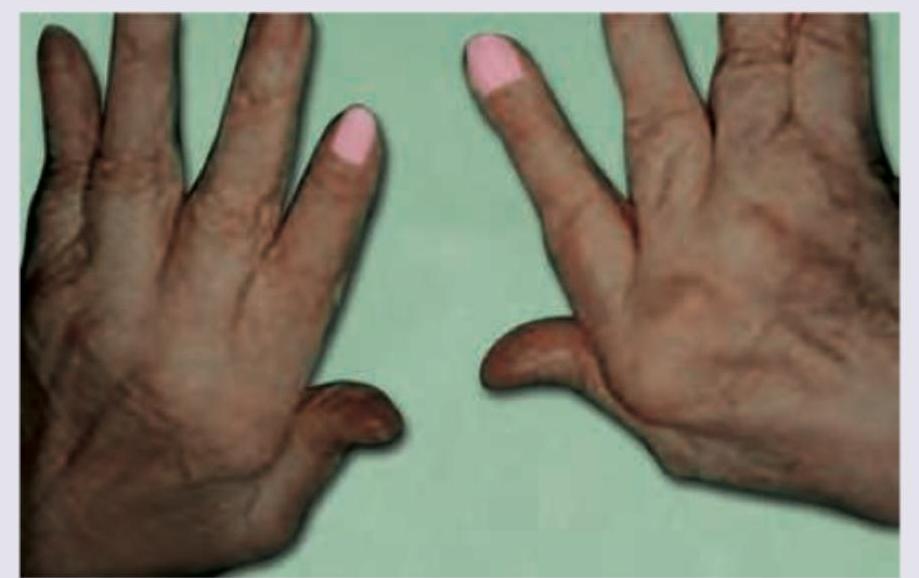
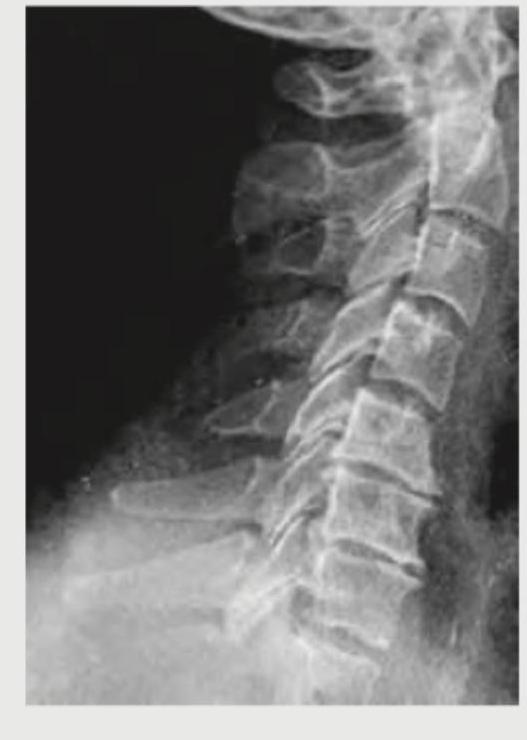
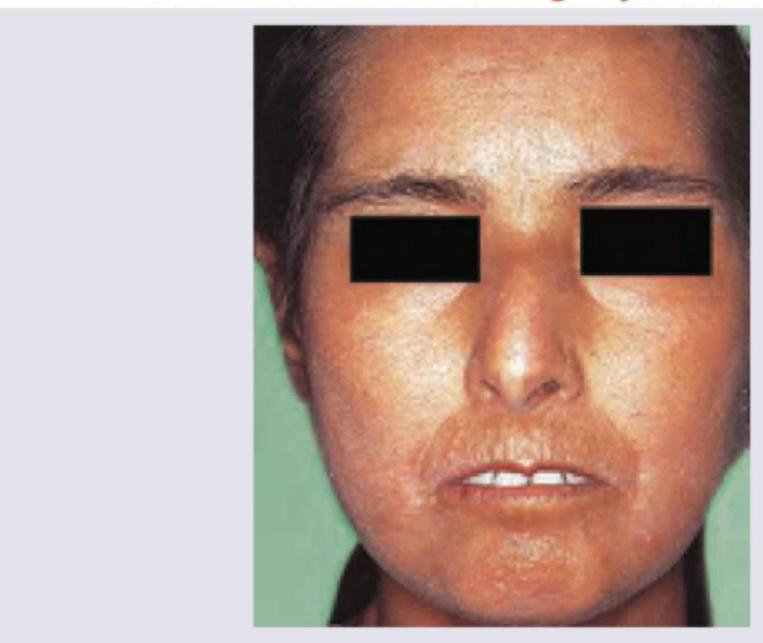
Which of the following are features of systemic sclerosis?
Rheumatoid arthritis pericarditis is typically characterized by which type of inflammation?
ASLO titres are used in the diagnosis of which of the following conditions?
In a pregnant woman, all of the following drugs can be given for Systemic Lupus Erythematosus (SLE), EXCEPT:
A 68-year-old man presents with an acutely red and swollen right great toe with no history of trauma. Which of the following findings is most useful for making a diagnosis of gout in this patient?
Heberden node denotes involvement of which joint?
Macrophage activation syndrome is seen in association with which of the following conditions?
An 11-year-old boy presented with a sore throat, no cough, tonsillar exudates, and a fever of 38.3°C three weeks ago. A throat culture was positive for group A beta-hemolytic Streptococcus. On follow-up examination, the child is afebrile. His pulse is 85/min, respirations are 18/min, and blood pressure is 90/50 mm Hg. On auscultation, a diastolic mitral murmur is audible, and there are diffuse rales over both lungs. Over the next 2 days, he has several episodes of atrial fibrillation accompanied by signs of acute left ventricular failure. Which of the following pathologic changes occurring in this child's heart is most likely to be the cause of the left ventricular failure?
Which of the following findings is seen more commonly in rheumatoid arthritis than in ankylosing spondylitis?
All of the following are seen in Systemic Lupus Erythematosus (SLE) except?
Explanation: Explanation: Systemic Sclerosis (SSc) is a chronic multisystem autoimmune disorder characterized by vascular dysfunction and progressive fibrosis of the skin and internal organs. The correct answer is **All of the above** because each option represents a classic cutaneous or systemic manifestation of the disease. 1. **Calcinosis (Option A):** This refers to the deposition of insoluble calcium salts in the subcutaneous tissues, often occurring at pressure points like fingertips or elbows. It is a hallmark feature of the **CREST syndrome** (Limited Cutaneous SSc). 2. **Sclerodactyly (Option B):** This is the localized thickening and tightening of the skin of the fingers or toes [1]. It often begins with an "edematous phase" (puffy fingers) before progressing to the fibrotic phase, leading to a "claw-like" hand deformity and loss of motion [1]. 3. **Melanin Deposition (Option C):** Hyperpigmentation is a frequently overlooked feature of SSc. It often presents as a diffuse, generalized darkening of the skin (due to increased melanin production) that may precede or accompany skin thickening. A classic "salt-and-pepper" appearance (vitiligo-like areas of depigmentation alongside hyperpigmentation) is highly characteristic. **High-Yield Clinical Pearls for NEET-PG:** * **CREST Syndrome:** Calcinosis, Raynaud’s phenomenon, Esophageal dysmotility, Sclerodactyly, and Telangiectasia. * **Antibody Associations:** * **Anti-Centromere:** Highly specific for Limited SSc (CREST). * **Anti-Scl-70 (Anti-topoisomerase I):** Associated with Diffuse SSc and increased risk of Interstitial Lung Disease (ILD). * **Anti-RNA Polymerase III:** Associated with Diffuse SSc and a high risk for **Scleroderma Renal Crisis**. * **Leading Cause of Death:** Lung involvement (Interstitial Lung Disease or Pulmonary Arterial Hypertension) has replaced renal crisis as the leading cause of mortality in SSc patients.
Explanation: **Explanation:** **Rheumatoid Arthritis (RA)** is a systemic autoimmune disorder where extra-articular manifestations are common [1]. Cardiac involvement occurs in approximately 30–50% of patients, though it is often clinically silent. **Why Fibrinous Pericarditis is Correct:** The hallmark of RA-associated pericardial involvement is **fibrinous or "bread-and-butter" pericarditis**. Pathologically, this involves the deposition of fibrin on the pericardial surfaces due to chronic inflammation. While many patients are asymptomatic, those who are symptomatic present with pleuritic chest pain and a pericardial friction rub. Histologically, it may show rheumatoid nodules or non-specific granulomatous inflammation. **Analysis of Incorrect Options:** * **A. Serous pericarditis:** Typically seen in non-infectious inflammatory conditions like Uremia or early viral infections. It lacks the thick fibrin exudate characteristic of RA. * **C. Serofibrinous pericarditis:** While there is an overlap, "Fibrinous" is the specific pathological descriptor most associated with the classic "shaggy" appearance of the pericardium in RA and Uremia. * **D. Adhesive pericarditis:** This is a late-stage sequela where the pericardial layers stick together, often following suppurative or tuberculous pericarditis, rather than the primary inflammatory stage of RA. **High-Yield Clinical Pearls for NEET-PG:** * **Pericardial Fluid Analysis in RA:** Characteristically shows **very low glucose levels** (<30 mg/dL), low complement levels (C3, C4), and high LDH. This "low glucose" profile is a classic exam favorite. * **Most Common Cardiac Manifestation in RA:** Pericarditis (though usually asymptomatic). * **Most Common Cause of Death in RA:** Ischemic Heart Disease (due to accelerated atherosclerosis). * **Other Fibrinous Pericarditis Causes:** Post-MI (Dressler Syndrome), Uremia, and Systemic Lupus Erythematosus (SLE).
Explanation: ### Explanation **Correct Answer: B. Acute Rheumatic Fever** **Why it is correct:** Anti-streptolysin O (ASLO) is an antibody directed against **Streptolysin O**, an exotoxin produced by **Group A Beta-hemolytic Streptococci (GABS)**. Acute Rheumatic Fever (ARF) is a non-suppurative sequela of a GABS pharyngeal infection. According to the **Revised Jones Criteria**, evidence of a preceding streptococcal infection is essential for the diagnosis of ARF (except in cases of chorea or indolent carditis) [1]. An elevated or rising ASLO titre is the most commonly used laboratory evidence to confirm this prior infection. **Why the other options are incorrect:** * **A. Acute Rheumatoid Arthritis:** This is an autoimmune chronic inflammatory disorder. Diagnosis relies on clinical features, Rheumatoid Factor (RF), and Anti-CCP antibodies, not streptococcal markers [1]. * **C. Ankylosing Spondylitis:** This is a seronegative spondyloarthropathy strongly associated with the **HLA-B27** gene. It involves the sacroiliac joints and spine; ASLO has no diagnostic role here. * **D. Osteoarthritis:** This is a degenerative joint disease caused by "wear and tear" of articular cartilage. It is not inflammatory or post-infectious, so ASLO titres remain normal. **High-Yield Clinical Pearls for NEET-PG:** * **Peak Timing:** ASLO titres begin to rise 1–3 weeks after infection, peak at 3–5 weeks, and may persist for months. * **Skin Infections:** ASLO titres often do **not** rise significantly following streptococcal pyoderma (impetigo). In such cases, the **Anti-DNase B** test is more reliable. * **Diagnostic Threshold:** A single titre is less significant than a rising titre; however, a value >200 IU/ml in adults or >333 IU/ml in children is generally considered elevated. * **Other Markers:** If ASLO is negative but ARF is strongly suspected, order Anti-DNase B or Anti-hyaluronidase.
Explanation: **Explanation:** The management of Systemic Lupus Erythematosus (SLE) during pregnancy requires a careful balance between controlling maternal disease activity and ensuring fetal safety. **Why Methotrexate is the Correct Answer:** **Methotrexate** is strictly **contraindicated** in pregnancy (FDA Category X) [2]. It is a folic acid antagonist that inhibits dihydrofolate reductase, leading to potent **teratogenic** effects [2]. Exposure during the first trimester can result in "Methotrexate-induced embryopathy," characterized by craniofacial abnormalities, limb defects, and CNS malformations [2]. It is also an abortifacient. It should be discontinued at least 1–3 months before conception. **Why the other options are incorrect:** * **Hydroxychloroquine (HCQ):** This is the cornerstone of SLE management in pregnancy. It is safe and essential as it reduces the risk of lupus flares and prevents neonatal heart block in Ro/La positive mothers. * **Prednisone:** Low-dose corticosteroids are considered safe. Prednisone is metabolized by the placental enzyme **11β-hydroxysteroid dehydrogenase**, which converts it into inactive cortisone, resulting in minimal fetal exposure. * **Sulfasalazine:** Considered safe in pregnancy; however, it should be administered with folic acid supplementation (5 mg/day) to counteract its interference with folate absorption. **High-Yield Clinical Pearls for NEET-PG:** * **Safe Drugs in SLE Pregnancy:** Hydroxychloroquine, Prednisone, Sulfasalazine, and Azathioprine. * **Contraindicated Drugs:** Methotrexate, Cyclophosphamide, Mycophenolate Mofetil (MMF), and Leflunomide [1], [2]. * **Lupus Flare vs. Preeclampsia:** Low complement levels (C3, C4) and active urinary sediment suggest a Lupus flare, whereas hypertension with normal complements suggests Preeclampsia [3]. * **Neonatal Lupus:** Strongly associated with maternal **Anti-Ro (SSA)** and **Anti-La (SSB)** antibodies; the most serious complication is permanent congenital heart block [3].
Explanation: The diagnosis of gout is primarily clinical, supported by laboratory and radiological findings [1]. In the absence of synovial fluid analysis (the gold standard), certain clinical criteria become highly suggestive. **Why Option B is Correct:** A dramatic response to **colchicine** (resolution of symptoms within 48 hours) is a classic diagnostic criterion for acute gouty arthritis. While not 100% pathognomonic, it is considered a "major" clinical indicator in various diagnostic scoring systems (like the Rome or ACR criteria) when joint aspiration is not feasible. Colchicine works by inhibiting microtubule polymerization and neutrophil chemotaxis, specifically targeting the inflammatory response triggered by urate crystals. **Why Other Options are Incorrect:** * **Option A:** Serum uric acid levels can be **normal or even low** during an acute attack because uric acid is a negative acute-phase reactant and is being actively deposited into the joints. Conversely, asymptomatic hyperuricemia is common and does not confirm gout [2]. * **Option C:** Marginal erosions (specifically "punched-out" erosions with overhanging edges or Martel’s sign) are features of **chronic tophaceous gout**. They are rarely seen in an acute first presentation [3]. * **Option D:** While polyarticular involvement can occur, an associated ankle effusion is non-specific and can be seen in cellulitis, septic arthritis, or pseudogout. **High-Yield Clinical Pearls for NEET-PG:** * **Gold Standard Diagnosis:** Identification of **negatively birefringent, needle-shaped** Monosodium Urate (MSU) crystals under polarized light microscopy. * **Podagra:** Inflammation of the 1st MTP joint is the most common site (50% of initial attacks) [4]. * **Imaging:** Ultrasound may show the **"Double Contour Sign"** (hyperechoic band over the articular cartilage), which is highly specific for gout. * **Treatment:** NSAIDs are first-line; Colchicine is used if NSAIDs are contraindicated (e.g., renal failure). Never start or stop Allopurinol during an acute attack.
Explanation: **Explanation:** **Heberden’s nodes** are a classic clinical hallmark of **Osteoarthritis (OA)**. They represent bony overgrowths (osteophytes) that occur specifically at the **Distal Interphalangeal (DIP) joints** [1]. These nodes are caused by repeated mechanical stress and cartilage degradation, leading to reactive bone formation. They are more common in women and often have a strong genetic predisposition [1]. **Analysis of Options:** * **Option A (Correct):** Heberden’s nodes are pathognomonic for OA involvement of the **DIP joints** [1]. * **Option B (Incorrect):** Bony enlargements at the **Proximal Interphalangeal (PIP) joints** are known as **Bouchard’s nodes** [1]. While also seen in OA, they are distinct from Heberden’s nodes. * **Option C (Incorrect):** The **Metacarpophalangeal (MCP) joints** are typically spared in primary Osteoarthritis. Involvement of the MCP joints is a classic feature of **Rheumatoid Arthritis (RA)**. * **Option D (Incorrect):** The first **Metatarsophalangeal (MTP) joint** is the most common site for **Gout** (Podagra) and can also be affected by OA (Hallux rigidus), but it is not the site of Heberden’s nodes. **High-Yield Clinical Pearls for NEET-PG:** * **DIP involvement:** Think Osteoarthritis or Psoriatic Arthritis. (Note: RA characteristically *spares* the DIP). * **Nodal OA:** The presence of Heberden’s nodes often signifies a specific subset of OA called "Nodal Generalized Osteoarthritis" [1]. * **Radiological findings in OA:** Joint space narrowing (asymmetrical), subchondral sclerosis, subchondral cysts, and osteophytes [1]. * **Hand Deformities:** Remember the mnemonic: **H**eberden = **H**igh (Distal); **B**ouchard = **B**elow (Proximal).
Explanation: **Explanation:** **Macrophage Activation Syndrome (MAS)** is a life-threatening complication characterized by an overwhelming inflammatory response due to the uncontrolled proliferation and activation of T-lymphocytes and macrophages. This leads to a "cytokine storm" and hemophagocytosis. 1. **Why Systemic Lupus Erythematosus (SLE) is correct:** MAS is a form of secondary Hemophagocytic Lymphohistiocytosis (HLH). While it is most classically associated with **Systemic Onset Juvenile Idiopathic Arthritis (sJIA)**, it is a well-recognized and severe complication of **SLE** in adults. In the context of SLE, MAS is often triggered by disease flares, infections, or changes in medication, presenting with cytopenias, high ferritin, and multi-organ failure [1]. 2. **Why the other options are incorrect:** * **Systemic Sclerosis:** This is a fibrotic and microvascular disease. While it involves immune dysregulation, it is not typically associated with the acute, hyper-inflammatory cytokine storm seen in MAS. * **Sweet’s Syndrome:** Also known as acute febrile neutrophilic dermatosis, this is characterized by neutrophil infiltration of the dermis. It is associated with malignancies and infections but not typically with MAS. * **Polyarteritis Nodosa (PAN):** This is a necrotizing vasculitis of medium-sized arteries. While systemic, its primary pathology is vascular ischemia rather than systemic macrophage overactivation. **NEET-PG High-Yield Pearls:** * **Cardinal Features of MAS:** High fever, hepatosplenomegaly, **profoundly high Ferritin** (often >10,000 ng/mL), and cytopenias [1]. * **Paradoxical Finding:** A **falling ESR** despite worsening clinical status (due to consumption of fibrinogen) is a classic clue for MAS [1]. * **Gold Standard:** Bone marrow aspiration showing **hemophagocytosis** (macrophages ingesting RBCs, WBCs, or platelets). * **Treatment:** High-dose corticosteroids, Cyclosporine, or IL-1 inhibitors (Anakinra).
Explanation: ### Explanation The clinical presentation describes **Acute Rheumatic Fever (ARF)** following a Group A Streptococcal (GAS) pharyngitis [1]. The patient exhibits signs of **congestive heart failure (CHF)**, including diffuse rales, hypotension, and atrial fibrillation. **Why Myocarditis is Correct:** In the acute phase of Rheumatic Fever, **pancarditis** occurs (involving the endocardium, myocardium, and pericardium) [1]. While endocarditis causes valvular regurgitation, the primary cause of **acute heart failure and death** during the early stage of ARF is **Myocarditis**. The inflammation of the myocardium leads to ventricular dysfunction, dilatation, and conduction abnormalities (like atrial fibrillation). Pathologically, this is characterized by the presence of **Aschoff bodies** (foci of fibrinoid necrosis surrounded by Anitschkow cells). **Why Incorrect Options are Wrong:** * **Amyloidosis (A):** This is a restrictive cardiomyopathy not associated with acute streptococcal infections or ARF. * **Fibrinous Pericarditis (B):** While common in ARF (causing a "bread and butter" appearance), pericarditis typically presents with chest pain and a friction rub; it does not cause acute left ventricular failure unless it leads to significant tamponade (rare in ARF) [1]. * **Mitral Valve Fibrosis (C):** Fibrosis and scarring (leading to mitral stenosis) are features of **Chronic Rheumatic Heart Disease**, which develops years or decades after the initial attack [1]. In the acute phase, valvular dysfunction is due to inflammation/vegetations (verrucae), not fibrosis. **Clinical Pearls for NEET-PG:** * **Jones Criteria:** Used for ARF diagnosis (Major: Joint, Carditis, Nodules, Erythema marginatum, Sydenham chorea) [1]. * **Aschoff Bodies:** Pathognomonic for Rheumatic Carditis. * **Anitschkow Cells:** "Caterpillar cells" (activated macrophages) found within Aschoff bodies. * **Most common cause of death in Acute RF:** Myocarditis. * **Most common cause of death in Chronic RHD:** Heart failure secondary to valvular deformity (Mitral Stenosis).
Explanation: **Explanation:** The correct answer is **Autoantibody against IgG**, commonly known as **Rheumatoid Factor (RF)**. 1. **Why it is correct:** Rheumatoid Factor is an autoantibody (usually IgM) directed against the Fc portion of the patient's own IgG. It is a hallmark of **Rheumatoid Arthritis (RA)**, found in approximately 70-80% of patients. In contrast, **Ankylosing Spondylitis (AS)** belongs to the group of **Seronegative Spondyloarthritides**, which are characterized by the absence of RF [1]. 2. **Analysis of Incorrect Options:** * **HLA-B27 haplotype:** This is strongly associated with AS (>90% of cases) and other seronegative spondyloarthritides [1], whereas RA is primarily associated with **HLA-DR4**. * **Sacroiliitis:** This is the radiographic hallmark of AS and is essential for its diagnosis [1]. RA typically spares the sacroiliic joints and involves the small joints of the hands and feet. * **Increased incidence in men:** AS is significantly more common in males (approx. 3:1 ratio). Conversely, RA is 3 times more common in **females**. **Clinical Pearls for NEET-PG:** * **Joint Involvement:** RA involves the **PIP and MCP** joints (spares DIP); AS involves the **axial skeleton** and large proximal joints. * **Cervical Spine:** RA can cause **atlantoaxial subluxation**; AS leads to a "Bamboo spine" due to syndesmophytes [1]. * **Extra-articular:** RA is associated with subcutaneous nodules and interstitial lung disease; AS is classically associated with **acute anterior uveitis** and aortic regurgitation [1]. * **Serology:** Anti-CCP is more specific for RA than RF.
Explanation: **Explanation:** In **Systemic Lupus Erythematosus (SLE)**, the hallmark of the disease is the formation of immune complexes [4]. The correct answer is **Normal complement level** because SLE is characterized by **low complement levels (Hypocomplementemia)**, specifically C3 and C4 [2]. This occurs because the classical complement pathway is hyper-activated to clear immune complexes, leading to the "consumption" of these proteins [2]. Monitoring C3 and C4 levels is a high-yield clinical marker for assessing **disease activity** and lupus nephritis flares [2]. **Analysis of Incorrect Options:** * **Psychosis:** This is a manifestation of **Neuropsychiatric SLE (NPSLE)**. It is included in the ACR/SLICC diagnostic criteria. Other CNS features include seizures and cognitive dysfunction. * **Pleurisy:** Serositis (pleuritis or pericarditis) is a classic diagnostic criterion [2]. Patients often present with pleuritic chest pain and pleural effusions. * **Recurrent Miscarriage:** This is frequently seen in SLE patients who have co-existing **Antiphospholipid Antibody Syndrome (APS)**. Prothrombotic states lead to placental infarction and fetal loss [1]. **NEET-PG High-Yield Pearls:** 1. **Most Specific Antibody:** Anti-dsDNA and Anti-Smith (Anti-dsDNA levels also correlate with disease activity/nephritis) [2], [3]. 2. **Most Sensitive Antibody:** ANA (Best screening test) [2], [3]. 3. **Drug-Induced Lupus:** Characterized by **Anti-Histone antibodies**; notably, complement levels and CNS/Renal involvement are usually **normal** in the drug-induced form. 4. **Libman-Sacks Endocarditis:** Non-bacterial verrucous vegetations on both sides of the heart valves seen in SLE.
Rheumatoid Arthritis
Practice Questions
Spondyloarthropathies
Practice Questions
Systemic Lupus Erythematosus
Practice Questions
Vasculitis Syndromes
Practice Questions
Scleroderma and Related Disorders
Practice Questions
Inflammatory Myopathies
Practice Questions
Crystal Arthropathies
Practice Questions
Osteoarthritis
Practice Questions
Primary Immunodeficiency Disorders
Practice Questions
Autoinflammatory Syndromes
Practice Questions
Sjögren's Syndrome
Practice Questions
Antiphospholipid Syndrome
Practice Questions
Get full access to all questions, explanations, and performance tracking.
Start For Free