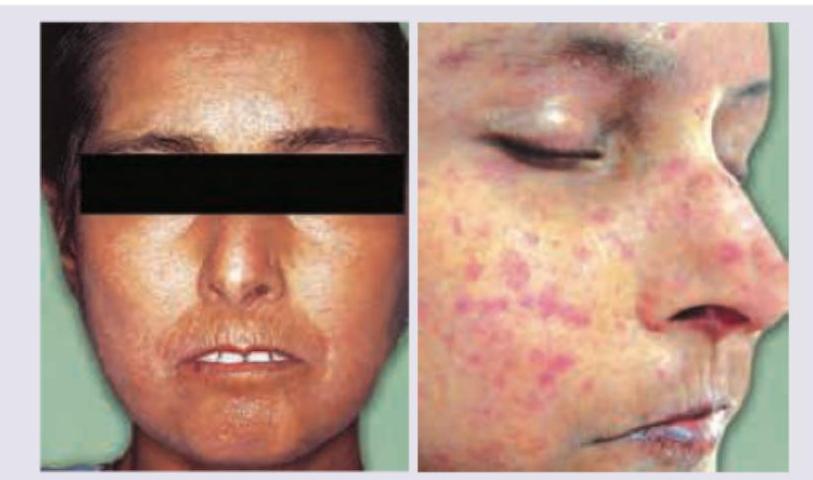
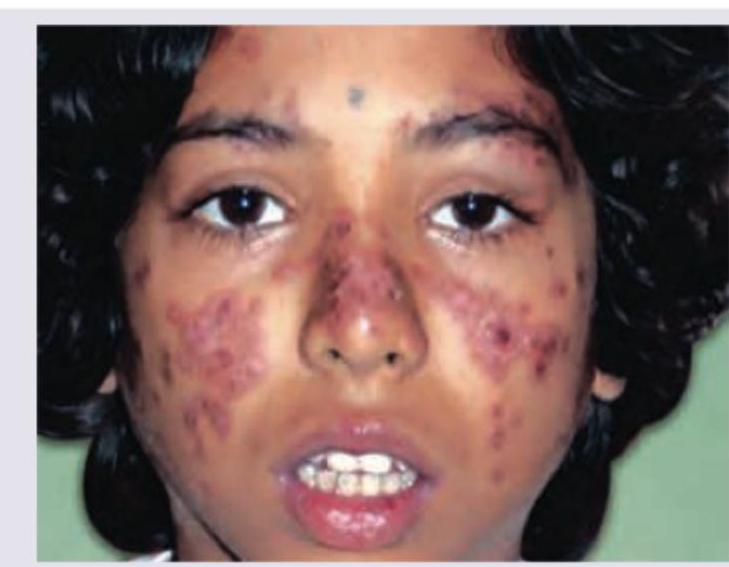
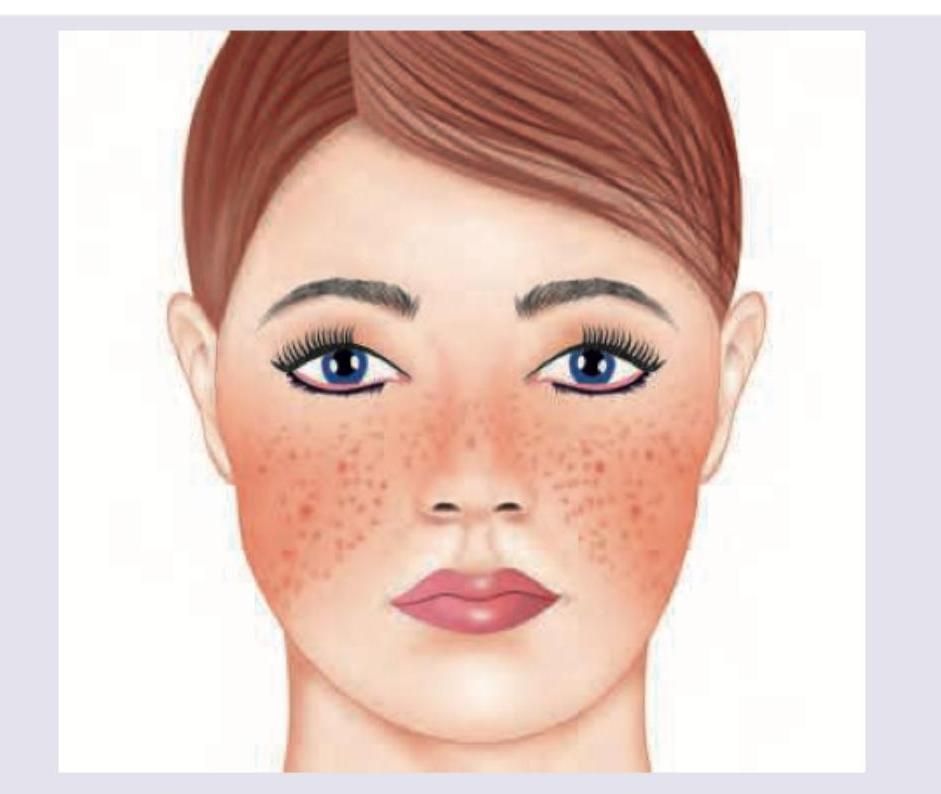
Which is the most sensitive test for Systemic Lupus Erythematosus (SLE)?
Which of the following conditions is ANCA positive?
A 60-year-old man experienced a sudden onset of severe pain in his right great toe, a condition he has had previously. He admits to forgetting his maintenance medication for over two weeks. His maintenance medication most likely blocks which one of the following reactions?
Which of the following are true about drug-induced lupus?
Which test is considered the most specific for diagnosing Rheumatoid Arthritis (RA)?
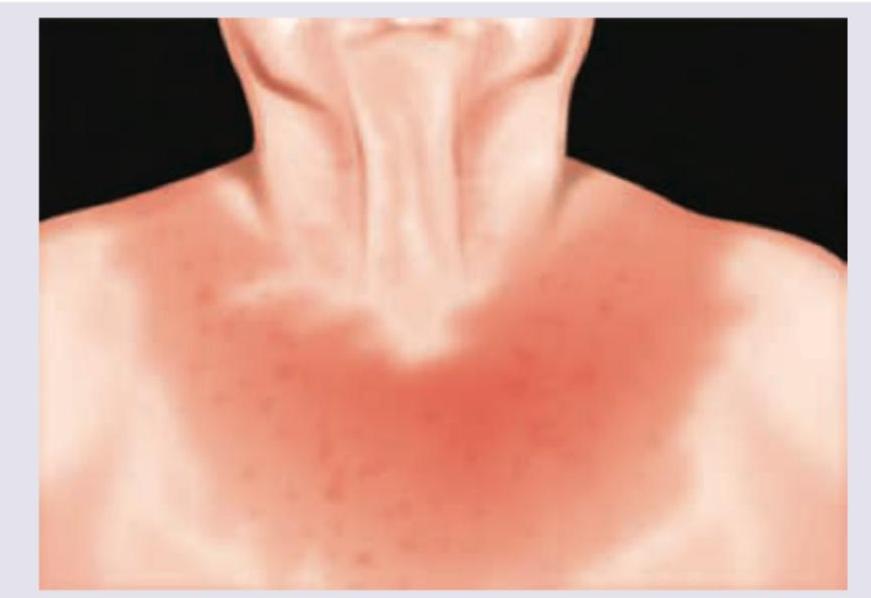
Which of the following is true about generalized systemic sclerosis?
Sjogren syndrome primarily affects which type of glands?
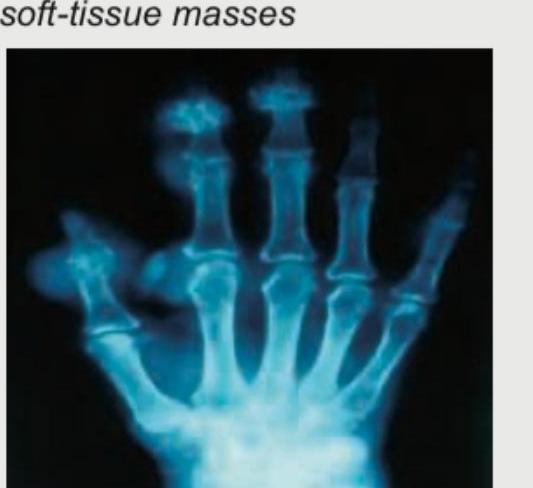
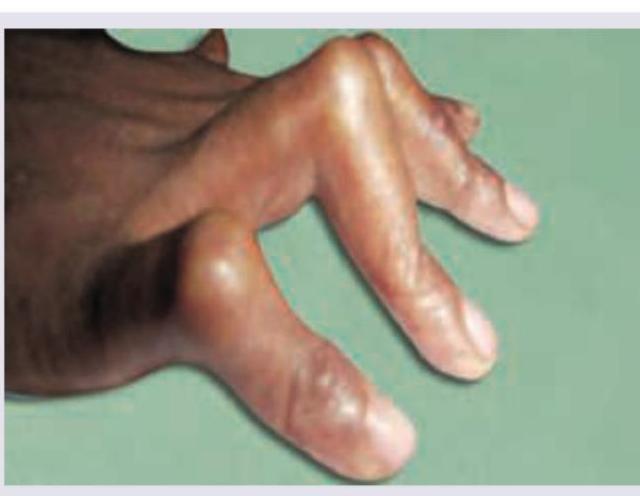
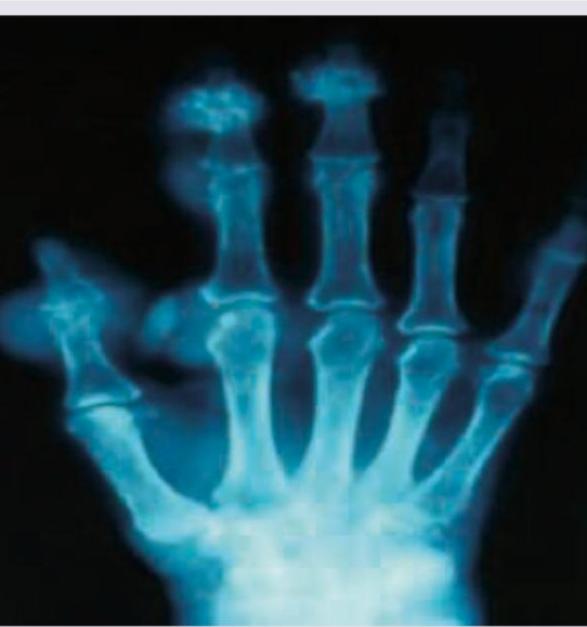
Which joints are commonly involved in psoriatic arthropathy?
What are the most common organs involved in Wegener's granulomatosis?
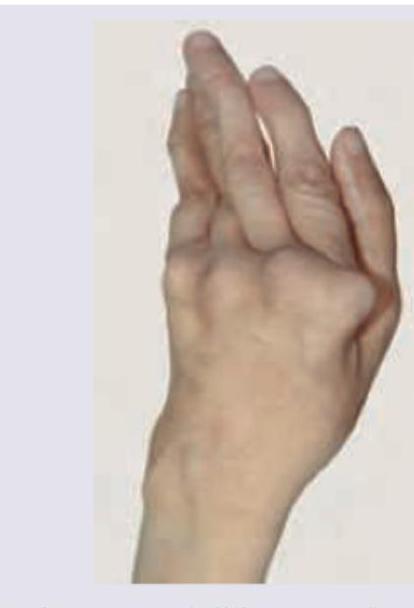
Heberden's arthropathy affects which of the following?
Explanation: **Explanation:** The diagnosis of Systemic Lupus Erythematosus (SLE) relies on a combination of clinical features and immunological markers. **Why ANA is the Correct Answer:** **Antinuclear Antibody (ANA)** is the **most sensitive test** for SLE, with a sensitivity of approximately **95–99%** [1]. Because of this high sensitivity, it is the best initial screening test. A negative ANA result makes a diagnosis of SLE highly unlikely (high negative predictive value) [2]. However, it has low specificity, as it can be positive in other autoimmune diseases, infections, and even in healthy individuals [1]. **Analysis of Incorrect Options:** * **Anti-dsDNA:** This is the **most specific test** for SLE (along with Anti-Smith). While it is highly diagnostic and correlates with disease activity (especially lupus nephritis), its sensitivity is only about 60–70% [2]. * **Anti-histone:** These antibodies are the hallmark of **Drug-Induced Lupus (DIL)**, seen in >95% of DIL cases. They are not the primary screening tool for idiopathic SLE. * **Complement C levels (C3, C4):** These are markers of **disease activity** rather than diagnostic tests [2]. Low levels indicate classical pathway activation, often seen during active flares or renal involvement. **High-Yield Clinical Pearls for NEET-PG:** * **Best Screening Test:** ANA (High sensitivity). * **Most Specific Tests:** Anti-dsDNA and Anti-Smith (Anti-Sm) [1]. * **Drug-Induced Lupus:** Anti-histone antibodies (Note: Anti-dsDNA is usually negative in DIL). * **Neonatal Lupus/Sjogren’s:** Anti-Ro (SS-A) and Anti-La (SS-B) [1]. * **Antiphospholipid Syndrome (APS):** Lupus anticoagulant, Anti-cardiolipin, and Anti-β2 glycoprotein I. * **ANA Pattern:** The most common pattern in SLE is **Peripheral (Rim)** or Homogeneous.
Explanation: **Explanation:** The correct answer is **All of the above** because all three conditions belong to a specific group of systemic vasculitides known as **ANCA-associated vasculitides (AAV)**. These are characterized by necrotizing inflammation of small to medium-sized blood vessels and the presence of Antineutrophil Cytoplasmic Antibodies (ANCA) in the serum. * **Wegener’s Granulomatosis (Granulomatosis with Polyangiitis - GPA):** This condition is strongly associated with **c-ANCA** (cytoplasmic pattern), which targets the enzyme **Proteinase 3 (PR3)**. It classically presents with a triad of upper respiratory tract, lower respiratory tract, and renal involvement (pauci-immune glomerulonephritis) [2]. * **Churg-Strauss Syndrome (Eosinophilic Granulomatosis with Polyangiitis - EGPA):** This condition is associated with **p-ANCA** (perinuclear pattern), targeting **Myeloperoxidase (MPO)**, in about 40-50% of cases [1]. It is clinically distinguished by peripheral eosinophilia, asthma, and allergic rhinitis [1], [2]. * **Microscopic Polyangiitis (MPA):** This condition is most commonly associated with **p-ANCA (anti-MPO)**. Unlike GPA, it lacks granulomatous inflammation and typically does not involve the upper airway [2]. **Clinical Pearls for NEET-PG:** 1. **c-ANCA (Anti-PR3):** Most specific for **GPA** (Wegener’s). 2. **p-ANCA (Anti-MPO):** Most common in **MPA** and **EGPA** [1]. 3. **Pauci-immune Glomerulonephritis:** A hallmark of all three conditions, where renal biopsy shows necrotizing crescentic GN with little to no immune complex deposition. 4. **Drug-induced ANCA:** Certain drugs like **Propylthiouracil (PTU)**, Hydralazine, and Minocycline can cause p-ANCA positive vasculitis.
Explanation: The clinical presentation of sudden, severe pain in the first metatarsophalangeal joint (podagra) in an older male is classic for **Acute Gouty Arthritis** [1]. The patient’s history of recurrence and non-compliance with maintenance medication points toward **Allopurinol** or **Febuxostat** as the drug in question [2]. **1. Why the Correct Answer is Right:** Maintenance therapy for gout aims to lower serum uric acid levels to prevent future attacks. Allopurinol and Febuxostat are **Xanthine Oxidase inhibitors** [2]. In the purine degradation pathway, the enzyme Xanthine Oxidase catalyzes two critical steps [3]: * **Hypoxanthine → Xanthine** * **Xanthine → Uric Acid** By blocking these reactions, the production of poorly soluble uric acid is reduced, preventing the deposition of monosodium urate crystals in joints [3]. **2. Why the Other Options are Wrong:** * **Option A (IMP to GMP):** This step is catalyzed by IMP dehydrogenase. Inhibitors of this enzyme include **Mycophenolate mofetil**, used as an immunosuppressant, not for gout. * **Option B (Adenosine to inosine):** This is catalyzed by **Adenosine Deaminase (ADA)**. A deficiency in this enzyme leads to Severe Combined Immunodeficiency (SCID). * **Option C (dUMP to dTMP):** This is catalyzed by Thymidylate Synthase. Inhibitors like **5-Fluorouracil (5-FU)** are used in cancer chemotherapy. **3. NEET-PG High-Yield Pearls:** * **Acute Management:** NSAIDs (first-line), Colchicine, or Glucocorticoids. * **Chronic Management:** Xanthine Oxidase inhibitors (Allopurinol) [2]. * **Important Contraindication:** Never start Allopurinol during an acute attack, as rapid fluctuations in serum urate levels can worsen or prolong the inflammation. * **Drug Interaction:** Allopurinol increases the toxicity of **Azathioprine** and **6-Mercaptopurine** because these drugs are metabolized by Xanthine Oxidase.
Explanation: **Drug-Induced Lupus Erythematosus (DILE)** is a clinical syndrome that mimics Systemic Lupus Erythematosus (SLE) but is triggered by chronic exposure to certain medications. ### **Explanation of Options** * **A. Anti-histone antibody (Correct):** This is the hallmark of DILE. While anti-histone antibodies can be present in idiopathic SLE (up to 50%), they are found in **>95% of patients with DILE**, making them highly sensitive for this condition. * **B. Rare anti-ds DNA:** Unlike idiopathic SLE, where anti-dsDNA is highly specific and common, it is **characteristically absent** in DILE (except in cases induced by TNF-alpha inhibitors). * **C. Renal involvement:** DILE typically presents with milder systemic symptoms (fever, arthralgia, myalgia). **Renal and Central Nervous System (CNS) involvement are extremely rare**, which helps clinically distinguish it from idiopathic SLE. * **D. Serositis:** While pleurisy or pericarditis *can* occur in DILE, they are less common than musculoskeletal symptoms. However, in the context of a "single best answer" question for NEET-PG, the presence of **anti-histone antibodies** is the pathognomonic laboratory finding. --- ### **High-Yield Clinical Pearls for NEET-PG** 1. **Common Trigger Drugs (Mnemonic: SHIP):** * **S**ulfonamides * **H**ydralazine (Highest risk) * **I**soniazid (INH) * **P**rocainamide (Highest frequency/incidence) * *Others:* Phenytoin, Quinidine, and Minocycline. 2. **Genetic Predisposition:** Patients who are **Slow Acetylators** (NAT2 enzyme deficiency) are at a significantly higher risk of developing DILE. 3. **Complement Levels:** Unlike idiopathic SLE, complement levels (C3, C4) are usually **normal** in DILE. 4. **Management:** The primary treatment is the **discontinuation of the offending drug**; symptoms usually resolve within weeks.
Explanation: **Explanation:** The diagnosis of Rheumatoid Arthritis (RA) relies on both clinical presentation and serological markers. The correct answer is **Anti-cyclic citrullinated peptide (Anti-CCP) antibody**. **1. Why Anti-CCP is the Correct Answer:** While Rheumatoid Factor (RF) is often the initial screening test, **Anti-CCP antibodies** are the most specific markers for RA, boasting a specificity of **>95%**. These antibodies target citrullinated proteins (formed via post-translational modification by the enzyme PAD). Their presence is highly predictive of aggressive disease, erosive joint damage, and can often be detected years before clinical symptoms appear. **2. Why the Other Options are Incorrect:** * **Rheumatoid Factor (RF):** RF is an autoantibody (usually IgM) directed against the Fc portion of IgG. * **IgM Rheumatoid Factor (Option C):** This is the most common isotype measured in labs. While sensitive (approx. 70-80%), it lacks specificity. It can be positive in other connective tissue diseases (SLE, Sjögren’s), chronic infections (Hepatitis C, TB, Endocarditis), and even in 5% of the healthy elderly population. * **IgA and IgG RF (Options A & B):** These isotypes are less commonly tested. While IgA RF is associated with more severe systemic manifestations, neither reaches the diagnostic specificity of Anti-CCP. **Clinical Pearls for NEET-PG:** * **Gold Standard for Specificity:** Anti-CCP (>95%). * **Sensitivity:** Both RF and Anti-CCP have similar sensitivity (~70-80%). * **Prognosis:** Patients who are "Double Positive" (RF+ and Anti-CCP+) have the highest risk for radiological progression. * **ACR/EULAR 2010 Criteria:** Both RF and Anti-CCP are included in the classification criteria [1]; however, high titers of either carry more diagnostic weight [1].
Explanation: Systemic sclerosis (SSc) is a chronic multisystem autoimmune disease characterized by functional and structural abnormalities of small blood vessels, fibrosis of the skin, and internal organ involvement [1]. ### **Explanation of the Correct Option** **Option A is correct.** In **Limited Cutaneous Systemic Sclerosis (lcSSc)**, Raynaud’s phenomenon is almost universally the initial manifestation. It typically precedes other symptoms, such as skin thickening (sclerodactyly) or visceral involvement, by **years or even decades**. In contrast, in Diffuse Cutaneous SSc (dcSSc), the interval between Raynaud’s and skin changes is much shorter (weeks to months). ### **Explanation of Incorrect Options** * **Option B:** Involvement of the **trunk** (chest and abdomen) is a hallmark of **Diffuse Cutaneous SSc**, not generalized/limited SSc [1]. In limited SSc, skin thickening is restricted to the hands, distal forearms, face, and neck. * **Option C:** While **Anti-centromere antibodies (ACA)** are highly specific for Limited SSc (associated with CREST syndrome), they are not "typically present" in the generalized/diffuse form. **Anti-Scl-70 (anti-topoisomerase I)** and **Anti-RNA polymerase III** are the characteristic markers for Diffuse SSc. ### **High-Yield Clinical Pearls for NEET-PG** * **CREST Syndrome:** A subset of limited SSc consisting of **C**alcinosis, **R**aynaud’s, **E**sophageal dysmotility, **S**clerodactyly, and **T**elangiectasia. * **Organ Involvement:** The most common cause of death in SSc is **Interstitial Lung Disease (ILD)**, followed by Pulmonary Arterial Hypertension (PAH). * **Renal Crisis:** Scleroderma Renal Crisis is strongly associated with **Anti-RNA polymerase III** antibodies and the use of high-dose corticosteroids. **ACE inhibitors** (e.g., Captopril) are the treatment of choice. * **Nailfold Capillaroscopy:** A crucial bedside test; "giant" dilated capillaries and dropout areas are early diagnostic signs [1].
Explanation: **Sjögren Syndrome (SS)** is a chronic, systemic autoimmune disorder characterized by lymphocytic infiltration (primarily CD4+ T cells) of the **exocrine glands**. The primary targets are the lacrimal and salivary glands, leading to the classic "sicca complex" of xerophthalmia (dry eyes) and xerostomia (dry mouth). * **Why Exocrine Glands?** Exocrine glands secrete their products into ducts that lead to an epithelial surface. In SS, the immune-mediated destruction of glandular acini reduces secretion, causing dryness of the eyes, mouth, skin, and vaginal mucosa. * **Why other options are incorrect:** * **Endocrine glands:** These glands (e.g., thyroid, adrenal) secrete hormones directly into the bloodstream. While SS can coexist with endocrine disorders (like Hashimoto’s thyroiditis), it does not primarily target the endocrine system. * **Paracrine/Autocrine:** These refer to cell signaling mechanisms where a cell targets a nearby cell or itself, respectively. They are modes of communication, not types of anatomical glands. **High-Yield Clinical Pearls for NEET-PG:** * **Antibodies:** Anti-Ro (SS-A) and Anti-La (SS-B) are the most specific markers. * **Diagnosis:** The **Schirmer’s test** (measures tear production) and **Lip biopsy** (showing focal lymphocytic sialadenitis) are gold-standard diagnostic tools. * **Malignancy Risk:** Patients with Sjögren Syndrome have a **40-fold increased risk** of developing **B-cell Non-Hodgkin Lymphoma** (MALToma). * **Extraglandular manifestations:** May include Raynaud’s phenomenon, cutaneous vasculitis, and interstitial lung disease.
Explanation: **Explanation:** Psoriatic arthritis (PsA) is a chronic inflammatory spondyloarthropathy associated with psoriasis. The involvement of the **Terminal Interphalangeal (TIP) joints**, also known as the **Distal Interphalangeal (DIP) joints**, is a classic and hallmark feature of this condition [1]. **1. Why Option A is Correct:** While PsA can present in various patterns (symmetric, asymmetric, or spinal), the involvement of the **DIP joints** is highly characteristic and helps differentiate it from Rheumatoid Arthritis (RA) [1]. This involvement is often associated with **psoriatic nail changes** (pitting, onycholysis) because the nail matrix is anatomically linked to the DIP joint via the extensor tendon enthesis [1]. **2. Why Other Options are Incorrect:** * **Options B, C, and D:** Metacarpophalangeal (MCP) joints, Proximal Interphalangeal (PIP) joints, and Radiocarpal (wrist) joints are the primary targets in **Rheumatoid Arthritis**. While PsA can occasionally affect these joints in its "symmetric polyarthritis" form (mimicking RA), they are not the *defining* or most specific joints for PsA in a competitive exam context. RA characteristically **spares** the DIP joints, whereas PsA involves them [1], [2]. **Clinical Pearls for NEET-PG:** * **Dactylitis:** "Sausage digit" (diffuse swelling of a finger/toe) is a high-yield diagnostic clue for PsA. * **Radiology:** Look for the **"Pencil-in-cup" deformity** on X-ray, caused by periarticular erosion and bone resorption. * **Moll and Wright Classification:** Recognizes 5 patterns, with "Asymmetric oligoarthritis" being the most common, but "DIP predominant" being the most specific [1]. * **HLA Association:** Strongly linked with **HLA-B27** (especially in the sacroiliitis/spondylitis form) [3].
Explanation: **Explanation:** **Wegener’s Granulomatosis**, now officially termed **Granulomatosis with Polyangiitis (GPA)**, is a small-vessel vasculitis characterized by a classic triad of upper respiratory tract, lower respiratory tract, and renal involvement [1]. **Why Lung and Kidney are the correct answer:** While the upper respiratory tract (nose/sinuses) is often the *earliest* site of involvement, the hallmark of morbidity and mortality in GPA is the **pulmonary-renal syndrome**. * **Lungs:** Involved in ~90% of cases, presenting as nodules, fixed infiltrates, or cavitary lesions [2]. * **Kidneys:** Involved in ~80% of cases, typically manifesting as **Pauci-immune Necrotizing Crescentic Glomerulonephritis** [3]. The combination of pulmonary cavitary lesions and rapidly progressive renal failure is the classic clinical presentation tested in exams. **Analysis of Incorrect Options:** * **A. Skin and nose:** While the nose (saddle-nose deformity) and skin (palpable purpura) are frequently involved, they are not the primary organs defining the systemic severity compared to the lungs and kidneys [2]. * **C. Heart and kidney:** Cardiac involvement (pericarditis/coronary vasculitis) occurs in <10% of cases and is not a defining feature. * **D. Kidney and nervous system:** Peripheral neuropathy (mononeuritis multiplex) can occur, but it is much less common than pulmonary involvement. **NEET-PG High-Yield Pearls:** * **Serology:** Highly specific for **c-ANCA** (anti-PR3 antibodies). * **Triad:** 1. Necrotizing granulomas of the respiratory tract; 2. Necrotizing vasculitis; 3. Focal necrotizing glomerulonephritis [2]. * **Classic Sign:** Saddle-nose deformity due to septal perforation [2]. * **Treatment:** Induction with Corticosteroids + Cyclophosphamide (or Rituximab) [3].
Explanation: **Explanation:** **Heberden’s nodes** are a classic clinical hallmark of **Osteoarthritis (OA)** [1]. They represent bony overgrowths (osteophytes) that develop at the **Distal Interphalangeal (DIP) joints** of the fingers [1]. This occurs due to the progressive destruction of articular cartilage and subsequent reactive bone formation, leading to the characteristic "knobby" appearance of the fingers in primary nodal OA [1]. **Analysis of Options:** * **Option D (DIP joints):** This is the correct site for Heberden’s nodes [1]. Note that similar bony enlargements at the **Proximal Interphalangeal (PIP) joints** are known as **Bouchard’s nodes** [1]. * **Option A (Lumbar spine):** While OA commonly affects the lumbar spine (leading to spondylosis), these changes are not referred to as Heberden’s arthropathy [2]. * **Option B (Symmetrically large joints):** Symmetrical involvement of large joints (like knees or hips) is common in OA, but the term "Heberden's" is specific to the small joints of the hand [1][2]. Symmetrical small joint involvement is more characteristic of Rheumatoid Arthritis (RA), which notably **spares the DIP joints** [2]. * **Option C (Sacroiliac joints):** Involvement here is the hallmark of **Spondyloarthropathies** (e.g., Ankylosing Spondylitis), not Osteoarthritis [2]. **High-Yield Clinical Pearls for NEET-PG:** * **DIP Involvement:** If a question mentions DIP joint involvement, think **Osteoarthritis** or **Psoriatic Arthritis** [2]. * **RA vs. OA:** Rheumatoid Arthritis typically affects the MCP and PIP joints but **never** the DIP joints [2]. * **Gender Predilection:** Heberden’s nodes are significantly more common in women and often have a strong genetic predisposition [1]. * **First CMC Joint:** The base of the thumb (1st carpometacarpal joint) is the most common site of OA in the hand, leading to a "squared" appearance of the hand [2].
Rheumatoid Arthritis
Practice Questions
Spondyloarthropathies
Practice Questions
Systemic Lupus Erythematosus
Practice Questions
Vasculitis Syndromes
Practice Questions
Scleroderma and Related Disorders
Practice Questions
Inflammatory Myopathies
Practice Questions
Crystal Arthropathies
Practice Questions
Osteoarthritis
Practice Questions
Primary Immunodeficiency Disorders
Practice Questions
Autoinflammatory Syndromes
Practice Questions
Sjögren's Syndrome
Practice Questions
Antiphospholipid Syndrome
Practice Questions
Get full access to all questions, explanations, and performance tracking.
Start For Free