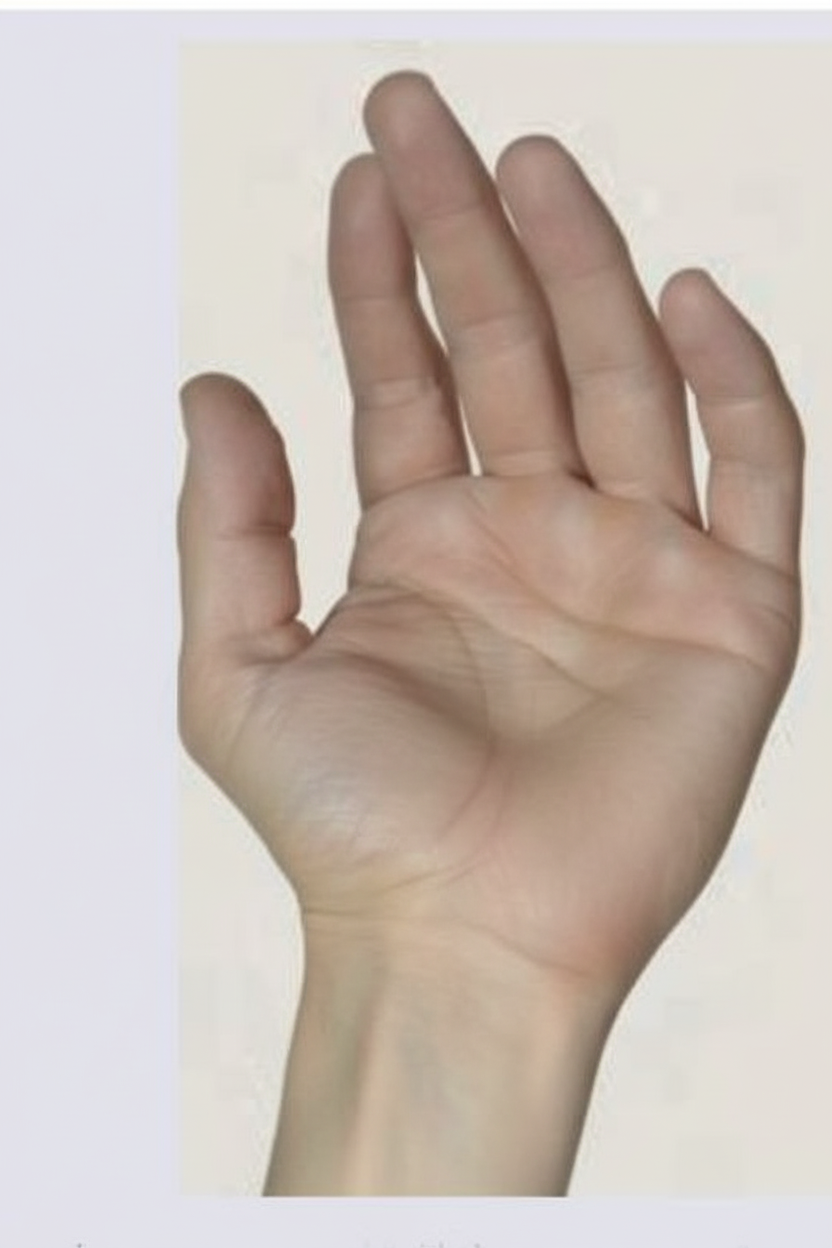
Which of the following is NOT a characteristic feature of Reiter's syndrome?
A 39-year-old man presents with several weeks of fever, weight loss, and fatigue. Three days prior to assessment, he developed a left foot drop. Physical examination reveals left peroneal nerve damage and a bilateral sensory peripheral neuropathy in both legs. Laboratory evaluation shows an ESR of 105 mm/h, neutrophilia of 14,000, and a negative serologic test for ANCA. Eosinophil count is normal. Angiography reveals small aneurysms of the celiac and renal arteries. What is the most likely diagnosis for this patient with a vasculitis syndrome?
According to the revised guidelines for Behcet's disease, which criterion carries 2 points?
Which of the following statements about Sjögren's syndrome is false?
Which of the following HLA types is associated with rheumatoid arthritis?
Which of the following is included in the modified Jones criteria for the diagnosis of acute rheumatic fever?
Which of the following is an indication for corticosteroids?
Which of the following is not a seronegative spondyloarthropathy?
Swan neck deformity is seen in which of the following conditions?
Parenteral nutrition is associated with which of the following conditions?
Explanation: **Reiter’s Syndrome**, now more commonly referred to as **Reactive Arthritis (ReA)**, is a classic seronegative spondyloarthropathy characterized by the clinical triad of **Urethritis, Conjunctivitis, and Arthritis** ("Can't see, can't pee, can't climb a tree") [1]. ### **Explanation of Options:** * **A. Interstitial Lung Disease (Correct Answer):** ILD is **not** a feature of Reiter’s syndrome. While some spondyloarthropathies like Ankylosing Spondylitis can cause apical lung fibrosis, ILD is typically associated with connective tissue diseases like Systemic Sclerosis, Rheumatoid Arthritis, or SLE. * **B. Conjunctivitis:** This is a hallmark ocular manifestation of the classic triad [1]. It is usually bilateral, painless, and occurs early in the disease course. * **C. Occurs after sexual contact:** ReA typically follows an infection [1]. The two main triggers are **urogenital** (most commonly *Chlamydia trachomatis* via sexual contact) and **enteric** (e.g., *Salmonella, Shigella, Campylobacter*) [1]. * **D. Ulcers on palm and sole:** This refers to **Keratoderma Blennorrhagica**, a pathognomonic skin lesion of Reiter’s syndrome [1]. These are hyperkeratotic, painless, vesiculopustular lesions found on the palms and soles. ### **Clinical Pearls for NEET-PG:** 1. **HLA-B27 Association:** Strongly associated (up to 80% of cases), which correlates with disease severity and axial involvement [1]. 2. **Circinate Balanitis:** Painless, superficial ulcers on the glans penis; another high-yield cutaneous finding [1]. 3. **Joint Involvement:** Typically an **asymmetric oligoarthritis** affecting large joints of the lower extremities (knees/ankles) [1]. 4. **Dactylitis:** "Sausage digits" are common due to inflammation of the entire finger or toe. 5. **Treatment:** NSAIDs are first-line; antibiotics are used only to treat the triggering acute infection (e.g., Chlamydia).
Explanation: This patient presents with a classic triad of **systemic symptoms** (fever, weight loss) [1], **mononeuritis multiplex** (left foot drop/peroneal nerve palsy), and **renal/celiac artery aneurysms**, which is pathognomonic for **Polyarteritis Nodosa (PAN)**. ### Why Polyarteritis Nodosa (PAN) is Correct: PAN is a systemic necrotizing vasculitis that typically affects **medium-sized muscular arteries**. * **Neurological involvement:** Mononeuritis multiplex (e.g., foot drop) is a hallmark of PAN due to vasculitis of the *vasa nervorum*. * **Angiography:** The presence of **microaneurysms** (beaded appearance) in the renal or mesenteric arteries is a key diagnostic feature. * **Serology:** PAN is characteristically **ANCA-negative**, distinguishing it from small-vessel vasculitides. * **Spared Organs:** PAN typically **spares the lungs**. ### Why Other Options are Incorrect: * **B. Churg-Strauss (EGPA):** While it causes mononeuritis multiplex, it is strongly associated with **asthma, peripheral eosinophilia** [2], and positive p-ANCA (in 40-50% of cases). This patient has a normal eosinophil count. * **C. Henoch-Schonlein Purpura (IgA Vasculitis):** This is a small-vessel vasculitis [2] characterized by the tetrad of palpable purpura, arthralgia, abdominal pain, and renal disease (hematuria). It does not typically cause arterial aneurysms. * **D. Vasculitis with Infectious Diseases:** While Hepatitis B is associated with PAN (10-30% of cases), the clinical constellation here points directly to the primary syndrome of PAN itself. ### NEET-PG High-Yield Pearls: * **Vessel Size:** PAN = Medium-sized arteries. * **Key Association:** Strongly associated with **Hepatitis B surface antigen (HBsAg)**. * **Classic Image:**
Explanation: The diagnosis of Behcet’s disease has evolved from the International Study Group (ISG) criteria to the more sensitive **International Criteria for Behcet's Disease (ICBD)**. ### **Explanation of the Correct Answer** Under the revised ICBD point system, a score of **≥4 points** is required for a diagnosis. The scoring is weighted based on the diagnostic specificity of the clinical features: * **Ocular Lesions (2 points):** These include anterior uveitis, posterior uveitis, or retinal vasculitis. Because ocular involvement is a major cause of morbidity and is highly characteristic of the disease, it is assigned double weightage. * **Oral Aphthosis (2 points):** Recurrent, painful ulcers. * **Genital Aphthosis (2 points):** Typically deeper and more likely to scar than oral ulcers. ### **Explanation of Incorrect Options** The following criteria are part of the ICBD but only carry **1 point** each: * **Skin Lesions (Option D):** Includes pseudofolliculitis, acneiform nodules, or erythema nodosum. * **Neurological Manifestations (Option B):** Such as dural sinus thrombosis or "Neuro-Behcet’s" (meningoencephalitis). * **Vascular Manifestations (Option C):** Includes arterial thrombosis, large vein thrombosis (e.g., Budd-Chiari), or aneurysms. * **Pathergy Test:** While optional, a positive result also carries **1 point**. ### **NEET-PG High-Yield Pearls** * **HLA Association:** Strongly associated with **HLA-B51**. * **Pathergy Test:** A unique clinical test where a sterile needle prick results in a papule or pustule within 24–48 hours. It is highly specific but has low sensitivity. * **Vascular Involvement:** Behcet’s is unique as it can cause **both arterial and venous** thrombosis. It is a common cause of **Budd-Chiari syndrome** in certain endemic regions (Silk Road distribution). * **Treatment:** Azathioprine, Cyclosporine, or Anti-TNF agents (Infliximab) are used for severe ocular or systemic involvement.
Explanation: Sjögren's syndrome is a chronic autoimmune disorder characterized by lymphocytic infiltration of exocrine glands, primarily the lacrimal and salivary glands, leading to the classic "sicca complex" (dry eyes and dry mouth). **Why Option D is the Correct (False) Statement:** **Anti-Smith (anti-Sm) antibodies** are highly specific for **Systemic Lupus Erythematosus (SLE)**, not Sjögren's syndrome [1]. The characteristic autoantibodies in Sjögren's syndrome are **Anti-Ro (SS-A)** and **Anti-La (SS-B)** [1]. While Sjögren's can coexist with SLE (Secondary Sjögren's), anti-Sm is not a diagnostic marker for Sjögren's itself. **Analysis of Other Options:** * **Option A:** Sjögren's syndrome shows a strong female predilection, with a **female-to-male ratio of 9:1 or 10:1**, typically occurring in the 4th to 6th decades of life. * **Option B & C:** The hallmark pathophysiology involves **CD4+ T-cell and B-cell infiltration** of exocrine glands. This chronic inflammatory process leads to the progressive **destruction of the glandular acini**, resulting in decreased secretions (xerostomia and xerophthalmia) [2]. **High-Yield Clinical Pearls for NEET-PG:** * **Schirmer’s Test:** Used to quantify tear production (positive if <5 mm in 5 minutes). * **Gold Standard Diagnosis:** Labial salivary gland biopsy showing **focal lymphocytic sialadenitis** (Focus score ≥1). * **Malignancy Risk:** Patients have a **40-fold increased risk of B-cell Lymphoma** (specifically MALT lymphoma), often signaled by persistent parotid gland enlargement. * **Extraglandular Manifestations:** Can include Raynaud’s phenomenon, cutaneous vasculitis, and interstitial lung disease.
Explanation: **Explanation:** **Correct Option: C (HLA-DR4)** The association between Rheumatoid Arthritis (RA) and the Major Histocompatibility Complex (MHC) is well-established. Specifically, RA is strongly linked to the **HLA-DRB1** alleles, which encode a specific sequence of amino acids (70-74) known as the **"Shared Epitope."** Among these, **HLA-DR4** is the most common association. This genetic predisposition influences the presentation of self-antigens to T-cells, triggering the autoimmune inflammatory cascade characteristic of RA. Patients with HLA-DR4 often exhibit more severe, erosive disease and higher titers of Rheumatoid Factor (RF) and Anti-CCP antibodies. **Incorrect Options:** * **HLA-DR2:** Primarily associated with **Systemic Lupus Erythematosus (SLE)**, Multiple Sclerosis, and Goodpasture Syndrome. * **HLA-DR3:** Associated with **SLE**, Sjögren’s syndrome, and Type 1 Diabetes Mellitus. * **HLA-DR5:** Associated with Juvenile Rheumatoid Arthritis (Pauciarticular type) and Hashimoto’s thyroiditis [1]. **High-Yield Clinical Pearls for NEET-PG:** * **HLA-B27:** Strongly associated with Seronegative Spondyloarthropathies (Ankylosing Spondylitis, Reiter’s Syndrome, Psoriatic Arthritis). * **HLA-DRB1*0401 and *0404:** These specific subtypes of DR4 carry the highest risk for RA. * **Smoking & Genetics:** Smoking significantly increases the risk of RA specifically in individuals who are positive for the HLA-DRB1 shared epitope (Gene-Environment interaction). * **Anti-CCP:** This is the most specific prognostic marker for RA and is closely linked to the presence of the shared epitope.
Explanation: Acute Rheumatic Fever (ARF) is a multisystem inflammatory disease following a Group A Streptococcal (GAS) pharyngitis. The diagnosis is clinical, based on the **Modified Jones Criteria** (revised by AHA in 2015). Even in established rheumatic heart disease, diagnosis requires evidence of preceding GAS infection [1]. **Why Erythema Marginatum is Correct:** Erythema Marginatum is one of the **five Major Criteria** for ARF. It is a distinctive, evanescent, non-pruritic, pink erythematous rash with pale centers and rounded/serpiginous margins, typically found on the trunk and proximal extremities (never the face). **Analysis of Incorrect Options:** * **A. Oral Ulcers:** These are characteristic of Systemic Lupus Erythematosus (SLE) or Behçet’s disease, not ARF. * **B. Malar Rash:** This "butterfly rash" is a classic feature of SLE [2]. In contrast, ARF does not typically involve facial rashes. * **D. Nail Telangiectasia:** These are vascular changes seen in connective tissue diseases like Dermatomyositis or Scleroderma. **High-Yield Clinical Pearls for NEET-PG:** * **Jones Criteria Mnemonic (Major):** **J♥NES** * **J** - Joints (Migratory Polyarthritis) * **♥** - Carditis (Pancarditis; Valvulitis is most common) [1] * **N** - Nodules (Subcutaneous) * **E** - Erythema Marginatum * **S** - Sydenham Chorea (St. Vitus Dance) * **Minor Criteria:** Fever, Polyarthralgia, prolonged PR interval, and elevated ESR/CRP. * **Requirement:** 2 Major OR 1 Major + 2 Minor criteria, **PLUS** evidence of preceding GAS infection (ASO titer or Positive Throat Culture) [1]. * **Exception:** Chorea or indolent carditis can be diagnostic of ARF without meeting other criteria or proving prior infection [1].
Explanation: **Explanation:** **Loeffler’s Syndrome (Correct Answer):** Loeffler’s syndrome is a form of pulmonary eosinophilia characterized by transient respiratory symptoms, migratory pulmonary infiltrates, and peripheral blood eosinophilia (often due to a hypersensitivity reaction to parasitic larvae like *Ascaris*) [1]. While many cases are self-limiting, **corticosteroids** are the mainstay of treatment for severe or persistent symptoms to rapidly reduce eosinophilic inflammation and prevent lung injury [2]. **Analysis of Incorrect Options:** * **Psychosis (A):** Corticosteroids are a known **cause** of "steroid-induced psychosis." Administering them to a psychotic patient would exacerbate the condition. * **Herpes Simplex (B):** Steroids are generally **contraindicated** in active viral infections like HSV (especially dendritic keratitis) because they suppress the local immune response, leading to viral replication and potential systemic dissemination or corneal perforation. * **Subacute Thyroiditis (D):** While steroids are used in severe cases of Subacute (De Quervain's) thyroiditis to manage pain and inflammation, they are **not a primary indication** for the disease itself, which is usually managed with NSAIDs. In the context of this specific MCQ, Loeffler’s syndrome is the classic, textbook indication for steroid therapy. **NEET-PG High-Yield Pearls:** * **Absolute Contraindications for Steroids:** Systemic fungal infections, active Herpes Simplex Keratitis, and hospitality. * **Relative Contraindications:** Peptic ulcer disease, Diabetes Mellitus, Hypertension, and Psychosis. * **Drug of Choice:** Steroids are the DOC for conditions like Minimal Change Disease, Temporal Arteritis (Giant Cell Arteritis), and Pemphigus Vulgaris. * **Loeffler’s Syndrome:** Remember the triad of **Transient infiltrates, Eosinophilia, and Parasitic association.**
Explanation: ### Explanation The term **Seronegative Spondyloarthropathies (SpA)** refers to a group of multisystem inflammatory disorders that share common clinical, radiographic, and genetic features [1]. The defining characteristic of this group is the **absence of Rheumatoid Factor (RF)** and **Anti-CCP antibodies** in the serum, hence the term "seronegative." **Why Rheumatoid Arthritis (Option C) is the correct answer:** Rheumatoid Arthritis (RA) is a **seropositive** inflammatory arthritis. Approximately 70-80% of patients with RA test positive for Rheumatoid Factor (an IgM antibody against the Fc portion of IgG) and Anti-Cyclic Citrullinated Peptide (Anti-CCP) antibodies. Unlike SpAs, RA typically involves symmetrical small joint involvement and lacks the strong association with HLA-B27. **Analysis of Incorrect Options (Seronegative SpAs):** The seronegative group is traditionally remembered by the mnemonic **PEAR**: * **P – Psoriatic Arthritis (Option A):** Associated with skin psoriasis [2] and "pencil-in-cup" deformities on X-ray. * **E – Enteropathic Arthritis:** Associated with Inflammatory Bowel Disease (UC/Crohn’s). * **A – Ankylosing Spondylitis (Option B):** The prototype SpA, characterized by sacroiliitis and "Bamboo spine" [1]. * **R – Reactive Arthritis (Option D):** Formerly known as **Reiter’s Syndrome**, it follows certain GI or GU infections and presents with the triad of urethritis, conjunctivitis, and arthritis [1]. **High-Yield Clinical Pearls for NEET-PG:** * **Genetic Association:** All seronegative SpAs have a strong association with **HLA-B27** [1]. * **Common Features:** Asymmetrical large joint involvement, **Enthesitis** (inflammation at the site where tendons/ligaments insert into bone), and Dactylitis ("Sausage digits") [1]. * **Sacroiliitis:** This is the hallmark radiographic finding of the SpA group, particularly Ankylosing Spondylitis [1]. * **Uveitis:** The most common extra-articular manifestation across this group is acute anterior uveitis [1].
Explanation: **Explanation:** **Swan Neck Deformity** is a classic hand manifestation of **Rheumatoid Arthritis (RA)**. It is characterized by **hyperextension of the Proximal Interphalangeal (PIP) joint** and **flexion of the Distal Interphalangeal (DIP) joint**. This occurs due to the destruction of the volar plate and the weakening of the extensor tendons, leading to a dorsal displacement of the lateral bands of the extensor apparatus [1]. **Analysis of Options:** * **Rheumatoid Arthritis (Correct):** Along with Swan neck deformity, RA is associated with **Boutonnière deformity** (PIP flexion with DIP hyperextension), Z-deformity of the thumb, and ulnar deviation at the MCP joints [1]. * **Osteoarthritis:** Characterized by **Heberden’s nodes** (DIP) and **Bouchard’s nodes** (PIP). While OA can cause joint squaring (CMC joint), it does not typically present with Swan neck deformity. * **Psoriatic Arthritis:** Classically presents with **Dactylitis** ("Sausage digits"), telescoping of fingers (arthritis mutilans), and nail pitting [2]. * **Gout:** Typically presents with acute monoarthritis (Podagra) or chronic **Tophaceous deposits**, which cause asymmetrical swelling rather than specific tendon-driven deformities like Swan neck. **Clinical Pearls for NEET-PG:** * **Boutonnière Deformity:** The
Explanation: The association between parenteral nutrition (PN) and viral hepatitis, specifically **Hepatitis B**, is primarily linked to the risk of **reactivation** rather than acute transmission. **Why Hepatitis B is the correct answer:** Patients requiring long-term parenteral nutrition often have underlying chronic illnesses, malnutrition, or are in a catabolic state, all of which can lead to relative immunosuppression. In patients who are occult carriers of the Hepatitis B virus (HBV), the initiation of intensive nutritional support can lead to a phenomenon similar to "Immune Reconstitution Inflammatory Syndrome" (IRIS). As the nutritional status improves, the immune system's ability to mount a response against the virus increases, leading to hepatocyte destruction and a flare of Hepatitis B [1]. Furthermore, the lipid emulsions used in PN can sometimes modulate immune cell function, potentially influencing viral replication dynamics. **Why other options are incorrect:** * **Hepatitis A and E:** These are primarily transmitted via the **fecal-oral route**. They are not associated with parenteral administration or the metabolic/immunological shifts seen during PN therapy. * **Hepatitis C:** While HCV is blood-borne, it does not typically undergo the same "nutritional reactivation" flare seen with HBV. Transmission would only occur through contaminated equipment, which is a breach of protocol rather than a characteristic association with the therapy itself. **High-Yield Clinical Pearls for NEET-PG:** * **Parenteral Nutrition-Associated Liver Disease (PNALD):** The most common hepatic complication of PN is actually **steatosis** (in adults) and **cholestasis** (in neonates), often due to excessive glucose infusion or lack of enteral stimulation. * **Monitoring:** Baseline screening for HBV (HBsAg and Anti-HBc) is recommended before long-term PN or immunosuppressive therapy. * **Refeeding Syndrome:** Always monitor for hypophosphatemia, hypokalemia, and hypomagnesemia when starting PN in malnourished patients.
Rheumatoid Arthritis
Practice Questions
Spondyloarthropathies
Practice Questions
Systemic Lupus Erythematosus
Practice Questions
Vasculitis Syndromes
Practice Questions
Scleroderma and Related Disorders
Practice Questions
Inflammatory Myopathies
Practice Questions
Crystal Arthropathies
Practice Questions
Osteoarthritis
Practice Questions
Primary Immunodeficiency Disorders
Practice Questions
Autoinflammatory Syndromes
Practice Questions
Sjögren's Syndrome
Practice Questions
Antiphospholipid Syndrome
Practice Questions
Get full access to all questions, explanations, and performance tracking.
Start For Free