Which of the following is not affected in gout?
Which of the following is an ANCA-negative vasculitis?
What is the most common finding associated with fibromyalgia syndrome?
A 40-year-old woman presents with a several-year history of widespread body pain and stiffness, predominantly affecting her shoulders, upper back, hips, thighs, and knees. She also reports significant fatigue, requiring up to 14 hours of low-quality sleep daily, and cognitive difficulties described as feeling "not all there mentally". Her vital signs are stable. Physical examination reveals pain on palpation of the deltoids, trapezius, latissimus dorsi, and quadriceps muscles. She has no joint deformities, swelling, or redness. Which of the following is the most likely diagnosis?
All are included in the criteria for diagnosis of systemic lupus erythematosus, except?
All of the following are extraglandular manifestations of primary Sjögren's syndrome except?
Which of the following is the most commonly used immunosuppressant?
A 37-year-old woman presents with 3 days of progressive joint pain in her ankles, knees, and wrists. She recalls three similar episodes over the past several years. On examination, she has a temperature of 38.7 C, her blood pressure is 110/70 mm Hg, and her heart rate is 90/min. She has a diffuse petechial rash over her trunk and extensor surfaces. Her ankles and knees are swollen, red, and tender with decreased range of motion, and there is tenderness over the tendon sheaths of her hands and forearms. Blood cultures are negative. Aspiration of joint fluid reveals a white cell count of 22,000/mm3 with no visible organisms, but culture on chocolate agar is positive. Which of the following is an attribute of the causative organism that allows it to produce recurrent infections?
A 19-year-old man with a history of recent-onset asthma presents with chest pain, intermittent claudication, and respiratory distress that is unresponsive to bronchodilators and antibiotics. Physical examination reveals mild hypertension (blood pressure = 150/100 mm Hg), bilateral wheezing, and numerous purpuric skin lesions on the feet. Laboratory studies demonstrate that leukocytes are increased to 14,000/mL with increased eosinophils and platelets are increased to 450,000/mL. BUN is elevated to 30 mg/dL, and serum creatinine is elevated to 3.5 mg/dL. The serum antineutrophil cytoplasmic antibody test is positive. Urinalysis discloses 3+ proteinuria and RBCs. A renal biopsy demonstrates vasculitis of medium-sized arteries, accompanied by eosinophilia. Which of the following is the most likely diagnosis?
Which of the following is NOT a feature of rheumatoid arthritis?
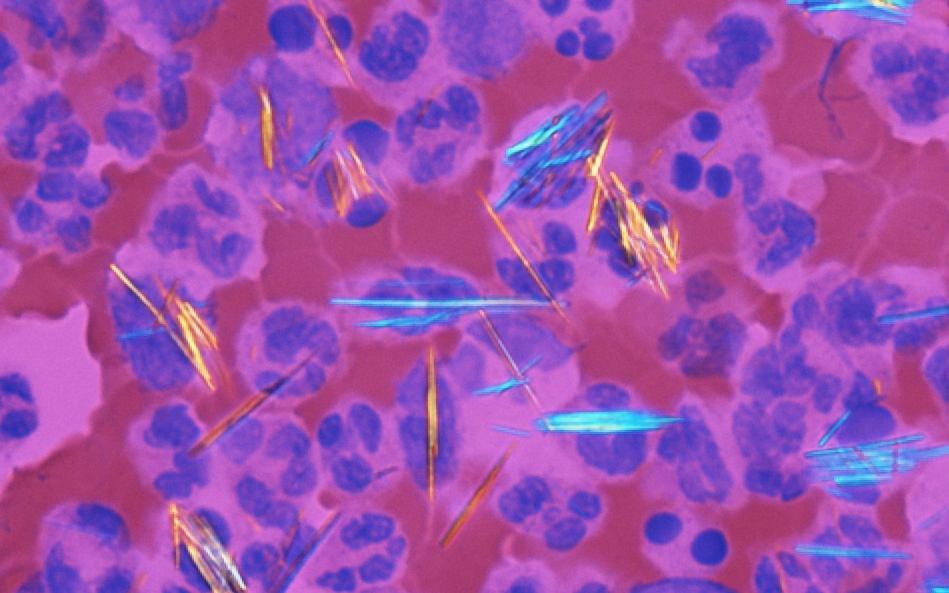
Explanation: Gout is a metabolic disorder characterized by the deposition of **monosodium urate (MSU) crystals** in various tissues [2]. These crystals preferentially deposit in areas with lower temperatures and poor blood supply, typically involving the joints and surrounding connective tissues [4]. **Why Muscle is the Correct Answer:** Skeletal muscle is highly vascularized and maintains a higher core temperature compared to peripheral joints and connective tissues. MSU crystals are significantly more soluble in warmer, well-perfused environments. Consequently, **gout does not affect muscle tissue**. If a patient presents with muscle pain or weakness, alternative diagnoses like myositis or metabolic myopathies should be considered. **Analysis of Other Options:** * **Skin:** Chronic tophaceous gout frequently involves the skin and subcutaneous tissues. **Tophi** (aggregates of MSU crystals) often present as firm, yellowish-white nodules on the ears, fingers, and toes [1]. * **Cartilage:** This is a primary site of involvement. MSU crystals deposit on the surface of **articular cartilage** (seen as the "Double Contour Sign" on ultrasound) and within the fibrocartilage (e.g., the pinna of the ear) [4]. * **Tendon:** Urate crystals have a high affinity for tendons and ligaments. Tenosynovitis is a common manifestation, and tophi can frequently be found along the Achilles tendon or the extensor tendons of the hands [1]. **NEET-PG High-Yield Pearls:** * **Gold Standard Diagnosis:** Polarized light microscopy showing **needle-shaped, negatively birefringent** crystals. * **Radiology:** Look for "punched-out" erosions with overhanging edges (**Martel’s sign**) [3]. * **Commonest Site:** The first metatarsophalangeal joint (**Podagra**) [2]. * **Urate Lowering Therapy (ULT):** Allopurinol is the first-line drug, but it should **not** be started during an acute attack as it may worsen the inflammation [3].
Explanation: **Explanation:** The classification of systemic vasculitis is primarily based on the size of the vessels involved and the presence of specific biomarkers like **Antineutrophil Cytoplasmic Antibodies (ANCA)**. **Why Polyarteritis Nodosa (PAN) is the correct answer:** Polyarteritis nodosa is a **medium-vessel vasculitis**. By definition, it is **ANCA-negative**. It is characterized by necrotizing inflammation of medium-sized or small arteries without glomerulonephritis or vasculitis in arterioles, capillaries, or venules. A key diagnostic feature is its strong association with **Hepatitis B virus (HBV)** infection. **Analysis of Incorrect Options:** * **Wegener’s Granulomatosis (Granulomatosis with Polyangiitis - GPA):** A small-vessel vasculitis strongly associated with **c-ANCA (anti-PR3)**. It typically presents with the triad of upper respiratory, lower respiratory, and renal involvement. * **Churg-Strauss Syndrome (Eosinophilic Granulomatosis with Polyangiitis - EGPA):** A small-vessel vasculitis associated with **p-ANCA (anti-MPO)** in about 40-50% of cases. It is characterized by asthma, peripheral eosinophilia, and extravascular granulomas. * **Microscopic Polyangiitis (MPA):** A small-vessel vasculitis that is almost always **p-ANCA (anti-MPO)** positive. Unlike PAN, it frequently involves the lungs (pulmonary hemorrhage) and the kidneys (pauci-immune glomerulonephritis). **High-Yield Clinical Pearls for NEET-PG:** * **PAN:** Look for "string of beads" appearance on angiography (due to microaneurysms) and sparing of the lungs. * **ANCA-Associated Vasculitides (AAV):** Includes GPA, EGPA, and MPA. * **c-ANCA** targets Proteinase 3 (PR3); **p-ANCA** targets Myeloperoxidase (MPO). * **Kawasaki Disease** is the other major medium-vessel vasculitis (primarily seen in children).
Explanation: **Explanation:** **Fibromyalgia Syndrome (FMS)** is a chronic central pain sensitization syndrome characterized by widespread musculoskeletal pain [1], [2]. **Why Option B is Correct:** The hallmark of Fibromyalgia is **widespread musculoskeletal pain** occurring above and below the waist, on both sides of the body, and involving the axial skeleton for at least 3 months. While the 1990 ACR criteria emphasized "tender points," the updated 2010/2016 criteria focus on the **Widespread Pain Index (WPI)** [2]. In clinical practice, the pain is often diffuse and deep-seated; importantly, there is **no objective local inflammation, swelling, or structural joint tenderness** (unlike rheumatoid arthritis), making "pain without local (inflammatory) tenderness" a defining characteristic of this non-articular condition [3]. **Why Other Options are Incorrect:** * **A. High ESR:** Fibromyalgia is a non-inflammatory condition. Inflammatory markers like ESR and CRP are characteristically **normal** [3]. An elevated ESR should prompt a search for alternative diagnoses like Polymyalgia Rheumatica or malignancy. * **C. Spontaneous resolution:** FMS is typically a **chronic, waxing, and waning condition**. Spontaneous resolution is rare; management focuses on long-term symptom control through exercise and pharmacotherapy. * **D. Tiredness and insomnia:** While these are extremely common (seen in >80% of patients), they are considered **associated constitutional symptoms** rather than the primary defining finding of the syndrome itself [2]. **NEET-PG High-Yield Pearls:** * **Demographics:** Most common in females (20–50 years). * **Pathophysiology:** Central sensitization and "wind-up" phenomenon (abnormal pain processing) [1]. * **Diagnosis:** Clinical diagnosis of exclusion. Sleep studies often show **alpha-wave intrusion** into non-REM sleep [1]. * **Treatment:** First-line is non-pharmacological (aerobic exercise). Pharmacotherapy includes **Amitriptyline** (TCA), **Duloxetine** (SNRI), or **Pregabalin** (Gabapentinoid) [3]. Steroids and NSAIDs are generally ineffective.
Explanation: The clinical presentation is classic for **Fibromyalgia**, a chronic central pain amplification syndrome [1]. The diagnosis is based on the triad of **widespread musculoskeletal pain** (lasting >3 months), **fatigue** (unrefreshing sleep), and **cognitive dysfunction** (often termed "fibro-fog") [2]. 1. **Why Fibromyalgia is correct:** The patient exhibits pain in multiple quadrants (shoulders, back, hips, knees) without objective signs of inflammation (no swelling or redness). The description of "low-quality sleep" despite long hours and "not being all there mentally" are hallmark features [1]. While the older ACR criteria focused on specific "tender points," current criteria emphasize the **Widespread Pain Index (WPI)** and **Symptom Severity (SS) scale**, both of which are strongly positive here [1]. 2. **Why other options are incorrect:** * **Depression:** While frequently comorbid with fibromyalgia, it does not typically present with localized muscle tenderness and widespread physical pain as the primary complaint. * **Obstructive Sleep Apnea (OSA):** While OSA causes daytime fatigue and cognitive lag, it does not explain the widespread musculoskeletal pain or the specific muscle tenderness noted on examination [1]. * **Peripheral Neuropathy:** This usually presents with "stocking-glove" sensory loss, tingling, or burning in distal extremities, rather than proximal muscle pain and stiffness. **High-Yield Clinical Pearls for NEET-PG:** * **Pathophysiology:** Central sensitization (increased sensitivity to pain signals in the CNS) [1]. * **Demographics:** Most common in women aged 20–50. * **Lab Findings:** Inflammatory markers (ESR, CRP) and muscle enzymes (CPK) are **characteristically normal** [1]. * **Management:** First-line involves patient education and aerobic exercise [1]. Pharmacotherapy includes **TCAs (Amitriptyline)**, **SNRIs (Duloxetine)**, or **Gabapentinoids (Pregabalin)**. Avoid opioids.
Explanation: In Systemic Lupus Erythematosus (SLE), the characteristic mucosal involvement is typically **painless oral ulcers**. This is a high-yield distinction in rheumatology. ### **Explanation of the Correct Answer** **D. Painful oral ulcers:** According to both the ACR (American College of Rheumatology) and SLICC criteria, the diagnostic feature is **painless** oral or nasopharyngeal ulceration, usually observed by a physician. Painful ulcers are more commonly associated with conditions like Behçet’s disease, Crohn’s disease, or simple aphthous stomatitis. ### **Analysis of Incorrect Options** * **A. Photosensitivity:** This is a classic ACR criterion. It refers to a skin rash resulting from an unusual reaction to sunlight, either by patient history or physician observation [1]. * **B. Malar rash:** Also known as the "butterfly rash," it is a fixed erythema (flat or raised) over the malar eminences, characteristically **sparing the nasolabial folds** [1]. * **C. Discoid rash:** These are erythematous raised patches with adherent keratotic scaling and follicular plugging; they often lead to atrophic scarring [1]. ### **High-Yield Clinical Pearls for NEET-PG** * **Most Common Symptom:** Joint pain/Arthralgia (90% of patients). * **Most Specific Test:** Anti-dsDNA or Anti-Smith (Anti-Sm) antibodies. * **Best Screening Test:** ANA (High sensitivity, low specificity). * **Drug-Induced Lupus:** Characterized by **Anti-Histone antibodies**; usually spares the CNS and Kidneys. * **Complement Levels:** Low C3 and C4 levels indicate active disease, especially lupus nephritis. * **Libman-Sacks Endocarditis:** A specific cardiac manifestation involving non-bacterial verrucous vegetations on both sides of the heart valves.
Explanation: Primary Sjögren’s Syndrome (pSS) is a systemic autoimmune disease characterized by lymphocytic infiltration of exocrine glands (Sicca symptoms). However, up to 30-50% of patients develop **extraglandular manifestations (EGM)**. **Why Thrombocytopenia is the correct answer:** While hematological abnormalities are common in pSS, the most characteristic finding is **Leukopenia** (specifically lymphopenia) and anemia of chronic disease. **Thrombocytopenia** is relatively rare in primary Sjögren’s. If significant thrombocytopenia occurs, clinicians should investigate for an overlap syndrome (like SLE) or the development of Lymphoma. **Analysis of Incorrect Options:** * **Raynaud’s Phenomenon (Option A):** This is a very common EGM, occurring in approximately 13-30% of patients, often predating sicca symptoms by years. * **Arthritis (Option B):** Musculoskeletal involvement is the most frequent EGM. It typically presents as a symmetrical, non-erosive polyarthritis or arthralgia, similar to Rheumatoid Arthritis but less destructive. * **Lymphoma (Option C):** Patients with pSS have a **44-fold increased risk** of developing B-cell Non-Hodgkin Lymphoma (specifically MALT lymphoma). This is the most serious complication of the disease. **NEET-PG High-Yield Pearls:** 1. **Most common EGM:** Arthralgia/Arthritis. 2. **Most common Hematological finding:** Leukopenia/Anemia (NOT thrombocytopenia). 3. **Predictors of Lymphoma:** Persistent parotid swelling, purpura, low C4 levels, and mixed cryoglobulinemia. 4. **Antibody Profile:** Anti-Ro (SS-A) and Anti-La (SS-B) are characteristic [1]; Anti-Ro is associated with earlier onset and higher frequency of EGMs. 5. **Renal involvement:** Most commonly presents as **Tubulointerstitial Nephritis (TIN)**, often leading to Distal Renal Tubular Acidosis (Type 1 RTA).
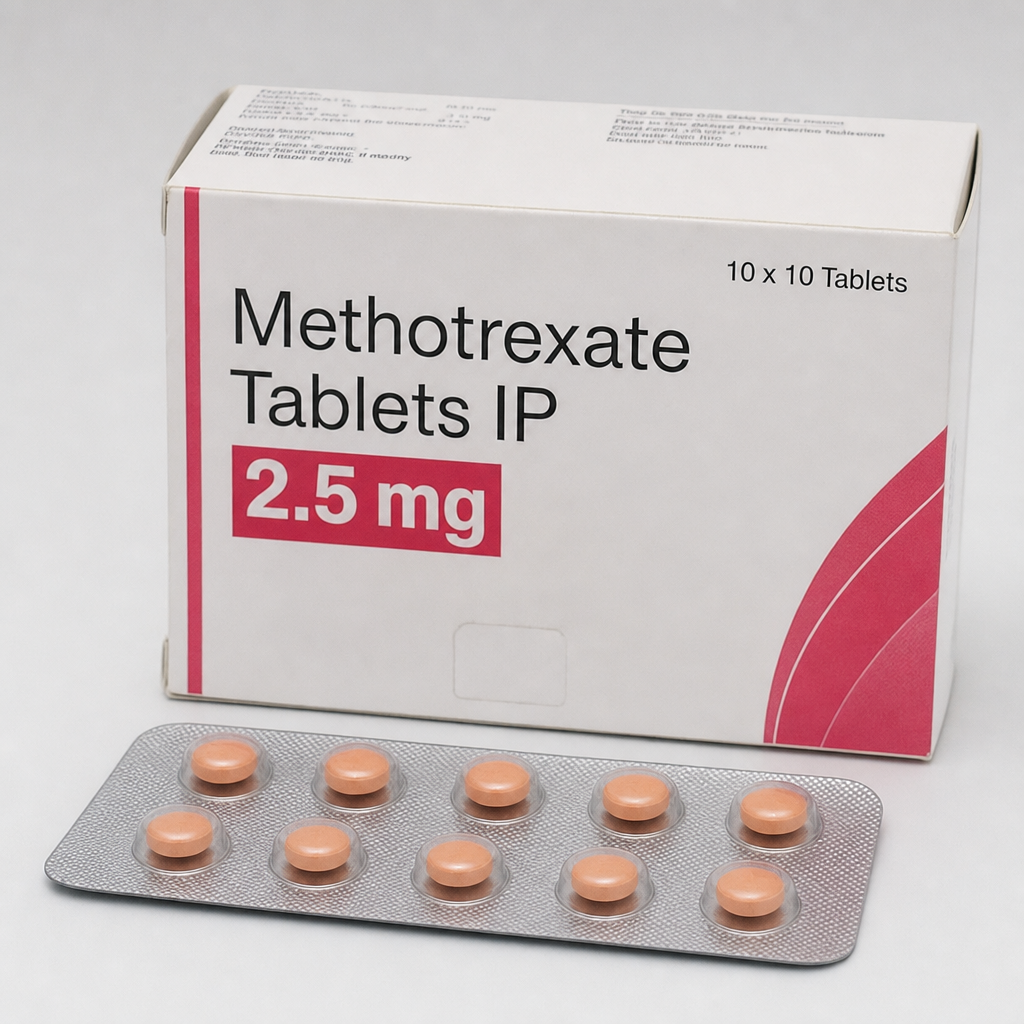
Explanation: Explanation: 1. Why Glucocorticoids are the Correct Answer: Glucocorticoids (e.g., Prednisolone, Dexamethasone) are the most commonly used immunosuppressants in clinical practice [3]. Their dominance is due to their broad-spectrum anti-inflammatory and immunosuppressive effects, rapid onset of action, and versatility across almost every medical specialty. They act by inhibiting the expression of pro-inflammatory cytokines (like IL-1, IL-2, and TNF-alpha) and inducing apoptosis in T and B lymphocytes. They serve as the "first-line" or "bridge therapy" for acute flares in autoimmune diseases, transplant rejection, and allergic reactions. 2. Why the Other Options are Incorrect: * Cyclosporine & Tacrolimus (Calcineurin Inhibitors): While vital in transplant medicine and specific conditions like Nephrotic Syndrome or Psoriasis [2], their use is limited by a narrow therapeutic index and significant side effects (nephrotoxicity, neurotoxicity). They are not as universally applied as steroids. * Methotrexate: This is the "Gold Standard" Disease-Modifying Antirheumatic Drug (DMARD) specifically for Rheumatoid Arthritis [1]. However, its use is largely confined to rheumatological and dermatological conditions [2], making it less "commonly used" across the entire medical spectrum compared to glucocorticoids. 3. NEET-PG High-Yield Pearls: * Mechanism of Action: Glucocorticoids bind to cytosolic receptors, translocate to the nucleus, and inhibit NF-κB (a key transcription factor for inflammation). * Side Effects: Long-term use leads to Cushingoid features, osteoporosis, hyperglycemia, and posterior subcapsular cataracts [2]. * Drug of Choice: Glucocorticoids are the immediate treatment for anaphylaxis (after Adrenaline) and acute exacerbations of SLE and Vasculitis. * Steroid-Sparing Agents: Drugs like Methotrexate or Azathioprine are often added to reduce the long-term dose requirement of glucocorticoids [2].
Explanation: ### **Explanation** **Diagnosis:** The clinical presentation of migratory polyarthralgia, tenosynovitis (tenderness over tendon sheaths), and a petechial rash in a young, sexually active adult is classic for **Disseminated Gonococcal Infection (DGI)** caused by *Neisseria gonorrhoeae*. #### **Why the Correct Answer is Right** *Neisseria gonorrhoeae* utilizes **pili** for initial attachment to mucosal surfaces. The organism can produce recurrent infections because its pili undergo **antigenic variation** (recombination of *pilE* and *pilS* genes to change the protein structure) and **phase variation** (switching the expression of pili on or off). This allows the bacteria to evade the host’s adaptive immune response, as antibodies formed during a previous infection do not recognize the "new" version of the pili. #### **Why Incorrect Options are Wrong** * **A. Intracellular pathogen:** While *Neisseria* can survive inside neutrophils, this is not the primary mechanism for *recurrent* infections; antigenic variation is the hallmark of its persistence. * **B. Resistant to ceftriaxone:** Ceftriaxone remains the first-line treatment for DGI. While antibiotic resistance is rising, it does not explain the biological mechanism of recurrence in a host. * **C. Resistant to complement-mediated lysis:** While some strains (especially those causing DGI) are resistant to serum killing, patients with **terminal complement deficiencies (C5–C9)** are actually at *increased* risk for recurrent Neisserial infections. This is a host factor, not an attribute of the organism itself that explains general recurrence. --- ### **NEET-PG High-Yield Pearls** * **Triad of DGI:** Tenosynovitis, Dermatitis (petechial/pustular), and Polyarthralgia. * **Culture Media:** *N. gonorrhoeae* is fastidious; it grows on **Thayer-Martin** (selective) or **Chocolate agar** (non-selective). * **Joint Fluid:** In DGI, synovial fluid cultures are often negative (<50%); however, in this case, the positive culture on chocolate agar confirms the diagnosis. * **Host Risk Factor:** Always screen patients with recurrent Neisserial infections (Meningitis or Gonorrhea) for **CH50 levels** to rule out terminal complement deficiency.
Explanation: ### Explanation The correct diagnosis is **Churg-Strauss Syndrome (CSS)**, now formally known as **Eosinophilic Granulomatosis with Polyangiitis (EGPA)**. **Why Option A is correct:** The clinical presentation follows the classic triad of EGPA: [1] 1. **Asthma/Respiratory symptoms:** Recent-onset asthma unresponsive to standard therapy [2]. 2. **Eosinophilia:** Peripheral blood eosinophilia (>10% or >1500/µL) and tissue eosinophilia on biopsy [1]. 3. **Systemic Vasculitis:** Involvement of medium and small vessels leading to purpura, hypertension (renal involvement), and claudication [1]. The presence of **p-ANCA (anti-myeloperoxidase)** is characteristic (found in ~40-60% of cases) [1]. The renal biopsy showing vasculitis with eosinophilic infiltration is pathognomonic [1]. **Why incorrect options are wrong:** * **B. Henoch-Schönlein Purpura:** Typically affects children; characterized by IgA deposition, palpable purpura on buttocks/legs, and abdominal pain, but **not** asthma or eosinophilia [1]. * **C. Loeffler Syndrome:** A transient pulmonary eosinophilia (often due to parasites). While it causes wheezing and eosinophilia, it does **not** cause systemic vasculitis, renal failure, or purpura. * **D. Wegener Granulomatosis (GPA):** While it involves the respiratory tract and kidneys, it is characterized by **c-ANCA (PR3)**, granulomas, and lacks the significant peripheral eosinophilia and asthma seen here [2]. **NEET-PG High-Yield Pearls:** * **ANCA Association:** EGPA is primarily associated with **p-ANCA**, whereas GPA (Wegener’s) is associated with **c-ANCA** [1]. * **Key Differentiator:** If a question mentions **Asthma + Eosinophilia + Vasculitis**, always think EGPA [2]. * **Organ Involvement:** The heart is a major cause of mortality in EGPA (myocarditis/coronary vasculitis), though renal and skin involvement are common. * **Stages:** EGPA often progresses through three phases: Prodromal (allergic/asthma) → Eosinophilic (tissue infiltration) → Vasculitic phase.
Explanation: Rheumatoid Arthritis (RA) is a chronic, systemic inflammatory disease primarily characterized by **inflammatory synovitis**. The pathophysiology involves synovial hyperplasia and the formation of **pannus**, which leads to the destruction of articular cartilage and juxta-articular bone [1]. **Why Osteosclerosis is the Correct Answer:** **Osteosclerosis** (increased bone density/whitening on X-ray) is a hallmark of **Osteoarthritis (OA)**, a degenerative joint disease, rather than RA. In RA, the inflammatory process leads to bone loss rather than bone formation. Therefore, osteosclerosis, subchondral cysts, and osteophytes are features that help distinguish OA from RA. **Analysis of Incorrect Options:** * **Soft tissue swelling:** This is the earliest radiographic sign of RA, representing active synovial inflammation and joint effusion. * **Narrowing of joint space:** As the pannus destroys the articular cartilage symmetrically, the space between the bones decreases. This is a classic finding in progressive RA [1]. * **Periarticular osteoporosis:** Also known as juxta-articular osteopenia, this occurs early in RA due to increased local cytokine activity (like IL-1 and TNF) and hyperemia, which stimulate osteoclast activity near the inflamed joint [1]. **NEET-PG High-Yield Pearls:** * **Earliest X-ray sign of RA:** Soft tissue swelling. * **Earliest bone change:** Periarticular osteopenia/osteoporosis. * **Most specific X-ray sign:** Marginal erosions (rat-bite erosions) at the "bare areas" of the bone. * **Joint Involvement:** RA typically involves the PIP and MCP joints [1] but **spares the DIP joints** (unlike OA and Psoriatic Arthritis). * **Cervical Spine:** The only part of the spine commonly involved in RA is the **atlantoaxial joint** (C1-C2 subluxation).
Rheumatoid Arthritis
Practice Questions
Spondyloarthropathies
Practice Questions
Systemic Lupus Erythematosus
Practice Questions
Vasculitis Syndromes
Practice Questions
Scleroderma and Related Disorders
Practice Questions
Inflammatory Myopathies
Practice Questions
Crystal Arthropathies
Practice Questions
Osteoarthritis
Practice Questions
Primary Immunodeficiency Disorders
Practice Questions
Autoinflammatory Syndromes
Practice Questions
Sjögren's Syndrome
Practice Questions
Antiphospholipid Syndrome
Practice Questions
Get full access to all questions, explanations, and performance tracking.
Start For Free