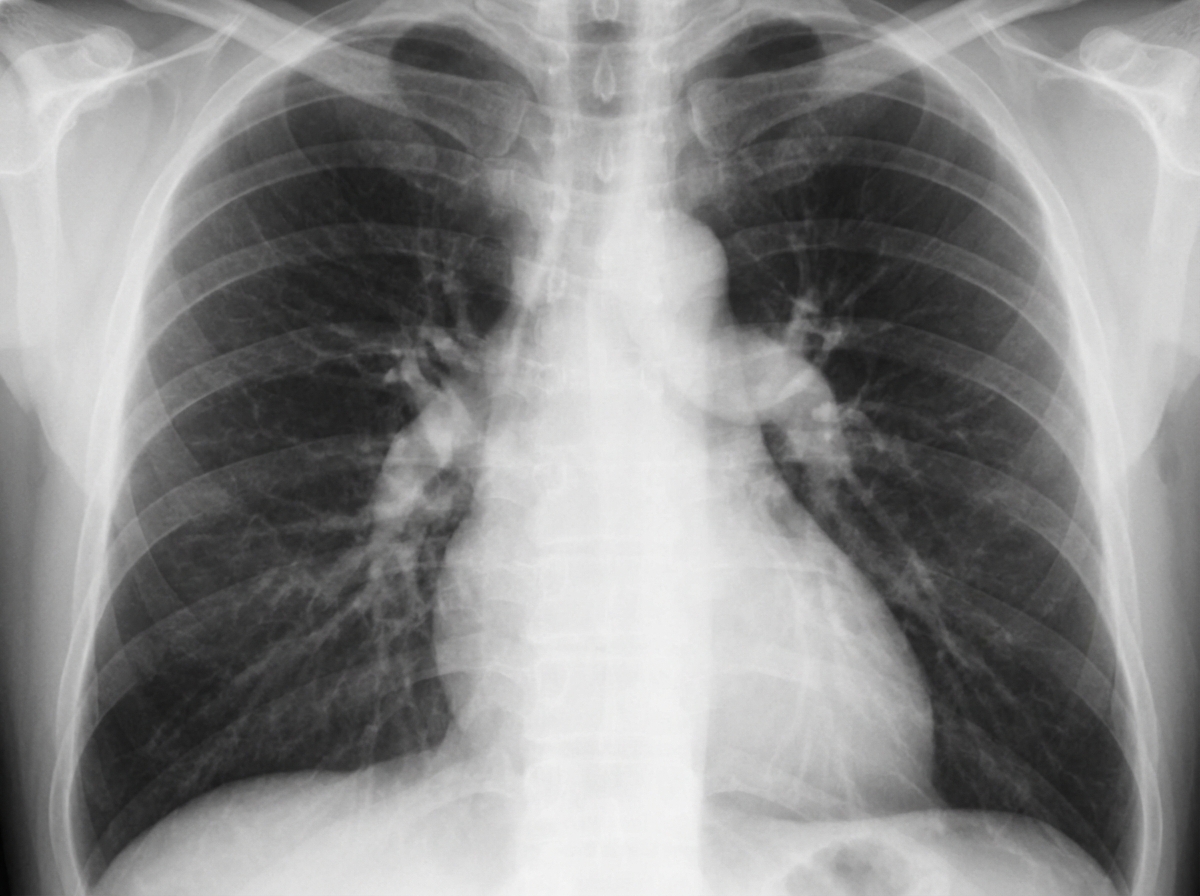
Which of the following conditions can present with miliary mottling?
Which of the following routes of infection is most responsible for lung abscess?
Which of the following statements is true regarding pulmonary arterial hypertension (PAH)?
Which of the following is FALSE regarding Allergic bronchopulmonary aspergillosis?
Brock's Syndrome is associated with which of the following conditions?
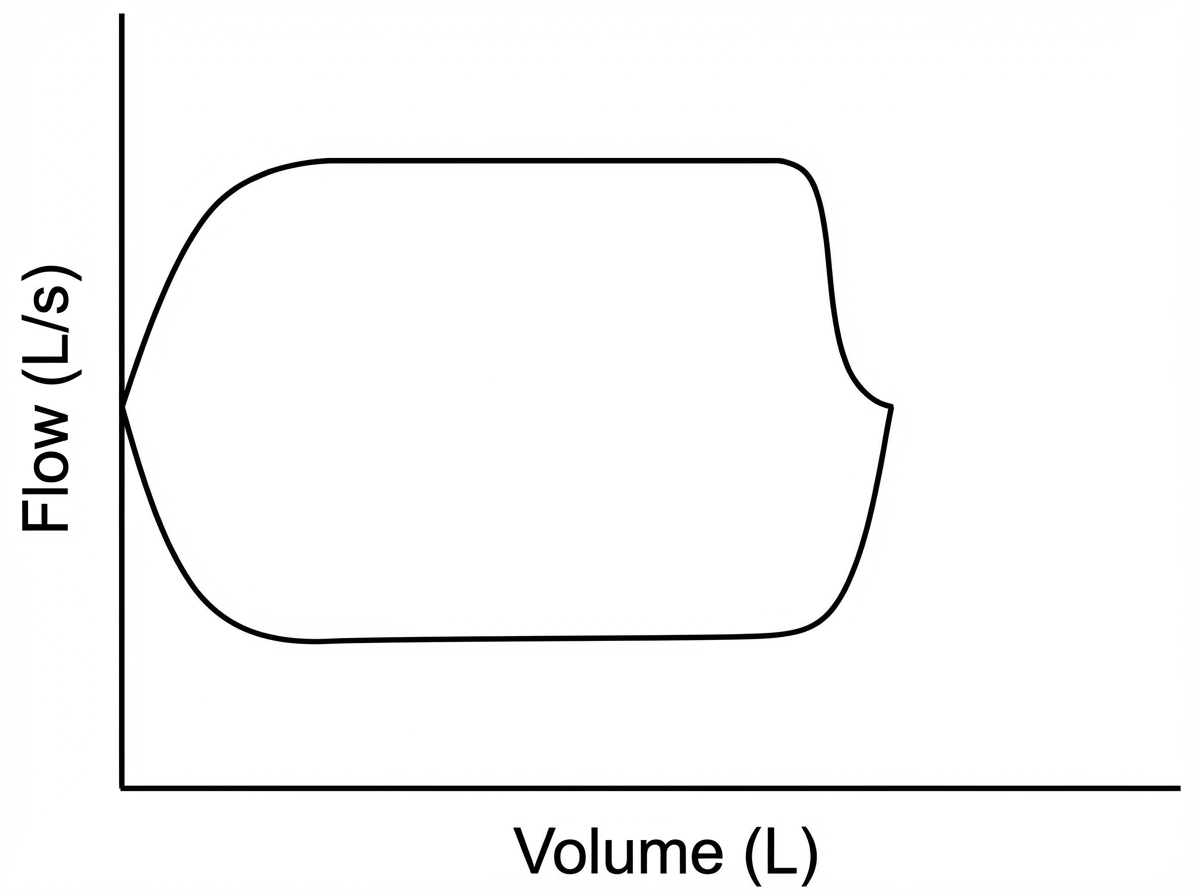
A 65-year-old male presented with progressive dyspnea on exertion for 3 months. His past medical history includes necrotizing pancreatitis and ARDS, for which he was mechanically ventilated. He is a chronic smoker. On examination, low-pitched inspiratory and expiratory wheezes are heard over the mid-chest area. Pulmonary function tests revealed an FEV1 of 78% of predicted and an FEV1/FVC ratio of 60%. A flow-volume curve was also obtained. What is the most likely diagnosis in this case?
A 28-year-old woman complains of chest pain for 1.5 months. Three months prior to the current visit, she developed a cough with expectoration, worse in the early morning. There was no shortness of breath or hemoptysis. About 2 months after the onset of the cough, she began to have intermittent pleuritic chest pain, increasing fatigue, and weight loss of 3 kgs but no loss of appetite. On auscultation, fine crackles in the suprascapular areas bilaterally were present (left greater than right). The left upper lobe was dull to percussion. Which of the following is NOT a component of the classic medium used for the diagnosis of the likely disease?
Which of the following is NOT associated with Loeffler's syndrome?
A 27-year-old man with a history of chronic sinus and pulmonary infections presents for evaluation. He works as a salesperson and denies specific occupational exposure. He is married and has no children. Family and travel history are noncontributory. Examination reveals crackles in both lower lung zones and extremities show no clubbing. Chest X-ray shows the cardiac apex displaced to the right side of the chest with the gastric bubble also noted on the right. What is the most likely diagnosis?
Empyema necessitans is defined as when?
Explanation: ### Explanation **Miliary mottling** refers to a radiological pattern characterized by numerous small (1–3 mm), discrete, rounded opacities scattered throughout both lungs, resembling millet seeds [2]. This pattern is the result of hematogenous or lymphatic spread of a disease process. **Why Option A is Correct:** The correct answer includes a diverse group of infectious and non-infectious etiologies that can manifest this pattern: * **Tuberculosis (Miliary TB):** The classic cause, resulting from hematogenous dissemination of *Mycobacterium tuberculosis* [2]. * **Sarcoidosis:** Stage II/III sarcoidosis can present with micronodular opacities, often following a perilymphatic distribution. * **Silicosis:** Chronic inhalation of silica dust leads to the formation of small, well-defined silicotic nodules, predominantly in the upper lobes [1]. * **Pneumocystis jirovecii Pneumonia (PCP):** While typically presenting as ground-glass opacities, it can rarely present with a granular or miliary pattern, especially in immunocompromised patients. **Analysis of Incorrect Options:** Options B, C, and D are incomplete. While the conditions listed in them (like Sarcoidosis or Silicosis) do cause miliary mottling, they exclude one or more valid clinical causes present in the comprehensive list of Option A. In NEET-PG, when multiple options are technically "correct," the most inclusive and complete list is the intended answer. **High-Yield Clinical Pearls for NEET-PG:** * **Differential Diagnosis (Mnemonic: "STCC"):** **S**arcoidosis/Silicosis, **T**uberculosis, **C**arcinomatosis (miliary metastases from thyroid, renal, or breast cancer), and **C**occidioidomycosis/Histoplasmosis. * **Miliary TB:** Often associated with a negative Mantoux test (anergy) due to overwhelming infection. * **Silicosis:** Look for "Eggshell calcification" of hilar lymph nodes in the same patient [1]. * **HRCT Finding:** Miliary nodules are typically **randomly distributed** in relation to the secondary pulmonary lobule (unlike centrilobular or perilymphatic nodules).
Explanation: **Explanation:** A lung abscess is a localized area of necrosis within the pulmonary parenchyma, resulting in a cavity filled with debris or fluid. **Why Option D is Correct:** The most common mechanism for the development of a lung abscess is the **aspiration of oropharyngeal secretions** [1]. The oropharynx is colonized by a high concentration of anaerobic bacteria (such as *Peptostreptococcus*, *Fusobacterium*, and *Bacteroides*). Patients with predispositions like altered consciousness (alcoholism, seizures, general anesthesia) or esophageal/periodontal disease are at high risk [1]. Once aspirated, these organisms cause pneumonitis, which progresses to tissue necrosis and abscess formation within 7–14 days. **Why Other Options are Incorrect:** * **A. Direct inoculation:** This occurs via trauma (e.g., penetrating chest injury) or iatrogenic means. While possible, it is a rare cause compared to aspiration. * **B. Inhalation of infection:** This is the primary route for pathogens like *Mycobacterium tuberculosis* or certain fungi, but it is not the typical route for the pyogenic/anaerobic organisms that cause classic lung abscesses [2]. * **C. Spread from adjacent site:** This refers to extension from a subphrenic abscess or liver abscess (often amoebic). While clinically significant, it accounts for only a small fraction of cases. **High-Yield Clinical Pearls for NEET-PG:** * **Location:** Aspiration-related abscesses most commonly occur in the **posterior segment of the upper lobes** and the **superior segment of the lower lobes** (gravity-dependent areas). * **Microbiology:** Most lung abscesses are **polymicrobial**, involving a mix of aerobes and anaerobes. * **Clinical Sign:** Foul-smelling (putrid) sputum is highly suggestive of anaerobic infection. * **Radiology:** Characterized by a cavity with an **air-fluid level** on a chest X-ray [1].
Explanation: ### Explanation **1. Why Option A is Correct:** The hallmark of Pulmonary Arterial Hypertension (PAH) is a progressive increase in pulmonary vascular resistance, leading to right ventricular (RV) strain. **Exertional dyspnea (progressive breathlessness)** is the most common presenting symptom, occurring in over 90% of patients [1]. It initially occurs due to the inability of the right heart to increase cardiac output during exercise, eventually progressing to dyspnea at rest as the disease worsens. **2. Why the Other Options are Incorrect:** * **Option B:** Edema is a sign of **right-sided heart failure (Cor Pulmonale)**. In PAH, peripheral edema, ascites, and hepatic congestion are **late features**, indicating that the RV can no longer compensate for the high pulmonary pressures [1]. * **Option C:** PAH is more commonly associated with **tachyarrhythmias**, particularly supraventricular tachycardias like atrial flutter or atrial fibrillation, due to right atrial enlargement and stretch. Bradyarrhythmias are not a characteristic feature. * **Option D:** PAH is associated with a systolic murmur of **Tricuspid Regurgitation (TR)**, not mitral regurgitation. High pulmonary pressures cause RV dilation, which stretches the tricuspid annulus, leading to functional TR (heard best at the left lower sternal border) [1]. **Clinical Pearls for NEET-PG:** * **Physical Exam:** Look for a loud **P2 (pulmonary component of S2)** and a left parasternal heave (RV hypertrophy) [1]. * **Gold Standard Diagnosis:** **Right Heart Catheterization** (mPAP >20 mmHg at rest). * **ECG Findings:** Right axis deviation, R-wave > S-wave in V1, and "P-pulmonale" (tall peaked P waves) [2]. * **Drug of Choice (Vasoreactive):** Calcium Channel Blockers (only if the vasoreactivity test is positive). * **Specific Therapies:** Endothelin receptor antagonists (Bosentan), PDE-5 inhibitors (Sildenafil), and Prostacyclin analogues (Epoprostenol).
Explanation: **Explanation:** Allergic Bronchopulmonary Aspergillosis (ABPA) is a complex hypersensitivity reaction to *Aspergillus fumigatus* colonization in the airways, typically occurring in patients with pre-existing asthma or cystic fibrosis. **1. Why Option D is the Correct (False) Statement:** In ABPA, the characteristic radiological finding is **Central Bronchiectasis** (involving the inner two-thirds of the lung fields), not distal bronchiectasis. While central bronchiectasis is a major diagnostic criterion, it is not the "primary" or sole criterion; diagnosis requires a combination of clinical, serological, and radiological features (the ISHAM criteria). **2. Analysis of Other Options:** * **Option A:** *Aspergillus fumigatus* is indeed the most common causative fungus responsible for the immune response in ABPA. * **Option B:** ABPA almost exclusively occurs in patients with a long-standing history of **Asthma** or **Cystic Fibrosis**. It should be suspected in asthmatics with recurrent exacerbations and fleeting opacities [1]. * **Option C:** Elevated **Total Serum IgE (>1000 IU/mL)** is a hallmark of the disease and a mandatory requirement for diagnosis [1]. **3. High-Yield Clinical Pearls for NEET-PG:** * **Diagnostic Criteria (ISHAM):** 1. Predisposing condition (Asthma/CF); 2. Positive Type I skin test or specific IgE for *Aspergillus*; 3. Total IgE >1000 IU/mL; 4. Presence of IgG antibodies or Central Bronchiectasis. * **Radiology:** Look for "Finger-in-glove" opacities (mucoid impaction) and "Tram-line" shadows. * **Treatment:** Oral Corticosteroids (to suppress inflammation) and Itraconazole (to reduce fungal burden). * **Key Lab:** Peripheral blood eosinophilia is common but not mandatory for diagnosis.
Explanation: ### Explanation **Brock’s Syndrome**, also known as **Right Middle Lobe (RML) Syndrome**, refers to recurrent or chronic collapse (atelectasis) and subsequent infection of the right middle lobe of the lung. **Why the correct answer is right:** The anatomy of the right middle lobe bronchus makes it uniquely susceptible to obstruction. It is relatively long, has a narrow diameter, and branches off the bronchus intermedius at a sharp angle. Furthermore, it is surrounded by a ring of lymph nodes (peribronchial nodes) that drain both the middle and lower lobes. Enlargement of these nodes (due to tuberculosis, histoplasmosis, or malignancy) causes extrinsic compression of the bronchus, leading to distal stasis of secretions, chronic infection, and eventually **Middle Lobe Bronchiectasis**. **Analysis of Incorrect Options:** * **A. Bronchiectasis Sicca:** This refers to "dry bronchiectasis," typically involving the upper lobes, where the patient presents with hemoptysis without significant sputum production (often a sequel of tuberculosis). * **C. Kartagener’s Syndrome:** This is a triad of situs inversus, chronic sinusitis, and bronchiectasis caused by primary ciliary dyskinesia. While it involves bronchiectasis, it is a systemic genetic disorder, not localized to the middle lobe. * **D. Sarcoidosis:** While sarcoidosis can cause hilar lymphadenopathy which might theoretically compress a bronchus, it is not the classic association for Brock’s Syndrome. **NEET-PG High-Yield Pearls:** * **Etiology:** Can be obstructive (tumor, foreign body) or non-obstructive (impaired collateral ventilation and lymphoid hyperplasia). * **Clinical Presentation:** Chronic cough, recurrent pneumonia, and hemoptysis. * **Radiology:** On a lateral chest X-ray, it appears as a characteristic **wedge-shaped opacity** extending from the hilum towards the anterior chest wall. * **Key Association:** In developing countries like India, **Tuberculosis** is the most common cause of the lymphadenopathy leading to Brock’s Syndrome.
Explanation: ***Subglottic stenosis*** - History of **mechanical ventilation** for ARDS increases risk of **subglottic stenosis** due to prolonged intubation trauma and subsequent scarring. - **Biphasic stridor** (inspiratory and expiratory wheezes) over mid-chest indicates **fixed upper airway obstruction**, characteristic of subglottic stenosis with flattening of both inspiratory and expiratory limbs on flow-volume loop. *COPD* - While the patient is a chronic smoker, **FEV1 of 78%** is relatively preserved for significant COPD, and the **FEV1/FVC ratio of 60%** alone doesn't explain the biphasic stridor. - COPD typically presents with **expiratory airflow limitation** and would show flattening of the expiratory limb only on flow-volume loop. *Idiopathic pulmonary fibrosis* - IPF causes **restrictive lung disease** with reduced lung volumes, not the obstructive pattern suggested by the FEV1/FVC ratio. - Would present with **fine crackles** on examination rather than the described biphasic wheezes, and typically shows a normal or increased FEV1/FVC ratio. *Unilateral vocal cord paralysis* - Causes **variable extrathoracic obstruction** with flattening of the **inspiratory limb only** on flow-volume loop, not the biphasic pattern described. - Typically presents with **inspiratory stridor** only and **voice changes**, which are not mentioned in this case.
Explanation: ### Diagnosis: The clinical presentation of chronic cough, weight loss, pleuritic chest pain [1], and dullness/crackles in the suprascapular areas (apical regions) in a young adult is highly suggestive of **Pulmonary Tuberculosis (TB)** [2]. The "classic medium" used for the culture of *Mycobacterium tuberculosis* is the **Lowenstein-Jensen (LJ) medium**. **Why L-glutamine is the correct answer:** L-glutamine is **not** a component of the LJ medium. LJ medium is an egg-based solid medium. While it contains various amino acids derived from egg proteins, L-glutamine is specifically a component of liquid media (like Middlebrook 7H12) or specialized media for other fastidious organisms, but not the standard LJ formulation. **Analysis of Incorrect Options:** * **A. Egg suspension:** This is the base of the LJ medium. It provides the necessary fatty acids and proteins required for the growth of Mycobacteria. * **B. Malachite green:** This is a vital inhibitory agent. It inhibits the growth of contaminating bacteria (commensals), ensuring that the slow-growing *M. tuberculosis* can be isolated. It also gives the medium its characteristic green color. * **C. Glycerol:** This acts as a carbon source and growth enhancer for *M. tuberculosis*. (Note: *M. bovis* is inhibited by glycerol, so pyruvate is used instead for its cultivation). **High-Yield NEET-PG Pearls:** * **LJ Medium Sterilization:** It is sterilized by **Inspissation** (heating at 80-85°C for 30 minutes on three successive days) to solidify the egg without coagulating it excessively. * **Growth Timing:** *M. tuberculosis* is a slow grower [2]; colonies on LJ medium typically appear in **2–8 weeks** and are described as "rough, tough, and buff" (non-pigmented, cream-colored). * **Automated Systems:** For faster results (1-2 weeks), liquid culture systems like **MGIT** (Mycobacteria Growth Indicator Tube) are now preferred over LJ medium in clinical practice.
Explanation: **Explanation:** **Loeffler’s Syndrome** (Simple Pulmonary Eosinophilia) is a transient respiratory illness characterized by migratory pulmonary infiltrates and peripheral blood eosinophilia [1]. The underlying pathophysiology involves a **Type I hypersensitivity reaction** in the lungs, typically occurring during the larval migration phase of certain helminths. **Why Giardiasis is the correct answer:** * **Giardiasis** is caused by *Giardia lamblia*, a protozoan that inhabits the duodenum and upper jejunum [3]. Unlike helminths, *Giardia* does **not** have a tissue-migratory phase through the lungs; it remains localized to the gastrointestinal tract [3]. Therefore, it does not cause pulmonary eosinophilia or Loeffler’s syndrome. **Analysis of incorrect options:** * **Toxocara & Strongyloides stercoralis:** These are classic causes of Loeffler’s syndrome [1]. Along with *Ascaris lumbricoides* and Ancylostoma (Hookworms), these parasites undergo a **heart-lung migration cycle** [2]. As larvae break into the alveoli, they trigger an eosinophilic immune response. * **L-tryptophan:** While primarily associated with **Eosinophilia-Myalgia Syndrome (EMS)**, historical contamination of L-tryptophan supplements has been linked to systemic eosinophilic syndromes that can present with Loeffler-like pulmonary infiltrates. **NEET-PG High-Yield Pearls:** * **Most common cause:** *Ascaris lumbricoides* is the most frequent global cause of Loeffler’s syndrome. * **Clinical Presentation:** Usually self-limiting; presents with dry cough, wheezing, and dyspnea [4]. * **Radiology:** Characterized by **"fleeting" or "migratory" pulmonary infiltrates** (shadows that change position on serial X-rays) [1]. * **Mnemonic (NASSA):** Common parasites causing Loeffler’s: **N**ecator americanus, **A**scaris lumbricoides, **S**trongyloides stercoralis, **S**chistosoma, **A**ncylostoma duodenale [1], [2].
Explanation: ***Kartagener syndrome*** - Classic triad includes **situs inversus** (evident on chest X-ray), **chronic sinusitis**, and **bronchiectasis** with recurrent pulmonary infections. - Associated with **male infertility** due to **immotile cilia** causing defective sperm motility, explaining the absence of children despite marriage. *IgA deficiency* - Most common **primary immunodeficiency** causing recurrent respiratory and GI infections, but lacks the characteristic **situs inversus**. - Does not typically cause **male infertility** or the specific pattern of chronic sinopulmonary disease seen here. *Aspiration pneumonia* - Usually occurs in patients with **dysphagia**, **altered mental status**, or **gastroesophageal reflux**, none mentioned here. - Presents with **acute pneumonia** rather than chronic sinopulmonary infections and would not cause **situs inversus**. *Cystic fibrosis* - Typically diagnosed in **childhood** with **failure to thrive**, **pancreatic insufficiency**, and **meconium ileus**. - While it causes chronic pulmonary infections and **male infertility**, it does not present with **situs inversus** on chest imaging.
Explanation: **Explanation:** **Empyema necessitans** is a rare but classic clinical entity where an undrained pleural empyema (a collection of pus in the pleural space) extends beyond the thoracic cavity by eroding through the parietal pleura and chest wall, eventually manifesting as a soft tissue mass or abscess in the **subcutaneous tissue** [1]. 1. **Why Option D is correct:** The term ""necessitans"" implies that the pus ""necessitates"" an outlet. The infection tracks along the path of least resistance, typically through the anterior chest wall (often in the 2nd to 6th intercostal spaces) to form a palpable, sometimes fluctuant, subcutaneous swelling [1]. 2. **Why other options are incorrect:** * **Option A:** While empyema is often under pressure, this is a general characteristic of any confined abscess and does not define the ""necessitans"" variant [1]. * **Option B:** Rupture into a bronchus results in a **bronchopleural fistula**, leading to the expectoration of purulent sputum and an air-fluid level on X-ray [1]. * **Option C:** Extension into the pericardium is a rare complication of empyema but is termed purulent pericarditis, not empyema necessitans. **High-Yield Clinical Pearls for NEET-PG:** * **Most Common Cause:** Historically, *Mycobacterium tuberculosis* is the most common cause worldwide. * **Other Causes:** *Actinomyces israelii* (classically associated with ""sulfur granules""), *Streptococcus pneumoniae*, and *Staphylococcus aureus*. * **Common Site:** The most frequent site of protrusion is the **Bülau's point** (the anterior chest wall between the midclavicular and anterior axillary lines). * **Diagnosis:** Contrast-enhanced CT (CECT) is the gold standard to visualize the ""hourglass"" or ""dumbbell"" communication between the pleural space and the chest wall.
Obstructive Airway Diseases (Asthma, COPD)
Practice Questions
Interstitial Lung Diseases
Practice Questions
Pulmonary Infections
Practice Questions
Pulmonary Vascular Diseases
Practice Questions
Pleural Diseases
Practice Questions
Sleep-Disordered Breathing
Practice Questions
Respiratory Failure
Practice Questions
Mediastinal Disorders
Practice Questions
Occupational Lung Diseases
Practice Questions
Pulmonary Function Testing
Practice Questions
Bronchiectasis and Cystic Fibrosis
Practice Questions
Lung Cancer Approach
Practice Questions
Get full access to all questions, explanations, and performance tracking.
Start For Free