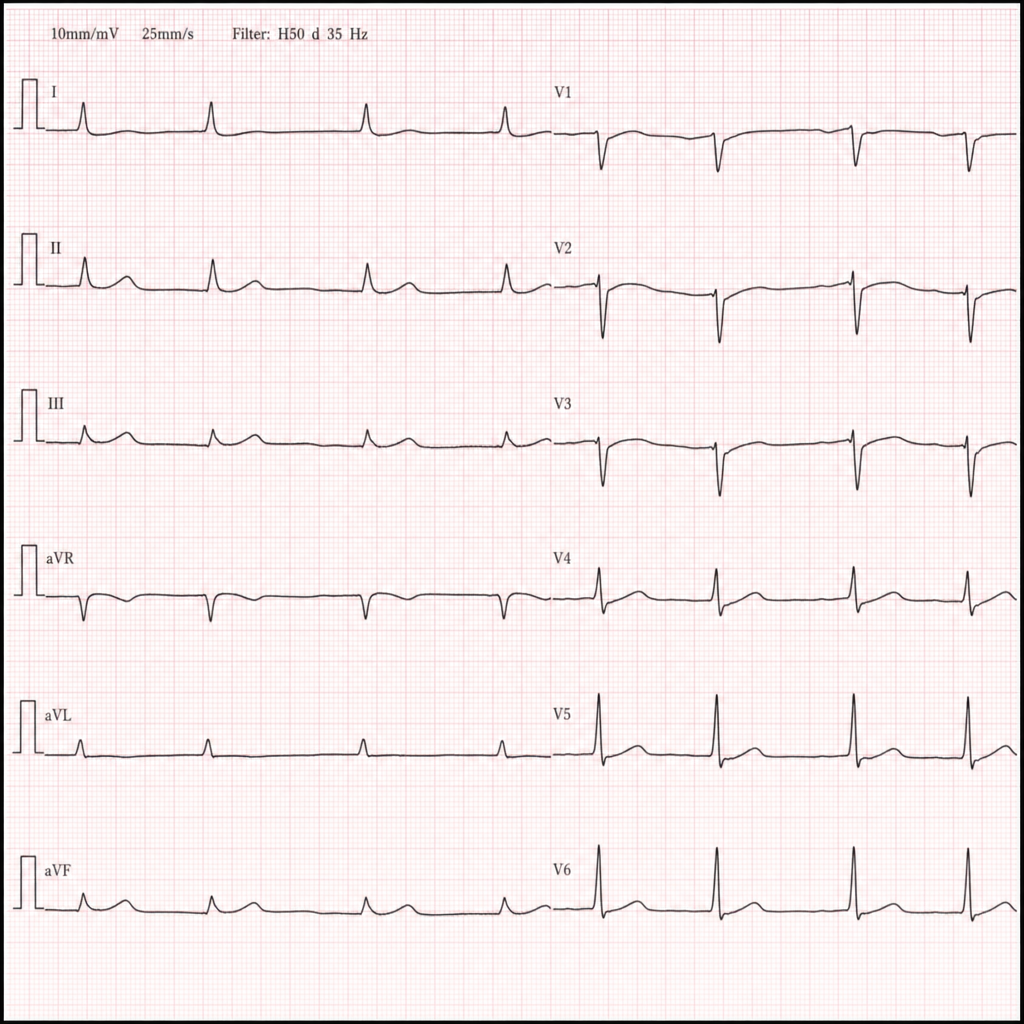
A physician is asked to certify fitness for employment for a patient with well-controlled diabetes who is applying for a pilot's license. The patient requests favorable certification despite regulatory restrictions. Synthesize the competing obligations and determine the appropriate action.
A teaching hospital wants to implement a new policy requiring all patients to consent to being examined by medical students. A patient refuses student participation but needs urgent treatment. Evaluate the best course of action balancing medical education and patient rights.
A junior resident discovers that a senior consultant has been ordering unnecessary investigations for personal financial gain. After informal discussion is ignored, what is the most appropriate next step according to professional ethics?
A pharmaceutical company offers a physician free international conference registration and accommodation in exchange for prescribing their new antihypertensive drug. The drug is more expensive than equally effective alternatives. Analyze the ethical implications.
A 70-year-old patient with advanced cancer is brought by family members who request that the diagnosis not be disclosed to the patient. The patient is mentally competent and asks about the diagnosis. What should be done?
A 45-year-old patient diagnosed with HIV infection requests that his diagnosis not be disclosed to anyone, including his spouse. He continues to have unprotected sexual relations. What is the most appropriate action?
How does the doctrine of therapeutic privilege differ from standard informed consent practices?
What is the primary purpose of obtaining informed consent in medical practice?
Which section of the Indian Medical Council (Professional Conduct, Etiquette and Ethics) Regulations deals with clinical research and human experimentation?
According to the Medical Council of India regulations, what is the mandatory time period for maintaining medical records in a hospital?
Explanation: ***Provide accurate medical information as per aviation medical standards, even if unfavorable to patient*** - Physicians have a dual responsibility, but the primary duty in licensing is to **public safety** and professional **integrity** [1], requiring full disclosure of medical facts. - Falsifying or omitting data for a pilot's license violates **professional ethics** [1] and regulatory laws, as conditions like diabetes pose risks like **hypoglycemia** during flight. In no case should false information be given [2]. *Provide a vague certificate leaving interpretation to aviation authorities* - Vague certifications represent a failure in the physician's duty to provide **clear medical assessment** and can lead to administrative delays or safety oversights. - **Professional standards** require that medical reports for specific licenses be precise [1] and adhere to the **aviation medical criteria** provided by the governing body. *Provide favorable certificate to maintain patient relationship* - Beneficence toward a patient does not justify **professional misconduct** or the provision of **fraudulent documentation** to a third party [1]. - Prioritizing the patient relationship over **public risk** [1] in high-stakes professions like aviation is an unethical application of **patient advocacy**. *Refuse to provide any certificate to avoid responsibility* - While a physician can decline to perform specific exams, abandoning the responsibility once engaged is an avoidance of **professional duty** rather than an ethical solution. - The physician's role is to act as an **objective evaluator**; refusing to provide a report [1] based on known medical history prevents the proper functioning of **regulatory safety protocols**.
Explanation: ### Provide treatment without student involvement, respecting patient autonomy - Patients have the fundamental right to **autonomy**, which includes the right to refuse being examined by medical students without compromising their standard of care [4]. - In a teaching environment, student participation must be based on **informed consent** [1], and refusal to participate should never be used as a reason to withhold **urgent treatment** [1, 5]. ### Proceed with student examination as it's a teaching hospital - Forcing a student examination against a patient's wishes is a violation of **bodily integrity** and ethical practice [2]. - Status as a teaching hospital does not grant legal or ethical authority to bypass the requirement for **voluntary consent** [1]. ### Transfer patient to non-teaching hospital - Transferring a patient who requires **urgent treatment** based solely on their refusal to see students may constitute **medical abandonment** or a violation of emergency care laws. - The priority must remain the **stabilization** and treatment of the patient's acute condition regardless of their participation in educational activities [1]. ### Deny treatment until patient agrees to student participation - Making medical care conditional upon student involvement is considered a form of **coercion**, which invalidates any consent obtained [1]. - Denying care because a patient exercises their right to refuse teaching involvement is a serious breach of **medical ethics** and professional standards [4, 5].
Explanation: ***Report to the hospital ethics committee or appropriate authority*** - Since **informal discussion** was ignored, the junior resident has a **professional obligation** to escalate the matter to institutional authorities to ensure patient safety and ethical integrity. - Reporting through **proper channels** ensures the situation is investigated via **due process** while protecting the resident from direct retaliation or claims of defamation [1]. *Directly confront the consultant in front of patients* - Confronting a colleague in public undermines **patient trust** in the medical profession [2] and does not follow a structured resolution process. - Professionalism requires that **disputes or concerns** be handled privately or through administrative routes rather than in clinical areas [2]. *Post the information on social media to warn patients* - Posting on **social media** violates confidentiality and professionalism, potentially leading to **legal liability** for libel even if the claims are true. - This approach bypasses the **institutional governance** structures designed to handle unethical behavior and lacks professional accountability. *Ignore the issue to avoid career repercussions* - Ignoring **unethical practices** or financial exploitation of patients is a violation of the **Hippocratic Oath** and professional medical ethics [3]. - Physicians have a duty to protect patients from **harm** and unnecessary procedures, making passive acceptance of misconduct unacceptable [3].
Explanation: Unethical as it creates conflict of interest and violates professional conduct regulations - This scenario describes a **quid pro quo** arrangement where the physician's independence is compromised by **financial incentives**, leading to a direct **conflict of interest** [1]. - Regulatory bodies, such as the **National Medical Commission (NMC)** or equivalent, explicitly prohibit physicians from accepting **gifts, travel facilities, or hospitality** that might influence prescribing patterns [1]. Acceptable if disclosed to patients before prescribing - **Disclosure** does not mitigate the unethical nature of the arrangement or the violation of **professional conduct regulations** regarding pharmaceutical interactions. - Prescribing a more **expensive alternative** solely for personal gain violates the principle of **beneficence** [2] and cost-effective care regardless of disclosure. Acceptable if the physician genuinely believes the drug is superior - Subjective belief cannot justify a **financial kickback**; the acceptance of high-value gifts creates a **bias** that undermines objective clinical judgment. - Professional ethics require that drug selection be based on **evidence-based medicine** [3] and patient needs, not private incentives from **pharmaceutical companies**. Acceptable as continuing medical education benefits patient care - While **Continuing Medical Education (CME)** is essential, it must be funded through transparent, **unrestricted grants** rather than direct exchanges for prescriptions. - The **ethical boundaries** are breached when educational benefits are used as a pretext for **commercial bribery** or individual financial gain.
Explanation: Disclose the diagnosis to the patient as they have the right to know - Every mentally competent patient has the fundamental right to autonomy, which includes receiving truthful information about their own medical condition and diagnosis [1]. - Relatives do not have the legal or ethical authority to override a competent patient's request for information; the physician's primary duty is to the patient, not the family [2]. Discharge the patient to avoid ethical conflict - Abandoning a patient due to an ethical dilemma is professionally irresponsible and does not resolve the patient's need for medical care or information. - Ethical conflicts should be managed through communication, hospital ethics committees, or mediation, rather than by terminating the physician-patient relationship [4]. Respect family wishes and withhold the diagnosis - Withholding information upon a family's request, often called therapeutic privilege, is generally only acceptable if disclosure poses an immediate, serious threat to the patient's life, which is not indicated here [1]. - Prioritizing family wishes over a competent patient's direct inquiry violates the principle of informed consent and stunts the patient's ability to plan for their end-of-life care [3]. Give vague information without revealing cancer - Providing evasive or misleading information is a form of deception that undermines the trust required in the physician-patient relationship [2]. - Vague communication prevents the patient from making informed decisions regarding their treatment options, clinical trials, or personal affairs during advanced disease [3].
Explanation: ***Counsel the patient about disclosure, and if he refuses, breach confidentiality to protect the spouse*** - In cases of **HIV infection**, the **duty to warn** an identifiable third party at risk of serious harm outweighs the duty of **patient confidentiality** [1]. - Physicians should first prioritize **counseling** to encourage voluntary disclosure; however, if the patient continues **unprotected sexual relations**, the physician may ethically and legally inform the spouse [1]. *Immediately inform the spouse without patient consent* - Informing the spouse without first attempting **counseling** violates the ethical principle of **autonomy** and the therapeutic relationship. - Ethical guidelines require first giving the patient the opportunity to disclose the information themselves or through **assisted disclosure** [1]. *Maintain absolute confidentiality as per patient's wishes* - **Absolute confidentiality** is not an ethical mandate when there is a **foreseeable risk** of infection and death to another individual [1]. - Failing to disclose in this scenario would be a breach of the physician's responsibility to prevent **preventable harm** to the spouse. *Report to police authorities for legal action* - Reporting to the **police** is not the standard medical or ethical protocol for managing **public health** risks in a clinical setting. - The primary goal is the **protection of the partner** and clinical management, not criminal prosecution or legal intervention.
Explanation: ***It permits withholding certain information if disclosure would cause serious psychological harm*** - **Therapeutic privilege** is a medical legal doctrine that allows a physician to withhold information if they believe full **disclosure** would result in severe **psychological harm** or deterioration of the patient's condition [1]. - It differs from standard **informed consent** by prioritizing the patient's **emotional stability** over the immediate duty of absolute transparency [1]. *It allows complete withholding of information in all cases* - This doctrine is a **limited exception** and cannot be used as a blanket rule to bypass **autonomy** in every clinical encounter [1]. - Complete withholding is generally considered **paternalistic** and unethical unless specific criteria regarding **serious harm** are met. *It allows treatment without any consent in emergency situations* - Treatment without consent in emergencies is governed by the **Implied Consent** doctrine, which assumes a reasonable person would want life-saving care. - **Therapeutic privilege** specifically concerns the **withholding of information** during the consent process, not the absence of the process itself [1]. *It transfers decision-making to family members automatically* - Automated transfer of decision-making power occurs under **surrogate decision-making** or **durable power of attorney** when a patient lacks **capacity**. - Therapeutic privilege involves the physician's discretion regarding **information disclosure** to the patient, rather than an automatic shift to **proxy consent**.
Explanation: ***To respect patient autonomy and right to self-determination*** - The core ethical foundation of informed consent is **patient autonomy**, ensuring that individuals have the right to make choices about their own medical care [2]. - It facilitates **shared decision-making** by providing the patient with all necessary facts regarding risks, benefits, and alternatives [1], [2]. *To transfer responsibility to the patient* - Informed consent does not absolve the physician of the **duty of care** or the responsibility to perform procedures competently [1]. - Both the doctor and the patient share the responsibility for the treatment decision, rather than a total **transfer of liability**. *To protect the doctor from litigation* - While a documented consent form can provide a **legal defense**, its primary purpose is ethical rather than purely defensive medicine. - Litigation can still occur if there is **medical negligence**, regardless of whether a consent form was signed [1]. *To fulfill legal requirements only* - Viewing informed consent merely as a **legal formality** ignores the essential moral obligation to respect the patient's dignity. - Effective consent requires a **meaningful dialogue** and patient understanding, extending beyond just meeting statutory or regulatory boxes [2].
Explanation: ***Section 7.18*** - This specific section of the **Indian Medical Council Regulations** mandates that all **clinical research** and human experimentation must adhere to ethical standards and be approved by an **Ethical Committee**. - It emphasizes the necessity of obtaining **informed consent** and following guidelines set by regulatory bodies like the **ICMR** during experiments [1]. *Section 6.1* - This section refers to **unethical acts** such as **advertising** or soliciting patients by a physician through commercial means. - It focuses on professional conduct regarding **publicity** rather than the intricacies of clinical research protocols. *Section 8.1* - This section deals with **misconduct** and penalties, stating that any violation of the code of ethics renders a physician liable for **disciplinary action** [2]. - It serves as an enforcement clause for the entire regulation rather than a specific guideline for **human experimentation**. *Section 7.1* - This section outlines general **misconduct** related to physicians participating in or promoting **quackery** or deceptive practices [2]. - While part of Chapter 7, it does not specifically address the procedural and ethical requirements for **clinical trials**.
Explanation: ***3 years from the date of commencement of treatment*** - According to the **Medical Council of India (MCI)** (now National Medical Commission) regulations, every physician must maintain medical records for a period of **3 years** from the date of commencement of the treatment [1]. - This regulation ensures that essential patient data, **investigation reports**, and treatment charts are available for review or legal purposes during this timeframe [1]. *2 years from the date of commencement of treatment* - This duration is insufficient under **Indian Medical Council (Professional Conduct, Etiquette and Ethics) Regulations, 2002** [1]. - Maintaining records for only two years may leave the healthcare provider vulnerable during **medical negligence** litigations that often have a longer discovery period [2]. *7 years from the date of commencement of treatment* - While some hospitals or **corporate policies** may choose to retain records for 7 years for administrative safety, it is not the mandatory minimum set by the **MCI**. - This duration is more commonly associated with **income tax records** or statutory requirements in other jurisdictions rather than standard Indian medical regulatory law. *5 years from the date of commencement of treatment* - Although the **Consumer Protection Act** and various **High Court** recommendations suggest longer retention for safety, the specific MCI statutory requirement remains at **3 years** [1]. - Providing records for 5 years is a good practice but is not the legally defined **mandatory minimum period** stated in the professional conduct regulations.
Explanation: **Explanation:** The **CLASP (Collaborative Low-dose Aspirin Study in Pregnancy)** trial was a landmark multicenter randomized controlled trial designed to evaluate the safety and efficacy of low-dose aspirin in the prevention and treatment of pre-eclampsia and intrauterine growth retardation (IUGR). **Why the correct answer is right:** The CLASP trial was coordinated by the **University of Oxford**, and its main administrative and data-gathering center was located in the **United Kingdom**. It involved 9,364 women across 16 countries, making it one of the largest obstetric trials of its time. The study concluded that low-dose aspirin (60 mg) significantly reduced the risk of early-onset pre-eclampsia but did not significantly affect the overall incidence of IUGR or stillbirth. **Analysis of incorrect options:** * **Options A & B:** While the trial was international, neither Geneva nor Tokyo served as the primary coordinating center. The trial's infrastructure was rooted in British academic medicine. * **Option D:** The CLASP trial specifically studied **low-dose Aspirin (60 mg)**, not Heparin. Heparin is used in pregnancy for thromboprophylaxis or antiphospholipid syndrome, but it was not the intervention being tested in this specific landmark experiment. **High-Yield Clinical Pearls for NEET-PG:** * **Intervention:** 60 mg Aspirin daily. * **Primary Finding:** Aspirin reduces the risk of **pre-eclampsia** in high-risk women, particularly those requiring delivery before 37 weeks. * **Safety:** The trial confirmed that low-dose aspirin does not increase the risk of maternal postpartum hemorrhage or fetal intracranial hemorrhage. * **Current Practice:** Low-dose aspirin (now often 75–150 mg) is standard prophylaxis for women at high risk of pre-eclampsia, initiated before 16 weeks of gestation.
Explanation: The quote is attributed to **Sir William Osler**, often referred to as the "Father of Modern Medicine." This statement emphasizes the indispensable synergy between theoretical knowledge (books) and clinical experience (patients). Osler believed that medical education must begin and end with the patient, famously stating that "Medicine is learned by the bedside and not in the classroom." **Analysis of Options:** * **Sir William Osler (Correct):** He revolutionized medical education by bringing students out of lecture halls and into the wards for bedside teaching. He pioneered the concept of medical residency and emphasized that clinical observation is the cornerstone of diagnosis. Modern medical curricula continue to reflect these principles by defining competencies for personal and professional development alongside discipline-based knowledge [1]. * **Hamilton Bailey:** An English surgeon best known for his classic textbook *Physical Signs in Clinical Surgery*. While he emphasized clinical examination, he is not the author of this specific quote. * **Sir Robert Hutchison:** A renowned pediatrician and physician known for *Hutchison’s Clinical Methods*. He is famous for his "Physician’s Prayer," which cautions against over-treatment and the "itch to prescribe." * **J.B. Murphy:** An American surgeon known for "Murphy’s Sign" (cholecystitis) and "Murphy’s Triad" (appendicitis). His contributions were primarily surgical rather than educational philosophy. **High-Yield Clinical Pearls for NEET-PG:** * **Sir William Osler** is also associated with: **Osler’s Nodes** (painful nodules in Infective Endocarditis), **Osler-Weber-Rendu Syndrome** (Hereditary Hemorrhagic Telangiectasia), and the **Osler Maneuver** (used in pseudohypertension). * **Hutchison’s Triad** (Congenital Syphilis): Interstitial keratitis, sensorineural hearing loss, and notched incisors. * **Hamilton Bailey’s** name is synonymous with the "Bible of Surgery" for undergraduates (*Bailey & Love*).
Explanation: ***Surgical textbook*** - A surgical textbook is a **physical or digital book** containing detailed information on surgical procedures, principles, and concepts. It is a traditional source of information, not an electronic information site. - While it provides valuable knowledge, it does not function as an **online database** or search engine for current medical literature. *Embase* - **Embase** is a comprehensive biomedical and pharmacological database, used for searching medical literature and evidence. - It contains a vast amount of information, including **articles, conference abstracts**, and drug-related data, making it an electronic information site. *Cochrane library* - The **Cochrane Library** is a collection of databases that contain different types of high-quality, independent evidence to inform healthcare decision-making. - It is particularly known for its **systematic reviews and meta-analyses**, making it a key electronic information site for evidence-based medicine. *Pubmed* - **PubMed** is a free search engine accessing primarily the MEDLINE database of references and abstracts on life sciences and biomedical topics. - It is one of the most widely used **electronic information sites** for medical literature searches by healthcare professionals and researchers.
Explanation: ***Sham surgery*** - Sham surgery involves a **mock surgical procedure** performed on a patient without the actual therapeutic intervention, often used as a control in clinical trials. - Its purpose is to account for the **placebo effect** of the surgical experience itself, including anesthesia and incisions, independent of the direct physiological effects of the surgery. *Cognitive behavioral therapy* - **Cognitive behavioral therapy (CBT)** is a structured psychotherapy that helps individuals identify and change negative thought patterns and behaviors [1]. - It is a **specific, active treatment** with established mechanisms of action, not merely an inert substance or procedure [1]. *Sugar pill given as medication* - While a **sugar pill** is a classic example of a placebo, the question asks for *an* example of a placebo, and sham surgery is also a valid and often more complex form. - A sugar pill's effect primarily stems from the **expectation of relief** from a medication. *Physiotherapy* - **Physiotherapy** involves physical methods (e.g., exercise, massage, heat therapy) to treat disease, injury, or deformity. - It is an **active therapeutic intervention** with direct physiological and biomechanical effects, not an inert or non-specific treatment.
Explanation: ***Unrecognized term in standard medical vocabulary*** - **Status epilepticus** is a well-established and critically important term in standard medical vocabulary, referring to a medical emergency involving prolonged or recurrent seizures [1]. - The term itself is **Latin** in origin ("status" meaning state or condition, and "epilepticus" relating to epilepsy), which is very common in medical terminology. *Archaic term, possibly related to humoral theory* - This term is **not archaic**; it is a contemporary and widely used medical diagnosis [1]. - It has **no connection to humoral theory**, which is an ancient medical concept. *Latin phrase referring to a historical surgical procedure* - While "Status epilepticus" is a **Latin phrase**, it does **not refer to a surgical procedure**. - It describes a **neurological condition**, not an operative technique [1]. *Possible misspelling of a known anatomical structure* - **Status epilepticus** is a multi-word phrase and a **clinical condition**, not an anatomical structure. - It is a **correctly spelled term** in medical literature.
Explanation: **Discussion by 4-8 qualified medical professionals** - Clinical case discussions are primarily designed for **in-depth analysis** and collaborative problem-solving by a small panel of experts. - This format allows for diverse perspectives and a comprehensive evaluation of **diagnostic and management strategies** [1]. *Series of individual case presentations* - While case presentations are part of medical conferences, a "clinical case discussion" implies a more **interactive and analytical session** rather than just a series of reports. - This option lacks the element of **collaborative discussion** and expert input that defines the primary purpose [1]. *Groups sharing individual clinical experiences* - This describes a more informal exchange of experiences, which might happen in various settings, but a formal "clinical case discussion" at a conference is more **structured and panel-driven**. - The focus is less on general experience sharing and more on **specific case analysis** by a designated group of professionals. *Structured teaching sessions* - While clinical case discussions can have educational value, their primary purpose isn't solely teaching but rather **collaborative problem-solving and critical analysis** of complex cases. - Teaching sessions often follow a didactic approach, whereas case discussions are more **dynamic and interactive** [1].
Explanation: Evaluating clinical performance - **BARS (Behaviorally Anchored Rating Scales)** are designed to evaluate an individual's performance by comparing observed behaviors against specific, predefined behavioral examples. - In medical education, BARS are used to provide more objective and detailed feedback on a trainee's clinical performance across various tasks and competencies. Assessing clinical skills - While BARS can be used to assess specific clinical skills, its primary purpose is broader, encompassing the overall **clinical performance** which includes not just skills but also attitudes and professional conduct. - Other assessment methods like **OSCEs (Objective Structured Clinical Examinations)** are often more directly focused on measuring specific clinical skills in a simulated environment. Measuring patient outcomes - **Patient outcomes** are typically measured using tools like patient surveys, health records, or quality-of-life assessments, and are not directly assessed by BARS. - BARS focuses on the performer's behavior and performance, not the ultimate result on the patient. None of the options - This option is incorrect because evaluating clinical performance is indeed the primary purpose of the BARS system in medical education.
Medical Ethics and Professionalism
Practice Questions
Doctor-Patient Relationship
Practice Questions
Legal Aspects of Medical Practice
Practice Questions
Evidence-Based Medicine
Practice Questions
Healthcare Systems and Delivery
Practice Questions
Quality Improvement and Patient Safety
Practice Questions
Healthcare Economics
Practice Questions
Cross-Cultural Medicine
Practice Questions
Get full access to all questions, explanations, and performance tracking.
Start For Free