
Demyelinating Diseases — MCQs

What type of disease is multiple sclerosis?
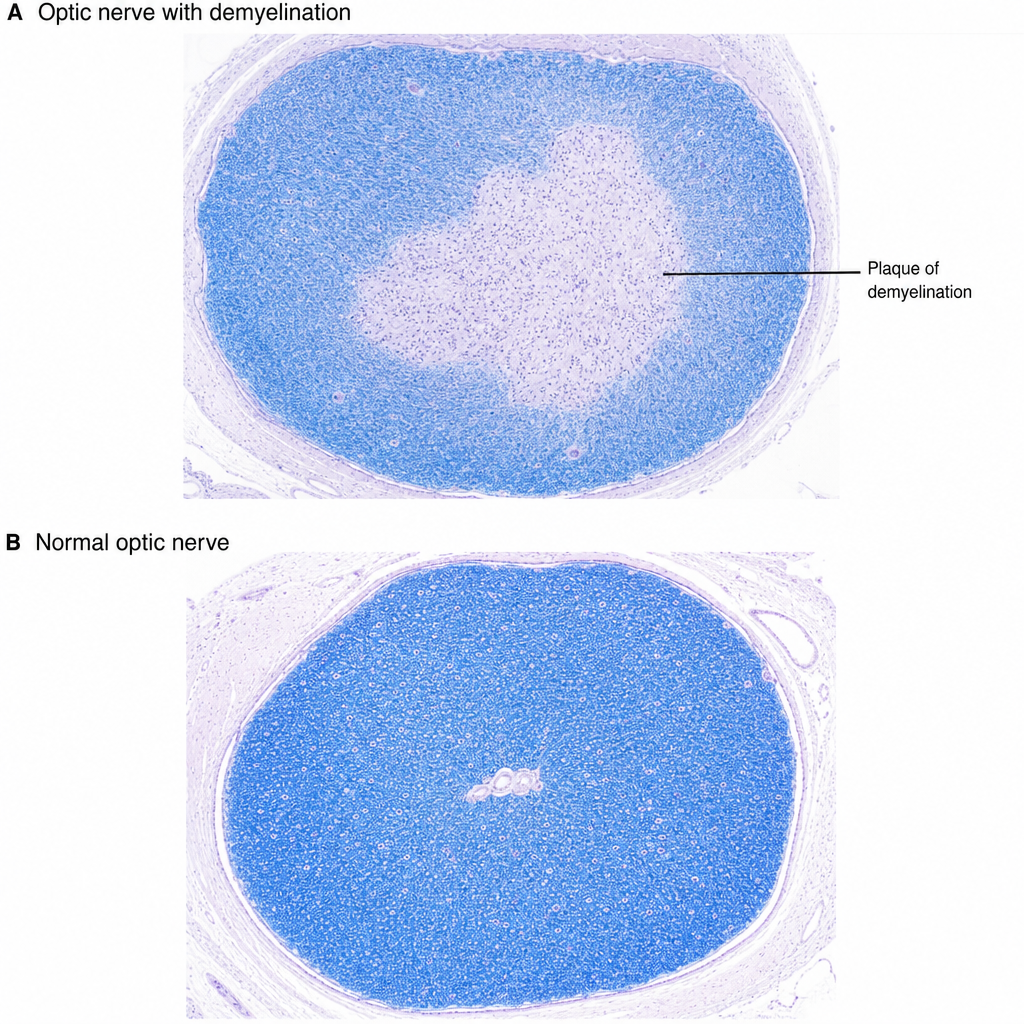
A 27-year-old woman presents with acute vision loss and pain in the left eye, but no other symptoms. On examination, she appears well, visual acuity is not possible, and she can only perceive movement and bright light. The direct pupillary reflex is absent but the indirect (consensual) response is normal. The optic disc is edematous. An example of the pathologic changes seen in her optic nerve are shown in Figure A. It shows a plaque of demyelination in the optic nerve as compared to a normal sample in Figure B. Which of the following is the most likely diagnosis?Figure AFigure B
Investigation of choice for multiple sclerosis
In multiple sclerosis, slow conduction of motor and sensory pathways is due to?
Patient with ascending paralysis, areflexia and sphincter sparing is seen in?
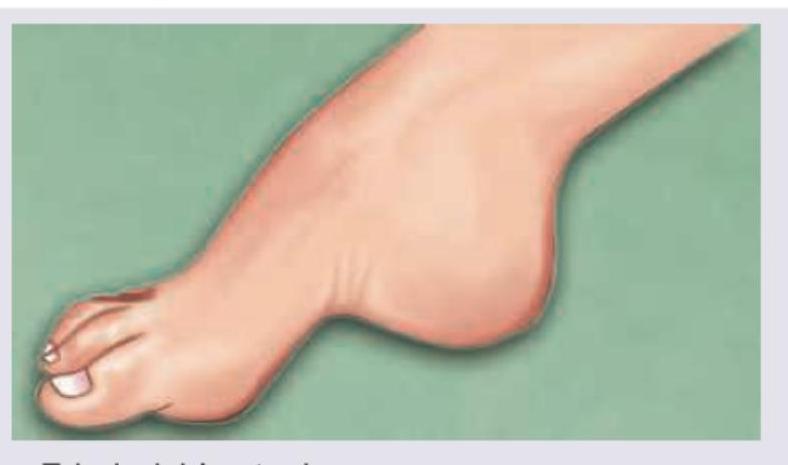
A 14-year-old boy presents with bilateral foot contractures. On examination, thickened peripheral nerves are noted. On biopsy of the nerve, a typical onion bulb appearance is noted. What is the probable diagnosis? (Recent NEET Pattern 2016-17)
A 35-year-old woman has episodic, painful vision loss in the right eye, left arm tingling, and gait issues. MRI shows white matter lesions in the brain and spine. What is the best treatment for her condition?
A 67-year-old male presents with progressive difficulty in walking, frequent falls, and stiffness in the legs. Neurological examination reveals increased muscle tone, brisk deep tendon reflexes, and a positive Babinski sign. MRI of the brain shows multiple white matter lesions. Which of the following is the most likely diagnosis?
Which test is most useful in diagnosing a clinically occult lesion in multiple sclerosis?
What is Binswanger disease commonly known as?
Want unlimited practice?
Get full access to all questions, explanations, and performance tracking.
Scan to download app