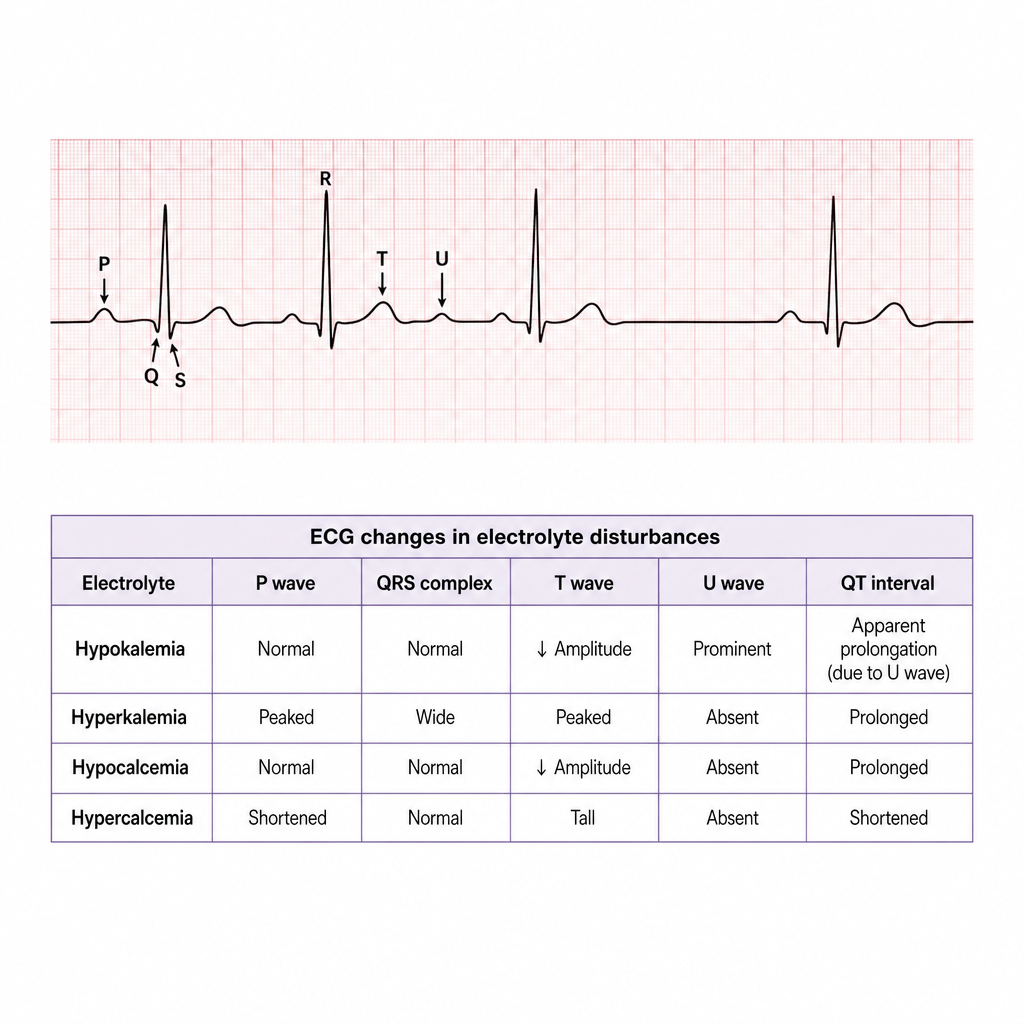
Of the various modalities used in the treatment of re-threatening effects of hyperkalemia, which one of the following has the most rapid onset of action?
Hyperchloremic acidosis is seen in which of the following conditions?
What is the most common cause of papillary necrosis?
Which of the following is NOT a cause of glomerular proteinuria?
A disproportionately increased blood urea level compared to serum creatinine (urea creatinine ratio > 20:1) can be seen in all of the following conditions EXCEPT:
Goodpasture's syndrome is characterized by all of the following, except:
Which of the following is the most specific and sensitive screening test for renovascular hypertension?
A patient with chronic kidney disease presents with severe anemia. Laboratory tests reveal normocytic, normochromic anemia. What is the most appropriate treatment to manage this patient's anemia?
A patient after RTA had a renal shut down. Work-up shows: FeNa: $< 1\%$ , Urine osmolality: 300 mOsm/kg, Urinary sodium: 40 mEq/L. Most likely diagnosis?
A patient with road traffic accident (RTA) is passing red color urine due to myoglobinuria. Which of the following will most likely be seen in this patient?
Explanation: Hyperkalemia is a medical emergency that requires a systematic approach based on the onset of action and the mechanism of the intervention. **Why Hemodialysis is Correct:** Among the options provided, **Hemodialysis (Option A)** is the most effective and rapid method for the **definitive removal** of potassium from the body [3]. While intravenous calcium acts faster to stabilize the heart, it does not lower potassium levels. Among the modalities that actually *reduce* serum potassium, hemodialysis has the most rapid onset, typically beginning to clear potassium within minutes of starting the procedure [2]. **Analysis of Incorrect Options:** * **Intravenous Calcium Gluconate (Option D):** This is the fastest-acting treatment overall (onset <3 minutes), but it is **cardioprotective only**. It stabilizes the myocardial membrane potential [1] but does **not** lower the serum potassium concentration. * **Insulin and Glucose Infusion (Option C):** This works by shifting potassium into the intracellular compartment (redistribution). The onset of action is approximately **20–30 minutes**, which is slower than the initiation of clearance in dialysis. * **Sodium Bicarbonate Infusion (Option B):** This also works via redistribution (alkalosis-induced shift). However, its efficacy is inconsistent and slow, often taking **hours** to show a significant effect, and it is generally reserved for patients with concomitant metabolic acidosis. **High-Yield Clinical Pearls for NEET-PG:** 1. **Order of Management:** 1st: Stabilize (Calcium) → 2nd: Shift (Insulin/Glucose, Salbutamol) → 3rd: Remove (Dialysis, Resins). 2. **Calcium Gluconate vs. Chloride:** Calcium gluconate is preferred via peripheral lines; Calcium chloride is more potent but highly caustic and preferred in central lines or during cardiac arrest. 3. **Definitive Treatment:** Hemodialysis is the gold standard for refractory hyperkalemia, especially in patients with renal failure or severe tissue breakdown (rhabdomyolysis) [3].
Explanation: Metabolic acidosis is classified based on the **Anion Gap (AG)**, calculated as $[Na^+] - ([Cl^-] + [HCO_3^-])$. **1. Why the correct answer is right:** **Hyperchloremic Metabolic Acidosis** is synonymous with **Normal Anion Gap Metabolic Acidosis (NAGMA)**. In this condition, the loss of bicarbonate ($HCO_3^-$) from the body is compensated by a reciprocal increase in serum chloride ($Cl^-$) to maintain electroneutrality [1]. Since the sum of chloride and bicarbonate remains constant, the calculated Anion Gap remains within the normal range (8–12 mEq/L) [1]. **2. Analysis of Options:** * **Option A (Correct):** While the question phrasing is slightly tautological, in the context of standard medical exams, Hyperchloremic Acidosis is the defining characteristic of NAGMA [1]. * **Option B (Diarrhoea):** This is a classic cause of NAGMA due to direct GI loss of bicarbonate [2]. However, if "Anion gap metabolic acidosis" is an option, it serves as the categorical definition. (Note: In many exam versions, Diarrhoea is the intended specific clinical answer). * **Option C (Diabetic Ketoacidosis):** This is a **High Anion Gap Metabolic Acidosis (HAGMA)**. It is caused by the accumulation of unmeasured organic anions (acetoacetate and beta-hydroxybutyrate), not by chloride replacement. * **Option D (Dehydration):** Simple dehydration typically causes contraction alkalosis or, if severe (leading to shock), Lactic Acidosis (a HAGMA). **3. NEET-PG High-Yield Pearls:** * **Mnemonic for NAGMA (USED CARP):** **U**reterosigmoidostomy, **S**aline infusion (large volume), **E**ndocrine (Addison’s), **D**iarrhoea, **C**arbonic anhydrase inhibitors (Acetazolamide), **A**mmonium chloride, **R**enal tubular acidosis (RTA), **P**ancreatic fistula [1], [2]. * **RTA vs. Diarrhoea:** To differentiate these two NAGMA causes, use the **Urinary Anion Gap (UAG)**. UAG is negative in Diarrhoea and positive in RTA [1]. * **Saline-induced:** Rapid infusion of 0.9% Normal Saline is a common iatrogenic cause of hyperchloremic acidosis.
Explanation: Explanation: Renal Papillary Necrosis (RPN) is a clinicopathologic entity characterized by ischemic necrosis of the renal papillae. 1. Why Analgesics is the Correct Answer: Analgesic nephropathy (specifically chronic use of NSAIDs and Phenacetin) is the **most common cause** of papillary necrosis worldwide. The mechanism is twofold: * **Ischemia:** NSAIDs inhibit prostaglandin synthesis, leading to vasoconstriction of the vasa recta, which supplies the papillae. * **Direct Toxicity:** High concentrations of drug metabolites in the papillae cause oxidative stress and direct cellular damage. 2. Analysis of Incorrect Options: * **Diabetes Mellitus (A):** While Diabetes is a very common cause and often presents with more severe, bilateral involvement, it ranks second to analgesic abuse in overall frequency. * **Sickle Cell Anaemia (B):** This is a classic cause due to the low oxygen tension and hypertonicity in the medulla, which promotes sickling and micro-infarction. It is the most common cause in children/young adults but not in the general population. * **Pyelonephritis (D):** Severe acute pyelonephritis (especially in diabetics or those with urinary obstruction) can cause RPN, but it is usually a complicating factor rather than the primary statistical cause. 3. NEET-PG High-Yield Pearls: * **Mnemonic for Causes (POSTCARDS):** **P**yelonephritis, **O**bstruction, **S**ickle cell, **T**uberculosis, **C**irrhosis, **A**nalgesics, **R**enal vein thrombosis, **D**iabetes, **S**ystemic vasculitis. [1] * **Clinical Presentation:** Often presents with gross hematuria, flank pain (due to sloughed papillae causing ureteric colic), and "Ring Sign" on IVP (contrast surrounding the sloughed papilla). * **Key Association:** Analgesic-induced RPN carries an increased risk of **Transitional Cell Carcinoma** of the renal pelvis.
Explanation: Explanation: Proteinuria is broadly classified into three types: **Glomerular, Tubular, and Overflow.** **Why Multiple Myeloma is the Correct Answer:** Multiple Myeloma causes **Overflow Proteinuria**, not glomerular proteinuria. In this condition, malignant plasma cells produce excessive amounts of low-molecular-weight monoclonal immunoglobulin light chains (**Bence-Jones proteins**) [1]. These proteins are small enough to be freely filtered by a healthy glomerulus; however, their concentration exceeds the reabsorptive capacity of the proximal tubules, leading to their appearance in the urine. Importantly, Bence-Jones proteins are **not detected by standard dipstick tests**, which primarily sense albumin [1]. **Analysis of Incorrect Options:** * **Diabetes Mellitus:** The most common cause of glomerular proteinuria. Hyperglycemia leads to non-enzymatic glycosylation and podocyte injury, increasing glomerular permeability to albumin [2]. * **Amyloidosis:** Characterized by the extracellular deposition of amyloid fibrils in the glomerular mesangium and basement membrane, causing massive architectural disruption and nephrotic-range proteinuria [1]. * **Nil Lesion (Minimal Change Disease):** A classic glomerular cause where the loss of negative charge on the glomerular basement membrane (due to podocyte effacement) leads to selective albuminuria [1]. **NEET-PG High-Yield Pearls:** * **Glomerular Proteinuria:** Primarily consists of **Albumin**. It is caused by increased permeability of the glomerular capillary wall. * **Tubular Proteinuria:** Consists of low-molecular-weight proteins (e.g., $\beta_2$-microglobulin) due to decreased reabsorption by damaged tubules (e.g., Fanconi syndrome). * **Sulfosalicylic Acid (SSA) Test:** Unlike the dipstick, the SSA test detects **all** proteins, including Bence-Jones proteins. A "positive SSA but negative dipstick" is a classic clue for Multiple Myeloma.
Explanation: ### Explanation The **BUN:Creatinine ratio** (or Urea:Creatinine ratio) is a critical diagnostic tool used to differentiate the etiology of acute kidney injury (AKI) [1]. A normal ratio typically ranges between 10:1 and 15:1. **1. Why Intrinsic Renal Failure is the Correct Answer:** In **Intrinsic Renal Failure** (e.g., Acute Tubular Necrosis), the renal tubules are damaged. Since urea is normally reabsorbed in the tubules while creatinine is not, tubular damage prevents this reabsorption. Consequently, both urea and creatinine rise proportionately as the GFR drops, maintaining a **ratio < 10-15:1**. Therefore, a disproportionate rise (> 20:1) is *not* seen here [1]. **2. Analysis of Incorrect Options:** * **Prerenal Failure & Hypovolemia (Options A & D):** In states of decreased renal perfusion, the renin-angiotensin-aldosterone system (RAAS) is activated. This increases the reabsorption of sodium and water in the proximal tubules, which passively drags **urea** back into the blood. Since creatinine is not reabsorbed, the urea levels rise much faster than creatinine, leading to a ratio **> 20:1** [1]. * **Congestive Cardiac Failure (Option B):** CCF causes "effective" hypovolemia due to reduced cardiac output. This triggers the same prerenal mechanisms (increased proximal tubular reabsorption of urea), resulting in a high ratio. **3. High-Yield Clinical Pearls for NEET-PG:** * **Other causes of high Urea:Creatinine ratio (>20:1):** High protein diet, Gastrointestinal (GI) bleed (due to breakdown of blood proteins into urea), and Catabolic states (e.g., Steroid use, Sepsis). * **Low Urea:Creatinine ratio (<10:1):** Low protein diet, severe liver disease (decreased urea production), and Rhabdomyolysis (excessive creatinine release). * **Fractional Ecretion of Sodium (FeNa):** Remember that FeNa is < 1% in Prerenal failure and > 2% in Intrinsic renal failure.
Explanation: **Explanation:** **Goodpasture’s Syndrome (Anti-GBM Disease)** is a rare autoimmune disorder caused by the formation of circulating autoantibodies against the **alpha-3 chain of Type IV collagen**, which is found in the glomerular basement membrane (GBM) and the alveolar basement membrane. **Why Option B is the correct answer:** **Leukocytoclastic vasculitis (LCV)** is a small-vessel vasculitis characterized by the inflammation of dermal capillaries, typically presenting as palpable purpura. It is **not** a feature of Goodpasture’s syndrome. Goodpasture’s is a **Type II hypersensitivity reaction** (antibody-mediated) and does not involve systemic small-vessel vasculitis or necrotizing skin lesions. LCV is more commonly associated with Henoch-Schönlein purpura, ANCA-associated vasculitides, or drug reactions. **Analysis of Incorrect Options:** * **A. Glomerulonephritis:** This is a hallmark feature. The antibodies cause a **Rapidly Progressive Glomerulonephritis (RPGN)**, specifically Type I RPGN [1]. * **C. Diffuse alveolar hemorrhage:** The cross-reactivity of antibodies with the alveolar basement membrane leads to pulmonary hemorrhage, presenting as hemoptysis and iron-deficiency anemia. * **D. Presence of antibodies to basement membrane:** This is the definitive diagnostic feature (Anti-GBM antibodies) [1]. **High-Yield Clinical Pearls for NEET-PG:** * **Immunofluorescence (IF):** Shows a characteristic **Linear IgG deposition** along the basement membrane (unlike the "lumpy-bumpy" granular pattern in PSGN) [1]. * **Demographics:** Typically shows a bimodal distribution (young men in their 20s and older women in their 60s). * **Strong Association:** Linked with **HLA-DR2**. * **Treatment:** The mainstay of treatment is **Plasmapheresis** (to remove circulating antibodies) combined with corticosteroids and cyclophosphamide [1].
Explanation: **Explanation:** Renovascular hypertension (RVH) is the most common cause of secondary hypertension, typically resulting from renal artery stenosis (RAS) due to atherosclerosis or fibromuscular dysplasia [1]. **Why CT Angiography (CTA) is correct:** CTA is currently considered the preferred screening modality for RVH because it offers high sensitivity (94-98%) and specificity (90-94%). It provides excellent anatomical visualization of the renal arteries, accessory arteries, and the degree of stenosis [1]. With multi-detector rows, it can reconstruct 3D images that are nearly comparable to the "gold standard" invasive digital subtraction angiography (DSA). **Analysis of Incorrect Options:** * **HRCT:** High-Resolution CT is used primarily for lung parenchyma evaluation; it does not involve the contrast enhancement necessary to visualize vascular structures. * **Captopril Radionucleotide Scan:** Once a popular screening tool, its utility has declined due to low sensitivity in patients with bilateral disease or renal insufficiency. It is a functional test, not an anatomical one [1]. * **Doppler Ultrasound:** While non-invasive and cost-effective, it is highly operator-dependent and technically difficult in obese patients or those with overlying bowel gas [2]. It is often the *initial* test but is less sensitive than CTA. **Clinical Pearls for NEET-PG:** * **Gold Standard:** Invasive Digital Subtraction Angiography (DSA) remains the definitive "gold standard" for diagnosis and planning intervention. * **MRA (Magnetic Resonance Angiography):** An alternative to CTA, especially when avoiding ionizing radiation, but contraindicated in patients with metallic implants or severe renal failure due to the risk of Nephrogenic Systemic Fibrosis [3]. * **Screening Choice:** In patients with renal failure (CrCl <30 ml/min), Doppler is preferred over CTA/MRA to avoid contrast-induced nephropathy.
Explanation: ***Darbepoetin alfa*** - Anemia in **Chronic Kidney Disease (CKD)** is predominantly caused by decreased production of **erythropoietin** by the failing kidneys, resulting in normocytic, normochromic anemia [1] - **Darbepoetin alfa** is a long-acting **Erythropoiesis-Stimulating Agent (ESA)** that replaces the deficient hormone, directly correcting the underlying cause of anemia in CKD - This is the **standard of care** for managing anemia in CKD patients with normocytic, normochromic presentation *Folic acid supplementation* - Indicated for **megaloblastic anemia** due to **folate deficiency**, which presents as macrocytic anemia (high MCV) [2] - Does not stimulate red blood cell production directly and is ineffective against the primary defect of **erythropoietin deficiency** in CKD - The patient's normocytic anemia excludes folate deficiency [2] *Vitamin B12 injection* - Standard treatment for Vitamin B12 deficiency (e.g., **pernicious anemia**), which causes macrocytic, megaloblastic anemia [2] - The patient presents with **normocytic** anemia, indicating the deficiency is not related to B12 or folate metabolism - No indication for B12 supplementation in this clinical scenario *Iron chelation therapy* - **Iron chelation** is used to treat severe **iron overload** (hemochromatosis) or toxicity, not to treat anemia - Patients with CKD-related anemia often require supplemental **iron** to enhance their response to ESAs like Darbepoetin alfa - Using chelation would be counterproductive and worsen the anemia
Explanation: Correct: Pre-renal AKI - **FeNa <1%** is the most specific parameter and definitively indicates **pre-renal azotemia** [1] - Post-RTA setting suggests **hypovolemia/shock** leading to hypoperfusion [1] - Kidneys are structurally intact and attempting to conserve sodium (FeNa <1%) - Though urine osmolality (300 mOsm/kg) is lower than classic pre-renal (>500), and urinary sodium (40 mEq/L) is at the borderline, **FeNa remains the gold standard** differentiating parameter *Incorrect: Acute Tubular Necrosis (Renal AKI)* - ATN would show **FeNa >2%** due to tubular dysfunction and inability to reabsorb sodium [1] - Urinary sodium would typically be **>40 mEq/L** (here it's exactly 40, borderline) - Urine osmolality would be **<350 mOsm/kg** and close to plasma (isosthenuria ~300) [1] - The **FeNa <1% excludes ATN** as the primary diagnosis *Incorrect: Renal AKI* - This is essentially the same as ATN (intrinsic renal injury) - Would present with FeNa >2%, not <1% [1] *Incorrect: Post-renal AKI* - Implies obstruction (bladder, ureter, urethra) - Not suggested by the clinical scenario of post-trauma renal shutdown - Laboratory parameters don't help differentiate obstruction; needs imaging **Key Teaching Point:** When laboratory values seem mixed, **FeNa <1% is the most reliable indicator of pre-renal azotemia**, especially in trauma settings with likely hypovolemia.
Explanation: ***Hyperkalemia***- Rhabdomyolysis involves massive breakdown of muscle cells, leading to the rapid release of intracellular contents, primarily **potassium (K+)**, into the circulation [1].- The associated **acute kidney injury (AKI)**, caused by myoglobin toxicity and sludge formation in the renal tubules, severely impairs K+ excretion, thus exacerbating the **hyperkalemia** [1].*Hypernatremia*- This condition is typically associated with states of significant **free water deficit** or inadequate fluid intake, not the massive tissue injury seen in rhabdomyolysis.- Fluid management of trauma patients often involves isotonic fluids, which are unlikely to cause severe dehydration leading to **hypernatremia**.*Hyponatremia*- While aggressive hydration with hypotonic fluids during resuscitation *could* potentially cause dilutional hyponatremia, the direct metabolic consequence of rhabdomyolysis is not primarily a state of **low serum sodium**.- Severe trauma leading to rhabdomyolysis is often associated with the release of ADH due to volume depletion, but this is less characteristic than the rapid rise in potassium.*Hypokalemia*- Hypokalemia, or low serum potassium, is the opposite of the predictable metabolic consequence of rhabdomyolysis.- Muscle cell death releases K+, making **hypokalemia** extremely unlikely in the acute setting of severe muscle injury and subsequent AKI.
Acute Kidney Injury
Practice Questions
Chronic Kidney Disease
Practice Questions
Glomerular Diseases
Practice Questions
Tubulointerstitial Diseases
Practice Questions
Nephrotic and Nephritic Syndromes
Practice Questions
Urinary Tract Infections
Practice Questions
Renal Replacement Therapy
Practice Questions
Fluid and Electrolyte Disorders
Practice Questions
Acid-Base Disorders
Practice Questions
Kidney in Systemic Diseases
Practice Questions
Kidney Stones and Obstructive Uropathy
Practice Questions
Hypertension in Kidney Disease
Practice Questions
Get full access to all questions, explanations, and performance tracking.
Start For Free