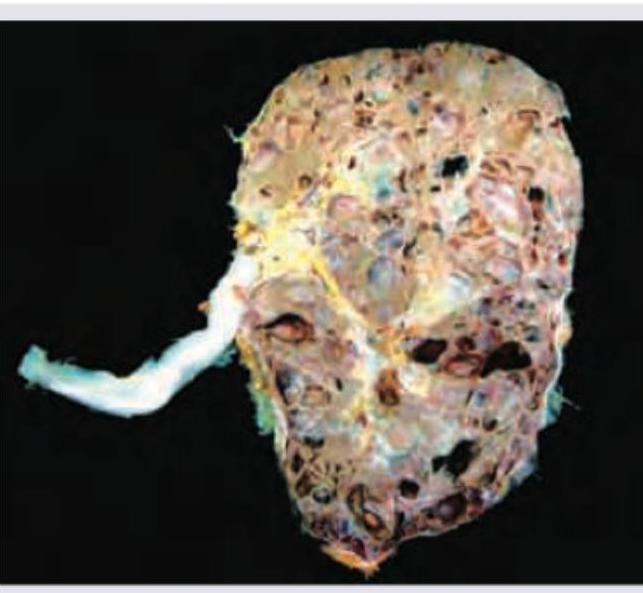
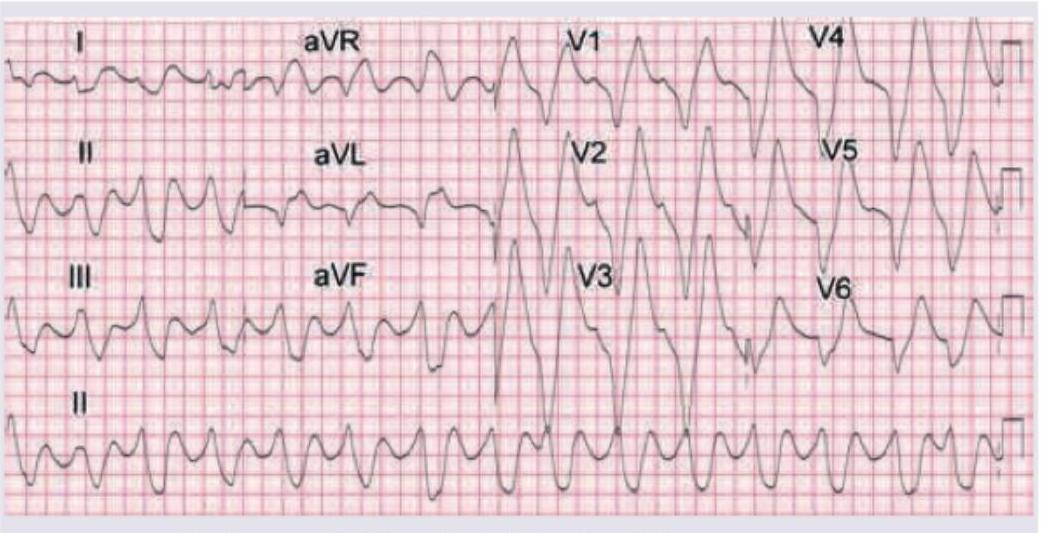
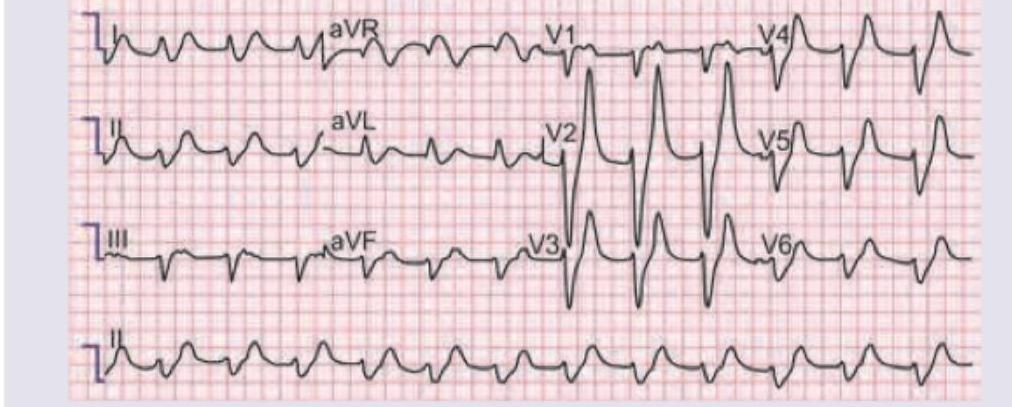
Which of the following is not seen in Alport syndrome?
Chinese herb nephropathy is caused by which of the following?
Which of the following conditions is characterized by the shown urine microscopy finding?

Chyluria is associated with the passage of urine which is:
Uremia is not associated with hypertension in which of the following situations?
All are features of HIV-associated nephropathy, EXCEPT:
A 28-year-old male sustained a severe crush injury in an accident. Which of the following complications is he most likely to develop?
Which of the following statements regarding analgesic nephropathy is true?
Most unlikely cause of acute tubular necrosis amongst the following is:
Hematuria with dysmorphic RBCs is a feature of which one of the following?
Explanation: **Explanation:** Alport syndrome is a hereditary type IV collagen disorder caused by mutations in the genes encoding the $\alpha$-3, $\alpha$-4, or $\alpha$-5 chains of type IV collagen [1]. This collagen is a vital structural component of the glomerular basement membrane (GBM), the cochlea, and the lens of the eye. **Why Massive Proteinuria is the correct answer:** Alport syndrome typically presents as a **nephritic syndrome**, not a nephrotic syndrome. While mild-to-moderate proteinuria develops as the disease progresses toward chronic kidney disease, **massive (nephrotic-range) proteinuria** is not a characteristic or early feature. The hallmark is persistent microscopic or gross hematuria due to the thinning and subsequent splitting of the GBM [1]. **Analysis of incorrect options:** * **A. Hematuria:** This is the most common and earliest clinical manifestation. It is often persistent and exacerbated by upper respiratory infections. * **B. Lenticonus:** Anterior lenticonus (conical protrusion of the lens) is a pathognomonic ocular finding in Alport syndrome, occurring in about 25% of X-linked cases. * **C. Autosomal recessive inheritance:** While the **X-linked dominant** form (COL4A5 mutation) is the most common (85%), Alport syndrome can also be inherited in **autosomal recessive** and autosomal dominant patterns (COL4A3 or COL4A4 mutations). **Clinical Pearls for NEET-PG:** 1. **Electron Microscopy:** Shows the classic **"Basket-weave appearance"** due to irregular thinning and thickening of the GBM with lamellation of the lamina densa [1]. 2. **Clinical Triad:** Hereditary nephritis (hematuria/ESRD), Sensorineural hearing loss (bilateral, high-frequency), and Ocular defects (Anterior lenticonus). 3. **Goodpasture Syndrome connection:** Patients with Alport syndrome who undergo kidney transplantation may develop anti-GBM antibodies against the "new" collagen, leading to post-transplant glomerulonephritis.
Explanation: **Explanation:** **Chinese Herb Nephropathy (CHN)** is a rapidly progressive form of tubulointerstitial fibrosis. The correct answer is **Aristolochic acid**, a toxin found in plants of the genus *Aristolochia* [1]. These herbs were historically used in traditional Chinese medicine for weight loss but were inadvertently substituted for other non-toxic herbs, leading to outbreaks of renal failure. * **Mechanism:** Aristolochic acid causes severe, paucicellular interstitial fibrosis and tubular atrophy, primarily affecting the proximal tubules. It is also a potent carcinogen. * **Why Option C is correct:** Aristolochic acid is the definitive causative agent of CHN (now often grouped under the broader term **Aristolochic Acid Nephropathy** or AAN) [1]. **Analysis of Incorrect Options:** * **A. Mushroom:** Certain mushrooms (e.g., *Amanita phalloides*) cause acute tubular necrosis (ATN) and fulminant hepatic failure, while mushrooms of the *Cortinarius* genus cause irreversible renal tubular toxicity [1]. * **B. Lead poisoning:** Chronic lead exposure causes "Saturnine gout" and chronic tubulointerstitial nephritis, often associated with hypertension and Fanconi-like symptoms, but is unrelated to herbal ingestion. * **D. Tenofovir:** This antiretroviral drug is known for causing proximal renal tubular dysfunction (Fanconi Syndrome) and ATN, but it is a pharmaceutical agent, not a herbal toxin. **High-Yield Clinical Pearls for NEET-PG:** 1. **Balkan Endemic Nephropathy (BEN):** This is clinically identical to CHN; it occurs in the Danube river basin due to environmental exposure to Aristolochic acid in wheat [1]. 2. **Malignancy Risk:** A key association for exams is the high risk of **Upper Tract Urothelial Carcinoma (UTUC)** (transitional cell carcinoma of the renal pelvis and ureter) in patients with Aristolochic acid exposure [1]. 3. **Pathology:** Characterized by "acellular" interstitial fibrosis with relative sparing of the glomeruli until late stages.
Explanation: ***Acute Renal Failure (ARF)*** - **Muddy brown coarsely granular casts** (renal tubular epithelial cell casts) are the hallmark microscopic finding of **acute tubular necrosis (ATN)**, the most common cause of ARF. - These casts form when **tubular epithelial cells** slough off due to ischemic or nephrotoxic injury, creating characteristic **coarse granular appearance**. *Urinary Tract Infection (UTI)* - Urine microscopy typically shows **white blood cell (WBC) casts** and **bacteria**, not muddy brown granular casts. - Associated findings include **nitrites**, **leukocyte esterase**, and **pyuria** rather than tubular epithelial casts. *Glomerulonephritis* - Characterized by **red blood cell (RBC) casts** and **dysmorphic RBCs** in urine microscopy, indicating glomerular bleeding. - **Proteinuria** and **hematuria** are predominant findings, not the coarse granular casts seen in tubular injury. *Chronic Renal Failure (CRF)* - Urine microscopy shows **waxy casts** and **broad casts** due to chronic nephron loss and tubular atrophy. - **Hyaline casts** are more common in CRF, while muddy brown granular casts indicate acute tubular damage.
Explanation: ### Explanation **Correct Answer: A. White** **Medical Concept:** Chyluria is the presence of **chyle** (a mixture of lymph and emulsified fats/chylomicrons) in the urine. This occurs due to an abnormal communication between the intestinal lymphatics and the urinary tract (lymphourinary fistula). Because chyle contains a high concentration of triglycerides and fat globules, it gives the urine a characteristic **milky-white, turbid appearance**. [1] **Analysis of Options:** * **A. White (Correct):** The high lipid content (chylomicrons) scatters light, resulting in a milky appearance. This is the hallmark of chyluria. * **B. Dark yellow:** Typically seen in concentrated urine (dehydration) or conjugated hyperbilirubinemia. * **C. Straw coloured:** This is the appearance of normal, healthy urine due to the pigment urochrome. [1] * **D. Brown:** Often referred to as "tea-colored" or "cola-colored" urine, this is associated with myoglobinuria, hemoglobinuria, or acute glomerulonephritis. **Clinical Pearls for NEET-PG:** * **Etiology:** The most common cause worldwide is **Wuchereria bancrofti** (Filariasis), which causes lymphatic obstruction. Non-parasitic causes include trauma, tumors, or congenital malformations. * **Diagnosis:** 1. **Ether Test:** Adding ether to the urine dissolves the fat, making the urine clear (confirmatory bedside test). 2. **Biochemical:** Presence of triglycerides in urine. * **Clinical Feature:** Patients may complain of "milky urine" that may clot upon standing (due to fibrinogen in lymph). * **Management:** Conservative management includes a **High Protein, Low Fat diet** (specifically supplemented with **Medium Chain Triglycerides/MCTs**, as they are absorbed directly into the portal vein, bypassing the lymphatics).
Explanation: **Explanation:** In most chronic kidney diseases (CKD), uremia is strongly associated with hypertension due to salt and water retention and activation of the Renin-Angiotensin-Aldosterone System (RAAS) [1]. However, **Renal Amyloidosis** is a classic exception where patients often remain normotensive or even hypotensive despite progressing to end-stage renal disease (ESRD). **Why Renal Amyloidosis is the correct answer:** 1. **Salt-Wasting:** Amyloid deposits in the renal tubules interfere with sodium reabsorption, leading to "salt-wasting nephropathy." 2. **Autonomic Neuropathy:** Systemic amyloidosis often involves the autonomic nervous system, causing orthostatic hypotension. 3. **Cardiomyopathy:** Amyloid infiltration of the heart (restrictive cardiomyopathy) reduces cardiac output. 4. **Adrenal Involvement:** Infiltration of the adrenal glands can lead to Addisonian-like features and low blood pressure. **Analysis of Incorrect Options:** * **Renal Polyarteritis Nodosa (PAN):** This is a vasculitis of medium and small-sized arteries. It causes multiple microaneurysms and renal ischemia, which triggers massive renin release, leading to severe hypertension. * **Narrowing of the Renal Artery:** This causes Renovascular Hypertension. Decreased perfusion to the juxtaglomerular apparatus activates the RAAS, causing systemic vasoconstriction and fluid retention. * **Hyperplastic Arteriolar Nephrosclerosis:** This is the pathological hallmark of Malignant Hypertension [2]. It involves "onion-skin" thickening of the arteriolar walls, which is both a result of and a contributor to extreme elevations in blood pressure. **High-Yield Clinical Pearls for NEET-PG:** * **Uremia without Hypertension (The "Big Three"):** 1. Renal Amyloidosis, 2. Chronic Pyelonephritis (salt-wasting type), 3. Polycystic Kidney Disease (occasionally in early stages, though usually hypertensive). * **Large Kidneys in Uremia:** Typically, CKD presents with small, shrunken kidneys. Exceptions (Large Kidneys) include Amyloidosis, Diabetes Mellitus, Polycystic Kidney Disease, and HIV-associated nephropathy.
Explanation: HIV-Associated Nephropathy (HIVAN) is a classic manifestation of HIV infection, typically presenting as a **collapsing variant of Focal Segmental Glomerulosclerosis (FSGS)**. It is most commonly seen in patients of African descent with the APOL1 risk allele. [1] **Why "Edema" is the correct answer:** Despite having massive, nephrotic-range proteinuria, patients with HIVAN characteristically **do not present with edema or hypertension**. The exact mechanism is not fully elucidated, but it is attributed to the rapid progression of the disease and the profound tubulointerstitial damage that may lead to a "salt-wasting" state, preventing the fluid retention typically seen in other nephrotic syndromes. **Analysis of Incorrect Options:** * **A. Nephrotic range proteinuria:** This is a hallmark of HIVAN. Patients often present with heavy proteinuria (frequently >3.5g/day) due to severe podocyte injury. [1] * **B. Large kidney:** Unlike most causes of chronic kidney disease where kidneys shrink, HIVAN is characterized by **normal to large-sized, echogenic kidneys** on ultrasound. This is due to marked interstitial edema and tubular dilation (microcystic transformation). * **C. Hypoalbuminemia:** Due to the massive loss of protein in the urine (nephrotic range), serum albumin levels drop significantly. **NEET-PG High-Yield Pearls:** * **Pathology:** Collapsing FSGS with microcystic tubular dilation. * **Electron Microscopy:** Presence of **Tubuloreticular inclusions (TRIs)** in endothelial cells (induced by high Interferon-alpha levels). * **Clinical Course:** Rapid progression to End-Stage Renal Disease (ESRD) if untreated. * **Treatment:** Highly Active Antiretroviral Therapy (HAART) is the mainstay of treatment and can stabilize renal function. ACE inhibitors/ARBs are used for proteinuria.
Explanation: The clinical scenario describes a classic case of **Rhabdomyolysis** following a crush injury. When muscle tissue is severely damaged, it releases large amounts of **myoglobin** into the bloodstream [1]. **Why Acute Renal Failure (ARF) is the correct answer:** Myoglobin causes Acute Kidney Injury (AKI/ARF) through three primary mechanisms [2]: 1. **Intratubular obstruction:** Myoglobin precipitates with Tamm-Horsfall protein in the distal tubules, forming casts. 2. **Direct cytotoxicity:** The heme fraction of myoglobin is toxic to proximal tubular cells. 3. **Renal Vasoconstriction:** Myoglobin scavenges Nitric Oxide, leading to intrarenal ischemia. **Analysis of Incorrect Options:** * **B. Hypophosphatemia:** Incorrect. Muscle cell lysis releases intracellular phosphate, leading to **Hyperphosphatemia**, not hypophosphatemia. * **C. Hypercalcemia:** Incorrect. In the acute phase, calcium deposits in damaged muscle (dystrophic calcification), leading to **Hypocalcemia**. Hypercalcemia may only occur later during the recovery phase as calcium is mobilized back into the blood. * **D. Acute Myocardial Infarction:** While hyperkalemia from muscle breakdown can cause arrhythmias, a direct MI is not a standard complication of crush injury in a young patient. **NEET-PG High-Yield Pearls:** * **Diagnosis:** The most sensitive marker is an elevated **Serum Creatine Kinase (CK)**, typically >5 times the upper limit. * **Urinalysis:** A "dipstick positive for blood" but "negative for RBCs on microscopy" is pathognomonic for myoglobinuria. * **Management:** Aggressive fluid resuscitation with Normal Saline is the gold standard to maintain high urine output and prevent pigment cast formation [3]. * **Electrolyte Triad:** Hyperkalemia, Hyperphosphatemia, and Hypocalcemia.
Explanation: Analgesic nephropathy is a form of chronic interstitial nephritis caused by the prolonged, excessive consumption of analgesic combinations (traditionally phenacetin, aspirin, and caffeine). **Why the Correct Answer is Right:** The pathophysiology involves chronic ischemia and direct toxicity to the renal papillae. 1. **Radiology:** The hallmark is **small, shrunken, scarred kidneys** with **papillary calcifications**, often visualized on non-contrast CT (the "ring sign"). [1] 2. **Malignancy:** There is a significantly increased risk of **urothelial (transitional cell) carcinoma** of the renal pelvis or bladder, necessitating long-term surveillance. 3. **Screening:** While phenacetin is the primary culprit, heavy users of **acetaminophen** (its metabolite) and NSAIDs are at risk and should be screened for proteinuria or rising creatinine. 4. **Tubular Dysfunction:** Damage to the distal tubules leads to an inability to acidify urine, resulting in **Type 4 or Type 1 Renal Tubular Acidosis (RTA)**, presenting as a **non-anion-gap metabolic acidosis**. [1] **Why Other Options are Incorrect:** The incorrect options (A and B) suggest that patients usually have **anuria** due to papillary necrosis. This is false. [2] While papillary necrosis can cause acute ureteral obstruction (presenting as renal colic and hematuria), the chronic course typically presents with polyuria (due to loss of concentrating ability) or stable chronic kidney disease, not total anuria. [2] **NEET-PG High-Yield Pearls:** * **CT Scan:** Non-contrast CT is the gold standard for detecting papillary calcifications. * **Clinical Presentation:** Often seen in middle-aged women with chronic headaches or back pain. * **Sterile Pyuria:** A common finding on urinalysis. * **Anemia:** Often out of proportion to the degree of renal failure due to gastrointestinal blood loss (from NSAID use) and decreased erythropoietin.
Explanation: **Explanation:** Acute Tubular Necrosis (ATN) is the most common cause of intrinsic Acute Kidney Injury (AKI), typically resulting from prolonged ischemia or direct nephrotoxicity [1]. **Why "Rupture of aortic aneurysm" is the correct answer:** While a ruptured aortic aneurysm causes massive hemorrhage and hypotension, it typically leads to **Pre-renal Azotemia** or rapid death before the structural tubular damage characteristic of ATN can develop [1]. Furthermore, in the context of this specific question (often sourced from standard textbooks like Harrison’s), a "crush injury in the foot" is considered a more classic, systemic trigger for ATN via myoglobinuria compared to the rapid vascular catastrophe of an aneurysm rupture, which is primarily a surgical emergency of perfusion rather than a standard medical cause of ATN. **Analysis of Incorrect Options:** * **Severe bacterial infection:** Sepsis is the most common cause of ATN [1]. It induces ATN through a combination of systemic hypotension (ischemia) and the release of inflammatory cytokines/endotoxins that are directly toxic to tubular cells. * **Massive burn:** Burns lead to ATN via two mechanisms: severe hypovolemic shock (ischemia) and the release of free hemoglobin/myoglobin from damaged tissues, which are nephrotoxic [1]. * **Severe crush injury:** This is a classic cause of **Rhabdomyolysis**. The release of myoglobin into the circulation leads to pigment-induced ATN due to direct toxicity and tubular obstruction [1]. **NEET-PG High-Yield Pearls:** * **Most common cause of ATN:** Ischemia (secondary to sepsis, shock, or surgery). * **Vulnerable segments:** The **Proximal Convoluted Tubule (PCT)** and the **Thick Ascending Limb (mTAL)** are most susceptible to ischemic injury due to high metabolic activity [2]. * **Urinary Findings:** Look for "Muddy brown granular casts" and a Fractional Excretion of Sodium (FeNa) >2%. * **Nephrotoxic ATN:** Common triggers include Aminoglycosides, Contrast media, and Cisplatin.
Explanation: **Explanation:** The presence of **dysmorphic Red Blood Cells (RBCs)** in urine is a hallmark of **glomerular bleeding**. When RBCs pass through the damaged glomerular basement membrane (GBM) and travel through the varying osmotic gradients of the renal tubules, they undergo mechanical and chemical stress, leading to distorted shapes (e.g., acanthocytes or "Mickey Mouse" cells). * **Hereditary Nephritis (Alport Syndrome):** This is a glomerular disease caused by mutations in Type IV collagen. Since the pathology lies within the glomerulus, RBCs must cross the GBM to enter the filtrate, resulting in dysmorphic RBCs and RBC casts. * **Incorrect Options (A, B, and D):** These represent **extra-glomerular (lower urinary tract)** sources of bleeding. In these cases, RBCs enter the urine downstream from the nephron, bypassing the osmotic stress of the tubules. Consequently, the RBCs remain **isomorphic** (uniform in size and shape). * **Acute Cystitis & Prostatitis:** Inflammation of the bladder and prostate, respectively. * **Cyclophosphamide Toxicity:** Causes **Hemorrhagic Cystitis** due to the metabolite acrolein irritating the bladder lining. **NEET-PG High-Yield Pearls:** 1. **Acanthocytes:** A specific type of dysmorphic RBC with vesicle-like protrusions; if they comprise >5% of urinary RBCs, it is highly predictive of glomerular disease. 2. **RBC Casts:** Always indicate a renal/glomerular origin of hematuria. 3. **Terminal Hematuria:** Suggests a bladder neck or prostatic source. 4. **Initial Hematuria:** Suggests a urethral source. 5. **Total Hematuria:** Suggests a source at or above the level of the bladder (including kidneys).
Acute Kidney Injury
Practice Questions
Chronic Kidney Disease
Practice Questions
Glomerular Diseases
Practice Questions
Tubulointerstitial Diseases
Practice Questions
Nephrotic and Nephritic Syndromes
Practice Questions
Urinary Tract Infections
Practice Questions
Renal Replacement Therapy
Practice Questions
Fluid and Electrolyte Disorders
Practice Questions
Acid-Base Disorders
Practice Questions
Kidney in Systemic Diseases
Practice Questions
Kidney Stones and Obstructive Uropathy
Practice Questions
Hypertension in Kidney Disease
Practice Questions
Get full access to all questions, explanations, and performance tracking.
Start For Free