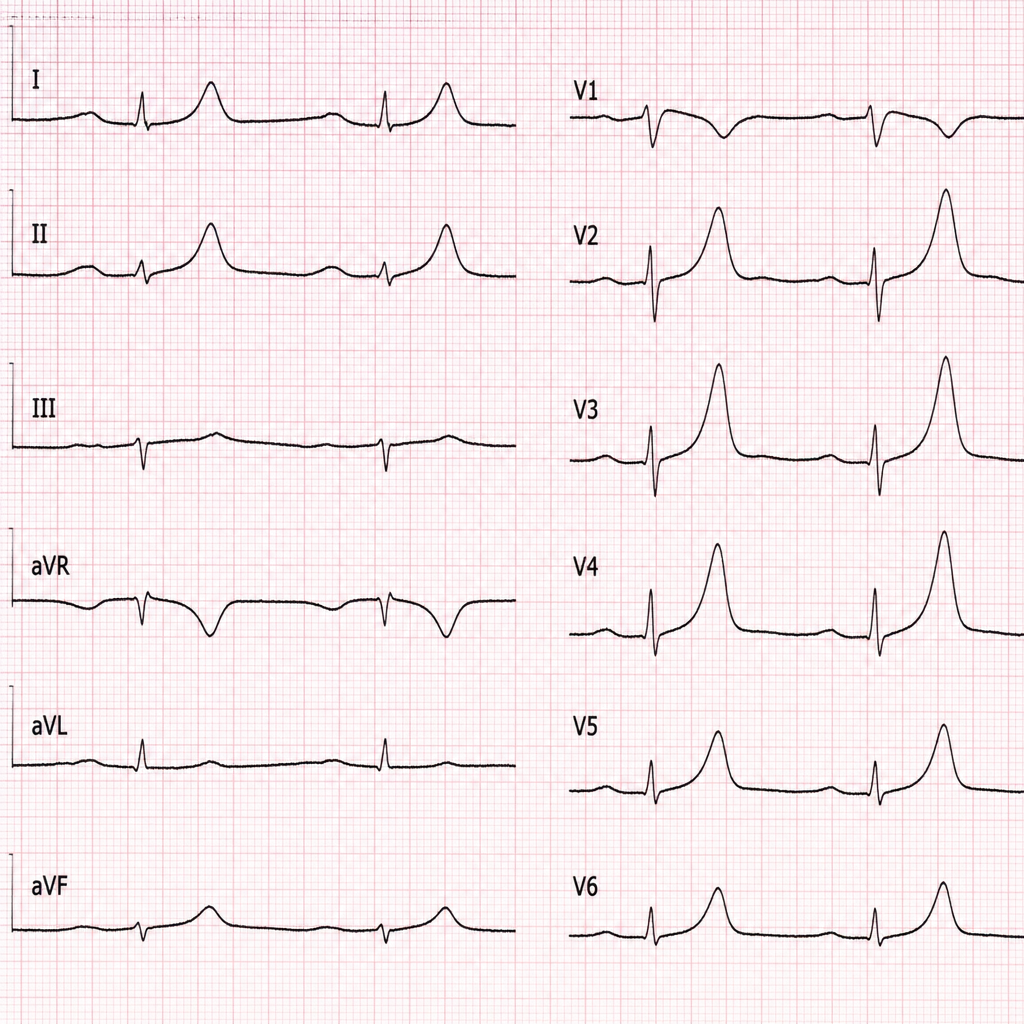
In which stage of Chronic Kidney Disease is a decrease in Glomerular Filtration Rate (GFR) typically apparent?
Which of the following are treatments for hyperkalemia?
Which of the following are causes of anemia in Chronic Kidney Disease (CKD)?
A patient in the oliguric phase of renal failure is expected to have a 24-hour urine output less than which of the following values?
Urinary eosinophilia is a feature of?
A 21-year-old female presents with a history of brown-colored urine that occurred approximately two months prior, lasting for about three days, following a cold. Currently, urinalysis shows blood with red cells and red cell casts. Further laboratory tests, including CBC, serum electrolytes, BUN, creatinine, glucose, ANAs, and serum complement levels (C3 and C4), are all within normal limits. Immunofluorescence examination of a renal biopsy reveals large, irregular deposits of IgA/C3 in the mesangium, with no linear staining pattern. What is the most likely diagnosis for this patient?
Which of the following is NOT a feature of acute glomerulonephritis?
What is the most important sign in hemodynamically significant renal artery stenosis?
For a patient with chronic renal failure (CRF), which of the following would be a specific indication to start dialysis?
Urine analysis of a patient suffering from heatstroke reveals which of the following?
Explanation: **Explanation:** The classification of Chronic Kidney Disease (CKD) is based on the **KDIGO guidelines**, which categorize stages according to the Glomerular Filtration Rate (GFR). **Why Stage II is the correct answer:** In **Stage I CKD**, the GFR remains normal or even increased (≥90 mL/min/1.73 m²). The diagnosis at this stage relies on markers of kidney damage (e.g., albuminuria, structural changes). **Stage II CKD** is defined by a **mild decrease in GFR (60–89 mL/min/1.73 m²)**. Therefore, Stage II is the earliest point at which a quantitative decline in GFR becomes apparent and measurable, even if the patient remains asymptomatic. **Analysis of Incorrect Options:** * **Stage I:** GFR is ≥90 mL/min. There is kidney damage, but the filtration rate has not yet decreased. * **Stage III:** Characterized by a moderate decrease in GFR (30–59 mL/min). While the decrease is very evident here, it is not the *first* stage where the decline appears. * **Stage IV:** Characterized by a severe decrease in GFR (15–29 mL/min). This represents advanced disease nearing the need for renal replacement therapy. **High-Yield Clinical Pearls for NEET-PG:** * **Definition of CKD:** Evidence of kidney damage or GFR <60 mL/min for **≥3 months**. * **Stage III Breakdown:** It is often subdivided into **IIIa** (GFR 45–59) and **IIIb** (GFR 30–44). * **Stage V:** Known as End-Stage Renal Disease (ESRD) when GFR is **<15 mL/min**. * **Most Common Cause:** Diabetes Mellitus is the leading cause of CKD worldwide, followed by Hypertension. * **First Sign:** Microalbuminuria is often the earliest clinical sign of diabetic nephropathy, preceding the GFR decline.
Explanation: Hyperkalemia is a medical emergency defined by serum potassium levels >5.5 mEq/L. Management focuses on three pillars: membrane stabilization, intracellular shifting, and elimination [1]. **Explanation of the Correct Answer:** The correct answer is **D (All of the above)** because each option utilizes the principle of **intracellular shifting**—moving potassium from the extracellular fluid into the cells to rapidly lower plasma levels [2]. * **Intravenous Dextrose (with Insulin):** This is the most reliable method for shifting potassium. Insulin stimulates the Na+-K+ ATPase pump, driving potassium into cells. Dextrose is co-administered to prevent hypoglycemia. * **Parenteral Sodium Bicarbonate:** By increasing systemic pH (alkalosis), it induces an H+/K+ exchange where hydrogen ions leave the cell and potassium ions enter to maintain electroneutrality [2]. It is most effective in patients with underlying metabolic acidosis. * **Albuterol (Beta-2 Agonists):** These stimulate the Na+-K+ ATPase pump via cyclic AMP signaling. Note that the dose required for hyperkalemia is significantly higher (10–20 mg) than the standard dose for asthma. **High-Yield Clinical Pearls for NEET-PG:** 1. **C-BIG-K mnemonic:** **C**alcium gluconate (stabilizes cardiac membrane), **B**icarbonate/Beta-agonists, **I**nsulin + **G**lucose, **K**ayexalate (elimination). 2. **First Step:** If ECG changes (e.g., peaked T-waves, widened QRS) are present, the immediate first step is **IV Calcium Gluconate** [1]. It does *not* lower potassium but protects the heart. 3. **Definitive Treatment:** While the options above shift potassium, **Hemodialysis** is the most effective way to actually remove potassium from the body in refractory cases or renal failure.
Explanation: Anemia in Chronic Kidney Disease (CKD) is typically **normocytic and normochromic**, primarily driven by a multifactorial process [1]. **Explanation of the Correct Answer:** The correct answer is **D (All the above)** because CKD affects red blood cell (RBC) production, lifespan, and nutrient availability: 1. **Erythropoietin (EPO) Deficiency:** This is the **most significant cause**. EPO is produced by the peritubular interstitial cells of the kidney. [2] As renal mass declines, EPO production decreases, leading to reduced bone marrow stimulation. 2. **Decreased Erythrocyte Survival:** The "uremic milieu" (accumulation of toxins like guanidinosuccinic acid) creates a hostile environment for RBCs, leading to increased fragility and premature destruction (hemolysis) [1]. 3. **Nutrient Deficiencies (Folic Acid/Iron):** Patients with CKD often have poor dietary intake. Furthermore, water-soluble vitamins like **folic acid** are lost during the dialysis process. Iron deficiency is also common due to chronic blood loss (GI bleeds, frequent blood sampling) and increased **hepcidin** levels, which block iron absorption and mobilization [2], [3]. **Why other options are considered part of the whole:** Options A, B, and C are all individual contributors. Selecting only one would be incomplete, as the pathogenesis of renal anemia involves the interplay of hormonal deficiency, toxic suppression of the marrow, and nutritional loss [1]. **High-Yield Clinical Pearls for NEET-PG:** * **Target Hemoglobin:** In CKD patients on EPO therapy, the target Hb is **10–11.5 g/dL**. Aiming for >13 g/dL increases the risk of stroke and cardiovascular events (CHOIR and CREATE trials). * **Hepcidin:** This is the "master regulator" of iron. In CKD, inflammation increases hepcidin, leading to **functional iron deficiency** [2]. * **First Step in Management:** Always rule out and treat iron deficiency before starting Erythropoiesis-Stimulating Agents (ESAs).
Explanation: ### Explanation **Correct Option: B. 400ml** In clinical nephrology, **Oliguria** is defined as a urine output of less than **400 ml/day** (or <0.5 ml/kg/hour in adults) [1]. This threshold is physiologically significant because it represents the minimum amount of urine required to excrete the average daily load of metabolic waste products (solutes like urea and creatinine), assuming the kidneys are maximally concentrating the urine (approx. 1200 mOsm/L). When output falls below this level, solute accumulation occurs, leading to azotemia. **Analysis of Incorrect Options:** * **A. 200ml:** While 200ml is technically oliguric, it is not the standard diagnostic threshold. Urine output <100 ml/day is specifically defined as **Anuria** [1], which often suggests complete urinary tract obstruction, bilateral renal artery occlusion, or cortical necrosis. * **C. 800ml & D. 1000ml:** These values fall within the range of normal or "non-oliguric" urine output. Patients can still be in acute kidney injury (AKI) with these volumes; this is termed **Non-oliguric AKI** [2] (commonly seen in aminoglycoside toxicity or interstitial nephritis), which generally carries a better prognosis than oliguric AKI. **Clinical Pearls for NEET-PG:** * **Phases of AKI:** 1. Initiation phase, 2. Oliguric phase (maintenance), 3. Polyuric phase (recovery). * **Polyuric Phase:** During recovery, urine output can exceed 3–5 liters/day. The most common cause of death in this phase is **hypokalemia** and dehydration. * **Azotemia vs. Uremia:** Azotemia is the biochemical increase in nitrogenous waste; Uremia is the clinical syndrome resulting from that increase. * **Fractional Excretion of Sodium (FeNa):** In the oliguric phase of Prerenal AKI, FeNa is <1%; in Intrinsic AKI (ATN), FeNa is >2%.
Explanation: Explanation: **Atheroembolic Kidney Disease (AEKD)**, also known as cholesterol crystal embolism, occurs when cholesterol plaques from the aorta are dislodged (often following vascular procedures like angioplasty or starting anticoagulants) [1]. These crystals lodge in small renal arteries, triggering a specialized inflammatory response. A hallmark of this systemic inflammatory reaction is **eosinophilia** (in the blood) and **eosinophiluria** (in the urine) [1]. **Analysis of Options:** * **Atheroembolic Kidney Disease (Correct):** The inflammatory cascade triggered by cholesterol crystals leads to the recruitment of eosinophils [1]. While **Acute Interstitial Nephritis (AIN)** is the most common cause of urinary eosinophilia [2], AEKD is a classic high-yield association in the context of post-vascular intervention. * **Renal Vein Thrombosis:** Typically presents with sudden onset flank pain, hematuria, and a decline in GFR, especially in patients with Nephrotic Syndrome (e.g., Membranous Nephropathy). It does not involve an eosinophilic response. * **Gaucher Disease:** A lysosomal storage disorder characterized by glucocerebroside accumulation. While it can cause "Gaucher cells" in various tissues, it does not typically manifest with urinary eosinophilia. * **Myeloma Kidney (Cast Nephropathy):** Caused by the precipitation of monoclonal light chains (Bence-Jones proteins) in the distal tubules. The characteristic finding is "waxy" or "hard" intratubular casts, not eosinophils. **NEET-PG High-Yield Pearls:** * **Classic Triad of AEKD:** Recent vascular procedure + Acute/Subacute kidney injury + Livedo reticularis (blue toe syndrome) [1]. * **Differential Diagnosis:** If urinary eosinophilia is mentioned, always look for **AIN** (drug-induced) or **AEKD** [2]. * **Gold Standard Diagnosis:** Renal biopsy showing "biconvex needle-shaped clefts" (cholesterol crystals washed out during processing). * **Laboratory findings:** Low complement levels (C3, C4) are also frequently seen in AEKD due to alternative pathway activation.
Explanation: **Explanation:** The clinical presentation is classic for **Berger’s disease (IgA Nephropathy)**, the most common primary glomerulonephritis worldwide. **Why Berger’s Disease is Correct:** 1. **Synpharyngitic Hematuria:** The history of brown-colored urine occurring shortly (within 1-2 days) after an upper respiratory tract infection ("a cold") is a hallmark [1]. This contrasts with Post-Streptococcal Glomerulonephritis (PSGN), which has a longer latent period (1-3 weeks) [1]. 2. **Normal Complements:** Unlike PSGN or Lupus Nephritis, serum C3 and C4 levels remain **normal** in IgA Nephropathy. 3. **Biopsy Findings:** Immunofluorescence showing **granular, irregular IgA and C3 deposits** restricted to the **mesangium** is the gold-standard diagnostic feature [1]. **Why Other Options are Incorrect:** * **Focal Segmental Glomerulosclerosis (FSGS):** Typically presents with nephrotic syndrome (heavy proteinuria). Biopsy shows segmental sclerosis in some glomeruli, not mesangial IgA deposits. * **Goodpasture’s Disease:** Characterized by anti-GBM antibodies. Immunofluorescence shows a **smooth, linear IgG staining** pattern along the glomerular basement membrane, not irregular mesangial IgA [1]. It often involves pulmonary hemorrhage. * **Lipoid Nephrosis (Minimal Change Disease):** The most common cause of nephrotic syndrome in children. Light microscopy and immunofluorescence are typically negative; diagnosis requires electron microscopy to see podocyte effacement. **High-Yield Pearls for NEET-PG:** * **Most common** primary GN worldwide: IgA Nephropathy. * **Henoch-Schönlein Purpura (HSP):** The systemic version of IgA nephropathy (presents with rash, joint pain, and abdominal pain). * **Prognosis:** Persistent proteinuria (>1g/day) and hypertension are the strongest predictors of progression to ESRD [1]. * **Association:** Often associated with Celiac disease and liver cirrhosis (decreased clearance of IgA complexes).
Explanation: **Explanation:** Acute Glomerulonephritis (AGN) is characterized by the **Nephritic Syndrome**, a clinical triad resulting from acute glomerular inflammation [1]. This inflammation leads to a sudden decline in the Glomerular Filtration Rate (GFR), which triggers the classic presentation. **Why Polyuria is the correct answer:** Polyuria (increased urine output) is **not** a feature of AGN. In fact, the pathophysiology of AGN involves glomerular capillary clogging by inflammatory cells and mesangial proliferation [1]. This significantly reduces the GFR, leading to salt and water retention. Consequently, patients present with **Oliguria** (urine output <400 ml/day), not polyuria [2]. Polyuria is more commonly associated with the recovery phase of acute tubular necrosis, diabetes mellitus, or diabetes insipidus. **Analysis of incorrect options:** * **B. Hematuria:** This is the hallmark of nephritic syndrome [1]. Glomerular injury allows RBCs to leak into the Bowman’s space, often resulting in "smoky" or "cola-colored" urine [2]. * **C. Red cell casts:** These are highly specific for glomerular bleeding. When RBCs pass through the nephron, they are trapped in a matrix of Tamm-Horsfall protein in the distal tubules, forming casts. Their presence confirms the kidney as the source of hematuria. * **D. Oliguria:** As explained, the reduction in GFR and compensatory fluid retention lead to decreased urine output, which is a core component of the nephritic presentation [2]. **High-Yield Clinical Pearls for NEET-PG:** * **The Nephritic Pentad:** Hematuria, Oliguria, Azotemia, Hypertension, and Edema (usually periorbital) [2]. * **Most common cause:** Post-Streptococcal Glomerulonephritis (PSGN) is the classic prototype, occurring 1–3 weeks after a skin or throat infection [2]. * **Diagnostic Clue:** Low C3 complement levels are typically seen in PSGN, Systemic Lupus Erythematosus (SLE), and Membranoproliferative GN.
Explanation: **Explanation:** The hallmark of **hemodynamically significant renal artery stenosis (RAS)** is the functional impact of the narrowing on renal perfusion. **1. Why "Presence of collateral vessels" is correct:** The development of collateral circulation (typically from the ureteral, adrenal, or capsular arteries) is the most definitive sign of a hemodynamically significant stenosis. Collaterals only form when the pressure gradient across the stenosis is high enough to recruit alternative pathways to maintain renal blood flow. This indicates that the stenosis is severe enough (usually >70-80% occlusion) to trigger a compensatory anatomical response. **2. Analysis of Incorrect Options:** * **Elevated renin level (Ipsilateral):** While a renin ratio of ≥ 1.5:1 between the affected and unaffected side suggests renovascular hypertension, it is a functional marker of ischemia rather than a definitive anatomical sign of significant stenosis. It can be influenced by medications (ACE inhibitors/Beta-blockers) [1]. * **Transstenotic pressure gradient:** A peak systolic pressure gradient of **≥ 20 mm Hg** (not 40 mm Hg) or a mean gradient of **> 10 mm Hg** is generally considered hemodynamically significant. Option C provides an incorrect threshold. * **Decrease in renal size:** While a difference in kidney size (>1.5 cm) is a common finding in chronic RAS, it is a non-specific sign of renal atrophy and can occur in various parenchymal diseases [1]. **Clinical Pearls for NEET-PG:** * **Gold Standard Investigation:** Digital Subtraction Angiography (DSA). * **Initial Screening Tool:** Duplex Doppler Ultrasound (look for "Tardus Parvus" pulse). * **Classic Presentation:** Resistant hypertension, flash pulmonary edema, or AKI after starting an ACE inhibitor [1]. * **Most common cause:** Atherosclerosis (elderly males); Fibromuscular Dysplasia (young females).
Explanation: ### Explanation In the management of Chronic Renal Failure (CRF), the decision to initiate dialysis is based on clinical manifestations of uremia rather than isolated laboratory values [1]. **Why Option D is Correct:** A **pericardial friction rub** is a diagnostic sign of **uremic pericarditis**, which is an absolute and urgent indication for dialysis. Uremic toxins cause inflammation of the pericardial sac; if left untreated, this can progress to pericardial effusion or life-threatening cardiac tamponade. Unlike other complications, uremic pericarditis does not respond to conservative management and requires immediate renal replacement therapy (RRT). **Why the Other Options are Incorrect:** * **Option A (BUN >90 mg/dl):** There is no absolute numerical threshold for BUN to start dialysis. While high levels (often >100 mg/dl) correlate with uremia, the patient’s clinical status (e.g., encephalopathy, vomiting) is more important than the number itself [1]. * **Option B (Urine output <10 ml/h):** Oliguria alone is not a specific indication for dialysis in CRF. Many patients with end-stage renal disease (ESRD) remain oliguric for months while being managed conservatively until other systemic complications arise. * **Option C (Hematocrit <30%):** Anemia is a common feature of CRF due to erythropoietin deficiency [1]. It is managed with Erythropoiesis-Stimulating Agents (ESAs) and iron supplementation, not dialysis. **Clinical Pearls for NEET-PG:** To remember the urgent indications for dialysis, use the mnemonic **AEIOU**: * **A** – Refractory Metabolic **A**cidosis (pH <7.1) [1] * **E** – Refractory **E**lectrolyte imbalance (Hyperkalemia >6.5 mEq/L or ECG changes) * **I** – **I**ntoxications (e.g., Salicylates, Lithium, Methanol, Ethylene glycol) * **O** – Refractory Fluid **O**verload (Pulmonary edema) * **U** – **U**remic complications (**Pericarditis**, Encephalopathy, Asterixis, or bleeding diathesis) [1]
Explanation: Heatstroke is a medical emergency characterized by severe hyperthermia (>40°C) and multi-organ dysfunction. The presence of **red cell casts** in the urine is a classic finding indicative of **Acute Tubular Necrosis (ATN)** or direct glomerular injury secondary to thermal stress and rhabdomyolysis. 1. **Why Red Cell Casts are Correct:** In heatstroke, extreme hyperthermia causes direct thermal injury to the vascular endothelium and renal tubular cells. This leads to increased glomerular permeability and localized inflammation. When red blood cells leak into the nephron and trap within the Tamm-Horsfall protein matrix in the distal tubules, they form red cell casts [1]. Additionally, heatstroke often triggers **Disseminated Intravascular Coagulation (DIC)**, which further contributes to glomerular microbleeding. 2. **Analysis of Incorrect Options:** * **Isomorphic red cells:** These are typically seen in non-glomerular bleeding (e.g., stones or tumors). In heatstroke, the injury is parenchymal/glomerular, which would more likely show dysmorphic cells. * **Hemosiderin:** This is a marker of chronic intravascular hemolysis (e.g., PNH). While heatstroke causes acute hemolysis, hemosiderinuria takes several days to appear. * **Hyaline casts:** These are non-specific and can be seen in normal concentrated urine, dehydration, or after vigorous exercise [1]. They do not specifically indicate the severe renal insult seen in heatstroke. **NEET-PG High-Yield Pearls:** * **Rhabdomyolysis connection:** Heatstroke causes muscle breakdown. While the dipstick may be positive for blood due to **myoglobinuria**, the microscopic presence of red cell casts confirms actual cellular injury [1]. * **Renal Failure in Heatstroke:** Occurs in ~25-30% of cases due to a combination of hypotension, direct thermal injury, and myoglobin toxicity. * **Management:** The priority is rapid cooling (evaporative or immersion) and aggressive fluid resuscitation to prevent pigment-induced ATN.
Acute Kidney Injury
Practice Questions
Chronic Kidney Disease
Practice Questions
Glomerular Diseases
Practice Questions
Tubulointerstitial Diseases
Practice Questions
Nephrotic and Nephritic Syndromes
Practice Questions
Urinary Tract Infections
Practice Questions
Renal Replacement Therapy
Practice Questions
Fluid and Electrolyte Disorders
Practice Questions
Acid-Base Disorders
Practice Questions
Kidney in Systemic Diseases
Practice Questions
Kidney Stones and Obstructive Uropathy
Practice Questions
Hypertension in Kidney Disease
Practice Questions
Get full access to all questions, explanations, and performance tracking.
Start For Free