A patient is a known case of thalassemia. Which of the following viruses would be responsible for attacking progenitor cells and causing aplastic anemia?
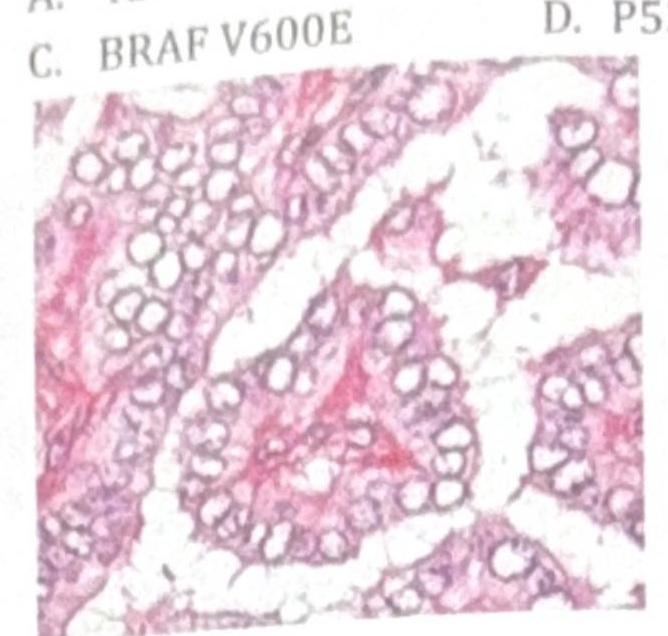
A patient presents with tingling sensation in both legs, polyuria, and weight loss. The bone marrow aspirate findings are shown in the image. What is the most likely diagnosis?
Which viral infection is most likely responsible for triggering this aplastic crisis in the patient?
Which of the following statements regarding von Willebrand disease is incorrect?
An 18-year-old male presents to the OPD with gum bleeding, fever, low total leukocyte count (TLC), and low platelet count. General examination is unremarkable. Further investigations reveal a low reticulocyte count, absent megakaryocytes, and no immature cells in the bone marrow. What is the most likely diagnosis?
Which of the following is considered a poor prognostic marker in multiple myeloma (MM)?
All are increased in IDA except
What is/are the characterstics of Iron defficiency Anemaia(IDA)?
Which of the following is not likely to be seen in a patient with Paroxysmal Nocturnal Hemoglobinuria (PNH)?
Which of the following can be prevented by transfusing irradiated RBCs?
Explanation: ***Parvovirus B19*** - **Parvovirus B19** specifically targets and replicates in **erythroid progenitor cells** in the bone marrow, leading to a temporary halt in red blood cell production [1]. - In patients with chronic hemolytic anemias like **thalassemia**, who already have increased erythropoietic demands, this can precipitate an **aplastic crisis** or pure red cell aplasia [1], [2]. *CMV (Cytomegalovirus)* - While CMV can affect the bone marrow and lead to myelosuppression, it does not typically cause a direct **aplastic crisis** by targeting erythroid progenitors in the same way as Parvovirus B19. - CMV often presents with a wider range of symptoms including fever, hepatitis, and mononucleosis-like syndrome, and bone marrow suppression is usually multi-lineage or less severe. *EBV (Epstein-Barr Virus)* - EBV is known to cause infectious mononucleosis and can also be associated with some bone marrow disorders, but it does not primarily target **erythroid progenitor cells** to cause an aplastic crisis. - Its main target cells are **B lymphocytes**, and any bone marrow suppression is often secondary to immune dysregulation rather than direct lytic infection of stem cells. *Hepatitis C virus (HCV)* - HCV infection can lead to various hematologic manifestations, including aplastic anemia, but these are typically **immune-mediated** or associated with chronic liver disease and its complications. - HCV does not directly infect and destroy **hematopoietic progenitor cells** in the bone marrow as a primary mechanism of aplastic anemia.
Explanation: ***Amyloidosis*** - The image shows **amyloid infiltration** in the bone marrow, characterized by amorphous, eosinophilic deposits that can surround cellular elements. - The clinical symptoms of **tingling sensation** (neuropathy), **polyuria** (renal involvement), and **weight loss** are classic manifestations of systemic amyloidosis due to deposition in nerves, kidneys, and other organs. *Multiple myeloma with renal failure* - While multiple myeloma can cause renal failure and neuropathy, the image provided is more consistent with **amyloid deposition** rather than typical plasma cell proliferation seen in myeloma. - The bone marrow aspirate in multiple myeloma would show a significant increase in **atypical plasma cells**. *Subacute combined degeneration (SACD) with Vitamin B12 deficiency* - SACD causes neurological symptoms like tingling and paresthesia, but it is due to **demyelination** of the spinal cord, not amyloid deposition. - Bone marrow findings in **Vitamin B12 deficiency** would typically show megaloblastic anemia. *Subacute combined degeneration (SACD) with diabetes* - Diabetes can cause neuropathy and polyuria, however, the bone marrow aspirate in this case is not related to diabetes. - SACD is primarily associated with **Vitamin B12 deficiency**, not directly with diabetes, although diabetic neuropathy is common.
Explanation: ***Parvovirus B19*** - **Parvovirus B19** specifically targets and destroys **red blood cell precursors** in the bone marrow, leading to a temporary cessation of erythropoiesis [1]. - In patients with underlying hemolytic anemias (e.g., **sickle cell disease**, **hereditary spherocytosis**), this temporary aplasia can trigger a severe **aplastic crisis** due to their already shortened red blood cell lifespan [2]. *Epstein-Barr Virus (EBV)* - While EBV can cause various hematologic complications, including some myelosuppression, it is not typically associated with triggering acute **aplastic crises** due to direct erythroid precursor destruction [3]. - EBV is primarily known for causing **infectious mononucleosis** and is linked to lymphoproliferative disorders [3]. *Hepatitis B Virus (HBV)* - HBV infection primarily affects the **liver** and is not a common cause of acute **aplastic crisis** by directly targeting bone marrow hematopoietic cells. - Chronic HBV infection can rarely be associated with **aplastic anemia**, but not usually with an acute crisis. *Cytomegalovirus (CMV)* - CMV can cause myelosuppression, especially in **immunocompromised individuals**, and may lead to pancytopenia. - However, CMV does not typically induce the sudden and severe **erythroid aplasia** characteristic of an aplastic crisis in hemolytic anemia patients, as seen with Parvovirus B19 [1].
Explanation: ***Type 1 von Willebrand disease presents with severe bleeding since childhood.*** - This statement is incorrect because **Type 1 von Willebrand disease (vWD)** is characterized by a **partial quantitative deficiency** of von Willebrand factor (vWF), leading to **mild to moderate bleeding** that typically presents later in life or with specific challenges like surgery. - **Severe bleeding since childhood** is more characteristic of **Type 3 vWD**, which involves a near-complete absence of vWF. *Type 2 von Willebrand disease is associated with a moderate bleeding tendency.* - This statement is correct as **Type 2 vWD** involves **qualitative defects** in vWF, meaning the protein is present but doesn't function correctly [1]. - This typically results in a **moderate bleeding tendency**, which can vary depending on the specific subtype (2A, 2B, 2M, 2N). *Type 3 von Willebrand disease is associated with severe deficiency of factor VIII.* - This statement is correct because **Type 3 vWD** is characterized by a near-complete absence of vWF, which is essential for stabilizing **Factor VIII** in circulation [2]. - The severe deficiency of vWF leads to a **marked decrease in Factor VIII levels**, resulting in a bleeding phenotype that can be difficult to distinguish from severe hemophilia A. *Type 2 von Willebrand disease includes subtypes with varying defects in von Willebrand factor.* - This statement is correct as **Type 2 vWD** is subdivided into four main types (2A, 2B, 2M, 2N), each with distinct **qualitative defects** in the von Willebrand factor protein [2]. - These subtypes are differentiated by issues such as **multimerization defects**, increased platelet binding, or decreased affinity for Factor VIII [2].
Explanation: ***Aplastic anemia*** - This condition is characterized by **pancytopenia** (low TLC and platelet count, implied low red blood cell count by low reticulocyte count) due to **bone marrow failure**. - The absence of **megakaryocytes** and other immature cells in the bone marrow confirms the **hypocellularity** typical of aplastic anemia. *Immune Thrombocytopenic Purpura (ITP)* - While ITP presents with **low platelet count** and potential gum bleeding [1], the bone marrow typically shows **normal or increased megakaryocytes**. - ITP does not explain the **low total leukocyte count** or low reticulocyte count seen in this patient [1]. *Myelodysplastic Syndrome (MDS)* - MDS involves **ineffective hematopoiesis** and can present with cytopenias, but the bone marrow is usually **hypercellular or normocellular** with dysplastic changes. - The absence of immature cells and overall hypoplasia does not fit the typical picture of MDS. *Acute Myeloid Leukemia (AML)* - AML is characterized by an overproduction of **immature myeloid cells (blasts)** [3], which are conspicuously absent in this patient's bone marrow description. - While AML can cause pancytopenia, the presence of **immature cells** in the bone marrow is its hallmark [3]. Gum hypertrophy is also a common clinical sign in AML [2].
Explanation: ***B2 microglobulins*** - Elevated levels of **B2 microglobulin** are a significant indicator of increased tumor burden and are used in the **International Staging System (ISS)** for multiple myeloma, correlating with shorter survival [1]. - This protein is present on the surface of most nucleated cells and its accumulation reflects **renal impairment** or increased cell turnover. *Serum Creatinine* - While elevated **serum creatinine** can indicate **renal insufficiency**, a common complication in MM, it is not a direct measure of tumor burden or aggression in the same way as B2 microglobulin [1]. - **Renal failure** can be a poor prognostic factor in MM, but creatinine itself is a marker of organ damage rather than disease progression or malignancy. *Hypercalcemia* - **Hypercalcemia** is a common complication in MM due to increased **bone resorption**, but it is generally manageable and not considered a primary prognostic marker for disease aggressiveness itself. - While severe hypercalcemia can contribute to overall morbidity, its presence doesn't directly stage the disease or predict survival as significantly as B2 microglobulin. *Telomerase* - **Telomerase** is an enzyme involved in maintaining telomere length and is often overexpressed in various cancers, including MM, allowing cells to proliferate indefinitely. - While it plays a role in the **pathogenesis** of MM, its utility as a prognostic marker in routine clinical practice is not as established or as widely used as B2 microglobulin.
Explanation: ***Transferrin saturation*** - In **iron deficiency anemia (IDA)**, there is insufficient iron to saturate transferrin, leading to a **decreased** transferrin saturation. This is the exception among the given options. - Transferrin saturation is calculated as (serum iron / TIBC) x 100, and both **serum iron** and its percentage saturation are low in IDA. *TIBC* - **Total iron-binding capacity (TIBC)** is typically **increased** in IDA as the liver produces more transferrin in an attempt to capture more iron [1]. - This elevated TIBC reflects the body's compensatory mechanism to maximize available iron uptake. *Soluble transferrin receptor* - **Soluble transferrin receptor (sTfR)** levels are **elevated** in IDA because iron-deficient erythroblasts upregulate the production of transferrin receptors on their surface as they try to scavenge more iron. - The elevated sTfR is a sensitive and specific marker for **iron deficiency**, particularly useful in differentiating IDA from anemia of chronic disease [1]. *Erythropoietin* - **Erythropoietin (EPO)** levels are **increased** in IDA due to the kidney's response to the decreased oxygen-carrying capacity of the blood (anemia) [1]. - EPO stimulates the bone marrow to produce more red blood cells, which exacerbates the demand for iron, often leading to further iron depletion if iron stores are low.
Explanation: ***All of the options*** - **Iron deficiency anemia (IDA)** characteristically presents with a combination of these markers due to a true depletion of the body's iron stores [2]. - A comprehensive evaluation of iron studies, including **TIBC**, **ferritin**, **serum iron**, and **transferrin saturation**, is essential for an accurate diagnosis of IDA [3]. *Increased TIBC* - **Total iron-binding capacity (TIBC)** is typically **elevated in IDA** as the body attempts to maximize iron absorption and transport by increasing the production of transferrin [1]. - Transferrin, the primary iron-binding protein, is less saturated with iron, leading to an **increased capacity to bind more iron**. *Low serum ferritin* - **Serum ferritin** is a direct measure of **iron storage** in the body and is considered the most sensitive and specific marker for iron deficiency. - In IDA, **ferritin levels are markedly decreased**, indicating depleted iron reserves. *Low serum iron* - **Serum iron** measures the amount of iron circulating in the blood, primarily bound to transferrin [4]. - In IDA, the **absolute amount of circulating iron is reduced** due to insufficient iron supply [1]. *Low transferrin saturation* - **Transferrin saturation** represents the percentage of transferrin binding sites occupied by iron. - In IDA, due to **low serum iron** and **high transferrin (indicated by increased TIBC)**, the transferrin saturation is significantly reduced.
Explanation: Leukemia - While PNH can transform into **acute myeloid leukemia (AML)** in a small percentage of cases, it is not a common or direct presentation, making it the *least likely* immediate finding among the options. - The primary pathophysiology of PNH involves a defect in hematopoietic stem cells leading to complement-mediated destruction, not malignant proliferation of myeloid or lymphoid cells as seen in leukemia. *Thrombosis* - **Thrombosis** is a major cause of morbidity and mortality in PNH, occurring due to complement activation and platelet activation on the surface of GPI-deficient cells. - It most commonly affects unusual sites like the **hepatic** or **mesenteric veins**, and cerebral venous sinuses. *Aplastic anemia* - **Aplastic anemia** is closely associated with PNH, as both with conditions can arise from a defect in hematopoietic stem cells. - PNH clones are often detectable in patients with aplastic anemia, and some cases of PNH evolve from or into aplastic anemia. *Hemolysis* - **Hemolysis** is a hallmark of PNH, caused by the absence of **GPI-anchored proteins (CD55 and CD59)** on red blood cells, making them susceptible to complement-mediated destruction [1]. - This leads to intravascular hemolysis, resulting in characteristic symptoms like **dark urine** (hemoglobinuria), especially in the morning [1].
Explanation: Graft versus host disease - **Irradiation** of red blood cell (RBC) products inactivates proliferating donor **T-lymphocytes**, which are responsible for mediating transfusion-associated **graft-versus-host disease (TA-GVHD)**. - TA-GVHD is a severe and often fatal complication where donor immune cells attack recipient tissues. *HLA Alloimmunization* - **HLA alloimmunization** is prevented by **leukoreduction**, which removes donor leukocytes expressing HLA antigens, not by irradiation. - Irradiation targets the proliferative capacity of T-lymphocytes, but does not remove the cells themselves or prevent the presentation of HLA antigens. *Transfusion Related Acute Lung Injury (TRALI)* - **TRALI** is primarily associated with **donor antibodies** (anti-HLA or anti-HNA) in plasma that react with recipient neutrophils, leading to lung injury. - It is prevented by selecting plasma donors who have not been pregnant or by using male-only plasma, not by irradiating RBCs. *Immunomodulation* - **Transfusion-related immunomodulation (TRIM)** is a broad effect associated with multiple blood components, including cytokines and biological response modifiers in the transfused products. - While leukoreduction may reduce some aspects of TRIM, irradiation is not specifically used to prevent or reduce this phenomenon.
Anemia Evaluation and Management
Practice Questions
Hemoglobinopathies
Practice Questions
Thalassemias
Practice Questions
Platelet Disorders
Practice Questions
Coagulation Disorders
Practice Questions
Thrombotic Disorders
Practice Questions
Leukemias
Practice Questions
Lymphomas
Practice Questions
Multiple Myeloma and Plasma Cell Disorders
Practice Questions
Myeloproliferative Neoplasms
Practice Questions
Transfusion Medicine
Practice Questions
Hematopoietic Stem Cell Transplantation
Practice Questions
Get full access to all questions, explanations, and performance tracking.
Start For Free