Fresh frozen plasma is used for what condition?
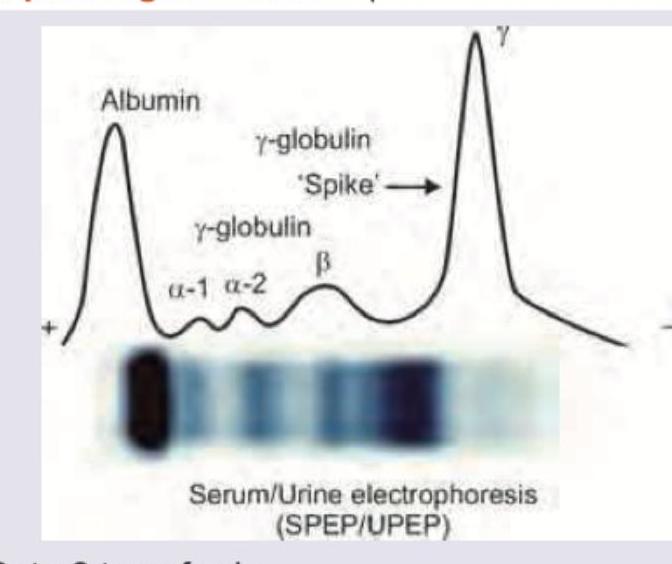
Regarding multiple myeloma, which of the following statements is wrong?
Disseminated intravascular coagulation (DIC) is characterized by the following except?
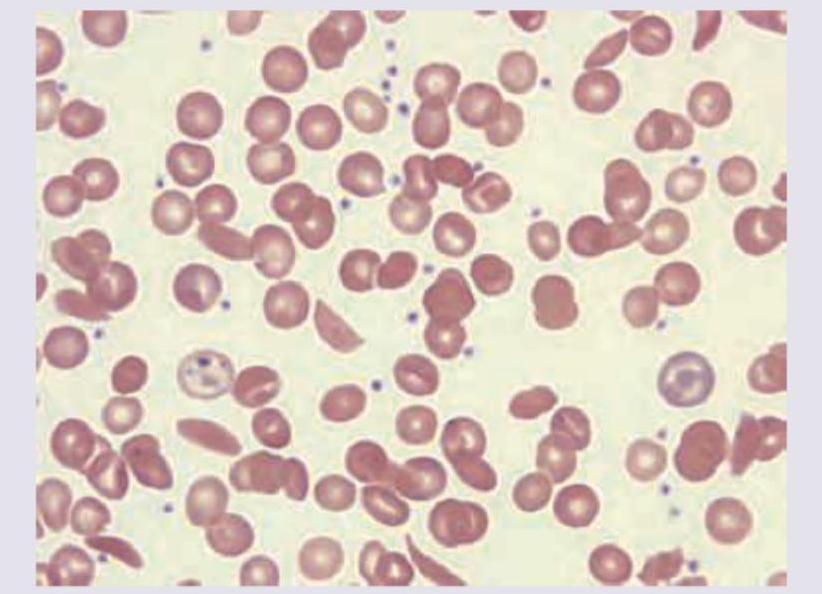
Compared to a hemolytic crisis, an aplastic crisis in sickle cell anemia leads to which of the following?
Pernicious anemia is due to?
Which one of the following is the most appropriate clinical test to confirm iron-deficiency anemia?
What is the maximum single intravenous dose of iron a patient can tolerate?
ABO incompatibility is not seen with which of the following transfusion products?
What is the most common postoperative complication in patients with polycythemia vera?
Which of the following is a cause of extravascular hemolysis?
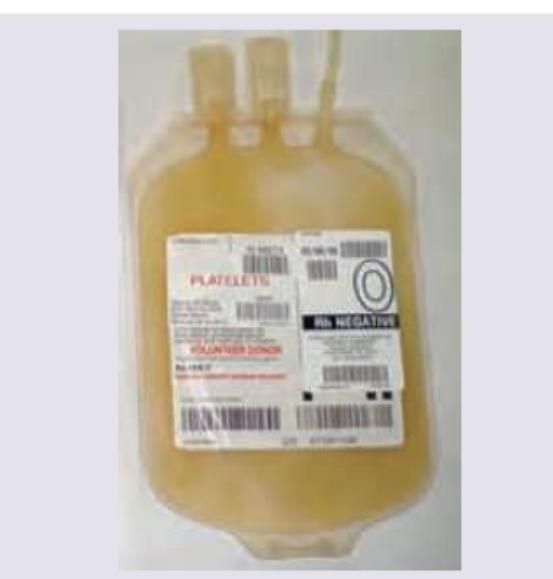
Explanation: ### Explanation **Correct Option: A. Deficiency of coagulation factor** Fresh Frozen Plasma (FFP) is the liquid portion of whole blood that is separated and frozen within 8 hours of collection. It contains all **clotting factors** (including labile factors V and VIII), fibrinogen, antithrombin, and albumin. Its primary clinical indication is the management of bleeding or preoperative prophylaxis in patients with **multiple coagulation factor deficiencies** [1], such as: * Liver disease * Disseminated Intravascular Coagulation (DIC) [1] * Warfarin overdose (when Prothrombin Complex Concentrate is unavailable) * Massive transfusion protocols **Why the other options are incorrect:** * **B. Deficiency of RBC:** Red blood cell deficiency (anemia) is treated with **Packed Red Blood Cells (PRBC)** to improve oxygen-carrying capacity. FFP contains no cells. * **C. Deficiency of proteins:** While FFP contains albumin and globulins, it is **not** indicated for nutritional protein replacement or simple hypoalbuminemia due to the risk of volume overload and transfusion-related complications. * **D. Deficiency of WBC:** Leukopenia or neutropenia is managed with growth factors (G-CSF) or, rarely, **Granulocyte concentrates**. FFP does not contain functional white blood cells. **High-Yield Clinical Pearls for NEET-PG:** 1. **Dosage:** The standard dose is **10–15 mL/kg**, which typically raises clotting factor levels by approximately 20-30%. 2. **Storage:** FFP is stored at **-18°C or colder** and has a shelf life of **1 year**. Once thawed, it must be used within 24 hours. 3. **Compatibility:** FFP must be **ABO compatible** with the recipient's RBCs (Rh compatibility is not mandatory as FFP lacks RBCs). **AB is the universal donor** for FFP. 4. **Specific Indication:** FFP is the treatment of choice for **Factor V deficiency**, as no pure concentrate exists.
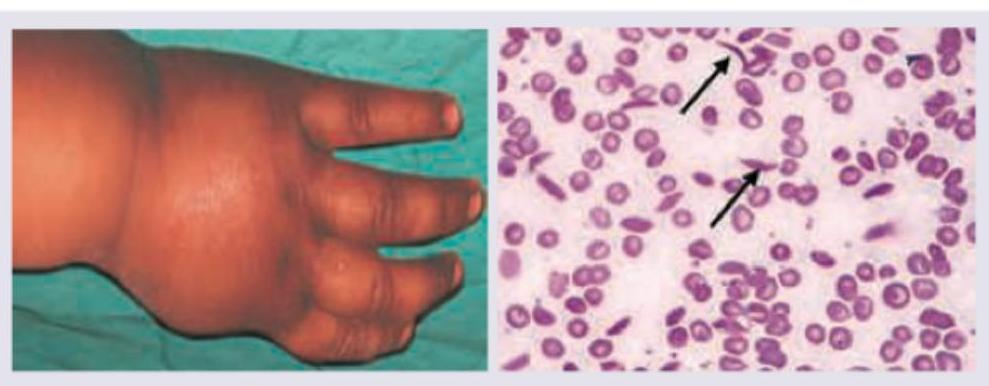
Explanation: In Multiple Myeloma (MM), the primary mechanism of bone destruction is **osteoclastic activation** coupled with the **suppression of osteoblasts**. Bone scans (Technetium-99m MDP) rely on osteoblastic activity (new bone formation) to show "hot spots." Because MM lesions are purely lytic with minimal to no osteoblastic response, bone scans are notoriously insensitive and often appear "cold" or normal despite extensive bone involvement. Therefore, statement C is incorrect. **Analysis of other options:** * **Option A:** MM is by definition a malignant proliferation of monoclonal plasma cells in the bone marrow, producing an M-protein spike [1]. * **Option B:** The classic radiographic hallmark of MM is "punched-out" lytic lesions, most visible on a skeletal survey of the skull, spine, and long bones [1]. * **Option C (Correct Answer):** As explained, bone scans are typically negative; **MRI or PET-CT** are the preferred advanced imaging modalities. * **Option D:** Melphalan (an alkylating agent) remains a cornerstone of treatment, especially in transplant-ineligible patients (often combined with Prednisone and Bortezomib). **High-Yield Clinical Pearls for NEET-PG:** * **CRAB Criteria:** Calcium (elevated), Renal insufficiency, Anemia, and Bone lesions. * **Diagnosis:** Bone marrow plasma cells ≥10% or biopsy-proven plasmacytoma PLUS myeloma-defining events [1]. * **Bence-Jones Proteins:** These are free light chains in the urine; they are **not** detected by standard dipsticks (which detect albumin). * **M-Spike:** Usually IgG (most common) or IgA. * **Peripheral Smear:** Characterized by **Rouleaux formation** due to increased serum proteins [1].
Explanation: Disseminated Intravascular Coagulation (DIC) is a complex thrombohemorrhagic disorder characterized by the systemic activation of the coagulation cascade, leading to the widespread formation of fibrin clots [1]. This process results in the **consumption** of clotting factors and platelets, eventually leading to severe hemorrhage [2]. **Why "High platelet count" is the correct answer:** In DIC, there is massive, uncontrolled activation of the clotting system. This leads to the rapid consumption of platelets as they are used up to form microthrombi throughout the circulation [2]. Consequently, **thrombocytopenia (low platelet count)** is a hallmark laboratory finding of DIC, not a high platelet count [1]. **Analysis of other options:** * **Widespread bleeding/thrombosis:** This is the clinical paradox of DIC [1]. Initial microvascular thrombosis causes organ ischemia, while the subsequent exhaustion of coagulation factors and platelets leads to profuse bleeding from mucosal surfaces and IV sites. * **Prolongation of PT/aPTT:** Because clotting factors (Factors V, VIII, and Prothrombin) are consumed during the widespread clotting process, the laboratory tests measuring the extrinsic and intrinsic pathways (PT and aPTT) will be significantly prolonged [3]. * **High levels of Fibrin Degradation Products (FDPs):** As the body attempts to break down the widespread clots (secondary fibrinolysis), levels of FDPs and **D-dimers** rise significantly [1]. These are sensitive markers for diagnosing DIC. **NEET-PG High-Yield Pearls:** * **Peripheral Smear:** Characteristically shows **Schistocytes** (fragmented RBCs) due to microangiopathic hemolytic anemia (MAHA). * **Most Common Cause:** Sepsis (Gram-negative organisms) [1]. * **Acute Promyelocytic Leukemia (M3):** A classic hematological malignancy associated with severe DIC due to the release of tissue factor from granules. * **Best Screening Test:** Platelet count and FDPs/D-dimer [1]. * **Fibrinogen:** Levels are typically **low** (consumed) [1].
Explanation: **Explanation:** In Sickle Cell Anemia (SCA), the distinction between different types of crises is a high-yield topic for NEET-PG. **1. Why the Correct Answer is Right:** An **aplastic crisis** is characterized by a sudden cessation of erythropoiesis (red blood cell production) in the bone marrow [1]. This is most commonly triggered by an infection with **Parvovirus B19**, which directly invades and destroys erythrocyte precursors [1]. Because the bone marrow stops producing new cells, the **reticulocyte count drops significantly (reticulocytopenia)**. In contrast, a hemolytic crisis involves the rapid destruction of existing RBCs, which typically triggers a compensatory *increase* in reticulocytes as the marrow tries to replace the loss. **2. Why the Incorrect Options are Wrong:** * **Option A (Increased blood volume):** An aplastic crisis leads to a rapid drop in hemoglobin, which may cause high-output heart failure or hypovolemia in severe cases, but it does not increase blood volume [1]. * **Option B (Total leukocyte count decreased):** Parvovirus B19 specifically targets the erythroid lineage [1]. Therefore, white blood cell (leukocyte) and platelet counts usually remain normal. If all cell lines were decreased, it would be termed "aplastic anemia" (pancytopenia), not an "aplastic crisis." * **Option D (Same findings):** Hemolytic and aplastic crises are clinically distinct. Hemolysis presents with jaundice and high reticulocytes; aplastic crisis presents with worsening pallor and absent reticulocytes [1]. **Clinical Pearls for NEET-PG:** * **Diagnostic Hallmark:** A sudden drop in Hemoglobin + Reticulocytopenia = Aplastic Crisis [1]. * **Trigger:** Parvovirus B19 (targets the P-antigen on erythroblasts). * **Management:** Urgent blood transfusion is often required as the condition is self-limiting but life-threatening [1]. * **Sequestration Crisis:** Another differential for sudden Hb drop; however, it presents with a *large spleen* and *high* reticulocyte count [1].
Explanation: **Explanation:** **Pernicious Anemia** is a specific type of megaloblastic anemia caused by an autoimmune process. The correct answer is **Atrophic Gastritis** (specifically Type A autoimmune atrophic gastritis) [2]. 1. **Why Atrophic Gastritis is correct:** In this condition, the body produces autoantibodies against **gastric parietal cells** and **Intrinsic Factor (IF)** [2]. The resulting chronic inflammation leads to atrophy of the gastric mucosa [2]. Since parietal cells are responsible for secreting Intrinsic Factor—which is essential for the absorption of Vitamin B12 in the terminal ileum—their destruction leads to severe Vitamin B12 deficiency, resulting in Pernicious Anemia [1]. 2. **Why other options are incorrect:** * **Iron deficiency:** Leads to microcytic hypochromic anemia, not megaloblastic anemia [3]. * **Low folic acid:** While this causes megaloblastic anemia, it is usually due to poor dietary intake or malabsorption (e.g., Celiac disease), not the autoimmune destruction of gastric mucosa seen in Pernicious Anemia. **High-Yield Clinical Pearls for NEET-PG:** * **Antibodies:** Anti-parietal cell antibodies (more sensitive) and Anti-intrinsic factor antibodies (more specific). * **Schilling Test:** Historically used to diagnose B12 malabsorption (now largely replaced by antibody testing). * **Gastric Cancer Risk:** Patients with Pernicious Anemia have a 3x increased risk of gastric adenocarcinoma and carcinoid tumors due to chronic achlorhydria and compensatory hypergastrinemia. * **Neurological Symptoms:** Unlike folate deficiency, B12 deficiency presents with **Subacute Combined Degeneration (SCD)** of the spinal cord (dorsal columns and lateral corticospinal tracts).
Explanation: **Explanation:** Iron-deficiency anemia (IDA) develops in stages: first, iron stores are depleted, followed by a decrease in serum iron, and finally, a drop in hemoglobin [1]. **Why Serum Ferritin is the Correct Answer:** Serum ferritin is the most sensitive and specific biochemical test for diagnosing IDA. It reflects total body iron stores [4]. A low serum ferritin level (typically <15–30 ng/mL) is virtually diagnostic of iron deficiency [4]. In the clinical workup of anemia, it is the "gold standard" non-invasive test to confirm the diagnosis. **Analysis of Incorrect Options:** * **A. Red blood cell indices:** Parameters like MCV, MCH, and MCHC (showing microcytic hypochromic anemia) are suggestive of IDA but are not confirmatory. They can also be abnormal in other conditions like Thalassemia or Anemia of Chronic Disease [2]. * **C. Bone-marrow examination:** While staining for iron (Prussian blue) in the bone marrow is the absolute definitive "gold standard" to assess iron stores, it is an invasive, painful, and expensive procedure [3]. In modern clinical practice, it is rarely required for a simple diagnosis of IDA when serum ferritin is available. * **D. Urinary iron clearance:** This is not a standard clinical test for diagnosing iron deficiency; it is more relevant in the context of iron overload or chelation therapy. **NEET-PG High-Yield Pearls:** * **Earliest sign of IDA:** Decreased serum ferritin (depletion of stores) [4]. * **Earliest sign of response to iron therapy:** Increase in Reticulocyte count (usually within 5–7 days). * **Ferritin as an Acute Phase Reactant:** Note that ferritin can be falsely elevated in inflammation, malignancy, or liver disease [3]. In these cases, a ferritin level <100 ng/mL may still indicate IDA. * **Best parameter to differentiate IDA from Thalassemia:** Mentzer Index (MCV/RBC count); >13 suggests IDA, <13 suggests Thalassemia.
Explanation: Explanation: The maximum single intravenous dose of iron is determined by the pharmacological properties of modern iron carbohydrate complexes. Among the available formulations, **Ferric Carboxymaltose (FCM)** and **Iron Isomaltoside (Ferric Derisomaltose)** have revolutionized parenteral iron therapy by allowing the rapid administration of high doses. **Why 2500 mg is correct:** While standard clinical practice often involves doses of 1000 mg per session, the absolute maximum tolerated single dose in clinical protocols (specifically for newer formulations like Ferric Derisomaltose) is **2500 mg**, provided it does not exceed 20 mg/kg body weight. This high limit is possible because these complexes are stable, non-dextran based, and release iron slowly into the circulation, minimizing the risk of "free iron" toxicity and anaphylaxis [1]. **Analysis of Incorrect Options:** * **A (1000 mg):** This is the most common *standard* dose for Ferric Carboxymaltose in a single sitting, but it is not the *maximum* pharmacological limit. * **B (2000 mg):** While some guidelines suggest 2000 mg as a practical cap for certain formulations, it does not represent the upper limit of tolerability established in pharmacological studies. * **D (3000 mg):** This exceeds the safety threshold and increases the risk of iron overload and oxidative stress [1]. **NEET-PG High-Yield Pearls:** * **Calculation:** The total iron deficit is calculated using the **Ganzoni Formula**: *Total Iron Deficit (mg) = Body weight (kg) × (Target Hb - Actual Hb) (g/dL) × 2.4 + Iron stores (500 mg).* * **Side Effects:** Watch for **Hypophosphatemia** (specifically with Ferric Carboxymaltose) due to increased FGF-23 activity. * **Contraindication:** Avoid IV iron in the first trimester of pregnancy and in patients with active systemic infections (as iron can promote bacterial growth).
Explanation: The core concept behind ABO incompatibility in transfusion medicine lies in the presence of **isoagglutinins (Anti-A and Anti-B antibodies)** found in the plasma [1, 2]. **Why Cryoprecipitate is the correct answer:** Cryoprecipitate is a concentrated subset of plasma proteins prepared by thawing Fresh Frozen Plasma (FFP) at 1–6°C. It contains specific clotting factors: **Factor VIII, Von Willebrand Factor (vWF), Fibrinogen (Factor I), Factor XIII, and Fibronectin.** Because the total volume of a cryoprecipitate unit is very small (typically 10–20 mL) and it contains negligible amounts of plasma (and thus negligible isoagglutinins), it can be infused regardless of the recipient's ABO group without risk of hemolysis. **Why the other options are incorrect:** * **A. Fresh Frozen Plasma (FFP):** FFP contains the full complement of plasma antibodies [2]. Transfusing ABO-incompatible FFP (e.g., Type O plasma to a Type A recipient) can lead to a hemolytic transfusion reaction [2]. * **B & C. Platelet Rich Plasma (PRP) and Single Donor Platelets (SDP):** Platelet products are suspended in significant amounts of donor plasma. While platelets themselves do not express strong ABO antigens, the **plasma** they are stored in contains isoagglutinins. Large volumes of ABO-incompatible plasma in platelet units can cause a positive Direct Antiglobulin Test (DAT) and potential hemolysis. **High-Yield Clinical Pearls for NEET-PG:** 1. **Contents of Cryoprecipitate:** Remember the mnemonic **"8, 1, 13, and vWF"** (Factor 8, Fibrinogen/Factor 1, Factor 13, and vWF). 2. **Universal Donor for Plasma:** Type **AB** (contains no Anti-A or Anti-B antibodies) [2]. 3. **Universal Donor for RBCs:** Type **O Negative**. 4. **Indication:** Cryoprecipitate is primarily used for **hypofibrinogenemia** (e.g., in DIC or massive transfusion) and was historically used for Hemophilia A and vWD before recombinant factors became available.
Explanation: In patients with **Polycythemia Vera (PV)**, the most common postoperative complication is **Uremia** (acute renal failure). This occurs primarily due to the hyperviscosity of the blood and the high turnover of red blood cells. 1. **Why Uremia?** PV is characterized by an absolute increase in red cell mass, leading to hyperviscosity. This causes sluggish blood flow and microvascular thrombosis within the renal vasculature. Furthermore, the high turnover of nucleated cells leads to **hyperuricemia** [1]. Postoperatively, factors like dehydration, surgical stress, and transient hypotension can exacerbate renal hypoperfusion, leading to acute uric acid nephropathy or thrombotic microangiopathy, manifesting as uremia. 2. **Why other options are incorrect:** * **Infection:** While surgical patients are at risk for sepsis, it is not specifically the *most* common complication linked to the pathophysiology of PV. * **Cardiopulmonary complications:** Although PV increases the risk of venous thromboembolism (VTE) and MI, statistically, renal impairment (uremia) is reported more frequently in the immediate postoperative period in these specific patients. * **Hemolysis:** PV is a myeloproliferative disorder (excess production), not a hemolytic disorder (excess destruction). **NEET-PG High-Yield Pearls:** * **Goal Hematocrit:** To minimize surgical risk, the hematocrit should be reduced to **<45%** (in men) and **<42%** (in women) for at least 8–12 weeks prior to elective surgery. * **Most common cause of death:** Thrombosis (Stroke/MI). * **Transformation:** PV can transform into Acute Myeloid Leukemia (AML) or Myelofibrosis ("Spent phase") [1]. * **Classic Symptom:** Aquagenic pruritus (itching after a hot bath) due to mast cell degranulation.
Explanation: Hemolysis is categorized into **intravascular** (destruction within blood vessels) and **extravascular** (destruction by the reticuloendothelial system, primarily the spleen and liver) [1]. **1. Why Sickle Cell Disease (SCD) is the correct answer:** In SCD, the polymerization of deoxygenated Hemoglobin S (HbS) causes red blood cells (RBCs) to become rigid and sickle-shaped [3]. These abnormal cells cannot easily deform to pass through the narrow splenic sinusoids [2]. Consequently, they are recognized as defective and sequestered/destroyed by **splenic macrophages**. This is the classic mechanism of **extravascular hemolysis**. (Note: Severe vaso-occlusive crises can occasionally cause a minor intravascular component, but the primary pathology is extravascular). **2. Analysis of Incorrect Options:** * **Falciparum Malaria:** Causes **intravascular hemolysis** due to the direct mechanical rupture of RBCs by escaping merozoites and complement-mediated lysis (Blackwater fever) [1]. * **Mismatched Blood Transfusion:** Acute hemolytic transfusion reactions (ABO incompatibility) involve pre-existing IgM antibodies that fix complement, leading to rapid **intravascular** destruction [1]. * **Microthrombi in circulation:** This refers to Microangiopathic Hemolytic Anemia (MAHA), seen in conditions like DIC, TTP, or HUS. RBCs are mechanically shredded into schistocytes as they pass through fibrin mesh/thrombi within the vessels (**intravascular**). **High-Yield Clinical Pearls for NEET-PG:** * **Extravascular Hemolysis:** Characterized by splenomegaly, jaundice (unconjugated hyperbilirubinemia), and increased urobilinogen. Examples: Hereditary Spherocytosis, Warm AIHA, Sickle Cell Disease. * **Intravascular Hemolysis:** Characterized by **hemoglobinuria**, **hemosiderinuria**, and a marked decrease in **haptoglobin** [2]. Examples: G6PD deficiency (acute), PNH, MAHA, and ABO incompatibility. * **Direct Coombs Test:** Essential to differentiate autoimmune causes from hereditary structural defects.
Anemia Evaluation and Management
Practice Questions
Hemoglobinopathies
Practice Questions
Thalassemias
Practice Questions
Platelet Disorders
Practice Questions
Coagulation Disorders
Practice Questions
Thrombotic Disorders
Practice Questions
Leukemias
Practice Questions
Lymphomas
Practice Questions
Multiple Myeloma and Plasma Cell Disorders
Practice Questions
Myeloproliferative Neoplasms
Practice Questions
Transfusion Medicine
Practice Questions
Hematopoietic Stem Cell Transplantation
Practice Questions
Get full access to all questions, explanations, and performance tracking.
Start For Free