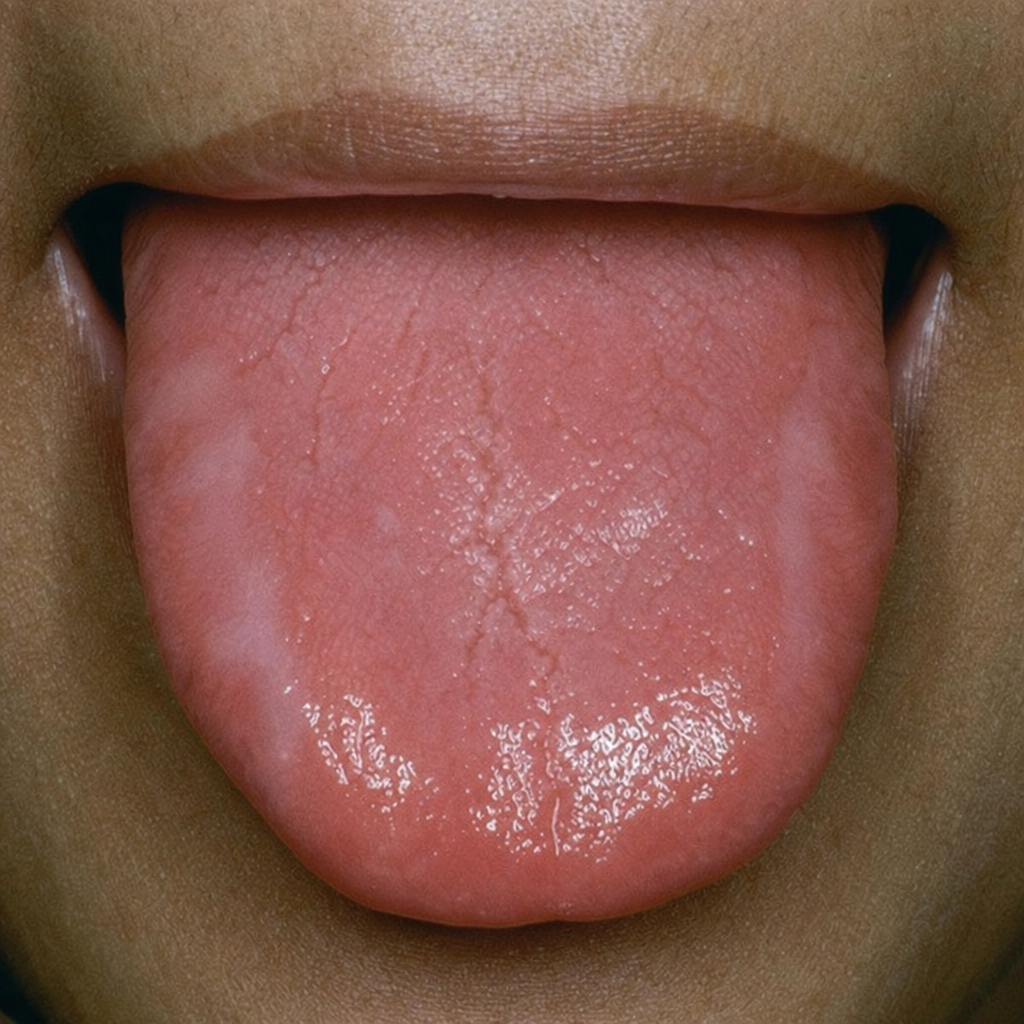
Sideroblastic anemia is caused due to:
Which genetic abnormality is associated with the worst prognosis in Chronic Lymphocytic Leukemia (CLL)?
A 35-year-old female evaluated for anemia has a dry marrow tap and a peripheral smear showing tear drop cells. What is the most likely diagnosis?
Which of the following conditions is a common cause of iron deficiency anemia?
Which of the following is most likely to cause a hypochromic microcytic anemia?
Which of the following drugs is NOT used for the management of multiple myeloma?
Which of the following are complications of long-term hemophilia?
In contrast to iron deficiency anemia, what is the typical change in TIBC in anemia of chronic disease?
Which of the following are characteristic features of secondary polycythemia?
Which of the following is NOT seen in Paroxysmal Nocturnal Hemoglobinuria?
Explanation: Sideroblastic anemia is a group of blood disorders characterized by the body's inability to incorporate iron into hemoglobin, despite having adequate iron stores. **Why Iron is the Correct Answer:** The hallmark of this condition is the presence of **ringed sideroblasts** in the bone marrow. These are erythroblasts with iron-loaded mitochondria arranged in a necklace-like pattern around the nucleus. The underlying pathology involves a defect in **heme synthesis** (specifically the protoporphyrin pathway). While iron is available, it cannot be utilized to form heme, leading to iron sequestration within the mitochondria [2]. Therefore, the anemia is fundamentally a disorder of **iron utilization**. **Analysis of Incorrect Options:** * **Lead (B):** While lead poisoning is a classic cause of *acquired* sideroblastic anemia (by inhibiting enzymes like ALA dehydratase and ferrochelatase), it is a secondary cause. In the context of this specific question format, "Iron" refers to the pathophysiological substrate trapped in the mitochondria. * **Mercury (A) and Arsenic (C):** These heavy metals are toxic to various organ systems but are not primary or common causes of sideroblastic anemia. Arsenic poisoning typically presents with pancytopenia or basophilic stippling, but not ringed sideroblasts. **NEET-PG High-Yield Pearls:** * **Diagnostic Gold Standard:** Bone marrow examination with **Prussian Blue stain** showing ≥15% ringed sideroblasts. * **Genetic Cause:** Most common hereditary form is X-linked, due to a mutation in the **ALAS2 gene**. * **Acquired Causes:** Alcohol (most common), Lead, Isoniazid (Vitamin B6 antagonist), and Myelodysplastic Syndrome (MDS-RS). * **Treatment:** Pyridoxine (Vitamin B6) is the first-line treatment for hereditary and isoniazid-induced cases. * **Lab Findings:** Increased Serum Iron, Increased Ferritin, and Increased Transferrin Saturation (Iron Overload state) [1].
Explanation: **Explanation:** The prognosis of Chronic Lymphocytic Leukemia (CLL) is heavily influenced by cytogenetic abnormalities identified via FISH (Fluorescence In Situ Hybridization). **1. Why 17p Deletion is the Correct Answer:** The **17p deletion** involves the loss of the **TP53 gene**, which is located on the short arm of chromosome 17. TP53 is a critical tumor suppressor gene responsible for DNA repair and apoptosis. Its absence leads to resistance against standard chemotherapy (like Fludarabine) and rapid disease progression. Patients with this mutation have the shortest median survival and are often candidates for targeted therapies like Ibrutinib (BTK inhibitors) or Venetoclax (BCL-2 inhibitors) rather than traditional chemo-immunotherapy. **2. Analysis of Incorrect Options:** * **13q Deletion (Option D):** This is the **most common** cytogenetic abnormality in CLL. When it occurs as an isolated finding, it is associated with the **best (most favorable) prognosis** and long survival [1]. * **11q Deletion (Option A):** Associated with extensive lymphadenopathy and an aggressive clinical course, but the prognosis is generally better than 17p deletion. It involves the loss of the ATM gene. * **12q Trisomy (Option B):** Associated with an intermediate prognosis. **High-Yield Clinical Pearls for NEET-PG:** * **Döhner’s Hierarchy of Prognosis (Best to Worst):** 13q deletion > Normal cytogenetics > Trisomy 12 > 11q deletion > 17p deletion. * **ZAP-70 and CD38:** High expression of these markers indicates a **poor prognosis**. * **IgVH Mutation Status:** *Unmutated* IgVH signifies a poor prognosis, whereas *mutated* IgVH signifies a favorable prognosis. * **Smudge Cells:** A classic peripheral smear finding in CLL (crushed lymphocytes). **Note on Survival:** Survival in CLL is heavily influenced by specific prognostic features and the ability to tolerate intensive therapy [1].
Explanation: The clinical presentation of a **dry tap** (unsuccessful bone marrow aspiration) combined with **teardrop cells (dacrocytes)** on a peripheral smear is the classic hallmark of **Primary Myelofibrosis (PMF)** [1]. 1. **Why Primary Myelofibrosis is correct:** PMF is a myeloproliferative neoplasm characterized by extensive collagen deposition in the bone marrow (fibrosis). This fibrosis prevents the aspiration of marrow contents, resulting in a **"dry tap."** [1] As red blood cells are forced to squeeze through the fibrotic marrow and exit via the splenic sinusoids, they become physically distorted, taking on a **teardrop shape** [1]. This process is often accompanied by extramedullary hematopoiesis and a leukoerythroblastic blood picture [1]. 2. **Why other options are incorrect:** * **Acute Myeloid Leukemia (AML):** While AML can occasionally cause a dry tap due to hypercellularity (packed marrow), the peripheral smear typically shows **blasts** and Auer rods, not predominant teardrop cells. * **Hodgkin’S Disease:** This primarily involves lymph nodes. While it can involve the marrow in late stages, it is not the classic cause of the dacrocyte/dry tap triad. * **Polycythemia Vera (PV):** PV is characterized by an increased red cell mass (high Hb/Hct). While PV can progress to a "spent phase" (Post-PV Myelofibrosis) which mimics PMF, PMF is the primary diagnosis associated with this specific presentation in a 35-year-old female. **High-Yield Clinical Pearls for NEET-PG:** * **Dacrocytes (Teardrop cells):** Think "Myelofibrosis" or "Thalassemia" [1]. * **Dry Tap Differential:** Myelofibrosis, Hairy Cell Leukemia, Aplastic Anemia, and occasionally packed marrow in Leukemias. * **Genetic Marker:** ~50-60% of PMF cases are positive for the **JAK2 V617F** mutation [1]. * **Splenomegaly:** Massive splenomegaly is a common physical finding in PMF due to extramedullary hematopoiesis [1].
Explanation: **Explanation:** **1. Why Chronic Renal Failure (CRF) is the Correct Answer:** In the context of this question, **Chronic Renal Failure (CRF)** is a major cause of iron deficiency anemia (IDA) due to multiple synergistic factors [1]. Patients with CRF experience chronic occult gastrointestinal bleeding (often due to uremic gastropathy or angiodysplasia), frequent blood loss during hemodialysis, and repeated blood sampling. Furthermore, CRF involves a state of functional iron deficiency where high **Hepcidin** levels (due to inflammation) block iron absorption and release from stores, making it a classic cause of iron-restricted erythropoiesis [2]. **2. Analysis of Other Options:** * **Hookworm Infestation:** While a very common cause of IDA in developing countries (via chronic intestinal blood loss) [1], it is often considered a "classic" or "textbook" cause rather than the primary systemic cause in a generalized clinical setting compared to the multifactorial nature of CRF in chronic disease management. * **Billroth II Operation:** This surgical procedure (gastrojejunostomy) causes IDA by bypassing the duodenum, which is the primary site of iron absorption [2]. It is a specific postoperative cause rather than a "common" general population cause. * **Celiac Sprue:** This leads to malabsorption of iron due to atrophy of the duodenal villi [2]. While important, it is statistically less common than the blood loss associated with chronic systemic diseases or infestations. **3. NEET-PG High-Yield Pearls:** * **Gold Standard Diagnosis:** Bone marrow aspiration (Prussian blue staining) is the gold standard for IDA, showing absent hemosiderin. * **Best Screening Test:** Serum Ferritin is the most sensitive and specific initial lab test (levels <15-30 ng/mL). * **Hepcidin's Role:** In CRF/Anemia of Chronic Disease, Hepcidin is **elevated**, whereas in pure IDA, Hepcidin is **suppressed** to favor absorption [3]. * **Pica:** A specific clinical sign of IDA; *Pagophagia* (craving ice) is highly specific.
Explanation: **Explanation:** **Iron Deficiency Anemia (IDA)** is the most common cause of **microcytic hypochromic anemia** worldwide [1], [4]. The underlying mechanism involves a decrease in hemoglobin synthesis. Hemoglobin is composed of heme (iron + protoporphyrin) and globin. When iron is deficient, heme production drops, leading to fewer hemoglobin molecules per cell. Consequently, erythrocytes undergo extra divisions to maintain concentration, resulting in smaller cells (**Microcytic: MCV <80 fL**) [3] with less color (**Hypochromic: MCHC <32%**). **Analysis of Incorrect Options:** * **Folate deficiency:** This causes **Megaloblastic Macrocytic anemia** (MCV >100 fL) [2]. Folate is essential for DNA synthesis; its deficiency leads to impaired nuclear maturation while cytoplasmic growth continues, resulting in large, oval red cells and hypersegmented neutrophils. * **Hereditary spherocytosis:** This is a normocytic or mildly microcytic hemolytic anemia. Crucially, it is **hyperchromic** (elevated MCHC) because the loss of membrane surface area causes the cell to become spherical and densely packed with hemoglobin. * **Sickle cell anemia:** This is typically a **Normocytic normochromic** anemia. While it is a qualitative hemoglobinopathy (HbS), the size and color of the cells are generally normal unless there is a co-existing iron deficiency or alpha-thalassemia. **High-Yield Clinical Pearls for NEET-PG:** * **Differential Diagnosis for Microcytic Anemia (TAIL):** **T**halassemia, **A**nemia of Chronic Disease (late stage), **I**ron Deficiency, **L**ead poisoning/Sideroblastic anemia [1]. * **Best Screening Test for IDA:** Serum Ferritin (decreased). * **Earliest Sign of Response to Iron Therapy:** Reticulocytosis (usually within 5–7 days). * **Mentzer Index:** MCV/RBC count. If **<13**, suspect Thalassemia; if **>13**, suspect Iron Deficiency Anemia.
Explanation: **Explanation:** The management of Multiple Myeloma (MM) has evolved significantly, focusing on proteasome inhibitors, immunomodulatory drugs (IMiDs), and alkylating agents [1]. **Why Hydroxyurea is the correct answer:** **Hydroxyurea** is a ribonucleotide reductase inhibitor primarily used in the management of **Myeloproliferative Neoplasms (MPNs)** such as Polycythemia Vera, Essential Thrombocythemia, and Chronic Myeloid Leukemia (CML), as well as in Sickle Cell Anemia to increase HbF levels. It is **not** a standard treatment for Multiple Myeloma, as it lacks significant efficacy against malignant plasma cells. **Analysis of other options:** * **Bortezomib:** A first-line **Proteasome Inhibitor**. It induces apoptosis in plasma cells by inhibiting the 26S proteasome, leading to the accumulation of misfolded proteins. It is a cornerstone of induction therapy (e.g., VRd regimen) [1]. * **Melphalan:** A potent **Alkylating Agent** (nitrogen mustard derivative). It is historically significant in MM treatment and remains the gold standard conditioning agent used before **Autologous Stem Cell Transplantation (ASCT)** [1]. * **Cyclophosphamide:** Another **Alkylating Agent** frequently used in MM, especially in patients with renal impairment or as part of salvage regimens (e.g., CyBorD). **High-Yield Clinical Pearls for NEET-PG:** * **Mnemonic for MM features:** **CRAB** (Calcium elevation, Renal insufficiency, Anemia, Bone lesions) [1]. * **Drug of Choice for Induction:** Bortezomib + Lenalidomide + Dexamethasone (VRd) [1]. * **Newer Agents:** Daratumumab (Anti-CD38 monoclonal antibody) is now frequently added to frontline therapy. * **Investigation of Choice:** Whole-body low-dose CT (WBLDCT) or MRI is preferred over the traditional skeletal survey for detecting lytic lesions [1].
Explanation: **Explanation:** **Hemophilia** (A or B) is characterized by a deficiency in clotting factors VIII or IX, leading to a failure in the secondary hemostatic pathway. **Why Option A is Correct:** The hallmark of long-term, poorly controlled hemophilia is **Hemophilic Arthropathy**. Recurrent bleeding into the joint spaces (**hemarthrosis**), most commonly the knees, elbows, and ankles, leads to synovial hypertrophy and chronic inflammation [1]. Over time, the iron (hemosiderin) deposits from the blood damage the articular cartilage, resulting in joint space narrowing, subchondral cysts, and eventually permanent **joint deformity** and ankylosis [1]. **Analysis of Incorrect Options:** * **B. Transfusion-transmitted disease:** While historically a major complication (HIV, Hepatitis B/C) due to plasma-derived factors, the advent of recombinant factors and rigorous screening has significantly reduced this risk in modern practice [2]. It is considered a potential risk of therapy, not a direct pathological complication of the disease itself. * **C. Renal calculi:** There is no direct pathophysiological link between hemophilia and the formation of kidney stones. * **D. Severe iron deficiency anemia:** Hemophilic bleeds are typically internal (joints/muscles). Since the iron remains within the body (sequestered in tissues), it is recycled by macrophages [1]. Therefore, iron deficiency is rare unless there is significant external blood loss (e.g., GI bleed). **High-Yield Clinical Pearls for NEET-PG:** * **Target Joint:** Defined as a single joint that has had ≥3 spontaneous bleeds within a 6-month period. * **Earliest Sign:** The earliest radiographic sign of hemophilic arthropathy is soft tissue swelling; the most specific late sign is the widening of the intercondylar notch of the femur. * **Management:** Primary prophylaxis with factor replacement is the gold standard to prevent arthropathy [2]. Avoid NSAIDs and IM injections.
Explanation: **Explanation:** The key to distinguishing Anemia of Chronic Disease (ACD) from Iron Deficiency Anemia (IDA) lies in the body's handling of iron stores. In ACD, the primary driver is inflammation, which leads to an increase in **Hepcidin** [1]. Hepcidin inhibits ferroportin, causing iron to be trapped inside macrophages and hepatocytes [2]. **Why TIBC Decreases (Correct Answer):** Total Iron Binding Capacity (TIBC) is an indirect measure of **Transferrin** levels. In states of chronic inflammation, Transferrin acts as a **negative acute-phase reactant**. The body downregulates transferrin production to "hide" iron from potential pathogens and because there is already sufficient (though sequestered) internal iron. Therefore, TIBC decreases in ACD. **Why Other Options are Incorrect:** * **Increases (Option B):** This is the hallmark of **Iron Deficiency Anemia**. In IDA, the liver increases transferrin production to maximize the transport of any available iron, leading to a high TIBC [3]. * **Normal (Option C):** While TIBC can occasionally be in the low-normal range in early ACD, the "typical" and classic board-exam finding is a decrease. **High-Yield Clinical Pearls for NEET-PG:** * **Serum Ferritin:** This is the most useful test to differentiate the two. Ferritin is **increased** in ACD (positive acute-phase reactant) but **decreased** in IDA [3]. * **Transferrin Saturation:** Decreased in both, but usually more severely low in IDA (<15%) [3]. * **Soluble Transferrin Receptor (sTfR):** Normal in ACD but **elevated** in IDA [3]. This is a high-yield marker when both conditions coexist. * **Gold Standard:** Bone marrow aspiration showing increased iron in macrophages (Prussian blue stain) confirms ACD [2].
Explanation: The question asks for a characteristic feature of **Secondary Polycythemia**. However, there appears to be a common confusion in clinical vignettes between Primary (Polycythemia Vera) and Secondary causes. **1. Why Pruritus is the Correct Answer (Contextual):** In the context of hematology exams, **aquagenic pruritus** (itching after a warm bath) is a classic hallmark of **Polycythemia Vera (Primary Polycythemia)**, caused by mast cell degranulation and histamine release [1]. While the question asks for "Secondary Polycythemia," in many competitive exams, "Pruritus" is used as the high-yield clinical marker to distinguish myeloproliferative neoplasms from other causes of erythrocytosis [2]. If the question implies a comparison or a specific clinical association, pruritus remains the most "testable" symptom associated with elevated red cell counts in the Polycythemia spectrum. **2. Analysis of Incorrect Options:** * **A. Hypertension:** While common in PV due to hypervolemia and hyperviscosity, it is a non-specific finding and not a defining characteristic of secondary polycythemia [1]. * **B. Arterial oxygen tension < 92%:** This is actually a **cause** of secondary polycythemia (hypoxia-driven EPO production), not a feature of the polycythemia itself. In Polycythemia Vera, $SaO_2$ is typically normal (>92%). * **C. Increased red cell mass:** This is a feature of **all** absolute polycythemias (both primary and secondary) [1]. It does not help in differentiating or characterizing "secondary" specifically over primary. **High-Yield Clinical Pearls for NEET-PG:** * **Polycythemia Vera (Primary):** Low Erythropoietin (EPO), JAK2 V617F mutation positive, splenomegaly, and aquagenic pruritus [1]. * **Secondary Polycythemia:** High Erythropoietin (EPO), usually due to chronic hypoxia (high altitude, COPD, cyanotic heart disease) or EPO-secreting tumors (Renal Cell Carcinoma, Hepatocellular Carcinoma) [1]. * **Gaisbock Syndrome:** "Relative polycythemia" seen in stressed, hypertensive, obese men due to decreased plasma volume, not increased red cell mass [1].
Explanation: **Explanation:** **Paroxysmal Nocturnal Hemoglobinuria (PNH)** is an acquired clonal hematopoietic stem cell disorder caused by a mutation in the **PIGA gene**. This leads to a deficiency of GPI-anchored proteins, specifically **CD55 (DAF)** and **CD59 (MIRL)**, which normally protect red blood cells from complement-mediated lysis [1]. **Why "Decreased LDH" is the correct answer:** PNH is characterized by **intravascular hemolysis** [1]. When red cells rupture within the circulation, lactate dehydrogenase (LDH), an intracellular enzyme, is released into the plasma. Therefore, **elevated LDH** (often >5-10 times the upper limit of normal) is a hallmark of PNH, not decreased LDH. **Analysis of incorrect options:** * **Thrombosis:** This is the most common cause of death in PNH. Hemolysis releases free hemoglobin, which scavenges Nitric Oxide (NO), leading to smooth muscle dystonia and a pro-thrombotic state. Common sites include hepatic veins (Budd-Chiari syndrome) and cerebral sinuses. * **Hemosiderinuria:** Chronic intravascular hemolysis leads to the filtration of hemoglobin by the kidneys. Iron is deposited in the renal tubular cells as hemosiderin, which is then sloughed into the urine. This often leads to iron deficiency. * **Thrombocytopenia:** PNH is a stem cell disorder. It frequently overlaps with **Aplastic Anemia**, and the defective clone can affect all cell lines, leading to pancytopenia (anemia, leucopenia, and thrombocytopenia). **High-Yield Clinical Pearls for NEET-PG:** * **Gold Standard Diagnosis:** Flow Cytometry (shows absence of CD55 and CD59 on RBCs and WBCs). * **Classic Triad:** Hemolytic anemia, Pancytopenia, and Thrombosis. * **Treatment:** **Eculizumab** (a monoclonal antibody against Complement C5) is the drug of choice. * **Screening Test:** FLAER (Fluorescent Proaerolysin) assay is highly sensitive for detecting the PNH clone.
Anemia Evaluation and Management
Practice Questions
Hemoglobinopathies
Practice Questions
Thalassemias
Practice Questions
Platelet Disorders
Practice Questions
Coagulation Disorders
Practice Questions
Thrombotic Disorders
Practice Questions
Leukemias
Practice Questions
Lymphomas
Practice Questions
Multiple Myeloma and Plasma Cell Disorders
Practice Questions
Myeloproliferative Neoplasms
Practice Questions
Transfusion Medicine
Practice Questions
Hematopoietic Stem Cell Transplantation
Practice Questions
Get full access to all questions, explanations, and performance tracking.
Start For Free