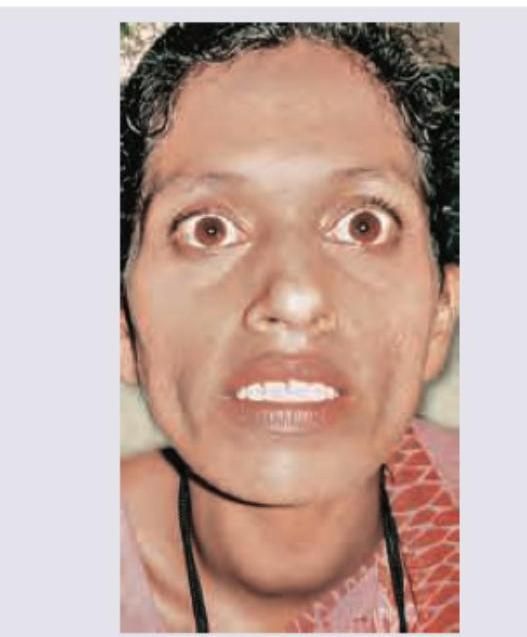
Oral contraceptive pill intake can cause psychiatric symptoms and abdominal pain. What is the diagnosis?
What is the appropriate treatment for a 42-year-old obese male presenting with a blood glucose of 450 mg/dL, urine albumin of 2+, urine sugar of 4+, and urine ketones of 1+?
Which of the following is a criterion for the diagnosis of diabetes mellitus?
Which one of the following features is NOT associated with primary hyperparathyroidism?
Pancreatitis, pituitary tumor, and pheochromocytoma may be associated with which of the following?
Which of the following is NOT a feature of Cushing's syndrome?
History of excessive thirst, hunger, and micturition during nights, along with recent loosening of teeth, usually indicates that the patient is suffering from which of the following conditions?
Hyperostosis is associated with all of the following except:
Which of the following is NOT a recognized feature of pan-hypopituitarism?
A patient's lab investigations show decreased T3, decreased T4, and decreased TSH. Which of the following conditions is NOT a possible diagnosis?
Explanation: **Explanation:** **Acute Intermittent Porphyria (AIP)** is an autosomal dominant metabolic disorder caused by a deficiency of the enzyme **Porphobilinogen (PBG) deaminase** [2]. This leads to the accumulation of toxic heme precursors, specifically delta-aminolevulinic acid (ALA) and PBG. **Why it is the correct answer:** The classic presentation of AIP is the **"5 Ps"**: **P**ainful abdomen, **P**sychiatric symptoms (anxiety, psychosis), **P**olyneuropathy, **P**ort-wine colored urine, and **P**recipitated by drugs [1]. Oral Contraceptive Pills (OCPs) contain progesterone, which induces the enzyme **ALA synthase** in the liver. This increases the production of porphyrins, thereby triggering an acute attack in susceptible individuals [1]. **Why incorrect options are wrong:** * **Systemic Lupus Erythematosus (SLE):** While SLE can cause abdominal pain (vasculitis) and psychiatric issues (lupus cerebritis), it is not typically triggered by OCPs; in fact, OCPs are more associated with flares of skin disease or thrombosis in SLE. * **Thrombosis:** OCPs are a major risk factor for venous thromboembolism (VTE), but this usually presents with localized limb swelling or chest pain (PE), not a combination of psychiatric symptoms and generalized abdominal pain. * **Anemia:** OCPs actually reduce menstrual blood loss and are often used to *treat* iron-deficiency anemia. **High-Yield Clinical Pearls for NEET-PG:** * **Diagnosis:** Elevated urinary **PBG** levels during an attack (Screening test: Hoesch test/Watson-Schwartz test). * **Triggers:** Barbiturates, Sulfonamides, Alcohol, Fasting, and Progesterone [1]. * **Management:** Intravenous **Hemin** (suppresses ALA synthase) and high-dose **Glucose** (dextrose) to inhibit the heme pathway. * **Key Sign:** Urine turns dark/red upon standing or exposure to sunlight.
Explanation: **Explanation:** The clinical presentation of severe hyperglycemia (450 mg/dL) associated with **ketonuria** (1+) and significant glycosuria (4+) indicates a state of severe insulin deficiency or acute metabolic decompensation. **Why Insulin is the Correct Choice:** In any patient presenting with marked hyperglycemia (>300 mg/dL) and ketosis, **Insulin** is the mandatory first-line treatment. The presence of urine ketones, even at 1+, suggests that the body has shifted to fat metabolism due to inadequate insulin action [1]. Insulin is required to rapidly suppress ketogenesis, lower blood glucose, and prevent progression to Diabetic Ketoacidosis (DKA) [3]. Furthermore, the presence of albuminuria (2+) suggests underlying diabetic nephropathy, where oral hypoglycemic agents (OHAs) must be used with extreme caution or avoided [4]. **Why Other Options are Incorrect:** * **Glibenclamide & Glipizide (Sulfonylureas):** These are secretagogues that require functional beta cells. In a glucose-toxic state (glucose >300 mg/dL), beta cells are "stunned" (glucose toxicity), making these drugs ineffective [2]. Moreover, they cannot treat ketosis. * **Metformin (Biguanide):** While a first-line drug for obese Type 2 diabetics, it is contraindicated in acute metabolic distress or severe renal impairment (suggested here by albuminuria) due to the risk of lactic acidosis. It is also insufficient to manage acute ketosis. **NEET-PG High-Yield Pearls:** * **Indications for Insulin in T2DM:** Severe hyperglycemia (>300 mg/dL or HbA1c >10%), ketonuria/DKA, pregnancy, surgery, or severe systemic illness [1]. * **Glucose Toxicity:** High glucose levels paradoxically inhibit insulin secretion; temporary insulin therapy "unmasks" beta-cell function. * **Albuminuria:** 2+ albuminuria indicates significant proteinuria; always check serum creatinine before prescribing Metformin [4].
Explanation: The diagnosis of Diabetes Mellitus (DM) is based on specific glycemic thresholds established by the American Diabetes Association (ADA) and WHO. These criteria identify levels of hyperglycemia associated with an increased risk of microvascular complications, particularly retinopathy [1]. **Explanation of the Correct Option:** * **Option D (HbA1c ≥ 6.5%):** This is a standardized diagnostic criterion. HbA1c reflects the average blood glucose over the preceding 8–12 weeks. It is preferred for its convenience (no fasting required) and lower day-to-day variability compared to plasma glucose [1]. **Analysis of Incorrect Options:** * **Option A (Fasting Plasma Glucose > 100 mg/dL):** The diagnostic threshold for DM is **≥ 126 mg/dL** (7.0 mmol/L) [1]. A value between 100–125 mg/dL is classified as Impaired Fasting Glucose (Pre-diabetes). * **Options B & C (2-hour OGTT):** For the Oral Glucose Tolerance Test (75g anhydrous glucose), the diagnostic threshold for DM is **≥ 200 mg/dL**. A value of 140–199 mg/dL is classified as Impaired Glucose Tolerance (Pre-diabetes). **High-Yield Clinical Pearls for NEET-PG:** 1. **Random Plasma Glucose:** A value **≥ 200 mg/dL** in a patient with classic symptoms of hyperglycemia (polyuria, polydipsia, weight loss) or hyperglycemic crisis is also diagnostic [1]. 2. **Confirmation:** In the absence of unequivocal hyperglycemia (symptoms), the diagnosis requires two abnormal test results from the same sample or in two separate test samples. 3. **HbA1c Limitations:** It may be unreliable in conditions with high red cell turnover (e.g., hemolytic anemia, pregnancy, recent hemorrhage, or chronic kidney disease). 4. **Prediabetes Summary:** HbA1c 5.7–6.4%; FPG 100–125 mg/dL; 2-hr OGTT 140–199 mg/dL.
Explanation: Primary hyperparathyroidism (PHPT) is characterized by excessive secretion of Parathyroid Hormone (PTH), leading to increased bone resorption and hypercalcemia [1]. **Why Hypercementosis is the Correct Answer:** Hypercementosis (excessive deposition of cementum at the roots of teeth) is **not** associated with PHPT. Instead, it is a characteristic finding in **Paget’s disease of bone**, acromegaly, or local trauma. In PHPT, the primary skeletal effect is bone demineralization and resorption, which is the physiological opposite of the apposition seen in hypercementosis. **Analysis of Incorrect Options:** * **Giant cell tumor (Brown Tumor):** Excessive PTH stimulates osteoclastic activity, leading to localized bone destruction [1]. These "tumors" are actually non-neoplastic reactive lesions filled with fibrous tissue and giant cells, appearing as radiolucent areas. * **Sharply defined radiolucencies:** These represent "Brown tumors" or osteitis fibrosa cystica, which commonly occur in the maxilla and mandible. * **Partial loss of lamina dura:** The lamina dura is the cortical bone lining the tooth socket. Its resorption (loss of the white line around the root) is one of the earliest and most classic radiographic signs of hyperparathyroidism. **NEET-PG High-Yield Pearls:** * **Classic Triad:** "Stones (renal calculi), Bones (osteitis fibrosa cystica), Groans (abdominal pain/peptic ulcers), and Psychic Moans (depression/confusion)" [3]. * **Radiology:** Look for **subperiosteal bone resorption**, most specifically on the radial aspect of the middle phalanges (pathognomonic). * **Skull finding:** "Salt and pepper" appearance due to multiple tiny lucencies. * **Biochemical profile:** ↑ Serum Calcium, ↓ Serum Phosphate, ↑ PTH, and ↑ Alkaline Phosphatase [2].
Explanation: ### Explanation The correct answer is **Medullary Carcinoma of the Thyroid (MTC)**. This question tests the recognition of **Multiple Endocrine Neoplasia (MEN) syndromes**, specifically the overlap between MEN 1 and MEN 2. **Why Medullary Carcinoma is Correct:** Medullary carcinoma of the thyroid is a hallmark feature of **MEN 2A and 2B**. * **Pheochromocytoma** is a key component of both MEN 2A and 2B. * **Pituitary tumors** are a classic component of **MEN 1** (Wermer Syndrome). * **Pancreatitis** in this context is usually a secondary complication of **Hypercalcemia**, which results from **Primary Hyperparathyroidism** (found in both MEN 1 and MEN 2A). The presence of MTC alongside pheochromocytoma and hypercalcemia-induced pancreatitis strongly points toward the MEN spectrum. **Why the Other Options are Incorrect:** * **B, C, and D (Papillary, Anaplastic, and Follicular Carcinomas):** These are "Differentiated" or "Undifferentiated" thyroid cancers derived from follicular cells. Unlike MTC (which arises from parafollicular C-cells), these cancers are **not** associated with MEN syndromes or catecholamine-secreting tumors like pheochromocytoma. **High-Yield Clinical Pearls for NEET-PG:** * **MEN 1 (3 Ps):** **P**ituitary, **P**arathyroid, **P**ancreas (Enteropancreatic tumors like Gastrinoma/Zollinger-Ellison Syndrome). * **MEN 2A (1 M, 2 Ps):** **M**edullary Thyroid CA, **P**heochromocytoma, **P**arathyroid Hyperplasia. * **MEN 2B (2 Ms, 1 P):** **M**edullary Thyroid CA, **M**arfanoid habitus/Mucosal neuromas, **P**heochromocytoma. * **Genetic Marker:** MEN 2 is associated with the **RET proto-oncogene** mutation. Prophylactic thyroidectomy is often indicated in carriers. * **Biomarker:** Calcitonin is the tumor marker for Medullary Carcinoma of the Thyroid.
Explanation: **Explanation:** Cushing’s syndrome is characterized by chronic glucocorticoid excess. The correct answer is **Hyponatremia** because Cushing’s syndrome typically causes **Hypernatremia** and **Hypokalemia**, not hyponatremia. **Why Hyponatremia is the correct answer:** Glucocorticoids (Cortisol) at high levels exert a mineralocorticoid effect by saturating the 11β-hydroxysteroid dehydrogenase type 2 enzyme. This leads to the activation of mineralocorticoid receptors in the renal tubules, causing **sodium retention** (Hypernatremia) and **potassium excretion** (Hypokalemia). Therefore, hyponatremia is inconsistent with the pathophysiology of cortisol excess. **Analysis of other options:** * **Proximal muscle weakness:** Cortisol is catabolic. It causes protein breakdown and muscle wasting, specifically affecting the proximal muscles of the pelvic and shoulder girdles [1]. * **Hirsutism:** In ACTH-dependent Cushing’s (like Cushing’s disease) or adrenal carcinomas, there is a co-secretion of adrenal androgens (DHEAS), leading to hirsutism and acne in females [1]. * **Edema:** The mineralocorticoid activity of excess cortisol leads to sodium and water retention, which clinically manifests as peripheral edema and hypertension. **NEET-PG High-Yield Pearls:** * **Screening Test of Choice:** 24-hour urinary free cortisol or Overnight Dexamethasone Suppression Test (ONDST) [2]. * **Most Common Cause:** Iatrogenic (Exogenous steroids) [3]. * **Most Common Endogenous Cause:** Cushing’s Disease (Pituitary adenoma) [1], [3]. * **Electrolyte Hallmark:** Hypokalemic metabolic alkalosis (especially prominent in ectopic ACTH syndrome). * **Dermatological sign:** Purple striae (>1 cm wide) are highly specific for Cushing’s.
Explanation: **Explanation:** The clinical presentation described is a classic manifestation of **Diabetes Mellitus (DM)**. **1. Why Diabetes Mellitus is correct:** * **The Classic Triad:** Excessive thirst (**polydipsia**), hunger (**polyphagia**), and frequent urination, especially at night (**polyuria/nocturia**), are the hallmark symptoms of hyperglycemia [1]. * **Osmotic Diuresis:** High blood glucose levels exceed the renal threshold, leading to glucose in the urine (glycosuria). This exerts an osmotic pull, causing excessive water loss (polyuria) and subsequent dehydration (polydipsia) [1]. * **Loosening of Teeth:** This is a high-yield clinical sign. Chronic hyperglycemia leads to microvascular damage and impaired immune response, significantly increasing the risk of **periodontitis** and alveolar bone loss, which results in mobile or loosening teeth. **2. Why other options are incorrect:** * **Hypertension:** While often comorbid with DM, it is generally asymptomatic ("the silent killer") and does not cause polyphagia or loosening of teeth. * **Hyperthyroidism:** Can cause polyphagia and palpitations, but it typically presents with weight loss, heat intolerance, and tremors rather than nocturia or dental loosening. * **Glomerulonephritis:** Usually presents with hematuria (cola-colored urine), edema, and hypertension, rather than the "three Ps" of diabetes. **NEET-PG High-Yield Pearls:** * **Periodontal disease** is considered the "sixth complication" of Diabetes Mellitus. * **Diagnostic Criteria:** Fasting Plasma Glucose $\geq 126$ mg/dL or HbA1c $\geq 6.5\%$ [2]. * **Nocturia** in a young patient should always prompt a screening for DM or Diabetes Insipidus [1].
Explanation: **Explanation:** **Hyperostosis** refers to the excessive growth or thickening of bone tissue. The key to solving this question lies in understanding the metabolic effects of glucocorticoids on bone. **Why Cushing’s Syndrome is the correct answer:** Cushing’s syndrome is characterized by chronic glucocorticoid excess. Cortisol is profoundly **catabolic** to bone [2]. It inhibits osteoblast activity (bone formation), stimulates osteoclast activity (bone resorption), and decreases intestinal calcium absorption [1]. Consequently, Cushing’s syndrome leads to **osteoporosis** (decreased bone density) and pathological fractures, rather than hyperostosis (increased bone growth) [1], [2]. **Analysis of Incorrect Options:** * **Hypothyroidism:** While hyperthyroidism causes bone loss, hypothyroidism is associated with decreased bone turnover. In some cases, it can lead to increased bone mineral density or skeletal thickening (hyperostosis) due to prolonged mineralization phases. * **Vitamin A Intoxication:** Chronic hypervitaminosis A is a well-known cause of cortical hyperostosis, particularly affecting the long bones. It stimulates periosteal bone formation and can lead to painful bony swellings. * **Radiation Osteoma:** Ionizing radiation can trigger reactive bone changes. Post-radiation changes often include localized areas of bone thickening or the development of benign osteomatous growths (hyperostosis) within the radiation field. **NEET-PG High-Yield Pearls:** * **DISH (Diffuse Idiopathic Skeletal Hyperostosis):** A classic cause of hyperostosis, often associated with Diabetes Mellitus, characterized by "flowing" calcifications along the anterior longitudinal ligament. * **Infantile Cortical Hyperostosis (Caffey Disease):** Presents with irritability, soft tissue swelling, and cortical thickening of the mandible and long bones. * **Glucocorticoid-induced Osteoporosis:** This is the most common cause of secondary osteoporosis [1]. Always remember: Steroids = Bone Loss.
Explanation: ### Explanation **1. Why "Pigmentation of the mucous membranes" is the correct answer:** Hyperpigmentation is a hallmark of **Primary Adrenal Insufficiency (Addison’s Disease)**, not pan-hypopituitarism [3]. In primary failure, the lack of cortisol feedback leads to an excess of Adrenocorticotropic Hormone (ACTH). ACTH is derived from a precursor molecule called Pro-opiomelanocortin (POMC), which also yields Melanocyte-Stimulating Hormone (MSH). High levels of ACTH/MSH stimulate melanocytes, causing pigmentation. In **pan-hypopituitarism**, there is a deficiency of ACTH; therefore, the skin and mucous membranes appear **pale** (alabaster skin) rather than pigmented [3]. **2. Analysis of incorrect options:** * **Option A (Increased insulin sensitivity):** Growth Hormone (GH) and Cortisol are "counter-regulatory" hormones that oppose insulin. Their deficiency in pan-hypopituitarism leads to increased insulin sensitivity and a tendency toward fasting hypoglycemia [2]. * **Option C (Low serum thyroxine and TSH):** This describes **Secondary Hypothyroidism**. Unlike primary hypothyroidism (where TSH is high), pituitary failure results in low T4 with a low or inappropriately "normal" TSH [1]. * **Option D (Loss of secondary sex characters):** Deficiency of Gonadotropins (LH and FSH) leads to secondary hypogonadism, resulting in loss of libido, erectile dysfunction, amenorrhea, and loss of axillary/pubic hair [1]. **Clinical Pearls for NEET-PG:** * **Sequence of hormone loss:** "Go Look For Adenoma" (GH → LH/FSH → TSH → ACTH). GH is usually the first to go [1]. * **Sheehan Syndrome:** Postpartum pituitary necrosis due to hemorrhage; the earliest sign is the failure of lactation (prolactin deficiency) [1]. * **Water Metabolism:** Polyuria is often *absent* in pan-hypopituitarism because cortisol is required for free water excretion; its absence masks underlying Diabetes Insipidus [2].
Explanation: ### Explanation The key to solving this question lies in understanding the **Hypothalamic-Pituitary-Thyroid (HPT) axis** and the concept of negative feedback [1]. **1. Why Primary Hypothyroidism is the Correct Answer:** In **Primary Hypothyroidism**, the pathology lies within the thyroid gland itself (e.g., Hashimoto's thyroiditis). Because the gland cannot produce enough hormones, **T3 and T4 levels are low**. This lack of hormone removes the negative feedback on the pituitary gland, causing it to compensate by secreting **high levels of TSH** [1], [2]. Therefore, a lab profile of low T3/T4 with *decreased* TSH is physiologically inconsistent with primary hypothyroidism [3]. **2. Analysis of Other Options:** * **Panhypopituitarism (Secondary Hypothyroidism):** This is a classic cause of the "all-low" profile. If the anterior pituitary is diseased, it fails to secrete TSH [2]. Without TSH stimulation, the thyroid gland does not produce T3 and T4 [3]. * **Liver Disease (Euthyroid Sick Syndrome):** In systemic illnesses like liver cirrhosis, there is decreased peripheral conversion of T4 to T3 and alterations in thyroid-binding globulins. In severe or chronic cases, a "low T3, low T4, low/normal TSH" pattern can be seen, often referred to as Non-Thyroidal Illness Syndrome (NTIS). **Clinical Pearls for NEET-PG:** * **Most sensitive initial test** for thyroid dysfunction: **Serum TSH**. * **Primary Hypothyroidism:** ↑ TSH, ↓ T4 [3]. * **Secondary (Central) Hypothyroidism:** ↓/Normal TSH, ↓ T4 [3]. * **Subclinical Hypothyroidism:** ↑ TSH, Normal T4 (Patient is usually asymptomatic) [3]. * **Euthyroid Sick Syndrome:** Characterized initially by isolated **low T3** (due to inhibited 5'-deiodinase activity) with normal TSH. In severe cases, all parameters may drop.
Diabetes Mellitus
Practice Questions
Thyroid Disorders
Practice Questions
Adrenal Gland Disorders
Practice Questions
Pituitary Disorders
Practice Questions
Calcium and Bone Metabolism
Practice Questions
Reproductive Endocrinology
Practice Questions
Lipid Disorders
Practice Questions
Endocrine Hypertension
Practice Questions
Multiple Endocrine Neoplasia
Practice Questions
Obesity and Metabolic Syndrome
Practice Questions
Neuroendocrine Tumors
Practice Questions
Endocrine Emergencies
Practice Questions
Get full access to all questions, explanations, and performance tracking.
Start For Free