Signs and symptoms of uncomplicated pituitary diabetes insipidus can be controlled using?
A 39-year-old woman presents with weight gain, abnormal menstrual cycles, depression, and weakness. Physical examination reveals multiple purplish striae on the abdomen and bruises over the lower extremities. Laboratory studies show normal thyroid-stimulating hormone and thyroid hormone levels, along with elevated cortisol secretion. If the patient has adrenal hyperfunction, which of the following findings may also be present?
Hyperaldosteronism is characterized by the following, except?
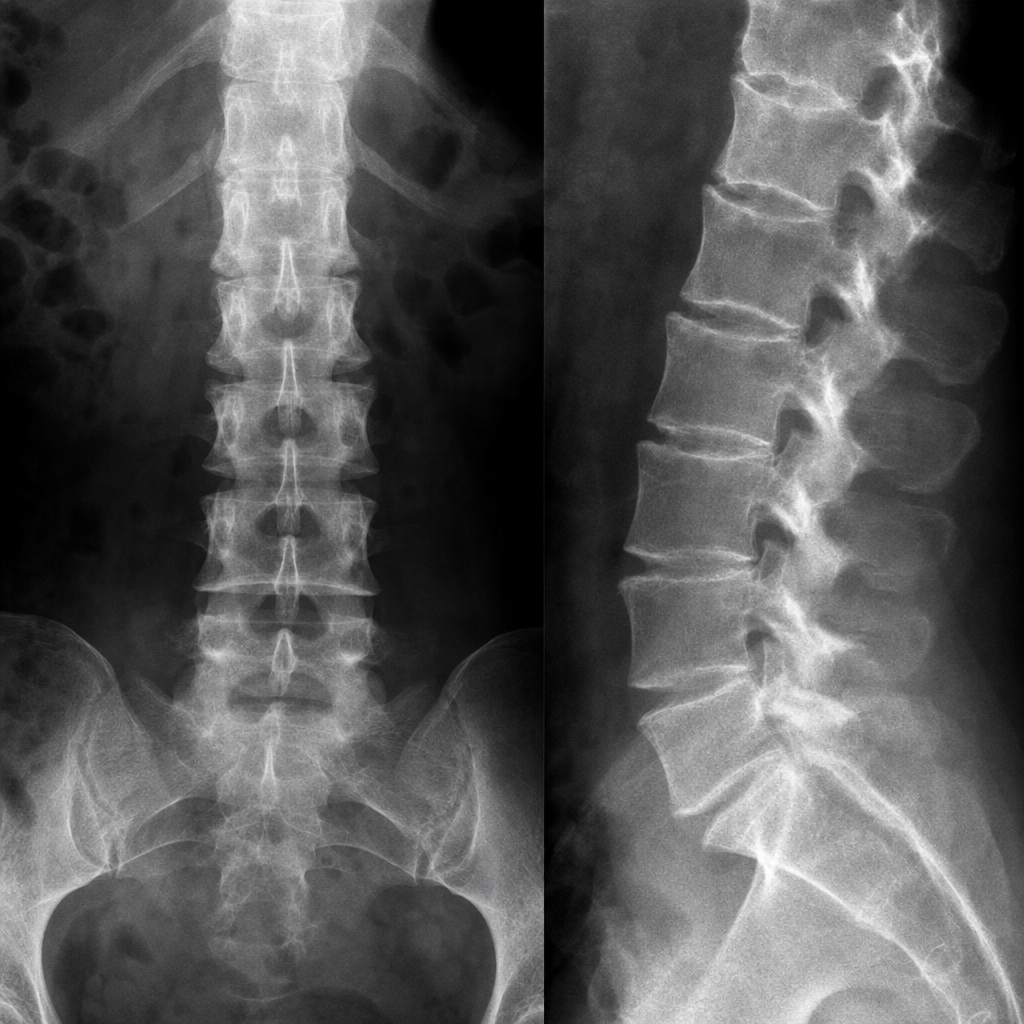
A man was diagnosed with myositis ossificans progressiva at the age of 20 years and died five years later. What is the most probable cause of his death?
A 22-year-old student is scheduled to undergo parathyroidectomy for hyperparathyroidism associated with familial multiglandular syndrome. His sister developed peptic ulcer disease secondary to a Zollinger-Ellison tumor of the pancreas. On examination, a swelling was noted over the posterior aspect of the patient's fifth rib. What is the most likely finding?
A 50-year-old patient presents with a history of jaw expansion and enlargement of the maxilla. What is the most likely diagnosis?
Adult Leydig cells are originated from which of the following?
A patient's lab investigation shows low T3, low T4, and elevated TSH. This pattern is indicative of which of the following conditions?
In a patient, there are elevated plasma cortisol levels. Dexamethasone fails to suppress cortisol secretion. What is the next step in management?
Which of the following is true of adrenal suppression due to steroid therapy?
Explanation: **Explanation:** **Pituitary Diabetes Insipidus (Central DI)** is characterized by a deficiency in the synthesis or release of **Arginine Vasopressin (AVP/ADH)** from the posterior pituitary. This leads to the inability of the kidneys to concentrate urine, resulting in polyuria and compensatory polydipsia. **Why Desmopressin is the Correct Answer:** **Desmopressin (dDAVP)** is a synthetic analogue of ADH. It is the treatment of choice for Central DI because it is a selective **V2 receptor agonist** [3, 5]. By binding to V2 receptors in the renal collecting ducts, it increases water reabsorption via aquaporin-2 channels [2]. Unlike natural ADH, dDAVP has minimal V1 activity (vasoconstriction), making it safer and more potent for long-term fluid management [1]. It can be administered intranasally, orally, or parenterally. **Analysis of Incorrect Options:** * **Mannitol (A):** An osmotic diuretic used to reduce intracranial pressure. It would worsen DI by increasing urinary water loss. * **Glycerol (B):** An osmotic agent sometimes used to reduce intraocular pressure; it has no role in ADH replacement. * **Ethylene Glycol (D):** A toxic alcohol found in antifreeze; ingestion leads to metabolic acidosis and renal failure. **High-Yield Clinical Pearls for NEET-PG:** * **Diagnosis:** The **Water Deprivation Test** is used to diagnose DI [1]. In Central DI, urine osmolality increases by >50% after administering exogenous desmopressin. In Nephrogenic DI, there is little to no response. * **Drug of Choice for Nephrogenic DI:** Thiazide diuretics (paradoxical effect), Amiloride (especially for Lithium-induced DI), or NSAIDs. * **Emergency Management:** For acute Central DI (e.g., post-neurosurgery), aqueous vasopressin or IV desmopressin is used.
Explanation: **Explanation:** The clinical presentation of weight gain, purple striae, bruising, and weakness, combined with elevated cortisol, is diagnostic of **Cushing’s Syndrome** [1]. **1. Why Hirsutism is Correct:** In cases of adrenal hyperfunction (specifically ACTH-dependent Cushing’s disease or adrenal carcinomas), there is a simultaneous overproduction of **adrenal androgens** (such as DHEA-S) along with cortisol. These androgens lead to virilization signs, including **hirsutism** (excessive male-pattern hair growth), acne, and menstrual irregularities [1]. Even in ACTH-independent cases like adrenal adenomas, the high levels of cortisol can sometimes cross-react with androgen receptors or be associated with mild androgen excess. **2. Why the Other Options are Incorrect:** * **Enhanced glucose uptake (A) & Hypoglycemia (D):** Cortisol is a "stress hormone" that antagonizes insulin. It stimulates gluconeogenesis and inhibits peripheral glucose uptake, leading to **hyperglycemia** and secondary diabetes mellitus, not hypoglycemia. * **Hypocalciuria (C):** Glucocorticoids inhibit calcium reabsorption in the renal tubules and decrease intestinal calcium absorption. This leads to **hypercalciuria**, which increases the risk of nephrolithiasis (kidney stones). **Clinical Pearls for NEET-PG:** * **Proximal Myopathy:** The "weakness" in Cushing’s is due to cortisol-induced muscle catabolism, typically affecting the proximal limbs [1]. * **Screening Tests:** The best initial tests are the 24-hour urinary free cortisol, late-night salivary cortisol, or the Low-Dose Dexamethasone Suppression Test (LDDST) [2]. * **Hypokalemia:** Severe hypercortisolism (often from ectopic ACTH) can cause mineralocorticoid effects, leading to hypokalemic metabolic alkalosis.
Explanation: Explanation: Hyperaldosteronism (specifically Primary Hyperaldosteronism or Conn’s Syndrome) is characterized by the autonomous overproduction of aldosterone from the adrenal cortex. To understand the clinical features, one must look at the action of aldosterone on the **Principal cells** and **Alpha-intercalated cells** of the distal nephron [1]. 1. **Why Metabolic Acidosis is the correct answer (The "Except"):** Aldosterone stimulates the H+-ATPase pump in the alpha-intercalated cells, leading to increased secretion of Hydrogen ions into the urine. The loss of H+ ions results in **Metabolic Alkalosis**, not acidosis [1]. Therefore, metabolic acidosis is the incorrect feature . 2. **Analysis of other options:** * **Hypernatremia (A):** Aldosterone increases sodium reabsorption in the distal tubule. While the "Aldosterone Escape" mechanism prevents massive edema, patients typically maintain a high-normal or slightly elevated serum sodium level [2], . * **Hypokalemia (C):** Aldosterone promotes potassium excretion in exchange for sodium reabsorption [1]. This leads to hypokalemia, which can manifest as muscle weakness or cardiac arrhythmias . * **Low Plasma Renin (D):** In primary hyperaldosteronism, the high levels of aldosterone and subsequent volume expansion cause feedback inhibition of the juxtaglomerular apparatus, leading to **suppressed (low) renin levels** [2]. This helps differentiate it from secondary hyperaldosteronism (where renin is high). **NEET-PG High-Yield Pearls:** * **Screening Test:** Plasma Aldosterone Concentration (PAC) to Plasma Renin Activity (PRA) ratio. A ratio **>20-30** is highly suggestive. * **Confirmatory Test:** Oral or IV Saline Suppression Test (failure to suppress aldosterone). * **Conn’s Syndrome:** Specifically refers to an aldosterone-producing adenoma (most common cause alongside bilateral adrenal hyperplasia). * **Clinical Triad:** Hypertension, Hypokalemia, and Metabolic Alkalosis .
Explanation: **Explanation:** **Myositis Ossificans Progressiva (MOP)**, also known as **Fibrodysplasia Ossificans Progressiva (FOP)**, is a rare autosomal dominant genetic disorder characterized by the progressive replacement of skeletal muscle and connective tissue with heterotopic bone (ossification). **Why Option A is correct:** The cause of death in FOP is typically related to the physical constraints imposed by ectopic bone formation: 1. **Chest Infection:** Ossification of the intercostal muscles, paravertebral muscles, and ligaments leads to **Thoracic Insufficiency Syndrome**. This results in a rigid chest wall, restrictive lung disease, and an inability to clear secretions, making patients highly susceptible to fatal pneumonia. [1] 2. **Starvation:** Ossification of the **masseter and temporomandibular joints** leads to permanent jaw fixation (ankylosis). This severely restricts oral intake, leading to profound malnutrition and starvation. **Why the other options are incorrect:** * **B. Myocarditis:** FOP primarily affects skeletal muscle and fascia. Smooth muscle and cardiac muscle are characteristically spared in this condition. * **C & D. Hypercalcemia/Hyperphosphatemia:** While FOP involves abnormal bone formation, it is a disorder of tissue metaplasia (ACVR1 gene mutation), not a systemic mineral metabolism disorder. Serum calcium and phosphate levels are typically within the normal range. **High-Yield Clinical Pearls for NEET-PG:** * **Pathognomonic Sign:** Congenital **shortening/malformation of the great toe** (hallux valgus) is the earliest clinical clue present at birth. * **Genetic Mutation:** Caused by a mutation in the **ACVR1 (ALK2)** gene, which encodes a bone morphogenetic protein (BMP) type I receptor. * **Trigger:** Minor trauma, intramuscular injections, or viral illnesses can trigger "flare-ups" leading to rapid ossification. * **Management:** Surgery to remove the bone is contraindicated as it often triggers even more aggressive heterotopic ossification.
Explanation: ### Explanation **Clinical Analysis:** The patient presents with hyperparathyroidism and a family history of Zollinger-Ellison Syndrome (ZES). This clinical constellation is diagnostic of **Multiple Endocrine Neoplasia Type 1 (MEN1)**, also known as Wermer Syndrome. MEN1 classically involves the "3 Ps": **P**arathyroid (hyperplasia/adenoma), **P**ancreas (e.g., Gastrinoma/ZES), and **P**ituitary tumors. **Why Option B is Correct:** Chronic, severe primary hyperparathyroidism leads to excessive PTH levels, which stimulate osteoclast activity [1]. This results in: 1. **Subperiosteal bone resorption:** Most characteristically seen on the radial aspect of the middle phalanges. 2. **Osteitis Fibrosa Cystica (Brown Tumor):** These are non-neoplastic lytic lesions where bone is replaced by fibrous tissue and vascularized granulation tissue (hemosiderin gives the "brown" color). The swelling over the patient's rib is a classic presentation of a brown tumor. **Why Other Options are Incorrect:** * **Option A:** Parathyroid carcinoma is extremely rare (<1% of cases) and is not typically associated with MEN1, which usually presents with multiglandular hyperplasia. * **Option C:** Dermoid cysts are germ cell tumors containing adnexal structures; they do not correlate with hyperparathyroidism or MEN1. * **Option D:** Eosinophilic granuloma (Langerhans Cell Histiocytosis) can cause lytic bone lesions, but it is unrelated to the endocrine pathology described here. **High-Yield Pearls for NEET-PG:** * **MEN1 (Wermer Syndrome):** Mutation in the *MEN1* gene (Menin protein). Parathyroid involvement is the most common (95%) and earliest manifestation. * **Radiology of Hyperparathyroidism:** Look for "Salt and pepper" skull, "Rugger-jersey" spine (more common in secondary HPT), and subperiosteal resorption of phalanges (pathognomonic). * **Brown Tumor:** It is a **metabolic** bone lesion, not a true neoplasm. It often regresses after the parathyroid abnormality is surgically corrected.
Explanation: **Explanation:** The clinical presentation of jaw expansion and maxillary enlargement in a 50-year-old is a classic hallmark of **Paget’s Disease of Bone (Osteitis Deformans)**. 1. **Why Paget's Disease is Correct:** This condition involves disordered bone remodeling characterized by excessive bone resorption followed by disorganized, exuberant bone formation [1]. While the skull and pelvis are commonly involved, when it affects the facial bones, the **maxilla** is involved much more frequently than the mandible. This leads to widening of the alveolar ridges, spreading of teeth, and a characteristic "lion-like" facies (leontiasis ossea). In older patients, a classic board-style clue is a patient complaining that their "hat no longer fits" or their "dentures have become too tight." 2. **Why the Other Options are Incorrect:** * **Acromegaly:** While it causes bone overgrowth, it characteristically affects the **mandible** (prognathism) rather than the maxilla, leading to an underbite. * **Fibrous Dysplasia:** This typically presents in younger patients (children/adolescents). While it can cause facial asymmetry (especially the monostotic form), the age of 50 makes Paget’s more likely. * **Hyperparathyroidism:** This leads to generalized bone resorption (osteitis fibrosa cystica) and "brown tumors," but it does not typically cause the massive, diffuse expansion of the maxilla seen in Paget’s. **High-Yield Clinical Pearls for NEET-PG:** * **Biochemical Marker:** Isolated elevation of **Alkaline Phosphatase (ALP)** with normal Calcium, Phosphate, and PTH. * **Radiology:** "Cotton wool" appearance of the skull [1]. * **Complications:** High-output heart failure (due to increased vascularity) [1] and Osteosarcoma (rare but serious) [2]. * **Treatment of Choice:** Bisphosphonates (Zoledronic acid).
Explanation: The development of Leydig cells occurs in two distinct waves: the **fetal wave** and the **adult wave**. Understanding the lineage of these cells is crucial for grasping testicular development and androgen production. **Why Option C is Correct:** Adult Leydig cells (ALCs) do **not** arise from the transformation of fetal Leydig cells. Instead, they differentiate from a distinct pool of **undifferentiated mesenchymal progenitor cells** (stem cells) that are present in the interstitial compartment of the testis. Crucially, while the precursors exist, the actual differentiation into the adult lineage begins **after birth** (pre-pubertal period), driven by the rise in Luteinizing Hormone (LH). These progenitor cells undergo stages of proliferation and maturation (Progenitor → Immature → Mature Adult Leydig Cell) to establish the permanent population responsible for testosterone production throughout adult life. **Analysis of Incorrect Options:** * **Option A (Fetal Leydig Cells):** These cells appear during the first trimester and are responsible for masculinization of the male fetus. Most fetal Leydig cells undergo involution or remain as a small, non-proliferating population; they do not transition into ALCs. * **Option B (Pre-birth appearance):** While mesenchymal cells exist in the fetal testis, the specific commitment and differentiation of the *adult* progenitor lineage is a postnatal event. * **Option D:** Incorrect because the lineages are developmentally distinct. **High-Yield Clinical Pearls for NEET-PG:** * **Fetal Leydig Cells:** Primarily regulated by **hCG** (not LH initially) to ensure intrauterine virilization. * **Adult Leydig Cells:** Regulated by **LH**; they produce the testosterone required for spermatogenesis and secondary sexual characteristics. * **Reinke’s Crystals:** Pathognomonic cytoplasmic inclusions found in adult Leydig cells (and Leydig cell tumors), but notably **absent** in fetal Leydig cells. * **Origin:** Both waves ultimately derive from the **mesonephric mesenchyme** or neural crest, but the adult population is a de novo postnatal differentiation.
Explanation: ### Explanation **Correct Option: A. Primary Hypothyroidism** In **Primary Hypothyroidism**, the pathology lies within the thyroid gland itself (e.g., Hashimoto’s thyroiditis) [1][2]. The gland is unable to produce sufficient thyroid hormones, leading to **low T3 and T4** levels [1]. Due to the loss of negative feedback on the Hypothalamic-Pituitary-Thyroid (HPT) axis, the anterior pituitary compensates by increasing the secretion of **Thyroid Stimulating Hormone (TSH)** [1]. Therefore, an elevated TSH in the presence of low T4 is the biochemical hallmark of primary thyroid failure [1]. **Incorrect Options:** * **B. Panhypopituitarism:** This is a form of **Secondary (Central) Hypothyroidism**. Here, the pituitary gland fails to produce TSH [2]. The lab pattern would show low T3/T4 with a **low or inappropriately normal TSH**. * **C. Liver Disease:** Liver dysfunction can lead to **Euthyroid Sick Syndrome**. While total T3 may be low due to decreased peripheral conversion of T4 and reduced Thyroid Binding Globulin (TBG), the TSH is typically normal or slightly low, not elevated. **NEET-PG High-Yield Pearls:** * **TSH is the most sensitive screening test** for thyroid dysfunction. * **Subclinical Hypothyroidism:** Characterized by **Elevated TSH** but **Normal T4** levels. * **Secondary Hypothyroidism:** Always suspect this if T4 is low but TSH is not elevated; it requires further imaging (MRI) of the pituitary [2]. * **Wolff-Chaikoff Effect:** Autoregulation where a large load of iodine inhibits thyroid hormone synthesis, potentially leading to primary hypothyroidism.
Explanation: This question tests the diagnostic algorithm for **Cushing’s Syndrome**. Once hypercortisolism is confirmed (via 24-hour urinary free cortisol, late-night salivary cortisol, or a low-dose dexamethasone suppression test), the next priority is to determine the **etiology** [1]. ### Why Serum ACTH is the Correct Answer The fundamental step in differentiating the causes of Cushing’s syndrome is determining if the condition is **ACTH-dependent** or **ACTH-independent** [1]. * **Low ACTH (<5 pg/mL):** Suggests an ACTH-independent cause, usually an adrenal tumor (adenoma/carcinoma) or exogenous steroid use [1]. * **High/Normal ACTH (>15-20 pg/mL):** Suggests an ACTH-dependent cause, such as a pituitary adenoma (Cushing’s Disease) or ectopic ACTH production (e.g., Small Cell Lung Cancer) [1]. Since the patient has failed dexamethasone suppression (confirming hypercortisolism), measuring **Serum ACTH** is the mandatory next step to localize the pathology. ### Why Other Options are Incorrect * **Options B & C (Urinary Metanephrines/VMA):** These are screening tests for **Pheochromocytoma**, not Cushing’s syndrome. While both involve the adrenal gland, they assess the medulla (catecholamines), not the cortex (cortisol). * **Option D (Serum DHEAS):** While DHEAS may be elevated in adrenal carcinomas, it is not a primary step in the diagnostic algorithm for hypercortisolism. ### Clinical Pearls for NEET-PG * **Screening Test:** Overnight Low-Dose Dexamethasone Suppression Test (LDDST). * **Confirmatory Test:** 24-hour Urinary Free Cortisol (UFC). * **Localization Step 1:** Plasma ACTH levels [1]. * **Localization Step 2 (if ACTH is high):** High-Dose Dexamethasone Suppression Test (HDDST) or IPSS (Inferior Petrosal Sinus Sampling) to differentiate Pituitary vs. Ectopic sources. * **Most common cause of Cushing’s Syndrome:** Exogenous steroid use. * **Most common endogenous cause:** Cushing’s Disease (Pituitary adenoma).
Explanation: Adrenal suppression occurs due to the exogenous administration of glucocorticoids, which triggers negative feedback on the Hypothalamic-Pituitary-Adrenal (HPA) axis, leading to decreased production of CRH and ACTH [2]. **1. Why Option B is Correct:** Inhaled corticosteroids (ICS) are designed to act locally on the airway mucosa. While high doses can lead to systemic absorption, the risk of HPA axis suppression is significantly lower compared to systemic (oral or IV) therapy because of extensive first-pass metabolism in the liver and lower systemic bioavailability. **2. Why Other Options are Incorrect:** * **Option A:** Chronic suppression of ACTH leads to **disuse atrophy** of the adrenal cortex (specifically the zona fasciculata and reticularis). * **Option C:** Adrenal suppression is generally expected in patients taking **>20 mg/day** of Prednisolone for more than 3 weeks [1]. Doses <5 mg/day (physiologic replacement) are unlikely to cause suppression [1]. * **Option D:** Recovery of the HPA axis is a slow, tiered process. While basal cortisol levels may normalize within weeks, the **full stress response** (ability to increase cortisol during trauma or surgery) can take **up to 6–12 months** to fully recover after cessation of long-term therapy [1]. **Clinical Pearls for NEET-PG:** * **Gold Standard Test:** The **Insulin Tolerance Test (ITT)** is the gold standard to assess the integrity of the HPA axis, though the Short ACTH Stimulation test is more commonly used in clinical practice. * **Steroid Cover:** Patients with suspected HPA suppression undergoing surgery require "stress doses" of hydrocortisone to prevent an Addisonian crisis. * **Tapering Rule:** Never abruptly stop steroids if the patient has been on a suppressive dose for >3 weeks; gradual tapering is mandatory to allow the HPA axis to wake up [1].
Diabetes Mellitus
Practice Questions
Thyroid Disorders
Practice Questions
Adrenal Gland Disorders
Practice Questions
Pituitary Disorders
Practice Questions
Calcium and Bone Metabolism
Practice Questions
Reproductive Endocrinology
Practice Questions
Lipid Disorders
Practice Questions
Endocrine Hypertension
Practice Questions
Multiple Endocrine Neoplasia
Practice Questions
Obesity and Metabolic Syndrome
Practice Questions
Neuroendocrine Tumors
Practice Questions
Endocrine Emergencies
Practice Questions
Get full access to all questions, explanations, and performance tracking.
Start For Free