
Pulmonary Risk Assessment — MCQs

Type 3 respiratory failure occurs due to ?
A 40F with progressive exertional dyspnea and cyanosis. Physical examination reveals digital clubbing and a loud P2 heart sound. Most appropriate next step in diagnosis?
What type of respiratory failure is most commonly observed in post-operative patients?
Most sensitive method of monitoring cardiovascular ischemia in the perioperative period is -
Among the following conditions, laparoscopy carries the highest risk in patients with:
A patient scheduled for elective inguinal hernia surgery has a history of myocardial infarction (MI) and underwent coronary artery bypass grafting (CABG). What should be included in the preoperative assessment?
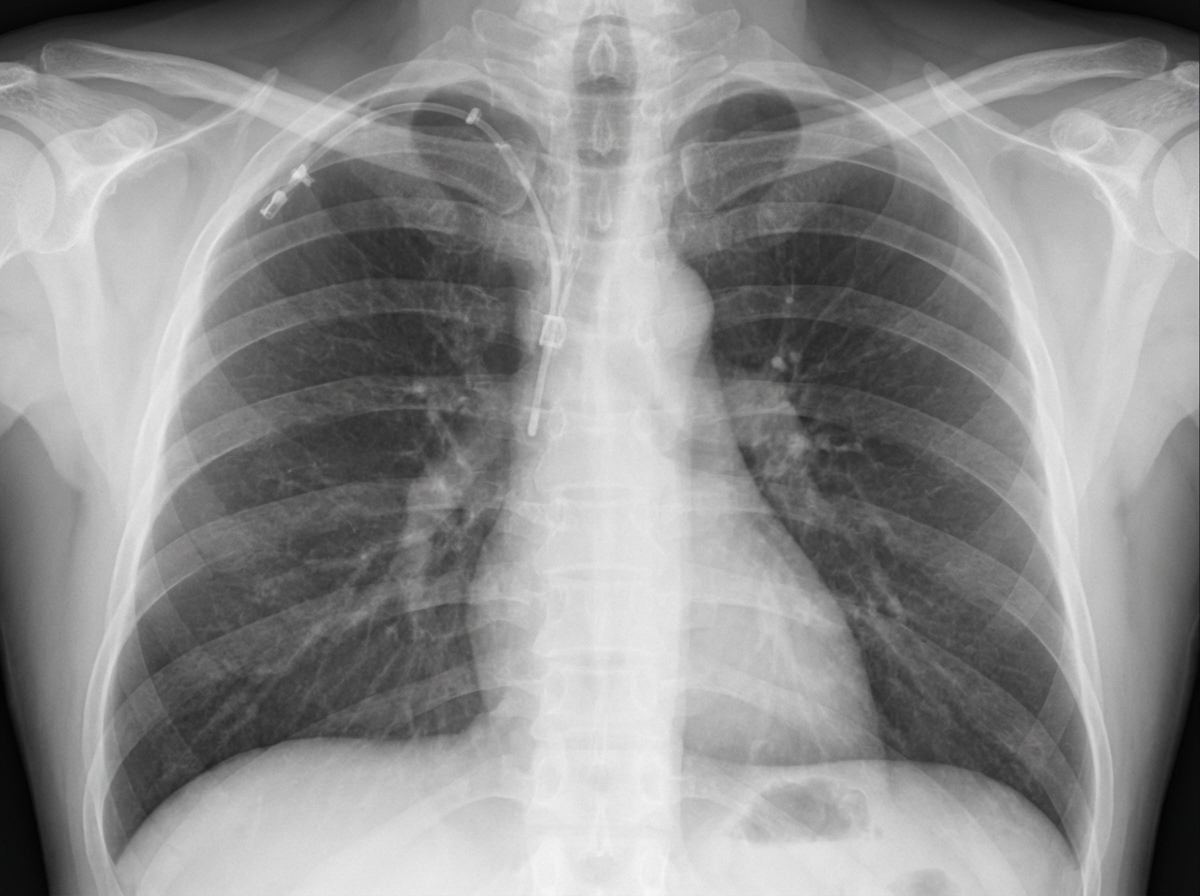
Which of the following is not a known complication associated with the procedure done in the patient?
In an emphysematous patient with bullous lesions, which is the best investigation to measure lung volumes?
A patient posted for Lap Cholecystectomy had drug eluting stent placed two years back. Patient has no symptoms since then. Which of the following set of investigation should be done in this patient?
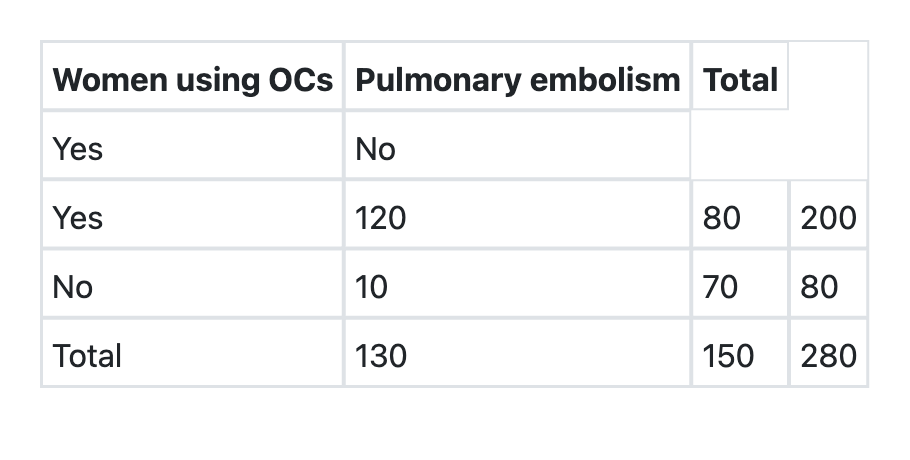
What is the relative risk of developing pulmonary embolism in users of oral contraceptives as per the information given below?
Want unlimited practice?
Get full access to all questions, explanations, and performance tracking.
Scan to download app