What is the active component of white oleander?
At what concentration do symptoms of Carbon Monoxide poisoning typically begin?
Basophilic stippling is seen in poisoning with which substance?
In which type of poisoning are lungs typically preserved?
Hippus is seen in which poisoning?
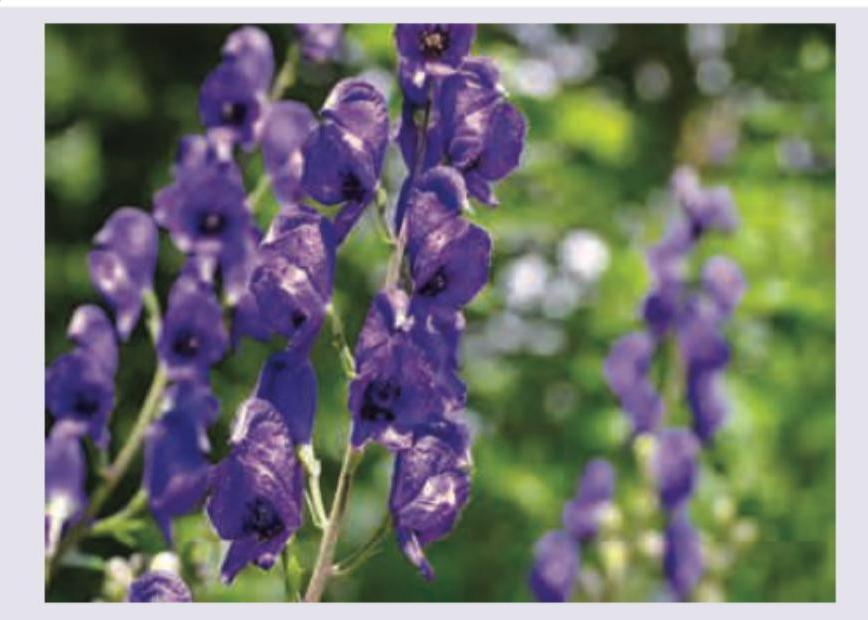
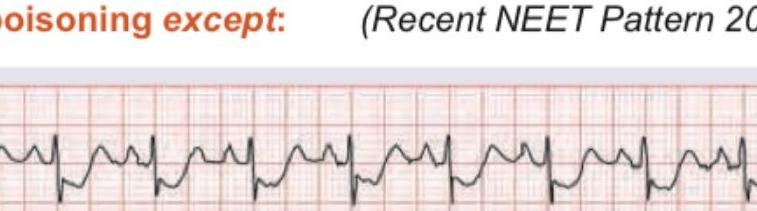
Aconite poisoning causes all except?
Death in copper sulphate poisoning occurs due to:
A person develops episodes of rage, during which they run about and indiscriminately injure others they encounter. What substance are they most likely addicted to?
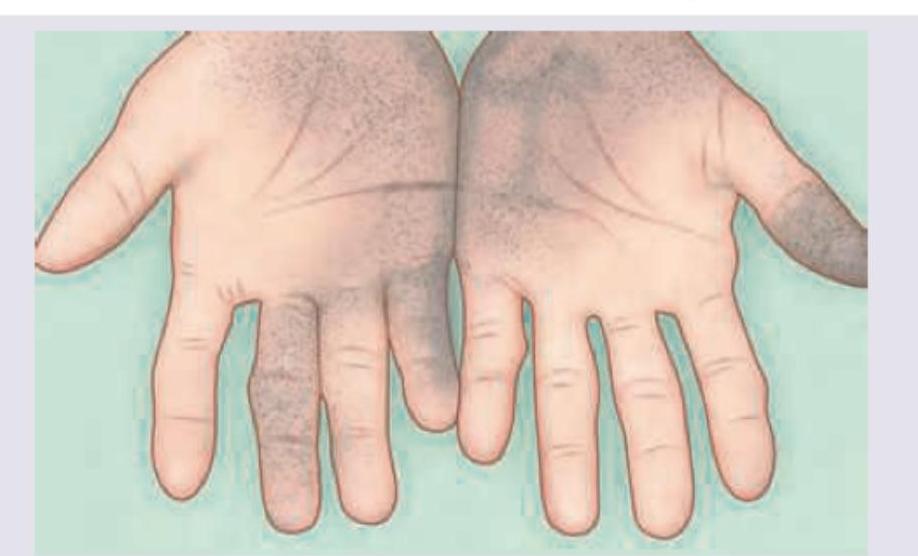
Which of the following is NOT a feature of chronic arsenic poisoning?
The body of a kidnap victim was brought for autopsy. Apart from a few bruises near the mouth and face, there were no obvious external injuries. Toxicology tests confirmed the presence of chloroform in the blood. What are the fatal blood levels of chloroform?
Explanation: **Explanation:** **White Oleander (*Nerium oleander*)** is a highly toxic plant containing potent cardiac glycosides. The correct answer is **Nerine** (also known as oleandrin), which is the primary active principle found in all parts of the plant. ### Why Nerine is Correct: Nerine (and oleandrin) acts similarly to Digoxin. It inhibits the **Na+/K+-ATPase pump** in cardiac myocytes, leading to increased intracellular calcium. This results in increased myocardial excitability, bradycardia, and potentially fatal arrhythmias. ### Why Other Options are Incorrect: * **B. Nicotine:** The active alkaloid found in *Nicotiana tabacum* (Tobacco). It acts on nicotinic acetylcholine receptors and is a CNS stimulant in small doses but a depressant in large doses. * **C. Abrine:** A highly toxic toxalbumin found in *Abrus precatorius* (Raus/Jequirity seeds). It inhibits protein synthesis (similar to Ricin) and is famously used for "Sui" poisoning in cattle. * **D. Pilocarpine:** A parasympathomimetic alkaloid obtained from *Pilocarpus* plants. It is used clinically to treat glaucoma and xerostomia, acting as a muscarinic receptor agonist. ### High-Yield Clinical Pearls for NEET-PG: * **Yellow Oleander (*Thevetia nerifolia*):** Contains **Thevetin**, Peruvoside, and Cerberin. It is more common in India than White Oleander. * **ECG Changes:** Both types of Oleander produce Digoxin-like effects: prolonged PR interval, ST-segment depression ("sagging"), and various heart blocks. * **Management:** Treatment involves gastric lavage, activated charcoal, and managing hyperkalemia. **Digoxin-specific Fab fragments** can be used as an antidote in severe cases due to cross-reactivity. * **Post-mortem:** Look for "sub-endocardial hemorrhages," a classic finding in cardiac poisonings.
Explanation: **Explanation:** Carbon Monoxide (CO) poisoning occurs due to its high affinity for hemoglobin (200–250 times greater than oxygen), forming **Carboxyhemoglobin (COHb)**. This shifts the oxygen-dissociation curve to the left, leading to cellular hypoxia. **1. Why Option B is Correct:** In healthy, non-smoking individuals, normal COHb levels are <1–2%. Symptoms typically manifest once the concentration exceeds **10%**. At levels between 10% and 20%, the earliest clinical signs appear, most notably a **tightness across the forehead and slight headache** (frontal headache). This is the threshold for symptomatic poisoning. **2. Analysis of Incorrect Options:** * **Option A (<10%):** Levels below 10% are usually asymptomatic in healthy adults, though heavy smokers may normally have levels up to 5–10% without acute distress. * **Option B (Correct):** The 10-20% range marks the onset of symptoms (Headache, dyspnea on exertion). * **Option C (>20%):** At 20–30%, symptoms become more pronounced, including throbbing headache, dizziness, and nausea. * **Option D (>40%):** This represents severe toxicity. Levels of 40–60% lead to confusion, hallucinations, syncope, and seizures. Levels >60% are typically fatal. **High-Yield Clinical Pearls for NEET-PG:** * **Cherry Red Discoloration:** A classic finding in skin, mucous membranes, and post-mortem lividity (occurs when COHb >30%). * **CT/MRI Finding:** Bilateral necrosis of the **Globus Pallidus** is a characteristic radiological sign of CO poisoning. * **Treatment:** 100% Hyperbaric Oxygen (HBO) is the treatment of choice to reduce the half-life of COHb from 4–5 hours (room air) to approximately 20 minutes. * **Kussmaul’s Breathing:** May be seen due to metabolic acidosis.
Explanation: **Explanation:** **Lead poisoning (Plumbism)** is the correct answer because basophilic stippling (also known as punctate basophilia) is a classic hematological hallmark of chronic lead exposure. **Underlying Medical Concept:** Lead inhibits the enzyme **1,5-pyrimidine nucleotidase**, which is responsible for the degradation of ribosomal RNA in reticulocytes. When this enzyme is inhibited, undigested ribosomal RNA aggregates and precipitates within the red blood cells. On a peripheral blood smear stained with Romanowsky stains (like Leishman or Giemsa), these aggregates appear as fine or coarse blue-black granules scattered throughout the cytoplasm of the RBCs. **Analysis of Incorrect Options:** * **Arsenic:** Chronic poisoning typically presents with dermatological signs like "raindrop pigmentation" and "Mee’s lines" on nails, rather than specific RBC stippling. * **Copper:** Acute toxicity leads to massive intravascular hemolysis and the formation of **Heinz bodies**, but not basophilic stippling. * **Phosphorous:** Primarily causes fulminant hepatic failure (acute yellow atrophy) and "smoking stool syndrome," with no characteristic hematological stippling. **High-Yield Clinical Pearls for NEET-PG:** * **Burtonian Line:** A bluish-black line on the gums (gingival margin) seen in lead poisoning due to the reaction of lead with bacterial hydrogen sulfide. * **Wrist Drop/Foot Drop:** Due to peripheral demyelination (radial and peroneal nerve palsy). * **Encephalopathy:** More common in children; presents with ataxia and convulsions. * **Treatment:** BAL (British Anti-Lewisite), Ca-EDTA, and Penicillamine are used as chelating agents. Succimer (DMSA) is the oral drug of choice in children.
Explanation: In forensic toxicology, the preservation of organs—specifically the lungs—is a key diagnostic feature during autopsy. The correct answer is **All of the above** because alcohol, hydrogen cyanide (HCN), and carbon monoxide (CO) all possess properties that delay putrefaction or inhibit the typical post-mortem breakdown of lung tissue. ### **Medical Concept: Preservation of Organs** Preservation occurs when a substance acts as an antiseptic, inhibits proteolytic enzymes, or displaces oxygen, thereby slowing down the growth of putrefactive bacteria. * **Alcohol Poisoning:** Ethanol acts as a mild preservative and antiseptic. In cases of acute intoxication, the high concentration of alcohol in the blood and tissues inhibits bacterial growth, leading to delayed decomposition of internal organs, including the lungs. * **HCN (Hydrogen Cyanide) Poisoning:** Cyanide inhibits cytochrome oxidase, halting cellular respiration. This creates a cytotoxic environment that is hostile to many putrefactive bacteria. Furthermore, the lungs often appear bright red (due to oxyhemoglobin) and are preserved longer than in other asphyxial deaths. * **Carbon Monoxide (CO) Poisoning:** CO has a high affinity for hemoglobin, forming **Carboxyhemoglobin (COHb)**. COHb is more stable than oxyhemoglobin and imparts a characteristic cherry-red color to the blood and organs. This stability slows the onset of putrefactive changes in the lungs and other viscera. ### **High-Yield Clinical Pearls for NEET-PG** * **Cherry-red discoloration:** Characteristic of Carbon Monoxide poisoning. * **Bright-red/Brick-red discoloration:** Characteristic of Cyanide poisoning. * **Bitter Almond odor:** Classic sign of Cyanide poisoning (detected in 20-40% of the population). * **Other preserved organs:** In **Arsenic poisoning**, the entire body may undergo mummification or delayed putrefaction because arsenic is a potent enzyme inhibitor and protoplasmic poison.
Explanation: **Explanation:** **Aconite** (derived from *Aconitum napellus*) is a potent neurotoxin and cardiotoxin. The correct answer is **Aconite** because of its unique effect on the iris. **Hippus** refers to the rhythmic, spasmodic, and involuntary contraction and dilation of the pupil (pupillary athetosis). In Aconite poisoning, this occurs due to the alternating stimulation and depression of the oculomotor nerve. **Analysis of Options:** * **A. Abrus precatorius:** Known as "Ratti," it contains abrin. It primarily causes hemorrhagic gastroenteritis and local necrosis (Sui/Needle poisoning). It does not typically cause Hippus. * **C. Alcohol:** Acute ethanol intoxication generally causes **mydriasis** (dilated pupils) or, in deep coma, pupils may be sluggish. It is not associated with the rhythmic oscillations of Hippus. * **D. Dhatura:** A classic deliriant poison containing atropine/hyoscine. It causes fixed, **widely dilated pupils** (mydriasis) that do not react to light. **High-Yield Clinical Pearls for NEET-PG:** * **Aconite (Sweet Poison/Monkshood):** * **Tingling and Numbness:** The most characteristic early symptom (starts in the mouth and spreads to the whole body). * **Cardiotoxicity:** Causes "Horse-shoe" shaped ST-segment changes and arrhythmias. * **Hippus:** Also known as the "alternating pupil" sign. * **Dhatura:** Remember the "6 Ds": Dryness of mouth, Dysphagia, Dilated pupils, Delirium, Drunken gait, and Death. * **Abrus:** Look for "Sui" (needles) used for cattle poisoning; it mimics Viperine snake bite.
Explanation: **Explanation:** Aconite poisoning (derived from *Aconitum napellus* or "Monkshood") primarily acts as a potent **cardiotoxin and neurotoxin**. The correct answer is **Increased BP** because Aconite typically causes **Hypotension**, not hypertension. **1. Why "Increased BP" is the correct choice (The Exception):** Aconite contains the alkaloid **aconitine**, which opens voltage-gated sodium channels, leading to prolonged depolarization. In the heart, this results in severe arrhythmias (classically bidirectional ventricular tachycardia) and negative inotropic effects. This leads to a profound **fall in blood pressure (Hypotension)** and cardiogenic shock. **2. Analysis of other options:** * **Hypersalivation:** Aconite stimulates secretory glands and the parasympathetic system, leading to nausea, vomiting, and profuse salivation. * **Tingling and numbness:** This is the **hallmark symptom** of aconite poisoning. It begins in the mouth and tongue (perioral) and spreads to the entire body and fingertips. It is due to the sustained activation of sodium channels in peripheral nerves. * **Chest pain:** Due to the direct cardiotoxic effects and various tachyarrhythmias, patients frequently experience palpitations and retrosternal chest pain mimicking a myocardial infarction. **High-Yield Clinical Pearls for NEET-PG:** * **Synonyms:** Known as "Sweet Poison," "Blue Rocket," or "Mithazahar." * **Mechanism:** Persistent activation of Na+ channels (prolonged depolarization). * **Specific Sign:** "Hippus" (alternate constriction and dilatation of the pupil) may be seen. * **Cause of Death:** Usually due to **Ventricular Fibrillation** or paralysis of the respiratory center. * **Post-mortem:** No specific findings; however, the root is often found in the stomach (resembles horseradish).
Explanation: **Explanation:** Copper sulphate (Blue Vitriol) poisoning is a classic topic in forensic toxicology. The correct answer is **Renal failure**, which is the most common cause of delayed death in these patients. **1. Why Renal Failure is Correct:** Copper sulphate is a potent oxidizing agent. Once absorbed, it causes massive **intravascular hemolysis** and direct damage to the renal tubules. The combination of hemoglobinuria (from hemolysis), direct nephrotoxicity of copper ions, and hypotension leads to **Acute Tubular Necrosis (ATN)**, culminating in acute renal failure. **2. Analysis of Incorrect Options:** * **Cardiac arrest:** While electrolyte imbalances from renal failure can lead to arrhythmias, primary cardiac arrest is not the characteristic cause of death. * **Vascular collapse:** This can occur in the early (acute) phase due to severe gastrointestinal irritation and fluid loss (shock), but it is less common as the definitive cause of death compared to renal complications. * **Convulsions:** These are rare in copper poisoning; the central nervous system is typically not the primary target organ. **3. High-Yield Clinical Pearls for NEET-PG:** * **Antidote of Choice:** D-Penicillamine. * **Characteristic Sign:** "Blue-green" discoloration of the gastric mucosa and vomitus. * **Triad of Severe Poisoning:** Hemolysis, Jaundice (due to liver damage and hemolysis), and Hemoglobinuria. * **Fatal Dose:** 7–10 grams; **Fatal Period:** 1–3 days. * **Post-mortem finding:** "Nutmeg liver" may be seen due to centrilobular necrosis.
Explanation: **Explanation:** The clinical scenario describes a condition known as **"Running Amok,"** which is a classic psychiatric manifestation of chronic **Cannabis** (Indian Hemp) intoxication. **1. Why Cannabis is Correct:** Chronic cannabis use can lead to a state of acute psychotic frenzy. "Running Amok" is a culture-bound syndrome characterized by a sudden outburst of indiscriminate aggression. The individual, often in a state of clouded consciousness, runs about armed with a weapon and attacks any person or animal in their path without provocation. This is usually followed by amnesia regarding the event and profound exhaustion or even suicide. **2. Why Other Options are Incorrect:** * **Alcohol:** While alcohol causes disinhibition and aggression, it typically presents as pathological intoxication (Mania a potu) or delirium tremens. It does not classically present with the specific "running" and indiscriminate serial injury pattern associated with "Amok." * **Opium:** Opium is a CNS depressant. Toxicity leads to pinpoint pupils, coma, and respiratory depression (the "triad"). It produces euphoria and sedation rather than violent, hyperactive rage. * **Cocaine:** Cocaine is a stimulant that can cause "Cocaine Psychosis" and tactile hallucinations (Magnan’s symptoms/Formication). While it causes paranoia, the specific behavioral pattern of "Running Amok" is traditionally linked to Cannabis in forensic literature. **Clinical Pearls for NEET-PG:** * **Running Amok:** Associated with Cannabis; involves homicidal fury followed by amnesia. * **Flashbacks:** Spontaneous recurrence of hallucinations without recent drug use; common in LSD and Cannabis. * **Amotivational Syndrome:** A state of apathy and lack of ambition seen in chronic Cannabis users. * **Active Principles:** Delta-9-Tetrahydrocannabinol (THC) is the primary psychoactive component.
Explanation: The correct answer is **C. Black pigmentation of skin**. ### **Explanation** In chronic arsenic poisoning (Arsenicosis), the characteristic skin pigmentation is **not black**, but rather a patchy, mottled appearance known as **"Raindrop Pigmentation."** This consists of hyperpigmented spots on a background of hypopigmented (depigmented) skin. While hyperkeratosis of the palms and soles is common, the pigmentation itself is classically described as "raindrop" or "muddy," distinguishing it from the deep black pigmentation seen in other conditions. ### **Analysis of Incorrect Options** * **A. Emaciation:** Chronic arsenic exposure leads to significant cachexia, weight loss, and general debility due to its interference with cellular metabolism and enzyme systems. * **B. Conjunctivitis and running nose:** Arsenic is a potent irritant to mucous membranes. Chronic exposure often presents with persistent redness of the eyes (conjunctivitis) and nasal catarrh (running nose). * **D. Sensory motor polyneuropathy:** Arsenic causes symmetrical peripheral neuropathy. It typically starts as sensory disturbances (tingling/numbness) in a "glove and stocking" distribution, followed by motor weakness. ### **High-Yield Clinical Pearls for NEET-PG** * **Mee’s Lines:** Transverse white bands on the nails (highly characteristic). * **Hyperkeratosis:** Thickening of the skin on palms and soles (precancerous). * **Alder-Reilly Anomaly:** Coarse cytoplasmic granules in leucocytes. * **Garlic Odor:** The breath and perspiration of the patient often smell of garlic. * **Sample of Choice:** For chronic poisoning, **Hair and Nails** are the best samples because arsenic binds to keratin (sulfhydryl groups). * **Antidote:** British Anti-Lewisite (BAL) or Dimercaprol is the preferred chelating agent.
Explanation: **Explanation:** Chloroform ($CHCl_3$) is a potent volatile anesthetic and a common agent used in criminal cases for incapacitation. Understanding its toxicokinetics is crucial for forensic interpretation. **1. Why 40 mg% is Correct:** The fatal concentration of chloroform in the blood is generally accepted as **40 mg/dL (or 40 mg%)**. At this level, chloroform causes profound central nervous system depression, leading to respiratory failure or sudden cardiac arrest. Death occurs due to: * **Vagal Inhibition:** Sudden cardiac arrest during the initial stages of inhalation. * **Narcosis:** Deep anesthesia leading to respiratory paralysis. * **Ventricular Fibrillation:** Sensitization of the myocardium to adrenaline. **2. Analysis of Incorrect Options:** * **10 mg% & 20 mg%:** These levels are typically associated with the **anesthetic stage**. While they cause sedation and loss of consciousness, they are generally not fatal unless accompanied by airway obstruction or pre-existing cardiac conditions. * **30 mg%:** This represents a transition toward deep narcosis and severe toxicity. While life-threatening, the established forensic threshold for definitive fatal poisoning in standard textbooks (like Reddy’s *The Essentials of Forensic Medicine and Toxicology*) is 40 mg%. **3. NEET-PG High-Yield Pearls:** * **Delayed Poisoning:** If the victim survives the initial exposure, they may die 2–5 days later due to **Centrilobular Necrosis** of the liver (Hepatotoxicity) and fatty degeneration of the heart and kidneys. * **Post-mortem Finding:** A characteristic finding in chloroform poisoning is the presence of **"Chloroform-induced gastric redness"** or a distinct sweetish odor upon opening the body cavities. * **Preservation:** In suspected cases, viscera and blood samples must be preserved in **saturated salt solution** (not formalin) to prevent the evaporation of the volatile poison. * **Mouth/Face Bruises:** These often indicate "smothering" or forceful application of a cloth soaked in chloroform, as seen in this clinical scenario.
General Principles of Toxicology
Practice Questions
Corrosive Poisons
Practice Questions
Metallic Poisons
Practice Questions
Non-Metallic Poisons
Practice Questions
Organic Irritant Poisons
Practice Questions
Neurotic Poisons
Practice Questions
Cardiac Poisons
Practice Questions
Asphyxiant Poisons
Practice Questions
Food Poisoning
Practice Questions
Drug Abuse and Dependence
Practice Questions
Analytical Toxicology Methods
Practice Questions
Interpretation of Toxicology Results
Practice Questions
Get full access to all questions, explanations, and performance tracking.
Start For Free