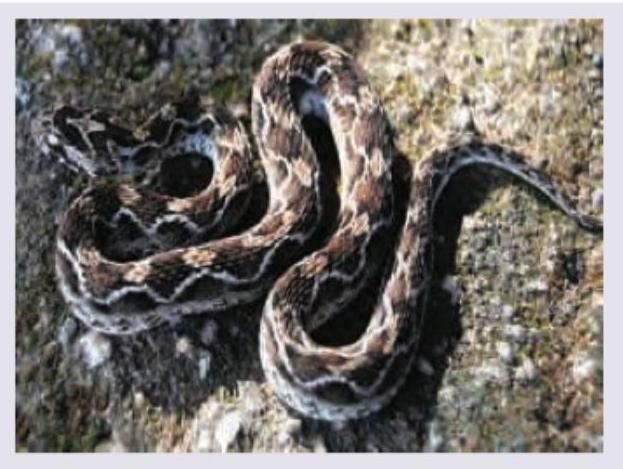
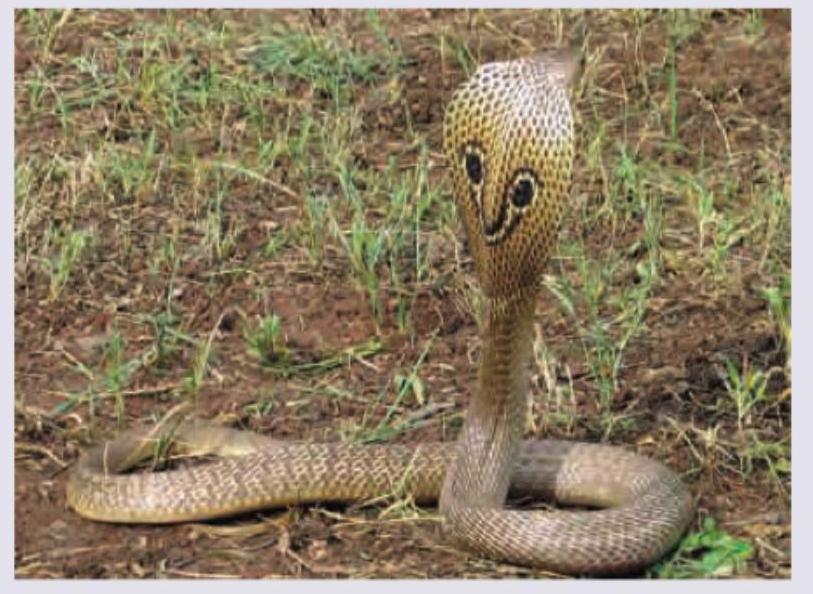
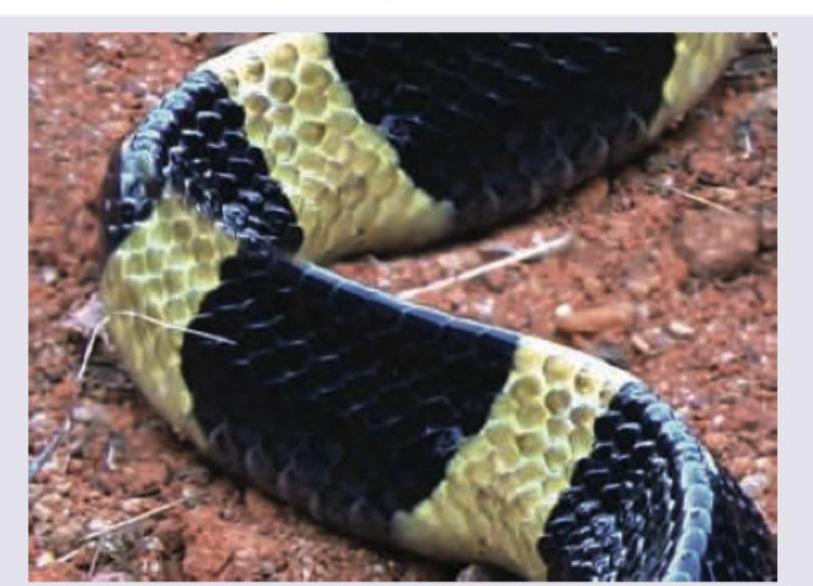
What is the most characteristic feature of elapidae snake envenomation?
Which of the following poisons produces cholera-like symptoms?
On autopsy, fine froth was found in the respiratory tract, nose, and mouth. What is the likely cause of death?
Which of the following toxins is responsible for the manifestations of pufferfish poisoning?
Trousseau sign is positive in which poisoning?
The toxicity of methyl alcohol is primarily due to which of its metabolites?
All of the following are deliriant poisons, EXCEPT:
A patient presents with a blood pressure of 90/60 mmHg, cyanosis of the lips and peripheries. The blood drawn from the patient appears chocolate-colored. What is the most likely diagnosis?
Which of the following is NOT a symptom of chronic inorganic lead poisoning?
If the 3rd supralabial scales are large and touching the eye and nasal shield, the snake may be?
Explanation: **Explanation:** **1. Why Option B is Correct:** The **Elapidae** family (which includes the Cobra and Krait) primarily possesses **neurotoxic venom**. This venom contains pre-synaptic or post-synaptic neurotoxins that block neuromuscular transmission at the acetylcholine receptors. This leads to progressive descending paralysis, typically manifesting as ptosis (the earliest sign), diplopia, dysphagia, and eventually respiratory failure due to diaphragm paralysis. **2. Why Other Options are Incorrect:** * **Option A (Bleeding manifestation):** This is the hallmark of **Viperidae** (Vipers) envenomation. Viper venom is vasculotoxic and hemotoxic, causing local tissue destruction, consumption coagulopathy, and systemic bleeding. * **Option C (Rhabdomyolysis):** While some vipers (like Russell’s Viper) can cause muscle breakdown, generalized rhabdomyolysis and myotoxicity are most characteristic of **Sea Snake** (Hydrophidae) bites. * **Option D (Cardiotoxicity):** Though some cobra venoms contain cardiotoxins, it is not the *most characteristic* or defining clinical feature compared to the profound neuro-paralysis. **3. NEET-PG High-Yield Pearls:** * **Cobra (Naja naja):** Causes a painful bite with significant local swelling and neurotoxicity. * **Krait (Bungarus caeruleus):** Often causes a **"painless" bite** at night; patients may present with "early morning abdominal pain" or "locked-in syndrome" mimicking brain death. * **Management:** The mainstay of treatment is **Polyvalent Anti-Snake Venom (ASV)**. In neurotoxic bites, the **Neostigmine (Atropine) test** is used to check for improvement in muscle strength (more effective in Cobra than Krait). * **Death:** Usually occurs due to respiratory failure.
Explanation: **Explanation:** **Arsenic (Correct Answer):** Acute arsenic poisoning is classically known as the "great mimic" of **Cholera**. This is because arsenic acts as a potent gastrointestinal irritant, causing severe inflammation of the gut mucosa. The clinical presentation includes profuse, watery diarrhea (often described as **"Rice-water stools"**), projectile vomiting, and intense abdominal pain. The similarity is so striking that during the 19th century, arsenic was frequently used for homicides as the symptoms were easily mistaken for endemic cholera. **Incorrect Options:** * **Organophosphorus (OPC):** While OPC poisoning causes diarrhea (via muscarinic overstimulation), it is characterized by the **DUMBELS** mnemonic (Diarrhea, Urination, Miosis, Bradycardia, Emesis, Lacrimation, Salivation). The presence of constricted pupils and garlic-like breath distinguishes it from arsenic. * **Lead:** Acute lead poisoning typically causes "Lead Colic" (severe abdominal pain) and constipation, rather than cholera-like diarrhea. Chronic exposure leads to the characteristic **Burtonian line** on gums. * **Rat Killer:** Most modern rat killers contain **Zinc Phosphide** or **Warfarin**. Zinc phosphide causes a garlicky odor and cardiovascular collapse, while Warfarin leads to bleeding manifestations (hematuria, epistaxis). **High-Yield Clinical Pearls for NEET-PG:** * **Stools:** In Arsenic poisoning, stools are "Rice-water" (like Cholera) but may contain blood (unlike Cholera). * **Vomiting:** In Arsenic, vomiting precedes diarrhea; in Cholera, diarrhea usually precedes vomiting. * **Post-mortem:** Look for **sub-endocardial hemorrhages** (common in Arsenic) and "velvety red" gastric mucosa. * **Chronic Arsenic Signs:** Raindrop pigmentation, Mees' lines (nails), and hyperkeratosis of palms/soles.
Explanation: ### Explanation **Correct Answer: A. Drowning** The presence of **fine, white, leathery, and persistent froth** at the mouth and nostrils is a classic diagnostic sign of drowning (specifically "wet drowning"). **Pathophysiology:** During the struggle for air, the victim makes forceful respiratory efforts. Water mixes with air and pulmonary surfactant (mucus), which is then churned by the respiratory movements into a fine foam. This froth is tenacious and persistent because the surfactant lowers surface tension, preventing the bubbles from bursting easily. On autopsy, this froth is found throughout the respiratory tract, from the trachea down to the smaller bronchi. **Analysis of Incorrect Options:** * **B. Hanging & C. Strangulation:** These are forms of mechanical asphyxia where death usually occurs due to cerebral ischemia or airway occlusion. While some saliva (dribbling) or congestion may be present, the characteristic "fine, persistent froth" filling the airways is absent. * **D. Toothpaste poisoning:** This is a distractor. While certain poisonings (like Organophosphates or Opioids) produce froth, it is usually associated with pulmonary edema. "Toothpaste poisoning" is not a standard forensic entity associated with this specific finding. **NEET-PG High-Yield Pearls:** 1. **Differential Diagnosis of Froth:** Fine froth is also seen in **Organophosphate poisoning** and **Opioid overdose** (due to acute pulmonary edema). However, in drowning, the froth is typically more voluminous and persistent. 2. **Edasema (Emphysema Aquosum):** The lungs in drowning are heavy, bulky, and "doughy," often showing rib indentations. 3. **Paltauf’s Hemorrhages:** Subpleural hemorrhages (shades of blue/red) found in the lower lobes of the lungs in drowning victims. 4. **Cadaveric Spasm:** If a victim is found clutching weeds or sand in their hand, it is a sure sign of "Antemortem Drowning."
Explanation: **Explanation:** **Correct Answer: B. Tetrodotoxin** Tetrodotoxin (TTX) is a potent neurotoxin found in the liver, ovaries, and skin of the **Pufferfish (Fugu)**. The underlying medical mechanism involves the **selective blockade of voltage-gated sodium channels** on excitable membranes (nerve and muscle). This prevents the influx of sodium ions, thereby inhibiting action potential propagation. Clinically, this leads to progressive ascending paralysis, respiratory failure, and death, while the patient often remains conscious until the terminal stages. **Analysis of Incorrect Options:** * **A. BOAA (Beta-Oxalyamino-L-alanine):** This is an excitatory neurotoxin found in *Lathyrus sativus* (Khesari Dal), responsible for **Neurolathyrism**, characterized by spastic paraplegia. * **C. Strychnine:** Derived from *Strychnos nux-vomica*, it acts as a competitive antagonist of **Glycine** (an inhibitory neurotransmitter) in the spinal cord, leading to powerful tetanic convulsions and "Risus Sardonicus." * **D. Ciguatoxin:** This toxin causes Ciguatera fish poisoning (found in large reef fish like Barracuda). Unlike Tetrodotoxin, it **opens/activates sodium channels**, causing gastrointestinal symptoms and a characteristic "hot-cold sensory reversal." **High-Yield Clinical Pearls for NEET-PG:** * **Source:** Pufferfish, Blue-ringed octopus, and California newt. * **Antidote:** There is **no specific antidote** for Tetrodotoxin; management is purely supportive (mechanical ventilation is life-saving). * **Key Feature:** It does not cross the blood-brain barrier; hence, the patient remains mentally alert despite total paralysis. * **Lethal Dose:** It is approximately 100 times more poisonous than potassium cyanide.
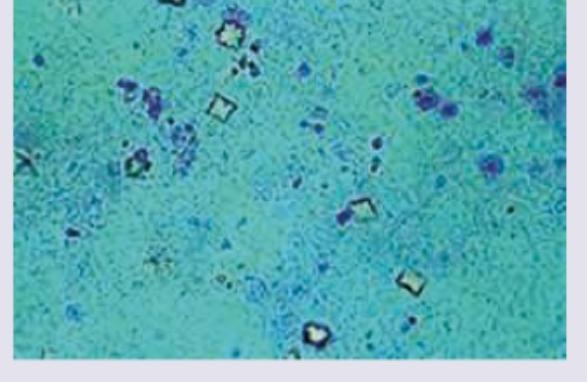
Explanation: **Explanation:** The correct answer is **Oxalic acid (Option A)**. **Mechanism of Action:** Oxalic acid poisoning leads to the formation of insoluble **calcium oxalate crystals**. This process rapidly depletes ionized calcium levels in the blood, resulting in **hypocalcemia**. Hypocalcemia increases neuromuscular excitability, which manifests clinically as **tetany**. **Trousseau’s sign** is a classic clinical indicator of latent tetany. It is elicited by inflating a blood pressure cuff above systolic pressure for 3 minutes; the resulting ischemia causes carpal spasm (adduction of the thumb, flexion of metacarpophalangeal joints, and extension of interphalangeal joints). **Analysis of Incorrect Options:** * **B. Carbolic Acid (Phenol):** Characterized by "Carboluria" (greenish-black urine) and ochronosis. It causes corrosive injury and CNS depression but does not typically cause acute hypocalcemic tetany. * **C. Sulfuric Acid:** A strong corrosive (Vitriolage) that causes intense tissue charred (blackening) and gastric perforation. * **D. Nitric Acid:** Known for causing **Xanthoproteic reaction** (yellowish discoloration of tissues/skin) due to the nitration of aromatic amino acids. **High-Yield Clinical Pearls for NEET-PG:** * **Oxalic Acid:** Also associated with **Chvostek’s sign** (twitching of facial muscles upon tapping the facial nerve). * **Post-mortem finding:** "Coffee-ground" vomitus and presence of envelope-shaped calcium oxalate crystals in the renal tubules (leading to oxaluria and renal failure). * **Antidote:** Calcium gluconate is the specific treatment to neutralize the acid and replenish calcium levels. * **Fatal Dose:** 15–20 grams; **Fatal Period:** 1–2 hours.
Explanation: ### Explanation **Correct Answer: A. Formic Acid** The toxicity of methyl alcohol (methanol) is not due to the parent compound itself, but rather its metabolic breakdown products. Methanol is metabolized in the liver via a two-step oxidation process: 1. **Methanol → Formaldehyde:** Catalyzed by the enzyme *Alcohol Dehydrogenase (ADH)*. 2. **Formaldehyde → Formic Acid:** Catalyzed by *Aldehyde Dehydrogenase (ALDH)*. **Formic acid** (and its anion, formate) is the primary toxic metabolite responsible for the clinical manifestations of methanol poisoning. It inhibits mitochondrial cytochrome c oxidase, leading to cellular hypoxia and metabolic acidosis. Specifically, it targets the optic nerve, causing retinal edema and permanent blindness (the "snowstorm vision"). **Why other options are incorrect:** * **B. Ethanol:** Ethanol is not a metabolite of methanol. In fact, ethanol is used as an **antidote** because it has a much higher affinity for ADH, competitively inhibiting the conversion of methanol into its toxic metabolites. * **C. Methanol itself:** Methanol is relatively non-toxic and primarily causes mild CNS depression similar to ethanol. The severe systemic toxicity only begins once it is metabolized. * **D. All of the above:** Incorrect as only formic acid is the primary mediator of systemic toxicity. --- ### NEET-PG High-Yield Pearls * **Antidotes:** **Fomepizole** (preferred; inhibits ADH) or **Ethanol**. * **Classic Presentation:** Metabolic acidosis with an increased anion gap and osmolar gap; "snowstorm" vision. * **Putamen Necrosis:** A characteristic finding on MRI/CT in cases of severe methanol poisoning. * **Lethal Dose:** Approximately 30–100 ml (though as little as 10 ml can cause blindness).
Explanation: **Explanation:** The correct answer is **Aconite** because it is classified as a **Cardiac Poison**, not a deliriant. **1. Why Aconite is the correct answer:** Aconite (derived from *Aconitum napellus*) primarily affects the heart and the central nervous system. Its active alkaloid, **aconitine**, acts by opening sodium channels, leading to persistent depolarization. Clinically, it presents with a characteristic "tingling and numbness" sensation in the mouth and skin (paresthesia), followed by severe cardiac arrhythmias, hypotension, and death due to ventricular fibrillation or respiratory failure. It does not typically cause the delirium or hallucinations seen with deliriants. **2. Why the other options are incorrect:** * **Dhatura & Belladonna:** These are classic **Deliriant Poisons** (Cerebral/Inebriant group). They contain anticholinergic alkaloids like Atropine, Hyoscine, and Hyoscyamine. They cause the "Dry as a bone, Red as a beet, Blind as a bat, Mad as a hatter" syndrome, characterized by central nervous system excitation and delirium. * **Cannabis:** While often classified as a hallucinogen, in forensic toxicology, it is grouped under **Deliriants** because it produces a state of altered consciousness, euphoria, and disorientation (delirium) in toxic doses. **3. High-Yield Clinical Pearls for NEET-PG:** * **Aconite:** Known as "Sweet Poison" or "Blue Rocket." It is a common ingredient in Ayurvedic medicines; toxicity often occurs due to improper purification (*Shodhana*). * **Dhatura:** Known as "Road Poison" because it is used by criminals to stupefy travelers. Look for "Mydriasis" (dilated pupils) as a key sign. * **Classification Tip:** * **Deliriants:** Dhatura, Belladonna, Cannabis, Hyoscyamus. * **Cardiac Poisons:** Aconite, Digitalis, Oleander, Nicotine, Quinine.
Explanation: **Explanation:** The clinical presentation of hypotension, cyanosis, and **chocolate-colored blood** is the classic triad for **Methemoglobinemia**. **1. Why Methemoglobinemia is correct:** Methemoglobinemia occurs when the iron in hemoglobin is oxidized from the ferrous state ($Fe^{2+}$) to the **ferric state ($Fe^{3+}$)**. Ferric iron cannot bind oxygen, and it increases the oxygen affinity of the remaining ferrous hemes (shifting the dissociation curve to the left), leading to severe tissue hypoxia. The characteristic "chocolate-brown" or "muddy" discoloration of the blood occurs because methemoglobin is dark brown and does not turn red even when exposed to 100% oxygen. Common culprits include nitrates, nitrites, sulfonamides, and local anesthetics like benzocaine. **2. Why other options are incorrect:** * **Hypovolemic shock:** While it causes hypotension and peripheral cyanosis, the blood remains bright red (if oxygenated) or dark red (if deoxygenated), never chocolate-colored. * **Metal fume fever:** This is an inhalation pathology (usually zinc oxide) presenting with flu-like symptoms (fever, chills, cough). It does not cause chocolate-colored blood. * **Alphos (Aluminum Phosphide) poisoning:** This causes profound shock and a "garlicky odor" of the breath. While it leads to tissue hypoxia via cytochrome c oxidase inhibition, it does not typically produce methemoglobinemia. **High-Yield Clinical Pearls for NEET-PG:** * **The "Saturation Gap":** A key diagnostic clue is a significant difference between the $SaO_2$ measured by pulse oximetry (which is falsely low, often ~85%) and the $SaO_2$ calculated from an Arterial Blood Gas (ABG). * **Antidote:** The treatment of choice is **Methylene Blue** (1-2 mg/kg IV), which acts as a cofactor for NADPH-methemoglobin reductase. * **Note:** Methylene blue is contraindicated in patients with **G6PD deficiency** as it can precipitate hemolysis.
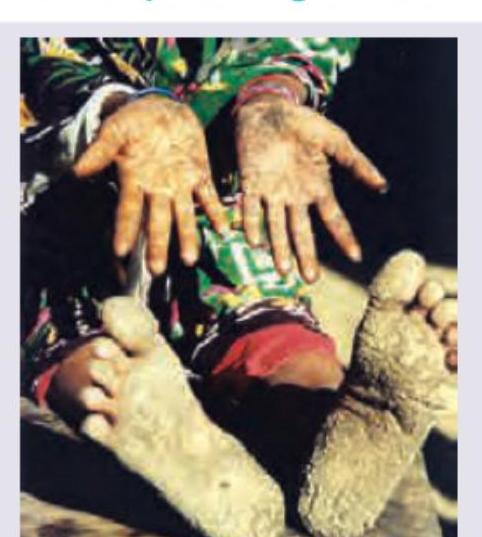
Explanation: **Explanation:** Chronic inorganic lead poisoning, also known as **Plumbism** or **Saturnism**, primarily affects the gastrointestinal, hematological, and neurological systems. **Why Insomnia is the correct answer:** Insomnia is not a characteristic feature of chronic inorganic lead poisoning. In fact, lead toxicity typically causes **Encephalopathy**, which manifests as irritability, memory loss, and **drowsiness or lethargy** rather than sleeplessness. In contrast, insomnia is a hallmark symptom of **Chronic Mercury Poisoning** (as part of the "Erethism" complex). **Why the other options are incorrect:** * **Constipation:** This is the most common and earliest symptom of lead poisoning. It is often stubborn and resistant to ordinary purgatives. * **Colic:** Known as **Lead Colic** or *Colica Pictonum*, this is a severe, spasmodic abdominal pain. Unlike inflammatory pain, lead colic is typically **relieved by pressure**. * **Anorexia:** Loss of appetite, often accompanied by a metallic taste in the mouth and nausea, is a standard constitutional symptom of chronic lead exposure. **NEET-PG High-Yield Pearls:** 1. **Burtonian Line:** A punctate blue-grey line on the gums (at the gingival margin) due to the formation of lead sulfide. 2. **Hematology:** Look for **Basophilic Stippling** (punctate basophilia) of RBCs and microcytic hypochromic anemia. 3. **Wrist Drop/Foot Drop:** Due to paralysis of extensor muscles (radial nerve palsy) from segmental demyelination. 4. **Facial Pallor:** The earliest sign of lead poisoning (Sallow complexion/Lividity). 5. **Treatment:** DOC is **Calcium disodium EDTA**; Succimer (DMSA) is preferred for oral chelation.
Explanation: **Explanation:** Identification of poisonous snakes in forensic toxicology is a high-yield topic for NEET-PG, primarily based on scale patterns (lepidosis). **Why Cobra is the Correct Answer:** The **Cobra (*Naja naja*)** is a neurotoxic elapid identified by specific head scales. A diagnostic feature of the Cobra is that the **3rd supralabial scale** (the scale on the upper lip) is particularly large and extends upwards to touch both the **nasal shield** (nostril scale) and the **pre-ocular scale/eye**. This is a classic morphological marker used to differentiate it from other snakes. **Analysis of Incorrect Options:** * **Krait:** Identified by a row of enlarged **hexagonal scales** along the mid-dorsal spine and the **4th infralabial** (lower lip) scale being the largest. * **Pit Viper:** Characterized by a **loreal pit** (thermoreceptor) located between the eye and the nostril. It has small, fragmented scales on the head. * **Saw-scaled Viper:** Identified by a **"cross" or "bird's foot" mark** on the head and serrated (saw-like) lateral scales that produce a hissing sound when rubbed together. **Clinical Pearls for NEET-PG:** * **Cobra/Krait:** Primarily **Neurotoxic** (cause flaccid paralysis, ptosis, and respiratory failure). * **Vipers:** Primarily **Vasculotoxic** (cause local edema, cellulitis, and systemic bleeding diathesis). * **Sea Snakes:** Primarily **Myotoxic** (cause rhabdomyolysis and myoglobinuria). * **The "Rule of 3":** Remember "3rd supralabial touches eye and nose" = Cobra. "4th infralabial is largest" = Krait.
General Principles of Toxicology
Practice Questions
Corrosive Poisons
Practice Questions
Metallic Poisons
Practice Questions
Non-Metallic Poisons
Practice Questions
Organic Irritant Poisons
Practice Questions
Neurotic Poisons
Practice Questions
Cardiac Poisons
Practice Questions
Asphyxiant Poisons
Practice Questions
Food Poisoning
Practice Questions
Drug Abuse and Dependence
Practice Questions
Analytical Toxicology Methods
Practice Questions
Interpretation of Toxicology Results
Practice Questions
Get full access to all questions, explanations, and performance tracking.
Start For Free