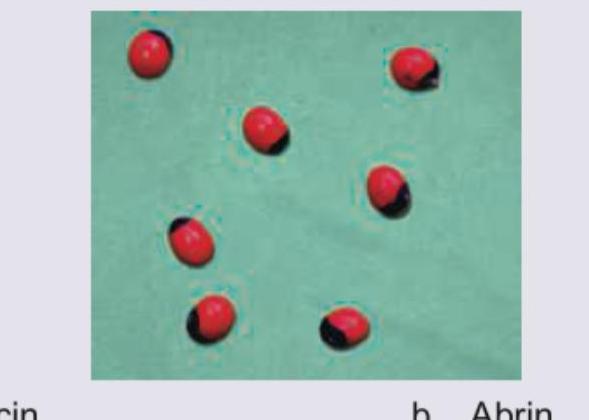
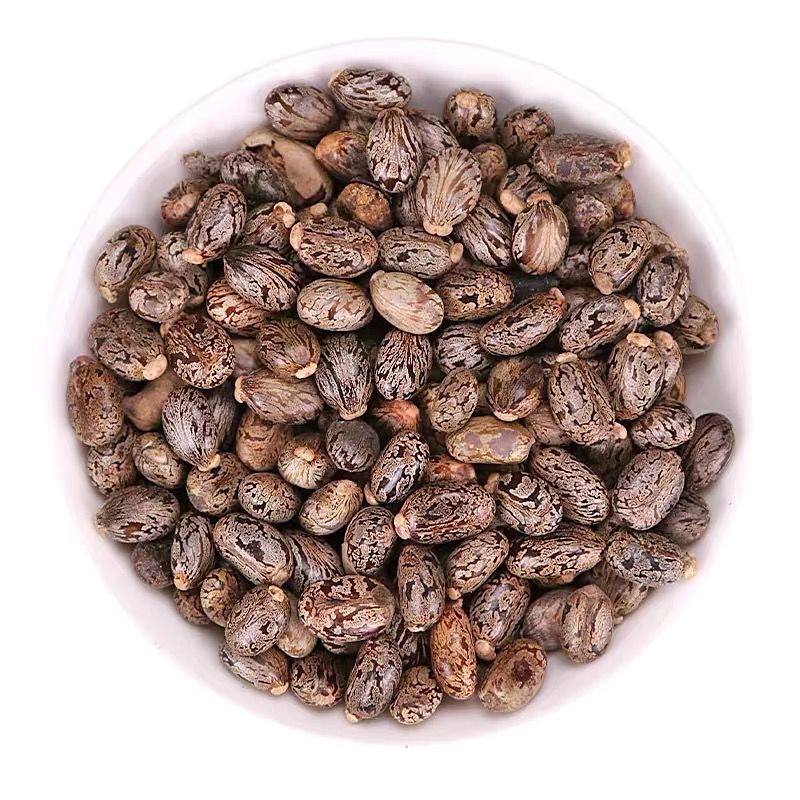
Abrus precatorius poisoning resembles which poison?
Cyanide poisoning causes which type of anoxia?
Jet black pigmentation of the tongue along with tactile and visual hallucinations is a feature of which poisoning?
Mc Ewan's sign occurs above what blood alcohol level?
Urine appears 'Liquid Gold' in which type of poisoning?
Which of the following are diagnostic findings of carbon monoxide poisoning post mortem?
'Hatter's shakes' are seen in poisoning due to which substance?
A fire worker presented with "Phossy jaw" (glass jaw). Which of the following can cause this condition on chronic exposure?
The 'Macewan sign' is typically observed in which of the following conditions?
What is the antidote for Strychnine poisoning?
Explanation: **Explanation:** **Abrus precatorius** (also known as Jequirity bean, Ratti, or Gunchi) contains the potent toxalbumin **Abrin**. It is classically compared to **Viperine snake venom** because both produce similar local and systemic clinical manifestations. 1. **Why Viper is correct:** * **Local Action:** Both Abrin and Viper venom are highly irritant. When the seeds are used as "Sui" (needles) for cattle poisoning or human injury, they cause intense local inflammation, painful edema, ecchymosis, and even necrosis at the site of injection. * **Systemic Action:** Both can lead to a "hemorrhagic syndrome." Abrin causes agglutination of red blood cells (hemagglutination) and widespread capillary damage, leading to internal organ hemorrhages, similar to the vasculotoxic and hematotoxic effects of Viperidae venom. 2. **Why other options are incorrect:** * **Cobra and Krait:** These are Elapid snakes. Their venom is primarily **neurotoxic**, causing flaccid paralysis and respiratory failure, which is not the clinical picture of Abrus poisoning. * **Sea Snake:** Sea snake venom is primarily **myotoxic**, leading to rhabdomyolysis and myoglobinuria, distinct from the irritant and hemagglutinating properties of Abrin. **High-Yield Clinical Pearls for NEET-PG:** * **Active Principle:** Abrin (one of the most toxic substances known; it inhibits protein synthesis by damaging ribosomes). * **Sui Poisoning:** Small needles (Sui) are prepared by mixing Abrus powder with water/opium. They are used to kill cattle or for homicide. * **Fatal Dose:** 1–2 crushed seeds (ingesting whole seeds is usually harmless due to the tough outer coat). * **Treatment:** Anti-abrin serum (if available) and aggressive symptomatic management. Unlike Viper bites, Neostigmine or ASV has no role here.
Explanation: **Explanation:** **1. Why Histotoxic Anoxia is Correct:** Cyanide poisoning is the classic example of **histotoxic anoxia**. The underlying mechanism involves the inhibition of the enzyme **cytochrome oxidase** (specifically cytochrome a3) within the mitochondrial electron transport chain. Cyanide binds to the ferric ($Fe^{3+}$) iron of the enzyme, preventing the utilization of oxygen by the cells. Even though the blood is fully oxygenated, the tissues cannot "breathe," leading to cellular suffocation. **2. Why Other Options are Incorrect:** * **Stagnant Anoxia:** Occurs due to reduced blood flow or circulatory failure (e.g., Congestive Heart Failure, Shock). Oxygen is present, but it cannot reach the tissues fast enough. * **Anemic Anoxia:** Occurs when the oxygen-carrying capacity of the blood is reduced (e.g., Anemia, Carbon Monoxide poisoning). The $PaO_2$ is normal, but total hemoglobin or functional hemoglobin is low. * **Anoxic Anoxia:** Occurs when there is a lack of oxygen in the lungs or a failure of oxygen to reach the blood (e.g., High altitude, Drowning, Strangulation). **3. Clinical Pearls for NEET-PG:** * **Cherry Red Discoloration:** Post-mortem finding of the skin and viscera due to high levels of oxyhemoglobin (since tissues didn't consume the oxygen). * **Odor:** Characteristic **Bitter Almond** smell. * **Antidote:** The traditional "Cyanide Antidote Kit" includes Amyl Nitrite, Sodium Nitrite (to create methemoglobinemia), and Sodium Thiosulfate. The modern preferred antidote is **Hydroxocobalamin** (Cyanokit). * **Prussic Acid:** Another name for Hydrocyanic acid.
Explanation: **Explanation:** The correct answer is **Cocaine**. This question tests the recognition of specific clinical signs associated with stimulant abuse. **1. Why Cocaine is correct:** Cocaine is a potent sympathomimetic. The **jet black pigmentation of the tongue** (and sometimes the teeth) is a characteristic finding in chronic cocaine smokers (crack cocaine), often attributed to the breakdown products of the drug or the use of specific glass pipes. Furthermore, cocaine intoxication is famously associated with **Magnan’s Symptom** (Formication), which involves **tactile hallucinations** (the sensation of insects crawling under the skin, known as "cocaine bugs"). **Visual hallucinations** (often "snow lights" or micropsia) are also common due to central nervous system overstimulation. **2. Why the other options are incorrect:** * **Arsenic:** Chronic poisoning presents with "Raindrop pigmentation" of the skin and Mees' lines on nails, but not black tongue or acute tactile hallucinations. * **Cannabis:** Typically causes conjunctival injection (red eyes), increased appetite, and distortions of time and space, but not black tongue pigmentation. * **Heroin:** An opioid that causes CNS depression, pinpoint pupils (miosis), and respiratory depression. It does not cause hyper-pigmentation of the tongue or the stimulant-driven hallucinations seen in cocaine use. **High-Yield Clinical Pearls for NEET-PG:** * **Magnan’s Symptom:** Pathognomonic tactile hallucination for cocaine. * **Cocaine Psychosis:** Can mimic paranoid schizophrenia. * **Body Packers/Stuffers:** Individuals who swallow packets of cocaine for smuggling; rupture can lead to fatal toxicity. * **Treatment:** Benzodiazepines are the first-line treatment for cocaine toxicity; **Beta-blockers are contraindicated** due to the risk of unopposed alpha-adrenergic stimulation.
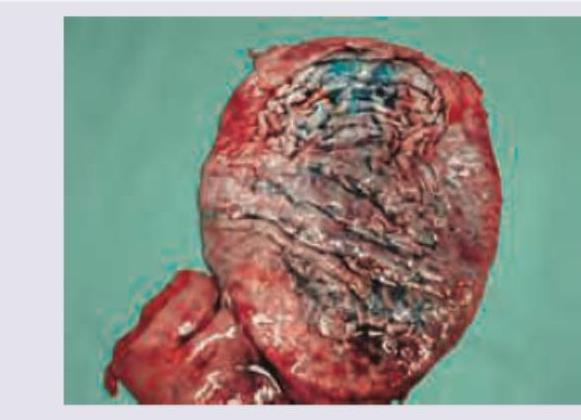
Explanation: ### Explanation **McEwan’s Sign** is a clinical finding observed in the **Stage of Coma** during acute alcohol intoxication. It is characterized by **reflex miosis** (constriction of the pupils) followed by **mydriasis** (dilation) upon stimulating the patient (e.g., slapping the cheek or pinching). This phenomenon occurs when blood alcohol levels reach or exceed **300 mg% (0.3%)**. #### Analysis of Options: * **300 mg% (Correct):** At this concentration, the patient enters a state of deep narcosis or coma. The pupils are typically constricted but react to painful stimuli by dilating and then slowly constricting again (McEwan’s Sign). * **150 mg% (Incorrect):** This level corresponds to the **Stage of Inebriation**. Clinical features include loss of self-control, slurred speech, and staggering gait. * **200 mg% (Incorrect):** This level is associated with the **Stage of Confusion**. The individual exhibits marked incoordination, sensory loss, and emotional instability. * **400 mg% (Incorrect):** At levels above 400–500 mg%, the patient enters the **Stage of Death** due to respiratory failure or cardiovascular collapse. #### High-Yield Clinical Pearls for NEET-PG: * **Widmark’s Formula:** Used to estimate the amount of alcohol ingested ($A = c \times p \times r$). * **Mellanby Effect:** Clinical impairment is more pronounced when blood alcohol levels are rising than when they are falling. * **Statutory Limit for Driving in India:** 30 mg% (0.03 g/100 ml) as per the Motor Vehicles Act. * **Fatal Dose:** Approximately 150–250 grams of absolute alcohol for an average adult. * **Post-mortem finding:** "Stomach of a drunkard" (gastric mucosa appears congested and covered with thick mucus).
Explanation: **Explanation:** The correct answer is **Barbiturate poisoning**. **1. Why Barbiturates?** In cases of acute barbiturate overdose, the urine often exhibits a characteristic **"Liquid Gold"** appearance. This is primarily due to the presence of highly concentrated metabolites and the specific chemical properties of barbiturate compounds excreted in the urine. This visual finding is a classic "spotter" in forensic toxicology and is often associated with the deep yellow, amber, or golden-yellow discoloration seen in these patients. **2. Analysis of Incorrect Options:** * **Heavy metals:** Poisoning with heavy metals like Arsenic or Mercury typically does not change urine color to "Liquid Gold." Arsenic may cause "red wine" colored urine due to hemoglobinuria in acute hemolytic phases. * **Organophosphorous (OP) poisoning:** OP poisoning is characterized by a "garlicky odor" of the breath and secretions. The urine color remains largely unchanged, though it may contain metabolites like p-nitrophenol (in parathion poisoning), which can turn urine dark yellow, but it is not described as "Liquid Gold." * **Lead poisoning:** Chronic lead poisoning (Plumbism) is associated with **coproporphyrinuria**, which may cause the urine to appear dark or burgundy under certain conditions, but the classic association is with "Burtonian lines" on gums and "basophilic stippling" of RBCs, not golden urine. **3. Clinical Pearls for NEET-PG:** * **Barbiturate Blisters:** Look for bullous lesions (clear fluid-filled vesicles) on pressure points, a high-yield cutaneous sign of barbiturate overdose. * **Treatment:** Forced Alkaline Diuresis (using Sodium Bicarbonate) is the mainstay for phenobarbital (long-acting) poisoning to enhance renal excretion. * **Other Urine Colors:** * **Green/Blue:** Phenol, Methylene blue, Amitriptyline. * **Black/Dark:** Phenol (on standing), Alkaptonuria, Quinine. * **Red/Pink:** Rifampicin, Phenolphthalein.
Explanation: **Explanation:** **Carbon Monoxide (CO) Poisoning** is a high-yield topic in Forensic Toxicology. The correct answer is **D. Blisters on skin.** 1. **Why Blisters are Correct:** In cases of acute CO poisoning, cutaneous bullae or blisters (resembling second-degree burns) are a classic, though not pathognomonic, finding. They typically occur in areas of pressure or friction and are caused by localized hypoxia and direct toxic effects on the dermal capillaries. These are often seen in patients who survive the initial exposure but remain comatose for a period before death. 2. **Analysis of Incorrect Options:** * **A. Blood thin and red colored:** While CO poisoning causes the blood to turn a characteristic **Cherry-Red** color (due to Carboxyhemoglobin), the blood is typically **not thin**. Thin, fluid blood is more characteristic of asphyxial deaths or cyanide poisoning. * **B. Congestion of all organs:** While internal organs may show a bright red hue, generalized congestion is a non-specific finding seen in many types of death (especially asphyxia) and is not a specific diagnostic marker for CO poisoning. * **C. Cyanosis:** This is the opposite of what is seen. CO poisoning presents with a **Cherry-Red discoloration** of the skin, mucous membranes, and post-mortem lividity. Cyanosis (bluish tint) occurs in conditions of hypoxia with high levels of deoxyhemoglobin, whereas CO binds to hemoglobin to form bright red carboxyhemoglobin. **High-Yield Clinical Pearls for NEET-PG:** * **Post-mortem Lividity:** Bright **Cherry-Red** (distinguish from Pinkish-red in Cyanide and Bright-red in Cold/Hypothermia). * **Mechanism:** CO has **200-250 times** higher affinity for Hemoglobin than Oxygen, causing a leftward shift of the Oxygen-Dissociation Curve. * **Brain Findings:** Bilateral necrosis of the **Globus Pallidus** is a classic autopsy finding in victims who survive the acute phase. * **Diagnosis:** Kussmaul’s test or Hoppe-Seyler’s test can be used to detect carboxyhemoglobin.
Explanation: **Explanation:** **Mercury poisoning** is the correct answer. 'Hatter’s shakes' (or Danbury shakes) refers to the characteristic coarse tremors seen in chronic inorganic mercury poisoning. Historically, felt-hat makers used mercuric nitrate to soften fur; prolonged inhalation of vapors led to neurological damage. The tremors typically begin in the fingers and eyelids, progressing to the limbs, and are often accompanied by **Erethism** (pathological shyness, irritability, and loss of confidence). **Analysis of Incorrect Options:** * **Arsenic:** Chronic poisoning presents with 'Raindrop pigmentation' of the skin, hyperkeratosis of palms/soles, and Mees' lines on nails. It does not cause the specific 'Hatter’s shakes.' * **Lead:** Chronic lead poisoning (Plumbism) is characterized by a 'wrist drop' or 'foot drop' due to peripheral neuropathy (radial nerve palsy), Burtonian lines on gums, and basophilic stippling of RBCs. * **Copper:** Acute poisoning causes 'Metal Fume Fever' or GI distress. Chronic accumulation (Wilson’s Disease) leads to Kayser-Fleischer rings in the cornea, but not the specific occupational tremors associated with the hat-making industry. **High-Yield Clinical Pearls for NEET-PG:** * **Mercury Triad:** Tremors (Hatter’s shakes), Erethism, and Gingivitis/Stomatitis. * **Minamata Disease:** Caused by organic mercury (Methylmercury) consumption via contaminated fish. * **Acrodynia (Pink Disease):** An idiosyncratic reaction to mercury in children, presenting with pinkish discoloration of hands and feet. * **Treatment:** BAL (British Anti-Lewisite) is used for inorganic mercury; however, it is contraindicated in organic mercury poisoning (use Penicillamine or DMSA instead).
Explanation: **Explanation:** **Phossy jaw** (also known as phosphorus necrosis of the jaw) is a classic occupational disease caused by chronic exposure to **White Phosphorus** (also called Yellow Phosphorus). 1. **Why White Phosphorus is correct:** White phosphorus is highly toxic and volatile. Chronic inhalation of its fumes or ingestion in small amounts (common in matchstick or firework industries) leads to its accumulation in the periosteum of the jawbones. It causes painful osteomyelitis, primarily of the mandible. The bone becomes porous, necrotic, and may eventually sequestrate, giving it a "glassy" or "moth-eaten" appearance on X-ray—hence the term "glass jaw." 2. **Why other options are incorrect:** * **Red Phosphorus:** It is relatively non-volatile, insoluble, and non-toxic. It does not cause systemic poisoning or Phossy jaw. * **Sulphur:** While used in fireworks, it does not cause bone necrosis. Chronic exposure typically leads to respiratory irritation or dermatitis. * **Mercury:** Chronic mercury poisoning (Hydrargyrism) presents with tremors (Danbury tremors), erethism (behavioral changes), and gingivitis/mercurial line, but not the deep bone necrosis seen in Phossy jaw. **High-Yield Clinical Pearls for NEET-PG:** * **Garlic Odor:** A characteristic feature of phosphorus poisoning (breath and vomitus). * **Luminous Vomit:** Phosphorus glows in the dark (phosphorescence), a key diagnostic sign in acute poisoning. * **Smoking Stool Syndrome:** Seen in acute ingestion of phosphorus. * **Treatment of Phossy Jaw:** Requires surgical debridement and cessation of exposure. Historically, this led to the first industrial safety laws (The White Phosphorus Matches Prohibition Act).
Explanation: **Explanation:** **Macewan Sign (The "Slapping" or "Pinching" Sign)** The correct answer is **Alcoholic Intoxication**. Macewan sign is a clinical test used to assess the depth of coma in acute alcohol poisoning. When the patient is in a state of alcoholic coma, if the skin of the earlobe is pinched or the face is slapped, the pupils will momentarily dilate. This is followed by a slow contraction back to their original size. This paradoxical reaction occurs due to the temporary stimulation of the sympathetic nervous system amidst profound CNS depression. **Analysis of Incorrect Options:** * **B. Organophosphorus Poisoning:** Characterized by **pinpoint pupils** (miosis) due to excessive cholinergic stimulation. The pupils do not dilate upon stimulation. * **C. Barbiturate Poisoning:** Typically presents with constricted pupils that may become dilated only in the terminal stages due to hypoxia. It does not exhibit the specific Macewan reflex. * **D. Dhatura Poisoning:** Known for causing **fixed, dilated pupils** (mydriasis) due to its anticholinergic properties. The pupils are already dilated and non-reactive. **High-Yield Clinical Pearls for NEET-PG:** * **Mydriatic (Dilated) Pupils:** Dhatura, Atropine, Cocaine, Cannabis, and Methanol. * **Miotic (Pinpoint) Pupils:** Organophosphates, Carbamates, Opioids (Morphine), and Pontine hemorrhage. * **Meltzer’s Sign:** Another sign in alcohol intoxication where the pupils react sluggishly to light. * **Key Differentiator:** In alcoholic coma, the pupils are usually dilated but retain the ability to react to painful stimuli (Macewan sign), whereas in deep Opioid coma, they remain pinpoint.
Explanation: ### Explanation **Correct Option: A. Barbiturates** Strychnine poisoning is characterized by severe, painful muscle spasms and convulsions. The underlying mechanism is the **competitive antagonism of Glycine**, which is the primary inhibitory neurotransmitter in the spinal cord. By blocking glycine at the postsynaptic receptor (Renshaw cells), strychnine leads to unchecked excitatory stimuli. **Barbiturates** (specifically IV Thiopental or Phenobarbital) are the treatment of choice because they enhance GABAergic inhibition, effectively counteracting the hyperexcitability. They serve to control convulsions, induce muscle relaxation, and prevent death from respiratory failure due to diaphragmatic spasms. Benzodiazepines (Diazepam) are also frequently used as first-line agents for the same reason. **Why other options are incorrect:** * **B. Physostigmine:** This is an acetylcholinesterase inhibitor used as an antidote for **Anticholinergic poisoning** (e.g., Datura/Atropine). It would worsen the cholinergic state and is not indicated here. * **C. Fomepizole:** This is a competitive inhibitor of alcohol dehydrogenase, used as the antidote for **Methanol** and **Ethylene glycol** poisoning. * **D. Naloxone:** This is a pure opioid antagonist used to reverse respiratory depression in **Opioid overdose**. **High-Yield Clinical Pearls for NEET-PG:** * **Risus Sardonicus:** Strychnine causes a characteristic "sardonic smile" due to spasms of facial muscles (similar to Tetanus). * **Opisthotonus:** Severe arching of the back due to powerful extensor muscle contractions. * **Mind remains clear:** Unlike epilepsy, the patient remains fully conscious and in extreme pain until death. * **Post-mortem finding:** Early onset and disappearance of **Rigor Mortis** is a classic forensic sign of strychnine poisoning.
General Principles of Toxicology
Practice Questions
Corrosive Poisons
Practice Questions
Metallic Poisons
Practice Questions
Non-Metallic Poisons
Practice Questions
Organic Irritant Poisons
Practice Questions
Neurotic Poisons
Practice Questions
Cardiac Poisons
Practice Questions
Asphyxiant Poisons
Practice Questions
Food Poisoning
Practice Questions
Drug Abuse and Dependence
Practice Questions
Analytical Toxicology Methods
Practice Questions
Interpretation of Toxicology Results
Practice Questions
Get full access to all questions, explanations, and performance tracking.
Start For Free