
Lupus Erythematosus: Systemic with Skin Manifestations — MCQs

Which of the following auto antibodies is most likely to be present in a patient with systemic lupus erythematosus?
Skin TB which involves skin after involving lymph nodes –
A lesion was seen on the face of a 42 year old patient as shown below. Which of the following would be ideal management for this condition?
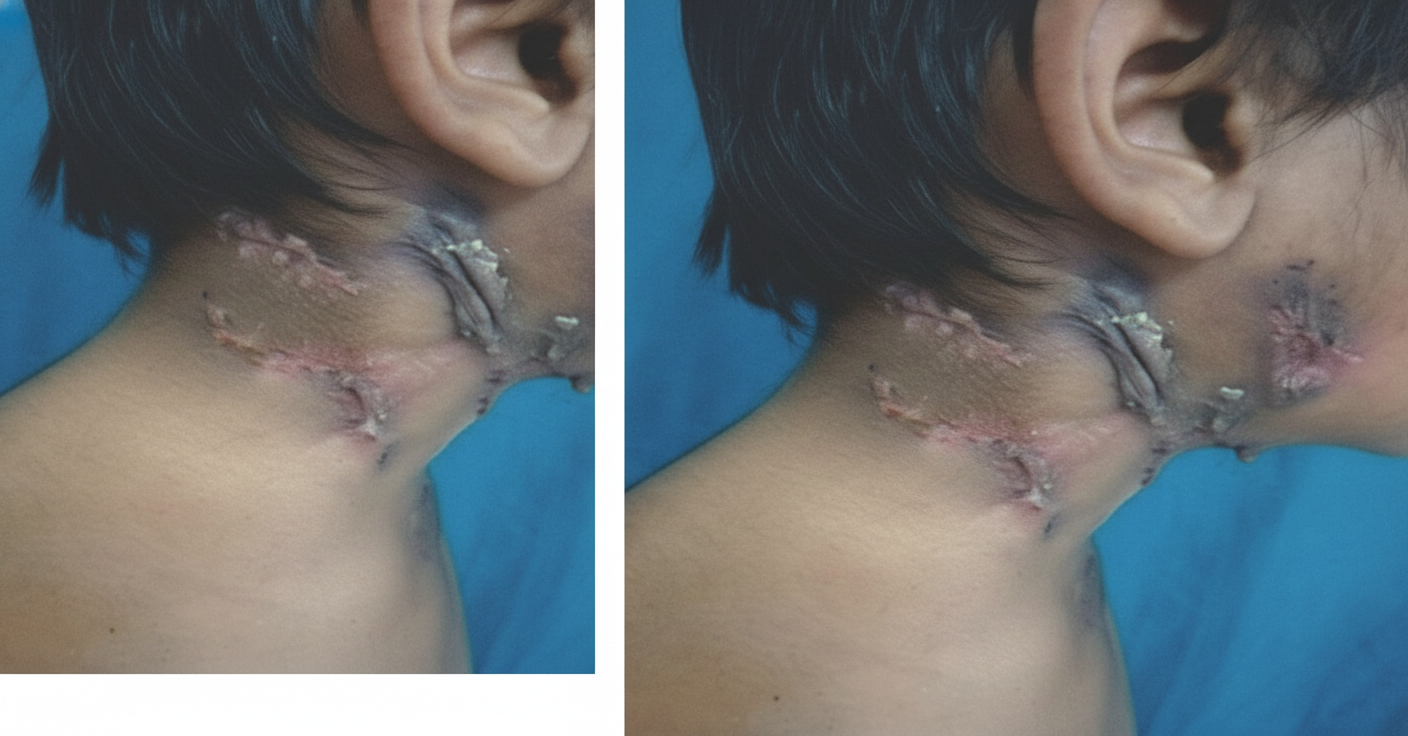
A 26-year-old female patient presented with oral ulcers, sensitivity to light and rash over the malar area of the face sparing the nasolabial folds of both sides. Which of the following is most characteristic of this condition?
A patient with typical cutaneous lesions, slightly elevated red or purple macules often covered by gray or yellow adherent scales. Forceful removal of the scale reveals numerous ‘carpet tack’ extensions. The lesion is:
Lady presents with joint pain in both knees and low-grade fever, which occurs intermittently. On examination, she has a rash on sun-exposed areas. What is the clinical diagnosis?
A young patient presents to the clinic with erythematous lesions over the exposed areas of the skin like hands, arms, chest, etc. she also complaints of arthralgia and breathlessness. Which among the following antibodies will be useful in diagnosing this condition?
A 30-year-old female presents with a butterfly rash on her face, photosensitivity, and joint pain, and laboratory tests reveal positive antinuclear antibody (ANA) and anti-double-stranded DNA (anti-dsDNA) antibodies. What is the most likely diagnosis?
Acute febrile neutrophilic dermatosis is seen in-
A female patient of 26 years, presents with oral ulcers, photosensitivity and skin malar rash in face sparing the nasolabial folds of both side.
Want unlimited practice?
Get full access to all questions, explanations, and performance tracking.
Scan to download app