Which of the following genetic diseases results from a deficiency in the liver enzyme that converts phenylalanine to tyrosine?
"Marfan-like syndrome" is associated with which of the following conditions?
Unconjugated hyperbilirubinemia is seen in which of the following conditions?
Which of the following is seen in Angelman Syndrome?
Increase in xanthine and hypoxanthine occurs in which enzyme deficiency?
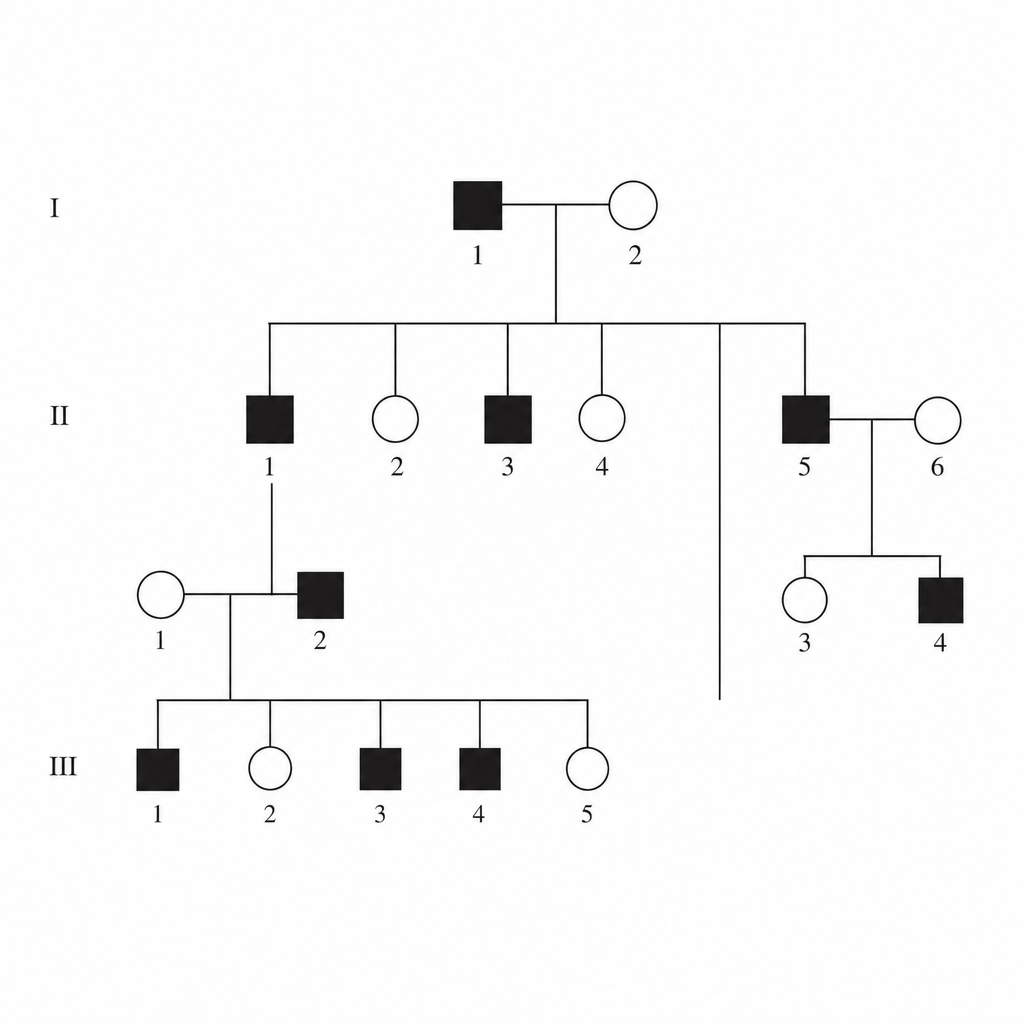
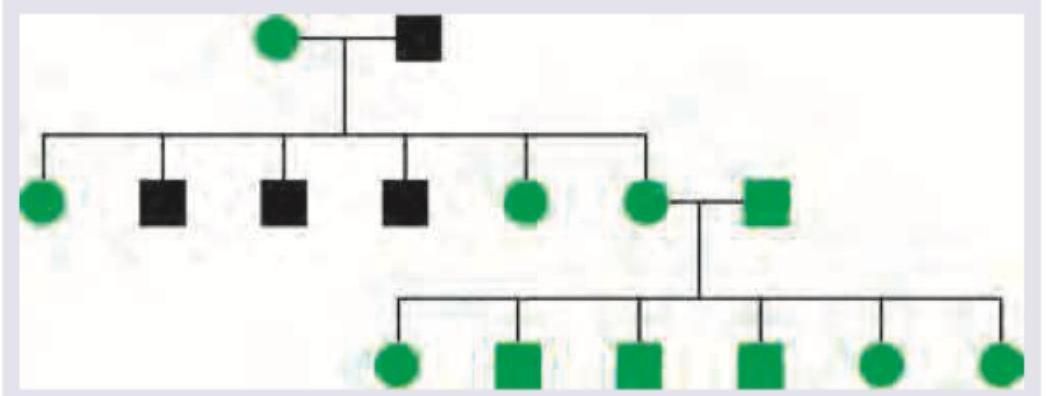
Which of the following is an X-linked dominant disorder?
Which enzyme is deficient in Galactosemia?
In intermittent porphyria, what is present in the urine?
Darkening of urine on standing is associated with which of the following conditions?
What biochemical abnormality is associated with osteogenesis imperfecta?
Explanation: **Explanation:** **Phenylketonuria (PKU)** is the correct answer because it is caused by a deficiency of the hepatic enzyme **Phenylalanine Hydroxylase (PAH)**. This enzyme normally converts the essential amino acid Phenylalanine into Tyrosine using **Tetrahydrobiopterin (BH4)** as a cofactor. When PAH is deficient, phenylalanine accumulates in the blood and is diverted into alternative pathways, forming phenylketones (e.g., phenylpyruvate), which are excreted in the urine, giving it a characteristic "mousy" or "musty" odor. **Analysis of Incorrect Options:** * **Albinism:** Results from a deficiency of **Tyrosinase**, the enzyme responsible for converting Tyrosine to Melanin. It does not involve the phenylalanine-to-tyrosine conversion. * **Homocystinuria:** A disorder of methionine metabolism, most commonly due to a deficiency of **Cystathionine beta-synthase (CBS)**, leading to elevated homocysteine levels. * **Porphyria:** Refers to a group of disorders caused by enzymatic defects in the **Heme biosynthesis pathway**, not amino acid metabolism. **NEET-PG High-Yield Pearls:** * **Inheritance:** PKU is an **Autosomal Recessive** disorder. * **Clinical Presentation:** Intellectual disability, seizures, microcephaly, and hypopigmentation (due to decreased melanin synthesis from low tyrosine). * **Diagnosis:** Screened via the **Guthrie Test** (bacterial inhibition assay) or tandem mass spectrometry. * **Management:** Dietary restriction of phenylalanine and supplementation of Tyrosine (which becomes an "essential" amino acid in PKU patients). * **Maternal PKU:** If a pregnant woman with PKU doesn't maintain a strict diet, high phenylalanine levels act as a **teratogen**, causing fetal heart defects and microcephaly.
Explanation: **Explanation:** **Homocystinuria** is the correct answer because it is a metabolic disorder characterized by an accumulation of homocysteine, which interferes with the cross-linking of collagen and elastin fibers. This biochemical defect leads to a phenotype known as **"Marfanoid habitus"** (tall stature, long extremities, and arachnodactyly). The most common cause is a deficiency of the enzyme **Cystathionine β-synthase (CBS)**. While it shares skeletal features with Marfan syndrome, a key clinical differentiator is the direction of **lens subluxation (ectopia lentis)**: in Homocystinuria, the lens typically displaces **downward and inward** (inferomedial), whereas in Marfan syndrome, it displaces upward and outward (superolateral). **Why other options are incorrect:** * **Alkaptonuria:** Caused by a deficiency of homogentisate oxidase. It presents with ochronosis (dark pigmentation of connective tissues), dark urine upon standing, and arthritis, but not Marfan-like features. * **Phenylketonuria (PKU):** Results from phenylalanine hydroxylase deficiency. Clinical hallmarks include intellectual disability, "mousy" body odor, and hypopigmentation (fair skin/blue eyes). * **Maple Syrup Urine Disease (MSUD):** Caused by a deficiency in the Branched-Chain Alpha-Keto Acid Dehydrogenase complex. It presents with a "maple syrup" odor in urine and severe neurological deterioration in infancy. **NEET-PG High-Yield Pearls:** * **Inheritance:** Homocystinuria is Autosomal Recessive (Marfan is Autosomal Dominant). * **Vascular Risk:** Patients have a high risk of **thromboembolism** and premature atherosclerosis. * **Treatment:** A subset of patients responds to high doses of **Vitamin B6 (Pyridoxine)**, which is a cofactor for CBS. * **Intellectual Disability:** Common in Homocystinuria, but absent in classic Marfan syndrome.
Explanation: **Explanation:** Hyperbilirubinemia is classified into unconjugated (pre-microsomal) and conjugated (post-microsomal) based on where the metabolic defect occurs in the liver. **Why Gilbert Syndrome is Correct:** Gilbert syndrome is a common, benign autosomal recessive condition characterized by reduced activity of the enzyme **UDP-glucuronosyltransferase (UGT1A1)**. This enzyme is responsible for conjugating bilirubin with glucuronic acid in the hepatocytes. A deficiency leads to impaired conjugation, resulting in isolated **unconjugated hyperbilirubinemia**, typically triggered by stress, fasting, or illness. **Analysis of Incorrect Options:** * **Rotor Syndrome:** An autosomal recessive condition caused by a defect in hepatic storage and re-uptake of bilirubin. It presents with **conjugated hyperbilirubinemia**. * **Dubin-Johnson Syndrome:** Caused by a mutation in the **MRP2 gene**, leading to defective excretion of conjugated bilirubin into the bile canaliculi. It presents with **conjugated hyperbilirubinemia** and a characteristic "black liver" due to melanin-like pigment deposition. * **Bile Duct Obstruction:** This is a post-hepatic (obstructive) cause of jaundice. Since the bilirubin has already been processed by the liver, it results in **conjugated hyperbilirubinemia** and features like pale stools and dark urine. **High-Yield Clinical Pearls for NEET-PG:** * **Crigler-Najjar Syndrome (Type I & II):** Also causes unconjugated hyperbilirubinemia due to UGT1A1 deficiency (Type I is total absence; Type II is severe deficiency). * **Distinguishing Dubin-Johnson vs. Rotor:** Dubin-Johnson shows a black liver and abnormal urinary coproporphyrin I levels (>80%), whereas Rotor syndrome has a normal-appearing liver. * **Gilbert Syndrome** is often a "spot diagnosis" in exams when a patient presents with mild jaundice after a period of fasting or infection with otherwise normal Liver Function Tests (LFTs).
Explanation: **Explanation:** Angelman Syndrome (AS) is a neurodevelopmental disorder caused by the loss of function of the **UBE3A gene** located on **Chromosome 15 (15q11-q13)**. This region is subject to **genomic imprinting**, where the paternal copy is normally silenced in the brain, and only the maternal copy is active. **Why "All of the Above" is Correct:** 1. **Defective Genomic Imprinting (Option C):** This is the core pathophysiology. AS occurs when the maternal contribution is lost due to a deletion (70% of cases), a mutation in the UBE3A gene, or an imprinting center defect. 2. **Uniparental Disomy (UPD) (Option A):** In ~3-5% of cases, a child inherits two copies of Chromosome 15 from the father and none from the mother (**Paternal UPD**). Since the paternal copies are silenced, there is no functional UBE3A expression, leading to AS. 3. **Obesity (Option B):** While classically associated with Prader-Willi Syndrome (PWS), significant weight gain and truncal obesity are also observed in a subset of older children and adults with Angelman Syndrome, often due to hyperphagia or reduced mobility. **Clinical Pearls for NEET-PG:** * **Mnemonic:** **M**aternal = **A**ngelman (**M**appy Puppet); **P**aternal = **P**rader-Willi. * **Clinical Triad:** "Happy Puppet" posture (ataxia/jerky movements), inappropriate laughter, and severe intellectual disability with absent speech. * **Diagnosis:** DNA methylation analysis is the initial test of choice to detect abnormal imprinting. * **Prader-Willi Syndrome (PWS):** The "sister" disorder caused by loss of the *paternal* 15q11-q13 region; characterized by neonatal hypotonia, early-onset obesity, and hypogonadism.
Explanation: ### Explanation **Correct Option: A. Xanthine Oxidase** The enzyme **Xanthine Oxidase (XO)** is responsible for the final steps of purine catabolism. It catalyzes two sequential reactions: 1. Hypoxanthine → Xanthine 2. Xanthine → Uric acid A deficiency in Xanthine Oxidase (Hereditary Xanthinuria) prevents the conversion of these precursors into uric acid. Consequently, **hypoxanthine and xanthine accumulate** in the blood and urine, while serum uric acid levels become characteristically low (hypouricemia). --- ### Analysis of Incorrect Options: * **B. HGP synthase (HGPRT):** Deficiency of Hypoxanthine-Guanine Phosphoribosyltransferase (HGPRT) causes **Lesch-Nyhan Syndrome**. This leads to a failure of the purine salvage pathway, resulting in an *overproduction* of uric acid (hyperuricemia), not an accumulation of xanthine. * **C. Urate oxidase:** This enzyme (Rasburicase) converts uric acid to allantoin. It is naturally absent in humans. Its therapeutic use reduces uric acid levels but does not cause an accumulation of xanthine/hypoxanthine. * **D. Adenosine deaminase (ADA):** ADA deficiency leads to **Severe Combined Immunodeficiency (SCID)**. It causes an accumulation of dATP, which inhibits ribonucleotide reductase, but it does not directly lead to increased xanthine levels. --- ### High-Yield Clinical Pearls for NEET-PG: * **Hereditary Xanthinuria:** Characterized by extremely low serum uric acid and potential **xanthine stones** (radiolucent) in the urinary tract. * **Allopurinol:** A drug used in gout that acts as a suicide inhibitor of Xanthine Oxidase, mimicking this deficiency to lower uric acid production. * **Diagnostic Clue:** Whenever a clinical vignette mentions **hypouricemia** (Uric acid < 2 mg/dL), think of Xanthine Oxidase deficiency or Fanconi Syndrome.
Explanation: **Explanation:** **Vitamin D Resistant Rickets (Hypophosphatemic Rickets)** is the classic prototype of an **X-linked dominant (XLD)** disorder. It is caused by mutations in the *PHEX* gene on the X chromosome, leading to impaired phosphate reabsorption in the kidneys. In XLD inheritance, a single copy of the mutated gene on the X chromosome is sufficient to cause the disease in both males and females. A key pedigree feature is that an affected father will pass the trait to **all** of his daughters but **none** of his sons. **Analysis of Incorrect Options:** * **Fragile X Syndrome:** While often associated with X-linked inheritance, it is technically classified as an **X-linked dominant disorder with variable expressivity/incomplete penetrance**. However, in standard medical examinations, Vitamin D resistant rickets is the more "pure" and frequently tested example of XLD. * **Duchenne Muscular Dystrophy (DMD):** This is a classic **X-linked recessive** disorder. It primarily affects males, while females are typically asymptomatic carriers. * **Myotonic Dystrophy:** This is an **Autosomal Dominant** disorder characterized by trinucleotide repeat expansion (CTG) and the phenomenon of anticipation. **NEET-PG High-Yield Pearls:** * **X-linked Dominant Mnemonics:** Remember "**F**ragile **A**lport's **V**itamin **I**ncontinentia" (**F**ragile X, **A**lport Syndrome, **V**itamin D resistant rickets, **I**ncontinentia Pigmenti). * **Clinical Marker:** In Vitamin D resistant rickets, look for low serum phosphate, normal serum calcium, and high urinary phosphate despite normal Vitamin D intake. * **Pedigree Rule:** If a father is affected and has a healthy daughter, the disorder **cannot** be X-linked dominant.
Explanation: ### Explanation **Correct Answer: C. Galactose 1-phosphate uridyltransferase (GALT)** **Medical Concept:** Classic Galactosemia (Type 1) is an autosomal recessive disorder caused by a deficiency of **Galactose 1-phosphate uridyltransferase (GALT)**. This enzyme is crucial for the Leloir pathway, where it converts Galactose 1-phosphate and UDP-glucose into UDP-galactose and Glucose 1-phosphate. Its deficiency leads to the toxic accumulation of Galactose 1-phosphate and galactitol in tissues like the liver, brain, and lens of the eye. **Analysis of Incorrect Options:** * **A & B (Hexosaminidase B & A):** These are lysosomal enzymes involved in sphingolipid metabolism. Deficiency of Hexosaminidase A causes **Tay-Sachs disease**, while deficiency of both A and B (due to an activator protein or subunit defect) is seen in **Sandhoff disease**. * **D (Glucocerebrosidase):** Deficiency of this enzyme leads to **Gaucher disease**, the most common lysosomal storage disorder, characterized by hepatosplenomegaly and "crumpled tissue paper" appearance of macrophages. **High-Yield Clinical Pearls for NEET-PG:** * **Clinical Triad:** Infantile cataracts, hepatosplenomegaly (jaundice/cirrhosis), and intellectual disability. * **Early Sign:** Symptoms appear shortly after starting milk feeds (lactose contains galactose). * **Diagnostic Clue:** Presence of **reducing sugars** in urine (Clinitest positive) but a negative glucose oxidase test (Dipstick negative). * **Infection Risk:** Increased susceptibility to **E. coli neonatal sepsis**. * **Management:** Immediate exclusion of lactose and galactose from the diet.
Explanation: **Explanation:** **Acute Intermittent Porphyria (AIP)** is an autosomal dominant metabolic disorder caused by a deficiency of the enzyme **Porphobilinogen (PBG) deaminase** (also known as HMB synthase). This enzyme is responsible for converting Porphobilinogen into Hydroxymethylbilane. When this enzyme is deficient, there is a proximal buildup of the precursors **Porphobilinogen (PBG)** and **Delta-aminolevulinic acid (ALA)**. These metabolites are excreted in the urine. A classic clinical sign is that the urine is normal in color when fresh but turns **dark/port-wine colored** upon standing or exposure to light, due to the spontaneous oxidation of PBG into porphobilin. **Analysis of Incorrect Options:** * **A & D (Biliverdin and Bilirubin):** These are bile pigments derived from the catabolism of heme (breakdown of old RBCs). They are associated with jaundice and hepatobiliary disorders, not primary defects in the heme synthesis pathway. * **B (Uroporphyrin):** While uroporphyrins are found in the urine of patients with *Porphyria Cutanea Tarda* (the most common porphyria), they are not the primary diagnostic marker for the acute phase of AIP. **High-Yield Clinical Pearls for NEET-PG:** * **The 5 P’s of AIP:** **P**ainful abdomen, **P**ort-wine urine, **P**olyneuropathy, **P**sychological disturbances, and **P**recipitated by drugs (e.g., Barbiturates, Sulfonamides). * **Diagnostic Test:** The **Ehrlich’s aldehyde test** is used to detect PBG in the urine. * **Key Enzyme:** AIP is caused by a deficiency in **PBG Deaminase**; it is unique because it does **not** present with photosensitivity (unlike other porphyrias). * **Management:** Treatment includes glucose infusion and intravenous **Hemin**, which inhibits ALA synthase via feedback inhibition to reduce precursor production.
Explanation: **Explanation:** **Alkaptonuria** is the correct answer because it is an autosomal recessive disorder caused by a deficiency of the enzyme **Homogentisate Oxidase**. This leads to the accumulation of **Homogentisic Acid (HGA)** in the body. When urine containing HGA is exposed to air (standing), the HGA undergoes oxidation and polymerization to form a melanin-like pigment called **alkapton**, which turns the urine dark or black. **Analysis of Incorrect Options:** * **Cystinuria:** A defect in the renal transport of COLA (Cystine, Ornithine, Lysine, Arginine). It leads to hexagonal cystine stones but does not cause darkening of urine. * **Fabry’s Disease:** An X-linked lysosomal storage disorder (α-galactosidase A deficiency). It presents with angiokeratomas, peripheral neuropathy, and renal failure, but not pigmenturia. * **Tyrosinemia:** Caused by defects in the tyrosine degradation pathway (e.g., Fumarylacetoacetate hydrolase in Type I). While related to the same pathway as Alkaptonuria, it presents with liver failure and a "cabbage-like" odor, not darkening of urine. **High-Yield Clinical Pearls for NEET-PG:** 1. **Ochronosis:** The deposition of black pigment in connective tissues (cartilage, sclera, ears) is a hallmark of Alkaptonuria. 2. **Arthritis:** Large joint arthritis (especially the spine and hips) is a common long-term complication due to pigment deposition. 3. **Diagnostic Test:** Addition of **Benedict’s reagent** gives a strongly positive result (reducing property of HGA) and a transient deep blue color with **Ferric Chloride test**. 4. **Treatment:** Low protein diet and **Nitisinone** (inhibits 4-hydroxyphenylpyruvate dioxygenase to reduce HGA production).
Explanation: ### Explanation **Correct Option: D (Increased phosphorylase enzyme)** Osteogenesis Imperfecta (OI), or "Brittle Bone Disease," is primarily a genetic defect in the synthesis of **Type I Collagen** (COL1A1 or COL1A2 genes). While the hallmark is bone fragility, the disease is associated with a **hypermetabolic state**. In patients with OI, there is a documented increase in **cellular phosphorylase activity**. This enzyme facilitates glycogenolysis (the breakdown of glycogen into glucose-1-phosphate). The resulting increase in metabolic rate often manifests clinically as excessive sweating (diaphoresis), heat intolerance, and occasionally mild hyperthermia, especially during anesthesia. This biochemical finding is a classic, high-yield association for postgraduate exams. **Analysis of Incorrect Options:** * **A. Increased Alkaline Phosphatase (ALP):** While ALP is a marker of osteoblast activity, it is typically **normal** in most types of OI. It may only rise transiently during the healing phase of an acute fracture. * **B. Increased Acid Phosphatase:** This is a marker of osteoclast activity (resorption) or prostatic pathology. It is not a diagnostic or characteristic biochemical feature of OI. * **C. Increased Bicarbonate Ion:** There is no primary association between OI and systemic alkalosis or increased bicarbonate levels. **Clinical Pearls for NEET-PG:** * **Inheritance:** Most commonly Autosomal Dominant. * **Triad:** Fragile bones (multiple fractures), **Blue Sclera** (due to thinning of collagen allowing uveal pigment to show), and **Early-onset Hearing Loss** (otosclerosis). * **Dentition:** Often associated with *Dentinogenesis Imperfecta* (translucent, discolored teeth). * **Type II OI:** The most severe form, often lethal in the perinatal period due to pulmonary hypoplasia.
Single Gene Disorders
Practice Questions
Biochemical Diagnosis of Genetic Disorders
Practice Questions
Inborn Errors of Metabolism
Practice Questions
Lysosomal Storage Diseases
Practice Questions
Glycogen Storage Diseases
Practice Questions
Disorders of Lipoprotein Metabolism
Practice Questions
Disorders of Purine and Pyrimidine Metabolism
Practice Questions
Hemoglobinopathies
Practice Questions
Porphyrias
Practice Questions
Biochemical Markers for Disease Diagnosis
Practice Questions
Newborn Screening for Genetic Disorders
Practice Questions
Enzyme Replacement Therapy
Practice Questions
Get full access to all questions, explanations, and performance tracking.
Start For Free