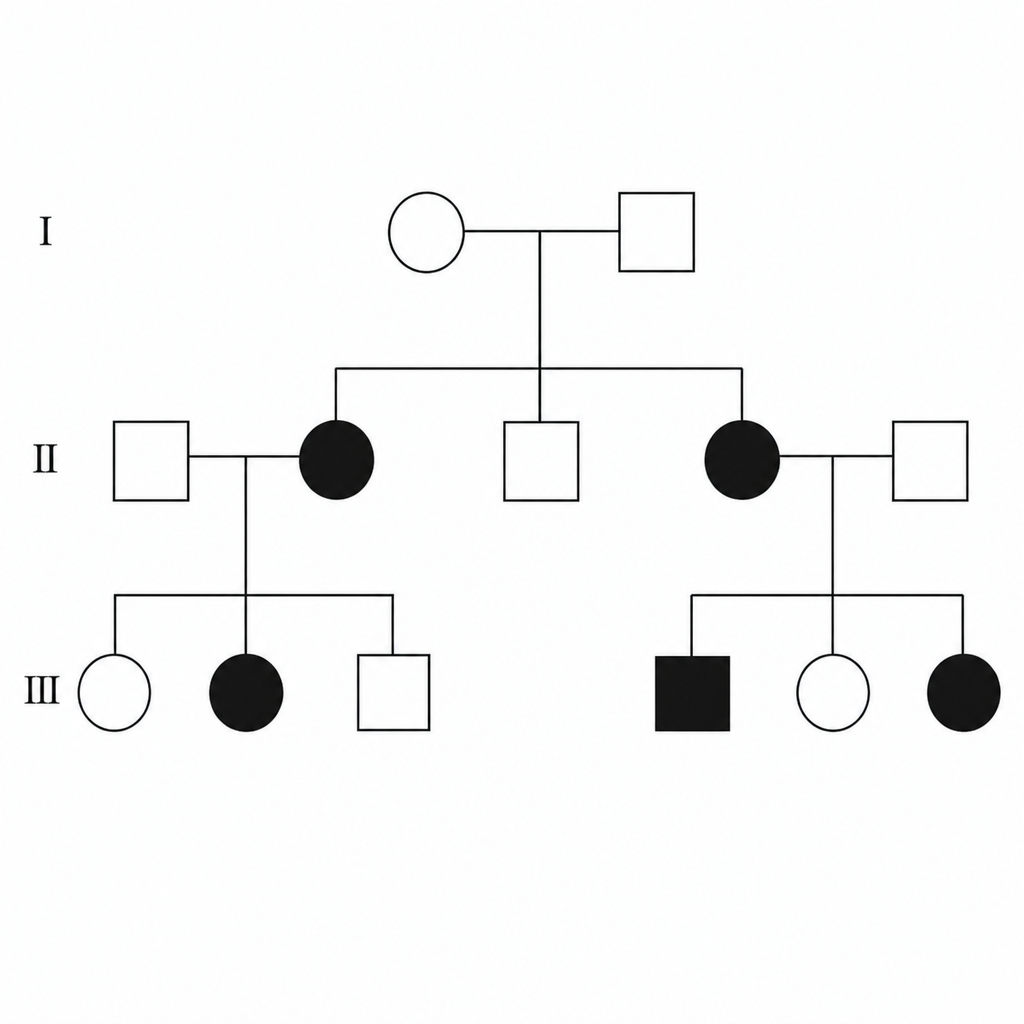
Galactosemia commonly is due to deficiency of which enzyme?
Alpha fetoprotein is synthesized from which of the following structures?
Abnormality involving which chromosome is seen in Hunter syndrome?
All of the following are excreted in Cysteinuria EXCEPT?
What was the first successful somatic gene therapy performed for?
Defect in which of the following proteins leads to Rett syndrome?
Decarboxylation of valine, leucine, and isoleucine is defective in which of the following conditions?
Enzyme replacement therapy is available for which of the following disorders?
A 2-year-old male presents with developmental delay, kinky hair, and hypotonia. What is the diagnosis?
Atavism means a child resembles with his:
Explanation: **Explanation:** Galactosemia is an autosomal recessive disorder of galactose metabolism. The term "Classic Galactosemia" specifically refers to the deficiency of **Galactose-1-phosphate uridyl transferase (GALT)**. **1. Why Option A is Correct:** In the normal Leloir pathway, galactose is first phosphorylated to Galactose-1-phosphate by galactokinase. The GALT enzyme then catalyzes the conversion of Galactose-1-phosphate and UDP-glucose into UDP-galactose and Glucose-1-phosphate. A deficiency in GALT leads to the toxic accumulation of Galactose-1-phosphate and galactitol in tissues like the liver, brain, and renal tubules, causing the classic clinical triad of hepatomegaly (cirrhosis), cataracts, and intellectual disability. **2. Why Other Options are Incorrect:** * **Option B & C:** Galactose-1 phosphatase and Glucose-1 phosphatase are not primary regulatory enzymes in the major pathways of galactose or glucose metabolism; their deficiency does not result in a recognized clinical syndrome like galactosemia. * **Option D:** **Glucose-6 phosphatase** deficiency causes **Von Gierke Disease (GSD Type I)**, characterized by severe fasting hypoglycemia and hepatomegaly, but it does not impair galactose-to-glucose conversion in the same manner. **Clinical Pearls for NEET-PG:** * **Most Common Enzyme:** GALT deficiency (Classic Galactosemia) is the most common and severe form. * **Early Sign:** Infantile cataracts due to **aldose reductase** converting excess galactose to **galactitol** (osmotic damage). * **Diagnostic Clue:** Presence of non-glucose reducing sugars in urine (positive Benedict's test, negative glucose oxidase test). * **Infection Risk:** Increased susceptibility to **E. coli sepsis** in neonates. * **Management:** Immediate withdrawal of lactose/galactose from the diet (switch to soy milk).
Explanation: **Explanation:** **Alpha-fetoprotein (AFP)** is a major plasma protein produced during fetal development. It is the fetal analog of adult serum albumin. 1. **Why Yolk Sac is Correct:** AFP synthesis begins early in gestation. It is initially produced by the **yolk sac** and later by the **fetal liver** (which becomes the primary source as the pregnancy progresses) and the gastrointestinal tract. Since the yolk sac is the earliest site of hematopoiesis and protein synthesis, it is the classic answer for the origin of AFP. 2. **Why Other Options are Incorrect:** * **Placenta:** While the placenta produces hormones like hCG and hPL, it does not synthesize AFP. AFP enters the maternal circulation from the amniotic fluid via the placenta, but it is not produced there. * **Fetal Brain:** The brain does not synthesize AFP. However, AFP levels are clinically significant in detecting **Neural Tube Defects (NTDs)**; when the neural tube fails to close, AFP leaks from the fetal serum into the amniotic fluid. * **Fetal Kidney:** The fetal kidneys excrete AFP into the amniotic fluid (via fetal urine), but they are not the site of synthesis. **High-Yield Clinical Pearls for NEET-PG:** * **Elevated AFP:** Associated with Neural Tube Defects (Anencephaly, Spina bifida), Omphalocele, Gastroschisis, and Multiple gestations. * **Decreased AFP:** Associated with **Down Syndrome (Trisomy 21)**, Edward syndrome (Trisomy 18), and molar pregnancy. * **Adult Marker:** In adults, AFP is a sensitive tumor marker for **Hepatocellular Carcinoma (HCC)** and **Non-seminomatous germ cell tumors** (specifically Yolk Sac Tumors/Endodermal Sinus Tumors).
Explanation: **Explanation:** **Hunter Syndrome (Mucopolysaccharidosis Type II)** is caused by a deficiency of the enzyme **Iduronate-2-sulfatase**. This leads to the systemic accumulation of heparan sulfate and dermatan sulfate. 1. **Why the Correct Answer is Right:** Unlike all other Mucopolysaccharidoses (MPS), which are inherited in an autosomal recessive pattern, Hunter syndrome is inherited in an **X-linked recessive** manner. Therefore, the genetic abnormality is located on the **X chromosome** (specifically at Xq28). This means the disease predominantly affects males, while females are typically asymptomatic carriers. 2. **Why the Incorrect Options are Wrong:** * **Y chromosome:** Very few genetic disorders are Y-linked; the Y chromosome does not carry the gene for Iduronate-2-sulfatase. * **Chromosome 21:** This is associated with Down Syndrome (Trisomy 21), not lysosomal storage disorders. * **Chromosome 22:** This is associated with conditions like DiGeorge syndrome (22q11.2 deletion) or Metachromatic Leukodystrophy (ARSA gene), but not Hunter syndrome. **NEET-PG High-Yield Pearls:** * **Mnemonic:** "The **Hunter** needs an **X** to hit the mark and has **No Clouds** in his eyes." * **Key Clinical Difference:** Hunter syndrome is clinically similar to Hurler syndrome (MPS I) but is distinguished by the **absence of corneal clouding** and a generally slower progression. * **Clinical Features:** Coarse facial features, hepatosplenomegaly, joint stiffness, and hearing loss. * **Diagnosis:** Increased urinary excretion of heparan and dermatan sulfate; confirmed by enzyme assay or genetic testing.
Explanation: **Explanation:** **Cystinuria** is an autosomal recessive disorder characterized by a defect in the **COAL transporter** (Cystine, Ornithine, Arginine, and Lysine) located in the proximal convoluted tubules of the kidney and the small intestine. 1. **Why Option B (Cysteine) is the correct answer:** The defect specifically involves the transport of **Cystine** (the disulfide dimer of cysteine), not the monomeric amino acid **Cysteine**. Cysteine is highly soluble and is not lost in the urine in this condition. Therefore, Cysteine is NOT excreted in Cystinuria. 2. **Analysis of Incorrect Options:** The mnemonic **COAL** helps identify the four amino acids that share a common transport system and are excreted in excess due to the reabsorption defect: * **Cystine (Option A):** The primary clinical concern. It is poorly soluble in acidic urine, leading to the formation of hexagonal crystals and renal calculi. * **Ornithine (Option D) & Arginine (Option C):** Along with **Lysine**, these are dibasic amino acids that utilize the same defective transporter. While they are excreted in large amounts, they are highly soluble and do not form stones. **High-Yield Clinical Pearls for NEET-PG:** * **Diagnosis:** The **Cyanide-Nitroprusside test** is the screening test of choice (turns purple/magenta). * **Microscopy:** Pathognomonic **hexagonal (6-sided) crystals** in the urine. * **Stone Characteristics:** Radiopaque (due to sulfur content), though less dense than calcium stones. * **Management:** High fluid intake, urinary alkalinization (pH > 7.5), and chelating agents like **Penicillamine** (which forms a soluble complex with cysteine).
Explanation: ### Explanation **Correct Answer: A. Severe Combined Immunodeficiency (SCID)** The first successful somatic gene therapy was performed in **1990** at the National Institutes of Health (NIH) on a four-year-old girl, Ashanti DeSilva, suffering from **Adenosine Deaminase (ADA) deficiency**, a form of SCID. **Medical Concept:** ADA deficiency leads to the accumulation of deoxyadenosine, which is toxic to T and B lymphocytes, causing profound immunodeficiency. In this landmark procedure, white blood cells (T-lymphocytes) were extracted from the patient, a functional copy of the ADA gene was inserted using a **retroviral vector**, and the genetically corrected cells were infused back into the patient. This restored her immune function significantly. **Analysis of Incorrect Options:** * **B. Phenylketonuria (PKU):** While PKU is a classic target for gene therapy research (targeting the liver), successful clinical application lagged behind SCID due to the complexity of targeting hepatocytes effectively. * **C. Thalassemia:** Gene therapy for β-thalassemia (targeting hematopoietic stem cells) has seen recent success (e.g., Zynteglo), but these breakthroughs occurred decades after the initial SCID trials. * **D. Cystic Fibrosis:** Early trials in the 1990s using adenovirus vectors to deliver the CFTR gene to lung epithelium were largely unsuccessful due to transient expression and inflammatory immune responses. **High-Yield Clinical Pearls for NEET-PG:** * **Vector used:** Retroviruses are commonly used for SCID gene therapy because they integrate the therapeutic gene into the host genome. * **ADA Deficiency:** It is the second most common cause of SCID (the most common is X-linked SCID due to IL-2 receptor γ-chain mutation). * **Biochemical marker:** Look for increased **dATP** levels in RBCs, which inhibits ribonucleotide reductase and halts DNA synthesis.
Explanation: **Explanation:** **Rett Syndrome** is an X-linked dominant neurodevelopmental disorder that primarily affects females (it is typically lethal in hemizygous males). The correct answer is **Methyl cytosine binding protein (MeCP2)**. 1. **Why Option B is correct:** The molecular basis of Rett syndrome lies in mutations of the **MECP2 gene**, located on the X chromosome. This gene encodes the **Methyl-CpG-binding protein 2**. Normally, this protein binds to methylated cytosine residues (CpG islands) in DNA and recruits histone deacetylases (HDACs) to condense chromatin, effectively **silencing gene expression**. In Rett syndrome, the defective MeCP2 protein fails to silence target genes, leading to inappropriate gene expression during critical stages of brain development. 2. **Why other options are incorrect:** * **Option A (Histone acetyl transferase):** These enzymes add acetyl groups to histones, usually promoting gene expression. Defects in related co-activators (like CBP) are seen in **Rubinstein-Taybi syndrome**, not Rett syndrome. * **Option C (Ten-eleven translocation - TET):** TET proteins are involved in DNA *demethylation* (converting 5-mC to 5-hmC). While important in epigenetics, they are not the primary defect in Rett syndrome. * **Option D (DNA methylase):** These enzymes (DNMTs) add methyl groups to DNA. While they provide the "signal" for MeCP2 to bind, the defect in Rett syndrome is in the **reader** of the signal (MeCP2), not the writer (DNMT). **High-Yield Clinical Pearls for NEET-PG:** * **Clinical Presentation:** Characterized by a period of normal development (6–18 months) followed by **regression** of language and motor skills. * **Pathognomonic Sign:** Repetitive **hand-wringing** or "hand-washing" stereotypies. * **Inheritance:** X-linked dominant; most cases arise from *de novo* mutations in the paternal germline. * **Key Association:** Deceleration of head growth (acquired microcephaly) and seizures.
Explanation: ### Explanation **Correct Answer: A. Maple Syrup Urine Disease (MSUD)** **Mechanism:** Maple Syrup Urine Disease is caused by a deficiency in the **Branched-Chain Alpha-Keto Acid Dehydrogenase (BCKAD)** complex. This multi-enzyme complex is responsible for the **oxidative decarboxylation** of the alpha-keto acids derived from the three branched-chain amino acids (BCAAs): **Valine, Leucine, and Isoleucine**. When this enzyme is defective, these amino acids and their corresponding keto acids accumulate in the blood and spill into the urine, giving it a characteristic burnt sugar or maple syrup odor. **Analysis of Incorrect Options:** * **B. Hartnup Disease:** This is a transport defect involving the neutral amino acid transporter in the kidneys and intestines. It primarily leads to a deficiency of **Tryptophan**, resulting in pellagra-like symptoms. It does not involve decarboxylation defects. * **C. Alkaptonuria:** This is a defect in the enzyme **Homogentisate oxidase** within the Phenylalanine/Tyrosine catabolic pathway. It leads to the accumulation of homogentisic acid, causing dark urine and ochronosis. * **D. GM1 Gangliosidosis:** This is a lysosomal storage disorder caused by a deficiency of **Acid beta-galactosidase**, leading to the accumulation of GM1 gangliosides in the CNS and visceral organs. **High-Yield Facts for NEET-PG:** * **Mnemonic for BCAAs:** "LIV" (Leucine, Isoleucine, Valine). * **Clinical Presentation:** Poor feeding, vomiting, psychomotor delay, and the classic **maple syrup odor** of urine/earwax. * **Diagnostic Marker:** Elevated levels of **Alloisoleucine** in the plasma is pathognomonic for MSUD. * **Cofactors:** The BCKAD complex requires five cofactors (similar to Pyruvate Dehydrogenase): **T**hiamine (B1), **R**iboflavin (B2), **N**iacin (B3), **P**antothenic acid (B5), and **L**ipoic acid (**T**ender **R**oving **N**ights **P**lease **L**ove). Some patients respond to high doses of Thiamine.
Explanation: **Explanation:** **1. Why Gaucher’s Disease is Correct:** Gaucher’s disease, the most common lysosomal storage disorder (LSD), is caused by a deficiency of the enzyme **Glucocerebrosidase** (Acid $\beta$-glucosidase). It was the first LSD for which **Enzyme Replacement Therapy (ERT)** was successfully developed. Recombinant enzymes like **Imiglucerase**, Velaglucerase alfa, and Taliglucerase are the standard of care, particularly for Type 1 (non-neuronopathic) Gaucher’s. ERT effectively reduces hepatosplenomegaly and improves hematological parameters (anemia/thrombocytopenia). **2. Analysis of Incorrect Options:** * **Niemann-Pick Disease:** Caused by Sphingomyelinase deficiency. While ERT (Olipudase alfa) has recently been approved for non-CNS manifestations of Type B, it is not yet considered the "classic" or primary answer in standard postgraduate exams compared to Gaucher’s. Type A (neuronopathic) remains untreatable by ERT due to the blood-brain barrier. * **Mucolipidosis:** These are disorders of protein trafficking (e.g., I-cell disease) where multiple enzymes are missing from lysosomes. ERT is not a viable strategy because the underlying defect is in the Golgi-based tagging (Mannose-6-Phosphate), not a single enzyme deficiency. * **Metachromatic Leukodystrophy:** Caused by Arylsulfatase A deficiency. It primarily affects the CNS (demyelination). Standard ERT cannot cross the blood-brain barrier effectively, making it an ineffective primary treatment for this condition. **3. NEET-PG High-Yield Pearls:** * **Gaucher Cells:** Characterized by "wrinkled paper" or "crumpled silk" appearance of the cytoplasm (lipid-laden macrophages). * **Other ERT-treatable LSDs:** Fabry’s disease (Agalsidase beta), Pompe disease (Alglucosidase alfa), and Hunter/Hurler syndromes. * **Substrate Reduction Therapy (SRT):** Miglustat and Eliglustat are oral alternatives for Gaucher’s that work by inhibiting the synthesis of the substrate.
Explanation: **Explanation:** **Menkes Disease (Correct Answer):** Menkes disease (Steely Hair Syndrome) is an **X-linked recessive** disorder caused by a mutation in the **ATP7A gene**. This gene encodes a copper-transporting ATPase responsible for the absorption of copper from the intestine into the bloodstream. * **Pathophysiology:** Impaired copper absorption leads to severe systemic copper deficiency. This affects copper-dependent enzymes like **Lysyl oxidase** (causing defective collagen cross-linking and kinky hair) and **Tyrosinase** (causing hypopigmentation). * **Clinical Presentation:** Characterized by the triad of **kinky/steely hair** (pili torti), **developmental delay/seizures**, and **hypotonia**. **Why other options are incorrect:** * **Wilson’s Disease:** Caused by a mutation in the **ATP7B gene**, leading to copper *overload* (toxic accumulation) in the liver and brain. It typically presents in older children or adolescents with hepatic or neuropsychiatric symptoms and Kayser-Fleischer rings. * **Zinc Deficiency:** Presents with **Acrodermatitis enteropathica** (periorificial and acral dermatitis), alopecia, and diarrhea, but does not feature the characteristic kinky hair or severe neurodegeneration seen in Menkes. * **Cerebral Palsy:** While it causes hypotonia and developmental delay, it is a non-progressive motor disorder usually linked to birth asphyxia and lacks the biochemical markers or hair abnormalities of Menkes. **High-Yield Pearls for NEET-PG:** * **Gene:** ATP7**A** (Menkes = **A**bsorption/ **A**bsent copper); ATP7**B** (Wilson = **B**iliary excretion defect). * **Hair Microscopy:** Shows **Pili torti** (twisted hair). * **Biochemical marker:** Low serum copper and low serum ceruloplasmin. * **Enzyme affected:** Lysyl oxidase (leads to lax skin and vascular aneurysms).
Explanation: **Explanation:** **Atavism** (also known as "evolutionary throwback" or "reversion") refers to the reappearance of a genetic trait in an organism after a period of absence, usually skipping one or more generations. In medical genetics, it describes a child who resembles their **grandparents** or more distant ancestors rather than their immediate parents. **Why Grandparents is correct:** Atavism occurs due to the inheritance of **recessive genes** or the reactivation of "dormant" genetic programs. A trait may be phenotypically silent in the parents (who are heterozygous carriers) but becomes expressed in the offspring when they inherit the specific alleles, making the child phenotypically similar to the grandparent who originally displayed the trait. **Analysis of Incorrect Options:** * **Father/Siblings:** Resemblance to immediate family members is standard vertical or horizontal inheritance. Atavism specifically implies a "jump" or "throwback" over generations. * **Neighbour:** This is genetically irrelevant in the context of biological inheritance and atavism. **High-Yield Clinical Pearls for NEET-PG:** 1. **Biological Examples:** Classic examples of atavistic traits in humans include the presence of a **vestigial tail** (coccygeal projection), large canines, or **hypertrichosis** (excessive body hair). 2. **Mechanism:** It often results from **pseudogene reactivation** or mutations that override the suppression of ancestral genes. 3. **Distinction:** Do not confuse Atavism with **Telegony** (the debunked theory that a previous mate can influence the heredity of subsequent offspring). 4. **Clinical Correlation:** In syndromic presentations, "atavistic" features are often evaluated as dysmorphic features during a physical examination to identify underlying chromosomal anomalies.
Single Gene Disorders
Practice Questions
Biochemical Diagnosis of Genetic Disorders
Practice Questions
Inborn Errors of Metabolism
Practice Questions
Lysosomal Storage Diseases
Practice Questions
Glycogen Storage Diseases
Practice Questions
Disorders of Lipoprotein Metabolism
Practice Questions
Disorders of Purine and Pyrimidine Metabolism
Practice Questions
Hemoglobinopathies
Practice Questions
Porphyrias
Practice Questions
Biochemical Markers for Disease Diagnosis
Practice Questions
Newborn Screening for Genetic Disorders
Practice Questions
Enzyme Replacement Therapy
Practice Questions
Get full access to all questions, explanations, and performance tracking.
Start For Free