Techniques used for protein expression proteomics study include:
Who was awarded the Nobel Prize for determining the amino acid sequence of insulin?
Methionine can enter the TCA cycle at which level?
Which of the following is a feature of Phenylketonuria?
Separation of proteins based on size is done by
What is the primary purpose of xenobiotic metabolism?
Proteins are separated on the basis of charge in ?
Final common pathway of metabolism of carbohydrate, lipids, and protein metabolism is?
A 6-year-old presents with developmental delay, musty body odor, and fair skin. Lab tests show high phenylalanine levels. What is the most appropriate management?
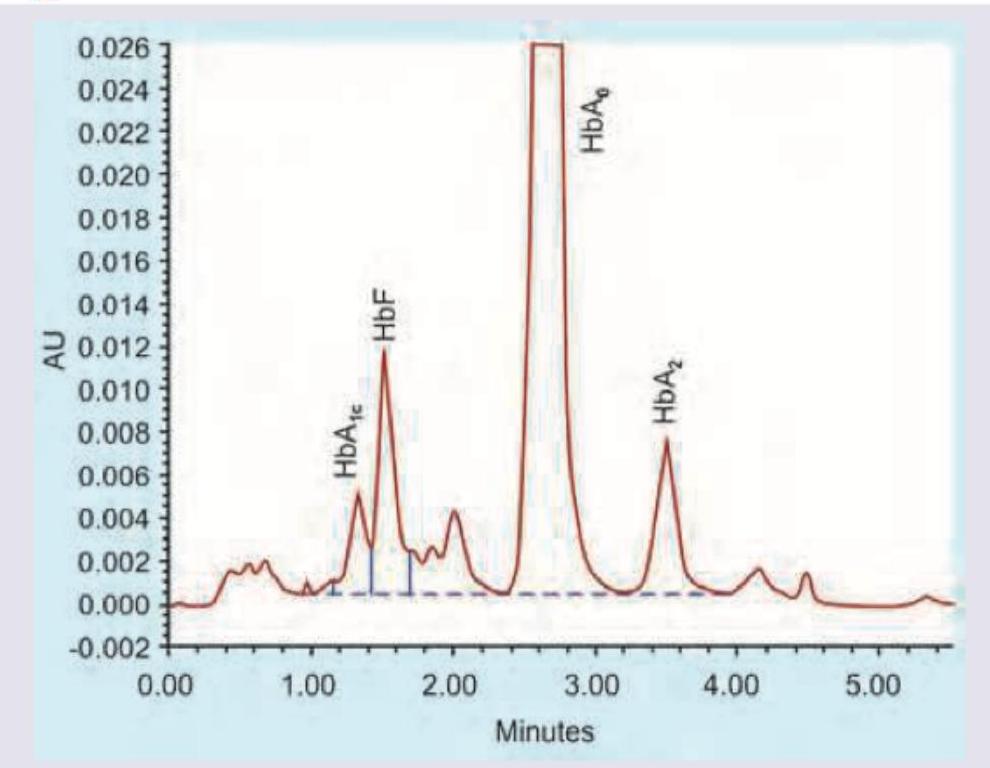
The technique shown in the image is:
Explanation: ***All of the options*** - All listed techniques—**Polyacrylamide Gel Electrophoresis (PAGE)**, **Gene Expression Analysis**, and **Mass Spectrometry**—are used in protein expression proteomics studies, either directly or indirectly, to analyze and quantify proteins. - The integration of these various techniques provides a comprehensive approach to understanding protein expression profiles. *PolyAcrylamide Gel Electrophoresis (PAGE)* - **PAGE** (including 1D and 2D-PAGE) is a fundamental technique for separating proteins based on their **molecular weight** and **isoelectric point**, which is crucial for visualizing and quantifying expressed proteins. - It often serves as an initial separation step before more detailed analysis, such as **mass spectrometry**. *Gene Expression Analysis (indirectly related to proteomics)* - Although **gene expression analysis** (e.g., using **RT-PCR** or **microarrays**) measures mRNA levels, it is indirectly related to proteomics because mRNA levels often **correlate with protein levels**. - It provides insights into the **transcriptional regulation** that influences protein expression, complementing direct protein analysis. *Mass Spectrometry* - **Mass spectrometry** is a powerful and widely used technique in proteomics for **identifying, quantifying, and characterizing proteins** and peptides by measuring their **mass-to-charge ratio**. - It can be used for both **discovery proteomics** (identifying novel proteins) and **targeted proteomics** (quantifying specific proteins).
Explanation: ***Sanger*** - **Frederick Sanger** was awarded the Nobel Prize in Chemistry in 1958 for his work on the **structure of proteins**, specifically for determining the **amino acid sequence of insulin**. - His method involved breaking down the protein into smaller fragments and then sequencing these fragments to reconstruct the entire protein structure. *Banting & Macleod* - **Frederick Banting** and **John Macleod** received the Nobel Prize in Physiology or Medicine in 1923 for the **discovery of insulin** itself. - Their work focused on isolating and demonstrating the therapeutic effects of insulin in treating diabetes. *Paul Berg* - **Paul Berg** was awarded the Nobel Prize in Chemistry in 1980 for his fundamental studies of the **biochemistry of nucleic acids**, particularly for his work on **recombinant DNA technology**. - His contributions were pivotal in the development of genetic engineering. *Charles Best* - **Charles Best** was a medical scientist who assisted Frederick Banting in the **discovery of insulin**. - While central to the discovery, he was not included in the Nobel Prize awarded to Banting and Macleod, though Banting shared his prize money with Best.
Explanation: ***Succinyl - CoA*** - Methionine is a **glucogenic amino acid** that is catabolized to propionyl-CoA, which is then converted to **methylmalonyl-CoA** and finally to **succinyl-CoA**. - **Succinyl-CoA** is an intermediate of the **TCA cycle**, allowing methionine-derived carbons to enter the cycle. *Fumarate* - Fumarate is an intermediate of the TCA cycle, but methionine catabolism does not directly produce **fumarate**. - Amino acids like **phenylalanine** and **tyrosine** can be catabolized to fumarate. *Oxaloacetate* - **Oxaloacetate** is a TCA cycle intermediate and can be formed from **pyruvate** (via pyruvate carboxylase) or from certain amino acids like **aspartate** and **asparagine**. - Methionine does not directly convert to oxaloacetate. *Citrate* - **Citrate** is the first intermediate formed in the TCA cycle when **acetyl-CoA** combines with **oxaloacetate**. - Methionine catabolism does not lead to the direct formation of citrate.
Explanation: ***Intellectual disability*** - Unmanaged **phenylketonuria (PKU)** leads to a toxic buildup of **phenylalanine** in the brain, causing severe and irreversible **intellectual disability**. - This neurotoxic effect is the primary and most devastating long-term consequence if not diagnosed and treated early. *Seizures* - While seizures can occur in **untreated PKU** due to neurotoxicity, they are a less consistent feature compared to intellectual disability. - Seizures typically occur in the context of severe, untreated disease and are considered a complication rather than a defining diagnostic feature. - Intellectual disability is the more universal and characteristic neuropsychiatric manifestation of PKU. *Loss of deep tendon reflexes* - This is not a typical feature of PKU; patients usually present with **increased muscle tone** and **hyperreflexia** due to neurological damage. - Loss of deep tendon reflexes is more characteristic of certain peripheral neuropathies or disorders affecting lower motor neurons. *Macrocephaly* - **Microcephaly**, rather than macrocephaly, can occasionally be observed in severe, untreated PKU due to impaired brain growth. - Macrocephaly is generally associated with conditions like hydrocephalus or certain genetic syndromes, not PKU. *All of the options* - This option is incorrect because the loss of deep tendon reflexes and macrocephaly are not characteristic features of PKU. - While seizures can occur, intellectual disability is the most defining and consistent feature among the options provided.
Explanation: ***SDS-Polyacrylamide gel electrophoresis*** - **SDS-PAGE** separates proteins primarily based on their **molecular weight** (size). - Proteins are denatured and coated with negatively charged **SDS**, causing them to migrate through a polyacrylamide gel based on size. *Affinity chromatography* - This technique separates proteins based on their **specific binding affinity** to a ligand. - It does not directly separate based on size, but rather on **molecular recognition**. *High performance liquid chromatography* - **HPLC** is a chromatographic technique that separates molecules in a complex mixture, but the primary basis of separation depends on the column type. - While some HPLC methods (**size-exclusion HPLC**) can separate by size, it is a broader technique and not the most specific answer for protein size separation in general context. *Ion exchange chromatography* - This method separates proteins based on their **net charge** at a particular pH. - Proteins bind to a charged resin and are eluted by increasing salt concentration or changing pH, not based on size.
Explanation: ***Increase water solubility*** - The primary goal of xenobiotic metabolism is to make these foreign compounds more **hydrophilic** (water-soluble). - This increased water solubility facilitates their **excretion** from the body via urine or bile. *Increase lipid solubility* - Increasing **lipid solubility** would make xenobiotics more likely to accumulate in **adipose tissue** and pass through cell membranes, hindering their excretion. - This is the opposite of the desired outcome for xenobiotic elimination. *Make them nonpolar* - Making xenobiotics **nonpolar** would be equivalent to increasing their lipid solubility, as nonpolar molecules tend to be lipid-soluble. - This would impede excretion and potentially lead to **bioaccumulation**, which is harmful. *None of the options* - This option is incorrect because xenobiotic metabolism specifically aims to increase **water solubility** for elimination.
Explanation: ***Ion-exchange chromatography*** - **Ion-exchange chromatography** specifically separates proteins based on their **net surface charge** at a given pH. - A charged stationary phase (cation or anion exchanger) binds to proteins with opposite charges, and proteins are eluted using a salt gradient or pH change. - Proteins with stronger charge interactions elute last, allowing separation based purely on charge differences. *Affinity chromatography* - This technique separates proteins based on **specific binding interactions** between the protein and a ligand immobilized on the stationary phase (e.g., antibody-antigen, enzyme-substrate). - It does not primarily separate based on overall charge. *Ultracentrifugation* - This method separates molecules based on their **size, shape, and density** (sedimentation rate) in a high-speed centrifuge. - It is not primarily used to separate proteins based on their charge. *SDS-PAGE* - **SDS-PAGE** (Sodium Dodecyl Sulfate-Polyacrylamide Gel Electrophoresis) separates proteins primarily based on their **molecular weight** (size). - Proteins are denatured and coated with negatively charged SDS, masking their intrinsic charge and giving them a uniform charge-to-mass ratio.
Explanation: ***TCA (Tricarboxylic Acid Cycle)*** - The **TCA cycle** (also called Krebs cycle or citric acid cycle) is the **final common oxidative pathway** where all three macronutrients converge - **Carbohydrates** → Pyruvate → **Acetyl-CoA** (via pyruvate dehydrogenase) - **Lipids** → Fatty acids → **Acetyl-CoA** (via beta-oxidation) - **Proteins** → Amino acids → **Acetyl-CoA or TCA intermediates** (via deamination/transamination) - Complete oxidation of acetyl-CoA occurs in the TCA cycle, producing **NADH, FADH2, and GTP** for energy production *Gluconeogenesis* - This is a **biosynthetic pathway** that synthesizes glucose from non-carbohydrate precursors (lactate, glycerol, amino acids) - It is an **anabolic process**, not the catabolic final common pathway for energy production from all macronutrients *Glycolysis* - **Carbohydrate-specific pathway** that converts glucose to pyruvate - It is only the initial breakdown pathway for carbohydrates, not the common pathway where lipids and proteins also converge - Pyruvate from glycolysis must enter TCA cycle for complete oxidation *HMP pathway (Pentose Phosphate Pathway)* - Parallel pathway to glycolysis that generates **NADPH** (for biosynthesis and antioxidant defense) and **ribose-5-phosphate** (for nucleotide synthesis) - Processes only **glucose-6-phosphate** from carbohydrate metabolism - Not involved in lipid or protein metabolism integration
Explanation: ***Low-phenylalanine diet*** - The patient's symptoms (developmental delay, musty body odor, fair skin) and high **phenylalanine levels** are classic for **phenylketonuria (PKU)**. - Management primarily involves a strict **low-phenylalanine diet** to prevent further neurological damage. - This is the **cornerstone of PKU management** and must be initiated as early as possible. *Tetrahydrobiopterin (BH4) supplementation* - While **BH4 (sapropterin)** can be beneficial in some patients with **BH4-responsive PKU** (a subset of PKU cases), it is not first-line management. - BH4 testing is performed after diagnosis, but dietary restriction remains the primary treatment. - Not all PKU patients respond to BH4, and it's used as an adjunct, not a replacement for dietary management. *Avoidance of ascorbic acid* - **Ascorbic acid** (vitamin C) is generally not contraindicated in PKU and does not impact phenylalanine metabolism. - This intervention is not relevant to the management of PKU. *Vitamin D supplementation* - While vitamin D supplementation might be necessary for general health, especially in children with restricted diets, it is not the primary treatment for **phenylketonuria (PKU)**. - It does not directly address the elevated phenylalanine levels. *High-protein diet* - A **high-protein diet** would exacerbate the condition, as proteins are a major source of phenylalanine. - This would lead to even higher phenylalanine levels and worsen the symptoms of PKU.
Explanation: ***High performance liquid chromatography*** - The image displays a **chromatogram** with distinct peaks labeled HbA1c, HbF, HbA0, and HbA2, separated based on their chemical properties. - This separation and detection method is characteristic of **High Performance Liquid Chromatography (HPLC)**, a technique used for quantifying different hemoglobin fractions. *Tandem mass spectrometry* - **Tandem mass spectrometry (MS/MS)** identifies compounds based on their mass-to-charge ratio and fragmentation patterns, which would look like mass spectra, not peaks on a time-based chromatogram. - While MS/MS is highly sensitive and specific, it doesn't produce the type of **elution profile** seen in the image. *Haemoglobin electrophoresis* - **Hemoglobin electrophoresis** separates hemoglobins based on their electrical charge, resulting in bands on a gel or a densitometric scan, not the **distinct chromatogram peaks** shown here. - While used for hemoglobin analysis, the visual representation is typically different, often displaying bands that reflect migration distance. *Gel electrophoresis* - **Gel electrophoresis** separates molecules, such as proteins or nucleic acids, by size and charge through a gel matrix, producing distinct **bands** that can be visualized. - This method would not produce the continuous **elution peaks over time** as observed in the provided graph, which indicates a liquid chromatography technique.
Get full access to all questions, explanations, and performance tracking.
Start For Free