Mendelson's syndrome refers to what?
All are true regarding endotracheal intubation except?
Which of the following should be the ventilator settings for tidal volume in a patient with ARDS?
When wheezing occurs intraoperatively, which of the following measures is NOT appropriate?
A patient with a head injury presents with a Glasgow Coma Scale of 8, a mid-face fracture, cyanosis, decreased breathing with frequent apnea, and hypoxia. What is the most appropriate method for airway maintenance?
Muscle rigidity caused by fentanyl is primarily due to its action on which opioid receptor?
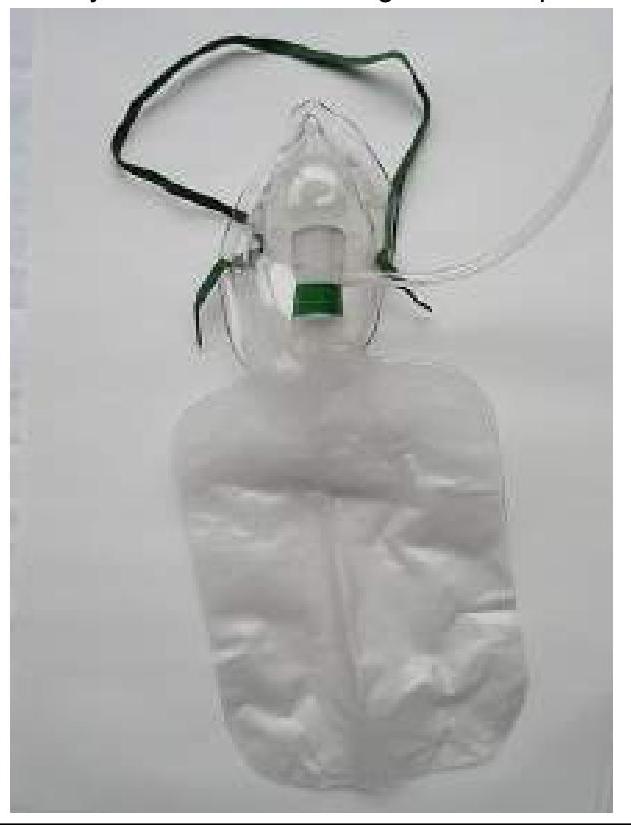
With a fixed performance mask such as a Venturi mask, which of the following is true?
Blind nasal intubation is not indicated in which of the following conditions?
Which statement best describes high air flow oxygen enriched (HiAFOE) devices?
Intermittent Positive Pressure Ventilation (IPPV) can cause which of the following?
Explanation: **Explanation:** **Mendelson’s Syndrome** is a chemical pneumonitis caused by the aspiration of acidic gastric contents, typically occurring during general anesthesia. It was first described by Curtis Mendelson in 1946 in obstetric patients. The syndrome is characterized by the rapid onset of bronchospasm, cyanosis, tachycardia, and dyspnea, often leading to pulmonary edema or respiratory failure. **Why Option A is Correct:** The pathophysiology depends on the **pH and volume** of the aspirate. For Mendelson’s syndrome to occur, the gastric aspirate must typically have: 1. A **pH < 2.5** (highly acidic). 2. A **Volume > 0.4 ml/kg** (approx. 25 ml in an average adult). The acid causes immediate chemical burning of the alveolar-capillary membrane, leading to an inflammatory response rather than a bacterial infection. **Why Other Options are Incorrect:** * **Option B:** Rupture of a bronchial tuberculoma leads to endobronchial tuberculosis or localized inflammation, not the acute chemical pneumonitis described by Mendelson. * **Option C:** Transient pneumonitis of allergic origin refers to **Löffler’s syndrome**, characterized by eosinophilic pulmonary infiltrates, often due to parasites. * **Option D:** Tracheal compression due to nodal enlargement is a mechanical airway obstruction (e.g., seen in lymphomas or sarcoidosis), not an aspiration event. **High-Yield Clinical Pearls for NEET-PG:** * **Prophylaxis:** Use of H2 blockers (Ranitidine), Proton Pump Inhibitors (Pantoprazole), or non-particulate antacids (Sodium Citrate) to increase gastric pH. * **Management:** Immediate suctioning, supplemental oxygen, and supportive ventilation. **Antibiotics and Steroids** are generally not indicated unless secondary infection or specific complications arise. * **Risk Factors:** Pregnancy (due to increased intra-abdominal pressure and relaxed lower esophageal sphincter), obesity, and emergency surgeries ("Full Stomach").
Explanation: **Explanation** In the context of endotracheal intubation, the goal is to confirm correct placement and ensure patient safety. Option **A** is the correct answer because it is a **false statement**. In an apneic patient (even after pre-oxygenation), oxygen saturation ($SpO_2$) does not remain above 90% for a fixed duration of 2 minutes for everyone. The rate of desaturation depends on the patient's Functional Residual Capacity (FRC) and metabolic rate. For example, in obese patients, children, or pregnant women, $SpO_2$ can fall below 90% in less than 1 minute. **Analysis of other options:** * **Option B (Presence of $CO_2$ in expired air):** This is the **Gold Standard** for confirming tracheal intubation. Detection of $CO_2$ via capnography for at least 5–6 breaths confirms the tube is in the airway and not the esophagus. * **Option C (Inserted under direct vision):** During conventional laryngoscopy, the primary goal is to visualize the vocal cords (glottis) and pass the tube through them to ensure tracheal placement. * **Option D (Bilateral chest movement):** This is a clinical sign of successful intubation. Observing symmetrical chest rise and auscultating bilateral breath sounds helps rule out esophageal intubation and endobronchial (one-sided) intubation. **Clinical Pearls for NEET-PG:** * **Gold Standard Confirmation:** Capnography (ETCO2). * **Most reliable clinical sign:** Visualizing the tube passing through the vocal cords. * **Pre-oxygenation:** Aim is to replace nitrogen in the FRC with oxygen ("Denitrogenation"), providing a safety buffer of apnea time. * **First sign of esophageal intubation:** Absence of $CO_2$ waveforms on capnography and gurgling sounds over the epigastrium.
Explanation: **Explanation:** The primary goal in managing a patient with **Acute Respiratory Distress Syndrome (ARDS)** is to prevent **Ventilator-Induced Lung Injury (VILI)**. The correct answer is **C (5-7 ml/kg)** because it adheres to the principles of **Lung Protective Ventilation**. **1. Why 5-7 ml/kg is correct:** In ARDS, the functional lung volume is significantly reduced due to edema and alveolar collapse (often called the **"Baby Lung" concept**). Using traditional tidal volumes can lead to **volutrauma** (overdistension of alveoli) and **barotrauma**. The ARDSNet protocol recommends a low tidal volume strategy, typically starting at 6 ml/kg of **Predicted Body Weight (PBW)**, to minimize alveolar stretch and reduce mortality. The range of 5-7 ml/kg aligns with this evidence-based practice. **2. Why other options are incorrect:** * **Options A & B (8-12 ml/kg):** These represent traditional tidal volumes used in healthy lungs. In ARDS, these high volumes cause excessive plateau pressures, leading to alveolar rupture and systemic inflammatory release (biotrauma). * **Option D (4 ml/kg):** While ultra-low tidal volumes are sometimes used in research or with ECMO, 4 ml/kg is generally too low for standard management as it can lead to severe permissive hypercapnia and significant atelectasis unless specialized rescue therapies are in place. **High-Yield Clinical Pearls for NEET-PG:** * **Calculation Base:** Always use **Predicted Body Weight (PBW)** based on height and sex, NOT actual body weight, to calculate tidal volume. * **Plateau Pressure:** The goal is to keep Plateau Pressure (**Pplat**) **< 30 cm H₂O**. * **Permissive Hypercapnia:** It is often acceptable to allow PaCO₂ to rise (and pH to drop to ~7.25) to maintain low-volume ventilation. * **Driving Pressure:** (Pplat - PEEP) is a strong predictor of survival; the goal is usually **< 15 cm H₂O**.
Explanation: **Explanation:** Intraoperative wheezing is a clinical emergency often indicating **bronchospasm**. The primary goal is to relieve airway obstruction and improve oxygenation. **Why Option A is the Correct Answer (NOT appropriate):** Intratracheal administration of **mucolytic agents** (like N-acetylcysteine) is contraindicated during acute intraoperative bronchospasm. These agents are highly irritating to the respiratory mucosa and can paradoxically trigger or worsen bronchospasm by stimulating airway reflexes. Furthermore, they increase the volume of secretions, which can further obstruct a narrowed airway in an anesthetized patient. **Analysis of Incorrect Options:** * **B. Volatile anesthetic agents:** Most volatile agents (especially Halothane, Sevoflurane, and Isoflurane) are potent **bronchodilators**. Increasing the concentration of these agents is a standard first-line treatment for intraoperative bronchospasm. * **C. Rechecking breath sounds:** This is a vital diagnostic step. Wheezing can be mimicked by a kinked endotracheal tube, endobronchial intubation (one-sided sounds), or pulmonary edema. Rule out mechanical causes before assuming it is purely pharmacological. * **D. Intravenous hydrocortisone:** Corticosteroids are essential for reducing airway inflammation and preventing the late-phase response of bronchoconstriction, although their onset of action is delayed (4–6 hours). **High-Yield Clinical Pearls for NEET-PG:** * **First step in management:** Switch to 100% Oxygen and manually ventilate to assess lung compliance ("tight bag" feel). * **Drug of choice for acute bronchospasm:** Inhaled $\beta_2$-agonists (Salbutamol) via MDI into the breathing circuit. * **Ketamine** is the induction agent of choice for patients with active wheezing due to its sympathomimetic bronchodilatory effects. * **Avoid Desflurane** in patients with reactive airways as it is pungent and can trigger coughing or laryngospasm.
Explanation: **Explanation:** The management of a trauma patient follows the **ATLS (Advanced Trauma Life Support)** protocol, where airway maintenance with cervical spine protection is the first priority. **Why Cricothyrotomy is the Correct Choice:** This patient presents with a "difficult airway" triad: 1. **Low GCS (8):** Indicates the need for a definitive airway to prevent aspiration and manage ventilation. 2. **Mid-face Fracture:** Severe facial trauma is a contraindication for nasal intubation and often makes oral intubation technically impossible or hazardous due to bleeding, distorted anatomy, or the risk of intracranial entry (in cribriform plate fractures). 3. **Respiratory Failure (Cyanosis/Apnea):** The patient requires immediate intervention. When "cannot intubate, cannot ventilate" scenarios occur—especially in the presence of extensive maxillofacial trauma—a **surgical airway (Cricothyrotomy)** is the definitive procedure of choice to bypass the upper airway obstruction. **Analysis of Incorrect Options:** * **A. Oropharyngeal Airway:** This is an airway adjunct, not a definitive airway. It does not protect against aspiration or provide positive pressure ventilation in an apneic patient. * **B. Orotracheal Airway:** While usually the first-line definitive airway, it is often contraindicated or impossible in severe mid-face fractures due to anatomical disruption and the risk of aggravating injuries. * **C. Nasotracheal Airway:** Strictly contraindicated in mid-face or suspected basal skull fractures due to the risk of accidental **intracranial insertion** of the tube through the fractured cribriform plate. **NEET-PG High-Yield Pearls:** * **GCS ≤ 8** is a classic indication for a definitive airway ("8, isolate the state"). * **Cricothyrotomy** is preferred over tracheostomy in emergencies because it is faster and involves less bleeding. * **Contraindication:** Surgical cricothyrotomy is generally avoided in children under 12 years (due to the risk of subglottic stenosis); **needle cricothyrotomy** is preferred in this age group.
Explanation: **Explanation:** **Muscle rigidity** (specifically "Wooden Chest Syndrome") is a well-known side effect of rapid, high-dose intravenous administration of potent synthetic opioids like **fentanyl**, sufentanil, and remifentanil. 1. **Why Mu (μ) is correct:** The mechanism is primarily mediated by **Mu-opioid receptors** located in the **striatum** (basal ganglia) and the **substantia nigra**. Activation of these receptors inhibits GABAergic neurons, leading to a decrease in GABA release. This results in the disinhibition of central dopaminergic pathways, causing increased motor outflow and intense skeletal muscle contraction, particularly in the thoracic and abdominal muscles. This rigidity can make bag-mask ventilation nearly impossible. 2. **Why other options are incorrect:** * **Kappa (κ):** These receptors are primarily associated with spinal analgesia, sedation, and dysphoria/hallucinations. They do not play a significant role in opioid-induced muscle rigidity. * **Delta (δ):** These receptors contribute to supraspinal/spinal analgesia and modulation of Mu-receptor activity but are not the primary mediators of motor rigidity. * **Sigma (σ):** Formerly classified as an opioid receptor, it is now considered a non-opioid receptor. It is associated with antitussive effects and psychotomimetic effects (like those seen with ketamine), not muscle rigidity. **Clinical Pearls for NEET-PG:** * **Management:** The definitive treatment for fentanyl-induced chest wall rigidity is the administration of a **muscle relaxant** (e.g., Succinylcholine) and endotracheal intubation. Opioid antagonists like **Naloxone** can reverse it but will also abolish analgesia. * **Prevention:** Administer fentanyl slowly and in lower doses. * **High-Yield Fact:** Rigidity is most common with **lipophilic** opioids that rapidly cross the blood-brain barrier.
Explanation: ### Explanation **Concept Overview:** A Venturi mask is a **High-Flow (Fixed Performance)** oxygen delivery device. It operates on the **Bernoulli principle** and the **Venturi effect**: as oxygen passes through a narrow orifice, its velocity increases, creating a negative pressure that entrains a specific, constant volume of room air through side ports. **Why Option C is Correct:** For an oxygen delivery system to provide a fixed, guaranteed $FiO_2$ (regardless of the patient’s breathing pattern), the **total gas flow** (Oxygen + Entrained Air) must meet or exceed the patient’s **Peak Inspiratory Flow Rate (PIFR)**, which is typically 25–30 L/min in a resting adult. Because the Venturi mask provides high total flows (often >40 L/min), the patient does not need to draw in extra room air from around the mask, ensuring the $FiO_2$ remains constant. **Analysis of Incorrect Options:** * **Option A (Rebreathing):** High total flow rates constantly flush out exhaled $CO_2$ through the exhalation ports, making rebreathing virtually impossible. * **Option B (Plugging side holes):** Plugging the holes prevents air entrainment. While this might seem to increase concentration, it actually destroys the Venturi mechanism, reduces total flow, and makes the $FiO_2$ unpredictable and unsafe. * **Option D (Dead space):** Because of the high-flow "flush-out" effect, these masks have negligible functional equipment dead space. **NEET-PG High-Yield Pearls:** * **Ideal for COPD:** Venturi masks are the gold standard for COPD patients with type II respiratory failure, where precise $FiO_2$ (e.g., 24% or 28%) is required to avoid suppressing the hypoxic respiratory drive. * **$FiO_2$ Range:** Typically delivers 24% to 60% oxygen. * **Color Coding:** Different valves/jets are color-coded (e.g., Blue = 24% at 2L/min; Green = 35% at 8L/min). * **Variable vs. Fixed:** Nasal cannulas and simple face masks are "Variable Performance" because the $FiO_2$ changes with the patient's inspiratory rate.
Explanation: **Explanation:** The correct answer is **Basilar skull fracture** (and by extension, CSF otorrhea/rhinorrhea, which are signs of such a fracture). **1. Why Basilar Skull Fracture is the Correct Answer:** Blind nasal intubation is strictly contraindicated in patients with suspected or confirmed basilar skull fractures. The underlying medical concept is the loss of structural integrity of the **cribriform plate** of the ethmoid bone. During a blind procedure, the endotracheal tube can inadvertently pass through the fracture site and enter the **intracranial space**, leading to catastrophic brain injury, meningitis, or pneumocephalus. **2. Analysis of Incorrect Options:** * **A. TMJ Ankylosis:** This is a classic indication for blind nasal intubation. Since the patient cannot open their mouth, traditional direct laryngoscopy is impossible. Nasal intubation allows the tube to bypass the oral cavity. * **B. Impossible Laryngoscopy:** In cases of "cannot intubate" situations due to anatomical variations (e.g., Grade IV Cormack-Lehane view), blind nasal intubation serves as a traditional rescue technique in a breathing patient. * **C. CSF Otorrhea:** While CSF otorrhea is a sign of a skull base fracture, the question asks for the most definitive contraindication. In clinical practice, any sign of a basal skull fracture (Battle’s sign, Raccoon eyes, CSF leak) makes nasal instrumentation contraindicated. However, the fracture itself is the primary pathology. **3. High-Yield Clinical Pearls for NEET-PG:** * **Indications:** Blind nasal intubation is best performed in **spontaneously breathing** patients where oral access is restricted (e.g., trismus, orofacial trauma, or TMJ ankylosis). * **Contraindications:** Absolute contraindications include basilar skull fractures, nasal mass/polyps, severe coagulopathy (risk of epistaxis), and apnea (requires rapid controlled airway). * **Technique Tip:** Listening for **breath sounds** through the tube is the most critical step in guiding the tube into the glottis during a blind nasal procedure.
Explanation: ### Explanation **High Air Flow Oxygen Enriched (HiAFOE)** devices, most commonly represented by the **Venturi mask**, are classified as **fixed performance devices**. **1. Why Option B is Correct:** The core principle of HiAFOE devices is that they provide a **total gas flow** (oxygen + entrained room air) that meets or exceeds the patient’s peak inspiratory flow rate (typically >30 L/min). Because the device provides the entire inspired atmosphere, the fraction of inspired oxygen (**FiO₂**) remains **constant and predictable**, regardless of the patient’s respiratory rate, tidal volume, or inspiratory flow pattern. **2. Why the Other Options are Incorrect:** * **Option A:** Variable performance devices (e.g., nasal cannulas, simple face masks) deliver FiO₂ that fluctuates based on the patient's breathing pattern. HiAFOE devices are the opposite; they are **fixed performance**. * **Option C:** These devices utilize **air entrainment** (Bernoulli’s principle/Venturi effect) where high-velocity oxygen draws in room air. They do not "entrain oxygen"; they entrain air to dilute a pure oxygen source to a specific concentration. * **Option D:** They require **open (loose-fitting) masks** with large exhalation ports. Since the device provides the total flow required, a tight seal is unnecessary and would interfere with the washout of expired CO₂. **High-Yield Clinical Pearls for NEET-PG:** * **Bernoulli Principle:** The pressure drop across a narrowing allows for air entrainment. * **COPD Patients:** HiAFOE/Venturi masks are the **gold standard** for patients with Type 2 Respiratory Failure (COPD) because they prevent the delivery of excessive oxygen, which could otherwise abolish the hypoxic respiratory drive. * **Color Coding:** Venturi valves are color-coded for specific FiO₂ (e.g., Blue = 24%, White = 28%, Yellow = 35%, Red = 40%, Green = 60%).
Explanation: **Explanation:** **Intermittent Positive Pressure Ventilation (IPPV)** involves the mechanical delivery of air into the lungs under positive pressure. Unlike physiological breathing, which relies on negative intrathoracic pressure, IPPV creates a pressure gradient that can lead to specific complications. **Why Barotrauma is the Correct Answer:** Barotrauma refers to tissue damage caused by excessive pressure. During IPPV, if the peak inspiratory pressure (PIP) or plateau pressure is too high, it can lead to the overdistension and rupture of alveoli. This allows air to escape into extra-alveolar spaces, manifesting as **pneumothorax**, pneumomediastinum, or subcutaneous emphysema. It is a classic complication of mechanical ventilation, especially in patients with low lung compliance (e.g., ARDS). **Why Other Options are Incorrect:** * **B. Pleural Effusion:** This is an accumulation of fluid in the pleural space, usually due to heart failure, infection, or malignancy. IPPV does not cause effusion; in fact, the positive pressure may slightly decrease the formation of transudative fluid by increasing intrathoracic pressure. * **C. Pulmonary Edema:** IPPV is actually a **treatment** for pulmonary edema (especially cardiogenic). The positive pressure increases alveolar pressure, which opposes the transudate of fluid from capillaries into the alveoli and reduces venous return (preload), thereby relieving the heart. **High-Yield Clinical Pearls for NEET-PG:** * **Volutrauma:** Damage caused by high tidal volumes (overdistension), even if pressures are not excessively high. * **Biotrauma:** Release of inflammatory mediators due to mechanical stress on the lungs. * **Hemodynamic Effect:** IPPV increases intrathoracic pressure, which decreases venous return (preload), potentially leading to **hypotension**, especially in hypovolemic patients. * **Protective Lung Ventilation:** To prevent barotrauma, clinicians use low tidal volumes (6 mL/kg) and keep plateau pressures below 30 cm H₂O.
Respiratory Physiology
Practice Questions
Airway Anatomy
Practice Questions
Preoxygenation Techniques
Practice Questions
Mask Ventilation
Practice Questions
Supraglottic Airway Devices
Practice Questions
Direct Laryngoscopy
Practice Questions
Video Laryngoscopy
Practice Questions
Fiberoptic Intubation
Practice Questions
Surgical Airway Management
Practice Questions
One-Lung Ventilation Techniques
Practice Questions
Ventilation Strategies During Anesthesia
Practice Questions
Extubation Criteria and Techniques
Practice Questions
Get full access to all questions, explanations, and performance tracking.
Start For Free