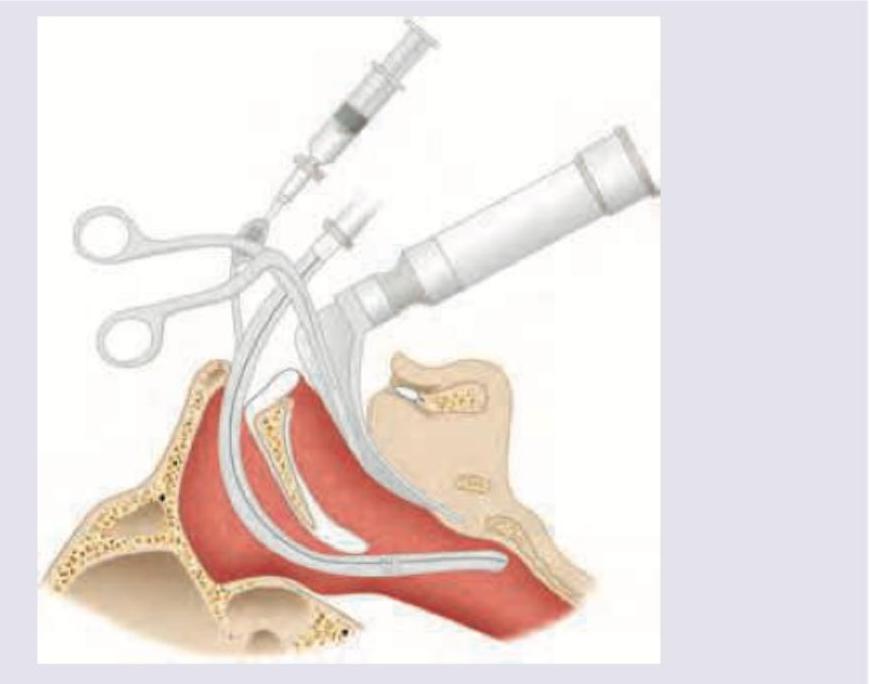
Which of the following is NOT true regarding type-III respiratory failure?
What is the first step in cardiopulmonary resuscitation (CPR)?
Which of the following always indicates obstruction to the airway?
Diffusion hypoxia is seen during which phase of anesthesia?
All of the following are true about the Laryngeal Mask Airway (LMA) except:
What is a laser tube?
Which intravenous anesthetic is a potent bronchodilator and the choice of agent in an asthmatic patient?
What would be the first line of treatment if a patient develops ventricular fibrillation after intravenous injection of potassium chloride?
Intubation-induced laryngeal spasm cannot be prevented by which of the following?
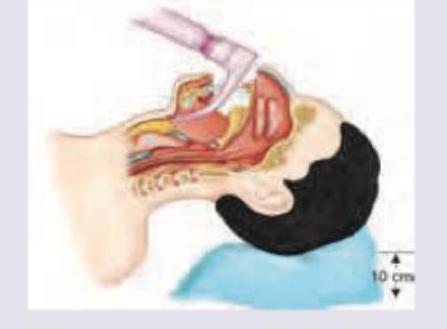
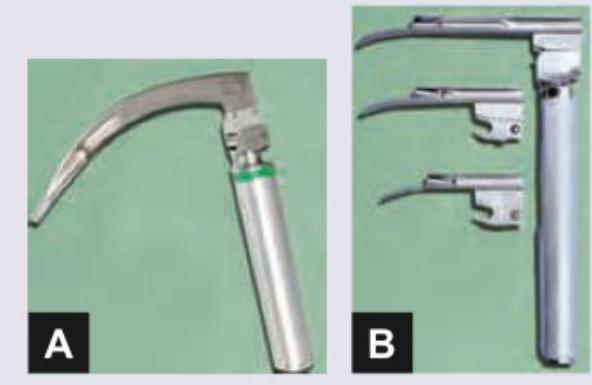
Which of the following is considered a definitive airway?
Explanation: ### Explanation **Type-III Respiratory Failure** is specifically defined as **perioperative respiratory failure**. It occurs primarily due to a decrease in Functional Residual Capacity (FRC) in the setting of abnormal abdominal wall mechanics or surgery, leading to **atelectasis**. **1. Why Option B is the correct answer (The "False" statement):** Impaired central nervous system (CNS) drive to breathe is the hallmark of **Type-IV respiratory failure** (shock-related or associated with hypoperfusion/sedation) or sometimes categorized under Type-II (hypercapnic) failure. In Type-III, the drive to breathe is usually intact, but the mechanical efficiency of the lungs is compromised due to collapse of small airways and alveoli. **2. Analysis of other options:** * **Option A:** This is a standard definition. Type-III is synonymous with perioperative respiratory failure, occurring most commonly after upper abdominal or thoracic surgeries. * **Option C:** Postoperative pain, shallow breathing, and the effects of anesthesia lead to basal **atelectasis**. This increases intrapulmonary shunting, which is the primary pathophysiology of Type-III failure. * **Option D:** Management is often **conservative**. It includes aggressive physiotherapy, incentive spirometry, frequent position changes (upright posture), and optimal analgesia (to allow deep breathing). Non-invasive ventilation (CPAP/BiPAP) is used if conservative measures fail. **Clinical Pearls for NEET-PG:** * **Type I:** Hypoxemic ($PaO_2 < 60$ mmHg); e.g., Pneumonia, Pulmonary Edema. * **Type II:** Hypercapnic ($PaCO_2 > 50$ mmHg); e.g., COPD, Neuromuscular disorders. * **Type III:** Perioperative/Atelectatic; decreased FRC is the key. * **Type IV:** Shock-related; due to decreased tissue perfusion and respiratory muscle exhaustion. * **High-Yield Fact:** The most effective way to prevent Type-III respiratory failure is **pre-operative smoking cessation** and **post-operative incentive spirometry**.
Explanation: **Explanation:** In the management of a collapsed patient, the fundamental priority follows the **ABC (Airway, Breathing, Circulation)** algorithm. The first step in cardiopulmonary resuscitation (CPR) is to ensure a patent **Airway**. Without a clear airway, subsequent steps like rescue breathing or pharmacological interventions are ineffective because oxygen cannot reach the lungs and bloodstream. **Analysis of Options:** * **Option C (Correct):** Maintaining the airway (via head-tilt/chin-lift or jaw-thrust maneuvers) is the prerequisite for all resuscitative efforts. It ensures that the tongue or foreign bodies do not obstruct the passage of air. * **Option A:** Adrenaline is the drug of choice in CPR, but it is administered only after establishing an airway, starting chest compressions, and confirming the cardiac rhythm. It is part of Advanced Life Support (ALS), not the initial step. * **Option B:** Intracardiac injections are obsolete and no longer recommended in modern ACLS protocols due to the risk of coronary artery laceration and pneumothorax. Atropine is also no longer routinely used for asystole or PEA. * **Option D:** This is clinically irrelevant to the immediate management of a cardiac arrest. **High-Yield Clinical Pearls for NEET-PG:** * **Sequence Change:** While the traditional sequence is ABC, the **AHA guidelines** for healthcare providers emphasize **C-A-B** (Compressions-Airway-Breathing) to minimize delays in starting chest compressions. However, in the context of "establishing" the resuscitation process, airway management remains the primary foundational step. * **Maneuver of Choice:** Use the **Head-tilt, Chin-lift** for most patients; use the **Jaw-thrust** if a cervical spine injury is suspected. * **Golden Rule:** In basic life support, always "Look, Listen, and Feel" for breathing only *after* ensuring the airway is open.
Explanation: **Explanation:** **Why Strenuous Breathing is Correct:** Airway obstruction leads to an immediate increase in resistance to airflow. To maintain adequate minute ventilation and overcome this resistance, the body recruits **accessory muscles of respiration** (sternocleidomastoid, scalene, and abdominal muscles). This manifests clinically as **strenuous breathing**, characterized by intercostal/suprasternal retractions, tracheal tug, and paradoxical chest wall movement. While other physiological changes occur during obstruction, strenuous breathing is the most direct and consistent clinical sign of an active struggle to move air against an anatomical or mechanical blockage. **Analysis of Incorrect Options:** * **A. Slow pounding pulse:** This is often a late sign of hypoxia or part of the Cushing reflex (seen in raised intracranial pressure). In early airway obstruction, the sympathetic nervous system is usually stimulated, leading to tachycardia, not bradycardia. * **C. Increase in pulse rate:** While tachycardia is a common response to the stress of hypoxia and hypercarbia associated with obstruction, it is **non-specific**. Tachycardia can be caused by pain, anxiety, hypovolemia, or light anesthesia, and therefore does not *always* indicate airway obstruction. * **D. Decrease in blood pressure:** Hypotension is typically a **terminal sign** of prolonged hypoxia and myocardial depression. It is a late consequence rather than a primary indicator of the obstruction itself. **Clinical Pearls for NEET-PG:** * **The "Gold Standard" for confirming ventilation:** Capnography (EtCO2). A flat line or disappearing waveform is the most reliable monitor-based indicator of complete obstruction or esophageal intubation. * **Partial vs. Complete Obstruction:** Partial obstruction is characterized by **noisy breathing** (stridor or snoring), whereas complete obstruction is characterized by **silence** and "see-saw" chest movements. * **Management Priority:** Always follow the "Head tilt-Chin lift" or "Jaw thrust" maneuver to relieve soft tissue (tongue) obstruction, which is the most common cause in unconscious patients.
Explanation: **Explanation:** **Diffusion Hypoxia** (also known as the **Fink Effect**) occurs due to the rapid movement of **Nitrous Oxide ($N_2O$)** from the blood back into the alveoli once the administration is stopped. 1. **Why "Recovery from anesthesia" is correct:** $N_2O$ is highly insoluble in blood but is administered in high concentrations (up to 70%). At the end of anesthesia (recovery phase), when the patient starts breathing room air, the large volume of $N_2O$ dissolved in the blood rushes into the alveoli. This massive influx of $N_2O$ **dilutes the alveolar oxygen ($O_2$) and carbon dioxide ($CO_2$)**. The dilution of $O_2$ leads to hypoxia, while the dilution of $CO_2$ reduces the respiratory drive, further worsening the condition. 2. **Why other options are incorrect:** * **Induction of anesthesia:** During induction, the "Second Gas Effect" occurs. $N_2O$ moves rapidly from the alveoli into the blood, increasing the concentration of the co-administered volatile anesthetic, which speeds up induction rather than causing hypoxia. * **Preoperative/Postoperative period:** These periods refer to times before anesthesia starts or long after the patient has left the operating room. Diffusion hypoxia is a transient phenomenon occurring specifically at the moment of discontinuation. **High-Yield Clinical Pearls for NEET-PG:** * **Prevention:** To prevent diffusion hypoxia, the patient should be administered **100% Oxygen for 3–5 minutes** after $N_2O$ is discontinued. * **Second Gas Effect:** Occurs during induction (opposite of diffusion hypoxia). * **Concentration Effect:** The higher the concentration of $N_2O$ inhaled, the faster the arterial tension of a companion gas increases.
Explanation: ### Explanation The **Laryngeal Mask Airway (LMA)** is a supraglottic airway device that revolutionized airway management. Understanding its limitations and design is crucial for NEET-PG. **Why Option D is the Correct Answer (The False Statement):** The LMA is **not a definitive airway**. While it forms a seal around the laryngeal inlet, it does not separate the trachea from the esophagus. Therefore, it **cannot prevent aspiration** of gastric contents, regardless of the cuff pressure. In fact, excessive cuff pressure (recommended maximum is 60 cm H$_2$O) does not improve the seal against aspiration but can cause mucosal ischemia and nerve injuries (e.g., lingual or hypoglossal nerve palsy). **Analysis of Other Options:** * **Option A:** Dr. Archie Brain invented the LMA in 1981 (Classic LMA), which is a foundational fact in anesthesia history. * **Option B:** The LMA is designed to sit in the **hypopharynx**, with its tip resting against the upper esophageal sphincter (cricopharyngeus muscle). * **Option C:** The standard Classic LMA provides a seal that typically allows for positive-pressure ventilation (PPV) up to **20 cm H$_2$O**. Beyond this pressure, air leaks are common, and gastric insufflation may occur. **Clinical Pearls for NEET-PG:** * **Size Selection:** Based on weight (e.g., Size 3: 30–50 kg; Size 4: 50–70 kg; Size 5: 70–100 kg). * **ProSeal LMA:** A second-generation LMA with a gastric drain tube that allows higher seal pressures (up to 30 cm H$_2$O) and protection against gastric insufflation. * **Contraindications:** Non-fasted patients (full stomach), morbid obesity, and decreased pulmonary compliance (where high airway pressures are needed). * **Sterilization:** The Classic LMA is reusable (autoclavable up to 40 times).
Explanation: ### Explanation **Correct Answer: A. A tube made up of PVC wrapped in two layers, one metallic and another non-reflective layer.** **Why it is correct:** During laser surgery of the airway (e.g., laryngeal papillomas), standard endotracheal tubes pose a significant risk of **airway fire** if struck by the laser beam. A specialized "Laser Tube" is designed to mitigate this. The most common design (like the Laser-Flex or Sheridan) consists of a standard PVC or silicone base wrapped in two protective layers: 1. **Metallic layer (e.g., aluminum or stainless steel foil):** This reflects the laser beam, preventing it from penetrating the tube wall. 2. **Non-reflective/Surgical tape layer:** This outer layer prevents the reflected laser beam from damaging surrounding healthy tissues (stray reflection). **Why the other options are incorrect:** * **Option B:** Red rubber tubes are highly flammable and absorb laser energy rapidly, making them extremely dangerous for laser surgery. * **Option C:** While purely metallic tubes (like the Mallinckrodt Laser-Flex) exist, they are rigid and lack a cuff, making them less versatile. The standard "Laser Tube" definition in most exams refers to the wrapped composite tube. * **Option D:** No material is truly "laser-proof"; they are "laser-resistant." This option is too vague compared to the specific structural description in Option A. **High-Yield Clinical Pearls for NEET-PG:** * **Cuff Management:** The cuff is the most vulnerable part. It should be inflated with **saline tinted with Methylene Blue**. If the laser punctures the cuff, the blue dye provides immediate visual notification, and the saline helps extinguish any potential fire. * **Ventilation:** Use the lowest possible **FiO2 (<30%)** and avoid Nitrous Oxide ($N_2O$), as it supports combustion. * **Management of Airway Fire:** 1. Stop ventilation and remove the tube; 2. Turn off oxygen/gases; 3. Extinguish with saline; 4. Re-establish airway and perform bronchoscopy to assess damage.
Explanation: **Explanation:** **Ketamine** is the intravenous anesthetic of choice for patients with reactive airway disease (asthma or COPD) due to its potent **bronchodilatory properties**. It achieves this through two primary mechanisms: 1. **Sympathomimetic effect:** It increases the release of endogenous catecholamines, which stimulate $\beta_2$ receptors. 2. **Direct action:** It exerts a direct relaxant effect on the bronchial smooth muscle. Additionally, Ketamine maintains functional residual capacity (FRC) and does not significantly depress the respiratory drive compared to other agents. **Analysis of Incorrect Options:** * **Propofol (A):** While Propofol does possess some bronchodilatory properties and is generally safe for asthmatics, it is not as potent as Ketamine in reversing bronchospasm. It can also cause significant hypotension. * **Thiopentone (B):** This is **contraindicated** in asthmatics. It does not prevent (and may even trigger) histamine release. Furthermore, it fails to suppress airway reflexes, which can lead to life-threatening laryngospasm or bronchospasm during intubation. * **Midazolam (D):** A benzodiazepine used primarily for sedation and anxiolysis. It has a neutral effect on bronchial smooth muscle tone and offers no specific therapeutic benefit for bronchospasm. **NEET-PG High-Yield Pearls:** * **Drug of Choice:** Ketamine is the preferred induction agent for patients in **Status Asthmaticus**. * **Side Effect:** While it bronchodilates, Ketamine increases **salivary secretions** (sialagogue effect), which may necessitate the co-administration of an anticholinergic like Glycopyrrolate to prevent laryngospasm. * **Avoid:** Thiopentone is the "classic" wrong answer for asthma questions due to the risk of histamine release.
Explanation: **Explanation:** The core principle in managing any patient with **Ventricular Fibrillation (VF)**, regardless of the underlying cause (including electrolyte imbalances like hyperkalemia), is immediate **Defibrillation**. 1. **Why Defibrillation is Correct:** VF is a "shockable" rhythm characterized by chaotic electrical activity where the ventricles quiver instead of contracting. Defibrillation delivers a synchronized electrical current that depolarizes a critical mass of the myocardium simultaneously, allowing the heart's natural pacemaker (SA node) to regain control. In the setting of accidental IV potassium chloride injection, the sudden surge in extracellular potassium causes rapid myocardial depolarization leading to VF; immediate electrical termination is the definitive treatment to restore a perfusing rhythm. 2. **Why Other Options are Incorrect:** * **Cardiac Massage (CPR):** While CPR is vital for maintaining organ perfusion, it cannot revert VF to a normal rhythm. It is performed *until* a defibrillator is available or between shocks, but it is not the definitive "first-line" treatment for a shockable rhythm. * **Intravenous Adrenaline:** Adrenaline is used in the ACLS algorithm to improve coronary perfusion pressure, but it is typically administered after the second or third unsuccessful shock. It does not terminate VF. * **IPPV:** While airway management is part of the ABCs, ventilation alone will not correct a lethal cardiac arrhythmia. **High-Yield Clinical Pearls for NEET-PG:** * **ACLS Protocol:** For VF/Pulseless VT, the sequence is: **Shock → CPR (2 mins) → Shock → CPR + Adrenaline.** * **Hyperkalemia Management:** While defibrillation treats the rhythm, the underlying hyperkalemia must be addressed using **Calcium Gluconate** (to stabilize the cardiac membrane), insulin-dextrose, and salbutamol. * **Potassium Injection:** Never give KCl as an IV bolus; it must always be diluted and infused slowly to prevent fatal arrhythmias.
Explanation: **Explanation:** Laryngospasm is a protective but potentially life-threatening reflex closure of the vocal cords mediated by the **vagus nerve**. It is typically triggered by sensory stimulation of the internal branch of the superior laryngeal nerve during light planes of anesthesia. **Why Promethazine is the Correct Answer:** Promethazine is a first-generation H1-receptor antagonist with sedative and antiemetic properties. While it has mild anticholinergic effects, it possesses **no significant inhibitory effect** on the laryngeal adductor reflex. It does not provide analgesia, suppress airway reflexes, or stabilize the excitable membranes of the laryngeal musculature, making it ineffective in preventing intubation-induced laryngospasm. **Analysis of Incorrect Options:** * **Local Anesthesia Spray (Lidocaine):** Topical application or IV lidocaine (1.5 mg/kg) suppresses the cough reflex and desensitizes the laryngeal mucosa, directly increasing the threshold for laryngospasm. * **Fentanyl:** As a potent opioid, it provides profound analgesia and suppresses the autonomic response to airway manipulation. By deepening the plane of anesthesia and reducing reflex irritability, it helps prevent spasm. * **Diltiazem:** Calcium channel blockers (CCBs) like Diltiazem and Nifedipine have been shown to inhibit the contraction of laryngeal smooth and skeletal muscles by interfering with calcium ion flux, thereby attenuating the spastic response. **High-Yield Clinical Pearls for NEET-PG:** 1. **Management of Laryngospasm:** The first step is 100% Oxygen with continuous positive airway pressure (CPAP). The "gold standard" drug for treatment is **Succinylcholine** (0.25–0.5 mg/kg IV). 2. **Larson’s Maneuver:** Application of firm pressure at the "laryngospasm notch" (behind the earlobe) can help break the spasm. 3. **Risk Factors:** Laryngospasm is most common during **Stage II (Excitement stage)** of anesthesia induction or during emergence. It is more frequent in pediatric patients and those with recent URIs.
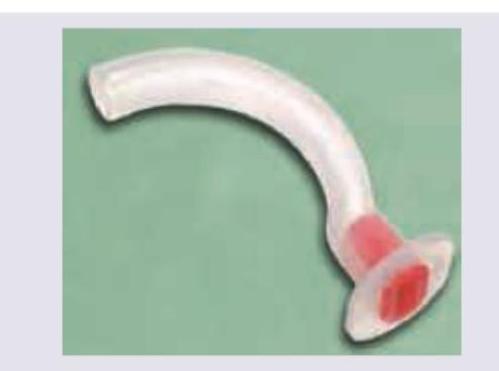
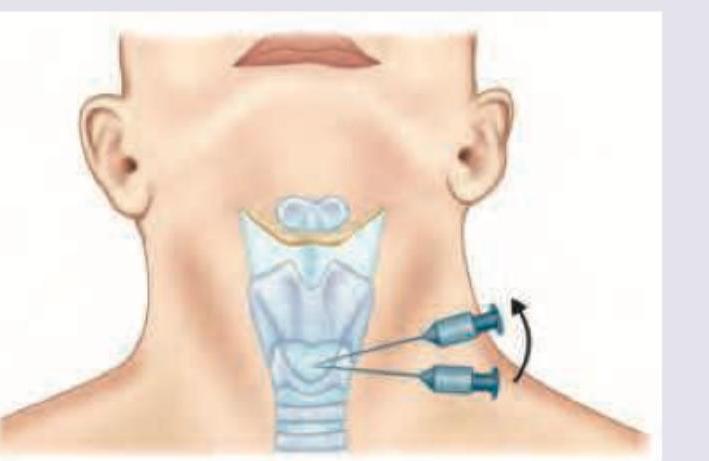
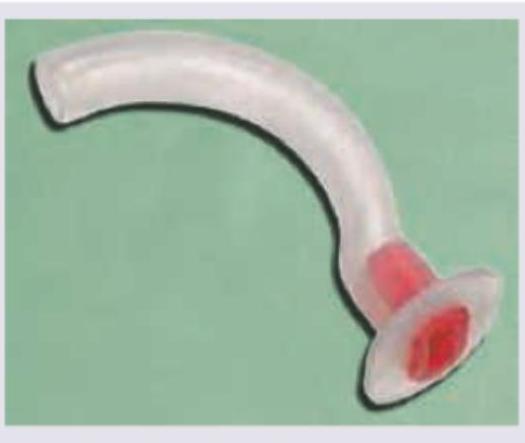
Explanation: ### **Explanation** A **definitive airway** is defined as a tube placed in the **trachea** with the **cuff inflated below the vocal cords**, connected to a form of oxygen-enriched ventilation, and secured in place with tape or a commercial device. **Why Nasotracheal Airway is Correct:** A nasotracheal tube is a type of **endotracheal tube (ETT)**. Because it passes through the larynx and into the trachea, and features an inflatable cuff that provides a reliable seal against aspiration while ensuring positive pressure ventilation, it meets all criteria for a definitive airway. **Analysis of Incorrect Options:** * **Orotracheal Airway (Guedel Airway):** This is a **simple airway adjunct**. It merely prevents the tongue from obstructing the posterior pharynx in an unconscious patient. It does not enter the trachea or protect against aspiration. * **Nasopharyngeal Airway (Nasal Trumpet):** Similar to the oropharyngeal airway, this is an **adjunct** used to bypass upper airway obstruction. It terminates in the pharynx, not the trachea. * **Laryngeal Mask Airway (LMA):** This is a **Supraglottic Airway Device (SAD)**. While it provides an effective channel for ventilation, it sits above the vocal cords. It does not provide a definitive seal against gastric aspiration and is therefore not considered a definitive airway. ### **High-Yield Clinical Pearls for NEET-PG:** 1. **Three types of definitive airways:** * Orotracheal tube (most common). * Nasotracheal tube. * Surgical airway (Cricothyroidotomy or Tracheostomy). 2. **Gold Standard for Confirmation:** The most reliable clinical method to confirm definitive airway placement is **Continuous Waveform Capnography (EtCO2)**. 3. **Indication:** A definitive airway is mandatory if the patient has a **GCS ≤ 8** ("8, terminate/intubate"), impending airway obstruction, or severe respiratory failure.
Respiratory Physiology
Practice Questions
Airway Anatomy
Practice Questions
Preoxygenation Techniques
Practice Questions
Mask Ventilation
Practice Questions
Supraglottic Airway Devices
Practice Questions
Direct Laryngoscopy
Practice Questions
Video Laryngoscopy
Practice Questions
Fiberoptic Intubation
Practice Questions
Surgical Airway Management
Practice Questions
One-Lung Ventilation Techniques
Practice Questions
Ventilation Strategies During Anesthesia
Practice Questions
Extubation Criteria and Techniques
Practice Questions
Get full access to all questions, explanations, and performance tracking.
Start For Free