
Toxicity of Local Anesthetics — MCQs

Which of the following signs of congestive cardiac failure constitute a major risk to the surgical patient undergoing anaesthesia ?
What is the preferred concentration range of lidocaine for topical anesthesia?
What is the percentage of halothane that is metabolized in the human body?
A young male was administered regional anesthesia with 0.25% bupivacaine. The patient became unresponsive, and the pulse became unrecordable. What is the best management in this situation?
What is the maximum dose of plain lignocaine (in mg) for adults?
What is the primary cardiotoxic effect of bupivacaine?
In ACLS, which antiarrhythmic drug can be given following ventricular fibrillation after cardiac arrest other than epinephrine?
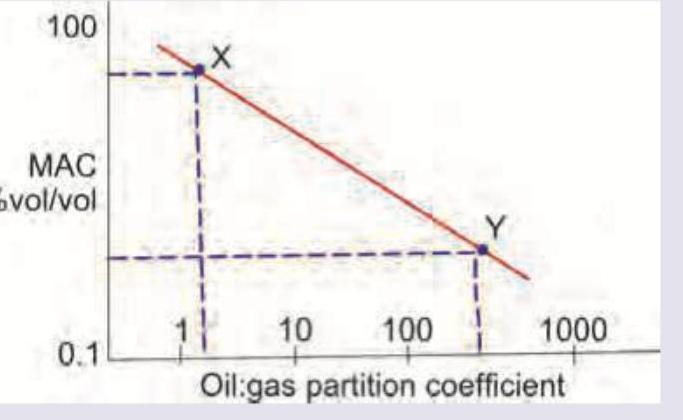
Which is correct about the anesthetic drugs X and Y in the image shown? (Recent NEET Pattern 2016-17)
In ophthalmology, if a patient is allergic to aminoesters, which local anesthetic can be safely used?
A 25 year old male with roadside accident underwent debridement and reduction of fractured both bones right forearm under axillary block. On the second postoperative day the patient complained of persistent numbness and paresthesia in the right forearm and the hand. The commonest cause of this neurological dysfunction could be all of the following except –
Want unlimited practice?
Get full access to all questions, explanations, and performance tracking.
Scan to download app