
Ester Local Anesthetics — MCQs

Which of the following local anesthetics is the most common cause of methemoglobinemia?
Mechanism of action of d-tubocurarine is:
Which of the following is a long-acting local anesthetic with a duration of action greater than 2 hours?
A patient presented with rigidity, tremors, and trismus after being administered an anesthetic agent. Which anesthetic agent is most likely to have been administered?
In ophthalmology, if a patient is allergic to aminoesters, which local anesthetic can be safely used?
What is the mechanism of action of local anesthetics?
An 18 years old woman in the active stage of labour requests an epidural anaesthesia for delivery. Immediately following the epidural injection of 12ml of 2% lidocaine, the patient complains of lip numbness and becomes apprehensive. What is the presumptive diagnosis?
A patient undergoing a minor surgical procedure is given lignocaine injection. Assertion: Local anaesthetics act by blocking nerve conduction. Reason: Small fibers and non-myelinated fibers are blocked more easily than large myelinated fibers.
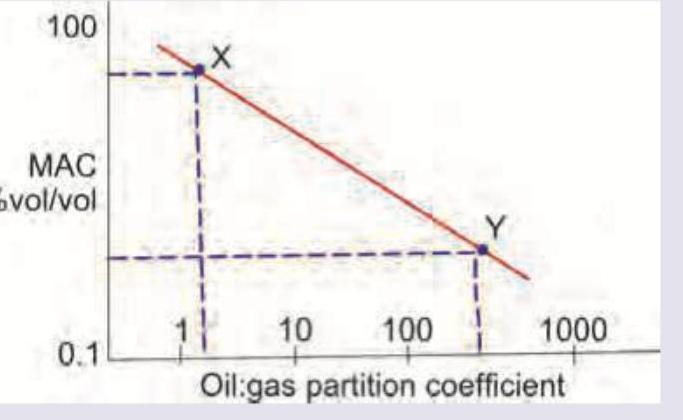
Which is correct about the anesthetic drugs X and Y in the image shown? (Recent NEET Pattern 2016-17)
Which of the following is not an amide local anesthetic?
Want unlimited practice?
Get full access to all questions, explanations, and performance tracking.
Scan to download app