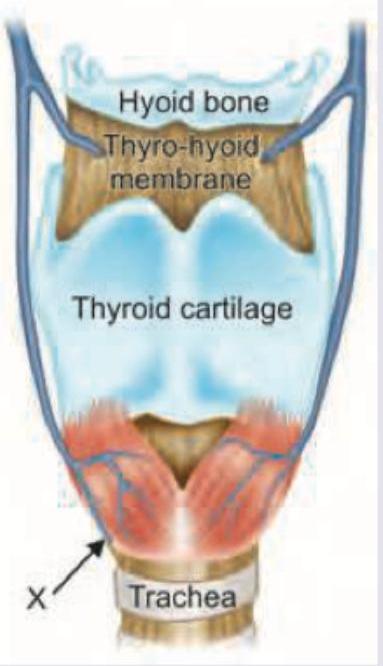
The isthmus of the thyroid gland is typically located at which vertebral level?
The investing layer of the deep cervical fascia encloses all except:
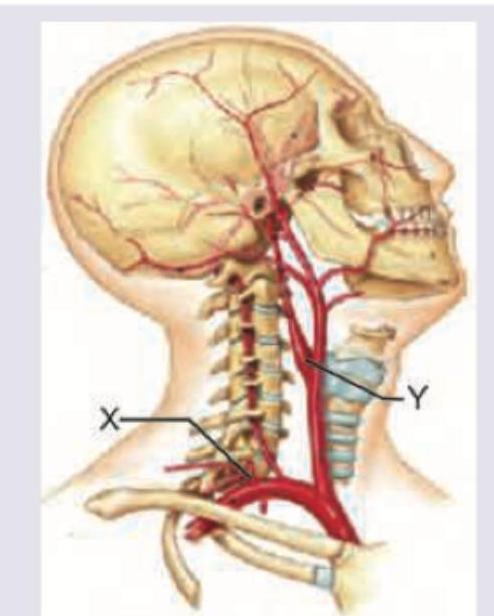
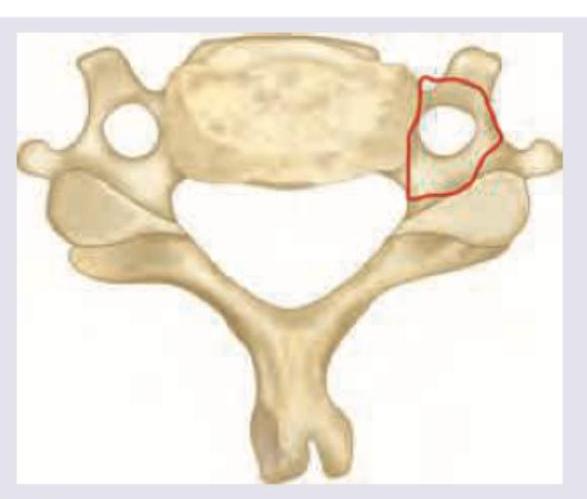
The vertebral artery traverses all of the following except?
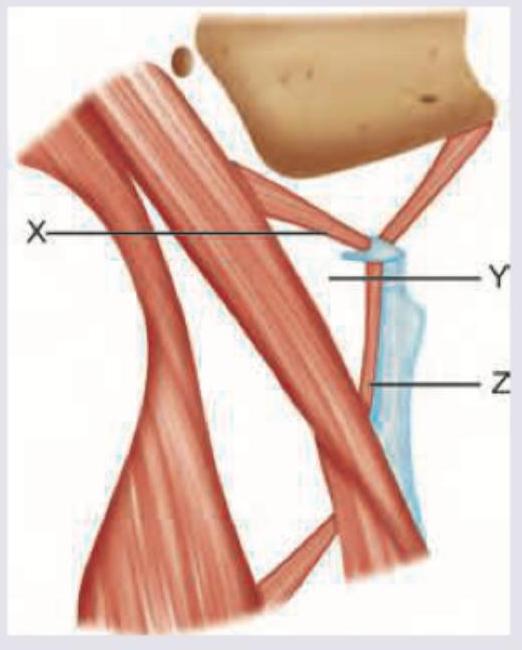
The laryngeal prominence is formed by which anatomical structure?
A young patient had a history of fall. The physician placed his hand on the patient's chin and instructed him to rotate his head to the opposite side against resistance. The patient was unable to perform the action. Which nerve is injured in this patient?
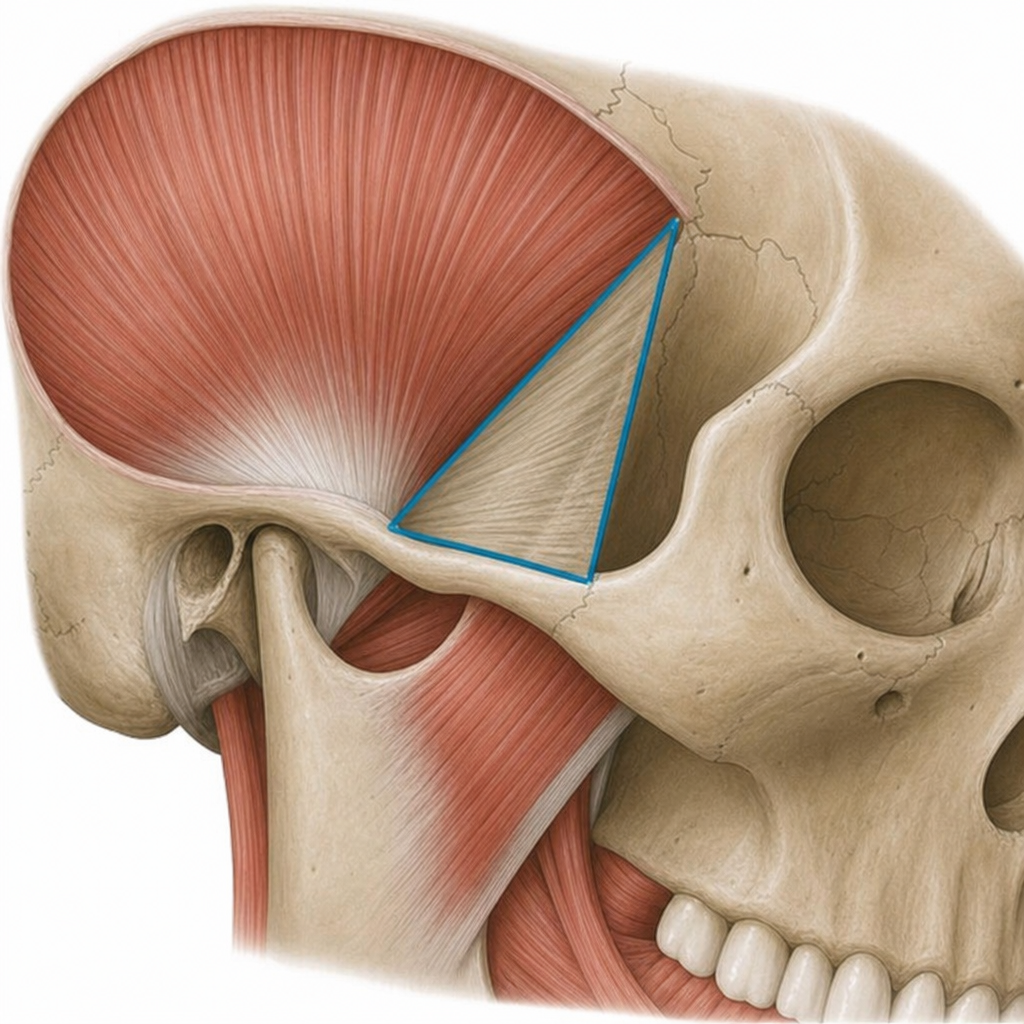
All of the following are contents of the suboccipital triangle, except?
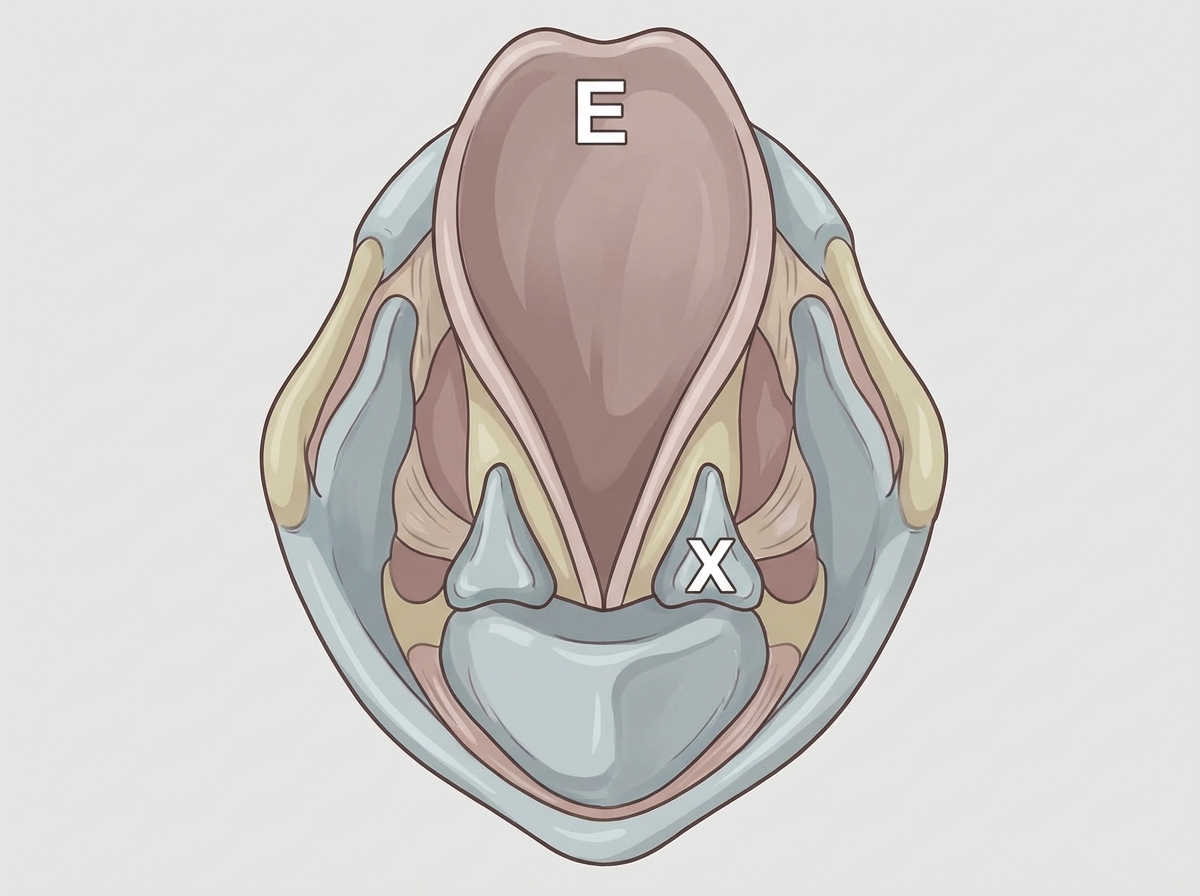
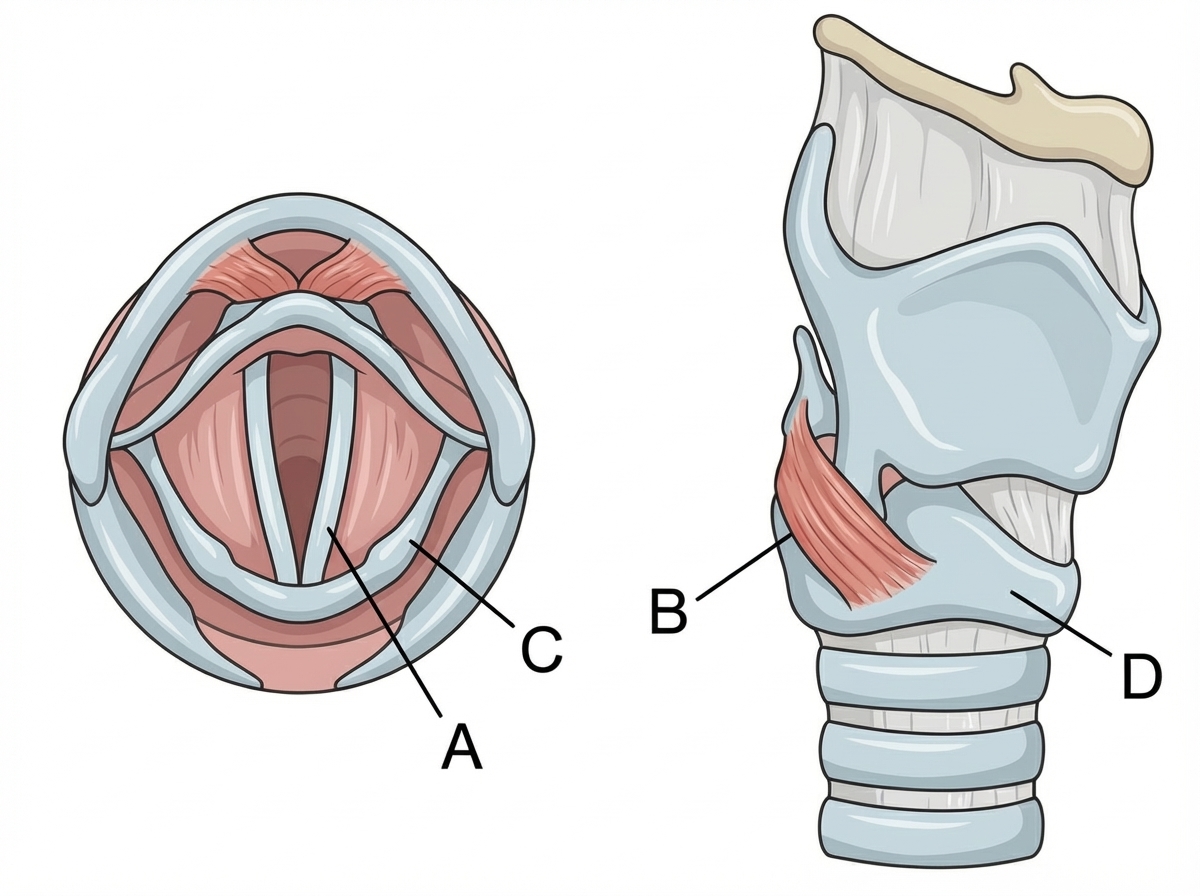
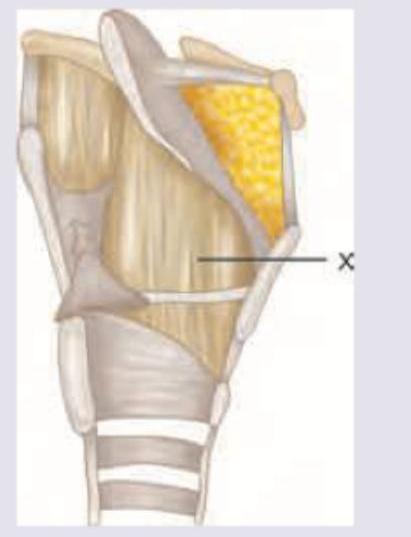
Which muscle is an opener of the glottis?
The cricoid cartilage can be palpated at which anatomical landmark?
What is the average weight of the thyroid gland in individuals with a diet rich in iodine?
Which of the following arteries supply the Sternocleidomastoid muscle?
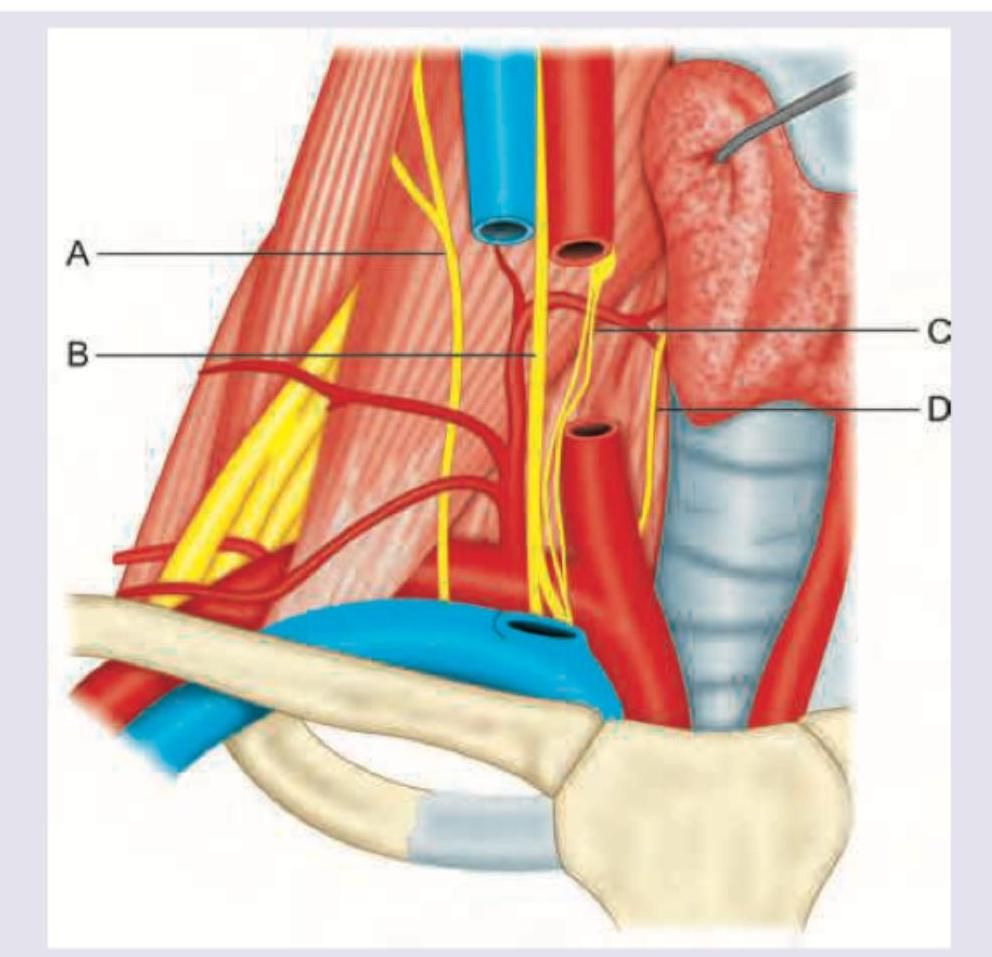
Explanation: ### Explanation **Correct Answer: D. C7** The thyroid gland is an endocrine organ located in the anterior neck. The **isthmus** is the central part of the gland that connects the two lateral lobes [1]. Anatomically, the isthmus lies across the **2nd, 3rd, and 4th tracheal rings**. To determine the vertebral level, we correlate the trachea with the spinal column. The trachea begins at the lower border of the cricoid cartilage (C6 level). Since the isthmus sits slightly below this, its position corresponds to the **C7 vertebral level**. **Analysis of Incorrect Options:** * **A. C2:** This is the level of the axis vertebra, corresponding to the upper part of the oropharynx and the hyoid bone (which is actually at C3). * **B. C4:** This level corresponds to the upper border of the thyroid cartilage and the bifurcation of the Common Carotid Artery. * **C. C5:** This corresponds to the lower part of the thyroid cartilage. The thyroid lobes begin around this level, but the isthmus is situated lower. **High-Yield Clinical Pearls for NEET-PG:** * **Tracheostomy Site:** A high tracheostomy is performed above the isthmus, while a standard tracheostomy usually involves retracting the isthmus downward or dividing it to access the 2nd and 3rd tracheal rings. * **Pyramidal Lobe:** A frequent anatomical variant (remnant of the thyroglossal duct) that often ascends from the left side of the isthmus [1]. * **Ectopic Thyroid:** The most common site for ectopic thyroid tissue is the tongue (**Lingual Thyroid**), resulting from a failure of the gland to descend from the foramen caecum [2]. * **Blood Supply:** The isthmus is primarily supplied by the anastomosis between the superior thyroid arteries. The **Thyroid Ima Artery** (present in 10% of people) may also ascend directly to the isthmus from the brachiocephalic trunk or aorta.
Explanation: The **investing layer of deep cervical fascia** is the most superficial layer of the deep fascia that surrounds the neck like a collar. ### Why "Axillary Vessels" is the Correct Answer The **axillary vessels** (and the brachial plexus) are enclosed by the **prevertebral fascia**, which extends laterally from the neck into the axilla to form the **axillary sheath**. The investing layer does not contribute to this sheath; therefore, it does not enclose these vessels. ### Explanation of Incorrect Options * **A. Sternocleidomastoid and Trapezius:** The investing layer splits to enclose two major muscles: the Trapezius (posteriorly) and the Sternocleidomastoid (anteriorly). * **B. Two Salivary Glands:** It splits to enclose the **Parotid gland** and the **Submandibular gland**. The layer covering the parotid gland thickens to form the stylomandibular ligament. * **D. Two Spaces:** It splits to form two potential spaces: the **Suprasternal space (Space of Burns)** and the **Supraclavicular space**. ### High-Yield NEET-PG Pearls * **Rule of Two:** To remember the investing layer, think of the "Rule of 2": 2 muscles (SCM, Trapezius), 2 glands (Parotid, Submandibular), and 2 spaces (Suprasternal, Supraclavicular). * **Clinical Correlation:** The Suprasternal space contains the **jugular venous arch**, the sternal heads of the SCM, and some deep cervical lymph nodes. * **Fascial Continuity:** The investing layer is continuous posteriorly with the ligamentum nuchae and superiorly with the external occipital protuberance and superior nuchal line.
Explanation: **Explanation:** The **vertebral artery** is a major branch of the first part of the subclavian artery. Its course is traditionally divided into four segments (V1–V4). Understanding its anatomical trajectory is crucial for identifying why it does not pass through the intervertebral foramen. * **Why Intervertebral Foramen is the Correct Answer:** The **intervertebral foramina** are openings between adjacent vertebrae that transmit **spinal nerves** and small spinal branches of vessels, but not the main trunk of the vertebral artery. The vertebral artery runs vertically through the cervical spine, lateral to the vertebral bodies, rather than entering the spinal canal through these lateral openings. **Analysis of Other Options:** * **Foramen Transversarium:** This is a hallmark of cervical vertebrae. The vertebral artery (V2 segment) enters the foramen transversarium of the **C6** vertebra and ascends through those of C5 to C1. * **Subarachnoid Space:** After piercing the posterior atlanto-occipital membrane and the dura mater (V4 segment), the artery enters the subarachnoid space. This is where it gives off the posterior inferior cerebellar artery (PICA). * **Foramen Magnum:** The V4 segment enters the cranial cavity by passing through the foramen magnum, eventually joining its counterpart to form the basilar artery at the lower border of the pons. **High-Yield NEET-PG Pearls:** 1. **Level of Entry:** The vertebral artery enters the foramen transversarium at **C6**, NOT C7 (the C7 foramen contains only the vertebral vein). 2. **Subclavian Steal Syndrome:** Occurs due to proximal subclavian artery stenosis, leading to retrograde flow in the vertebral artery. 3. **Triangle of the Vertebral Artery:** Bound by the Longus colli and Scalenus anterior muscles; the artery lies within this space (V1 segment).
Explanation: **Explanation:** The **laryngeal prominence** (commonly known as the "Adam’s Apple") is a subcutaneous projection in the midline of the neck. It is formed by the **angle of the thyroid cartilage**, where its two quadrilateral laminae meet anteriorly. In males, this angle is more acute (approximately 90°), making the prominence more visible and the vocal cords longer (resulting in a deeper voice). In females, the angle is more obtuse (approximately 120°), making it less prominent. **Analysis of Options:** * **Angle of the thyroid cartilage (Correct):** This is the specific point of fusion between the right and left laminae that creates the palpable protrusion. * **Anterior margin of thyroid cartilage:** While the prominence is located anteriorly, the "margin" refers to the entire vertical edge. The specific anatomical landmark for the protrusion is the angle/junction. * **Cricoid cartilage:** This is a complete ring located inferior to the thyroid cartilage (at the level of C6). It is palpable but does not form the laryngeal prominence. * **Hyoid bone:** This is a U-shaped bone located superior to the thyroid cartilage. It serves as an attachment point for muscles but does not contribute to the laryngeal prominence. **Clinical Pearls for NEET-PG:** * **Vertebral Level:** The laryngeal prominence typically corresponds to the **C4** vertebral level. * **Thyroid Notch:** Just superior to the laryngeal prominence is the "superior thyroid notch," a V-shaped indentation. * **Cricothyroid Membrane:** Located between the thyroid and cricoid cartilages; this is the site for an emergency **cricothyroidotomy**. * **Oblique Line:** Found on the external surface of the thyroid lamina; it serves as the attachment for the Sternothyroid, Thyrohyoid, and Inferior constrictor muscles (**Mnemonic: STI**).
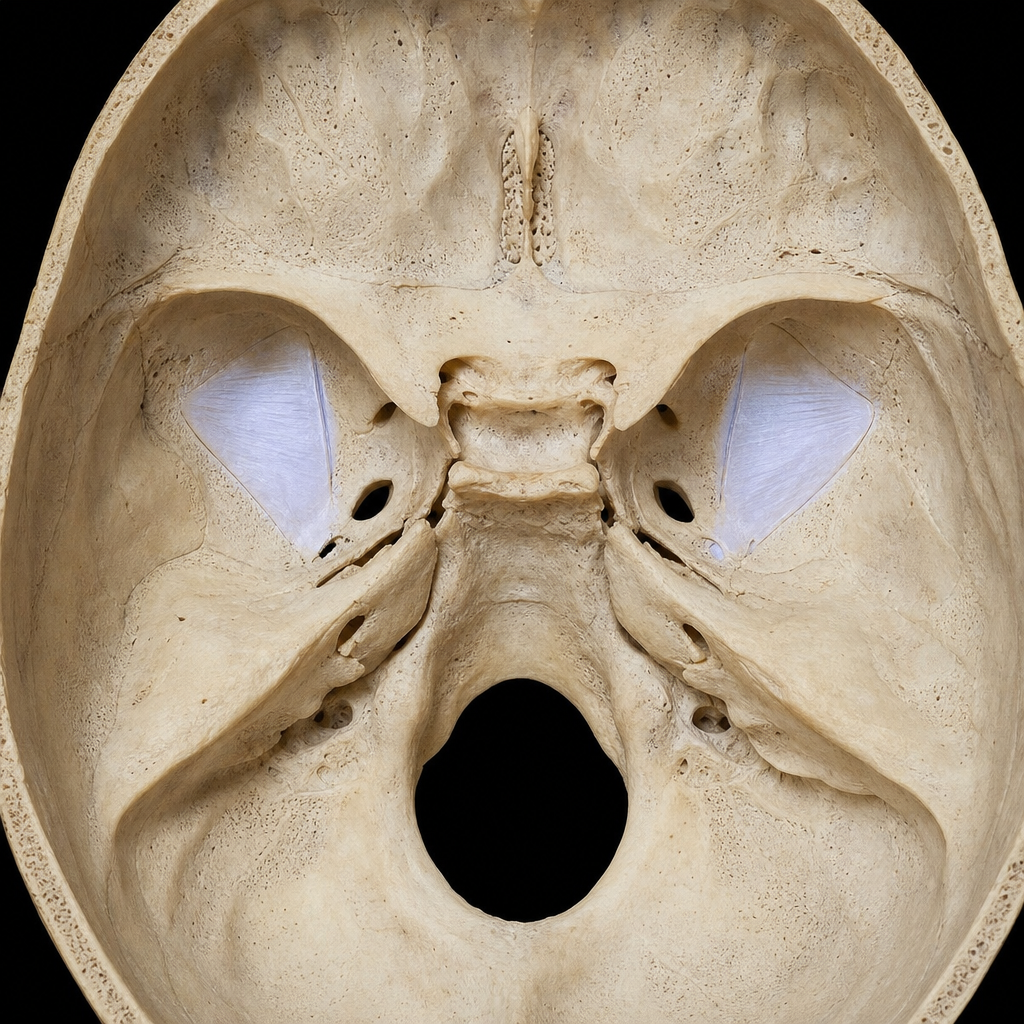
Explanation: ### Explanation **Correct Option: C. Spinal accessory nerve** The clinical scenario describes a test for the **Sternocleidomastoid (SCM)** muscle. The SCM is innervated by the **Spinal Accessory Nerve (CN XI)**. * **Mechanism:** When the right SCM contracts, it tilts the head to the right but **rotates the chin to the left (opposite side)**. Therefore, the inability to rotate the head to the opposite side against resistance indicates paralysis of the SCM on the side being tested. * **Anatomy:** The Spinal Accessory Nerve (CN XI) is a purely motor nerve that supplies the SCM and the Trapezius. Injury to this nerve commonly occurs in the posterior triangle of the neck (e.g., during lymph node biopsy or trauma). **Analysis of Incorrect Options:** * **A. Posterior auricular nerve:** A branch of the Facial nerve (CN VII) that supplies the auricularis posterior muscle and the occipital belly of the occipitofrontalis. It does not assist in neck rotation. * **B. 10th cranial nerve (Vagus):** Primarily provides parasympathetic innervation to thoracic and abdominal viscera and motor supply to the pharynx and larynx. It does not supply the SCM. * **D. 12th cranial nerve (Hypoglossal):** Supplies the intrinsic and extrinsic muscles of the tongue. Injury would result in tongue deviation toward the side of the lesion, not neck weakness. **High-Yield Clinical Pearls for NEET-PG:** * **Trapezius Test:** To test the other muscle supplied by CN XI, ask the patient to **shrug their shoulders** against resistance. * **Nerve Course:** CN XI enters the skull through the Foramen Magnum and exits via the **Jugular Foramen**. * **Iatrogenic Injury:** The most common cause of CN XI injury is medical procedures in the **posterior triangle** of the neck. * **Differentiating SCM vs. Trapezius:** If only the Trapezius is affected (drooping shoulder), the nerve lesion is likely distal to the branch supplying the SCM.
Explanation: The **suboccipital triangle** is a high-yield anatomical space located deep to the trapezius and semispinalis capitis muscles. Understanding its boundaries and contents is essential for NEET-PG. ### **Explanation of the Correct Answer** **D. Occipital artery:** This is the correct answer because the occipital artery is **not** a content of the triangle. It arises from the external carotid artery and runs along the surface of the obliquus capitis superior muscle, eventually crossing the apex of the triangle to reach the scalp. It lies superficial to the triangle, rather than within it. ### **Analysis of Incorrect Options** * **A. Vertebral Artery:** The 3rd part of the vertebral artery is a primary content. It emerges from the foramen transversarium of the atlas (C1), runs medially in a groove on the superior surface of the posterior arch of C1, and enters the foramen magnum. * **B. Dorsal ramus of C1 nerve (Suboccipital nerve):** This nerve emerges between the posterior arch of C1 and the vertebral artery. It is purely motor and supplies the muscles forming the triangle. * **C. Suboccipital plexus of veins:** This venous network lies within the triangle, communicating with the vertebral veins and the dural venous sinuses. ### **NEET-PG High-Yield Pearls** * **Boundaries:** Superomedially (Rectus capitis posterior major), Superolaterally (Obliquus capitis superior), and Inferolaterally (Obliquus capitis inferior). * **Roof:** Formed by the Semispinalis capitis and Longissimus capitis. * **Floor:** Formed by the posterior atlanto-occipital membrane and the posterior arch of the atlas. * **Clinical Note:** The **Greater Occipital Nerve (C2)** is often confused with C1; however, C2 is **not** a content—it emerges below the obliquus capitis inferior and crosses the triangle superficially.
Explanation: **Explanation:** The intrinsic muscles of the larynx are responsible for controlling the tension of the vocal cords and the size of the rima glottidis. **1. Why the Correct Answer is Right:** The **Posterior Cricoarytenoid (PCA)** is the **only abductor** of the vocal folds. It originates from the posterior surface of the cricoid lamina and inserts into the muscular process of the arytenoid cartilage. When it contracts, it rotates the arytenoid cartilages laterally, pulling the vocal ligaments away from the midline. This action opens the rima glottidis (glottis), allowing for inspiration. Because it is the sole muscle responsible for opening the airway, it is often referred to as the **"Safety Muscle of the Larynx."** **2. Why the Other Options are Wrong:** * **Lateral Cricoarytenoid:** This is the primary **adductor** of the vocal folds. It rotates the arytenoids medially to close the glottis (the intermembranous portion). * **Transverse & Oblique Arytenoids (Interarytenoids):** These muscles pull the two arytenoid cartilages together, closing the posterior portion of the glottis (the intercartilaginous portion). * All three incorrect options are **adductors** (closers) of the glottis, used during phonation and to protect the airway during swallowing. **High-Yield Clinical Pearls for NEET-PG:** * **Nerve Supply:** All intrinsic muscles of the larynx are supplied by the **Recurrent Laryngeal Nerve (RLN)**, *except* for the Cricothyroid (supplied by the External Laryngeal Nerve). * **Clinical Correlation:** Bilateral injury to the Recurrent Laryngeal Nerve results in the vocal cords being stuck in a paramedian position because the PCA (the only abductor) is paralyzed. This leads to acute respiratory distress and stridor, often requiring an emergency tracheostomy. * **Tension:** The **Cricothyroid** is the chief tensor of the vocal cords (increases pitch), while the **Thyroarytenoid** (Vocalis) relaxes them.
Explanation: The cricoid cartilage is a complete ring of hyaline cartilage located at the level of the **C6 vertebra**. It serves as a critical landmark in head and neck anatomy. **Explanation of the Correct Answer:** The **Thyroid cartilage** is the correct landmark because the cricoid cartilage is situated immediately inferior to it [1]. In clinical practice, the cricoid is identified by first palpating the laryngeal prominence (Adam’s apple) of the thyroid cartilage and sliding the finger downwards across the **cricothyroid membrane** to feel the firm, horizontal ridge of the cricoid arch [1]. This relationship is vital for procedures like cricothyroidotomy. **Analysis of Incorrect Options:** * **First tracheal ring:** This lies immediately below the cricoid cartilage. While adjacent, it is softer and often covered by the isthmus of the thyroid gland (at the level of the 2nd to 4th tracheal rings), making it a less reliable primary landmark for identifying the cricoid. * **Cricoid cartilage:** This option is tautological; a structure cannot be its own landmark for palpation in the context of surface anatomy. * **Arteries can never be palpated:** This is factually incorrect. The carotid pulse is easily palpated lateral to the cricoid cartilage at the same vertebral level (C6). **High-Yield Clinical Pearls for NEET-PG:** * **Vertebral Level:** The cricoid cartilage marks the level of **C6**. * **Anatomical Junctions:** At the lower border of the cricoid (C6), the larynx becomes the trachea, and the pharynx becomes the esophagus. * **Middle Thyroid Vein:** This vein exits the thyroid gland at the level of the cricoid. * **Chassaignac’s Tubercle:** The carotid tubercle (anterior tubercle of C6 transverse process) lies at this level and is used to compress the carotid artery.
Explanation: **Explanation:** The thyroid gland is one of the largest endocrine glands in the body [1]. Its weight is highly variable and is influenced by factors such as age, gender, physiological state (pregnancy/menstruation), and most significantly, **dietary iodine intake**. **1. Why 18-20 gm is correct:** In individuals residing in regions with a diet rich in iodine, the average weight of the thyroid gland is approximately **18 to 25 grams** (standard textbook range is often cited as 20-25g [3], making **18-20 gm** the most accurate choice among the options). Iodine is essential for the synthesis of T3 and T4; when iodine is sufficient, the gland maintains a stable size without the need for compensatory hypertrophy. **2. Analysis of Incorrect Options:** * **A & B (10-16 gm):** These values are too low for a healthy adult thyroid. A gland weighing less than 15 gm is typically considered hypoplastic or atrophic in an adult [3]. * **D (28-30 gm):** This weight is on the higher end of the spectrum. While the gland can reach 30g during pregnancy or in iodine-deficient areas (where TSH stimulation causes enlargement), it is not the "average" weight for a healthy individual with a rich iodine diet [2], [4]. **3. High-Yield Clinical Pearls for NEET-PG:** * **Dimensions:** Each lobe measures approximately 5 x 3 x 2 cm. * **Gender Difference:** The gland is generally heavier in females than in males and increases in size during menstruation and pregnancy. * **Blood Supply:** It is one of the most vascular organs [1]. The **Superior Thyroid Artery** (branch of External Carotid) and **Inferior Thyroid Artery** (branch of Thyrocervical trunk) are the primary supplies [3]. * **Capsules:** The gland has a true capsule (peripheral condensation of connective tissue) and a false capsule (derived from the **pretracheal fascia**). This is why the thyroid moves with deglutition.
Explanation: The **Sternocleidomastoid (SCM)** is a large, superficial muscle of the neck with a complex, segmental blood supply. It is unique because it receives arterial branches from multiple sources along its entire length. ### **Explanation of the Correct Answer** The SCM is supplied by branches from the following arteries: 1. **Upper part:** Occipital artery and **Posterior auricular artery**. 2. **Middle part:** Superior thyroid artery. 3. **Lower part:** Suprascapular artery. In this specific question, while multiple arteries supply the SCM, the **Posterior auricular artery** is listed as the correct choice among the options provided. It specifically supplies the superior-most portion of the muscle near its insertion on the mastoid process. ### **Analysis of Incorrect Options** * **A. Superior Thyroid artery:** While it *does* supply the middle portion of the SCM, in many standardized NEET-PG questions, the posterior auricular or occipital arteries are prioritized as the primary "named" muscular branches for the upper segment. * **C. Occipital artery:** This is a major supplier of the upper SCM. However, if the question is sourced from a specific textbook (like Gray’s or BD Chaurasia) where the posterior auricular is highlighted for a specific segment, it becomes the keyed answer. * **D. Suprascapular artery:** Supplies the lower (clavicular) portion of the muscle. ### **High-Yield Clinical Pearls for NEET-PG** * **Nerve Supply:** The SCM has a dual nerve supply: **Spinal Accessory nerve (CN XI)** for motor function and **C2, C3 spinal nerves** for proprioception. * **Surgical Significance:** Because of its segmental blood supply, the SCM can be used as a **myocutaneous flap** in reconstructive head and neck surgery. * **Torticollis (Wry Neck):** Often caused by fibrosis or hematoma of the SCM (often the result of birth injury), leading to the head tilting toward the affected side and the chin rotating to the opposite side.
Cervical Fascia
Practice Questions
Triangles of the Neck
Practice Questions
Deep Structures of the Neck
Practice Questions
Thyroid and Parathyroid Glands
Practice Questions
Vasculature of the Neck
Practice Questions
Lymphatic Drainage
Practice Questions
Cervical Plexus
Practice Questions
Root of the Neck
Practice Questions
Applied Anatomy and Clinical Correlations
Practice Questions
Surface Anatomy of the Neck
Practice Questions
Get full access to all questions, explanations, and performance tracking.
Start For Free